
Daddy’s typewriter was tapping out tac-tac..tac-tac-tac… The clock chimed brightly ting-ting… ting-ting… The silence dragged out zzzzzzz. The wardrobe was saying what? clothes — clothes — clothes. No, no. Between the clock, the typewriter and the silence there was an ear listening out, large, flesh-pink and dead. The three sounds were connected by the light of day and by the rustling of tiny leaves on the tree as they joyfully rubbed against each other.
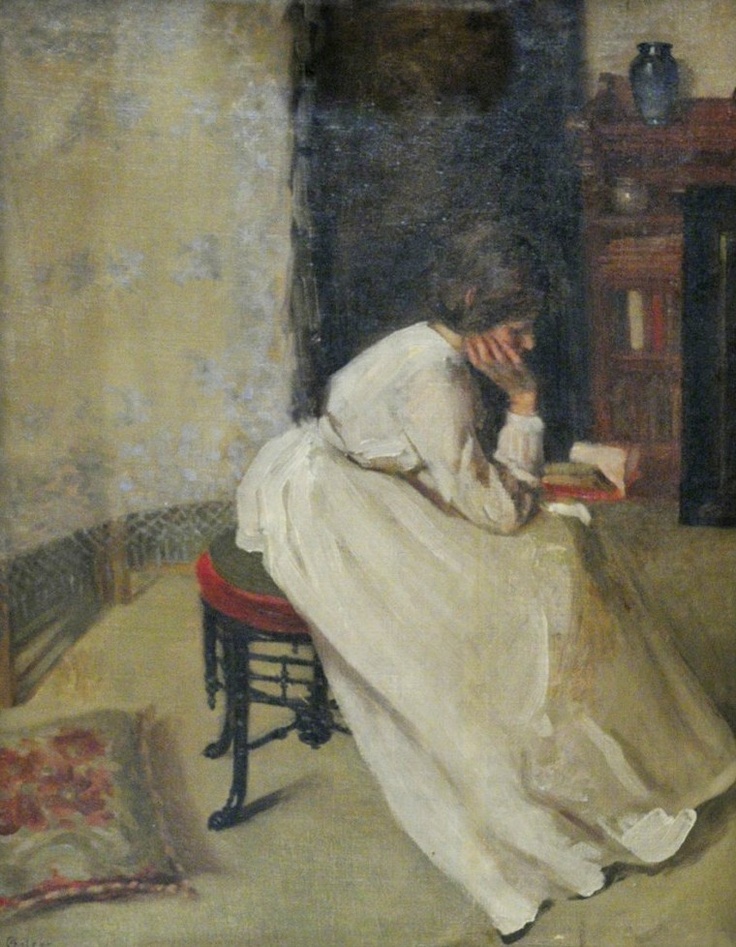
Resting her head against the cold, shiny window-pane, she looked into the neighbour’s yard, at the great world of the chickens-that-did-not-know-they-were-about-to-die. And as if it were right under her nose, she could smell the warm, beaten earth, so fragrant and dry, where she knew perfectly well, she knew perfectly well that some worm or other lay squirming before being devoured by the hen that humans were going to eat.
There was a grand moment, motionless and quite hollow inside. She opened her eyes wide and waited. Nothing happened. Blank. But suddenly with a shudder they wound up the day and they began to function once again, the typewriter tapping, father’s cigarette giving off smoke, silence, tiny leaves, plucked chickens, brightness, things restored to life and as impatient as a kettle on the boil. All that was missing was the ting-ting of the clock which gave so much pleasure. She closed her eyes, pretended to hear it chime, and to the rhythm of that imaginary music, she went up on the tips of her toes. She executed three dance steps, so light and ethereal.
Then suddenly she looked at everything with displeasure, as if she had eaten far too much of that concoction. ‘Hey, hey, hey…’, she murmured wearily and then thought to herself: what will happen now now now? And in the fraction of time that followed, nothing ever happened if she went on waiting for something to happen if you get my meaning? She pushed away this awkward thought, distracting herself with a movement of her bare foot on the dusty wooden floor. She rubbed her foot, looking sideways at her father, awaiting his impatient and nervous smile. But nothing happened. Nothing. It’s difficult to suck in people like the vacuum cleaner does.
— Daddy, I’ve invented a poem.
The first five paragraphs of Clarice Lispector’s novel Near to the Wild Heart.


 Biblioklept