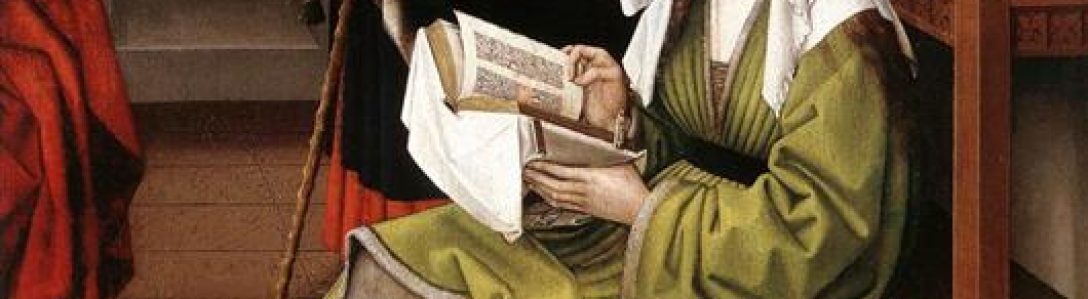
I REMEMBER THE BOOKSTORE, long gone now, on Forty-Second Street. I stood in the narrow aisle reading the first paragraph of The Recognitions. It was a revelation, a piece of writing with the beauty and texture of a Shakespearean monologue-or, maybe more apt, a work of Renaissance art impossibly transformed from image to words. And they were the words of a contemporary American. This, to me, was the wonder of it.
Years later, when I was a writer myself, I read JR, and it seemed to me, at first, that Gaddis was working against his own gifts for narration and physical description, leaving the great world behind to enter the pigeon-coop clutter of minds intent on deal-making and soul-swindling. This was not self-denial, I began to understand, but a writer of uncommon courage and insight discovering a method that would allow him to realize his sense of what the great world had become.
JR in fact is a realistic novel–so unforgivingly real that we may fail to recognize it as such. It is the real world of its own terms, without the perceptual scrim that we tend to erect (novelists and others) in order to live and work safely within it.
Two tremendous novels. And the author maneuvering his car out of a dark and cramped driveway, the last time I saw him, with four or five friends and acquaintances calling out instructions as the car backed onto the country road, headlights shining on our waved good nights.
Don DeLillo on William Gaddis. From the Fall 2003 issue of Conjunctions.


 Biblioklept