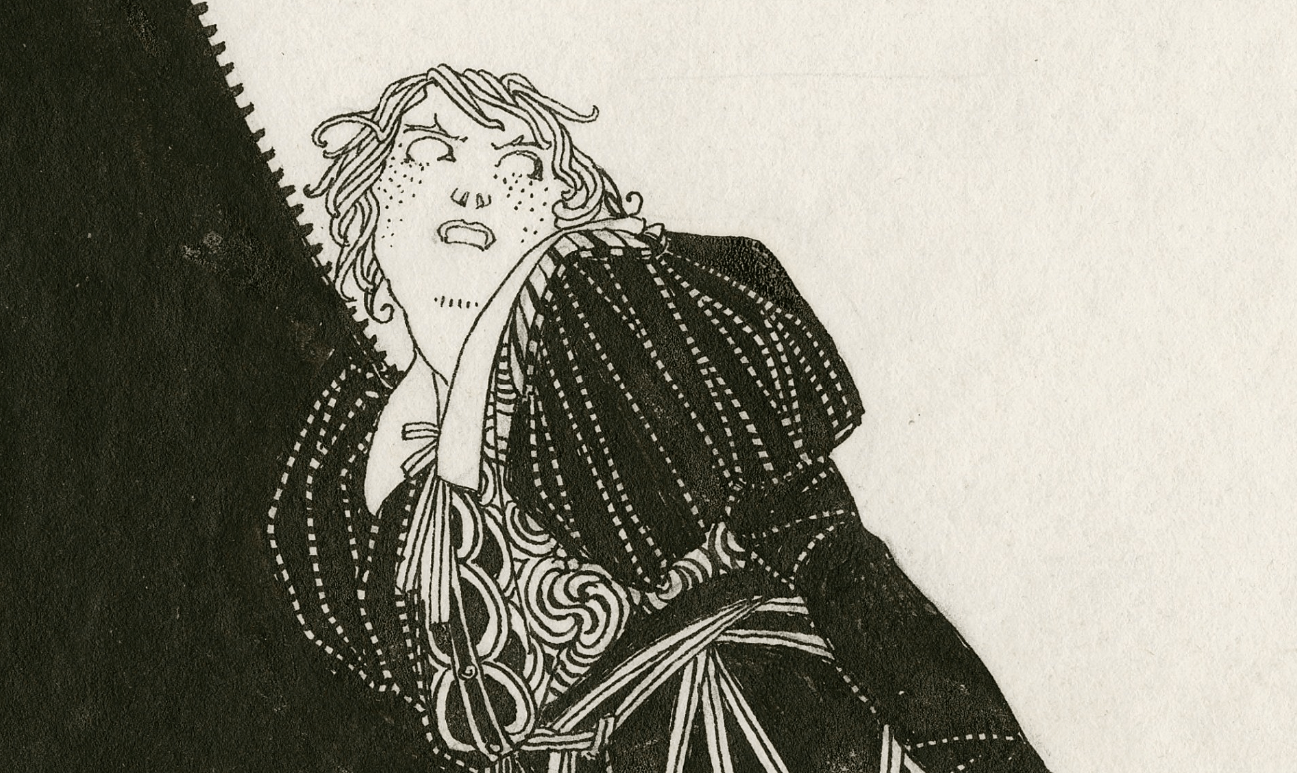
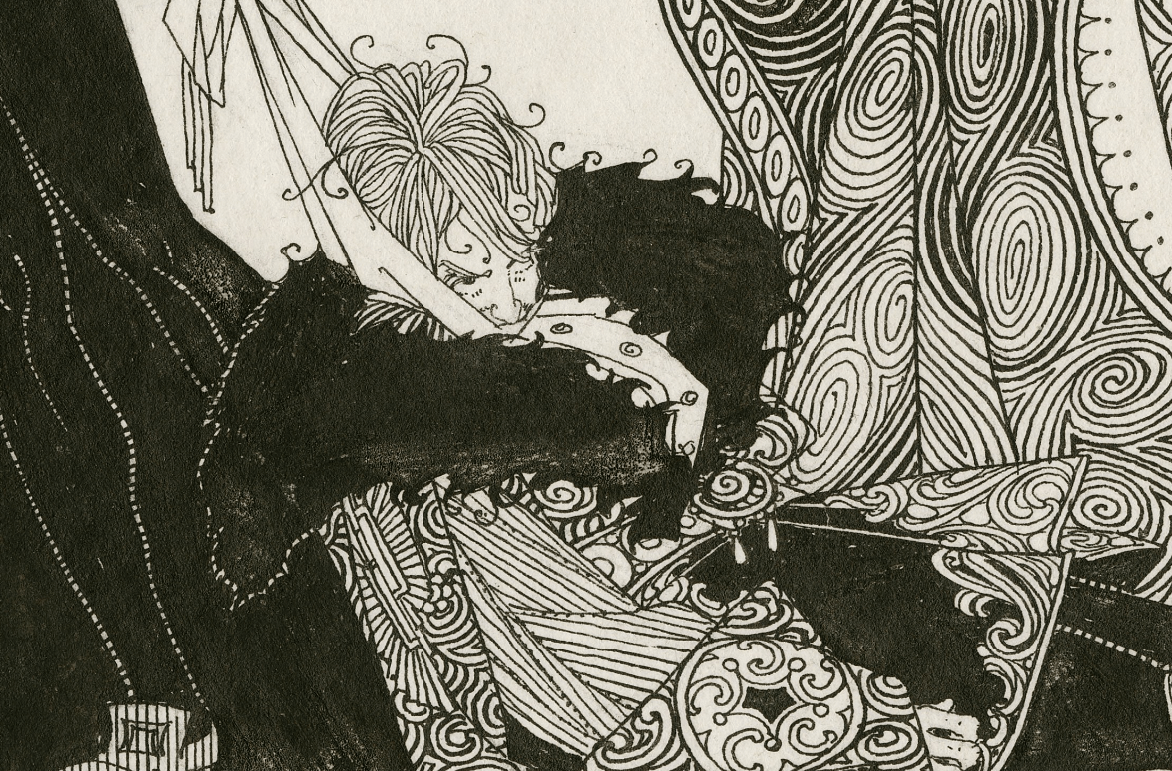
Donald Barthelme’s Sixty Stories in reverse: Chapter the Last, featuring Thirty Stories, Fifteen Stories, and Ten Stories

Previously,

Stories 60-55

Stories 54-49

Stories 48-43

Stories 42-37

Stories 36-31

Stories 30-25

Stories 24-19

Stories 18-13

Stories 12-7

Stories 6-1

I don’t know if there’s a need for a defense of Donald Barthelme, and I do know that I am not the person to mount that defense. I spent the last two months re-reading Sixty Stories along with/against Tracy Daugherty’s 2010 biography of Barthelme, Hiding Man. I read some other stuff, but most of the writing on this cursed website was about Barthelme’s stories.

Here’s the thing: these stories, even when soaked in the juices of their zeitgeist (“The Sandman,” “The Indian Uprising,” “Robert Kennedy Saved from Drowning”) more than hold up. They are still fresh, funny, strange, charming. I suppose they could be more upsetting–Barthelme’s world is never raw, and always displaces the visceral through a heavy salve of ironic refinements (and a three-martini haze).

But Barthelme’s rhetorical contortions vivify the forms that he parodies here—early French modernism (“Eugénie Grandet”) or Kafkaesque existentialism (“Me and Miss Mandible,” “The Sergeant”) or faux-academic essaying (“On Angels”). He transmutes the material into something more. In his introduction to the 2003 Penguin Classics edition of Sixty Stories that I read, David Gates remarks that,

Barthelme is a quintessential writer of the twentieth century, looking Janus-faced to both the past and future, and with a third eye turned inward. Yet he’s also an anomaly. Nobody before him really reads much like him: neither Beckett or Nabokov, nor such minimalist realists as Hemingway, nor such fabulists as Kafka and Borges…Nor has he become anyone’s Dead Father.

Gates’s appellation “Dead Father” is a nod to Barthelme’s best novel as well as the oedipal undercurrent that surges over and under his ouevre. Gates tries to situate Barthelme’s modernism, a modernism beholden to Dead Father Beckett, himself beholden to Dead Father Joyce.

But Gates never comes out and states what I think is clear after re-reading Sixty Stories (especially against Daugherty’s Barthelme biography)–Barthelme’s success is that he is a failed modernist. In his 1981 interview with J.D. O’Hara, Barthelme stated,

…my father was an architect of a particular kind—we were enveloped in modernism. The house we lived in, which he’d designed, was modern and the furniture was modern and the pictures were modern and the books were modern.

Raised a Modernist, Barthelme transcends Modernism.

And yet he was reticent of any terms that might fix him as something other. In a 1980 interview with Larry McCaffery, he called “‘postmodernism’…the least ugly, most descriptive” of the terms that had been used to pigeonhole his fiction.

He hedged more in his 1987 essay “Not Knowing,” musing that it was “not altogether clear as to who is supposed to be on the bus and who is not.” Postmodernism though is really just a descriptor. And we’re all on the bus.

Gates eventually settles on Barthelme as a “Dark Uncle” of literature, as opposed to a Dead Father. Like Nabokov, Gates suggests Barthelme may have imitators, but not true followers. (Gates does posit the potential of George Saunders to get there, and I’d argue no other living American writer (that I know of) would have at one time been fit to take up the Barthelme mantle, but kudos to Saunders for forging his own schmaltzy overly-empathetic path.)

But enough of Gates’s intro. It’s good. It’s very 2003–mentions of David Eggers, Harold Bloom, a lot of handwringing about postmodernism. (Somehow, unless I’m forgetting, Barthelme’s true contemporary Robert Coover isn’t mentioned.)

Anyway. The stuff in Sixty Stories still shines, still sings–and much of it is far more poignant than I would’ve initially credited.

So here are the silly lists.

If you want to turn Sixty Stories into Thirty Stories, here’s my edit (in reverse chronology):

“Bishop,” (previously uncollected, 1981)

“The Emerald,” (previously uncollected, 1981)

“The King of Jazz,” (Great Days, 1979)

“Cortes and Montezuma,” (Great Days, 1979)

“The Great Hug,” (Amateurs, 1976)

“The School,” (Amateurs, 1976)

“I Bought a Little City,” (Amateurs, 1976)

“At the End of the Mechanical Age,” (Amateurs, 1976)

“A Manual for Sons,” (The Dead Father, 1975)

“Eugénie Grandet,” (Guilty Pleasures, 1974)

“Nothing: A Preliminary Account” (Guilty Pleasures, 1974)

“Daumier” (Sadness, 1972)

“The Rise of Capitalism” (Sadness, 1972)

“The Sandman” (Sadness, 1972)

“The Glass Mountain” (City Life, 1970)

“The Policemen’s Ball” (City Life, 1970)

“Kierkegaard Unfair to Schlegel” (City Life, 1970)

“The Phantom of the Opera’s Friend” (City Life, 1970)

“On Angels” (City Life, 1970)

“Paraguay” (City Life, 1970)

“Views of My Father Weeping” (City Life, 1970)

“The Indian Uprising” (Unspeakable Practices, Unnatural Acts, 1968)

“See the Moon?” (Unspeakable Practices, Unnatural Acts, 1968)

“Report” (Unspeakable Practices, Unnatural Acts, 1968)

“Robert Kennedy Saved from Drowning” (Unspeakable Practices, Unnatural Acts, 1968)

“Game” (Unspeakable Practices, Unnatural Acts, 1968)

“The Balloon” (Unspeakable Practices, Unnatural Acts, 1968)

“For I’m the Boy” (Come Back, Dr. Caligari, 1964)

“Me and Miss Mandible” (Come Back, Dr. Caligari, 1964)

“A Shower of Gold” (Come Back, Dr. Caligari, 1964)


If you want to turn Sixty Stories into Fifteen Stories, here’s my edit (in reverse chronology):

“The Emerald,” (previously uncollected, 1981)

“The School,” (Amateurs, 1976)

“At the End of the Mechanical Age,” (Amateurs, 1976)

“A Manual for Sons,” (The Dead Father, 1975)

“Eugénie Grandet,” (Guilty Pleasures, 1974)

“Daumier” (Sadness, 1972)

“Kierkegaard Unfair to Schlegel” (City Life, 1970)

“On Angels” (City Life, 1970)

“Paraguay” (City Life, 1970)

“Views of My Father Weeping” (City Life, 1970)

“The Indian Uprising” (Unspeakable Practices, Unnatural Acts, 1968)

“Robert Kennedy Saved from Drowning” (Unspeakable Practices, Unnatural Acts, 1968)

“Game” (Unspeakable Practices, Unnatural Acts, 1968)

“The Balloon” (Unspeakable Practices, Unnatural Acts, 1968)

“Me and Miss Mandible” (Come Back, Dr. Caligari, 1964)


If you want to turn Sixty Stories into Ten Stories, here’s my edit (in reverse chronology):

“The Emerald,” (previously uncollected, 1981)

“A Manual for Sons,” (The Dead Father, 1975)

“Eugénie Grandet,” (Guilty Pleasures, 1974)

“Daumier” (Sadness, 1972)

“Kierkegaard Unfair to Schlegel” (City Life, 1970)

“Views of My Father Weeping” (City Life, 1970)

“The Indian Uprising” (Unspeakable Practices, Unnatural Acts, 1968)

“Game” (Unspeakable Practices, Unnatural Acts, 1968)

“The Balloon” (Unspeakable Practices, Unnatural Acts, 1968)

“Me and Miss Mandible” (Come Back, Dr. Caligari, 1964)


Vampire — Georgi Mashev

Vampire by Georgi Mashev (1887-1946)

“Entry in an Unknown Hand” — Franz Wright 

“Entry in an Unknown Hand”

by

Franz Wright


And still nothing happens. I am not arrested.
By some inexplicable oversight

nobody jeers when I walk down the street.

I have been allowed to go on living in this
room. I am not asked to explain my presence
anywhere.

What posthypnotic suggestions were made; and
are any left unexecuted?

Why am I so distressed at the thought of taking
certain jobs?

They are absolutely shameless at the bank——
You’d think my name meant nothing to them. Non-
chalantly they hand me the sum I’ve requested,

but I know them. It’s like this everywhere——

they think they are going to surprise me: I,
who do nothing but wait.

Once I answered the phone, and the caller hung up——
very clever.

They think that they can scare me.

I am always scared.

And how much courage it requires to get up in the
morning and dress yourself. Nobody congratulates
you!

At no point in the day may I fall to my knees and
refuse to go on, it’s not done.

I go on

dodging cars that jump the curb to crush my hip,

accompanied by abrupt bursts of black-and-white
laughter and applause,

past a million unlighted windows, peered out at
by the retired and their aged attack-dogs—

toward my place,

the one at the end of the counter,

the scalpel on the napkin.


Watch John Carpenter’s student film, Captain Voyeur

“Blueprints and Others” — John Ashbery

“Blueprints and Others”
by
John Ashbery

The man across the street seems happy,
or pleased. Sometimes a porter evades the grounds.
After you play a lot with the military
you are my own best customer.
I’ve done five of that.
Make my halloween. Ask me not to say it.
The old man wants to see you — now.
That’s all right, but find your own.
Do you want to stop using these?
Last winning people told me to sit on the urinal.
Do not put on others what you can put on yourself.
How to be in the city my loved one.
Men in underwear    …    A biography field
like where we live in the mountains,
a falling. Yes I know you have.
Troves of merchandise, you know, “boomer buzz.”
Hillbilly sculptures of the outside.
(They won’t see anybody.)

The Spirit of Geometry — Rene Magritte

The Spirit of Geometry, 1937 by Rene Magritte (1898-1967)

Ariel on a Bat’s Back — Henry Singleton

Ariel on a Bat’s Back, c. 1819 by Henry Singleton (1766-1839)

Read “Waterspider,” a goofy postmodern time travel story by Philip K. Dick

“Waterspider”

by

Philip K. Dick


I

That morning, as he carefully shaved his head until it glistened, Aaron Tozzo pondered a vision too unfortunate to be endured. He saw in his mind fifteen convicts from Nachbaren Slager, each man only one inch high, in a ship the size of a child’s balloon. The ship, traveling at almost the speed of light, continued on forever, with the men aboard neither knowing nor caring what became of them.

The worst part of the vision was just that in all probability it was true.

He dried his head, rubbed oil into his skin, then touched the button within his throat. When contact with the Bureau switchboard had been established, Tozzo said, “I admit we can do nothing to get those fifteen men back, but at least we can refuse to send any more.”

His comment, recorded by the switchboard, was passed on to his co-workers. They all agreed; he listened to their voices chiming in as he put on his smock, slippers and overcoat. Obviously, the flight had been an error; even the public knew that now. But —

“But we’re going on,” Edwin Fermeti, Tozzo’s superior, said above the clamor. “We’ve already got the volunteers.”

“Also from Nachbaren Slager?” Tozzo asked. Naturally the prisoners there would volunteer; their lifespan at the camp was no more than five or six years. And if this flight to Proxima were successful, the men aboard would obtain their freedom. They would not have to return to any of the five inhabited planets within the Sol System.

“Why does it matter where they originate?” Fermeti said smoothly. Continue reading “Read “Waterspider,” a goofy postmodern time travel story by Philip K. Dick”

Bat Demon — Dorothea Tanning

Bat Demon, 1950 by Dorothea Tanning (1910-2012)

“Berryman” — W.S. Merwin

“Berryman”

by

W.S. Merwin


I will tell you what he told me
in the years just after the war
as we then called
the second world war

don’t lose your arrogance yet he said
you can do that when you’re older
lose it too soon and you may
merely replace it with vanity

just one time he suggested
changing the usual order
of the same words in a line of verse
why point out a thing twice

he suggested I pray to the Muse
get down on my knees and pray
right there in the corner and he
said he meant it literally

it was in the days before the beard
and the drink but he was deep
in tides of his own through which he sailed
chin sideways and head tilted like a tacking sloop

he was far older than the dates allowed for
much older than I was he was in his thirties
he snapped down his nose with an accent
I think he had affected in England

as for publishing he advised me
to paper my wall with rejection slips
his lips and the bones of his long fingers trembled
with the vehemence of his views about poetry

he said the great presence
that permitted everything and transmuted it
in poetry was passion
passion was genius and he praised movement and invention

I had hardly begun to read
I asked how can you ever be sure
that what you write is really
any good at all and he said you can’t

you can’t you can never be sure
you die without knowing
whether anything you wrote was any good
if you have to be sure don’t write

Antikvariatet (The Second-hand Book Store) — Pauliina Pietilä

Antikvariatet (The Second-hand Book Store), 2014, by Pauliina Pietilä (b. 1982)

“Then” — Grace Paley

Oil on a Wet Road — Ithell Colquhoun

Oil on a Wet Road, 1963 by Ithell Colquhoun (1906-1988)

Day at the Library — Shannon Cartier Lucy

Day at the Library, 2018 by Shannon Cartier Lucy (b. 1977)

After the Pool — Zoey Frank

After the Pool, 2021 by Zoey Frank (b. 1987)

Poe’s “The Fall of the House of Usher,” but just the punctuation


; ‘ . . , , , , , , , , , . — — , , . ; – , , , . — — , — — — — – — — — — — — – — — – — — . , , — — . — — — — ? ; . , , , , . , , , , , ; , , , — — — — , – , – . , . , , ; . , , — — — — , , . . . — — — — , , , , . , , — — — — ; . , , , . . , , , , , , , , , , , , , . , , , , – , , , ; , , , , . , , , , , — — , , , , , , , , ” ” — — , , . — — — — . — — ? — — . , , . , , , , — — , , . — — , , , — — , , , , – . , . . . , – . . ; , . – , . , , . , , , , . , . , . , , , , . , , . — — , , , , , , — — — — . , . , , . . . . , , , . , ; , , , . . , , , . , . . , , . , , , , — — . , , . ; , , , . , , , ! . . ; , , ; , ; , ; , , , ; – ; — — , , . , , . , , . , , , , , , , , . — — ; — — . , , , . . ( ) — — , , , – — — , – , , , . , , . , , . , , , — — , , . . , , ; , , . ; ; ; ; ; , , . . ” , ” , ” . , , , . , , . , , , . , , , — — . , , , , . ” , , , , . , , , — — – — — , , , — — , , , , . , , , — — – — — — — , , . ” , ” , , ” ( ) . ” , ( ) , , , . ; . . , , , ; , . . , , . , ; , ( ) ; — — , , . , ; . , , , . , , , , . . , , , . . . , . , , , , — — ( ) . , , . , . , , , , . , , , , . , , , , . . , ; , . , . , , , , . . , , , ( ) , . . , , , , , , , . , ” , ” , , : — — . , , — — — — . ‘ — — ! . . , , , ; ( — — — — ) ; , , , . . ‘ – ; , ( ! ) , . . , , , , , , . . , , ‘ ; ( , , , ! ) , , – . . , – ; , , , , — — . , ‘ ( * ) , . , , . , , , , , . , . , , ( ) . , , — — , , — — , , . — — — — , , ( ) , . , , , — — . , . — — , , — — , , . ” ” ; ” ” ; ” ” ; ” ” ; ” ” , ‘ , ; ” ” ; ” ” . ” , ” ; , , . , , — — — — . , , , , , ( ) , . , , , . ( ) , , – . , , , , . , . , . ( , , ) , , ; , , . , , , – , , , , , , , . , , , , . , , . , , . ; , , , , , . , , — — . , , , , . , , , , , . , , . . . , , . , , — — . ; , , . , , , . , , , , , . — — . , , . , , , . — — . . , , — — , , , , . . ; , , . , , , , — — , — — , , , . , , ( ) , , . , . . , , , , . , , — — , , — — . — — , . ” ? ” , — — ” ? — — , ! . ” , , , . . , , , . ; ; ( ) – , . — — , . , , . ” — — ! ” , , , , , . ” , , — — . ; — — . . , : — — . ” ” ” ; ‘ ; , , . , , ; , ( ) . , , , , , . – , , , . , , : ” , , , , , , , , , , , , , , ; , , , , – . ” , , ; ( ) — — , , , , , , ( ) . , , ; , , , , , , , . : ” , , ; , , , , , ; — — , ; , . , , , , , , , . ” , — — , , ( ) , , , — — ‘ . , , , , , , , . ; , , , , . , , ; , . — — , . , , — — . , , : ” , , , , , , ; , , . ” , — — , , — — , , , , , . , ; . . , . , , ; ; , , , . , . ” ? — — , , . — — — — — — , , , — — — — , , ! — — — — ! ! ? . — — , — — — — ! — — – — — — — ! ! — — ‘ , – , ! — — , , , , ! ! ? ? ? ? ? ! ” — — , , — — ” ! ! ” , , , . — — . , . — — , , , – , , . , , . . , ; . , , – – , , . , — — — — — — — — — — ” . ” * , . , , . — — ” , ” . .

Poe’s “The Fall of the House of Usher,” but just the punctuation.
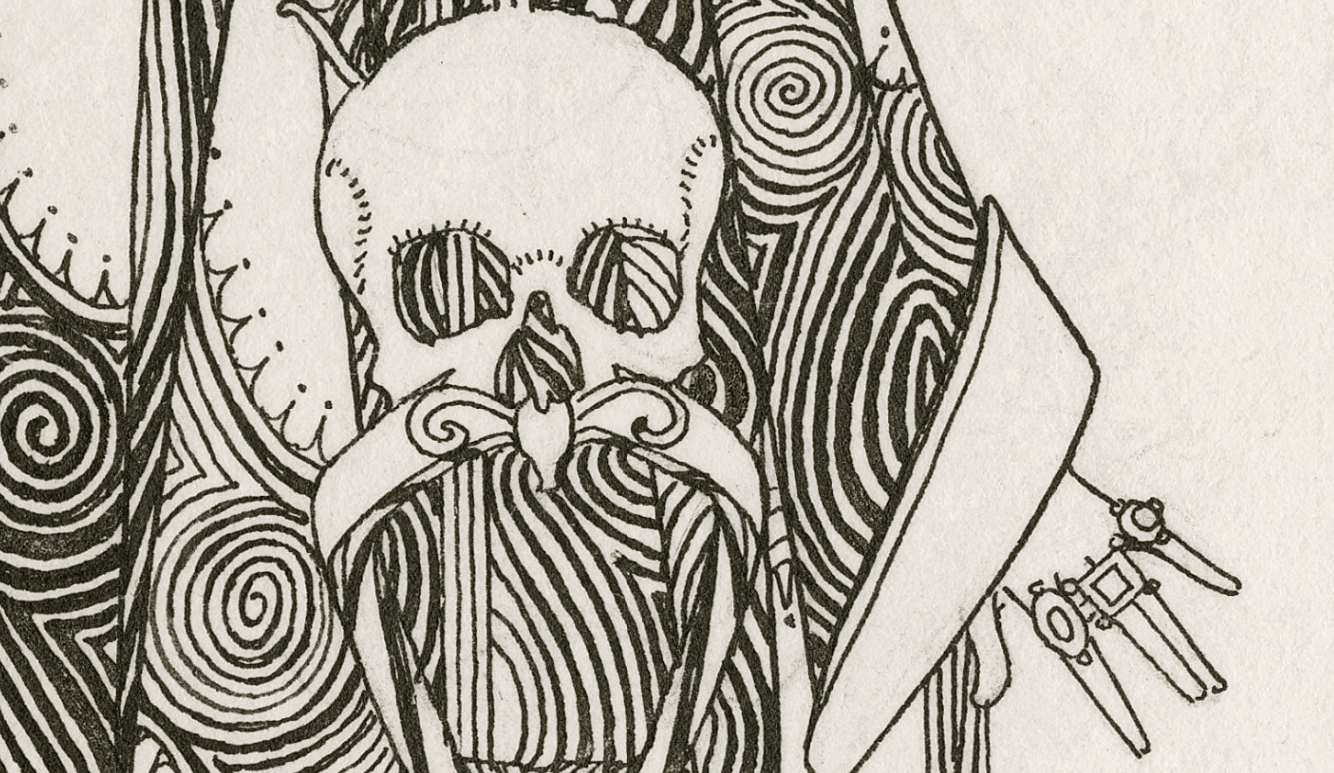
Paul Griffiths’ Mr. Beethoven (Book acquired, October 2021)

Paul Griffiths’ novel Mr. Beethoven is new this week from NYRB. Their blurb—

It is a matter of historical record that in 1823 the Handel and Haydn Society of Boston (active to this day) sought to commission Beethoven to write an oratorio. The premise of Paul Griffiths’s ingenious novel is that Beethoven accepted the commission and traveled to the United States to oversee its first performance. Griffiths grants the composer a few extra years of life and, starting with his voyage across the Atlantic and entry into Boston Harbor, chronicles his adventures and misadventures in a new world in which, great man though he is, he finds himself a new man. Relying entirely on historically attested possibilities to develop the plot, Griffiths shows Beethoven learning a form of sign language, struggling to rein in the uncertain inspiration of Reverend Ballou (his designated librettist), and finding a kindred spirit in the widowed Mrs. Hill, all the while keeping his hosts guessing as to whether he will come through with his promised composition. (And just what, the reader also wonders, will this new piece by Beethoven turn out to be?) The book that emerges is an improvisation, as virtuosic as it is delicate, on a historical theme.