
Oedipus at Colonus, 2006 by Anselm Kiefer (b. 1945)
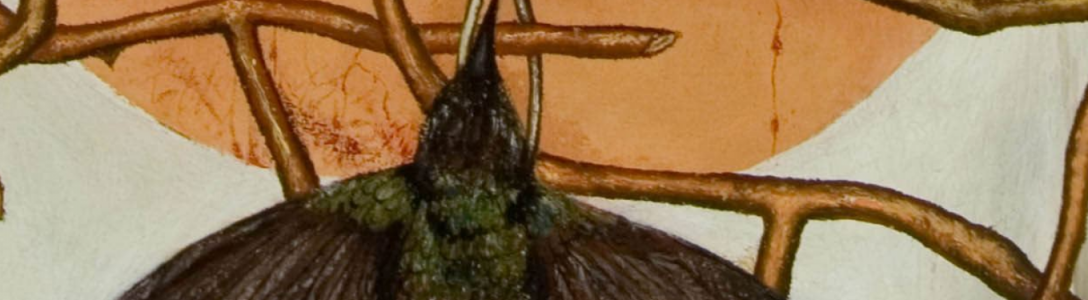
Oedipus at Colonus, 2006 by Anselm Kiefer (b. 1945)

Cupbearer, 1929 by Edward Burra (1905–1976)

The Hero of a Hundred Fights c.1800–10, reworked and exhibited 1847 by Joseph Mallord William Turner (1775–1851)
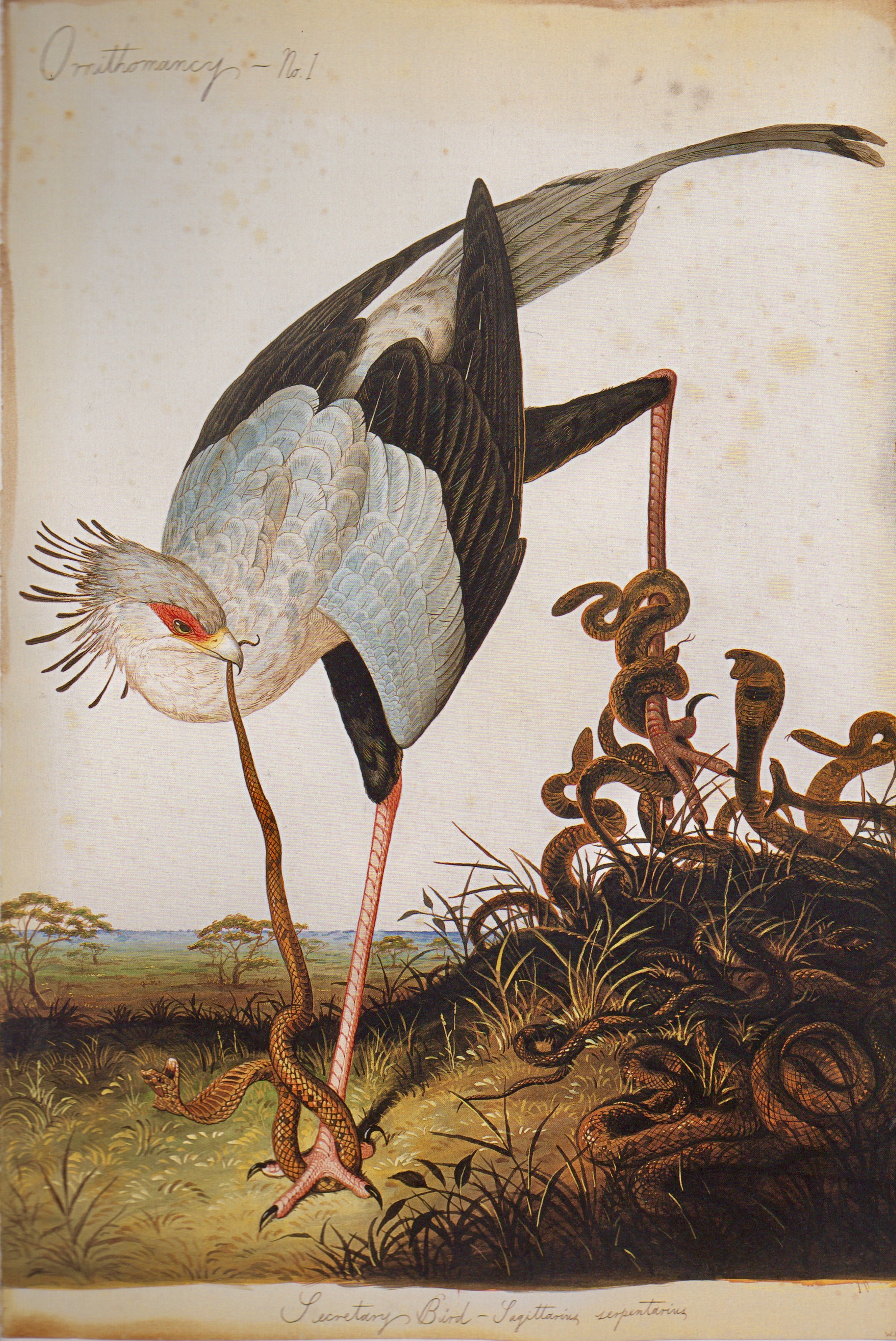
Ornithomancy No. 1, 2000 by Walton Ford (b. 1960)

Darwin, 2018 by Juan Travieso (b. 1987)
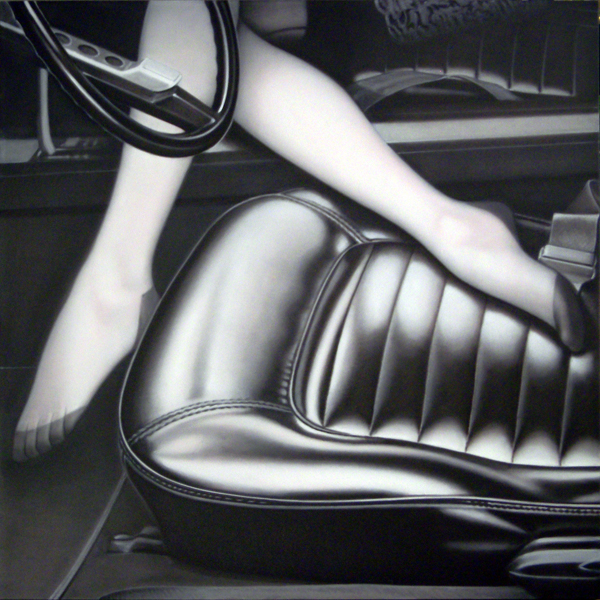
Shotgun, 2012 by James Rieck (b. 1965)

Home, 2018 by Cinta Vidal (b. 1979)
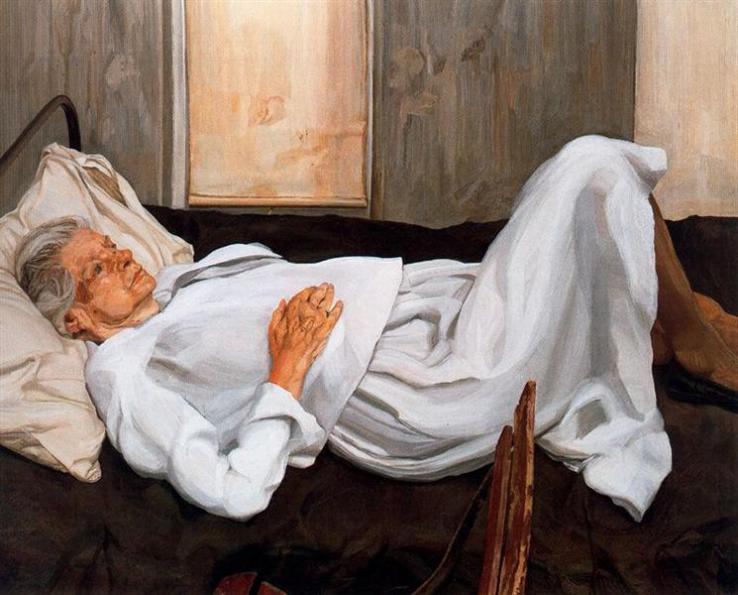
The Painter’s Mother, 1984 by Lucian Freud (1922-2011)
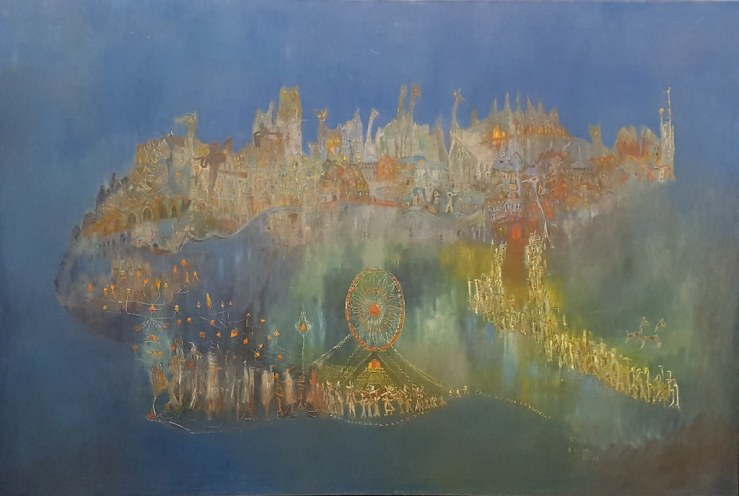
Ballad for Frida Kahlo, 1966 by Alice Rahon (1904–1987)
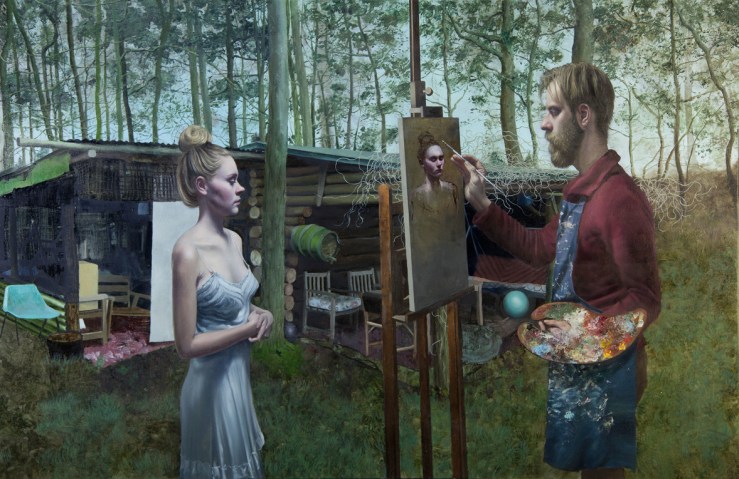
Ilketshall, 2014 by Stuart Pearson Wright (b. 1975)
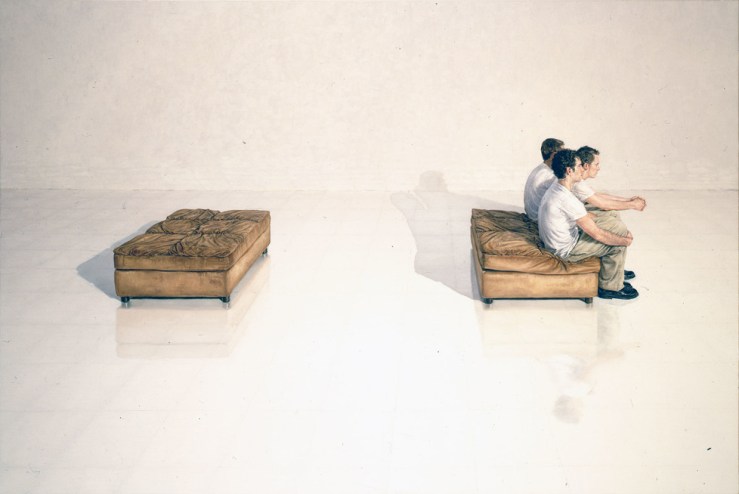
One Too Many, 2001 by Clive Smith (b. 1967)

Faux Tableau, 2018 by Scott Greene
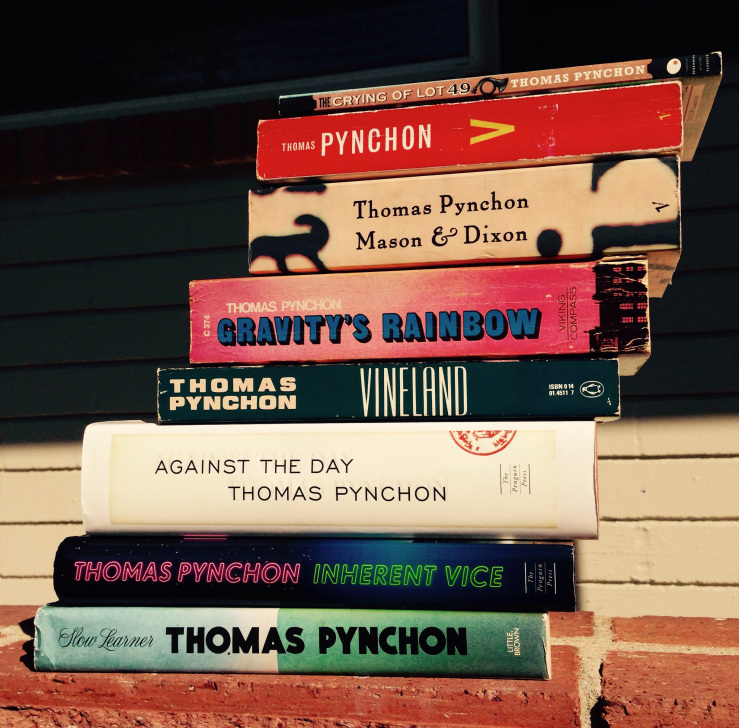
Today is Pynchon in Public Day, so here are three books that I think may make good entry points for those interested in, but perhaps unnecessarily daunted by, Thomas Pynchon. My intuition is that many readers’ first experiences reading Pynchon may have been like mine: I read The Crying of Lot 49 as a college assignment, found it bewildering and baffling, and despite understanding almost none of it, I then attempted Gravity’s Rainbow (the key word is attempted (failed will also do in a pinch)).
Many readers start with The Crying of Lot 49 because it’s short. While I like the novel (I wrote about it here), it’s also extraordinarily dense, a box so crammed with jokes and japes that some fail to spring out at full force. Lot 49 is a much better reading experience after you’ve read more of Pynchon.
Lots of readers new to Pynchon plunge into Gravity’s Rainbow, probably because it’s famous. I love love love Gravity’s Rainbow, but along with Mason & Dixon (which may be my favorite Pynchon novel), I do not think it is a good starting place for Pynchon. Gravity’s Rainbow is a rich, ringing vortex, a seven-hundred-and-something pager that almost necessitates that its reader immediately reread it. Gravity’s Rainbow is a very funny and very tragic book, and I think it is the work of genius that its reputation suggests—but it’s also one of the few books I can think of that get put on lists of Big Difficult Novels that is, actually, Difficult.
So here are my suggestions for starting places for Pynchon.

Against the Day, 2006.
Okay. So maybe you’re saying, Wait, isn’t that one, like, really long? Reader, you’re correct. At 1,085 pages Against the Day is Pynchon’s longest novel to date. But it’s also one of his most accessible, and, most importantly, it offers a condensation of Pynchon’s Big Ideas and Big Themes. (I wrote a list of 101 possible descriptors for Against the Day, if you’re interested in a short take; I also riffed on the book at some length in a series of posts).

V., 1963.
V. is Thomas Pynchon’s first novel. It’s also the first Pynchon novel I read and loved and (possibly) understood. Like Against the Day, V. lays out many of the themes and styles (and even a character or two) that appear elsewhere Pynchon’s oeuvre. In a loose sense, V. feels like a dress rehearsal for Gravity’s Rainbow. Oh, it’s also pretty discursive—in fact, you can read chunks of it almost as short stories. In fact, here’s a good way to break into Pynchon: Get V., and read Ch. 9–it stands on its own as a long short story, the tale of Kurt Mondaugen—and colonialism, siege paranoia, dark dread, etc.

Inherent Vice, 2009.
I’ve heard Inherent Vice dismissed as “Pynchon lite,” which may be true—I’ve read the book twice now and if its shaggy threads connect, I can’t see it (unlike, say, Gravity’s Rainbow, which resolves like a complicated math problem). Still, Inherent Vice makes a nice gateway drug to Pynchon—it’s funny and loose, and even though it rambles through an enormous cast of characters and settings, it’s ultimately far, far more contained than sprawling novels like Mason & Dixon and Gravity’s Rainbow. Paul Thomas Anderson’s film adaptation also makes an interesting visual counterpart to the novel—which it somehow simultaneously condenses and expands. Inherent Vice—the novel—also seems to me a kind of bookend or sequel to The Crying of Lot 49. (I wrote a bit about that here).
Last thought: Ignore my suggestions. Pick any novel that interests you by Pynchon and dive in. Don’t get too frustrated if you’re not sure what’s going on. A lot of the time, that’s the point of it all. Enjoy it.
[Ed. note–Biblioklept ran a version of this post on 8 May 2016].
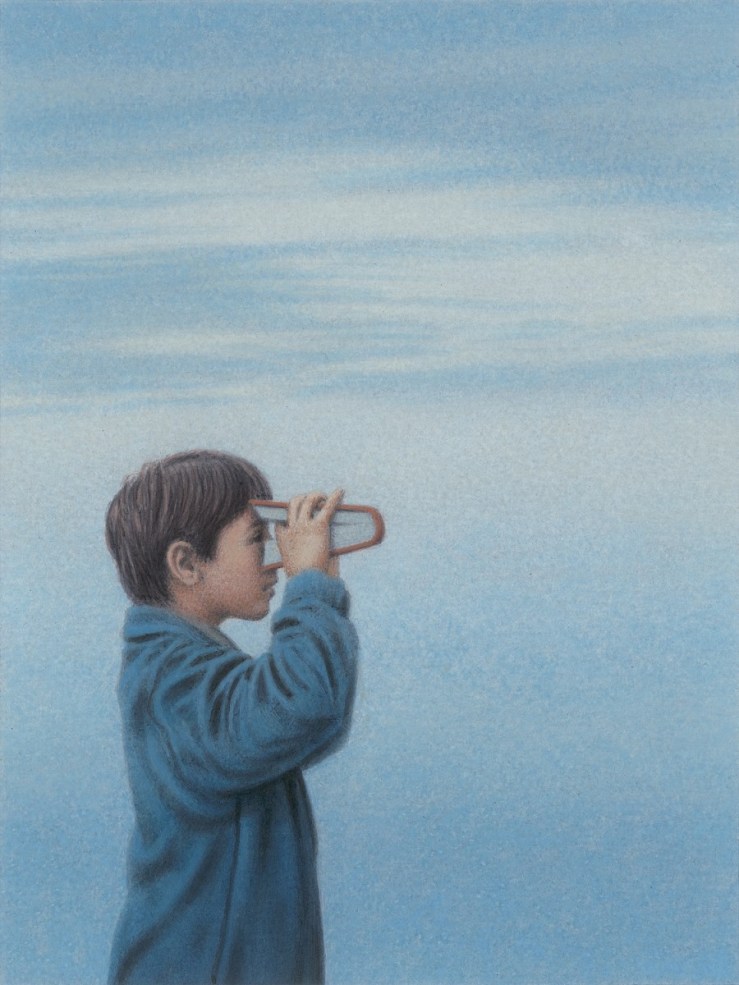
Boy with Book, 2013 by Quint Buchholz (b. 1957)

Visitation, 1529 by Pontormo (1494 –1557)
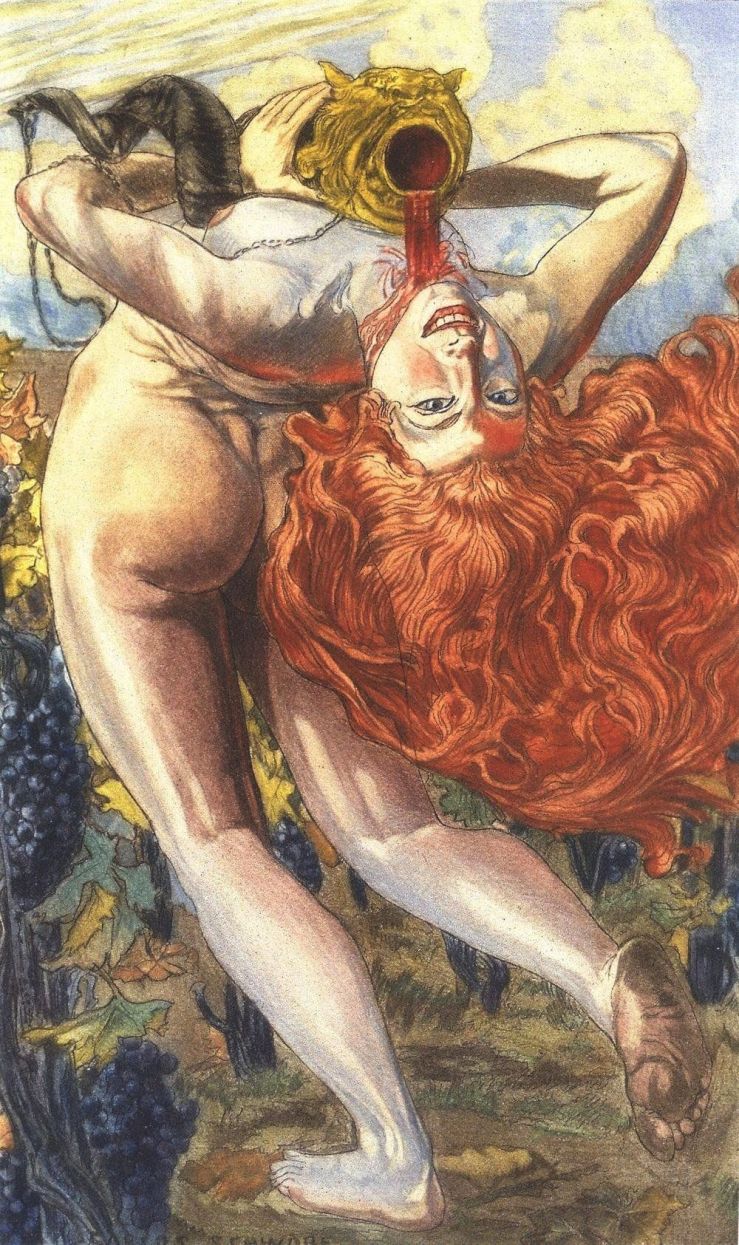
The Soul of Wine, 1900 by Carlos Schwabe (1866–1926)
Illustration for Les Fleurs du mal by Charles Baudelaire.
“The Soul of Wine”
by
Charles Baudelaire
English translation by
William Aggeler
One night, the soul of wine was singing in the flask:
“O man, dear disinherited! to you I sing
This song full of light and of brotherhood
From my prison of glass with its scarlet wax seals.
I know the cost in pain, in sweat,
And in burning sunlight on the blazing hillside,
Of creating my life, of giving me a soul:
I shall not be ungrateful or malevolent,
For I feel a boundless joy when I flow
Down the throat of a man worn out by his labor;
His warm breast is a pleasant tomb
Where I’m much happier than in my cold cellar.
Do you hear the choruses resounding on Sunday
And the hopes that warble in my fluttering breast?
With sleeves rolled up, elbows on the table,
You will glorify me and be content;
I shall light up the eyes of your enraptured wife,
And give back to your son his strength and his color;
I shall be for that frail athlete of life
The oil that hardens a wrestler’s muscles.
Vegetal ambrosia, precious grain scattered
By the eternal Sower, I shall descend in you
So that from our love there will be born poetry,
Which will spring up toward God like a rare flower!”




 Biblioklept