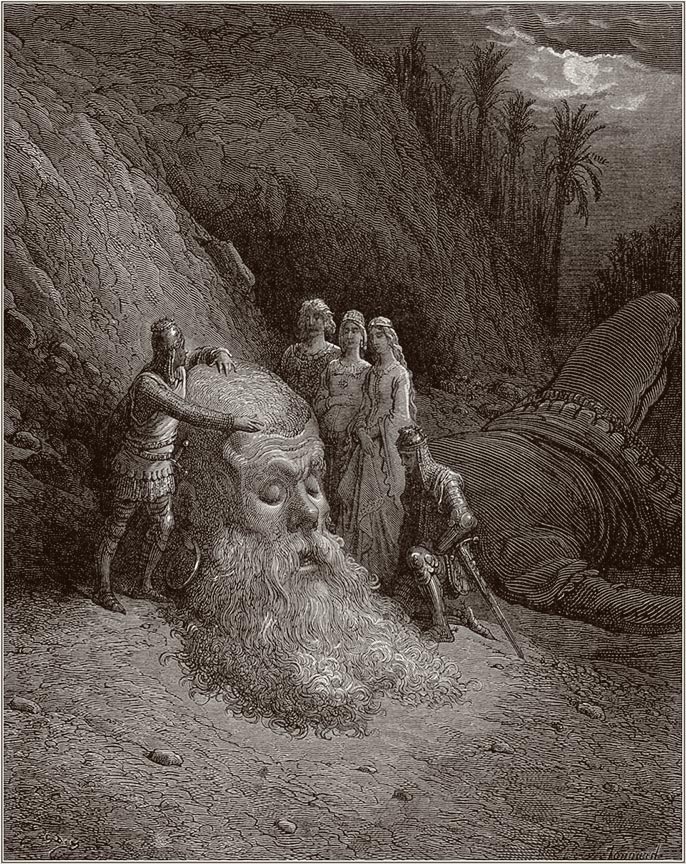
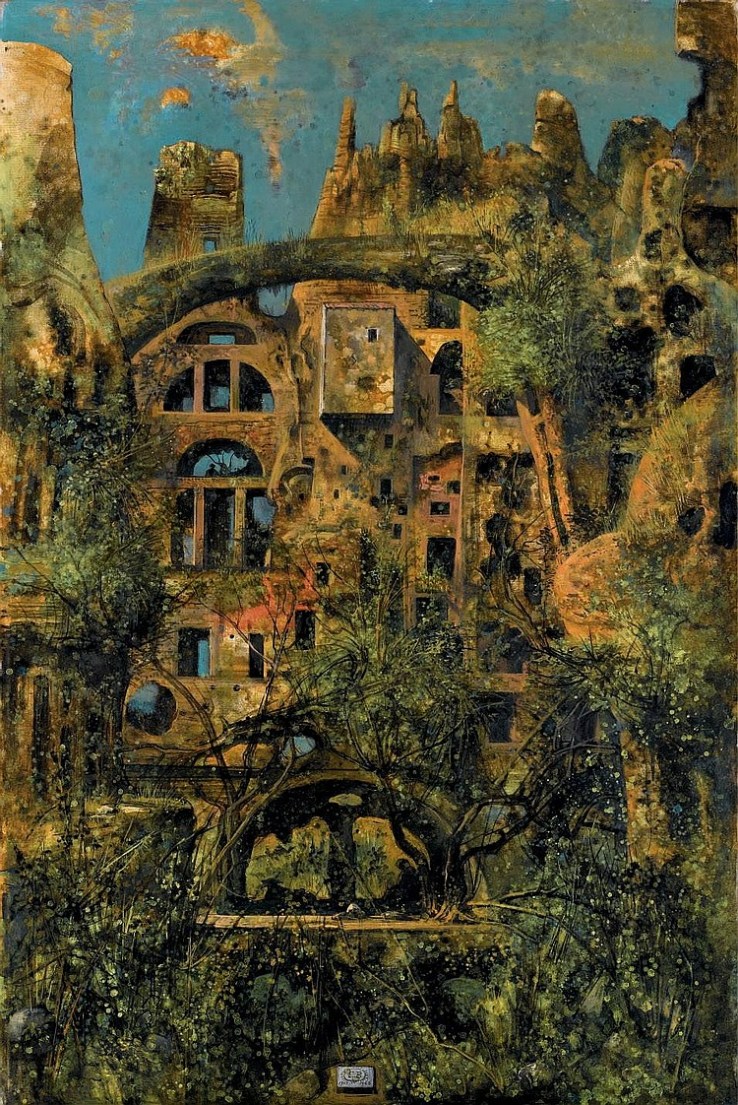
Illustration for Orlando Furioso — Gustave Doré

dore-orlando-furioso-864

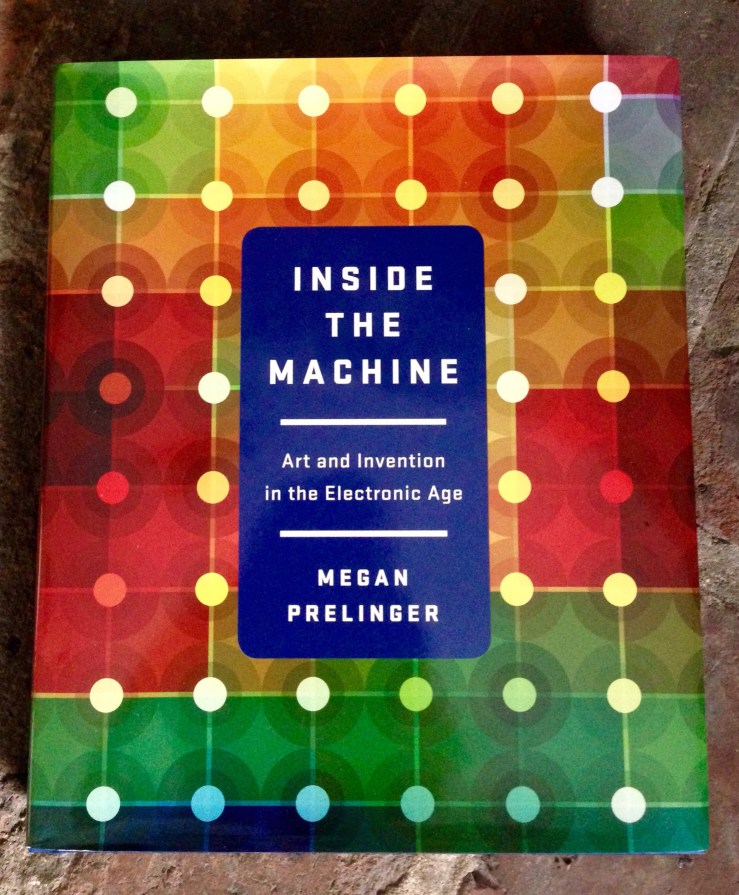
Inside the Machine (Book acquired 6.25.2015)

IMG_7686

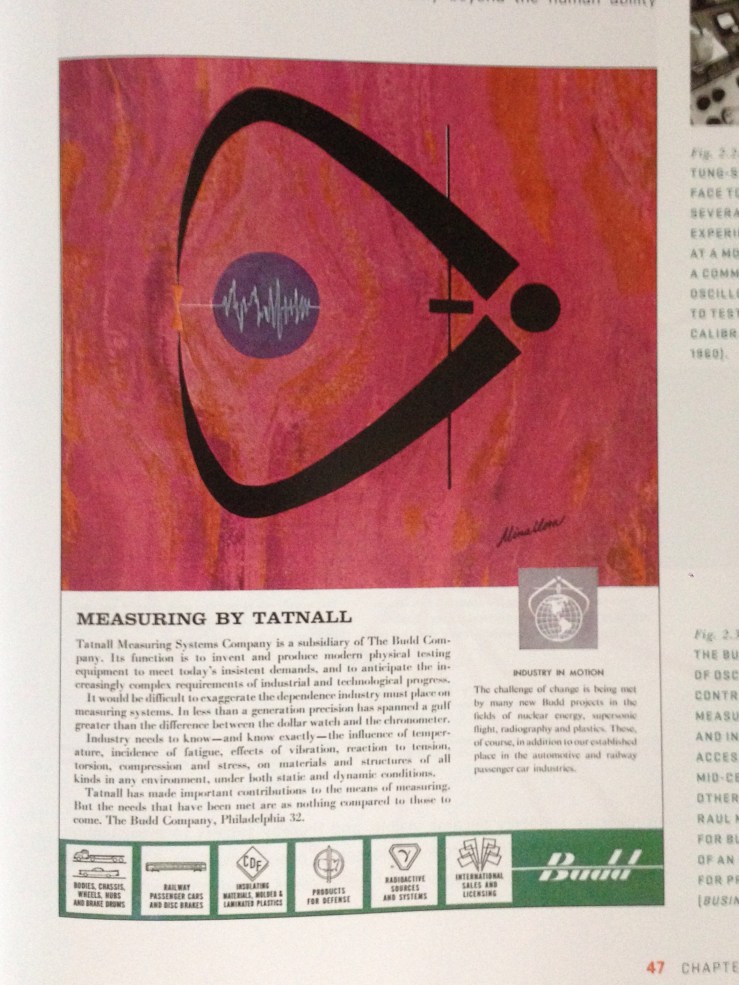
My crappy iPhone pics aren’t doing justice to these images from Megan Prelinger’s Inside the Machine (glossy pages are hard to photograph). Book is out in August from W.W. Norton—their blurb:

A visual history of the electronic age captures the collision of technology and art—and our collective visions of the future.

A hidden history of the twentieth century’s brilliant innovations—as seen through art and images of electronics that fed the dreams of millions.

A rich historical account of electronic technology in the twentieth century, Inside the Machine journeys from the very origins of electronics, vacuum tubes, through the invention of cathode-ray tubes and transistors to the bold frontier of digital computing in the 1960s.

But, as cultural historian Megan Prelinger explores here, the history of electronics in the twentieth century is not only a history of scientific discoveries carried out in laboratories across America. It is also a story shaped by a generation of artists, designers, and creative thinkers who gave imaginative form to the most elusive matter of all: electrons and their revolutionary powers.

As inventors learned to channel the flow of electrons, starting revolutions in automation, bionics, and cybernetics, generations of commercial artists moved through the traditions of Futurism, Bauhaus, modernism, and conceptual art, finding ways to link art and technology as never before.

A visual tour of this dynamic era, Inside the Machine traces advances and practical revolutions in automation, bionics, computer language, and even cybernetics. Nestled alongside are surprising glimpses into the inner workings of corporations that shaped the modern world: AT&T, General Electric, Lockheed Martin.

While electronics may have indelibly changed our age, Inside the Machinereveals a little-known explosion of creativity in the history of electronics and the minds behind it.

IMG_7687

Continue reading “Inside the Machine (Book acquired 6.25.2015)” →

The Willy Grasser — Sidney Sime

Title/s: 'Bogus Beast, The Wily Grasser' Maker/s: Sime, Sidney Herbert (draughtsman) [ULAN info: British artist, 1867] Technique Description: pen and Indian ink with grey wash on paper, stuck down on card Dimensions: height: 227 mm, width: 168 mm

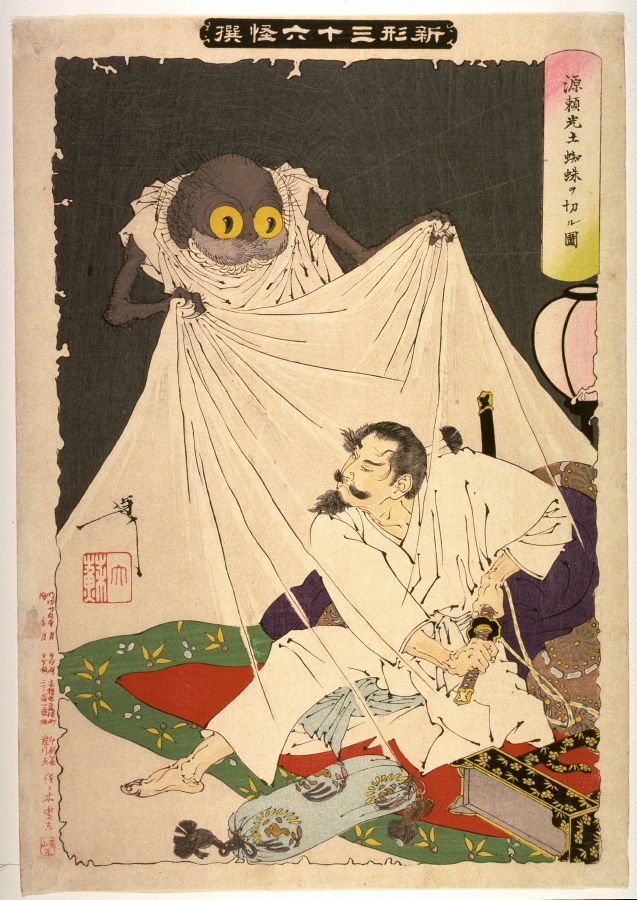
Minamoto no Yorimitsu Preparing to Kill the Earth Spider — Tsukioka Yoshitoshi

5050161212810010

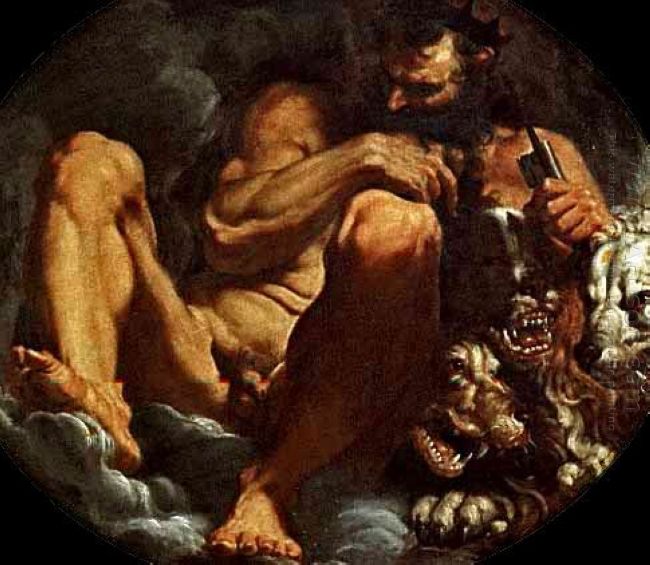
Pluto — Agostino Carracci

ARTS601676

The Fourteenth of July at Etretat — Felix Vallotton

Leocadia — Francisco Goya

Girl at the Window — Ferdinand Hodler

The Chemist — Franz Sedlacek

Chemist-Der-Chemiker-by-Franz-Sedlacek-1932

Girl with Tilted Head — Egon Schiele

tumblr_m03b8aIfJI1qa3849o1_540

“A Human World” — Charlotte Perkins Gilman

“A Human World”

by

Charlotte Perkins Gilman

(from Our Androcentric Culutre; or, The Man Made World)


In the change from the dominance of one sex to the equal power of two, to what may we look forward? What effect upon civilization is to be expected from the equality of womanhood in the human race?

To put the most natural question first—what will men lose by it? Many men are genuinely concerned about this; fearing some new position of subservience and disrespect. Others laugh at the very idea of change in their position, relying as always on the heavier fist. So long as fighting was the determining process, the best fighter must needs win; but in the rearrangement of processes which marks our age, superior physical strength does not make the poorer wealthy, nor even the soldier a general.

The major processes of life to-day are quite within the powers of women; women are fulfilling their new relations more and more successfully; gathering new strength, new knowledge, new ideals. The change is upon us; what will it do to men?

No harm.

As we are a monogamous race, there will be no such drastic and cruel selection among competing males as would eliminate the vast majority as unfit. Even though some be considered unfit for fatherhood, all human life remains open to them. Perhaps the most important feature of this change comes in right here; along this old line of sex-selection, replacing that power in the right hands, and using it for the good of the race.

The woman, free at last, intelligent, recognizing her real place and responsibility in life as a human being, will be not less, but more, efficient as a mother. She will understand that, in the line of physical evolution, motherhood is the highest process; and that her work, as a contribution to an improved race, must always involve this great function. She will see that right parentage is the purpose of the whole scheme of sex-relationship, and act accordingly.

In our time, his human faculties being sufficiently developed, civilized man can look over and around his sex limitations, and begin to see what are the true purposes and methods of human life. Continue reading ““A Human World” — Charlotte Perkins Gilman” →
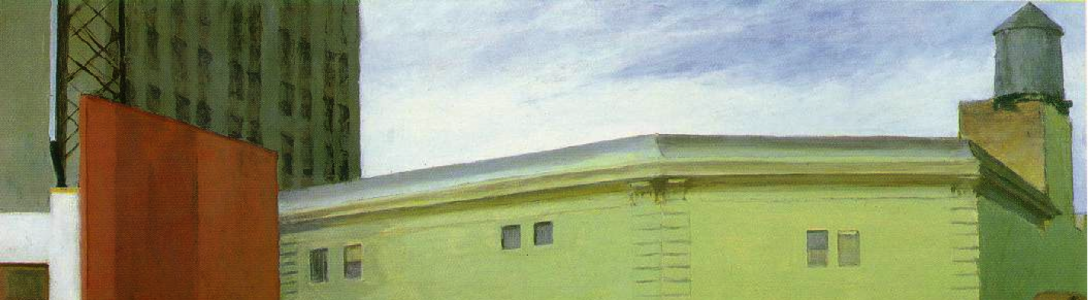
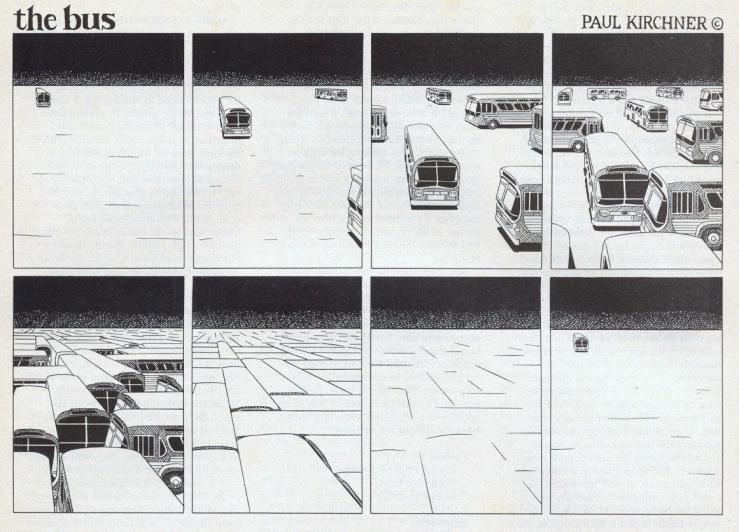
The Bus — Paul Kirchner

WQlfiuH - Imgur

Chicago — Harry Callahan

callahan_chicago_1951-web

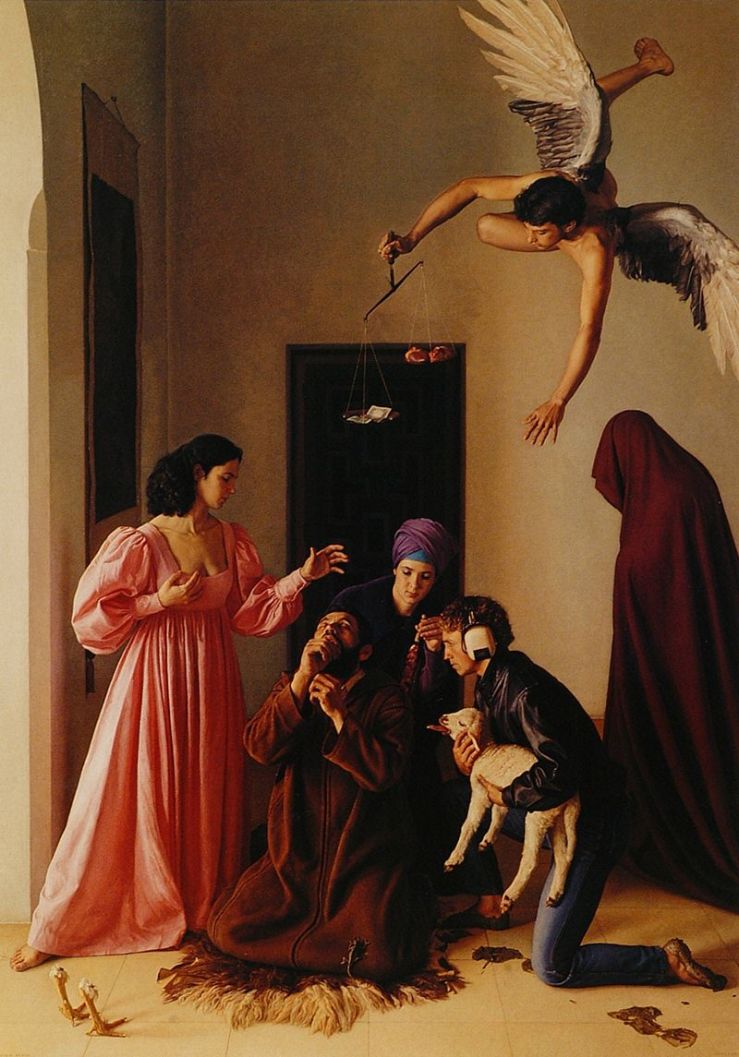
Temptation of St. Anthony — Claudio Bravo

cb

Imaginary Rock City — Eugene Berman

H0027-L15658157

The Conjurer — Hieronymus Bosch