
Category: Art
Watch Commissioner of Sewers, A 1991 Documentary About William S. Burroughs
100 Point William Burroughs Riff
1. William Seward Burroughs, born February 5th, 1914, St. Louis, Missouri. Died August 2, 1997, Lawrence, Kansas.
2. Danger.
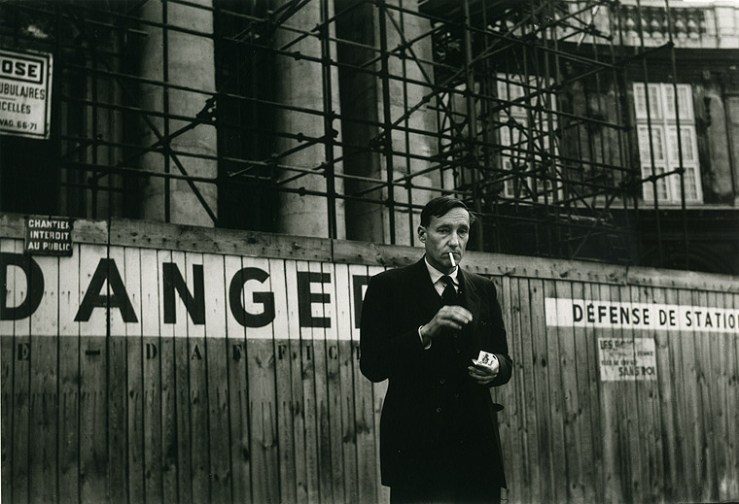
3. William S. Burroughs, a writer no one reads and everyone references.
4. Point three is not fair: I’m sure you, dearest reader, have read Burroughs, continue to read Burroughs, will read Burroughs, etc.
5. But, points three and four, it’s the idea of Burroughs, Burroughs-as-luminary, Burroughs-as-symbol, that our culture persists in keeping.
6. Re: Points three, four, five: Burroughs the poser who posed for so many photographs, who couldn’t say no to a spoken word CD or a collaboration or a fucking Nike ad.
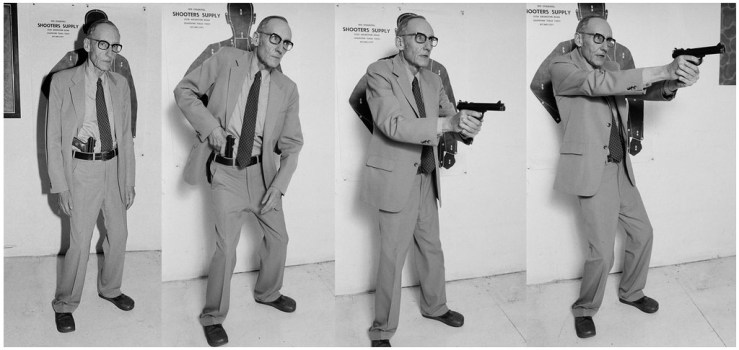
7. And always with the guns.
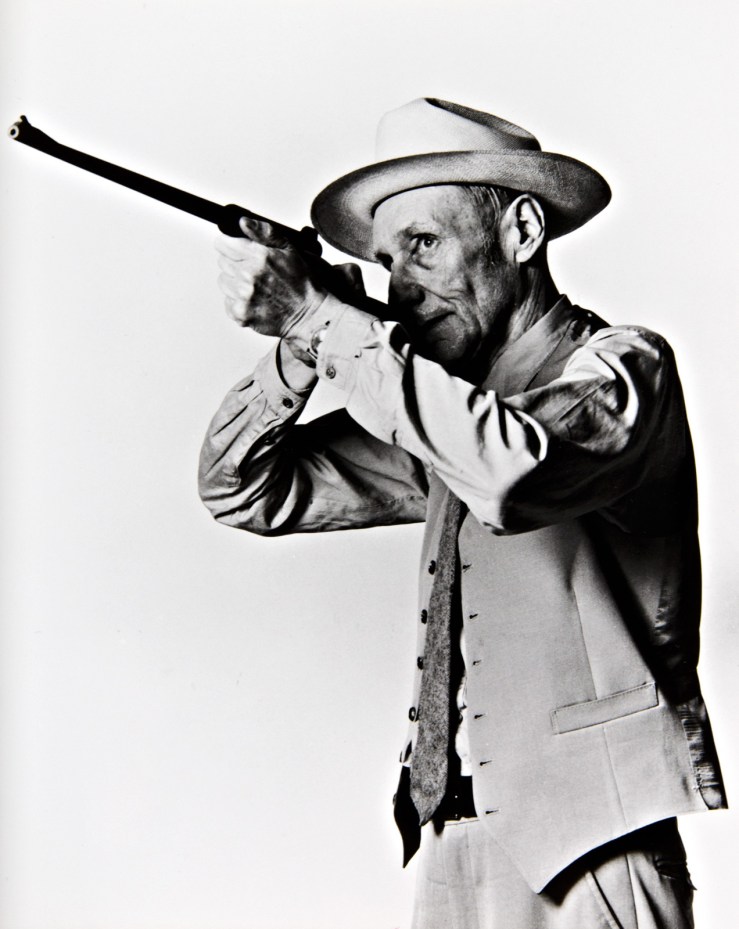
8. And the knives.
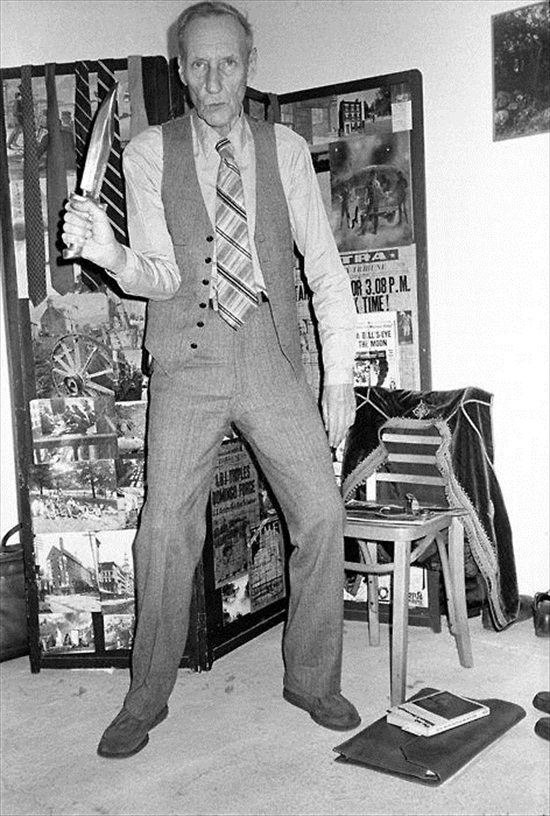
9. And the guns.
10. If you want to know what licenses Picasso to break the human form (and other forms) into cubes and lines and colors and figured abstractions, go gander at Aunt Pepa or First Communion.
11. If you want to know what licenses Duchamp to call a urinal a work of art, go gander at Portrait of the Artist’s Father.
12. If you want to know what licenses Burroughs to call Naked Lunch a novel, go read Junkie or Queer.
13. Junkie, the first Burroughs novel I read, is a high modernist classic.
14. Typewriter.

15. Shoes.

16. The reader is invited, most cordially, to print this riff and cut it into little bits and rearrange it.
17. The reader is invited, most cordially, to cut and paste this riff into a new digital document and rearrange it.
18. William Burroughs, curator.
19. William Burroughs, collaborator. Continue reading “100 Point William Burroughs Riff”
Woman Reading in the Grass — Franz Marc

White Bear King Valemon — Theodor Severin Kittelsen

Four Seasons in One Head — Giuseppe Arcimboldo

Kristian Hjerteknuser — Theodor Severin Kittelsen

Two Women Embracing — Egon Schiele

Mantenimiento 2 — Smithe

Film of Pierre-Auguste Renoir Painting and Smoking
Little Girl in a Book — Edmund Dulac

I Am The Night — Brandon Bird

Charlie Brown, existentialist placekicker
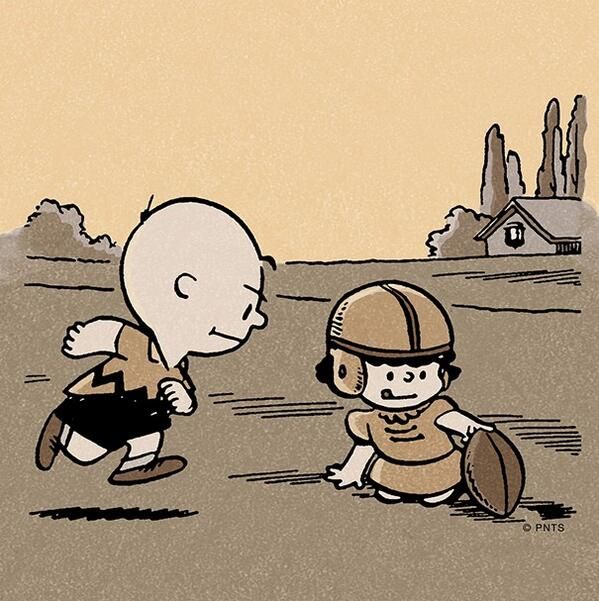
Existentialism has been accused of being defeatist and depressing (and Sartre didn’t help his cause with terms like ‘abandonment’, ‘despair’, and ‘nausea’). But Peanuts also demonstrates the optimism of the philosophy. Why does Charlie Brown continue to go out to the pitcher’s mound, despite his 50 year losing streak? Why try to kick the football, when Lucy has always pulled it away at the last second? Because there is an infinite gap between the past and the present. Regardless of what has come before, there is always the possibility of change. Monstrous freedom is a double edged sword. We exist, and are responsible. This is both liberating and terrifying.
From “Sartre & Peanuts” by Nathan Radke.
Do Androids Dream of Electric Sheep? — Peter Goodfellow

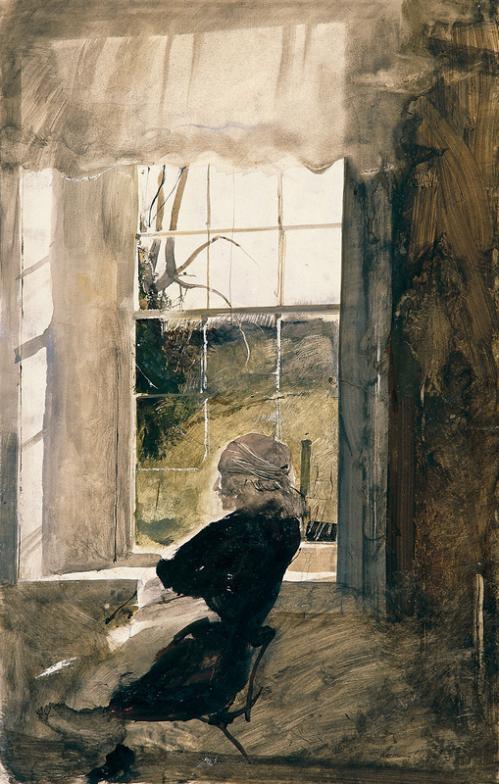
Groundhog Day — Andrew Wyeth
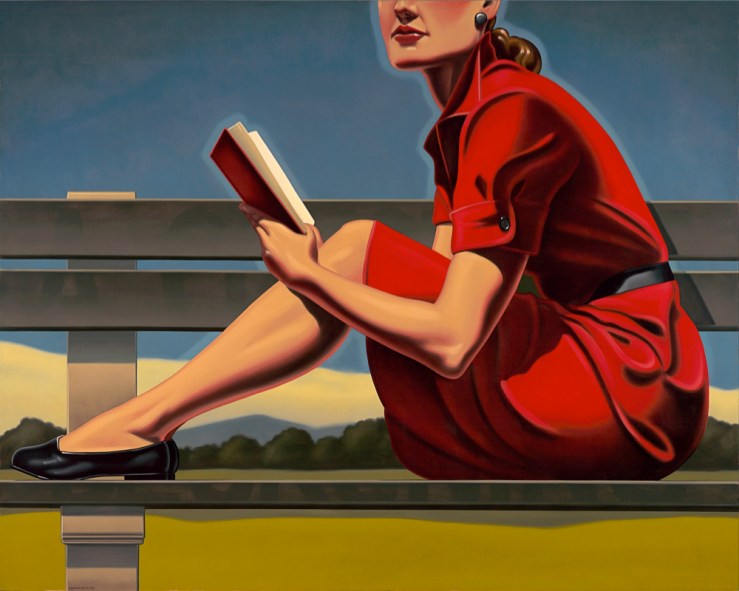
Kenton Nelson Painting (Woman Reading)

 Biblioklept