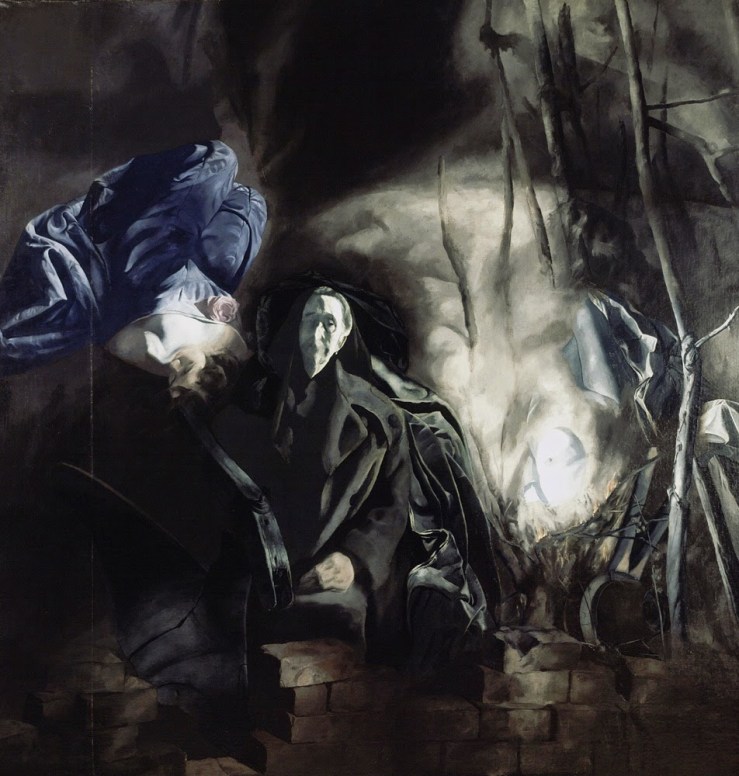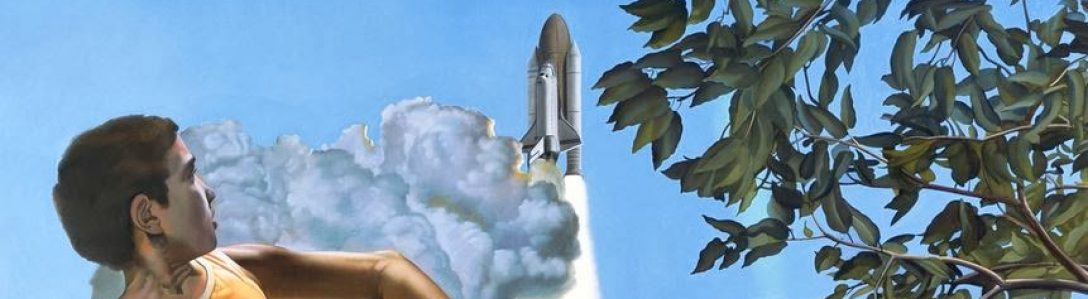
“The Peasant and the Cucumbers,” a short fable by Leo Tolstoy

“The Peasant and the Cucumbers”

by Leo Tolstoy

(trans. by Leo Wiener)


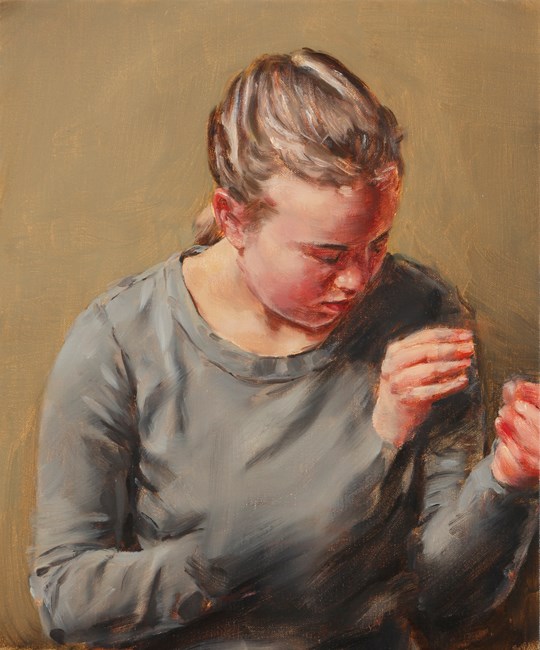
A peasant once went to the gardener’s, to steal cucumbers. He crept up to the cucumbers, and thought:

“I will carry off a bag of cucumbers, which I will sell; with the money I will buy a hen. The hen will lay eggs, hatch them, and raise a lot of chicks. I will feed the chicks and sell them; then I will buy me a young sow, and she will bear a lot of pigs. I will sell the pigs, and buy me a mare; the mare will foal me some colts. I will raise the colts, and sell them. I will buy me a house, and start a garden. In the garden I will sow cucumbers, and will not let them be stolen, but will keep a sharp watch on them. I will hire watchmen, and put them in the cucumber patch, while I myself will come on them, unawares, and shout: ‘Oh, there, keep a sharp lookout!'”

And this he shouted as loud as he could. The watchmen heard it, and they rushed out and beat the peasant.

 

“Short Talk on Vicuñas” — Anne Carson

“Short Talk on Vicuñas”

by

Anne Carson


A mythical animal, the vicuña fares well
in the volcanic regions of northern Peru.
Light thunders down on it, like Milton
at his daughters. Hear that?—they
are counting under their breath.
Think about style of life for a
moment. When you take up your
axe, listen. Hoofbeats. Wind.
It is they who make us at home
here, not the other way around.


More short talks by Anne Carson at BOMB.

We boarded a large cake of ice | Nathaniel Hawthorne’s journal entry, 11 April 1843

April 11th.–I meditated accordingly, but without any very wonderful result. Then at eight o’clock bothered myself till after nine with this eternal tale of Tieck. The forenoon was spent in scribbling; but at eleven o’clock my thoughts ceased to flow,–indeed, their current has been woefully interrupted all along,–so I threw down my pen, and set out on the daily journey to the village. Horrible walking! I wasted the customary hour at the Athenæum, and returned home, if home it may now be called. Till dinner-time I labored on Tieck’s tale, and resumed that agreeable employment after the banquet.

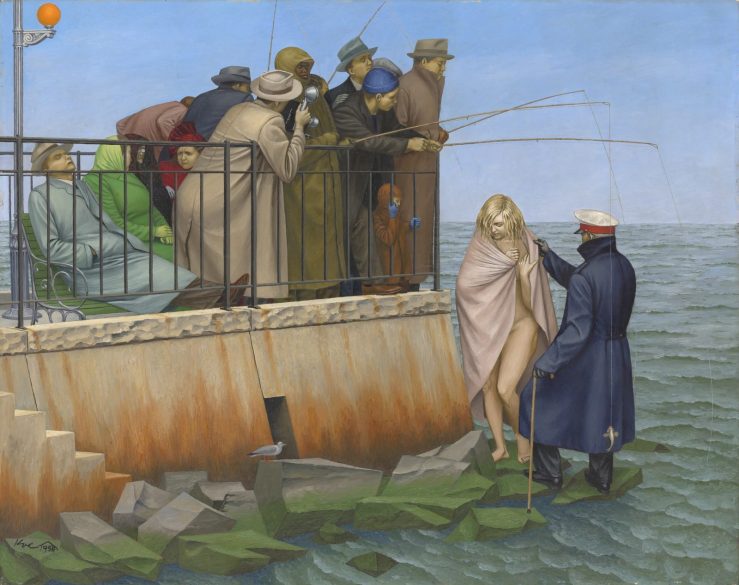
Just when I was on the point of choking with a huge German word, Molly announced Mr. Thoreau. He wished to take a row in the boat, for the last time, perhaps, before he leaves Concord. So we emptied the water out of her, and set forth on our voyage. She leaks, but not more than she did in the autumn. We rowed to the foot of the hill which borders the North Branch, and there landed, and climbed the moist and snowy hill-side for the sake of the prospect. Looking down the river, it might well have been mistaken for an arm of the sea, so broad is now its swollen tide; and I could have fancied that, beyond one other headland, the mighty ocean would outspread itself before the eye. On our return we boarded a large cake of ice, which was floating down the river, and were borne by it directly to our own landing-place, with the boat towing behind.

Parting with Mr. Thoreau, I spent half an hour in chopping wood, when Molly informed me that Mr. Emerson wished to see me. He had brought a letter of Ellery Channing, written in a style of very pleasant humor. This being read and discussed, together with a few other matters, he took his leave, since which I have been attending to my journalizing duty; and thus this record is brought down to the present moment.

Nathaniel Hawthorne’s journal entry, 11 April 1843. From  American Note-Books.