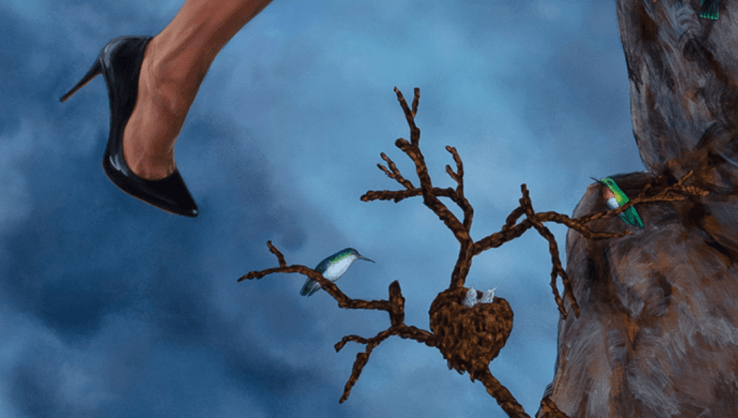
Nemesis (Detail) — Albrecht Durer

nemesis.PNG

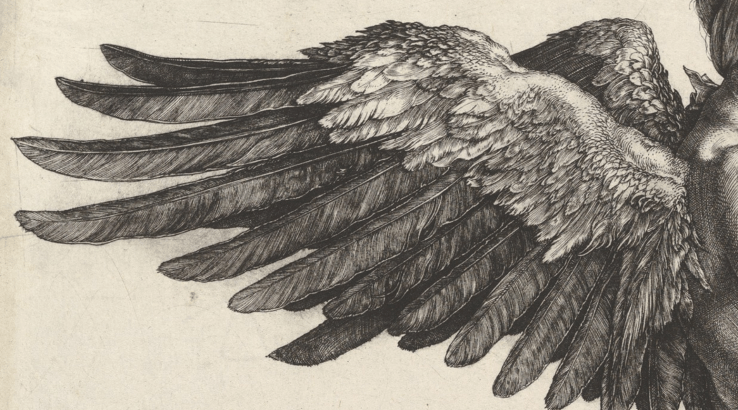
Nemesis (Detail), 1503 by Albrecht Durer (1471-1528)

Wait — Kenton Nelson 

image-asset

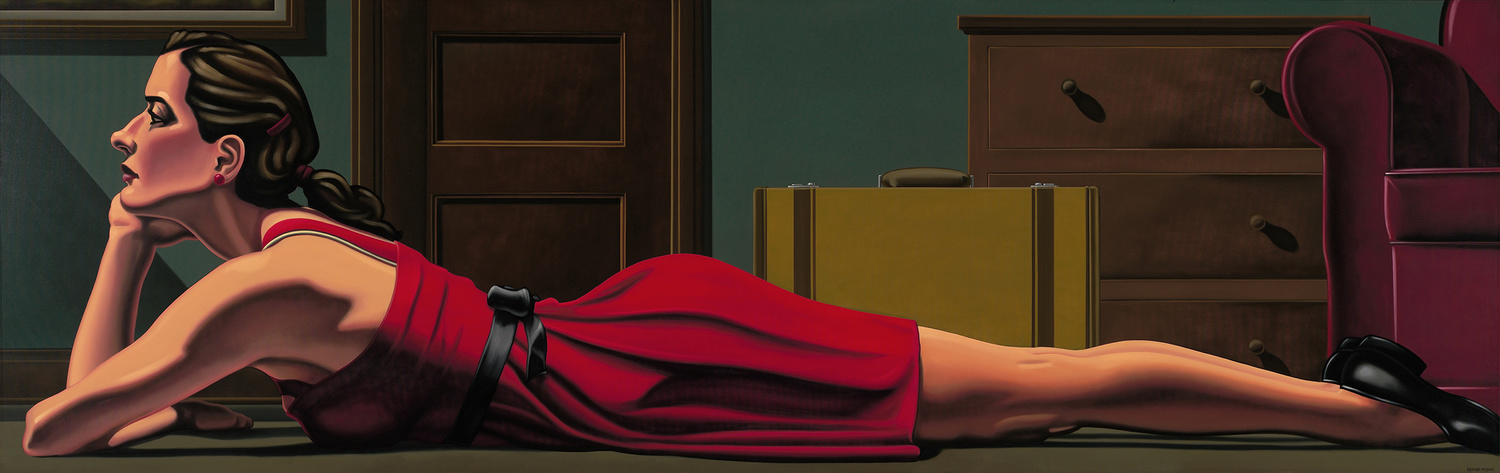
Wait by Kenton Nelson (b. 1954)

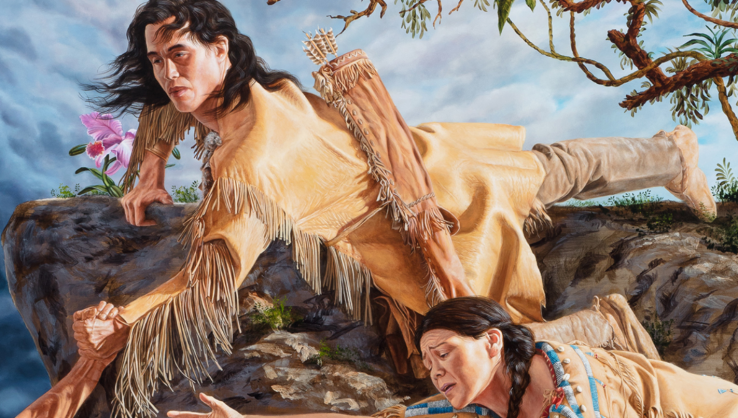
The Deluge — Kent Monkman

thedeluge285025resjpeg29

abcd

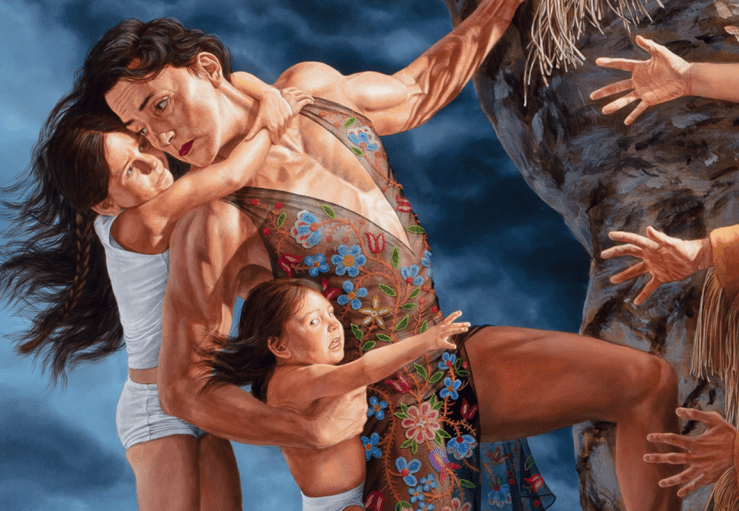
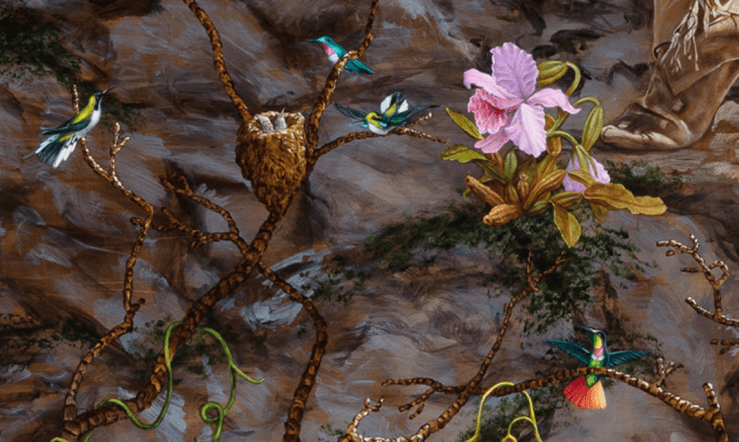
The Deluge, 2019 by Kent Monkman (b. 1965)

Three Books

2019-11-24-113310

Under the Volcano by Malcolm Lowry. 1965 hardback from Lippincott. Jacket design by David Lunn.

2019-11-24-113310-1

Under the Volcano by Malcolm Lowry. 2014 trade paperback from Harper Perennial Olive Editions. Cover design and illustration by Milan Bozic.

2019-11-24-113310-2

Under the Volcano by Malcolm Lowry. 1962 paperback from Vintage. Cover design by Harry Ford.

I have now bought four copies of Malcolm Lowry’s 1947 novel Under the Volcano. The first copy I bought was a cheap movie tie-in edition with a ghastly cover. I later replaced it with the 1962 edition, and reread it. A few years later I resisted buying a 2007 Harper Perennial paperback edition that featured an afterword by William Vollmann. (You can read Vollmann’s afterword—and the entire book, if a 700 page pdf is your thing—here).

On 8 Nov. 2019, I picked up the 2014 Olive edition.

On 22 Nov. 2019, I picked up the 1965 Lippincott hardback, blowing the rest of my store credit in the process. I couldn’t not buy it. I had to have it.

It also matches a folding hard print of Hokusai’s Red Fuji that a student gave me as a gift when I left Tokyo.

IMG-4400

This clipping of a 1984 not-really review of John Huston’s film adaptation was folded inside of the book.

IMG-4399

I wrote a review of Under the Volcano on this website back in 2011. From that review:

For all its bleak, bitter bile, Volcano contains moments of sheer, raw beauty, especially in its metaphysical evocations of nature, which always twist back to Lowry’s great themes of Eden, expulsion, and death. Lowry seems to pit human consciousness against the naked power of the natural world; it is no wonder then, against such a grand, stochastic backdrop, that his gardeners should fall. The narrative teems with symbolic animals — horses and dogs and snakes and eagles — yet Lowry always keeps in play the sense that his characters bring these symbolic identifications with them. The world is just the world until people walk in it, think in it, make other meanings for it.

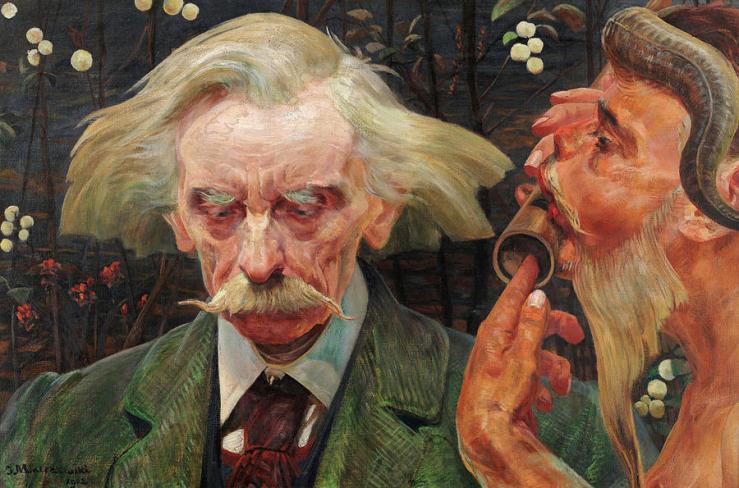
The Unknown Note — Jacek Malczewski

the-unknown-note-1902-jacek-malczewski

The Unknown Note, 1902 by Jacek Malczewski (1854-1929)

Saltwood Window — Robin Ironside

75_bg

Saltwood Window, c. 1955 by Robin Ironside (1912-1965)

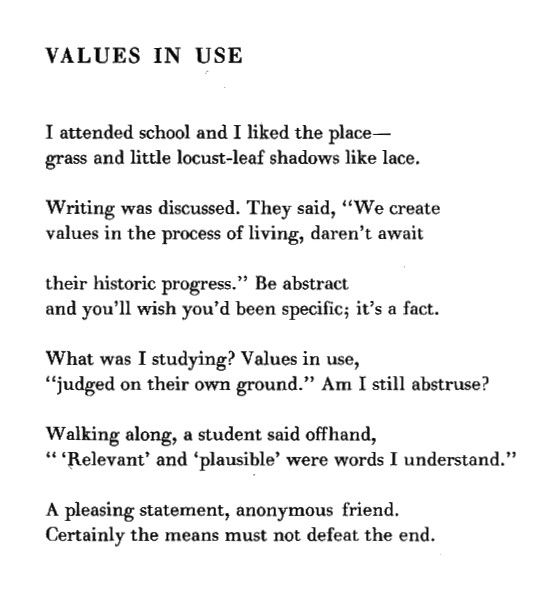
“Values in Use” — Marianne Moore

values in use

Passage — James Jean

passage-web-lores

abc

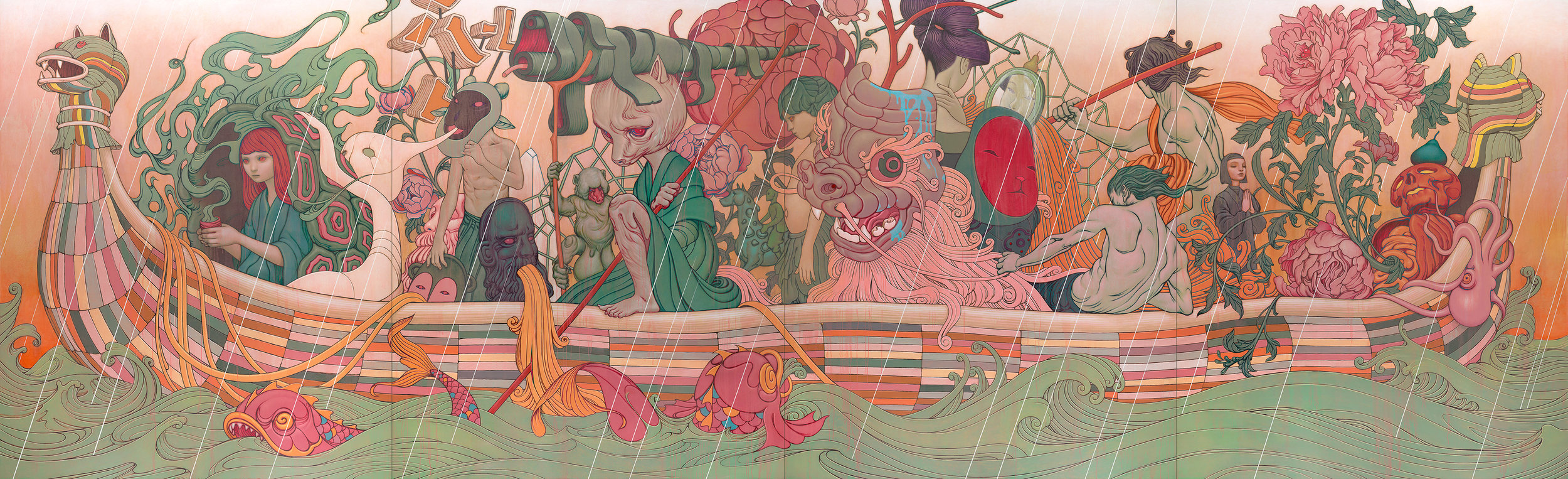
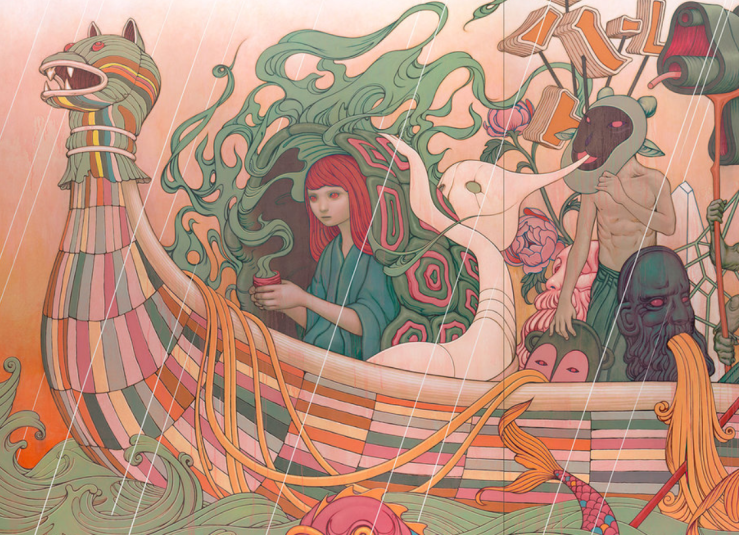
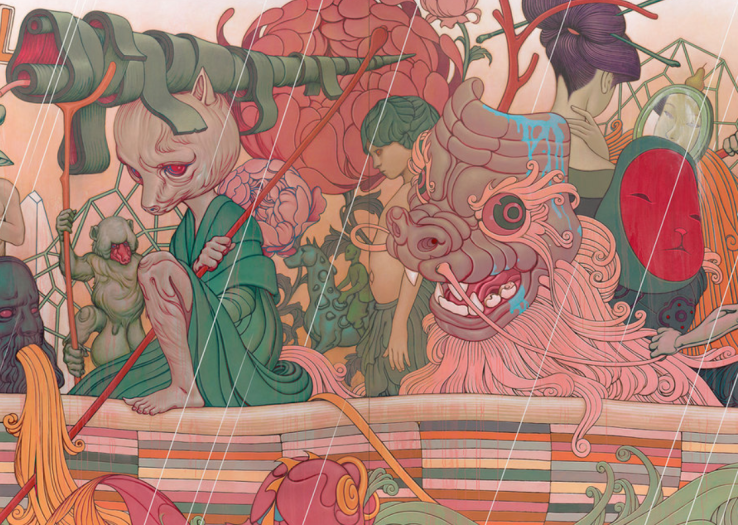
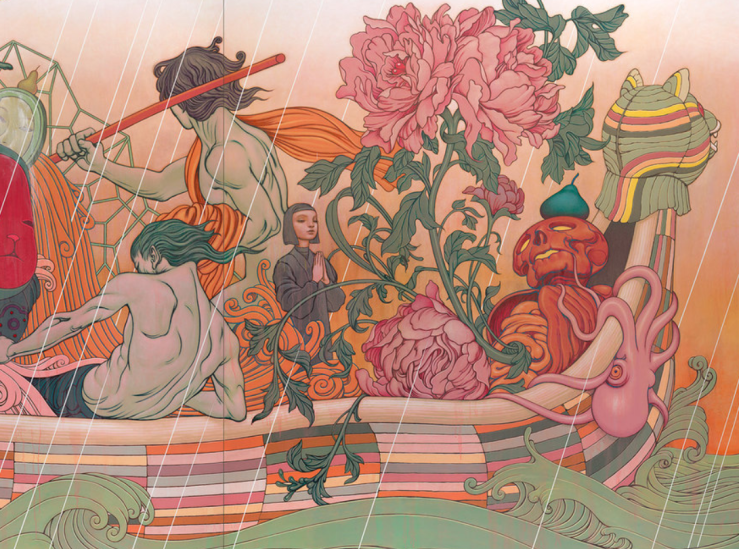
Passage, 2019 by James Jean (b. 1979)

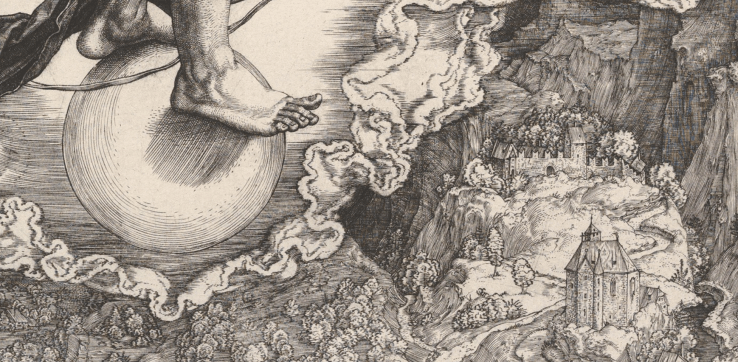
Nemesis (Detail) — Albrecht Durer

nemesis

Nemesis (Detail), 1503 by Albrecht Durer (1471-1528)

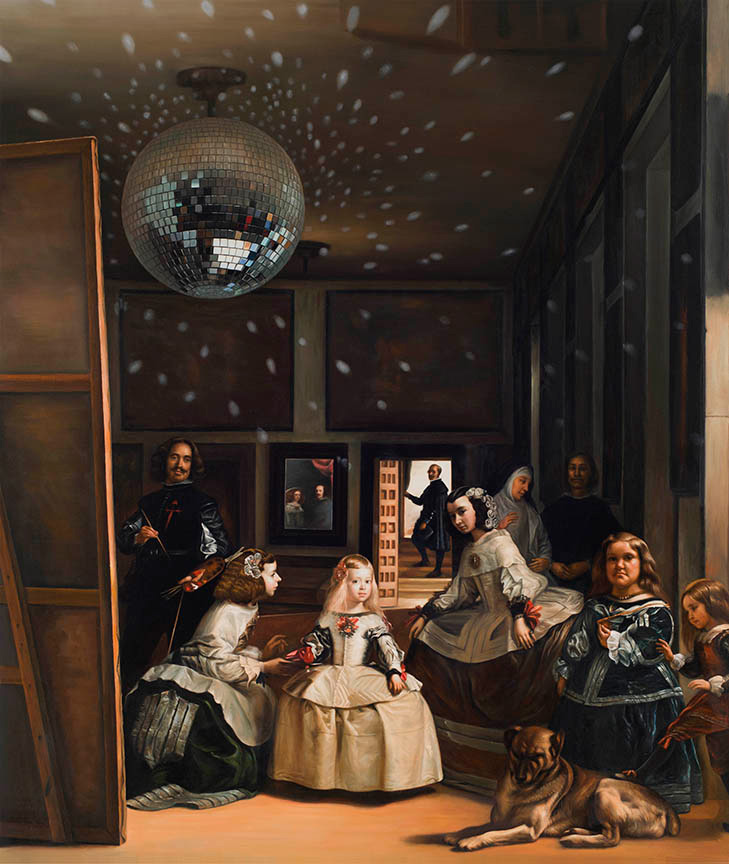
Rock Star — Marc Dennis

marc-dennis_rock-star_2015_oil-on-linen_70x60inches

Rock Star, 2015 by Marc Dennis (b. 1971)

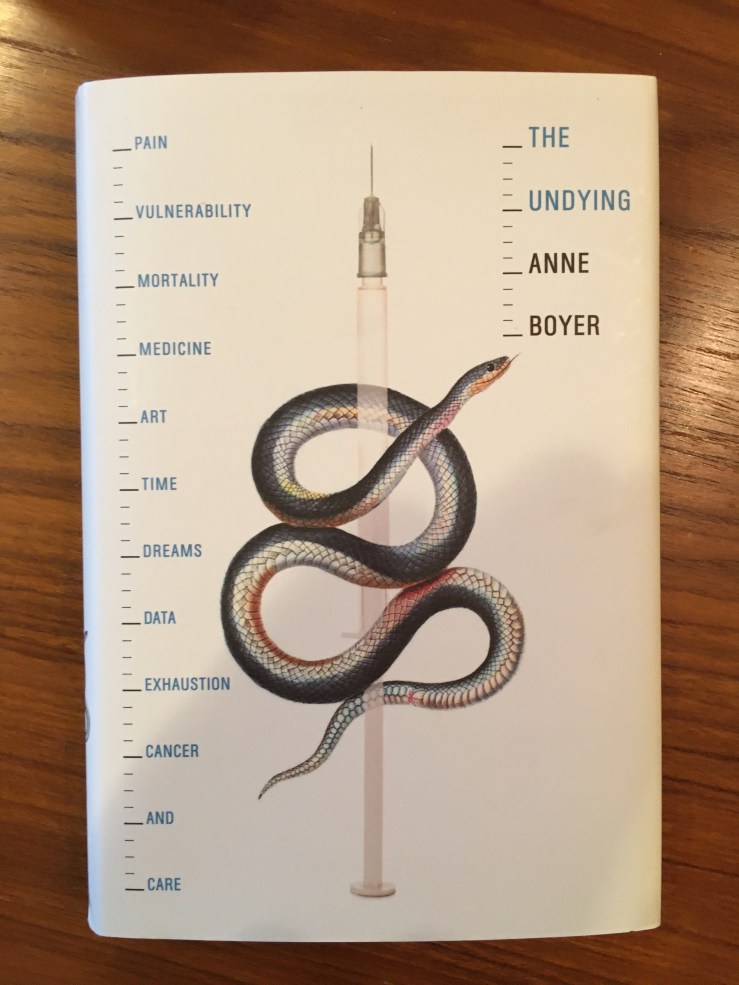
Anne Boyer’s The Undying (Book acquired 12 Nov. 2019)

img_4281

Huge thanks to BLCKDGRD for sending me Anne Boyer’s aphoristic, poetic memoir-essay The Undying. I guess he read that I went to my bookstore to buy it a few weeks ago and came home not empty handed but nevertheless Undyingless. I wanted to read Boyer’s book after reading her essay collection (“essay” isn’t really the right word, but)  A Handbook of Disappointed Fate this summer—-also sent to me by generous Mr. BLCKDGRD

I’m about 100 pages away from finishing The Undying, a book that doesn’t so much chronicle Boyer’s 2014 diagnoses and treatment of breast cancer as it explores and explodes what cancer—a “twentieth-century disease” that we still treat with “twentieth-century” methods, in Boyer’s words—means and is and does in our neoliberal late-capitalist early twenty-first century. Boyer writes,

To become a cancer patient is to become a system-containing object inside another system that only partially allows the recognition of the rest of the systems in which one is a node and also almost wholly obscures the heaviest system of the arrangement of the world as it is, which hangs around, too, in the object that contains a system (by which I mean “me”) as part of the problem in the first place, requiring our latent unhealth just as it profits from our active one.

Later, again addressing that “latent unhealth” which is part and parcel of the system, Boyer declares: “I would rather write nothing at all than propagandize the world as is.” This is a wonderfully angry book.

This is a wonderfully angry, discursive, recursive book: literary biography, literary criticism, art history, art criticism, Foucault, John Donne, Susan Sontag, Lucretius, Virginia Woolf; a howl at the hoaxers, frauds, self-helperists and their pinkwashed platitudes. And lots of pain, expressed with sentiment that bears no trace of sentimentality.

Boyer’s aphoristic style is engrossing. Her paragraphs and one-liners bear a ludic stamp seemingly at odds with her subject matter. The work of the writing, the heavy burden of smithing those sentences is all but elided—instead we get the clarity of a focused mind drawing together seemingly-disparate threads into a cohesive and compelling memoir that transcends the personal without necessarily meaning to.

Showing is a betrayal of the real, which you can never quite know with your eyes in the first place, and if you are trying to survive for the purpose of literature, showing and not telling is reason enough to endure the disabling processes required for staying alive.

Everything here feels and reads True. 

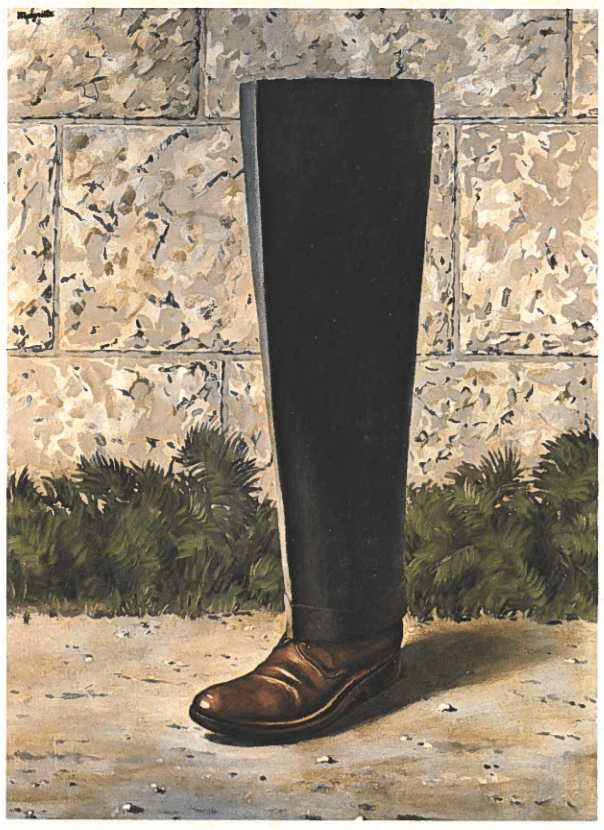
The Well of Truth — René Magritte

welloftruth

The Well of Truth, 1963 by René Magritte (1898-1967)

A review of Chris Ware’s new novel Rusty Brown, a sprawling story about memory and perception

q

My review of Chris Ware’s Rusty Brown—one of the best novels I’ve read this year—is up now at The Comics Journal.

From the review:

Rusty Brown, Ware’s latest novel (or, more precisely, novel-in-progress) strengthens the argument that Ware is a Serious American Novelist, one who deserves a large crossover audience. Like Jimmy Corrigan and Building StoriesRusty Brown has a central primary setting, a small private school in Nebraska. And like those novels, Rusty Brown comprises material (lightly reworked) from Ware’s Acme Novelty Library series (issues 16, 17, 19, and 20, specifically). The cast here is much larger and the themes are arguably more ambitious though.

Rusty Brown is a sprawling story about memory and perception, about minor triumphs and chronic failures, about how our inner monologues might not match up to the reality around us. In Ware’s world, life can be blurry, spotty, fragmented. His characters are so bound up in their own consciousnesses that they cannot see the bigger picture that frames them.


Posted in Art

Escaping the Candy Jail with My Good Eye Closed 1 — Drew Simpson

untitled-2-1024x819

Escaping the Candy Jail with My Good Eye Closed 1, 2016 by Drew Simpson

Three Baskets — Stephen McKenna

Three Baskets 1995 by Stephen McKenna born 1939

Three Baskets, 1995 by Stephen McKenna (1939–2017)

Jason — JMW Turner

Jason exhibited 1802 by Joseph Mallord William Turner 1775-1851

Jason, 1802 by Joseph Mallord William Turner (1775–1851)

Living Room — Zoey Frank 

frank-living-room

Living Room, 2018 by Zoey Frank (b. 1987)