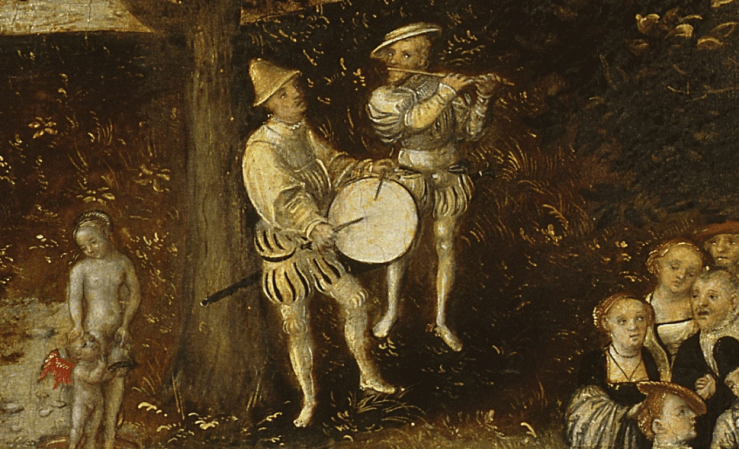
Detail from Der Jungbrunnen (The Fountain of Youth), 1546 by Lucas Cranach the Elder (c. 1472–1553)
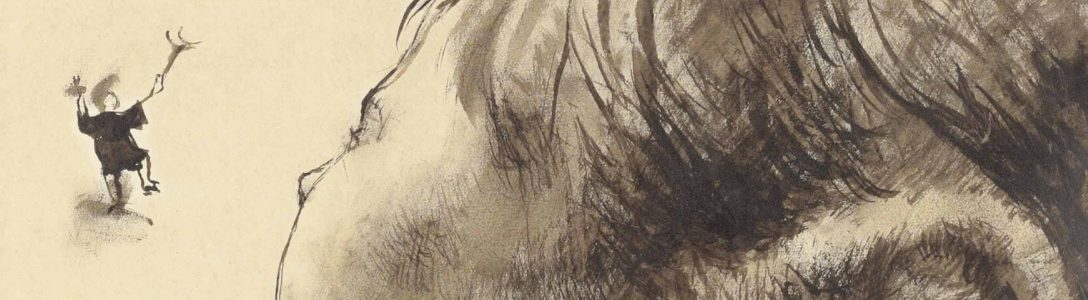
Detail from Der Jungbrunnen (The Fountain of Youth), 1546 by Lucas Cranach the Elder (c. 1472–1553)

The Apartment, 1943 by Jacob Lawrence (1938-2000)


The Virgin of the Annunciation and the Archangel Gabriel, 1465 by Andrea della Robbia (1435-1525)


Virgin Adoring the Christ Child with St. John the Baptist and Two Angels, c. 1500-1520 by Tomasso (c. 1500-1550)


Satan, c. 1836 by Jean-Jacques Feuchère (1807-1852)
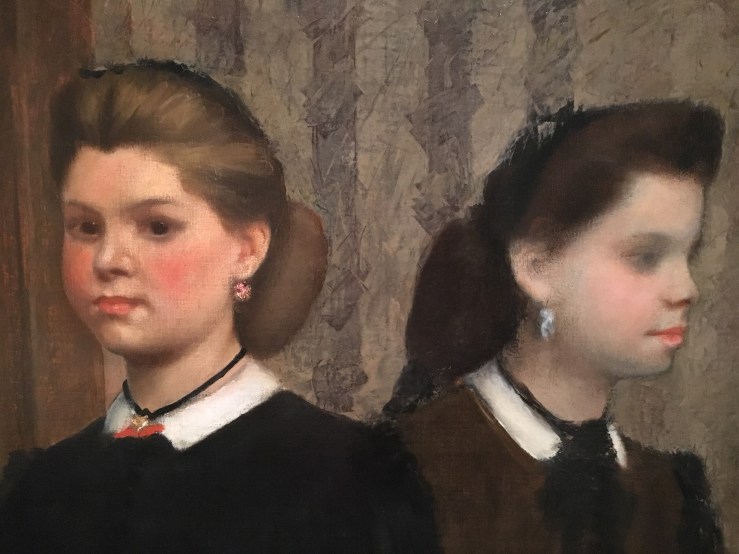
The Bellelli Sisters (detail), 1865-1866 by Edgar Degas (1834-1917)


The Dragon Slayer, 1913 by Franz von Stuck (1863-1913)
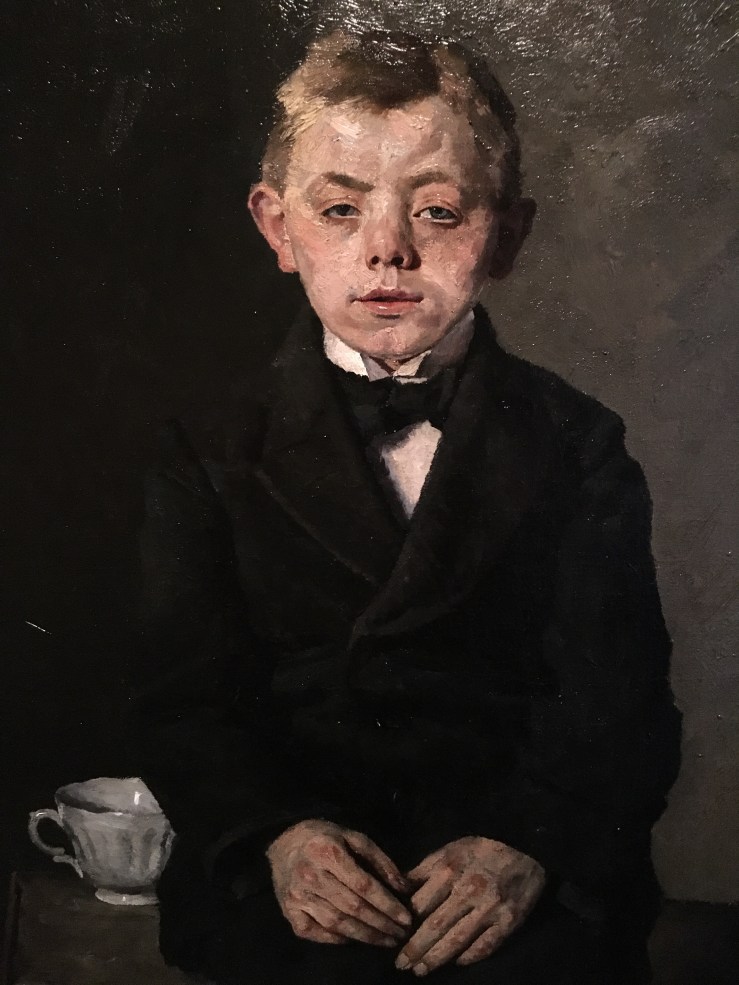
The Page Piccolo of the Hotel Stadt Gotha, Dresden (detail), 1918 by Thomas Baumgartner (1892 – 1962)


Two Girls Reading, c. 1890-1891 by Pierre-Auguste Renoir (1841-1919)


The Disillusioned One, 1892 by Ferdinand Hodler (1853-1918)
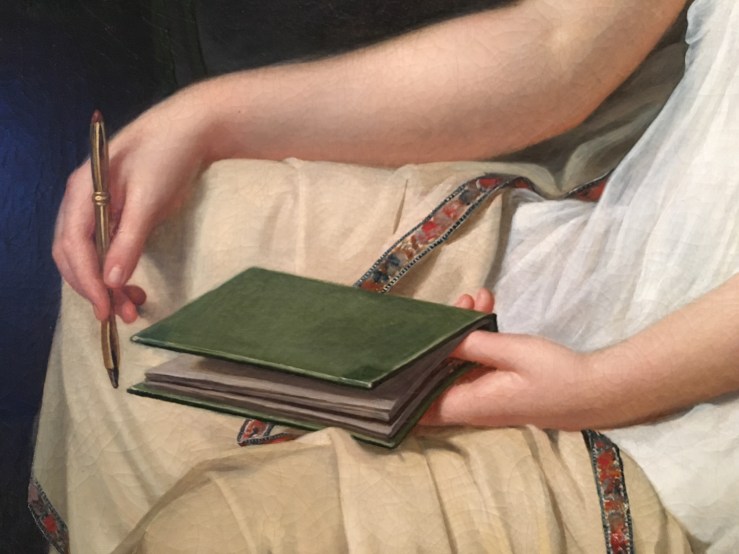
Portrait of a Woman Holding a Pencil and a Drawing Book, c. 1808 by Robert-Jacques Lefevre (1755-1830)


Satan and Death with Sin Intervening, 1799-1800 by Henry Fuseli (1741-1825)


The 10th of August, 1792 (details), c. 1795-1799 by Baron François-Pascal-Simon Gérard (1770-1837)
adsfdsf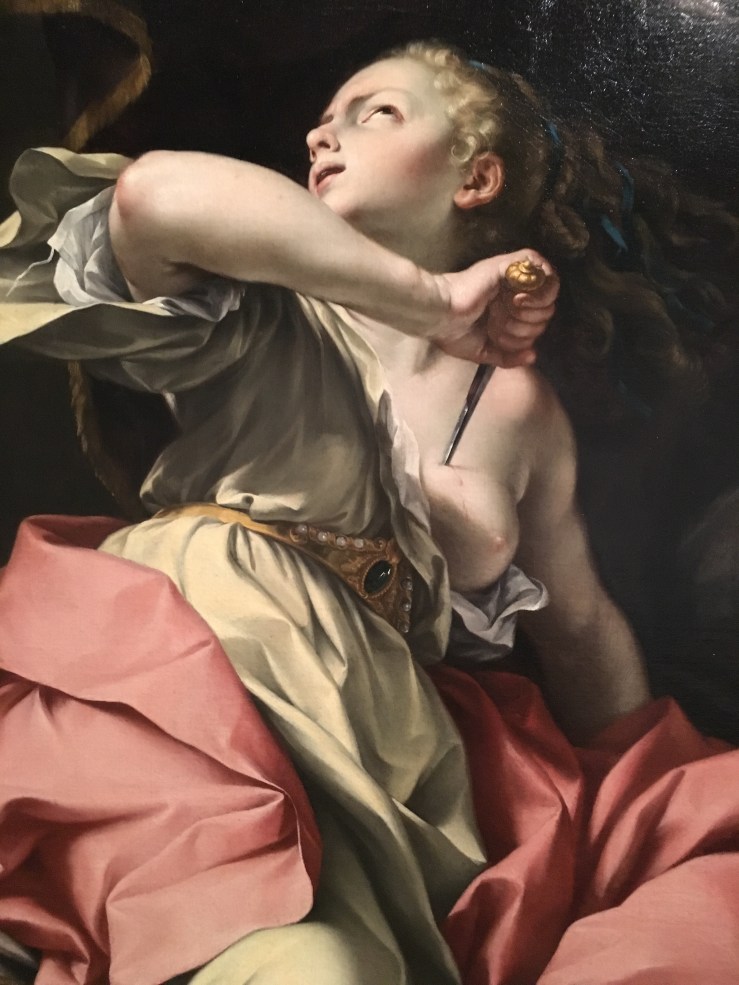
The Death of Lucretia, c. 1730 by Ludovico Mazzanti (1686-1775)
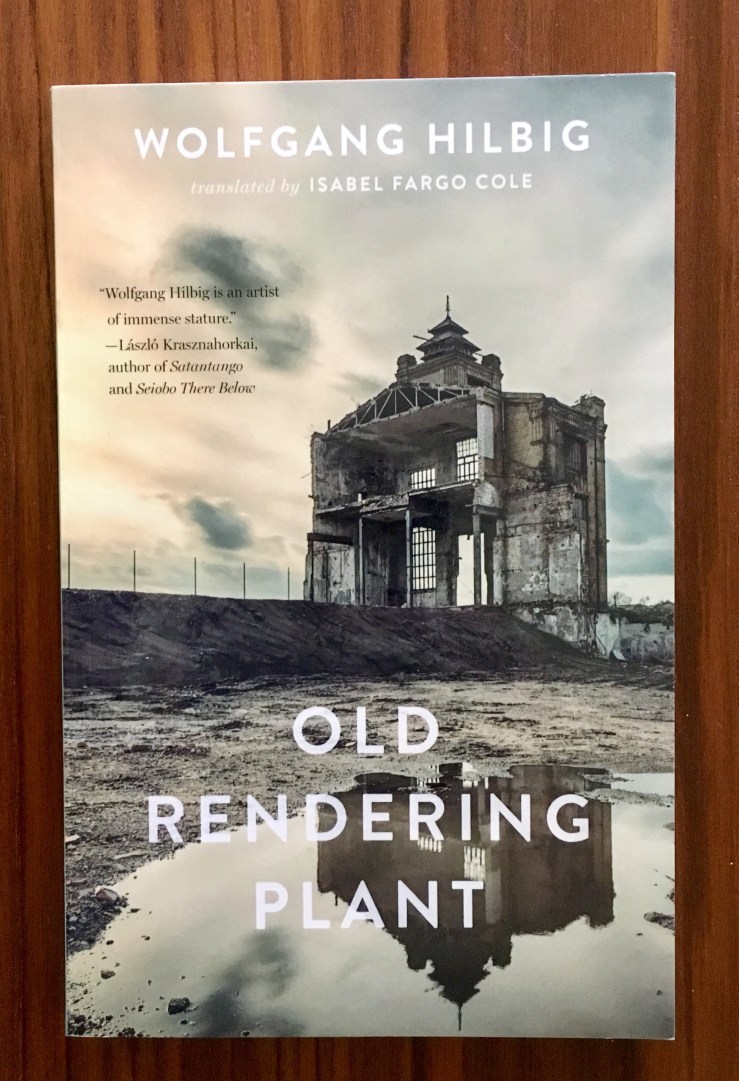
Wolfgang Hilbig’s novella Old Rendering Plant (translated from German by Isabel Fargo Cole) is new from Two Lines Press. It looks pretty cool—a blurb from the NYT comparing him to Sebald and that quote on the cover from Krasznahorkai don’t hurt either. Here’s TLP’s blurb:
What falsehoods do we believe as children? And what happens when we realize they are lies—possibly heinous ones? In Old Rendering Plant Wolfgang Hilbig turns his febrile, hypnotic prose to the intersection of identity, language, and history’s darkest chapters, immersing readers in the odors and oozings of a butchery that has for years dumped biological waste into a river. It starts when a young boy becomes obsessed with an empty and decayed coal plant, coming to believe that it is tied to mysterious disappearances throughout the countryside. But as a young man, with the building now turned into an abattoir processing dead animals, he revisits this place and his memories of it, realizing just how much he has missed. Plumbing memory’s mysteries while evoking historic horrors, Hilbig gives us a gothic testament for the silenced and the speechless. With a tone worthy of Poe and a syntax descended from Joyce, this suggestive, menacing tale refracts the lost innocence of youth through the heavy burdens of maturity.
Suggestive and menacing? Poe and Joyce? This one’s next on my list. I was hoping to dig into it over the July 4th weekend(ish), but I was a bit crosseyed from Bloody Marys and other good spirits, and got almost no reading done for five days in a row.
I loved the last novella I read from Two Lines, by the way—João Gilberto Noll’s Quiet Creature on the Corner.
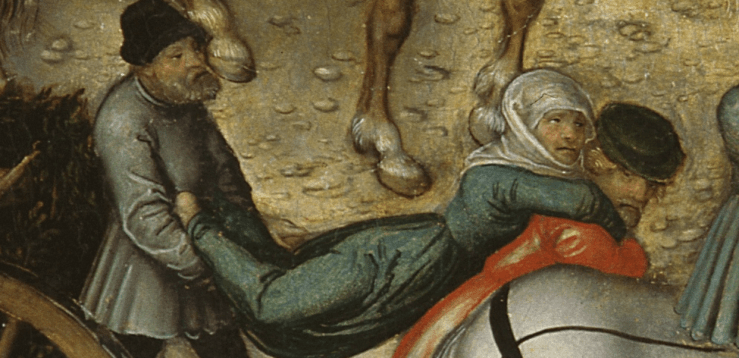
Detail from Der Jungbrunnen (The Fountain of Youth), 1546 by Lucas Cranach the Elder (c. 1472–1553)
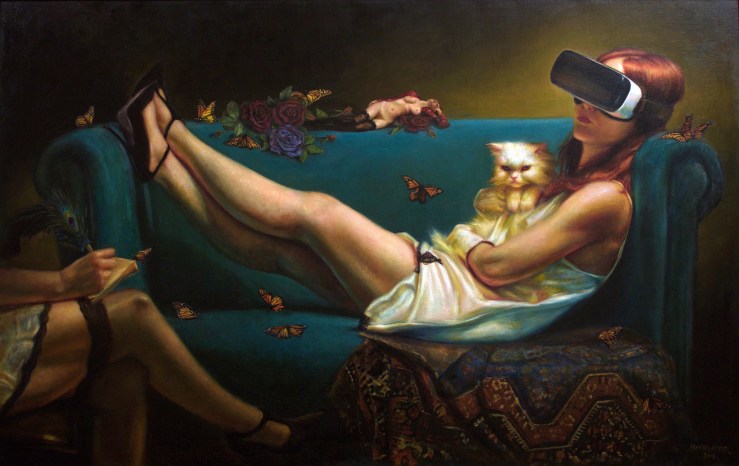
Head Games, 2016 by Rose Freymuth-Frazier (b. 1977)
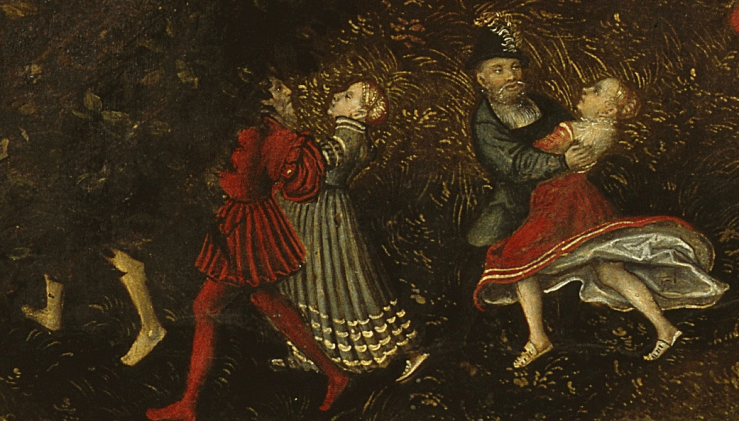
Detail from Der Jungbrunnen (The Fountain of Youth), 1546 by Lucas Cranach the Elder (c. 1472–1553)

Detail from Der Jungbrunnen (The Fountain of Youth), 1546 by Lucas Cranach the Elder (c. 1472–1553)

Untitled (from The Democratic Forest) by William Eggleston (b. 1938)
For years after, there were tales told in Colorado of the amazing, world-reversing night of Fourth of July Eve 1899. Next day’d be full of rodeos, marching bands, and dynamite explosions—but that night there was man-made lightning, horses gone crazy for miles out into the prairie, electricity flooding up through the iron of their shoes, shoes that when they finally came off and got saved to use for cowboy quoits, including important picnic tourneys from Fruita to Cheyenne Wells, why they would fly directly and stick on to the spike in the ground, or to anything else nearby made of iron or steel, that’s when they weren’t collecting souvenirs on their way through the air—gunmen’s guns came right up out of their holsters and buck knives out from under pants legs, keys to traveling ladies’ hotel rooms and office safes, miners’ tags, fencenails, hairpins, all seeking the magnetic memory of that long-ago visit. Veterans of the Rebellion fixing to march in parades were unable to get to sleep, metallic elements had so got to humming through their bloodmaps. Children who drank the milk from the dairy cows who grazed nearby were found leaning against telegraph poles listening to the traffic speeding by through the wires above their heads, or going off to work in stockbrokers’ offices where, unsymmetrically intimate with the daily flow of prices, they were able to amass fortunes before anyone noticed. .
A passage from Thomas Pynchon’s novel Against the Day.
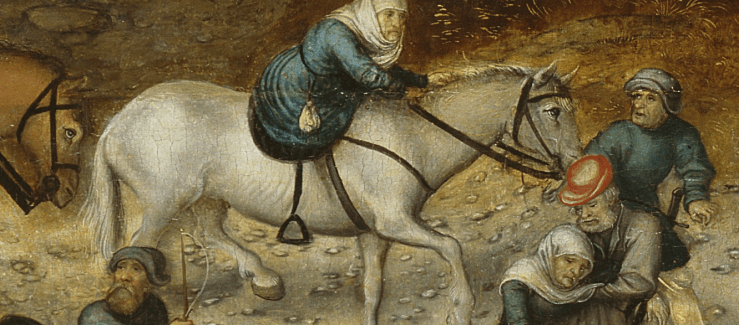
Detail from Der Jungbrunnen (The Fountain of Youth), 1546 by Lucas Cranach the Elder (c. 1472–1553)
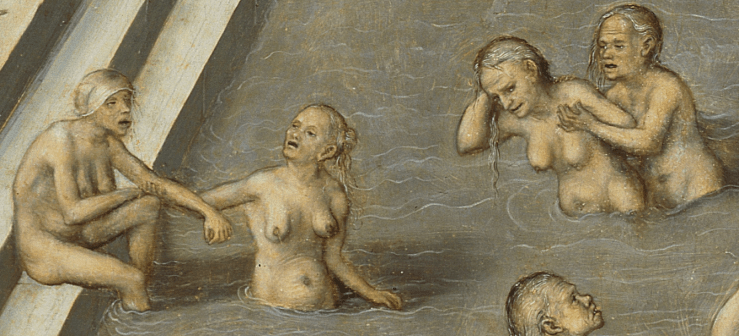
Detail from Der Jungbrunnen (The Fountain of Youth), 1546 by Lucas Cranach the Elder (c. 1472–1553)
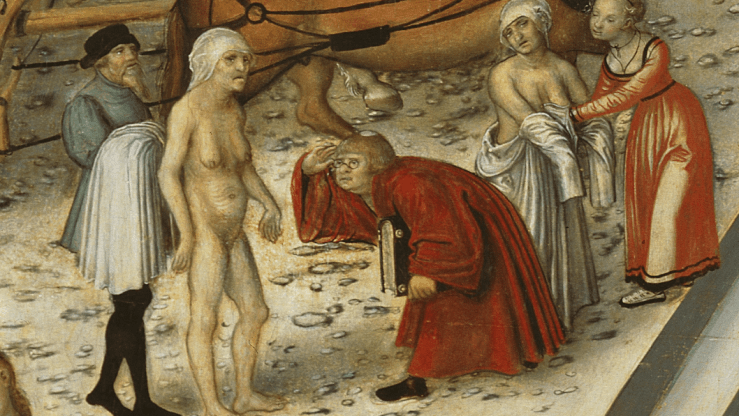
Detail from Der Jungbrunnen (The Fountain of Youth), 1546 by Lucas Cranach the Elder (c. 1472–1553)
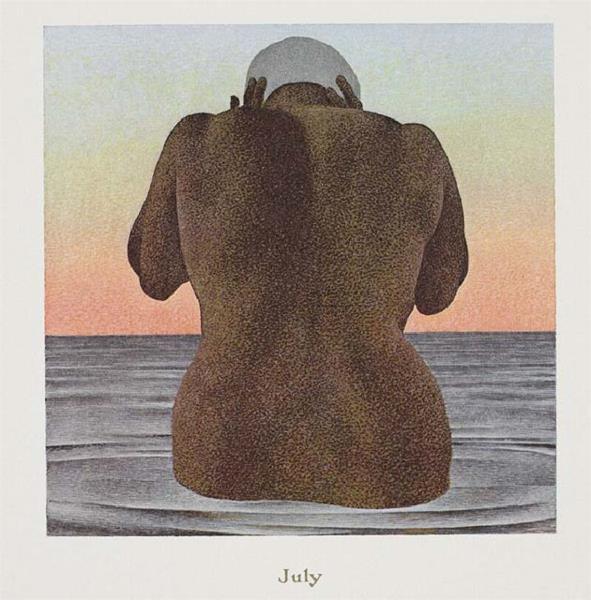
July, 1979 by Alex Colville (1920-2013)
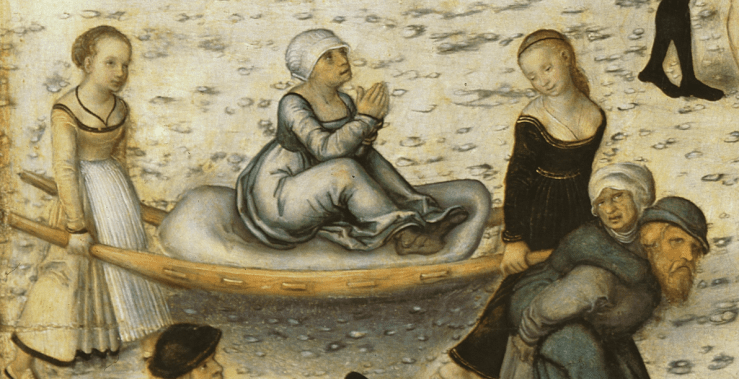
Detail from Der Jungbrunnen (The Fountain of Youth), 1546 by Lucas Cranach the Elder (c. 1472–1553)
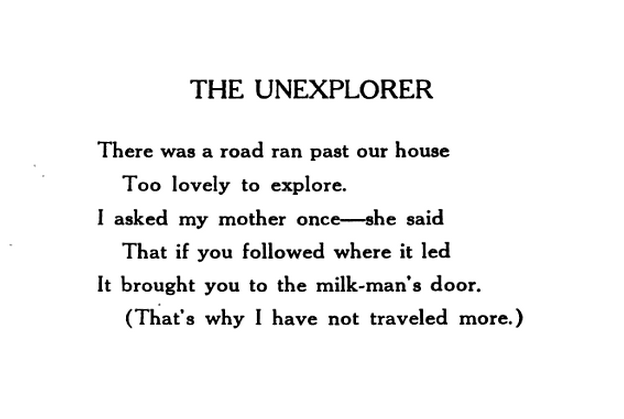
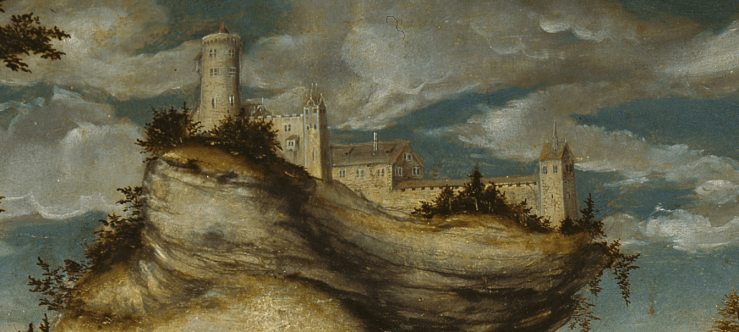
Detail from Der Jungbrunnen (The Fountain of Youth), 1546 by Lucas Cranach the Elder (c. 1472–1553)
 Biblioklept
