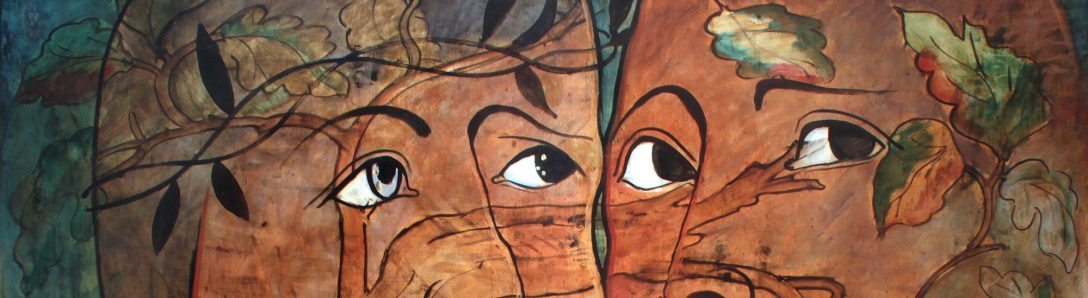
“How to Recognize a Piece of Art” — Roberto Bolaño on the Power of Translation

A sample of Roberto Bolaño’s short essay “Translation Is an Anvil” (from New Directions’ forthcoming Between Parentheses, a collection of Bolaño’s essays, newspaper columns, and other ephemera)——

How to recognize a work of art? How to separate it, even if just for a moment, from its critical apparatus, its exegetes, its tireless plagiarizers, its belittlers, its final lonely fate? Easy. Let it be translated. Let its translator be far from brilliant. Rip pages from it at random. Leave it lying in an attic. If after all of this a kid comes along and reads it, and after reading makes it his own, and is faithful to it (or unfaithful, whichever) and reinterprets it and accompanies it on its  voyage to the edge, and both are enriched and the kid adds an ounce of value to its original value, then we have something before us, a machine or a book, capable of speaking to all human beings; not a plowed field but a mountain, not the image of a dark forest but the dark forest, not a flock of birds but the Nightingale.
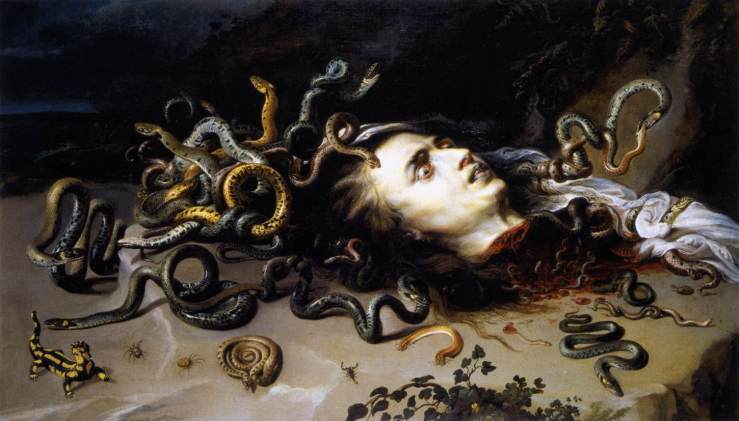
Head of Medusa — Peter Paul Rubens

Hayao Miyazaki and Moebius in Conversation

“I Learn as Much from Painters About How to Write as from Writers” — Hemingway on His Literary Forebears

Ernest Hemingway describes his influences in his 1958 interview with George Plimpton at The Paris Review

INTERVIEWER

Who would you say are your literary forebears—those you have learned the most from?

HEMINGWAY

Mark Twain, Flaubert, Stendhal, Bach, Turgenev, Tolstoy, Dostoyevsky, Chekhov, Andrew Marvell, John Donne, Maupassant, the good Kipling, Thoreau, Captain Marryat, Shakespeare, Mozart, Quevedo, Dante, Virgil, Tintoretto, Hieronymus Bosch, Brueghel, Patinir, Goya, Giotto, Cézanne, Van Gogh, Gauguin, San Juan de la Cruz, Góngora—it would take a day to remember everyone. Then it would sound as though I were claiming an erudition I did not possess instead of trying to remember all the people who have been an influence on my life and work. This isn’t an old dull question. It is a very good but a solemn question and requires an examination of conscience. I put in painters, or started to, because I learn as much from painters about how to write as from writers. You ask how this is done? It would take another day of explaining. I should think what one learns from composers and from the study of harmony and counterpoint would be obvious.


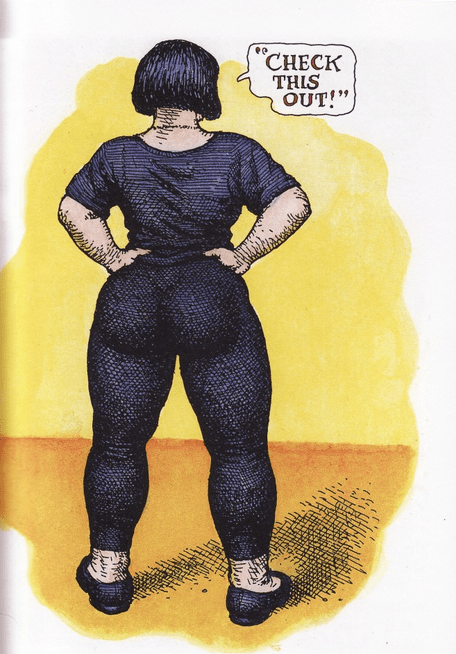
“Check This Out!” — Robert Crumb

Juxtapoz Interviews Walton Ford

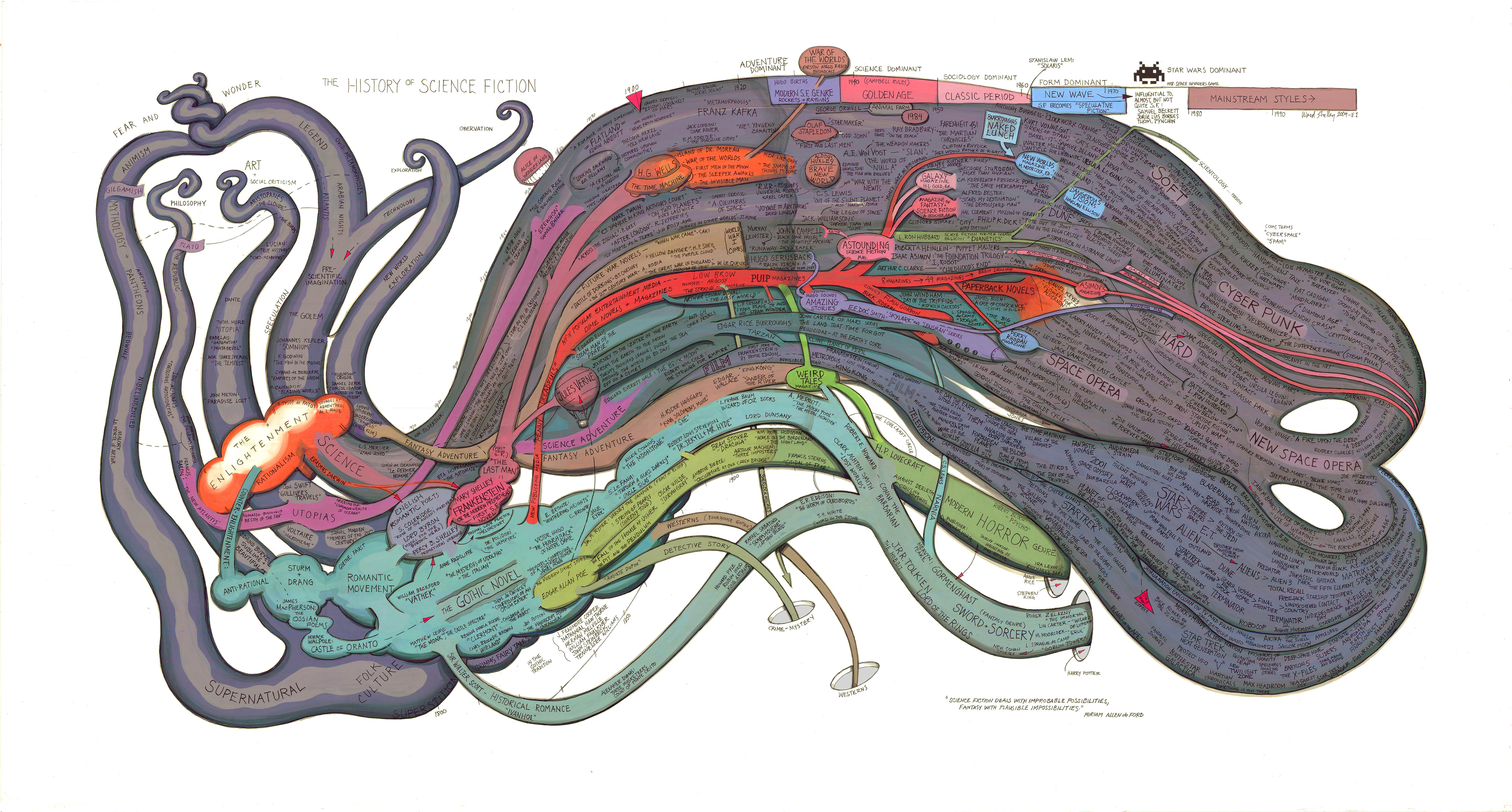
The History of Science Fiction — Ward Shelley

(Via, via).

Beckett’s Breath (Directed by Damien Hirst)

Vodpod videos no longer available.

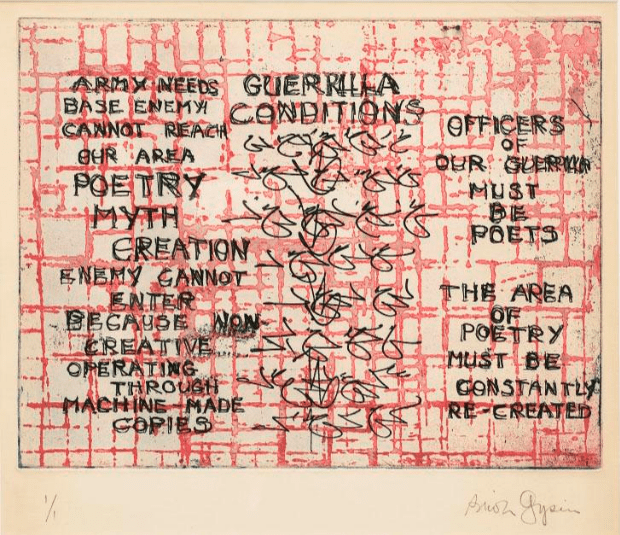
Guerrilla Conditions — Brion Gysin

(Via Brion Gysin).

Lightplay White, Black, Grey — Lászlô Moholy-Nagy

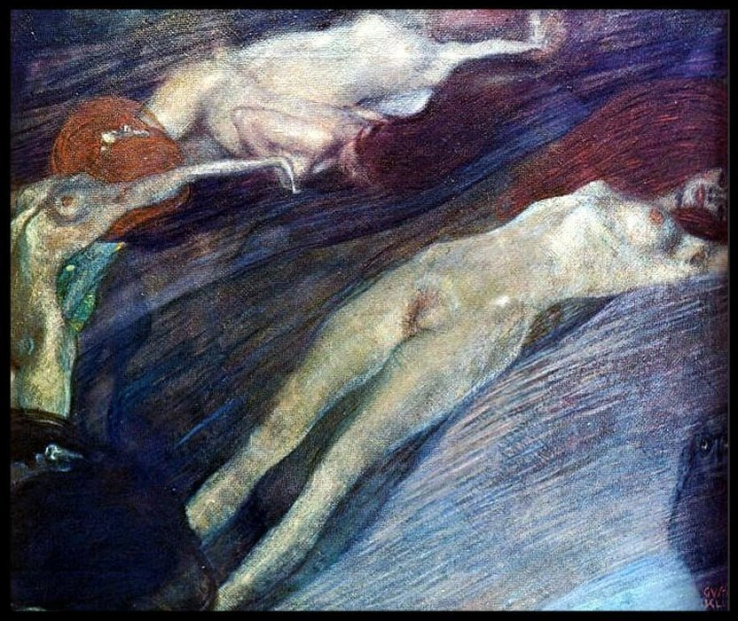
Moving Water — Gustav Klimt

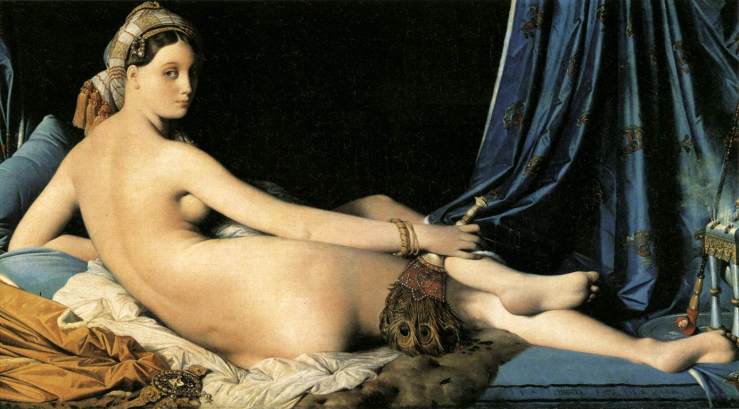
Grande Odalisque — Jean Auguste Dominique Ingres

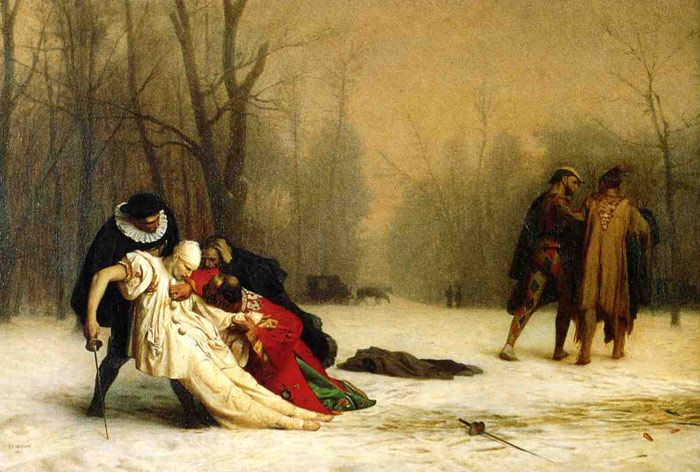
Duel After the Masked Ball — Jean-Léon Gérôme

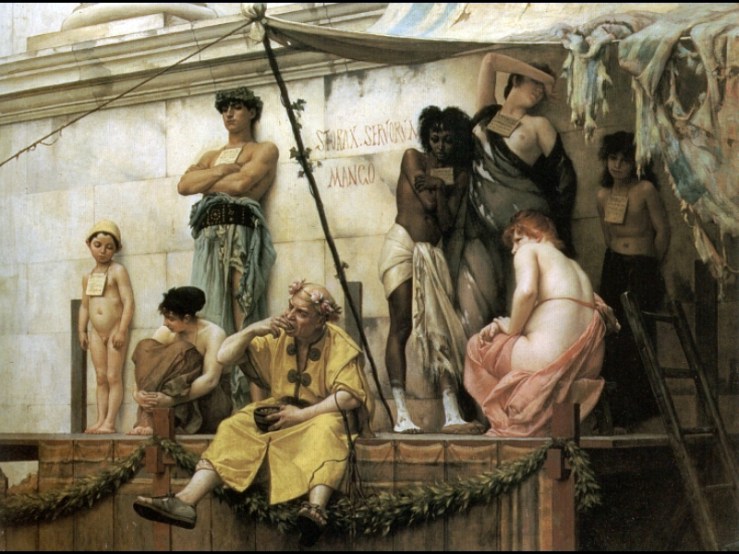
The Slave Market — Gustave Boulanger

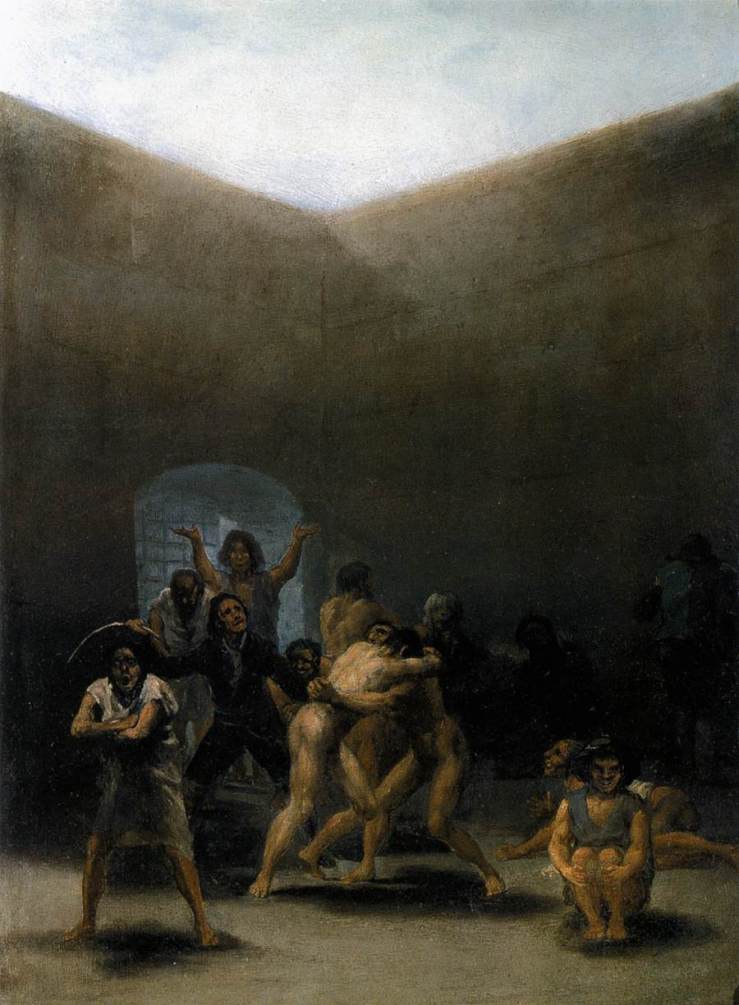
Courtyard with Lunatics — Francisco Goya

Anemic Cinema — Marcel Duchamp

Vodpod videos no longer available.

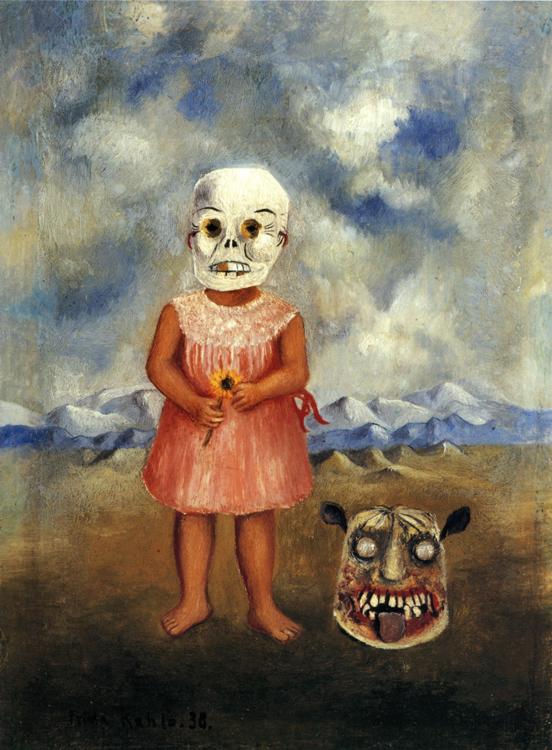
Girl with Death Mask — Frida Kahlo