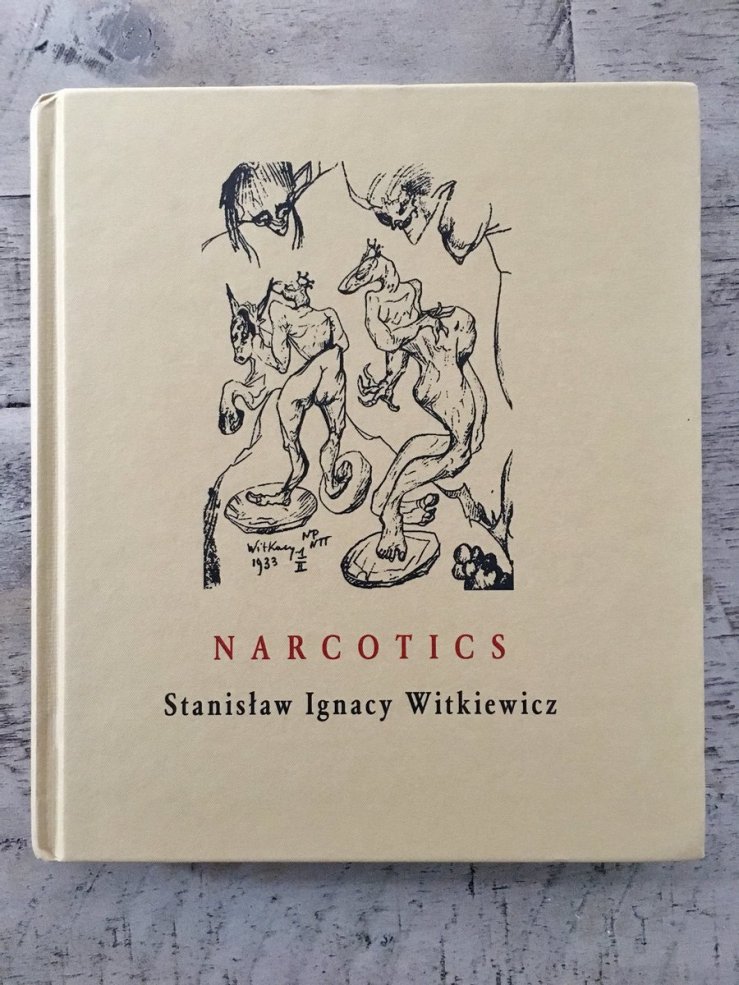
Stanisław I. Witkiewicz’s Narcotics is forthcoming in full-color hardback from Twisted Spoon Press. Subtitled “Nicotine, Alcohol, Cocaine, Peyote, Morphine, Ether + Appendices,” the volume consists of Witkiewicz’s musings on his intake of these substances, both in his creative and personal life, as well as the various portraits he composed while taking those substances. Narcotics is translated by Soren Gauger, who also authors a helpful afterword that contextualizes Witkiewicz’s volume. Narcotics was written and published in Poland in the 1930s, and was apparently quite a big hit. I read Witkiewicz’s foreword last night (as well as the section on, um, peyote). In its strange moralizing, the foreword—an apologia really–reminded me a bit of Henri Michaux’s similar exercise, Miserable Miracle, which also strikes a defensive tone at the outset.
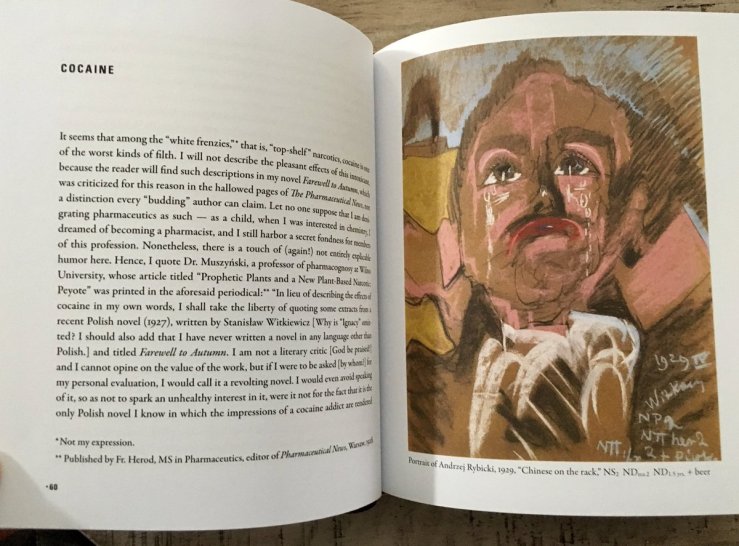
The book, like Witkiewicz’s portraits, is gorgeous. Here is Twisted Spoon’s blurb; full review forthcoming—
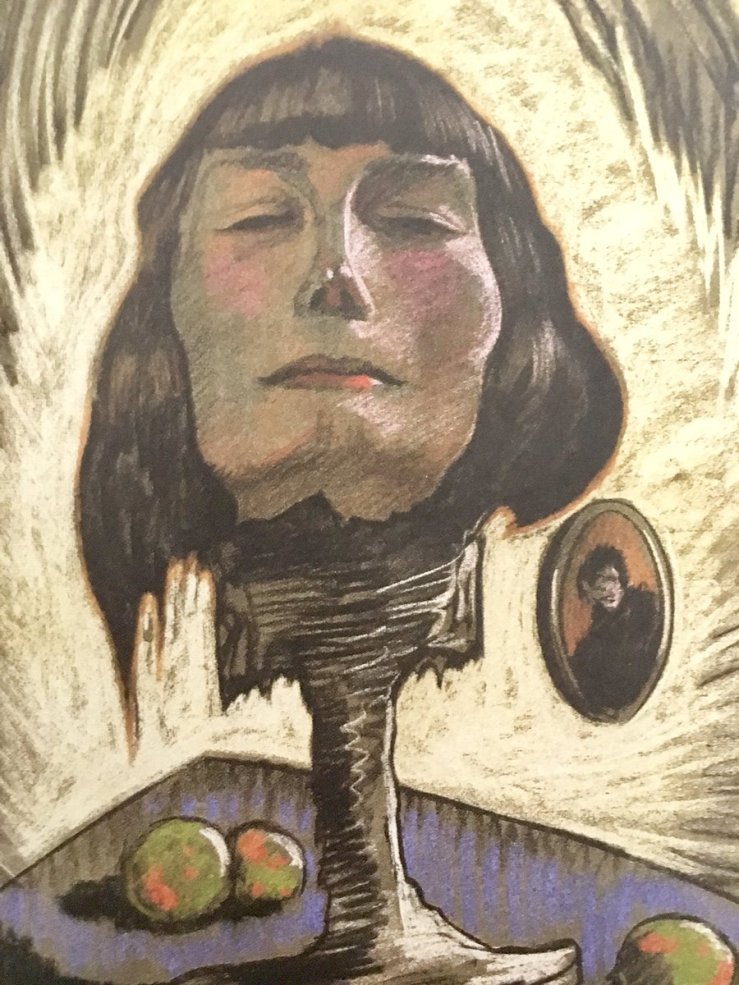
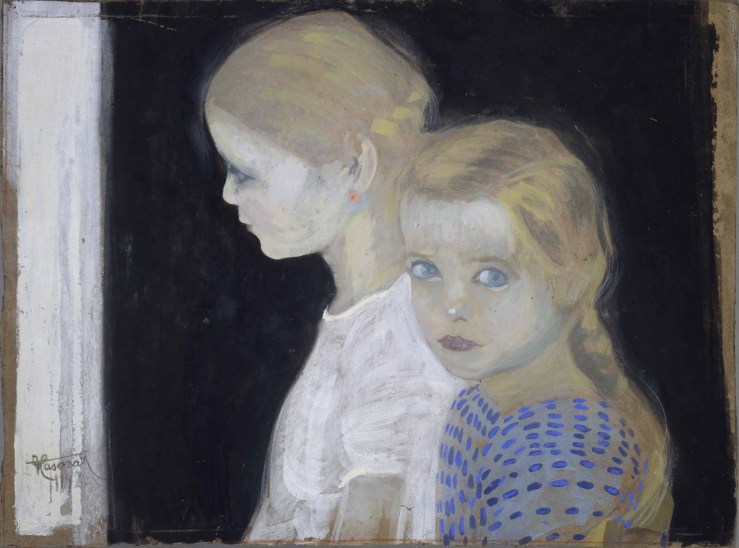
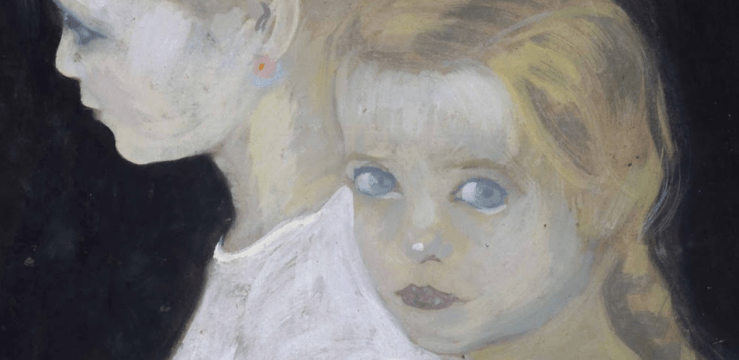
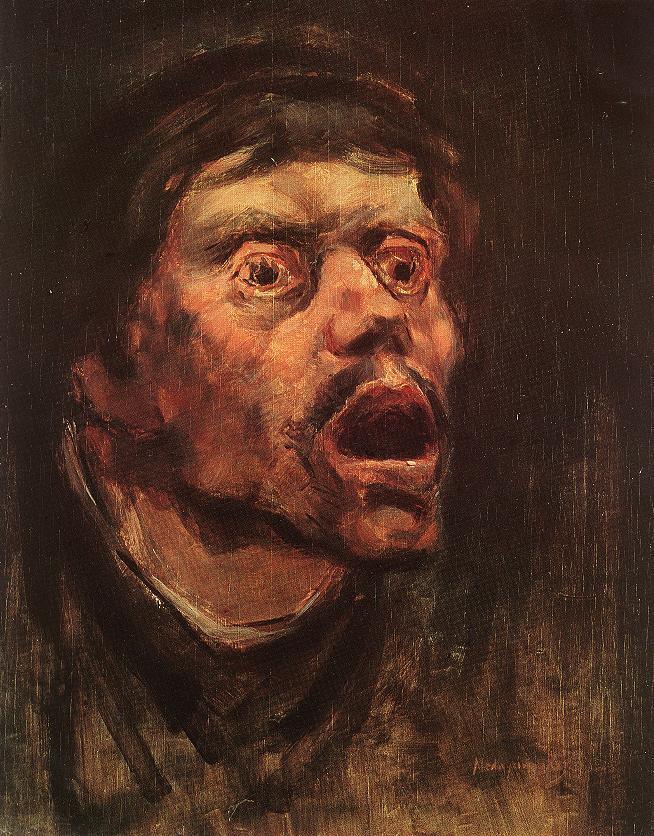
For his “portrait painting firm,” established rules and types for his portrait work, marking the paintings and pastels with corresponding symbols and abbreviations of the substances he had either taken or, in the case of alcohol and nicotine, not taken at the time. Type C were created under the influence of alcohol and “narcotics of a superior grade” to produce abstract compositions he called “Pure Form.” A variety of drugs and their combinations were taken to produce a variety of distortions and effects, and often this would be the portrait subject’s choice. And in some instances a given portrait might be marked with symbols denoting how many days he had gone without smoking or without drinking (and type D were executed to achieve the same results without any artificial means). Different substances resulted in different color combinations or brought out different aspects of the subject’s features or psyche. One stunning series of self-portraits, for example, was executed while on a combination of moderate amounts of beer and cocaine.
In the vein of the well-known drug writings of De Quincey and Baudelaire from a century earlier and those of his contemporaries Walter Benjamin and Jean Cocteau – and foreshadowing the later writings of Aldous Huxley and Carlos Castaneda on psychoactive drugs – Witkacy composed Narcotics in 1930 to discuss and document not only his own experimentation with different substances but the nature of addiction itself and the prevailing social attitude toward drugs, particularly those that were considered “acceptable.” As life became increasingly mechanized, Witkacy felt that a sense of the metaphysical could only be achieved by artificial means, and like Henri Michaux, he produced an extensive oeuvre of singular visual art while under the influence of a variety of substances.
Meandering, acerbic, and burlesque, rife with neologisms and expressions from German, French, English, and Russian, Witkacy dissects Polish society and the art world as well as himself via the hypocrisy surrounding drug use. Since it was first published in the 1930s, Narcotics has achieved a cult status in Poland where it is considered both a modernist classic and a paragon of Witkiewiczian madness. This edition, the first complete translation in English, includes a second appendix written later, passages from the novel Farewell to Autumn, and 34 color reproductions of a cross section of portraits to show how various substances impacted Witkacy’s art.






 Biblioklept