Sunsets to chase | Notes on Ch. 39, the last chapter of Thomas Pynchon’s Shadow Ticket

Notes on Chapters 1-7 | Glows in the dark.

Notes on Chapters 8-14 | Halloween all the time.

Notes on Chapters 15-18 | Ghostly crawl.

Notes on Chapters 19-20 | The needs of cold capitalist reality and those of adjoining ghost worlds come into rude contact.

Notes on Chapters 21-23 | Phantom gearbox.

Notes on Chapters 24-26 | Idiots get respect out here, they’re believed to be in touch with invisible forces.

Notes on Chapters 27-29 | We’re in for some dark ages, kid.

Notes on Chapters 30-32 | Some occult switchwork.

Notes on Chapters 33-34 | The dead ride fast.

Notes on Chapters 35-36 | Ghost city.

Notes on Chapters 37-38 | Our racket happens to be exile.


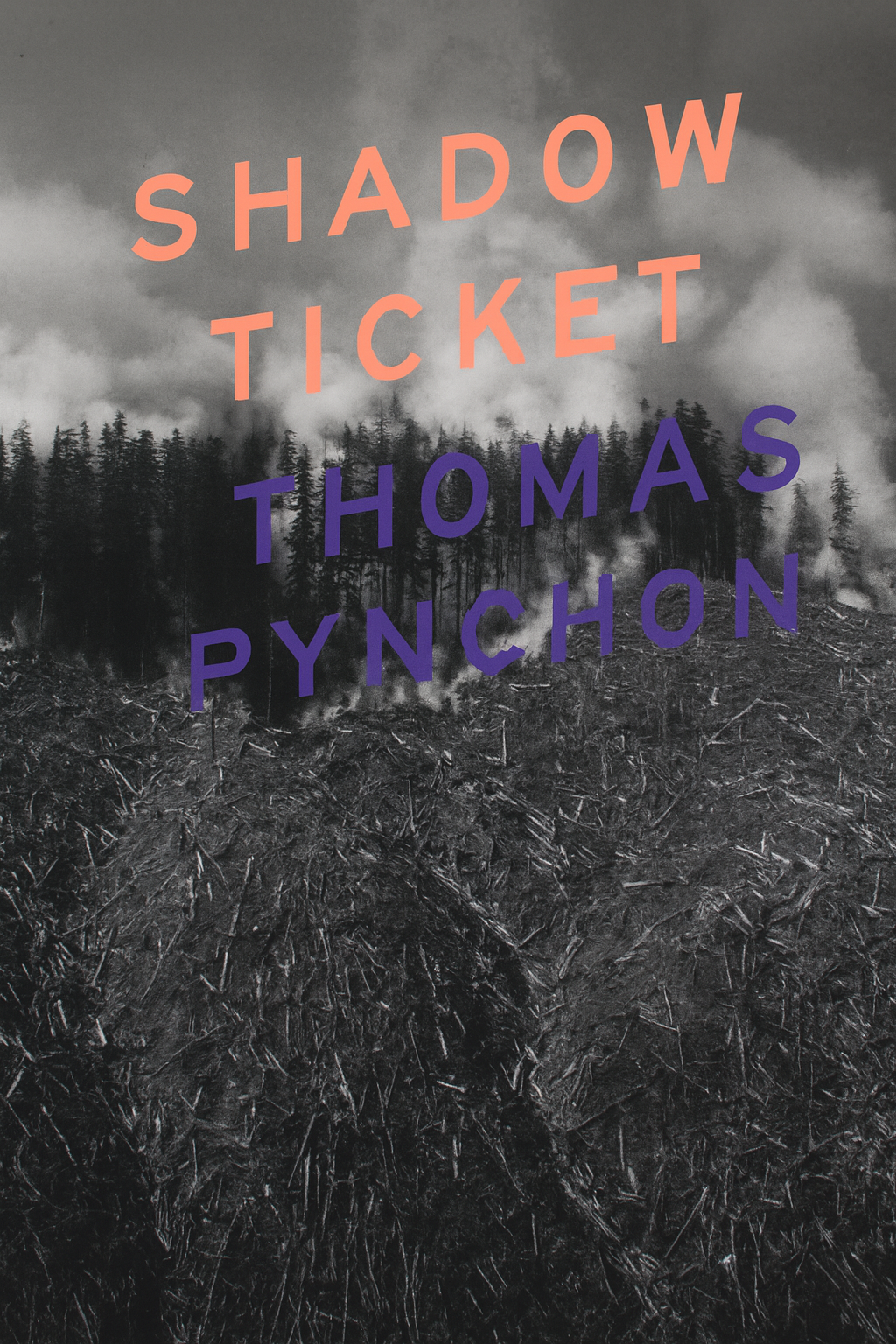
The last chapter of Shadow Ticket has three movements: one for Bruno, the novel’s erstwhile villain; one for Hicks, its anti-hero finding his way to becoming a hero; and one for Hicks’s young protege Skeet, who’s been sidelined Stateside and not present in the novel’s second, European half.

We begin the finale on the phantom submarine the Vampire Squid, “Somewhere out beyond the western edge of the Old World.” Shadow Ticket will end with the promise of a new edge of the New World.

Bruno Airmont, one-time dairy gangster, believes he’s headed home. The sub encounters a bizarre behemoth, “a statue hundreds of meters high, of a masked woman draped in military gear less ceremonial than suited to action in the field [wearing] an openwork visor of some darkly corroded metal protecting, some say hiding, her identity.” The full description of this statue is beautiful and strange, and culminates with the melancholic note that her visage recalls “somebody we knew once a long time ago.” 

“Statue of Liberty,” guesses Bruno, which, okay. I mean, that’s a reasonable guess I guess.

The image Pynchon conjures of a surreal, armed Lady Liberty recalls the opening of Franz Kafka’s unfinished first novel Amerika, which begins with its hero entering the New York Harbor and encountering “the Statue of Liberty, which he had been observing for some time, as if in a sudden burst of sunlight. The arm with the sword now reached aloft, and about her figure blew the free winds” (trans. Mark Harman).

In the Pynchonverse, “It’s the U.S. but not exactly the one you left. There’s exile and there’s exile” for Bruno: “There is no Statue of Liberty, Bruno, no such thing, not where you’re going.”

Bruno’s episode–and the Vampire Squid’s—ends with a Dickinson dash: “Whatever counter-domain of exile this is they have wandered into, they will be headed not back into any sunrise but west, toward a frontier as yet only suspected, as the days sweep over them—”

The Vampire Squid is another bilocated ghost ship, like the Stupendica on which Hicks voyaged to Europe. In Against the Day, the Stupendica splits into two ships — its shadow double the Emperor Maximilian is off to war. Recall that the Vampire Squid is a reformed U-boat, set out on a “new career of nonbelligerence.” Shadow Ticket might be cynical about redemption, but it also posits second chances — even if those chances take the quester into unknown counter-domains of exile.


Ch. 39’s second movement is a scant few lines. Hicks, exiled to Europe, panics a bit and realizes “that what he thought mattered to him is now foreclosed.” Terike pulls up on her bike, teaches him the Hungarian phrase csókolj meg, and our boy is on another adventure, another romance. It’s a nice conclusion for Hicks — who, it’s worth noting, has not committed a single act of violence in the novel.


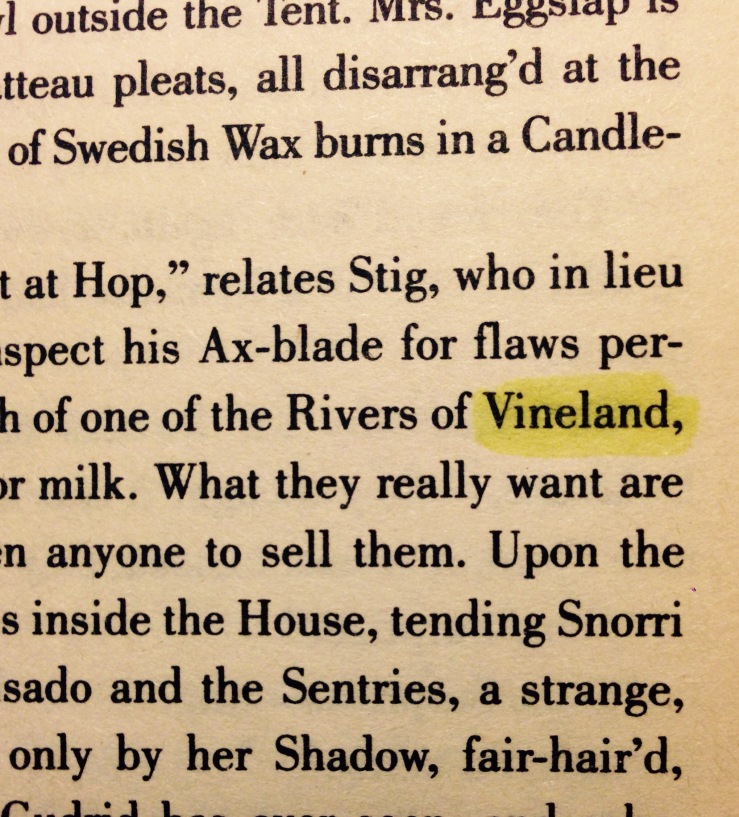
The real conclusion of Shadow Ticket is epistolary, a letter to “Hicksie” from his old pal Skeet Wheeler. Skeet’s “On the hop,” staying clear of “Paddy wagons, dogcatcher nets, arrest warrants, the works,” lamenting that there are “Not so many places to hide as there were.” Here again is a theme of Shadow Ticket: there’s only freedom on foot, on the run, on the hop. To escape the net, Skeet plans to head West with Zinnia, the gal who gave him a glow-in-the-dark watch back in Chapter 1: “There’s supposed to be plenty of work out on the Coast.” That would be the West Coast of course.

Skeet offers a wrap-up of the Wisconsin cast of Shadow Ticket, including Against the Day’s hero Lew Basnight, who agrees to give Skeet and “Zin the fare out to California.” Basnight advises the young couple in a mode that’s not so much benediction as it is ominous prophecy, warning of “forks in the road, close shaves, mistakes he wished he didn’t make.”

Basnight warns Skeet of California’s American promises: “Eternal youth, big Hollywood playpen, whatsoever—but someday they’ll lose that innocence. They’ll find out.”

“Maybe they’ll keep finding new ways to be innocent,” rejoins Skeet, to which Basnight replies: “Better if somebody tells you now—innocent and not guilty ain’t always the same.”

Skeet concedes he’s not sure what that riddle means, but figures he’ll solve it in time; for now, he writes to Hicks, it’s “Time to put them street kiddie days behind me.” Time to grow up, or at least to make a motion towards it.

The novel ends with Skeet en route to California via the Santa Fe Chief: “Right now, we’ve got a couple of sunsets to chase.” Like the crew of the Vampire Squid, Skeet and Zin are headed “not back into any sunrise but west, toward a frontier as yet only suspected.” 

And while Pynchon’s conclusion follows a signal trope of US American literature — namely the promise of a new start Out West — I think there’s more here than the urge that Huck expresses at the end of Adventures of Huckleberry Finn, when he promises to “light out for the Territory ahead of the rest” to avoid the “sivilizin'” domesticity represented by Aunt Sally. Skeet’s Westward movement isn’t pure escapism or the fantasy of Manifest Destiny. It isn’t a rejection of domestic responsibility in lieu of a new frontier but rather a utopian dream of “finding new ways to be innocent,” even as he puts those “kiddie days behind.”

Lew Basnight, veteran of Against the Day‘s fantasia/nightmare of nineteenth-century history, provides a tempering wisdom to cool Skeet’s American Dream: “innocent and not guilty ain’t always the same.” Perhaps, like the narrator back in Ch. 35 documenting Hicks and Daphne’s last encounter, Basnight understands that the characters in Shadow Ticket are floating “in the last minutes of a break that will seem so wonderful and peaceable and carefree” before the horrors of WWII. Again, Shadow Ticket is a dance number, a chronological breeze floating between Pynchon’s titans Against the Day and Gravity’s Rainbow.

For me, the ending is sweet and then bittersweet and then bitter and then sweet again. We know Hicks will likely never see Skeet again — but he might. We know that this is probably Pynchon’s last novel — but maybe it isn’t.

And we know that Zoyd Wheeler is the hero of Pynchon’s California novel Vineland, and we know that Skeet’s last name is Wheeler. My presumption is that Skeet and Zinnia are Zoyd’s parents, and I presume it because I like to think that the Pynchonverse, although large and containing multitudes (and bilocations of every stripe) is somehow cozily discrete.

I should probably distill my thoughts on Shadow Ticket into a compact, “proper” review, but I’ve sat with the novel now for two months, reading it twice, and really, really enjoying it. I never expected to get another Pynchon novel; it’s a gift. I loved its goofy Gothicism; I loved its noir-as-red-herring-genre-swap conceit; I loved even its worst puns (even “sofa so good”). I loved that Pynchon loves these characters, even the ones he might not have had the time or energy to fully flesh out — this is a book that, breezy as it reads, feels like a denser, thicker affair. And even if he gives us doom on the horizon in the impending horrors of genocide and atomic death, Pynchon ends with the hopeful image of two kids chasing sunsets. Great stuff.
Paul Thomas Anderson’s One Battle After Another is a frenetic, vital reimagining of Thomas Pynchon’s Vineland

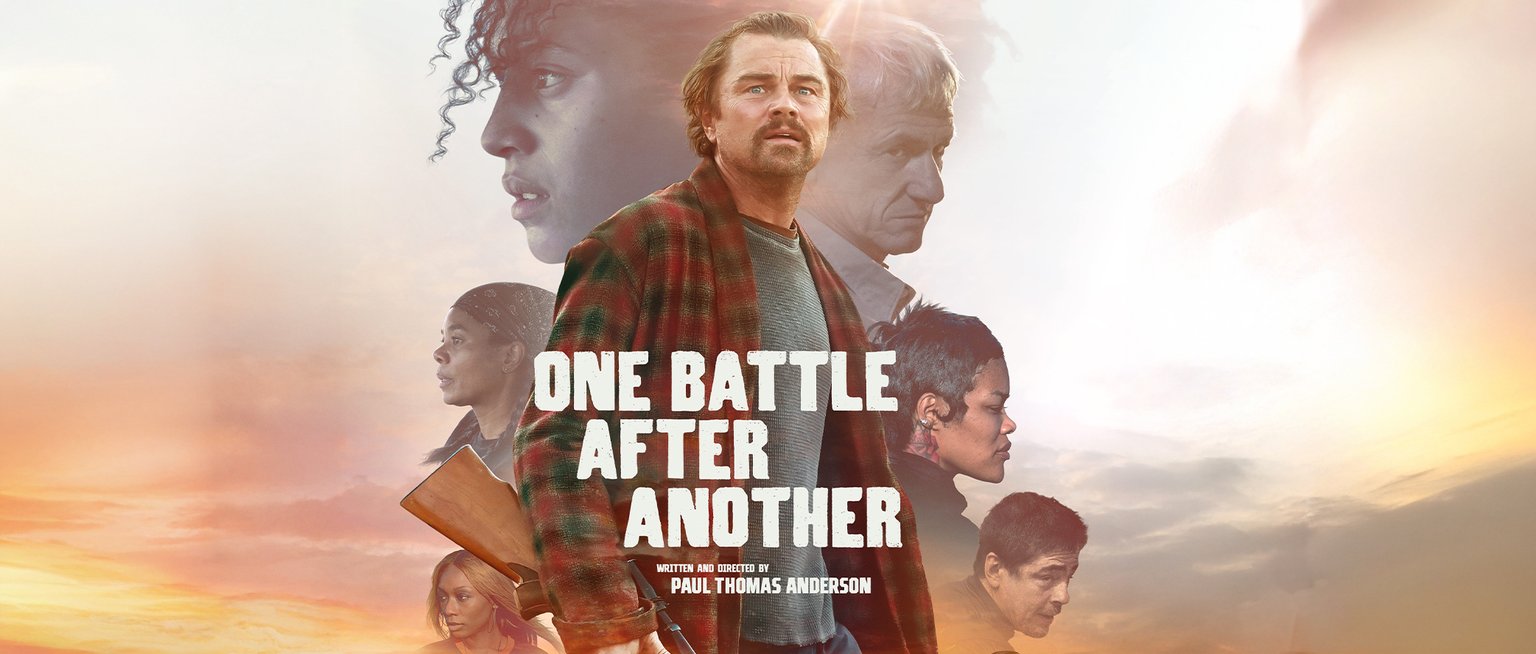
Paul Thomas Anderson’s One Battle After Another takes Thomas Pynchon’s 1990 novel Vineland and sets it ablaze, reshaping its abstract paranoia and fractured narrative into something both deliriously immediate and ominously timeless.

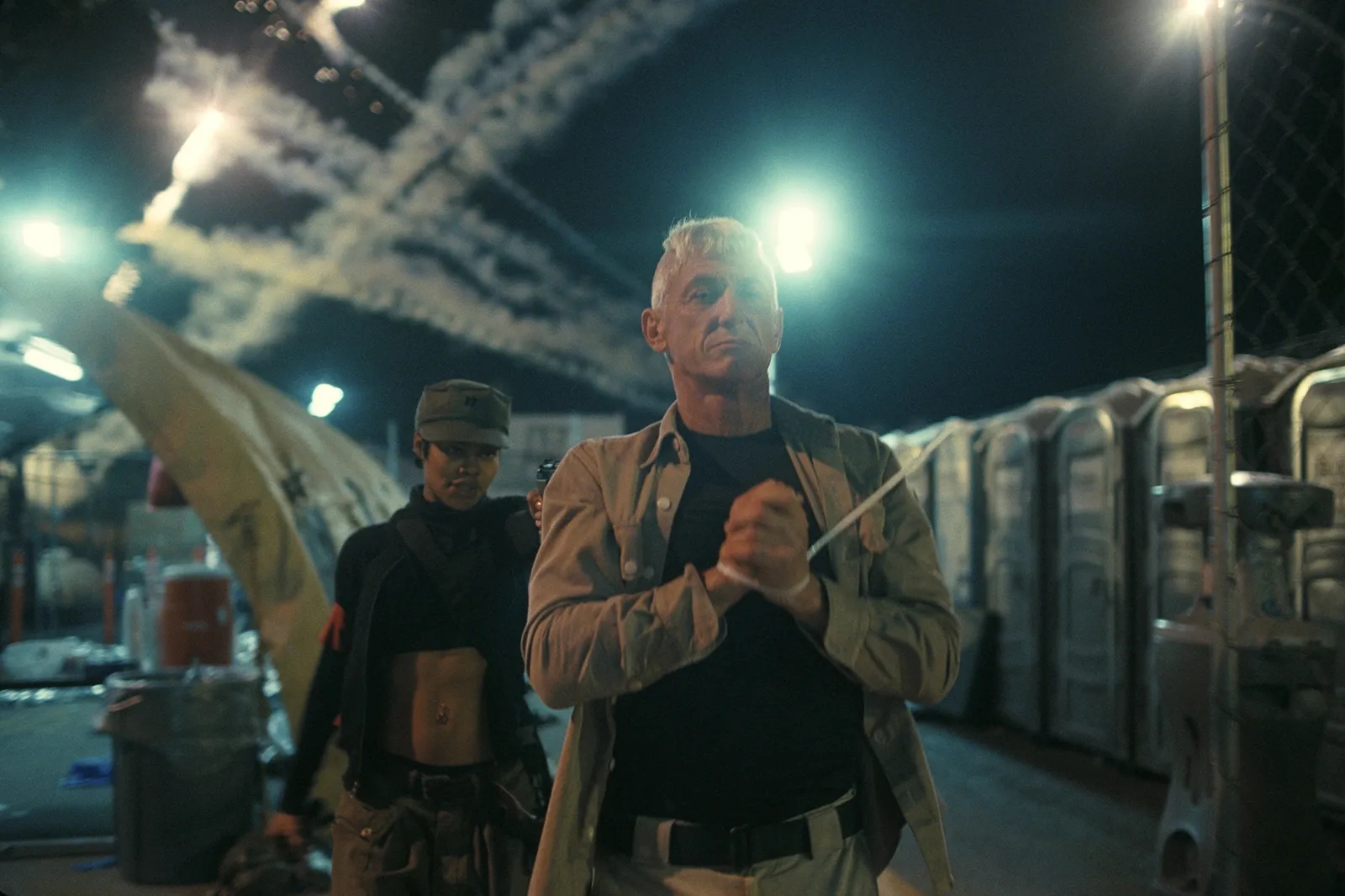
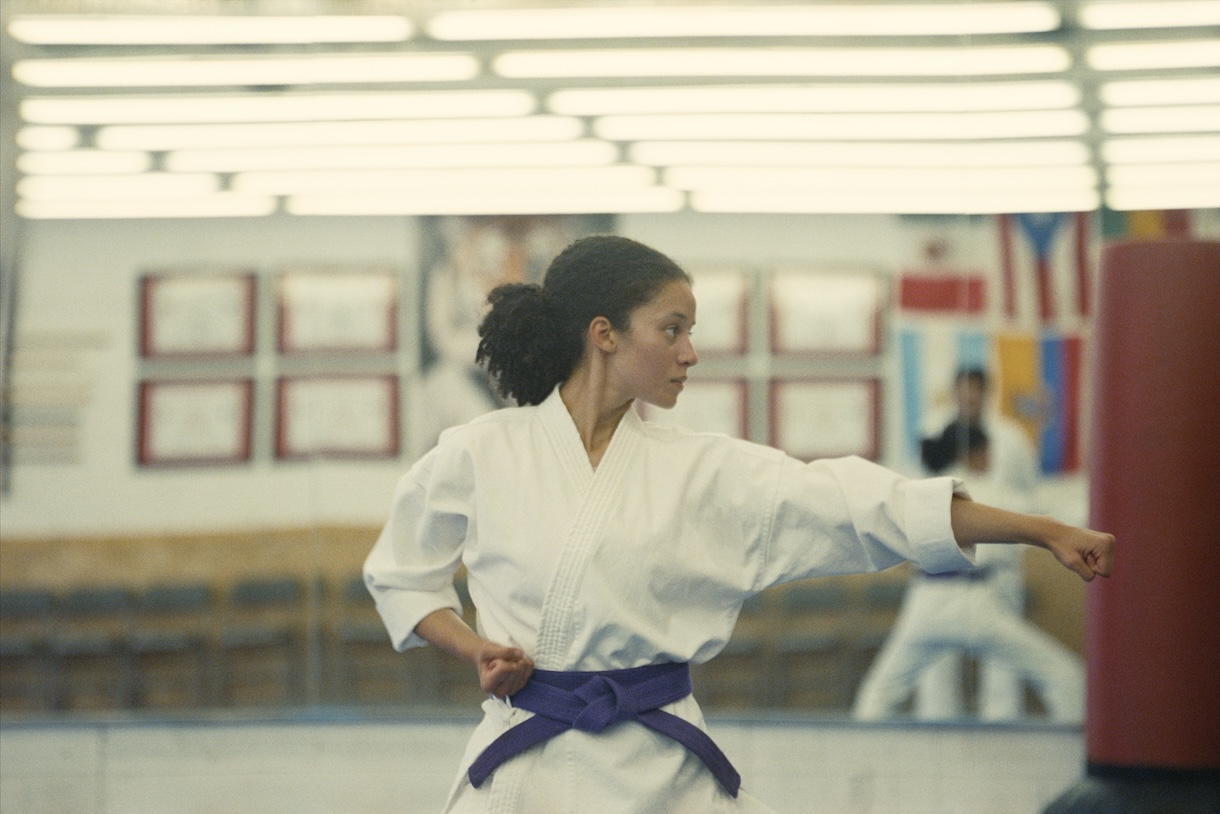
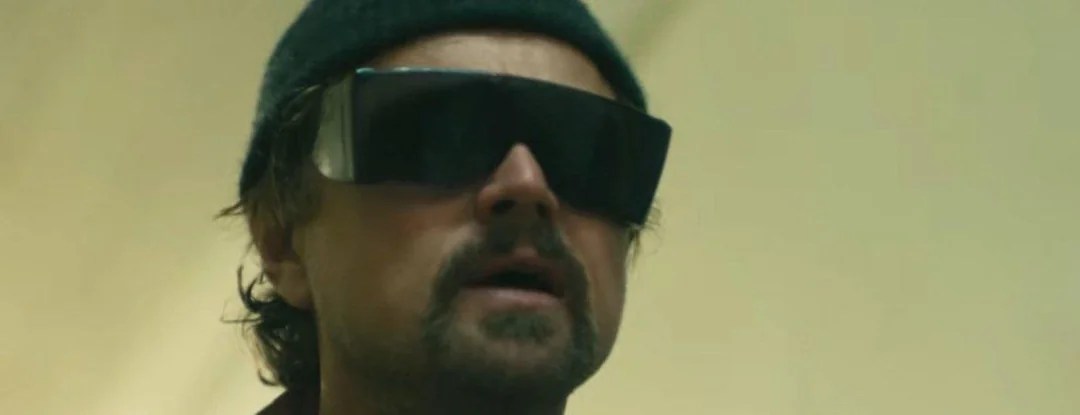
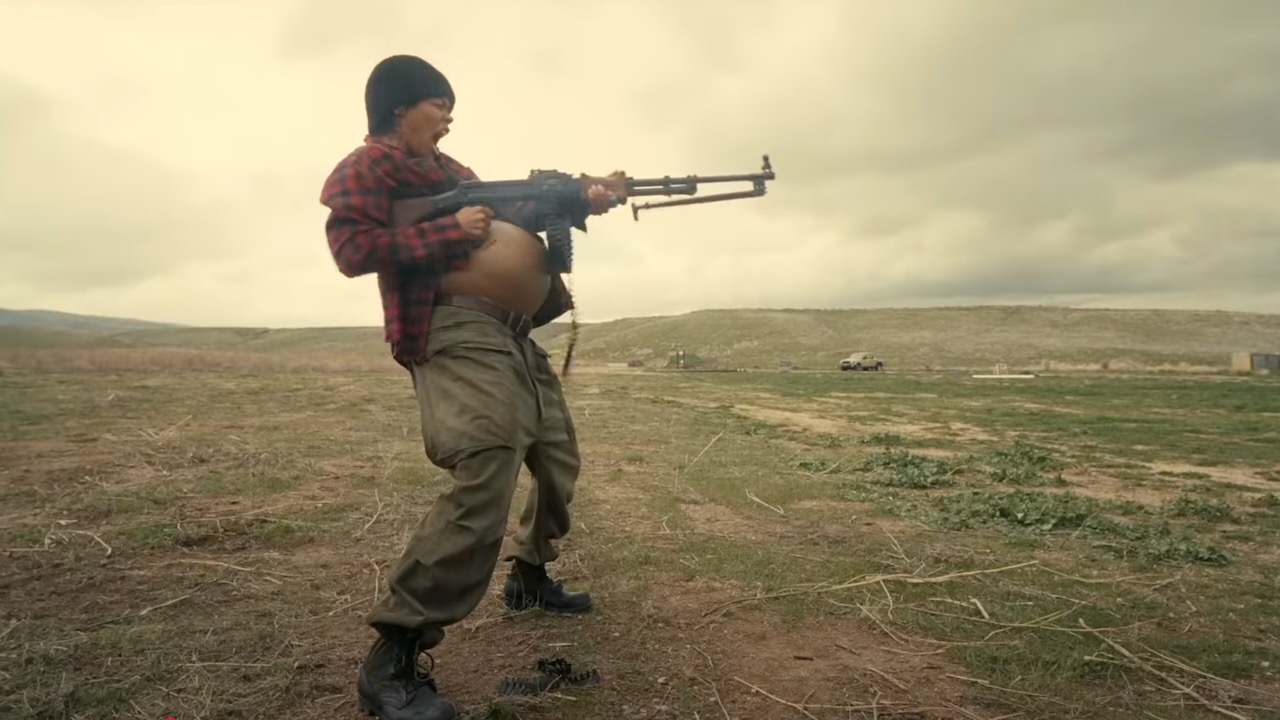
The bones of Pynchon’s original are still present: a family broken by state violence; a daughter growing up without a mother; a father caught between shame and reluctant resistance. In PTA’s feverish recasting of Vineland, Zoyd Wheeler becomes Bob Ferguson (Leonardo DiCaprio), a former “Rocket Man” revolutionary burning out the past in a haze of weed smoke. Frenesi Gates is reimagined as Perfidia Beverly Hills (Teyana Taylor), a revolutionary addicted to the sexual thrill of power. Prairie Wheeler morphs into Willa (Chase Infiniti — and like wow jeez that’s a Pynchonian name the young actress has there, isn’t it?). And villainous Brock Vond is warped into Colonel Lockjaw (Sean Penn), a grotesque embodiment of authoritarian menace. Timelines collapse into themselves, Reagan-era dread transposes into our own disturbed now. Vineland is set in 1984; in One Battle After Another, PTA shows that we’ve never really moved on from that dystopian year. PTA condenses Vineland’s sprawling flashbacks and absurd digressions into an action-forward narrative that’s far more linear yet equally dizzying. The result is enthralling.

The film’s plot might be distilled simply from its title. One Battle After Another follows the trajectory of most of Pynchon’s fiction: individual resistance to authoritarian evil. In PTA’s film, that resistance takes the form of the French 75, a loose clandestine revolutionary group to which Bob and his partner Perfidia once belonged. There’s really no retiring for French 75 agents though, and soon Willa is tangled in the same web her parents sought to sunder in their radical actions. Penn’s maniacal Colonel Lockjaw hunts her down. She’s on the run, and so is papa Bob.

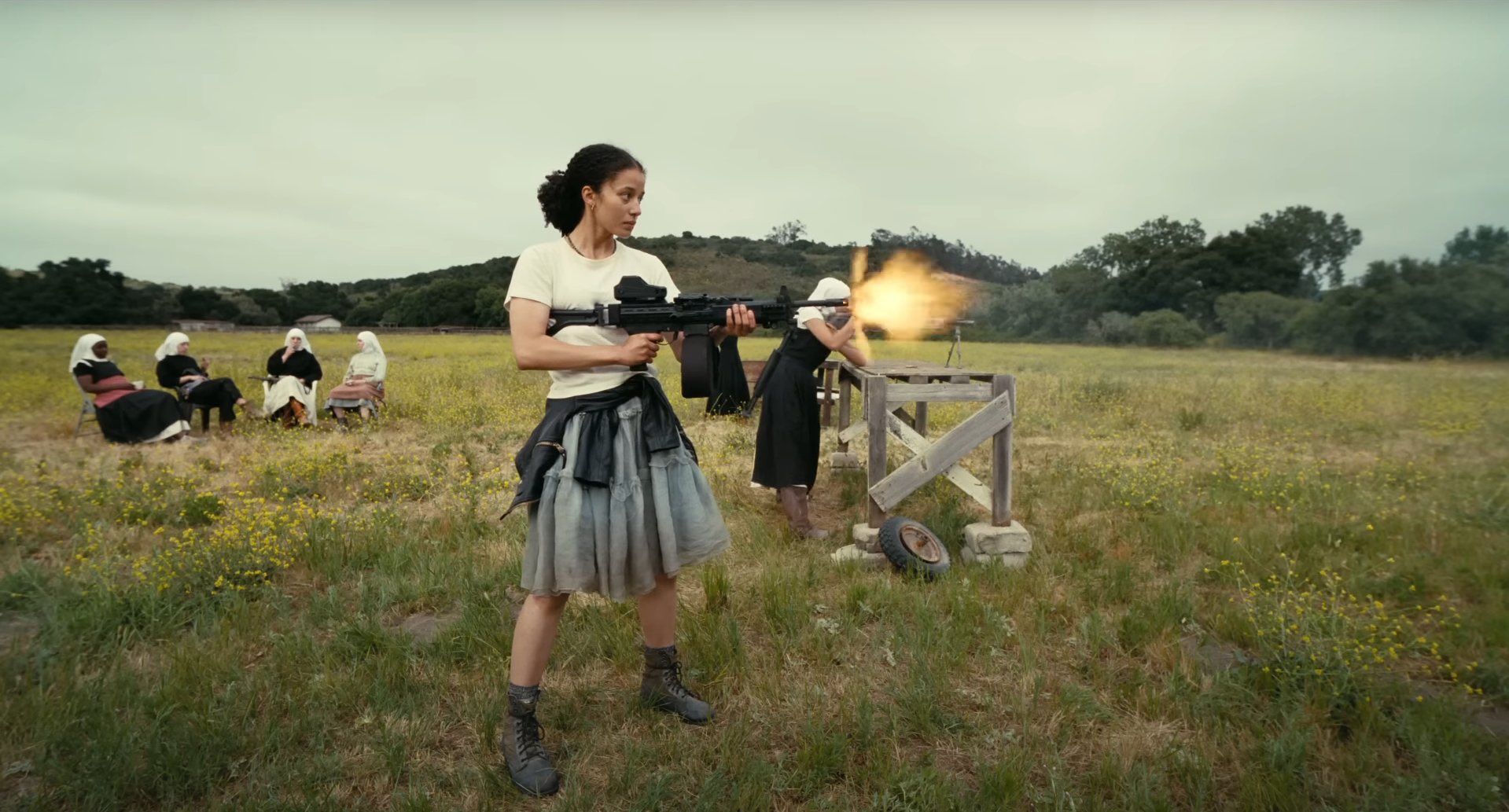
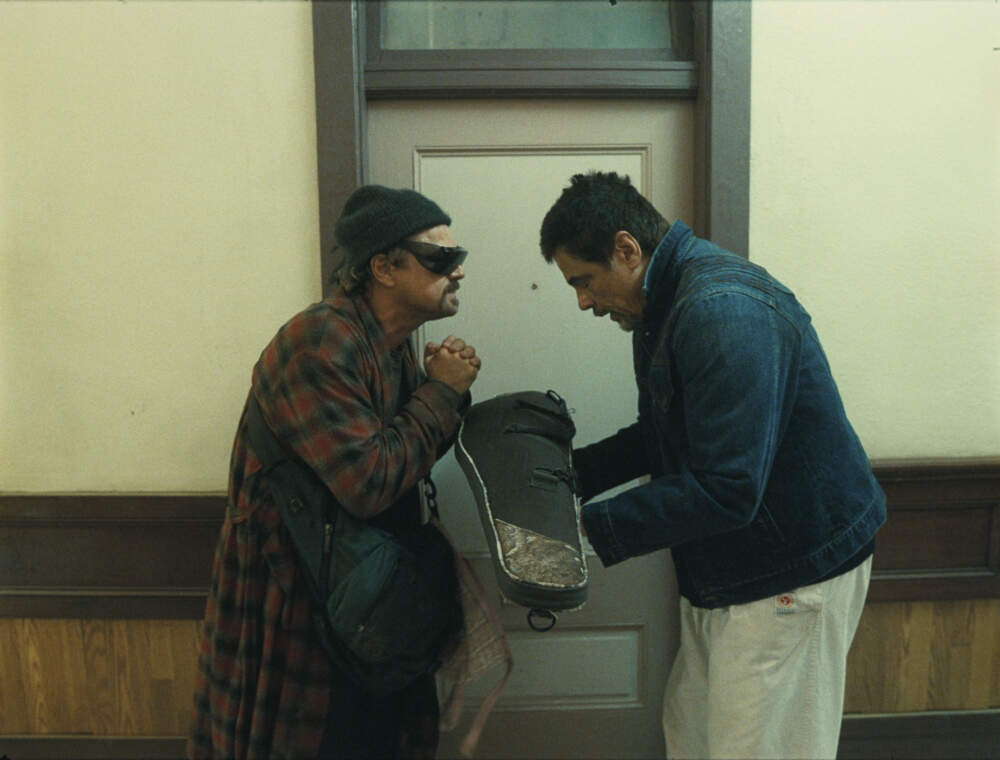
Pynchon’s novels frequently contrast Us vs Them systems — preterite vs. elect; misfits vs. authoritarians; freaks vs. the Man. And like Pynchon’s work, One Battle After Another shows the invisible overlapping and hierarchical confusions these Us/Them systems engender. The French 75’s sympathies directly correlate with the values of the immigrant community in Baktan Cross, the fictional sanctuary city Bob and Willa take refuge in. The de facto leader of these immigrants, Francisco (Benicio Del Toro), aids Bob in his fevered search for Willa. Francisco’s zen calm offers a counterbalance to Bob’s mania. Another Us group are the Sisters of the Brave Beaver (One Battle After another is crammed with Pynchonian vagina jokes), weed-growing nuns who offer Willa a brief safe harbor.

These disparate pockets of rebellion resist the tyranny of the modern racist capitalist system, embodied by Colonel Lockjaw and the military forces he commands (seemingly without any government oversight). We first meet Lockjaw running a migrant detention center — one of many timely PTA updates to Vineland — and his weird, forced, masochistic machismo plays out on the screen with a mix of menace and despair. For all his power and evil though, there’s yet another Them he isn’t part of. That would be the Christmas Adventurers Club, a shadowy cabal of elites on a racist mission to rid the world of “freaks.” Lockjaw would do quite literally anything to become a member of this club; his drive to to become even more Them propels the narrative while showing that Us-Them systems rely on hierarchies to perpetuate oppression.

One Battle After Another zigzags through a whirlwind of absurdity, suffocating paranoia, and frantic action. The film balances chaotic humor with a darker exploration of the emotional impulses that underlie power and attraction. Colonel Lockjaw’s obsessive fixation on Perfidia (arguably the film’s closest connection to Vineland) underscores the irrational power dynamics of obsession and control. PTA frames their relationship—along with Lockjaw’s obsession with Willa—as a twisted mirror reflecting the power imbalances that define both the personal and the political in Us-Them systems. PTA’s films have always explored systems of exploitation that grind people down and the outsiders who try to navigate them; One Battle After Another is, thus far, his most sustained, howling effort in this vein.

The film is gorgeous, too, as fans would expect from PTA. Michael Bauman’s cinematography conveys frenzied energy without sacrificing cohesion or clarity. There are several outstanding set pieces, including a beautiful sequence in which Bob does his best to keep up with a trio of skateboarders traversing rooftops at night, their figures silhouetted against the flames of a riot below. The film’s climactic three-car chase scene is particularly magnificent, its every twist and turn symbolizing not just physical pursuit, but deeper spirals of control, conflict, and paranoia. It made me physical ill. (That’s high praise.)

And while, yes, One Battle After Another is a bona fide action film, it’s still larded with strange little morsels that we’d expect from a PTA film — the image of Lockjaw licking his comb before taking it to his hair, his face contorted in anxious hope, or Bob, in his threadworn bathrobe, shoplifting a pair of cheap sunglasses. (Parenthetically, while the bathrobe is on my mind — Battle plays as a sinister inversion to The Big Lebowski. I will file the pair away for a future double feature.) One of the film’s funniest moments comes from Willa, who, despite being apparently subjugated by Lockjaw, nevertheless delivers the kind of crushing blow that can only come from a teen: “Why is your shirt so tight?” Indeed, Chase Infiniti’s portrayal of Willa is a revelation. In a movie crammed with paranoia and plot twists, she imbues in Willa a kind of moral force. She’s not an anchor exactly, because nothing is steady here. But maybe she’s the string you follow through the labyrinth.

One Battle After Another is almost three hours long, but it never drags, thanks to the tight direction and enthralling plot. Long-time PTA collaborator Jonny Greenwood’s score also keeps the film moving at a quick pace. The score is ever-present — something that usually irritates me in a film — but here the music provides emotional cohesion. It’s also just really fucking pretty.  Frenetic drumming and altered pianos meet up with swelling strings that suggest sirens, banshees. Take “Mean Alley,” for example, which initially greets the ear as if the guitar is out of tune, but then coheres into beautiful dissonance. And although Greenwood’s wall-to-wall score leaves little room for the needle drops we might expect from a PTA joint, the film deploys Tom Petty’s “American Girl” in a moment of transcendent bliss that brought a tear to my eye.

Pynchon has always soundtracked his novels. Pynchonwiki gives close to 400 musical references for Vineland, but I don’t think any of these tracks ended up in One Battle After Another. My giving this data is a weak way of transitioning to the sentence, This is a film inspired by Vineland, not an adaptation of it. And while PTA captures the soul of the book, the vibe, or spirit, or whatever you like to call it, is decidedly different: darker, edgier, uglier. He captures the same strange humor and frustration of Vineland, but it’s amplified here with a chaotic energy that matches our current moment.

It’s also instructive to compare One Battle After Another to PTA’s earlier Pynchon adaptation, Inherent Vice. While Inherent Vice was a hazy sunsoaked journey through the disorienting aftereffects of the muddled sixties, One Battle After Another feels darker, more urgent, as if the timeline of history has compressed itself into an unyielding present. Both films deal with the fracturing of the American dream, but One Battle After Another does so with a sharper edge, drawing clearer political parallels. In some ways, PTA’s Inherent Vice is closer to Pynchon’s Vineland in tone and theme, less angular, more forgiving.

With both of his Pynchon films, PTA foregrounds a sweet final note, a belief in love as a sustaining force against Them. To borrow my favorite lines from Pynchon’s opus Gravity’s Rainbow: “They are in love. Fuck the war.” In his adaptation of Inherent Vice, PTA pulled a loose thread from the novel to neatly weave back into a prettier picture. He allows Doc Sportello to restore the heroin-addicted musician Coy to his family. One Battle offers a similarly fractured, imperfect restoration of family, a rewriting of rat-sins answered on the ghost of radio waves. He cleans up Pynchon’s messiness, but doesn’t sacrifice the deep danger that underwrites radical love.

One Battle After Another feels dangerously prescient, or, more accurately, a diagnosis of the big ugly now. In PTA’s Inherent Vice, there was an underlying fractured partnership between Us and Them; weirdo Doc Sportello tried to find some kind of brotherhood of man with The Man, Detective Bigfoot. No humanity can be extended to Lockjaw — not even from the club that will refuse him. They are unforgiving of any perceived impurity. The themes of mass surveillance, state violence, and detention resonate deeply in today’s climate. The recent death of Assata Shakur—possibly one inspiration for Perfidia Beverly Hills—adds a haunting layer to the film’s exploration of systemic oppression, the ways in which the state seeks to control and erase voices of resistance. The political urgency is palpable, and will undoubtedly alienate a large section of the genpop normies that Warner Brothers has heavily advertised the film to. Some folks will always root for Them.

But fuck Them. One Battle After Another is a triumph, a dizzying, chaotic masterpiece that never loses its grip on the present—one battle after another, all too real, all too important. See it on the biggest screen you can.

Way too cheap (From Thomas Pynchon’s Vineland)

“Whole problem ’th you folks’s generation,” Isaiah opined, “nothing personal, is you believed in your Revolution, put your lives right out there for it—but you sure didn’t understand much about the Tube. Minute the Tube got hold of you folks that was it, that whole alternative America, el deado meato, just like th’ Indians, sold it all to your real enemies, and even in 1970 dollars—it was way too cheap. . . .”

A critique (by Gen X punker Isaiah Two Four) of the Baby Boomers. From Thomas Pynchon’s 1990 novel Vineland.  The “Tube” is television, of course, but might be a placeholder for any passively-consumed entertainment.

A few sentences on every Thomas Pynchon novel to date

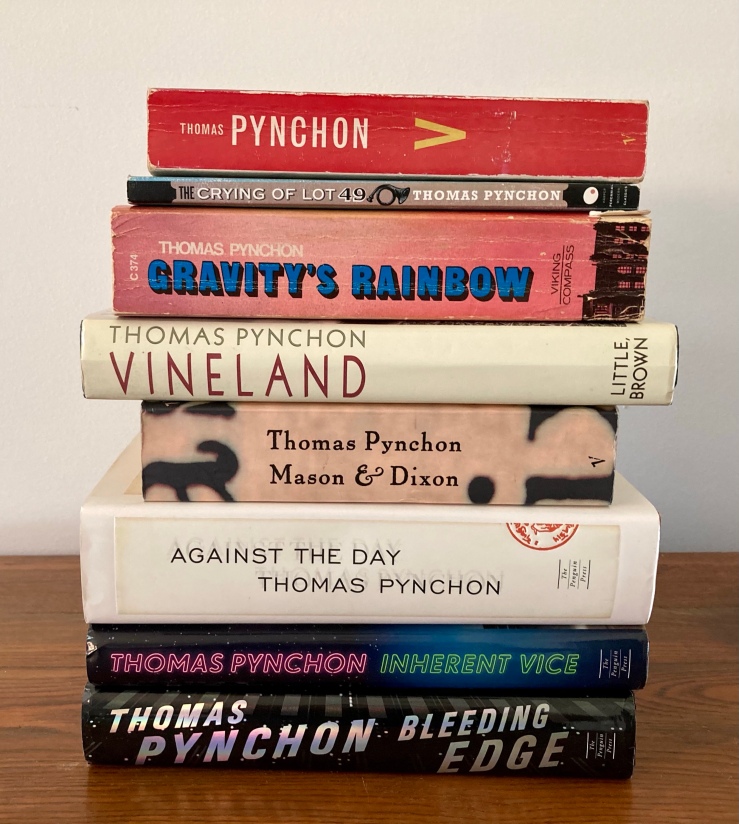
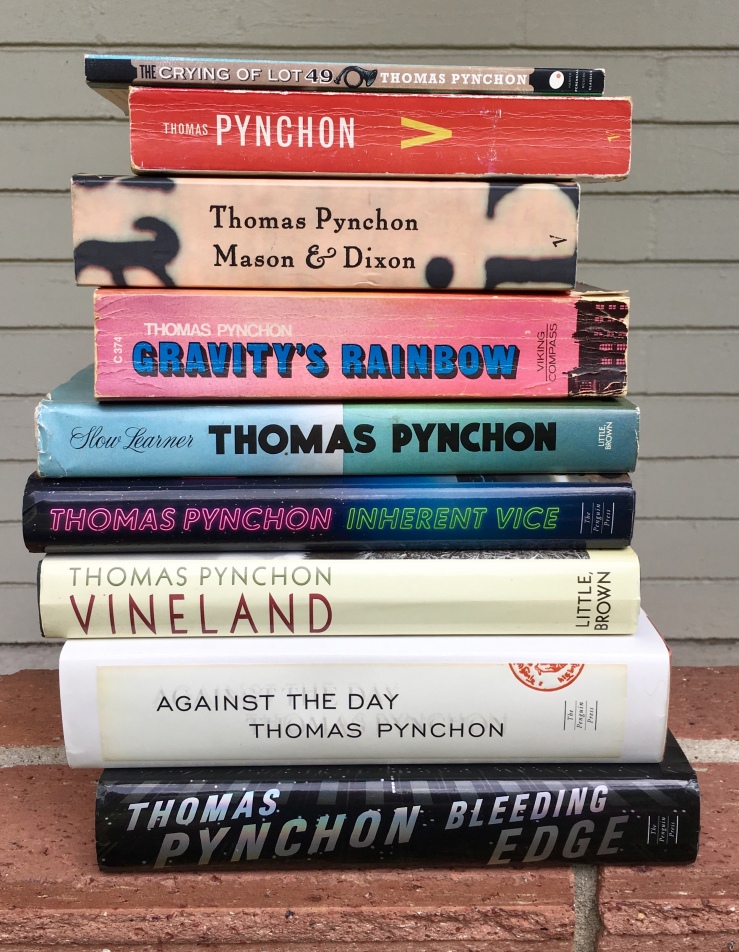
Today, 8 May 2022, is Thomas Ruggles Pynchon’s 85th birthday. Some of us nerds celebrate the work of one of the world’s greatest living authors with something called Pynchon in Public Day. In the past I’ve rounded up links to Pynchon stuff on Biblioklept and elsewhere. To celebrate, here are short riffs on Pynchon’s eight novels:

V. (1963)

I reread Pynchon’s first novel for the first time last year and found it far more achieved than I had remembered. For years I’ve always recalled it as a dress rehearsal for the superior and more complex Gravity’s Rainbow. And while V. certainly points in GR’s direction, even sharing some characters, it’s nevertheless its own entity. I first read V. as a very young man, and as I recall, thought it scattershot, zany, often very funny, but also an assemblage of set pieces that fail to cohere. Rereading it two decades later I can see that there’s far more architecture to its plot, a twinned, yoyoing plot diagrammed in the novel’s title. The twin strands allow Pynchon to critique modernism on two fronts, split by the world wars that mark the first half of the twentieth century. It’s a perfect starting point for anyone new to Pynchon, and its midpoint chapter, “Mondaugen’s Story,” is as good as anything else he’s written.

The Crying of Lot 49 (1966)

Pynchon’s shortest novel is not necessarily his most accessible: Crying is a dense labyrinth to get lost in. At times Pynchon’s second novel feels like a parody of L.A. detective noir (a well he’d return to in Inherent Vice), but there’s plenty of pastiche going on here as well. For example, at one point we are treated to a Jacobean revenge play, The Courier’s Tragedy, which serves as a kind of metatextual comment on the novel’s plot about a secret war between secret armies of…letter carriers. The whole mailman thing might seem ridiculous, but Pynchon’s zaniness is always doubled in sinister paranoia: The Crying of Lot 49 is a story about how information is disseminated, controlled, and manipulated. Its end might frustrate many readers. We never get to hear the actual crying of lot 49 (just as we never discover the “true” identity of V in V.): fixing a stable, centered truth is an impossibility in the Pynchonverse.

Gravity’s Rainbow (1973)

Unbelievably rich, light, dark, cruel, loving, exasperating, challenging, and rewarding, Pynchon’s third novel is one of a handful of books that end up on “difficult novel” lists that is actually difficult. The difficulty though has everything to do with how we expect a novel to “happen” as we read—Gravity’s Rainbow is an entirely new thing, a literature that responds to the rise of mass media as modernist painters had to respond to the advent of photography and moving pictures. The key to appreciating and enjoying Gravity’s Rainbow, in my estimation, is to concede to the language, to the plasticity of it all, with an agreement with yourself to immediately reread it all.

Vineland (1990)

It took Pynchon a decade and a half to follow up Gravity’s Rainbow. I was a boy when Vineland came out—it was obviously nowhere on my radar (I think my favorite books around this time would probably have been The Once and Future King, The Lord of the Rings trilogy, and likely a ton of Dragonlance novels). I do know that Vineland was a disappointment to many fans and critics, and I can see why. At the time, novelist David Foster Wallace neatly summed it up in a letter to novelist Jonathan Franzen: “I get the strong sense he’s spent 20 years smoking pot and watching TV.” Vineland is angry about the Reagan years, but somehow not angry enough. The novel’s villain Brock Vond seems to prefigure the authoritarian police detective Bigfoot Bjornsen of Inherent Vice, but Pynchon’s condemnation of Vond never quite reconciles with his condemnation of the political failures of the 1960s.  Vineland is ultimately depressing and easily my least-favorite Pynchon novel, but it does have some exquisite prose moments.

Mason & Dixon (1997)

If Mason & Dixon isn’t Pynchon’s best book, it has to be 1A to Gravity’s Rainbow’s 1. The novel is another sprawling epic, a loose, baggy adventure story chronicling Charles Mason and Jeremiah Dixon’s Enlightenment effort to survey their bit of the Western World. Mason & Dixon presents an initial formal challenge to its reader: the story is told in a kind of (faux) 18th-century vernacular. Diction, syntax, and even punctuation jostle the contemporary ear. However, once you tune your ear to the (perhaps-not-quite-so-trustworthy) tone of Rev. Wicks Cherrycoke (who tells this tall tall tale), Mason & Dixon somehow becomes breezy, jaunty, even picaresque. It’s jammed with all sorts of adventures: the talking Learned English Dog, smoking weed with George Washington, Gnostic revelations, Asiatic Pygmies who colonize the missing eleven days lost when the British moved from the Julian to the Gregorian calendar…Wonderful stuff. But it’s really the evocation of a strange, hedged, incomplete but loving friendship that comes through in Mason & Dixon.

Against the Day (2006)

Oof. She’s a big boy. At over a thousand pages, Against the Day is Pynchon’s longest novel. Despite its size, I think Against the Day is the best starting point for Pynchon. It offers a surprisingly succinct and clear summation of his major themes, which might be condensed to something like: resist the military-industrial-entertainment-complex, while also showing off his rhetorical power. It’s late period Pynchon, but the prose is some of his strongest stuff. The songs are tight, the pastiche is tighter, and the novel’s epic sweep comes together in the end, resolving its parodic ironies with an earnest love that I believe is the core of Pynchon’s worldview. I forgot to say what it’s about: It’s about the end of the nineteenth century, or, more accurately, the beginning of the twentieth century.

Inherent Vice (2009)

Inherent Vice is a leaner work than its two predecessors, but could stand to be leaner still. The book pushes towards 400 pages but would probably be stronger at 200—or 800. I don’t know. In any case, Inherent Vice is a goofy but sinister stoner detective jaunt that frags out as much as its protagonist, PI Doc Sportello. Paul Thomas Anderson’s film adaptation finds its way through those fragments to an end a bit different from Pynchon’s original (which is closer to an echo of the end of The Crying of Lot 49)—PTA’s film finds its emotional resolution in the restoration of couple—not the main couple, but adjacent characters—an ending that Pynchon pulled in his first novel V.

Bleeding Edge (2013)

While Bleeding Edge was generally well received by critics, it’s not as esteemed as his major works. I think that the novel is much, much better than its reputation though (even its reputation among Pynchon fans). Pynchon retreads some familiar plot territory—this is another detective novel, like Crying and Inherent Vice—but in many ways he’s doing something wholly new here: Bleeding Edge is his Dot Com Novel, his 9/11 Novel, and his New York Novel. It’s also probably his domestic novel, and possibly (dare I?) his most autobiographical, or at least autobiographical in the sense of evoking life with teenagers in New York City, perhaps drawing on material from his own life with wife and son in the city. It’s good stuff, but I really hope we get one more.

[Ed. note–Biblioklept ran a version of this post on 8 May 2021.]

A few sentences on every Thomas Pynchon novel to date

Today, 8 May 2021, is Thomas Ruggles Pynchon’s 84th birthday. Some of us nerds celebrate the work of one of the world’s greatest living authors with something called Pynchon in Public Day. In the past I’ve rounded up links to Pynchon stuff on Biblioklept and elsewhere. Last year, that weird pandemic year, I finally finished all of Pynchon’s novels. I’d been “saving” Bleeding Edge for a while, but broke down and read it that spring. Having read all eight Pynchon novels (a few more than once), I’ll offer some quick scattershot thoughts.

V. (1963)

I reread Pynchon’s first novel for the first time last month and found it far more achieved than I had remembered. For years I’ve always recalled it as a dress rehearsal for the superior and more complex Gravity’s Rainbow. And while V. certainly points in GR’s direction, even sharing some characters, it’s nevertheless its own entity. I first read V. as a very young man, and as I recall, thought it scattershot, zany, often very funny, but also an assemblage of set pieces that fail to cohere. Rereading it two decades later I can see that there’s far more architecture to its plot, a twinned, yoyoing plot diagrammed in the novel’s title. The twin strands allow Pynchon to critique modernism on two fronts, split by the world wars mark the first half of the twentieth century. It’s a perfect starting point for anyone new to Pynchon, and its midpoint chapter, “Mondaugen’s Story,” is as good as anything else he’s written.

The Crying of Lot 49 (1966)

Pynchon’s shortest novel is not necessarily his most accessible: Crying is a dense labyrinth to get lost in. At times Pynchon’s second novel feels like a parody of L.A. detective noir (a well he’d return to in Inherent Vice), but there’s plenty of pastiche going on here as well. For example, at one point we are treated to a Jacobean revenge play, The Courier’s Tragedy, which serves as a kind of metatextual comment on the novel’s plot about a secret war between secret armies of…letter carriers. The whole mailman thing might seem ridiculous, but Pynchon’s zaniness is always doubled in sinister paranoia: The Crying of Lot 49 is a story about how information is disseminated, controlled, and manipulated. Its end might frustrate many readers. We never get to hear the actual crying of lot 49 (just as we never discover the “true” identity of V in V.): fixing a stable, centered truth is an impossibility in the Pynchonverse.

Gravity’s Rainbow (1973)

Unbelievably rich, light, dark, cruel, loving, exasperating, challenging, and rewarding, Pynchon’s third novel is one of a handful of books that end up on “difficult novel” lists that is actually difficult. The difficulty though has everything to do with how we expect a novel to “happen” as we read—Gravity’s Rainbow is an entirely new thing, a literature that responds to the rise of mass media as modernist painters had to respond to the advent of photography and moving pictures. The key to appreciating and enjoying Gravity’s Rainbow, in my estimation, is to concede to the language, to the plasticity of it all, with an agreement with yourself to immediately reread it all.

Vineland (1990)

It took Pynchon a decade and a half to follow up Gravity’s Rainbow. I was a boy when Vineland came out—it was obviously nowhere on my radar (I think my favorite books around this time would probably have been The Once and Future King, The Lord of the Rings trilogy, and likely a ton of Dragonlance novels). I do know that Vineland was a disappointment to many fans and critics, and I can see why. At the time, novelist David Foster Wallace neatly summed it up in a letter to novelist Jonathan Franzen: “I get the strong sense he’s spent 20 years smoking pot and watching TV.” Vineland is angry about the Reagan years, but somehow not angry enough. The novel’s villain Brock Vond seems to prefigure the authoritarian police detective Bigfoot Bjornsen of Inherent Vice, but Pynchon’s condemnation of Vond never quite reconciles with his condemnation of the political failures of the 1960s.  Vineland is ultimately depressing and easily my least-favorite Pynchon novel, but it does have some exquisite prose moments.

Mason & Dixon (1997)

If Mason & Dixon isn’t Pynchon’s best book, it has to be 1A to Gravity’s Rainbow’s 1. The novel is another sprawling epic, a loose, baggy adventure story chronicling Charles Mason and Jeremiah Dixon’s Enlightenment effort to survey their bit of the Western World. Mason & Dixon presents an initial formal challenge to its reader: the story is told in a kind of (faux) 18th-century vernacular. Diction, syntax, and even punctuation jostle the contemporary ear. However, once you tune your ear to the (perhaps-not-quite-so-trustworthy) tone of Rev. Wicks Cherrycoke (who tells this tall tall tale), Mason & Dixon somehow becomes breezy, jaunty, even picaresque. It’s jammed with all sorts of adventures: the talking Learned English Dog, smoking weed with George Washington, Gnostic revelations, Asiatic Pygmies who colonize the missing eleven days lost when the British moved from the Julian to the Gregorian calendar…Wonderful stuff. But it’s really the evocation of a strange, hedged, incomplete but loving friendship that comes through in Mason & Dixon.

Against the Day (2006)

Oof. She’s a big boy. At over a thousand pages, Against the Day is Pynchon’s longest novel. Despite its size, I think Against the Day is the best starting point for Pynchon. It offers a surprisingly succinct and clear summation of his major themes, which might be condensed to something like: resist the military-industrial-entertainment-complex, while also showing off his rhetorical power. It’s late period Pynchon, but the prose is some of his strongest stuff. The songs are tight, the pastiche is tighter, and the novel’s epic sweep comes together in the end, resolving its parodic ironies with an earnest love that I believe is the core of Pynchon’s worldview. I forgot to say what it’s about: It’s about the end of the nineteenth century, or, more accurately, the beginning of the twentieth century.

Inherent Vice (2009)

Inherent Vice is a leaner work than its two predecessors, but could stand to be leaner still. The book pushes towards 400 pages but would probably be stronger at 200—or 800. I don’t know. In any case, Inherent Vice is a goofy but sinister stoner detective jaunt that frags out as much as its protagonist, PI Doc Sportello. Paul Thomas Anderson’s film adaptation finds its way through those fragments to an end a bit different from Pynchon’s original (which is closer to an echo of the end of The Crying of Lot 49)—PTA’s film finds its emotional resolution in the restoration of couple—not the main couple, but adjacent characters—an ending that Pynchon pulled in his first novel V.

Bleeding Edge (2013)

While Bleeding Edge was generally well received by critics, it’s not as esteemed as his major works. I think that the novel is much, much better than its reputation though (even its reputation among Pynchon fans. Pynchon retreads some familiar plot territory—this is another detective novel, like Crying and Inherent Vice—but in many ways he’s doing something wholly new here: Bleeding Edge is his Dot Com Novel, his 9/11 Novel, and his New York Novel. It’s also probably his domestic novel, and possibly (dare I?) his most autobiographical, or at least autobiographical in the sense of evoking life with teenagers in New York City, perhaps drawing on material from his own life with wife and son in the city. It’s good stuff, but I really hope we get one more.


“Vineland is not the novel Pynchon’s fans were expecting” | A 1990 Pynchon profile

Way too cheap (From Thomas Pynchon’s Vineland)

“Whole problem ’th you folks’s generation,” Isaiah opined, “nothing personal, is you believed in your Revolution, put your lives right out there for it—but you sure didn’t understand much about the Tube. Minute the Tube got hold of you folks that was it, that whole alternative America, el deado meato, just like th’ Indians, sold it all to your real enemies, and even in 1970 dollars—it was way too cheap. . . .”

A critique (by Gen X punker Isaiah Two Four) of the Baby Boomers. From Thomas Pynchon’s 1990 novel Vineland.  The “Tube” is television, of course, but might be a placeholder for any passively-consumed entertainment.

I guess it’s over (From Thomas Pynchon’s Vineland)

Mucho blinked sympathetically, a little sadly. “I guess it’s over. We’re on into a new world now, it’s the Nixon Years, then it’ll be the Reagan Years—”

“Ol’ Raygun? No way he’ll ever make president.”

“Just please go careful, Zoyd. ’Cause soon they’re gonna be coming after everything, not just drugs, but beer, cigarettes, sugar, salt, fat, you name it, anything that could remotely please any of your senses, because they need to control all that. And they will.”

“Fat Police?”

“Perfume Police. Tube Police. Music Police. Good Healthy Shit Police. Best to renounce everything now, get a head start.”

“Well I still wish it was back then, when you were the Count. Remember how the acid was? Remember that windowpane, down in Laguna that time? God, I knew then, I knew. . . .”

They had a look. “Uh-huh, me too. That you were never going to die. Ha! No wonder the State panicked. How are they supposed to control a population that knows it’ll never die? When that was always their last big chip, when they thought they had the power of life and death. But acid gave us the X-ray vision to see through that one, so of course they had to take it away from us.”

“Yeah, but they can’t take what happened, what we found out.”

“Easy. They just let us forget. Give us too much to process, fill up every minute, keep us distracted, it’s what the Tube is for, and though it kills me to say it, it’s what rock and roll is becoming—just another way to claim our attention, so that beautiful certainty we had starts to fade, and after a while they have us convinced all over again that we really are going to die. And they’ve got us again.” It was the way people used to talk.

“I’m not gonna forget,” Zoyd vowed, “fuck ’em. While we had it, we really had some fun.”

“And they never forgave us.” Mucho went to the stereo and put on The Best of Sam Cooke, volumes 1 and 2, and then they sat together and listened, both of them this time, to the sermon, one they knew and felt their hearts comforted by, though outside spread the lampless wastes, the unseen paybacks, the heartless power of the scabland garrison state the green free America of their childhoods even then was turning into.

An elegiac passage from Thomas Pynchon’s 1990 novel Vineland.

The spilled, the broken world (From Thomas Pynchon’s Vineland)

So the bad Ninjamobile swept along on the great Ventura, among Olympic visitors from everywhere who teemed all over the freeway system in midday densities till far into the night, shined-up, screaming black motorcades that could have carried any of several office seekers, cruisers heading for treed and more gently roaring boulevards, huge double and triple trailer rigs that loved to find Volkswagens laboring up grades and go sashaying around them gracefully and at gnat’s-ass tolerances, plus flirters, deserters, wimps and pimps, speeding like bullets, grinning like chimps, above the heads of TV watchers, lovers under the overpasses, movies at malls letting out, bright gas-station oases in pure fluorescent spill, canopied beneath the palm trees, soon wrapped, down the corridors of the surface streets, in nocturnal smog, the adobe air, the smell of distant fireworks, the spilled, the broken world.

A description of the postmodern Preterite world from Thomas Pynchon’s 1990 novel Vineland. 

Pynchon in Public Post, 2019

img_2774

Today is the 82nd birthday of the American author Thomas Ruggles Pynchon, which a lot of jokers on the internet have turned into Pynchon in Public Day.

The spirit of Pynchon in Public Day is zany fun, and mostly centers around reading Pynchon’s works in public and spreading the muted post horn symbol from The Crying of Lot 49 around as much as possible. I am the last person in the world who will read a book in a coffee shop, but I did don my second 49 shirt today—-

66581c11-b06d-4dfe-89e3-0bc25fa0c64c

—and head to the bookstore to pick up the only Pynchon novel I don’t own, Bleeding Edge. More on that in second, but—no real recognition on the shirt today, although I’ve gotten some reactions to the other muted post horn shirt I own over the years, mostly from booksellers (not that interesting I know).

A few years ago though, wandering around downtown Los Angeles (wearing a muted post horn shirt), a stranger passing opposite me on the sidewalk hailed me with this question: “Are you the Trystero, guy?” At least that’s what I thought I said. I looked confused, asked, “What?” and he repeated — “Are you the Trystero guy?”

This particular moment struck me with a neat silly wave of minor paranoia, a Pynchonian moment, maybe—was this some kind of call sign for me to repeat, a password in a game of good fun? So I did the only thing that seemed sensible and replied, “Yes, I am the Trystero.”

The guy then proceeded to tell me that he loved my coffee. This confused me, so I told him that loved his coffee. Then he looked confused. After a few minutes on the hot July L.A. sidewalk we finally figured out a few things: He was referring to Trystero Coffee, which he showed me all about on his iPhone, and I was referring to The Crying of Lot 49, which he promised to read at the end of our exchange.

So anyway I went to the bookstore and picked up Bleeding Edge (and a few other books too, I admit). Along with Vineland, it’s the only Pynchon novel I haven’t read (despite two attempts on each). I’ll read Bleeding Edge before May 8th, 2020 though.

I started a retry of Vineland though. I had hoped to get past the farthest I remember going in—like the first 90 pages—before this post—-but I only made it through the first five chapters these past two days (through page 67). Still, I’d forgotten all about Ch. 5, the “Kahuna Airlines” chapter, which steers the book into new territory, and even though it still hasn’t hooked me yet (unlike the other Pynchons at this point), I’m starting to appreciate it for what I guess it is: Pynchon’s analysis of the eighties, of the absorption of the counterculture into culture, of nostalgia. The jokes are often hilarious and terrible, sometimes simultaneously. Pynchon sets up a Loony Tunes diner bit to deliver the execrable punchline, “Check’s in the mayo” for example. Pynchon names a lawn care company “The Marquis de Sod.” There’s a moment where protagonist Zoyd Wheeler pays for a ludicrous psychedelic party dress with “a check both he and the saleslady shared a premonition would end up taped to this very cash register after failing to clear,” a wonderful little throwaway line that shows Zoyd’s brokeassedness and empathy (and also highlights the Lebowski-Pynchon overlap, if you like). The line that’s cracked me up each time I’ve read it though is Zoyd’s daughter Prairie’s punker boyfriend being described as “the NBA-sized violence enthusiast who might or might not be fucking his daughter.” It’s just so dumb and poetic. I had also missed a few things — the night manager of Bodhi Dharma Pizza is named “Baba Havabananda,” a reference I’m thinking to Gravity’s Rainbow (“Have a banana”). There’s also a reference to the Vulcan hand salute, which shows up improbably in Pynchon’s next novel, Mason & Dixon (more on that here). And there’s the whole Bigfoot motif too, which Pynchon would echo in Inherent Vice, with Zoyd and Zuniga prefigurations of Doc Sportello and Bigfoot Bjornsen. And like every Pynchon novel, I’m sure I’ve already missed a ton of stuff.

Anyway, more on Vineland to come. In the meantime, if you haven’t read Pynchon–why not check him out?

(Another copy of) Thomas Pynchon’s Vineland (Book acquired, 18 Dec. 2018)

img_1899

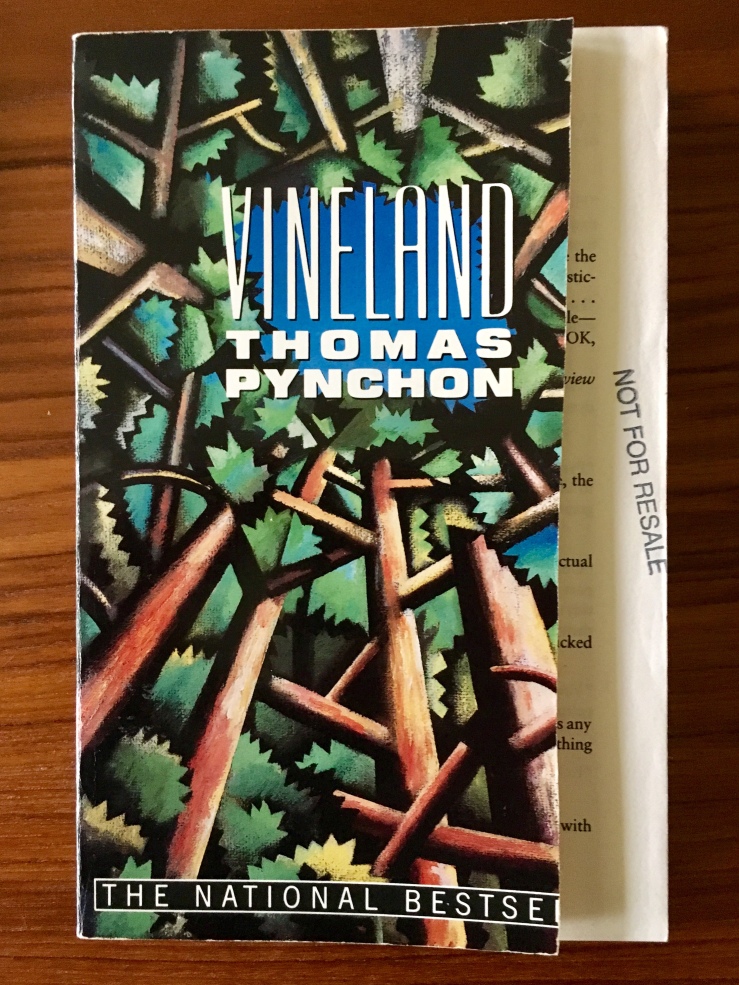
I’m not exactly sure why I picked up a hardback first edition of Thomas Pynchon’s 1990 novel Vineland the other day. I was killing a spare hour in a used bookstore, and I started handling the thing—started skimming again. I’ve made a few attempts at Vineland but it’s never fully hooked me. I can’t get past page 92. But so well anyway I ended up getting it (for five bucks), perhaps as a means to motivate myself to finally finishing it next year. Vineland and Bleeding Edge are the only Pynchon novels I haven’t finished—I still don’t own Bleeding Edge, actually, having checked it out from the library twice and failed to make anything like a dent in it. The copy of Vineland I tried on before a few times is Penguin’s 1991 paperback. The cover is ugly as hell, and my copy is cut cover remainder; I found it in an inventory room in the high school I used to work at. There were at least a dozen remaindered copies of Vineland there. I doubt anyone misses this one:

img_1900

Gorgeous madness | George Saunders on Thomas Pynchon

I don’t think anyone has gotten closer than Thomas Pynchon to summoning the real audacity and insanity and scope of the American mind, as reflected in the American landscape. I read Pynchon all out of order, starting with Vineland, and I still remember the shock of pleasure I got at finally seeing the America I knew—strange shops and boulevards, built over former strange shops and former boulevards, all laid out there in valleys and dead-end forests, heaped on top of Indian cemeteries, peopled with nut jobs and hustlers and moral purists—actually present in a novel, and present not only in substance but in structure and language that both used and evoked the unruly, muscular complexity of the world itself.

In Pynchon, anything is fair game—if it is in the world, it can go in the book. To me there is something Buddhist about this approach, which seems to say that since the world is capable of producing an infinity of forms, the novel must be capable of accommodating an infinite number of forms. All aesthetic concerns (style, form, structure) answer this purpose: Let in the world.

This is why Pynchon is our biggest writer, the gold standard of that overused word inclusiveness: No dogma or tidy aesthetic rule or literary fashion is allowed to prefilter the beautiful data streaming in. Everything is included. No inclination of the mind is too small or large or frightening. The result is gorgeous madness, which does what great literature has always done—reminds us that there is a world out there that is bigger than us and worthy of our utmost humility and attention.

I have often felt that we read to gain some idea of what God would say about us if someone were to ask Him what we’re like. Pynchon says, through the vast loving catalogue he has made, that we are Excellent but need to be watched closely. He says there is no higher form of worship than the loving (i.e., madly attentive) observation of that-which-is, a form of prayer of which Pynchon’s work is our highest example.

George Saunders on Thomas Pynchon. From the Summer 2005 issue of Bookforum.

Vineland (Thomas Pynchon’s Mason & Dixon)

IMG_4503

From the beginning of ch. 66 of Mason & Dixon; see also.