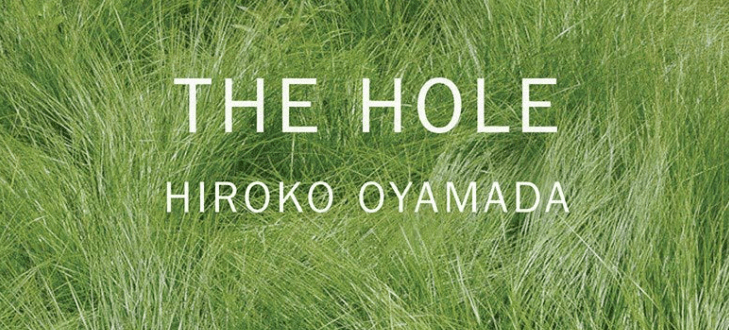
Hiroko Oyamada’s novel The Hole is a subtle, slim, slow-burn low-stakes horror story that tiptoes neatly between banality and surrealism. Our first-person narrator is Asahi, a young, recently-married woman. Asahi–or Asa, as she thinks of herself–is a part-time employee in a large city somewhere in Japan. She doesn’t really have any friends or hobbies, let alone any ambitions. When her husband Muneaki gets a job transfer to the countryside, Asa’s mother-in-law Tomiko offers the young couple the house next to hers, rent-free. The young couple’s economic situation means they can’t refuse, so they don’t. Asa’s only real acquaintance, a work buddy, remarks how lucky she is to be a housewife, but Asa is ambivalent.
That ambivalence radiates throughout The Hole. In David Boyd’s spare, direct translation, Oyamada pushes her hero into a stifling, stuffy, overheated summer. The skinny novel is an exercise in boredom-as-horror: Even before Asa arrives in her husband’s rural hometown, everything’s just a wee bit off. The cicadas vibrate at a different pitch; the locals seem to come from a different era; time seems to run backwards and forwards.
Without a car or job, Asa is essentially stranded, spending her days guilty over running the AC, and unable to communicate with her husband’s grandfather, who mutely gardens his hours away.
Her only cultural landmark is a 7-Eleven convenient store, where mother-in-law Tomiko sends her on an errand one day. The banal errand becomes a bizarre Carollonian quest—but a quest without a clear object. On her route to the convenience store (what could be more boring and inconvenient?) Asa spies a large, strange, dark-furred creature:
It had wide shoulders, slender and muscular thighs, but from the knees down, its legs were as thin as sticks. The animal was covered in black fur and had a long tail and rounded ears. Its ribs were showing, but its back was bulky, maybe with muscle or with fat.
Frantically following it, she falls into a hole that fits her nearly perfectly (like a proscribed role, or a coffin, or like, whatever):
As I tried to move, I realized how narrow the hole really was. The hole felt as though it was exactly my size – a trap made just for me. The bottom of the hole was covered with something dry, maybe dead grass or straw. Looking toward the river through a break in the grass, all I could see was white light.
A mysterious white-clad neighbor named Sera (who calls Asa “the bride”) pulls her out from the hole, and she makes her way to the 7-Eleven, where a gang of strange children block her mission. She also meets an oddball who later claims to be the white rabbit to her lost Alice. He claims to be an unacknowledged mystery brother-in-law who lives in a shed, having relinquished adult responsibility. There are centipedes and bug bites and other strange goings on—and Asa talks about absolutely none of it with her husband or mother-in-law.
The Hole captures the stifling omnipresence of loneliness. Asa is a sympathetic character, and while many of the details of her circumstance are particular to Japanese culture, the narrative resonates with the larger absurdities of contemporary life. Asahi’s loneliness burns all the more real for the novel’s surrealism. Her loneliness is the realest thing in The Hole, its presence never acknowledged because it cannot fully be named. The “loneliness” is more real than the quasi-mystical hole-digging creature that plagues the countryside, or the manic brother-in-law-who-lives-in-a-shed-in-the-backyard whom no one ever mentions. But unlike these surreal entities, Asa’s loneliness is never directly invoked.
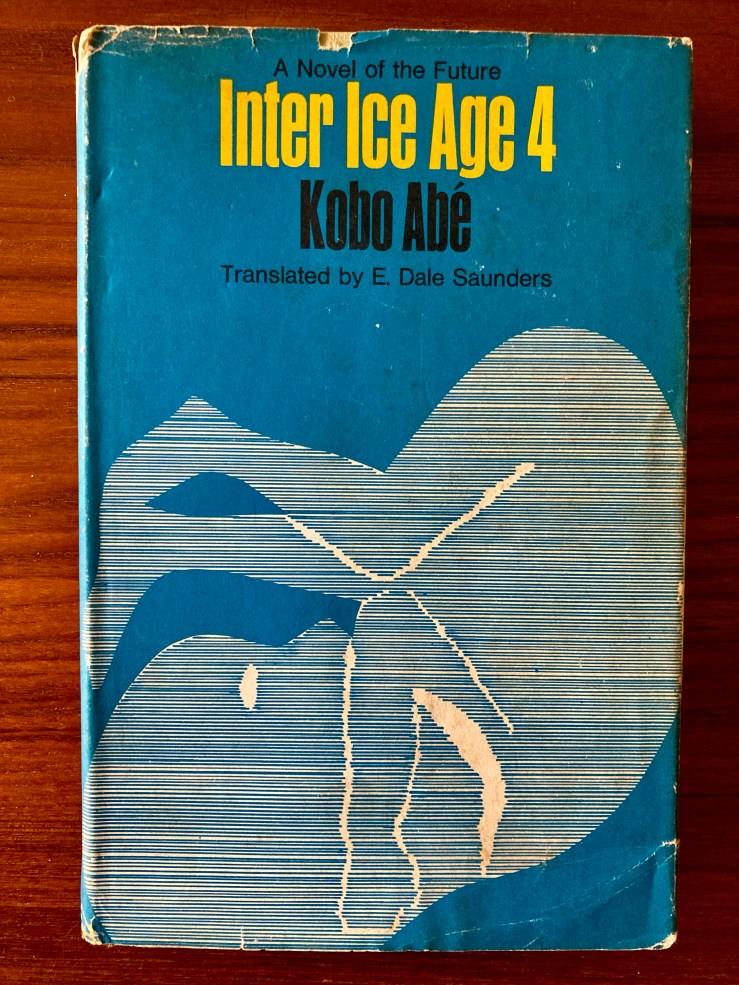
The Hole will be somewhat familiar with anyone who’s climbed about in the Kafka tree. While Oyamada directly evokes Carroll’s Alice stories, her story is far less fanciful, its dire core obscured with a thin veneer of the banal. The Hole recalls the tone and mood of Kobo Abe’s The Woman in the Dunes, where the protagonist comes to be in an uncanny scenario that becomes uncannier by the moment. But Oyamada’s narrator doesn’t seem to demarcate the separation into unreality; rather, the novel absorbs its narrator into a new unreal-real reality.
The Hole is wonderfully dull at times, as it should be. It’s layered but brittle, with notes of a freshness just gone sour. It’s a quick, propulsive read—a thriller, even, perhaps—but its thrills culminate in sad ambiguity. Recommended.






 Biblioklept