The Silken World of Michelangelo — Eduardo Paolozzi

P04777_10.jpg

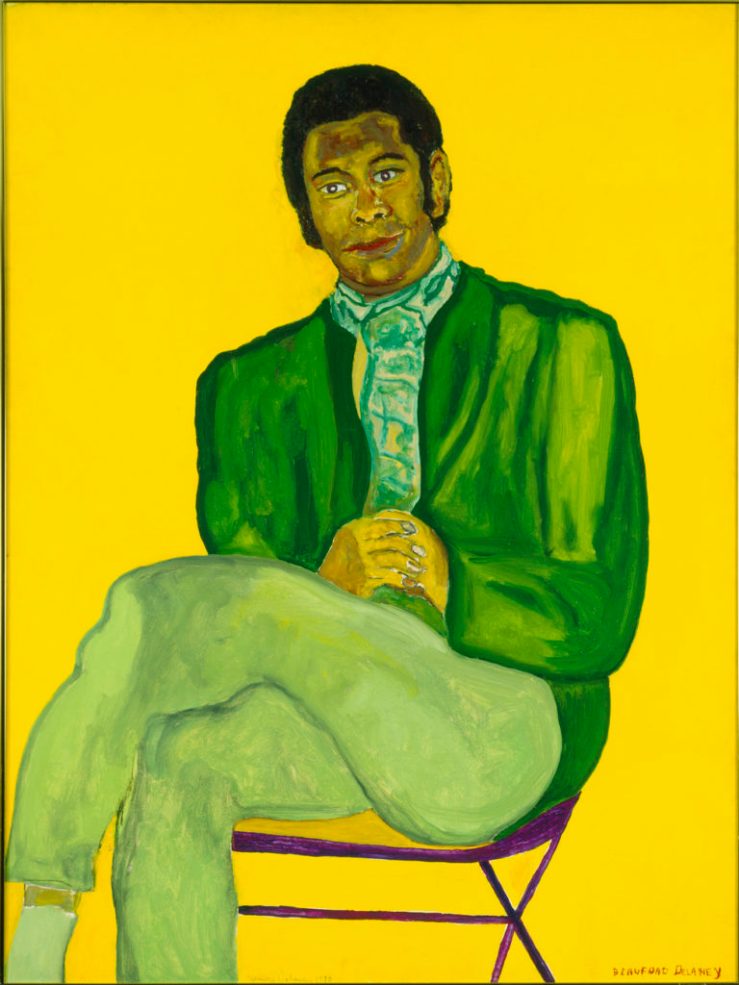
Portrait of a Young Musician — Beauford Delaney

delaneybeauford_2004_2_27-768x1024.jpg

Videodrome film poster by Kilian Eng

tumblr_oku367uaka1uwe8gdo2_r1_1280

Le Guin/Abish/Farber (Books 2.03.2017)

img_5054-1

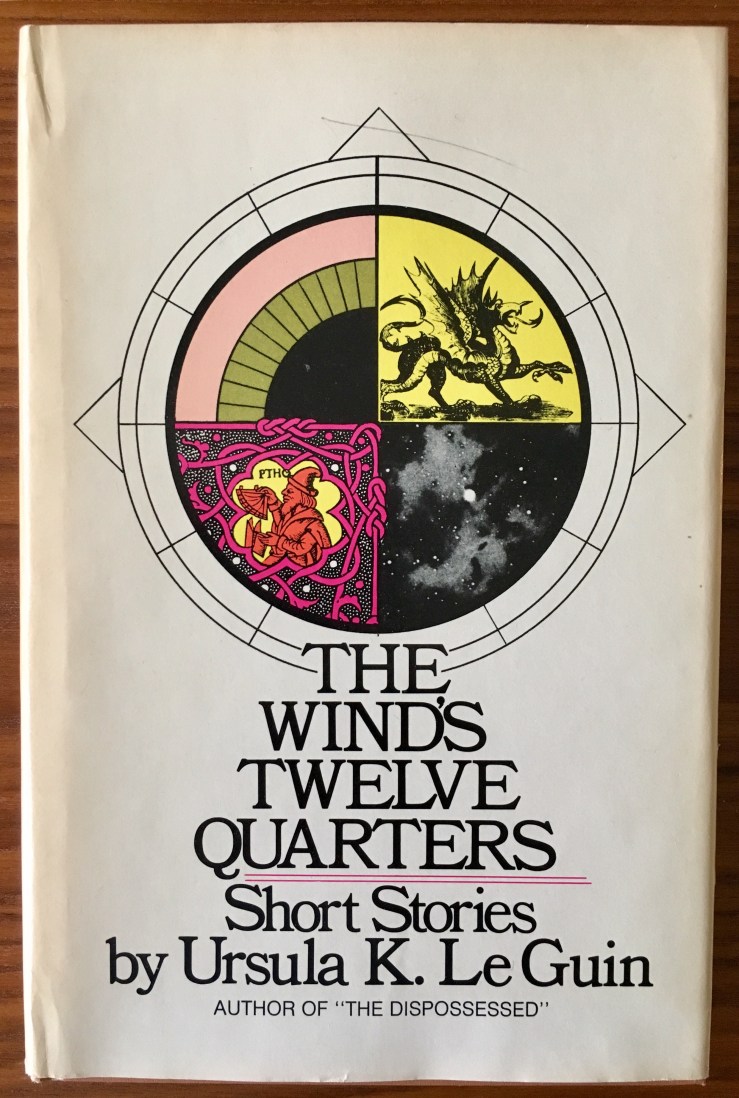
I picked up this handsome hardback collection of early Ursula K. LeGuin stories last Friday when I went to my local used bookshop. I was there looking for something else.

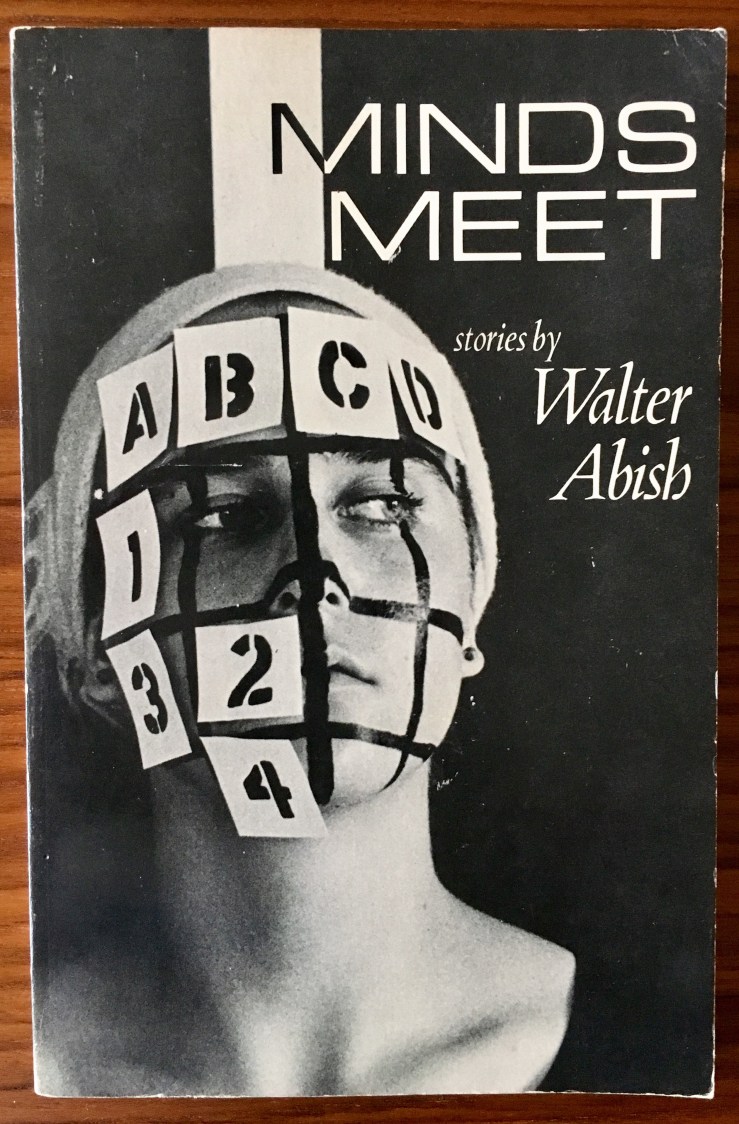
I wasn’t looking for stories by Walter Abish (and I can’t remember how or why I picked this up, but I read part of it in the store…I mean I can’t recall why I was in the “A’s” for Atwood or Abish):
img_5055-1

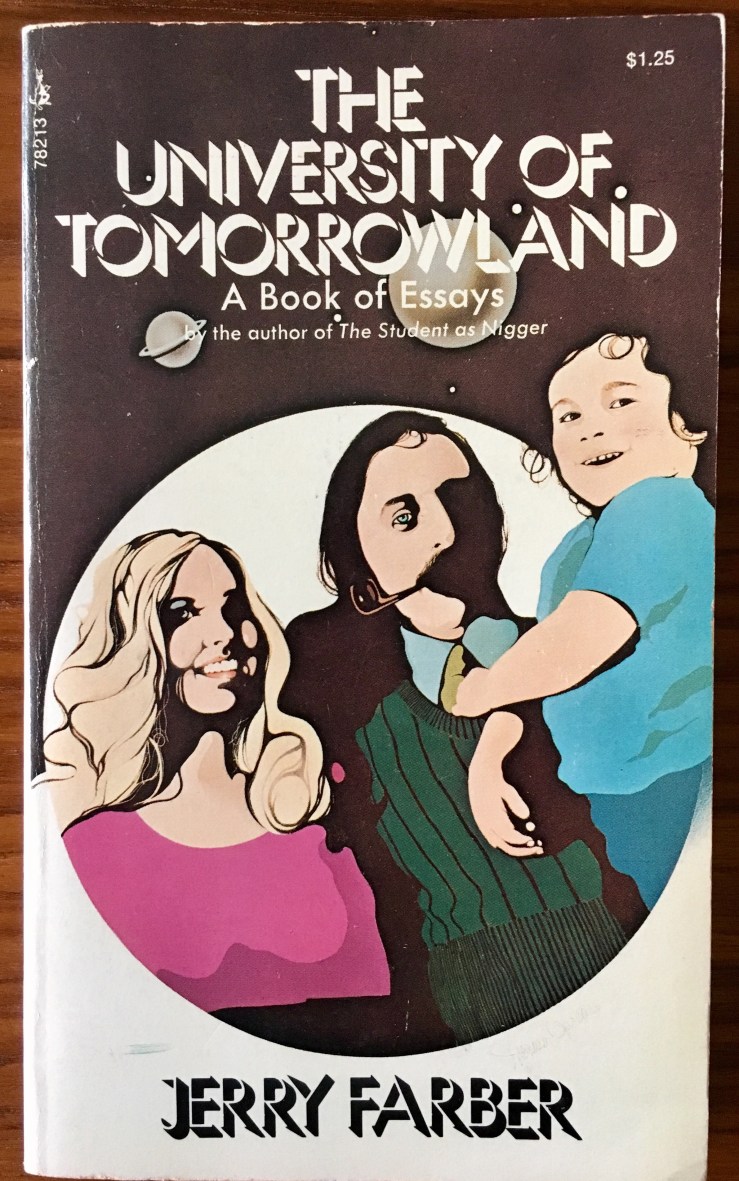
And I wasn’t looking for essays by Jerry Farber (this weird mass market paperback was crammed into a completely wrong section—misshelved as if someone was trying to hide it. The font on the spine prompted me to pull it out, and I knew that the guy had written “The Student as Nigger”….I started reading “Why People Love Capitalism” and decided to pick it up):
img_5056-1

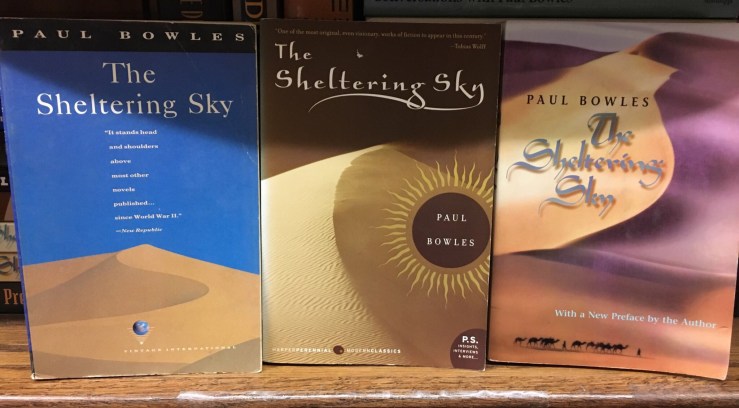
What I was looking for was Paul Bowles’s novel The Sheltering Sky, which is prominent on my to-read list after devouring The Stories of Paul Bowles. But I simply couldn’t come to terms with these covers:
img_4987

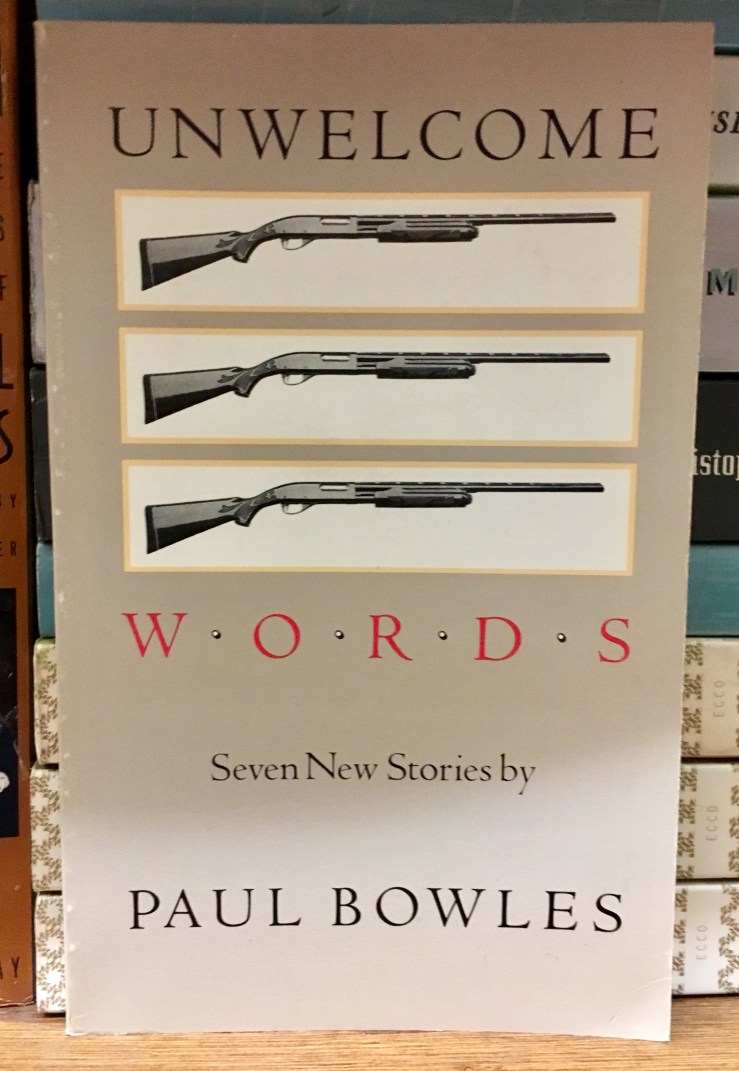
I mean, look, I know I shouldn’t care about the cover, but these are dreadful, and it this point if I’m going to own a paper book, it needs to have some aesthetic merit. Aesthetic merit like the cover for this collection:
img_4985-1

(I didn’t pick it up because the seven stories are in The Stories of Paul Bowles).

A last thought on covers:

“There’s quite a bit of schmaltz in Lincoln in the Bardo.”

Caleb Crain reviews George Saunders’s first novel Lincoln in the Bardo. 

First paragraph:

George Saunders’s new novel—his first, after four collections of short stories and a novella—takes place in the afterlife. Or rather, it takes place in the “bardo,” a term that Saunders has borrowed from Buddhism for what might be called the “justafterlife”—the interval between a ghost’s separation from its body and its departure for whatever comes next. As in The Sixth Sense and other movies and television shows, the ghosts imagined by Saunders linger in our world because they either don’t know they’re dead or aren’t yet resigned to leaving. “You are a wave that has crashed upon the shore,” they are told by browbeating angels who visit intermittently, but they refuse to listen.

Crain doesn’t exactly eviscerate Lincoln in the Bardo in his review (which also situates the novel in context with Saunders’s previous stories and essays), but he does make a strong case for passing on it.

John Henry — Frederick Brown

1995.22.1_1a.jpg

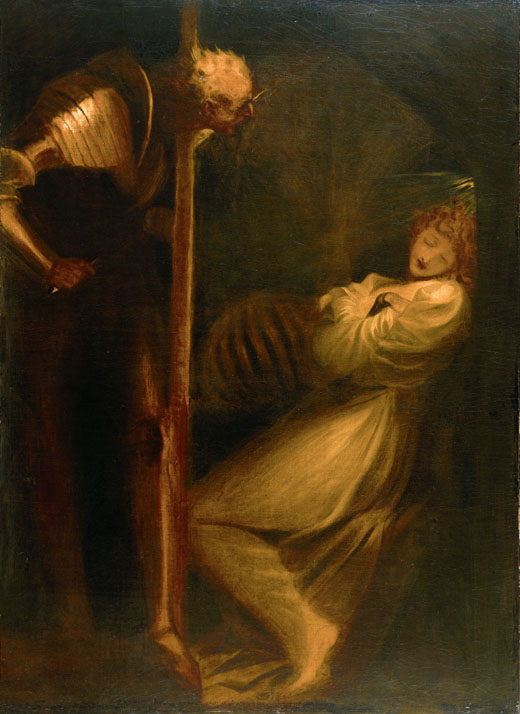
Wolfram Observing His Wife in Her Walled-in Cell with the Skeleton of Her Lover — Henry Fuseli

9.jpg

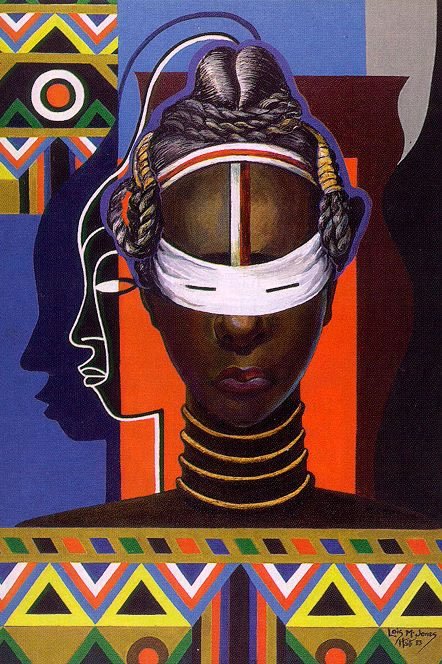
Initiation, Liberia – Loïs Mailou Jones

lois-mailou-jones-Initiation-Liberia-1983-acrylic-on-canvas_jpg.jpg

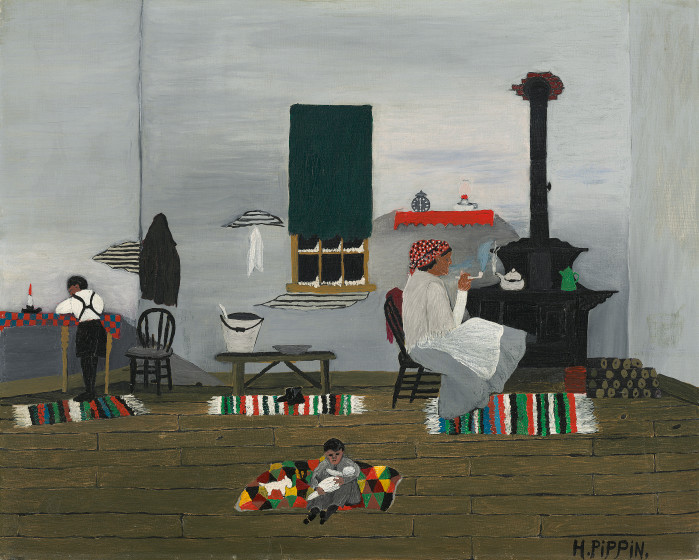
Interior — Horace Pippin

72174-primary-0-740x560

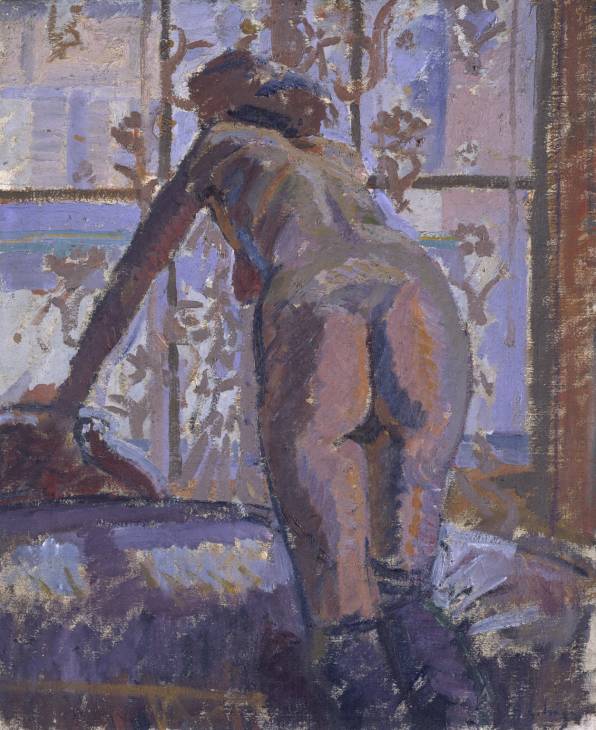
Nude at a Window — Harold Gilman

Nude at a Window c.1912 by Harold Gilman 1876-1919

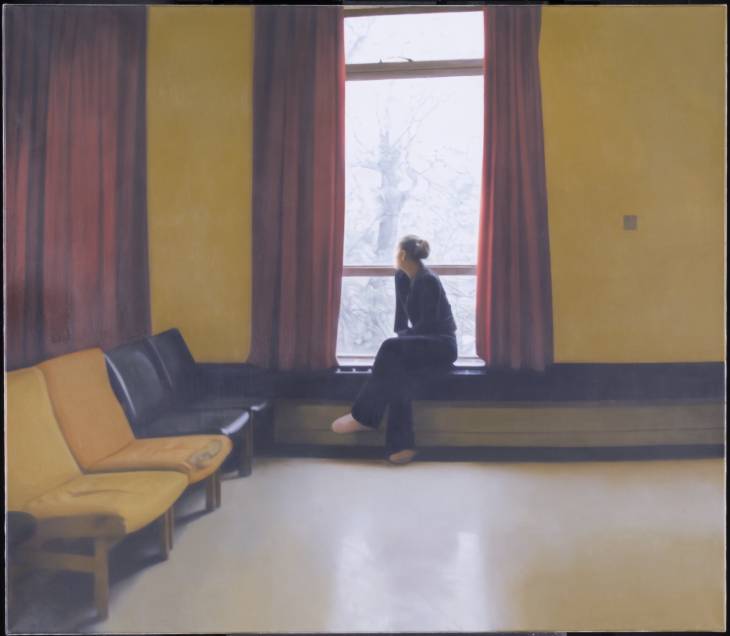
Woman at a Window 2 — Paul Winstanley

Woman at a Window 2 2003 by Paul Winstanley born 1954

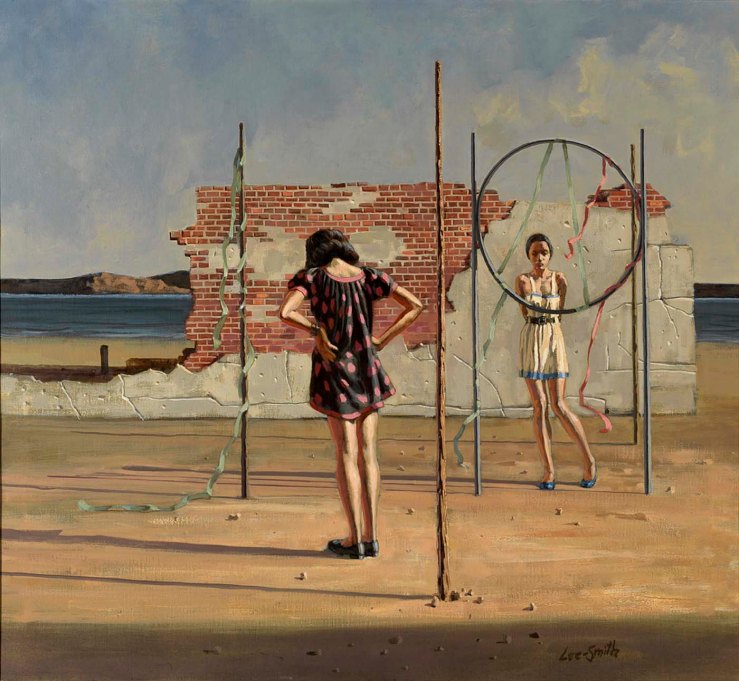
Confrontation — Hughie Lee-Smith

2009.27_1a.jpg

Girl Reading at Window — Henry Moore

Girl Reading at Window 1977-8 by Henry Moore OM, CH 1898-1986

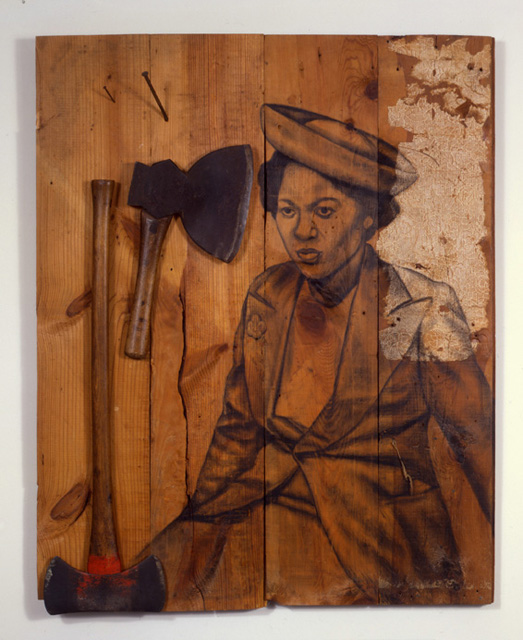
Cut — Whitfield Lovell

lovell-44.jpg

I was fortunate enough to see Whitfield Lovell’s project Deep River last year. Lovell’s installation combined wood, metal, earth, cloth, ink, and more to evoke an aesthetic narrative of enslaved black Americans escaping to freedom by fording the Tennessee River. I will never forget a teenage girl who broke down crying and shaking moments after entering the installation room. Her presence as a witness seems to me, in retrospect, central somehow to the power of Lovell’s tableau.

The exhibit also featured other works by Lovell, including Cut.

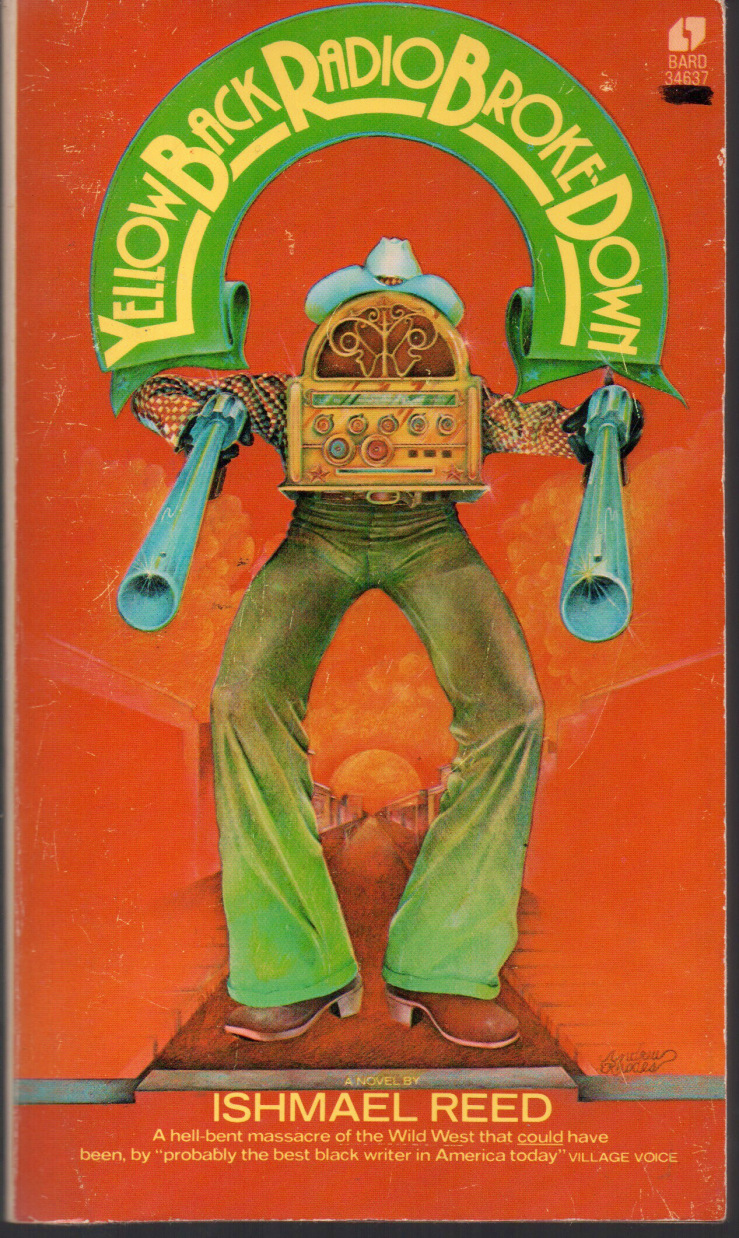
Americans love being conned (Ishmael Reed)

img_0548

It was Bo Shmo and the neo-social realist gang. They rode to this spot from their hideout in the hills. Bo Shmo leaned in his saddle and scowled at Loop, whom he considered a deliberate attempt to be obscure. A buffoon an outsider and frequenter of sideshows.

Bo Shmo was dynamic and charismatic as they say. He made a big reputation in the thirties, not having much originality, by learning to play Hoagland Howard Carmichael’s “Buttermilk Sky” backwards. He banged the piano and even introduced some novel variations such as sliding his rump across the black and whites for that certain effect.

People went for it. It was an all the newspapers. He traveled from coast to coast exhibiting his ass and everything was fine until the real Hoagland Howard Carmichael (the real one) showed up and went for Bo Shmo’s goat. He called him a lowdown patent thief and railed him out of town. You would think that finding themselves duped, the impostor’s fans would demand his hide. Not so, Americans love being conned if you can do it in a style that is both grand and entertaining. Consider P.T. Barnum’s success, Semple McPherson and other notables. A guy who rigs aluminum prices can get himself introduced by Georgie Jessel at 100 dollars a plate but stealing a can of beer can get you iced.

So sympathetic Americans sent funds to Bo Shmo which he used to build one huge neo-social realist Institution in the Mountains. Wagon trains of neo-social realist composers writers and painters could be seen winding up its path.

From Ishmael Reed’s 1969 novel Yellow Back Radio Broke-Down, which I am loving the hell out of.

But I think about it all the time. 

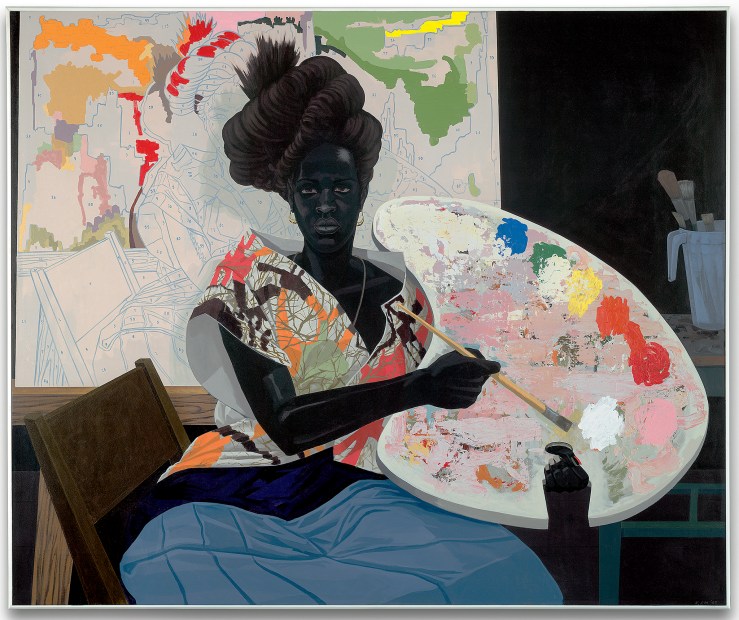
Untitled – Kerry James Marshall

KJM_YUGA_Marshall_2009_Untitled.jpg