“Since 1619” — Ray Durem

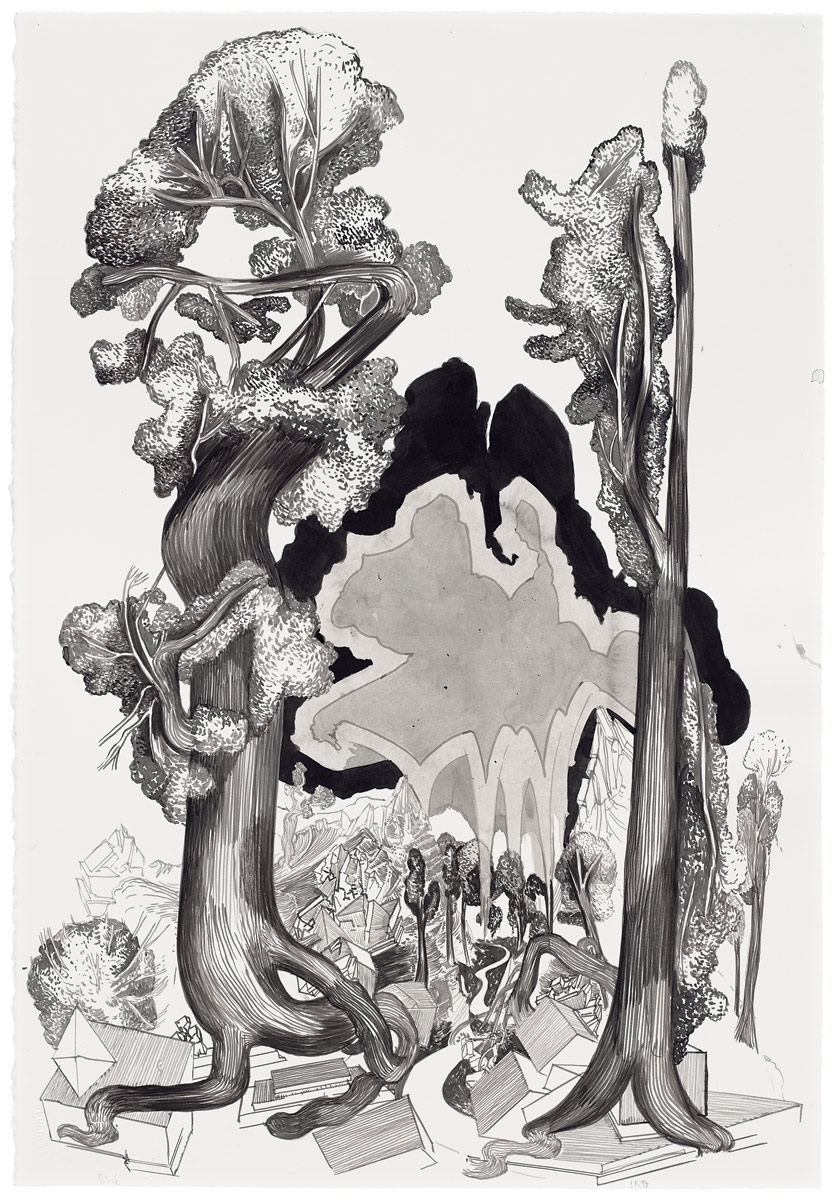
Big Town — Vincent Desiderio

Big Town, 2017 by Vincent Desiderio (b. 1955)

The other project was a scheme for entirely abolishing all words whatsoever

We next went to the school of languages, where three professors sat in consultation upon improving that of their own country.

The first project was, to shorten discourse, by cutting polysyllables into one, and leaving out verbs and participles, because, in reality, all things imaginable are but norms.

The other project was, a scheme for entirely abolishing all words whatsoever; and this was urged as a great advantage in point of health, as well as brevity. For it is plain, that every word we speak is, in some degree, a diminution of our lungs by corrosion, and, consequently, contributes to the shortening of our lives. An expedient was therefore offered, “that since words are only names for things, it would be more convenient for all men to carry about them such things as were necessary to express a particular business they are to discourse on.” And this invention would certainly have taken place, to the great ease as well as health of the subject, if the women, in conjunction with the vulgar and illiterate, had not threatened to raise a rebellion unless they might be allowed the liberty to speak with their tongues, after the manner of their forefathers; such constant irreconcilable enemies to science are the common people. However, many of the most learned and wise adhere to the new scheme of expressing themselves by things; which has only this inconvenience attending it, that if a man’s business be very great, and of various kinds, he must be obliged, in proportion, to carry a greater bundle of things upon his back, unless he can afford one or two strong servants to attend him. I have often beheld two of those sages almost sinking under the weight of their packs, like pedlars among us, who, when they met in the street, would lay down their loads, open their sacks, and hold conversation for an hour together; then put up their implements, help each other to resume their burdens, and take their leave.

But for short conversations, a man may carry implements in his pockets, and under his arms, enough to supply him; and in his house, he cannot be at a loss. Therefore the room where company meet who practise this art, is full of all things, ready at hand, requisite to furnish matter for this kind of artificial converse.

Another great advantage proposed by this invention was, that it would serve as a universal language, to be understood in all civilised nations, whose goods and utensils are generally of the same kind, or nearly resembling, so that their uses might easily be comprehended. And thus ambassadors would be qualified to treat with foreign princes, or ministers of state, to whose tongues they were utter strangers.

From Jonathan Swift’s novel Gulliver’s Travels.

Recital XII — Pat Perry 

Recital XII, 2021 by Pat Perry (b. 1991)

View — Susanne Kühn

View, 2015 by Susanne Kühn (b. 1969)

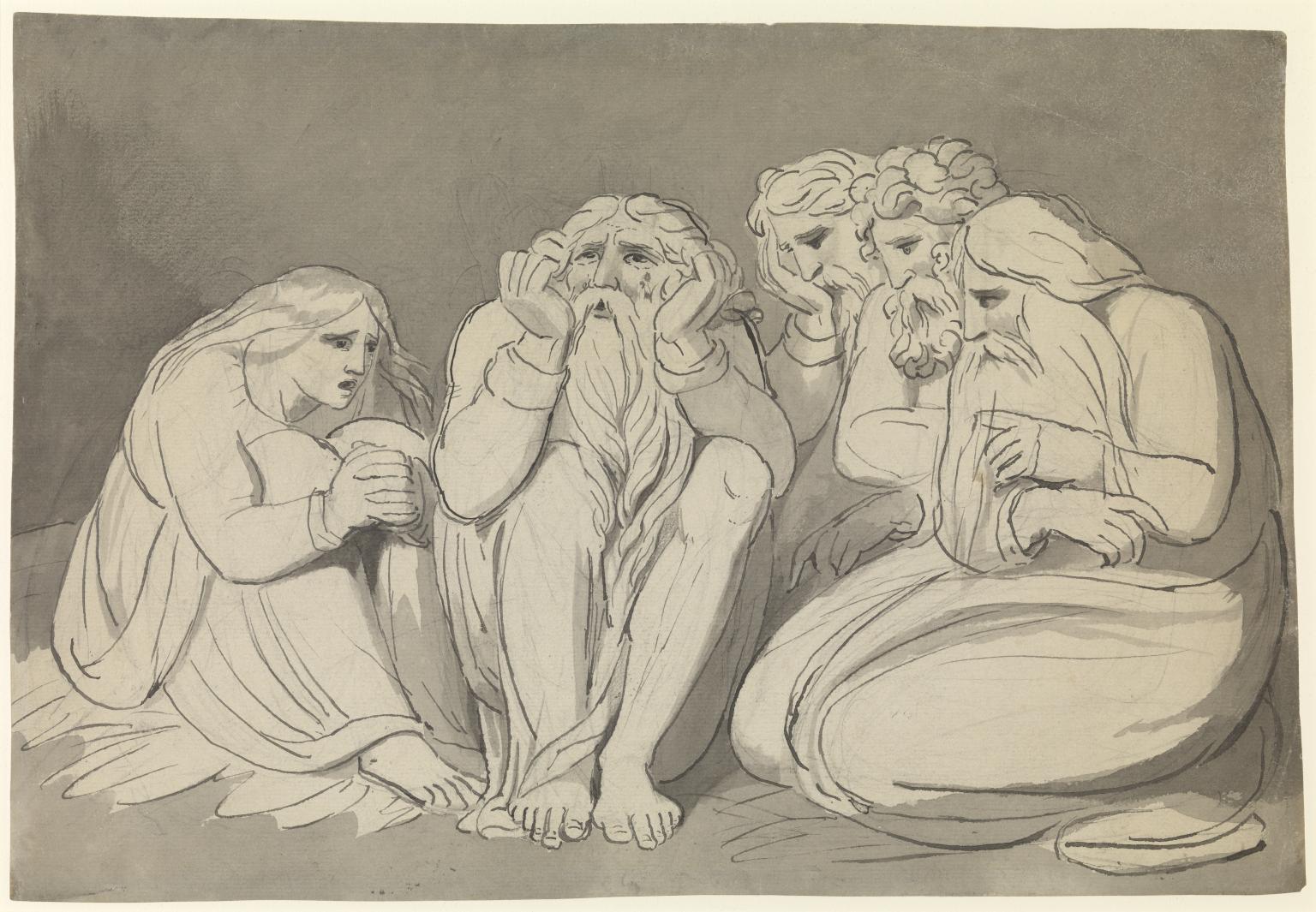
Job, His Wife, and His Friends — William Blake

Job, His Wife, and His Friends, c.1785 by William Blake (1757-1827)

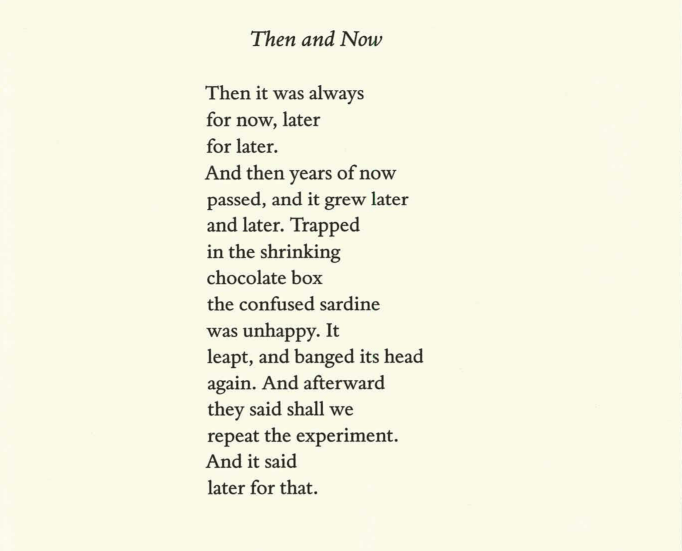
“Then and Now” — Tom Clark

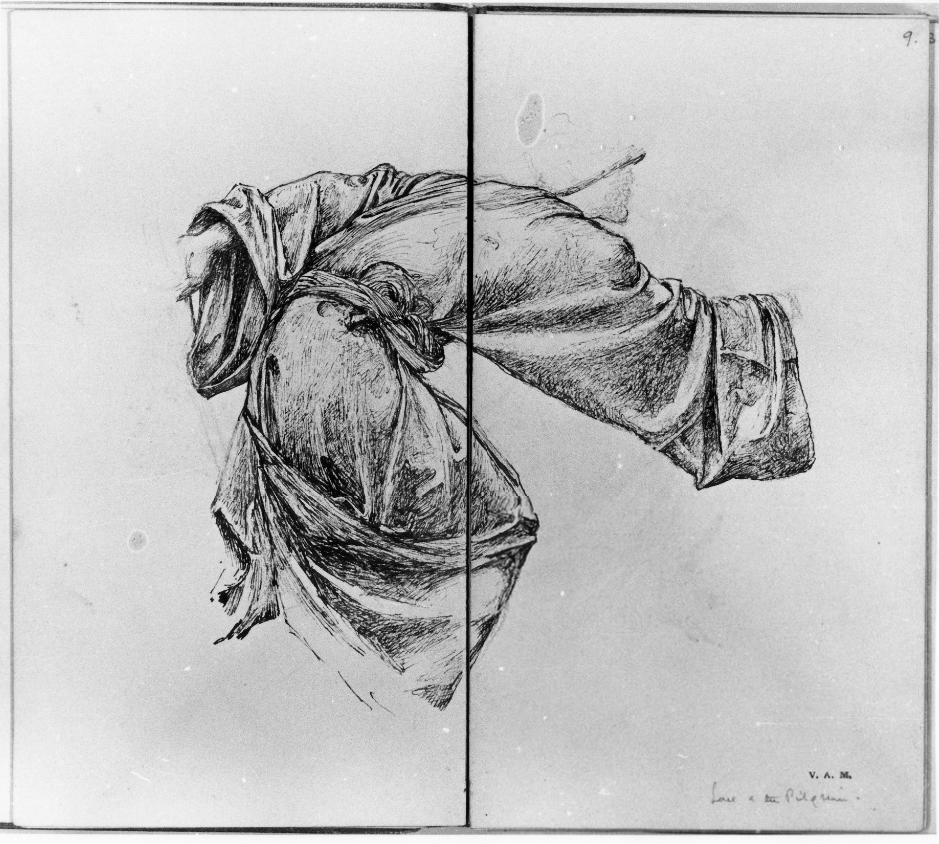
Sketch for Love and the Pilgrim — Edward Burne-Jones

Sketch for Love and the Pilgrim, c. 1896 by Edward Burne-Jones (1833-1898)

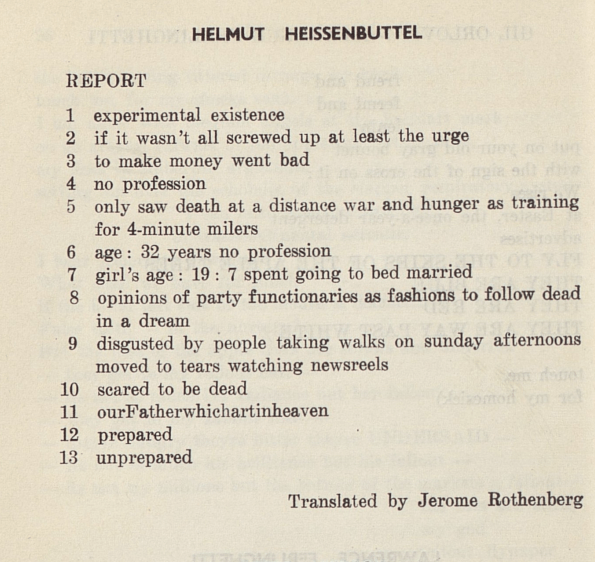
“Report” — Helmut Heißenbüttel

Sketch for Bride Stripped Bare by Her Bachelors, Even — Marcel Duchamp

Bride Stripped Bare by Her Bachelors, Even: first sketch of complete perspective layout, 1913 by Marcel Duchamp (1887-1968)

James Grieve’s translation of Proust’s Swann’s Way (Book acquired, 19 March 2023)

This May, NYRB will publish a “new” translation of the first volume of Marcel Proust’s longassed novel In Search of Lost Time.

The translation, by James Grieve, is not actually new. It’s actually like half a century old.

The NYRB jacket copy states that “James Grieve began his career as a translator of Proust in the early 1970s, driven by his dismay at how many readers deemed In Search of Lost Time to be too difficult for them to take on. Grieve’s artful and celebrated version of Swann’s Way—only now available outside his native Australia—shows that this is hardly the case.” 

I was unfamiliar with Grieve’s translation. As I admitted on Twitter, I’m not really a Proust Guy. I read Lydia Davis’s translation of Swann’s Way a decade ago, and thought it was Okay and decided it was also Enough. Many, many people replied to my tweet that C.K. Scott Moncrieff’s translation was the way to go. Author and translator Daniel Mendelsohn told me that I’d “read the wrong translation!”  — but I’m okay with that.

Here is the I-guess famous opening line of Moncrieff’s 1922 translation:

For a long time I used to go to bed early.

Here is the Modern Library’s 1992 translation, crediting Moncrieff and Terence Kilmartin, revised by D.J. Enright:

For a long time I would go to bed early.

Here is Lydia Davis’s translation (2002) of the opening line:

For a long time, I went to bed early.

And here is James Grieve’s translation:

Time was when I always went to bed early.

There were a lot of opinions on Grieve’s rendering of this particular line floating around Twitter.

I have no dog in this race, but the voicing here strikes me as, I dunno, very, uh, colloquial? Almost like Huck Finn or something?

Proust’s original, by the way:

Longtemps, je me suis couché de bonne heure.

I muddled my way through a few years of college French, and have no real strong opinions here, but the phrase bonne heure is the most interesting to me. When I read it in French, I read it as something like, “a good hour,” or “the right time.”

Translation is about feeling and tone and vibe and mood as much it is about (the attempt for) precision, so I suppose each translator brings their own sense of the narrator’s voice to their translation, a voice that may or may not sync with what those other translators, the readers, hear in their mind’s ear.
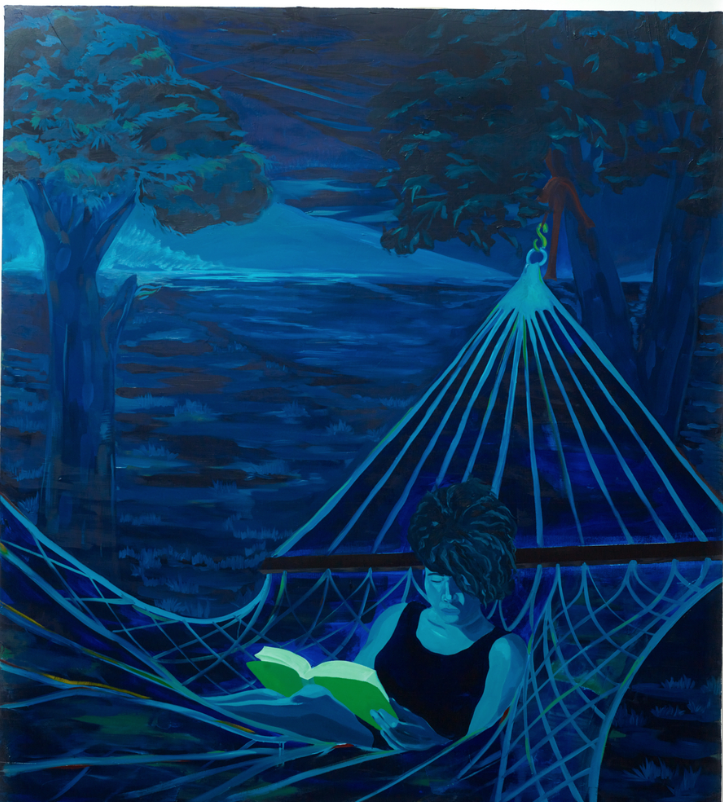
Untitled (Elsa in Blue) — Dominic Chambers 

Untitled (Elsa in Blue), 2020 by Dominic Chambers (b. 1993)

Hawthorne is a writer | From Kathy Acker’s Blood and Guts in High School

Hawthorne is a writer

Writers create what they do out of their own frightful agony and blood and mushed-up guts and horrible mixed-up insides. The more they are in touch with their insides the better they create. If you like a writer’s books read his books, the books aren’t pure suffering; if you want to publish/help the writer, do it business-like, but don’t get into the writer’s personal life thinking if you like the books you’ll like the writer. A writer’s personal life is horrible and lonely. Writers are queer so keep away from them. I live in pain, but one day, Hawthorne said, I’m going to be happy I’m going to be so happy even if I’m not alive anymore. There’s going to be a world where the imagination is created by joy not suffering, a man and a woman can love each other again they can kiss and fuck again (a woman’s going to come along and make this world for me even though I’m not alive anymore).

From Kathy Acker’s novel Blood and Guts in High School.

Repo — Marcos Carrasquer

Repo, 2020 by Marcos Carrasquer (b. 1959)

Untitled — Nahum Tschacbasov

Untitled, 1947 by Nahum Tschacbasov (1899–1984)

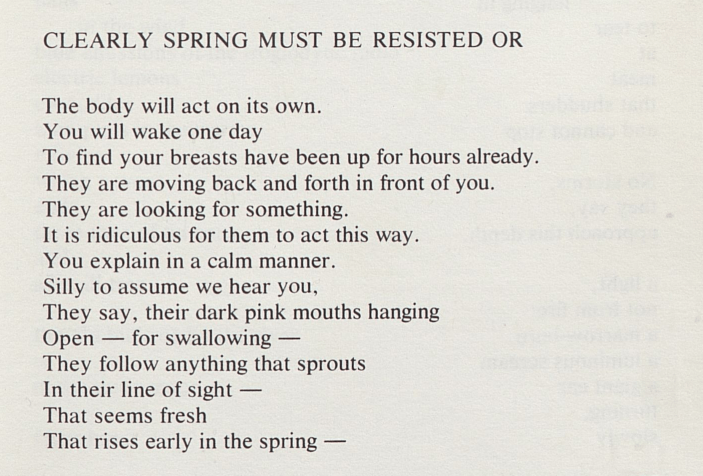
“Clearly Spring Must Be Resisted Or” — Elena Wilkinson

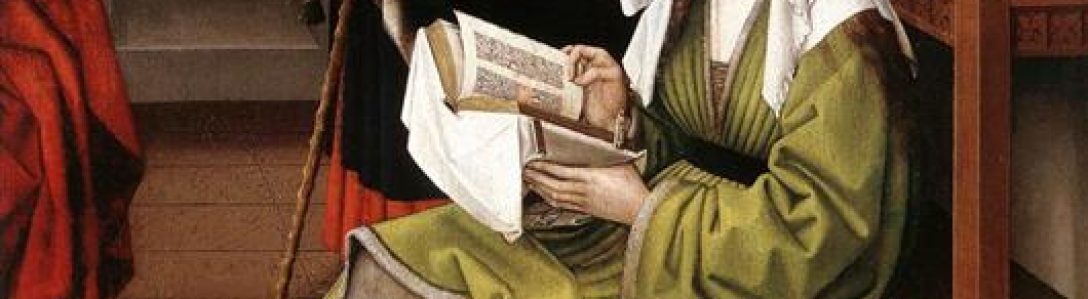
Nerves — Stephanus Rivierius

Nerves, c. 1530-45, attributed to Stephanus Rivierius (c. 16th century)