(Just a Really Great Grab of) Books Acquired, 11.18.2011

20111118-155019.jpg

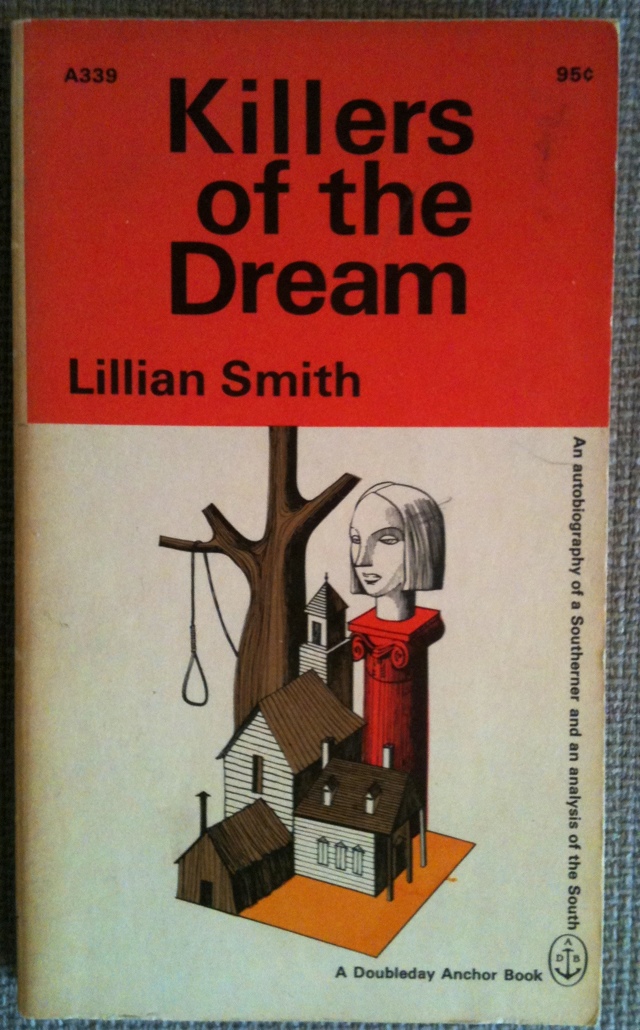
See, this is why I go to my favorite local bookshop at least once once. (It doesn’t hurt that it’s like a mile from my house). I read Lillian Smith’s memoir Killers of the Dream back in grad school, but I checked my copy out from the school library (being like, a poor grad student and whatnot, and Biblioklept not being established enough to rack up, uh, free books). Anyway, this is one of the best covers I think I’ve ever seen; Doubleday seems to be taking a cue from Penguin here. The design is simple, elegant, and appropriately horrific. Anyway, I picked up Smith’s book because I had wanted to use a few passages from it for a particular class I was teaching, but I when I looked for it I realized I didn’t it own it. So. Anyway. If you haven’t read Killers, I highly recommend it: “groundbreaking” would be an understatement here. Smith plumbs the strange hypocrisies of Jim Crow South; more straightforward than Faulkner but equally affecting.
20111118-155032.jpg

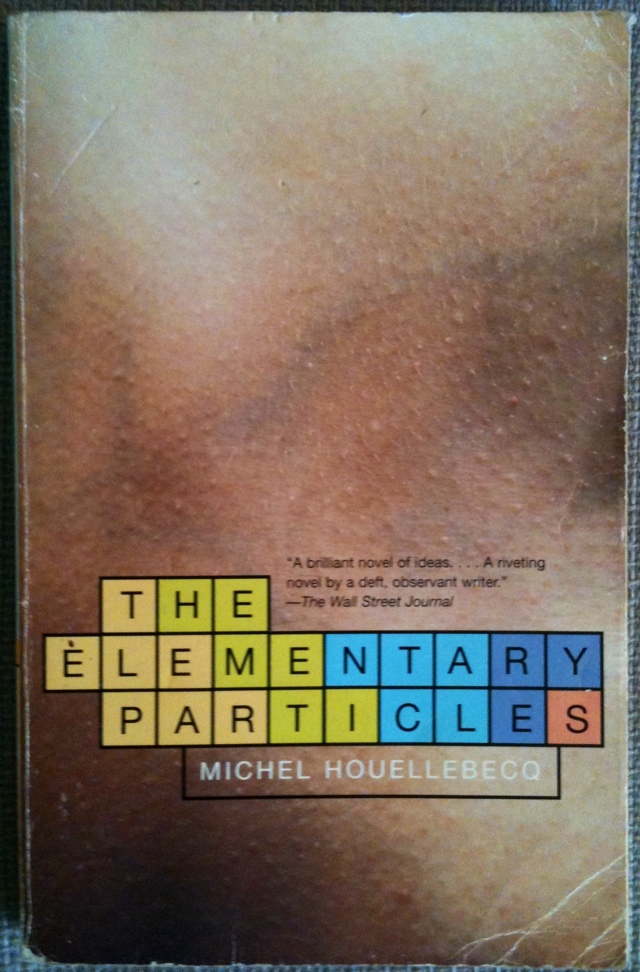
I have a little list I keep in my wallet. It’s ragged and rumpled, and some names are cribbed there in a meandering webby calligraphy that would prove to any team of forensic writing analysts that I cannot write by hand. Anyway, Michel Houllebecq (or, if we’re being honest, a bizarre corruption of that last name) has been on that list for a while—so I was happy to snap this one up. The cover is Ballardian, or maybe, more accurately, Cronenebergian (Cronenbergesque?). More forthcoming.
20111118-155042.jpg

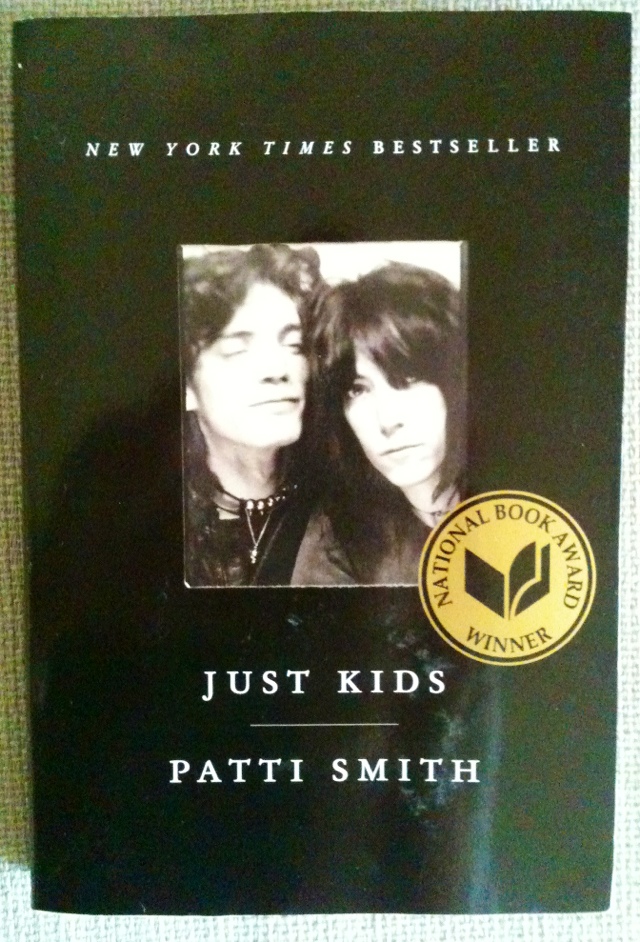
Just Kids: Patti Smith: Robert Mapplethorpe: I was looking under Biographies for Lillian Smith: found this: c’mon, you know this won the Nat’l BA: (or the sticker should tip you): will check out the fuss: extraneous colon: :
Werner Herzog on Types of Stupidity

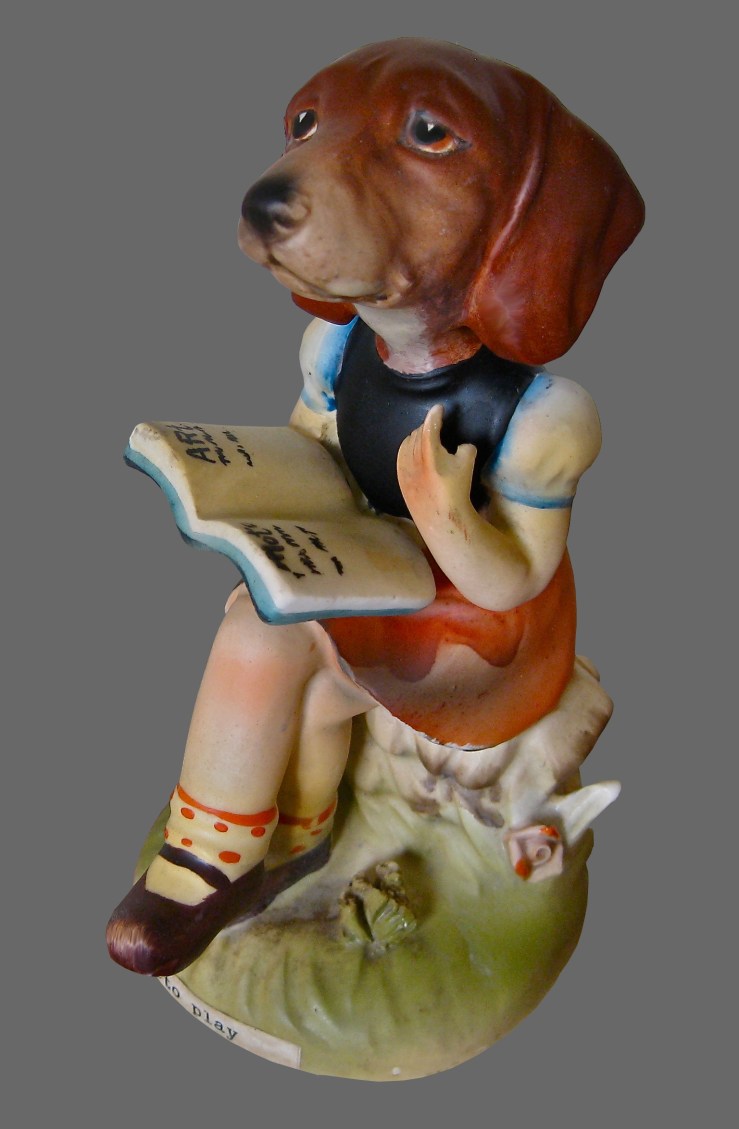
Dachshund Marveling at Joan Didion’s Mastery of the One-Word Sentence — Click Mort

(More and more).

“What Would Socrates Say?” — Woody Allen Attempts Syllogistic Logic

The Triple Hecate — William Blake

“The Mice” — Lydia Davis

“The Mice” a very short story by Lydia Davis (read our review of The Collected Stories of Lydia Davis)—

Mice live in our walls but do not trouble our kitchen. We are pleased but cannot understand why they do not come into our kitchen where we have traps set, as they come into the kitchens of our neighbors. Although we are pleased, we are also upset, because the mice behave as though there were something wrong with our kitchen. What makes this even more puzzling is that our house is much less tidy than the houses of our neighbors. There is more food lying about in our kitchen, more crumbs on the counters and filthy scraps of onion kicked against the base of the cabinets. In fact, there is so much loose food in the kitchen I can only think the mice themselves are defeated by it. In a tidy kitchen, it is a challenge for them to find enough food night after night to survive until spring. They patiently hunt and nibble hour after hour until they are satisfied. In our kitchen, however, they are faced with something so out of proportion to their experience that they cannot deal with it. They might venture out a few steps, but soon the overwhelming sights and smells drive them back into their holes, uncomfortable and embarrassed at not being able to scavenge as they should.

Willem de Kooning on Painting Women

“Mr. Brain” — Russell Edson

“Mr. Brain,” something by Russell Edson

 Mr Brain was a hermit dwarf who liked to eat shellfish off the moon. He liked to go into a tree then because there is a little height to see a little further, which may reveal now the stone, a pebble–it is a twig, it is nothing under the moon that you can make sure of.

So Mr Brain opened his mouth to let a moonbeam into his head.

Why to be alone, and you invite the stars to tea. A cup of tea drinks a luminous guest.

In the winter could you sit quietly by the window, in the evening when you could have vinegar and pretend it to be wine, because you would do well to eat doughnuts and pretend you drink wine as you sit quietly by the window. You may kick your leg back and forth. You may have a tendency to not want to look there too long and turn to find darkness in the room because it had become nighttime.

Why to be alone. You are pretty are you not/you are as pretty as you are not, or does that make sense.

You are not pretty, that is how you can be alone. And then you are pretty like fungus and alga, you are no one without some one, in theory alone.

Be good enough to go to bed so you can not think too much longer.

Marilyn Reads Whitman

(Via. See also and also).

“A Strange Kind of Slavery” — David Foster Wallace on Individuality, Corporatism, and Civic Responsibility

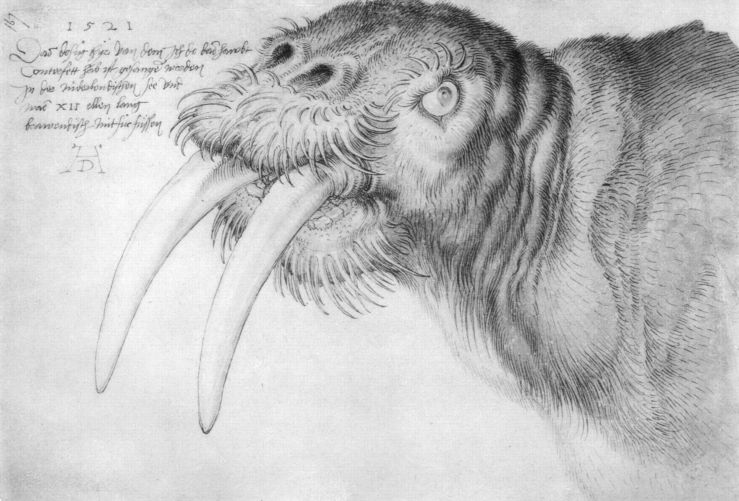
Head of a Walrus — Albrecht Dürer

“Quickly Aging Here” — A Poem by Denis Johnson

“Quickly Aging Here,” a poem by Denis Johnson—

1


nothing to drink in
the refrigerator but juice from
the pickles come back
long dead, or thin
catsup. i feel i am old


now, though surely i
am young enough? i feel that i have had
winters, too many heaped cold


and dry as reptiles into my slack skin.
i am not the kind to win
and win.
no i am not that kind, i can hear


my wife yelling, “goddamnit, quit
running over,” talking to
the stove, yelling, “i
mean it, just stop,” and i am old and
2


i wonder about everything: birds
clamber south, your car
kaputs in a blazing, dusty
nowhere, things happen, and constantly you


wish for your slight home, for
your wife’s rusted
voice slamming around the kitchen. so few


of us wonder why
we crowded, as strange,
monstrous bodies, blindly into one
another till the bed


choked, and our range
of impossible maneuvers was gone,
but isn’t it because by dissolving like so
much dust into the sheets we are crowding


south, into the kitchen, into
nowhere?

Robert Rauschenberg Tells the Story Behind Erased de Kooning

“There’s That Rainy Day” — Wes Montgomery

Erased de Kooning Drawing — Robert Rauschenberg

Book Acquired, 11.14.2011

20111112-164308.jpg

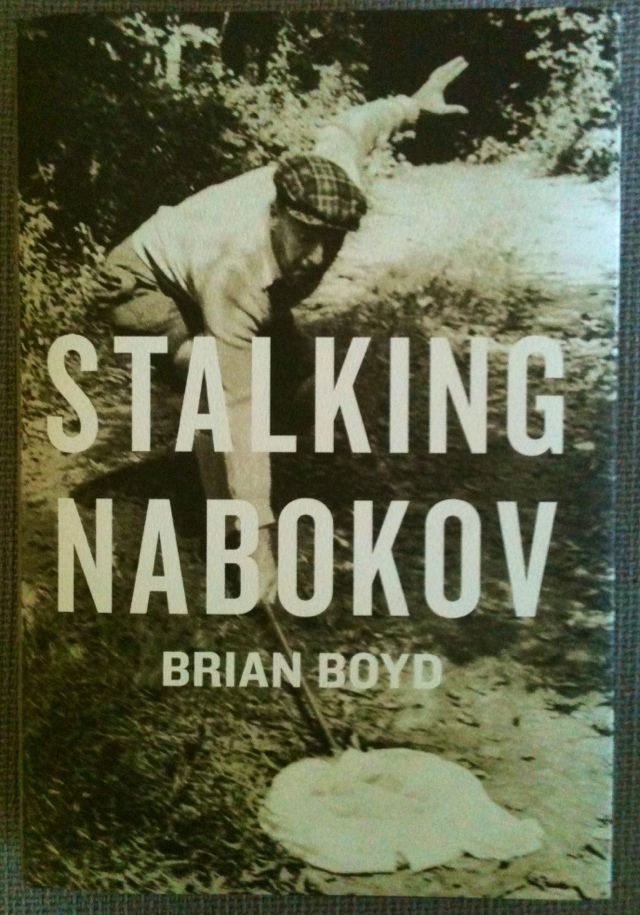
Stalking Nabokov by Brian Boyd. Publisher Columbia UP’s description—

At the age of twenty-one, Brian Boyd wrote a thesis on Vladimir Nabokov that the famous author called “brilliant.” After gaining exclusive access to the writer’s archives, he wrote a two-part, award-winning biography, Vladimir Nabokov: The Russian Years (1990) and Vladimir Nabokov: The American Years (1991). This collection features essays written by Boyd since completing the biography, incorporating material he gleaned from his research as well as new discoveries and formulations.

Boyd confronts Nabokov’s life, career, and legacy; his art, science, and thought; his subtle humor and puzzle-like storytelling; his complex psychological portraits; and his inheritance from, reworking of, and affinities with Shakespeare, Pushkin, Tolstoy, and Machado de Assis. Boyd offers new ways of reading Nabokov’s best English-language works: LolitaPale FireAda, and the unparalleled autobiography, Speak, Memory, and he discloses otherwise unknown information about the author’s world. Sharing his personal reflections, Boyd recounts the adventures, hardships, and revelations of researching Nabokov’s biography and his unusual finds in the archives, including materials still awaiting publication. The first to focus on Nabokov’s metaphysics, Boyd cautions against their being used as the key to unlock all of the author’s secrets, showing instead the many other rooms in Nabokov’s castle of fiction that need exploring, such as his humor, narrative invention, and psychological insight into characters and readers alike. Appreciating Nabokov as novelist, memoirist, poet, translator, scientist, and individual, Boyd helps us understand more than ever the author’s multifaceted genius.

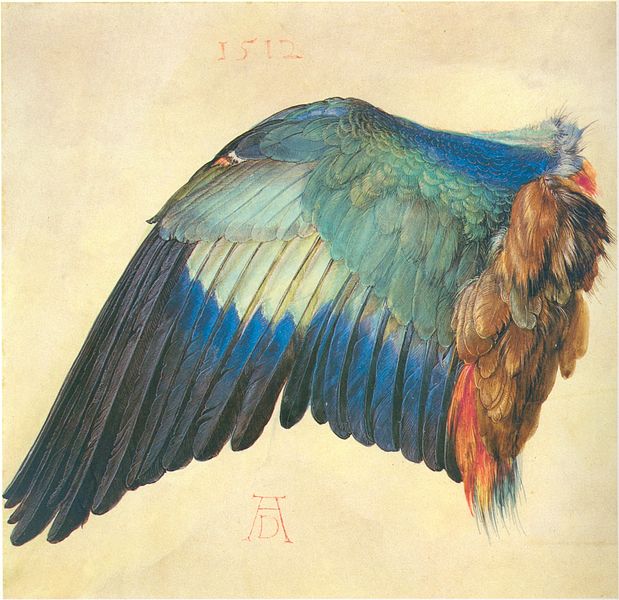
Wing of a Blue Roller — Albrecht Dürer