Classic Crime Comics Covers

Another covers gallery. I love this one–plenty of weirdness!

chamber_chills23.jpg

Zombie kisses…mmm. The taboo pleasures of necrophilia in four-color glory!

shocksuspens12.jpg

William Burroughs wasn’t the only one addressing the horrors of drug addiction. These touchy themes led to constant censorship battles for EC Comics.

baffling7.jpg

The horrors of love. I like this guy’s beard.

EC Comics, MAD Magazine, Censorship, and the Comics Code Authority

crimesuspenstories022.jpg

When I was a kid, I loved loved loved MAD Magazine: I loved Alfred E. Neuman’s gap-toothed grin on the cover, I loved Don Martin’s wacky comic strips, I loved the fake ads, I loved the movie and TV show parodies that I didn’t understand (to this day there are certain movies that I only know about via MAD), I loved the Sergio Aragonés doodles that hid in the margins, I loved “Spy vs. Spy,” I loved the endless recycling of strips and parodies that were older than I was by a longshot,  I loved Al Jaffee’s “fold-ins” (even though they quickly wore down to unfunny illegibility within minutes), I even loved the perennially unfunny “Lighter Side of Strip.” I think most of all I loved the bizarre guttural language of MAD–the unpronounceable explosions of fricatives and glottals, the joyful and rude “smrzzps!” and “schlups!” and “putzes” that provided the perfect soundtrack for my pre-adolescent pre-angst. Surely, this was the special argot of the adult world, the perfect onomatopoeia of grown-up comedy. Even as a young kid, I knew that MAD was in some way offensive, that it somehow tested the bounds of decency. Of course, I mistook what was essentially puerile for something more urbane.

mad.gif

So I was initially disappointed when I received Maria Reidelbach’s Completely Mad for Christmas one year. I guess I was expecting it to be a special all-color glossy hardback anthology. Eventually, I got around to reading it, and thus I learned the history of EC Comics and the censorship trials that the brand–and comics in general–had to endure. To this day, again and again, comic books come under the fire of those who wish to censor (check out the Comic Book Legal Defense Fund’s short history of censorship in comics to learn more). 

Under the editorial direction of William Gaines, EC Comics in the early 1950s specialized in horror, sci-fi, and true crime comics, publishing classic titles such as Tales from the Crypt and Weird Fantasy. These comics featured twisting and twisted plots, boldly illustrated with strong lines and graphic images. In a repressed and fearful age, EC Comics openly addressed problems of racial segregation and arms proliferation. The lurid artwork and progressive themes finally proved too much for Dr. Fredric Wertham, who addressed the supposed threat comics proved to the youth of America in Sedcution of the Innocent. Fitting right in to the McCarthyism of the era, Wertham’s book led to a Congressional hearing on comic books. In an attempt to regulate and control his own product, Gaines banded with other publishers to form the Comics Code Authority. This pre-emptive strike backfired, however–the CCA decided that they needed to censor every comic that came out, and give it this stamp of approval (still seen on mainstream comics today!)–

approvedbythe.gif

If you’re interested in reading the full (and necessarily vague) code, check out Once Upon a Dime’s article here.

A disappointed Gaines quickly left the CCA but the damage was done. They ruled that comics couldn’t be published with words like “horror” or “weird” in the title, effectively blacklisting EC’s major titles.

psycho_1.jpg

Check out this review of Psychoanalysis #1 at Polite Dissent.

Gaines continued to publish new comics like MD, and Psychoanalysis, but the CCA had poisoned the well. EC Comics went under, plagued by censorship battles and distribution  problems. Gaines focused all of his efforts on MAD, turning it into a full-sized magazine in 1955. MAD Magazine has been in continuous publication for over 50 years–although today the magazine prints paid ads. Yeah. That sucks, doesn’t it? So MAD has succumbed to commercialism–no wonder, considering that it’s the commodity name for such a crappy TV show. Even so, I’ll always recall gleefully devouring “Special Editions” of MAD, reprint digests chock full of references I didn’t get, thinking that I was gaining some forbidden knowledge. Maybe I was. 

Crimes by Women

True crimes. Get lurid.

Crime Never Pays!

William Burroughs Cover Gallery

wbjob_france_1969.jpg

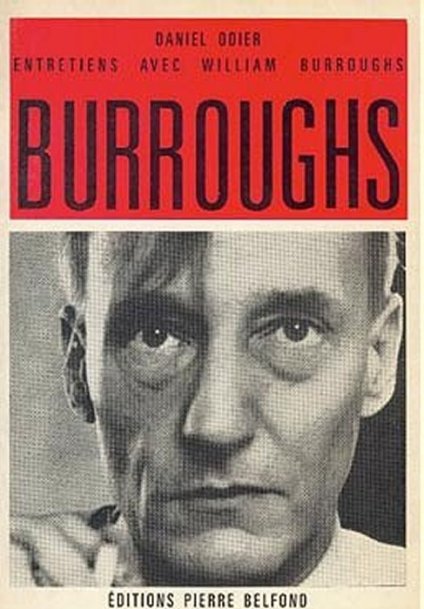
Burroughs appears on a large number of his covers, whether as a photograph, or something more iconic:

wbnl_germany_1992.jpg

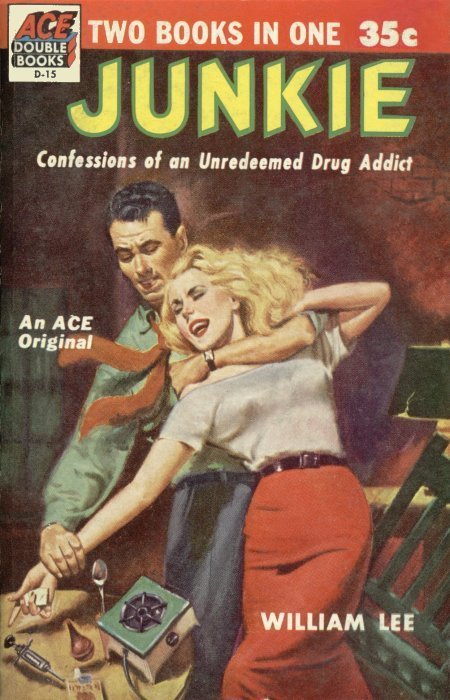
I like this early, lurid pulp edition of Junky. Note the spelling of the title, as well as Burroughs’ pseudonym, William Lee:

junkie_us_ace_1953_front.jpg

The Wild Boys: One of my faves.

wb_us_grove_1971.jpg

This Spanish edition of Naked Lunch really captures the squeamish quality of all things Burroughs:

wbnl_spain_2004.jpg

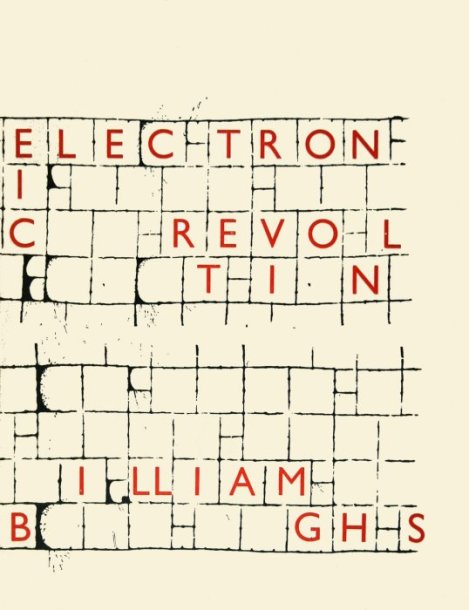
wbelrev_uk_blackmoor_1971.jpg

Check out the full gallery here.

The Religious Experience of Philip K. Dick

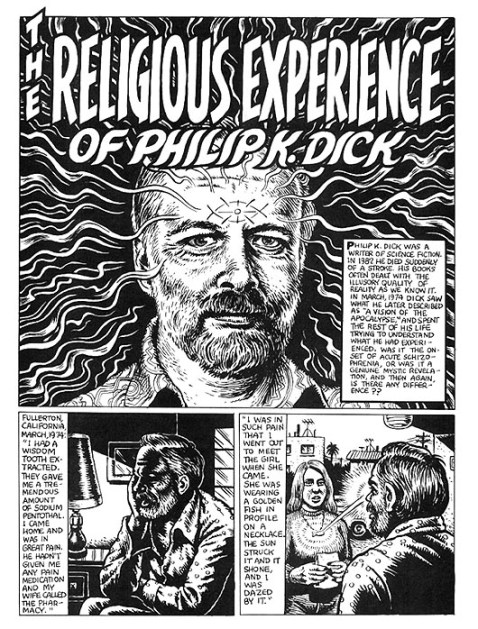
Want to learn about PK Dick’s bizarre apocalypse visions? Sure you do–and who better to tell a bizarre story than underground comix avatar Robert Crumb, whose accoutnt is available here in full.  Dick’s revelations led him to believe that he was coexisting in a Roman Empire that never fell, and that the spirit of the prophet Elijah lived within him. Highly recommended. 

weirdo1.jpg

Pessimus Populus: The Worst People of 2006

As the days of 2006 dwindle down, we take a hateful look back.

10. Condoleezza Rice.

Condi Rice has managed to tell more lies in just two years as the Secretary of State than she did in the four years she was the National Security Advisor.

condi rice demonstrates remaining US credibility

Above: Condi demonstrates remaining US credibility

9. Every kid who “starred” on an episode of MTV’s My Super Sweet 16

My Super Sweet 16 illustrates so perfectly, so beautifully, everything that is wrong with a culture of consumerism that promotes selfish materialism. Watch and marvel at spoiled brats crying like babies while their narcissistic whims are indulged.

8. Rachel Ray

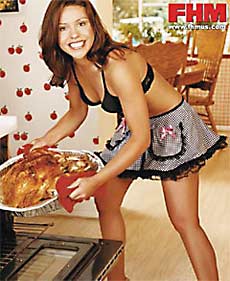
Look what happens to the commodified personality–they puncture any credibility they might have had to begin with and they end up overexposed.
rachel-ray.jpg

For a good laugh check out Rachel’s sexy FHM magazine shoot.

7. Dan Brown

For dumbing down America. For ripping of Umberto Eco’s Foucault’s Pendulum. For being the worst hack-job piece of schlock to ever pass for a worthy book. For fooling people into thinking they were learning something. For Tom Hanks’s creepy haircut in the movie version. For damaging the already-rotten sense of history Americans have with a brutal infusion of misinformation. This is what we’re choosing to read?

6. Ted Haggard

Pastor Haggard was the linchpin figure in the mega-church movement in the US. These churches represent the complete opposite of the teachings of the New Testament, advocating a “me me me” approach to religion: church as networking. In keeping with selfishness, Haggard, as ex-head of The National Association of Evangelicals, was largely responsible for rallying the religious right (as well as more moderate churches) to back Bush. Haggard recently stepped down as head of the NAE due to allegations that he’s been having sex with a male prostitute while high on meth.

(Editorial note: I’ve actually been working on this list for a while now. Haggard was on here before his recent woes. The outing of his hypocrisy is like icing on the cake, but is also part of the reason I decided to go ahead and publish this post with over 50 days remaining in the year–who knows how many more horrible things people will do, causing me to rewrite? I’d rather post what I have now, and amend later).

5. Everyone who used alcoholism or drug use as an excuse for horrible behavior, and then used rehab as an apology for that behavior.

That’s right, sugar tits–whether you’re a crazy, anti-semitic actor, a spoiled walking skeleton, or a two-faced Republican, drinking/drug-use doesn’t excuse you from being one of the year’s Worst People.

4. Ann Coulter
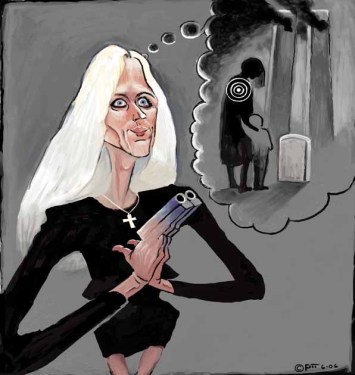
ann_coulter_republican.jpg

Getting fame by attacking 9/11 widows? Nice one, champ. This skinny bitch grows more evil by the minute. Check out Henry Rollins’s letter to Ann Coulter.

3. Rick Santorum

Santorum belongs on this list for so, so many reasons. But because biblioklept purports to be a literary blog, we’ll attribute his inclusion due to his ridiculous misappropriation of Tolkien in a recent speech:

“As the hobbits are going up Mount Doom, the Eye of Mordor is being drawn somewhere else. It’s being drawn to Iraq and it’s not being drawn to the U.S. “You know what? I want to keep it on Iraq. I don’t want the Eye to come back here to the United States.”

Props to Dan Savage for savaging Santorum’s name.

2. Dick Cheney
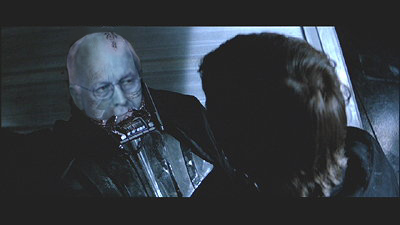
cheney_darthvader_unmasked.jpg

Uhmm, where to start, where to start? I guess since this is a look at the Worst People of 2006, we should try our best to look at Cheney from a human perspective–do our best to ignore all the evil Cheney’s political/business enterprises represent, and just look at Cheney the man. So what type of person is Cheney, when he’s on “downtime,” just relaxing with regular folks? Let’s see: in February of 2006, while “hunting” quail, Cheney shot a 78 year old man in the face with a shotgun. The old man had a heart attack. So the Vice President is the type of person who would shoot an old man in the face. Dick Cheney is a bad, bad man. Go here for John Stewart’s coverage of the incident.

1. George W. Bush

Like you didn’t see this coming.

***INSERT YOUR OWN REASON HERE***

(Sorry, but after six-plus years I can’t keep up my outrage even long enough to write a decent post about this insane bastard. I can’t articulate how angry I am, and there isn’t enough room here to catolog all of Bush’s crimes. I’m tired of this shit.)

bushmonkey01.jpg

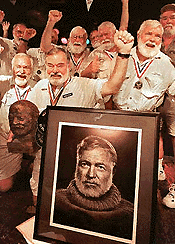
America’s Most Commodified: Ernest Hemingway

A few posts back, this blog turned some attention to what happens when writers become commodities sold by persona. Commodification results in a kind of lazy cultural shorthand that pre-empts the need to actually read the author and discuss their works: the author instead becomes a signifier of an abstracted ideal, a rubric of adjectives that the consumer can use to “identify” with their own life. It seems to me that no author has been more commodified than Ernest Hemingway. For example, check out The Ernest Hemingway Collection for a selection of clothes, home furnishings, and other chintzy crap. From their website:

“You can now share in his spirit as an adventurer, author and romantic. His legend can be brought to your home through this entire Ernest Hemingway Collection. Every item has been hand selected and approved to ensure authenticity. Enjoy this celebration of the man and the memory.”

Yes! You too can buy a certain kind of authenticity! But do throw pillows and bed spreads really convey a balance of macho resolve and artistic sensitivity just because a corporartion sticks Hemingway’s name on them? Who buys this stuff anyway? According to this article, it’s the “new male shoppers” that are interested in this kind of decor–and what do the “new male shoppers” read? They don’t have to read Hemingway, because distinguished literary journals such as Maxim and Men’s Vogue have already digested and sanctified it for them: Hemingway gets the stamp of approval–he was macho, a hunter and a drinker and a fighter–just one of the frat boys.

Years ago, at a party in Gainesville, I remember a guy bringing up Hemingway. I was on the outs with Hemingway at this point, so I prodded the guywhy did he like Hemingway? What about the work was so meaningful to him? More prompting yielded what I should have guessed: the guy drunkenly, laughingly admitted that he hadn’t read anything by Hemingway, it was just a stock answer that he gave to the question: “Who’s your favorite writer?”

ernest.gif

Who are the future stock answers? It seems like the hard-drinking ex-pat writers of the 30’s and 40’s had the right balance of persona and mystique to create their own mythos–but what about today’s greats? How will the future sell them?

Guy Fawkes Day and V for Vendetta

“Remember, remember the 5th of November…”

I was lucky enough to live in New Zealand for a few years as a kid, so I got to experience Guy Fawkes Day. We made effigies of Guy, and then we burned them on a bonfire. There was a barbecue, and fireworks. To me it seemed a strange mixture of the Fourth of July and Halloween.

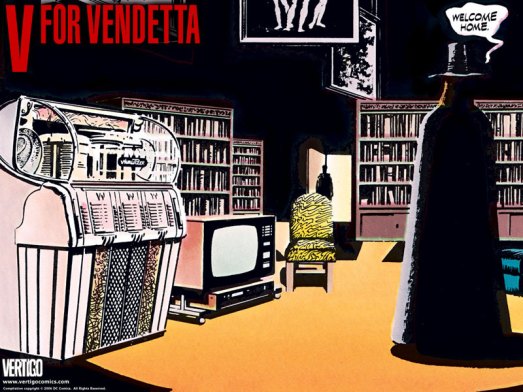
It was a few years after my last Guy Fawkes experience that I read Alan Moore’s V for Vendetta. V, an anarchist who wears a stylized Guy Fawkes mask, wages a vigilante war on a harsh authoritarian government. Along with Frank Miller’s The Dark Knight Returns, V was a first for me, something different than the stuff I was reading at the time, stuff like The Uncanny X-Men and the ill-fated Valiant Comics imprint (I actually made a small fortune selling early Valiant issues I owned).  

A film version of V for Vendetta was released in 2006; Alan Moore famously had his name removed from it. I enjoyed the film, although it certainly wasn’t as good or thought-provoking as Moore’s original story; and even though the film looked good, the passive experience of watching an action movie can’t measure up to David Lloyd’s original art work and that wonderful space between the panels of comics that engages the reader’s imagination.

v_for_vendetta_5_800×600.jpg

This afternoon I finished the first graphic novel of Alan Moore’s  run writing Swamp Thing, and I can’t wait until my library hold on the second graphic novel comes in. I had no idea Saga of the Swamp Thing would be as good as it was, nor as beautifully illustrated; it’s actually much better than V for Vendetta or Moore’s other famed work, Watchmen (and none of these titles are even in the same league as Moore’s masterpiece, From Hell). Alan Moore and Steve Bissette’s run on the DC Comics series essentially led to DC’s creation of the edgier Vertigo imprint for their more “mature” titles, such as The Sandman. These titles helped to change the audiences of “comic books” and helped to make the graphic novel a new standard in the medium (no mean feat, considering the fanboyish culture of comic nerds, a culture that prizes rarity of print run over quality of storytelling).

V for Vendetta illustrates what happens when we don’t allow for dissent, what happens when ideas are both prescribed and proscribed, and all dialogue is muted. Authoritarian governments consolidate their power from the silencing of ideas. A healthy society requires all sorts of opinions, even ones we don’t like. The smiling Americans in this photo aren’t burning effigies of would-be revolutionaries, they are burning something much more dangerous–books.

book-burning.jpg

100 Most Frequently Challenged Books

Via bibliophil,  (links by biblioklept):

The 100 Most Frequently Challenged Books
of 1990–2000
Compiled by the Office for Intellectual Freedom, American Library Association. The ALA Office for Intellectual Freedom does not claim comprehensiveness in recording challenges.
1. Scary Stories (Series) by Alvin Schwartz
2. Daddy’s Roommate by Michael Willhoite
3. I Know Why the Caged Bird Sings by Maya Angelou
4. The Chocolate War by Robert Cormier
5. The Adventures of Huckleberry Finn by Mark Twain
6. Of Mice and Men by John Steinbeck
7. Harry Potter (Series) by J.K. Rowling
8. Forever by Judy Blume
9. Bridge to Terabithia by Katherine Paterson
10. Alice (Series) by Phyllis Reynolds Naylor
11. Heather Has Two Mommies by Leslea Newman
12. My Brother Sam is Dead by James Lincoln Collier and Christopher Collier
13. The Catcher in the Rye by J.D. Salinger
14. The Giver by Lois Lowry
15. It’s Perfectly Normal by Robie Harris
16. Goosebumps (Series) by R.L. Stine
17. A Day No Pigs Would Die by Robert Newton Peck
18. The Color Purple by Alice Walker
19. Sex by Madonna
20. Earth’s Children (Series) by Jean M. Auel
21. The Great Gilly Hopkins by Katherine Paterson
22. A Wrinkle in Time by Madeleine L’Engle
23. Go Ask Alice by Anonymous
24. Fallen Angels by Walter Dean Myers
25. In the Night Kitchen by Maurice Sendak
26. The Stupids (Series) by Harry Allard
27. The Witches by Roald Dahl
28. The New Joy of Gay Sex by Charles Silverstein
29. Anastasia Krupnik (Series) by Lois Lowry
30. The Goats by Brock Cole
31. Kaffir Boy by Mark Mathabane
32. Blubber by Judy Blume
33. Killing Mr. Griffin by Lois Duncan
34. Halloween ABC by Eve Merriam
35. We All Fall Down by Robert Cormier
36. Final Exit by Derek Humphry
37. The Handmaid’s Tale by Margaret Atwood
38. Julie of the Wolves by Jean Craighead George
39. The Bluest Eye by Toni Morrison
40. What’s Happening to my Body? Book for Girls: A Growing-Up Guide for Parents & Daughters by Lynda Madaras
41. To Kill a Mockingbird by Harper Lee
42. Beloved by Toni Morrison
43. The Outsiders by S.E. Hinton
44. The Pigman by Paul Zindel
45. Bumps in the Night by Harry Allard
46. Deenie by Judy Blume
47. Flowers for Algernon by Daniel Keyes
48. Annie on my Mind by Nancy Garden
49. The Boy Who Lost His Face by Louis Sachar
50. Cross Your Fingers, Spit in Your Hat by Alvin Schwartz
51. A Light in the Attic by Shel Silverstein
52. Brave New World by Aldous Huxley
53. Sleeping Beauty Trilogy by A.N. Roquelaure (Anne Rice)
54. Asking About Sex and Growing Up by Joanna Cole
55. Cujo by Stephen King
56. James and the Giant Peach by Roald Dahl
57. The Anarchist Cookbook by William Powell
58. Boys and Sex by Wardell Pomeroy
59. Ordinary People by Judith Guest
60. American Psycho by Bret Easton Ellis
61. What’s Happening to my Body? Book for Boys: A Growing-Up Guide for Parents & Sons by Lynda Madaras
62. Are You There, God? It’s Me, Margaret by Judy Blume
63. Crazy Lady by Jane Conly
64. Athletic Shorts by Chris Crutcher
65. Fade by Robert Cormier
66. Guess What? by Mem Fox
67. The House of Spirits by Isabel Allende
68. The Face on the Milk Carton by Caroline Cooney
69. Slaughterhouse-Five by Kurt Vonnegut
70. Lord of the Flies by William Golding
71. Native Son by Richard Wright
72. Women on Top: How Real Life Has Changed Women’s Fantasies by Nancy Friday
73. Curses, Hexes and Spells by Daniel Cohen
74. Jack by A.M. Homes
75. Bless Me, Ultima by Rudolfo A. Anaya
76. Where Did I Come From? by Peter Mayle
77. Carrie by Stephen King
78. Tiger Eyes by Judy Blume
79. On My Honor by Marion Dane Bauer
80. Arizona Kid by Ron Koertge
81. Family Secrets by Norma Klein
82. Mommy Laid An Egg by Babette Cole
83. The Dead Zone by Stephen King
84. The Adventures of Tom Sawyer by Mark Twain
85. Song of Solomon by Toni Morrison
86. Always Running by Luis Rodriguez
87. Private Parts by Howard Stern
88. Where’s Waldo? by Martin Hanford
89. Summer of My German Soldier by Bette Greene
90. Little Black Sambo by Helen Bannerman
91. Pillars of the Earth by Ken Follett
92. Running Loose by Chris Crutcher
93. Sex Education by Jenny Davis
94. The Drowning of Stephen Jones by Bette Greene
95. Girls and Sex by Wardell Pomeroy
96. How to Eat Fried Worms by Thomas Rockwell
97. View from the Cherry Tree by Willo Davis Roberts
98. The Headless Cupid by Zilpha Keatley Snyder
99. The Terrorist by Caroline Cooney
100. Jump Ship to Freedom by James Lincoln Collier and Christopher Collier

Any favorites on the list? I’ve got a few. I’ve read or at least familiar with 57 of these, including most of the top 25. What’s the beef with Where’s Waldo? Image links to a much better write up on banned books via the MPBA.

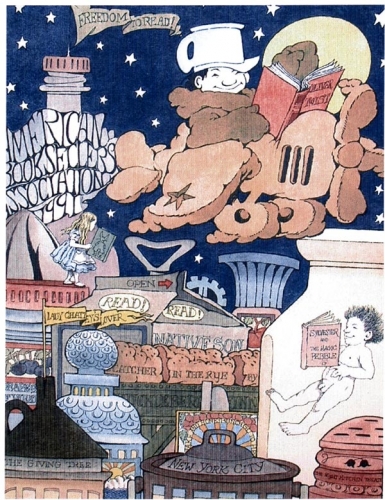
Freedom to Read

freedom-to-read.jpg

Freedom to Read, poster by Maurice Sendak. Image links to a concise history of book bannings.

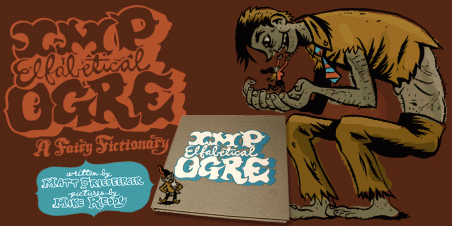
Imp Elfabetical Ogre

Imp Elfabetical Ogre is “A Fairy Fictionary” written by Matt Friedberger, chief songwriter/musician in my favorite working band, The Fiery Furnaces. Furnaces cover artist Mike Reddy illustrates some of Friedberger’s rhymes about ogres, pixies, elves, and gnomes.

opener21.gif

I’m not sure if this is an actual book or just an internet thing or what…it seems incomplete. The pun in the title, and the neologism “Fictionary” seem to suggest a larger, more comprehensive catalog of all things spritely. Just like the Furnaces’ lyrics, the words are highly alliterative and the tales are a little silly. Thanks to RP for sending me the link!

Other recommended bestiaries:

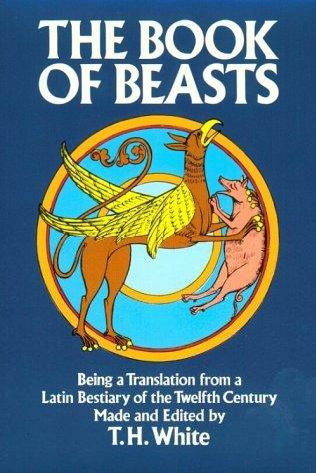
T.H. White? The Twelfth Century? Count me in!

n27697.jpg

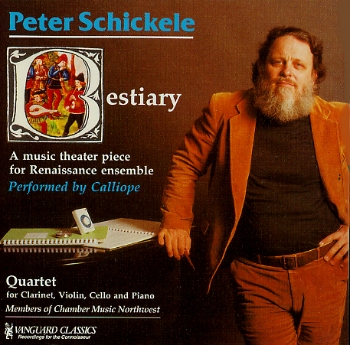
This Peter Shickele (aka PDQ Bach) record looks fantastic, you must admit. Image links to tracklisting, performers, and even some free audio samples! You can also buy this record–on cassette or vinyl only–for a mere $8 (but act fast, “supplies are limited”).

bestiary.jpg

A Wrinkle in Time

I loved this book as a kid. Madeline L’Engle’s A Wrinkle in Time explores the the intersections of space and time against a backdrop of adolescent angst. Our intrepid heroine Meg goes on a trans-dimensional quest to find her missing physicist father. Dad has disappeared due to his work on a project involving a tesseract. Go check out Tomorrowland’s brilliant write up of the tesseract.

Scary Stories–Halloween Edition

In the final edition of the 2006 Scary Books series, I take a critical look at some of my 11th graders’ scary stories.

First up is Niki H*nry’s “The Book of the Dead.” This tale is indicative of most of the students’ stories: unwitting protagonists stumble into inexplicable situations that are not of their making. After some confusion, the writer runs out of ideas and the protagonist is killed, usually with a knife. Readers of “The Book of the Dead” will be left wondering just what the book of the dead is–although it does have the power to turn a reader into a zombie.

Freud M*ltinord captures the terror and confusion of change in “Home Alone,” wherein a ten year old boy is left home alone in a strange new house. The real horror though is Freud’s inscrutable handwriting.

I truly enjoyed Chris Tutwil*r’s “Donna’s Reward,” featuring an infanticidal psychopath named “Doom” who carves up his victims–disrespectful teens–with a knife. Again with the knives.

Brittany H*rndon’s “On a Midnight Train to Georgia” illustrates the fear and confusion of a teen on the run from…? Who knows? Brittany didn’t quite finish the assignment. Still, this story expresses the same teenage fears that Roy Orbison immortalized in his classic “Running Scared.”

Anakar*n Diaz’s aptly-titled “Scary Story” (aside: I wonder if Anakar*n is making a postmodern gesture with the title here, perhaps alluding to some of John Barth’s work) features an evil scarecrow who transforms bad boys into scarecrows. Diaz turns a striking phrase: “the scarecrow spirit felt the pain of his life of being an outsider.”

In “The Gods,” Pam*l*rin Ajani recasts the origin stories of her native tribe, the Yoruba. This was very interesting for me, because her story intersected with my own current reading, Lydia Cabrera’s Afro-Cuban Tales.

Seymone Rams*y’s untitled piece is a highly sexualized vampire story (again, I suspect the refusal to title her work, to give a name to horror, is some type of fancy postmodern thing on Seymone’s part). Best line: “Baby, you know you’re my dark chocolate don’t you? So you don’t mind if I take a bite?”

Hannah F^jardo’s “Be Careful Before Wishing” is a reframing of the classic cautionary tale that people should be careful before wishing. Because wishes can come out, y’know, bad and stuff.

Rayna Sm!th’s “The Deaths” I thoroughly enjoyed. Rayna casts herself as the reluctant Sherlock Holmes (she even has a pipe with bubbles) in a murder mystery plot set in the family home. It’s just like I always tell these kids: familial spaces are always haunted spaces!

Similarly, Carolann* Dona explores murder in familial spaces in the excellent tale “The Cloaked Murderer,” in which a princess works out her rage by killing her parents. Her plot to rule the kingdom is foiled by a younger sister who reluctantly saves the day.

Lizbeth Martin*z tackles the revenge story in an animist motif in “The Bear’s Revenge,” in which a jilted teddy bear murders a young girl. I especially like Lizbeth’s use of present tense–it creates a mood of immediacy and suspense.

I regret that I have not the time to expound further upon the works of these young scholars; suffice to say that this random sampling should serve to illustrate the general plots, motifs, and tropes at work in the seething, horrific crucible-minds of teens.

Charles Bukowski

I must have been in the 1oth or 11th grade when I borrowed three Charles Bukowski novels from M***ael J***ings. These were:

Women, easily my favorite and Bukowski’s best. I didn’t return this one.

The short story collection, Tales of Ordinary Madness. I kept this one too, but it is no longer in my possession. Loaned out, never to be returned.

And another collection, The Most Beautiful Woman in Town. I think I gave this back; anyway, I don’t have it anymore.

I was reading Henry Miller and Hemingway at the time, and macho Bukowski fit right in. Something about being a teenager, trying to gain access to the “adult world”–or something like the adult world. How to act, what to say. I read just about all the short stories that Bukowski wrote. Factotum and Post Office were two of my favorites. Everyday when I see our mailman I think of Post Office.

 Our mailman is old, and skinny as a sick girl, and he has a nose like a bird’s beak to boot. He runs his entire route; he has a strange little knock-kneed hustle. He always tells me to “Stay safe” when I see him. He’s withered. Post Office makes working for the post office sound like an annihilating, damning, Sisyphean task. I wonder: “Does the mailman not feel safe?”

Charles Bukowski

Bukowski painted some pictures.

Factotum was recently made into a movie starring Matt Dillon as Bukowski’s alter-ego, Henry Chinaski. Mickey Rourke played the “real” Bukowski in a horrible-looking movie called Barfly. I haven’t seen either film.

So Bukowski’s sort of been “branded” commodified as “type”–like Hemingway and Miller (and HST, and Anaïs Nin, and Wm Burroughs,  and Nietzsche, and so on) He becomes a stolen writer, a lazy gesture, a footnote in the movie Swingers. Then again, maybe a few people saw that movie and picked up Hollywood, a really funny late-period Bukowski novel about making the film that will come to be Barfly. In Hollywood, Bukowski endures the trouble of having other people manipulate his writing and sweats sweats sweats that he might have sold out.

Jack O’ Lanterns 2006

dscn2548.JPG

dscn2551.JPG

Halloween Craft Links

Benfrank 

Go check out MAKE’s Halloween blog for plenty of cool Halloween projects–cool pumpkin carving stencils, homemade costumes, DIY scary sound generators, and more. Check out the whole site while you’re there. Good stuff.

The Pumpkin Lady shares lots of cool easy-to-use stencils, including this nifty Shakespeare design:

If you are a socially-challenged misfit with plenty of spare time, go to Raven’s Blight to download PDF how-to’s for constructing paper Halloween toys, like this “Moving Sculpture.”

little fella

Halloween Web has all of your fake-blood-needs covered, including this classic recipe:

Homemade Fake Blood

1 c. Karo Syrup

1 Tbsp Water

2 Tbsp Red Food Coloring

1 tsp Yellow Food Coloring

Mix together in a mixing bowl and you’re done. Try adding blue or yellow for a different shade.

Scary Books–Pt IV

What are some of your favorite scary books and stories? Please share.