
Alasdair Gray, 1934-2019
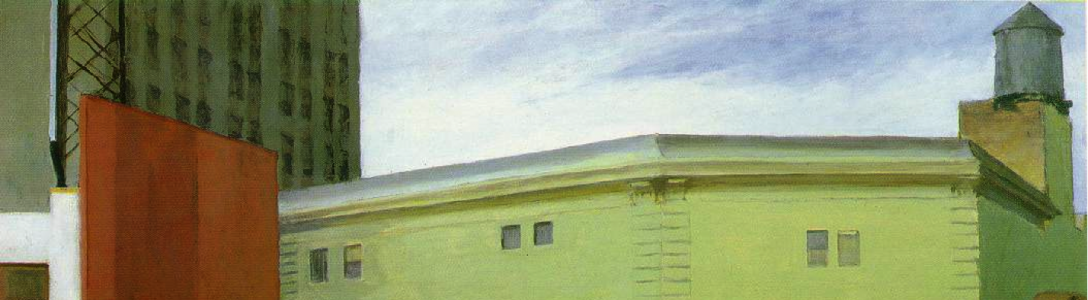
Alasdair Gray, 1934-2019

Bite Your Tongue, 2001 by Leon Golub (1922-2004)
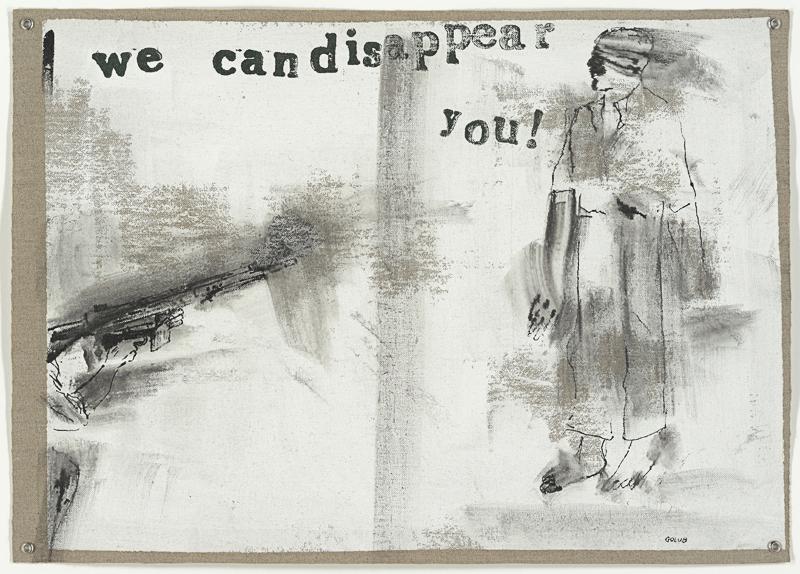
We Can Disappear You #16, 2002 by Leon Golub (1922-2004)
RIP Béla Tarr, 1955-2026
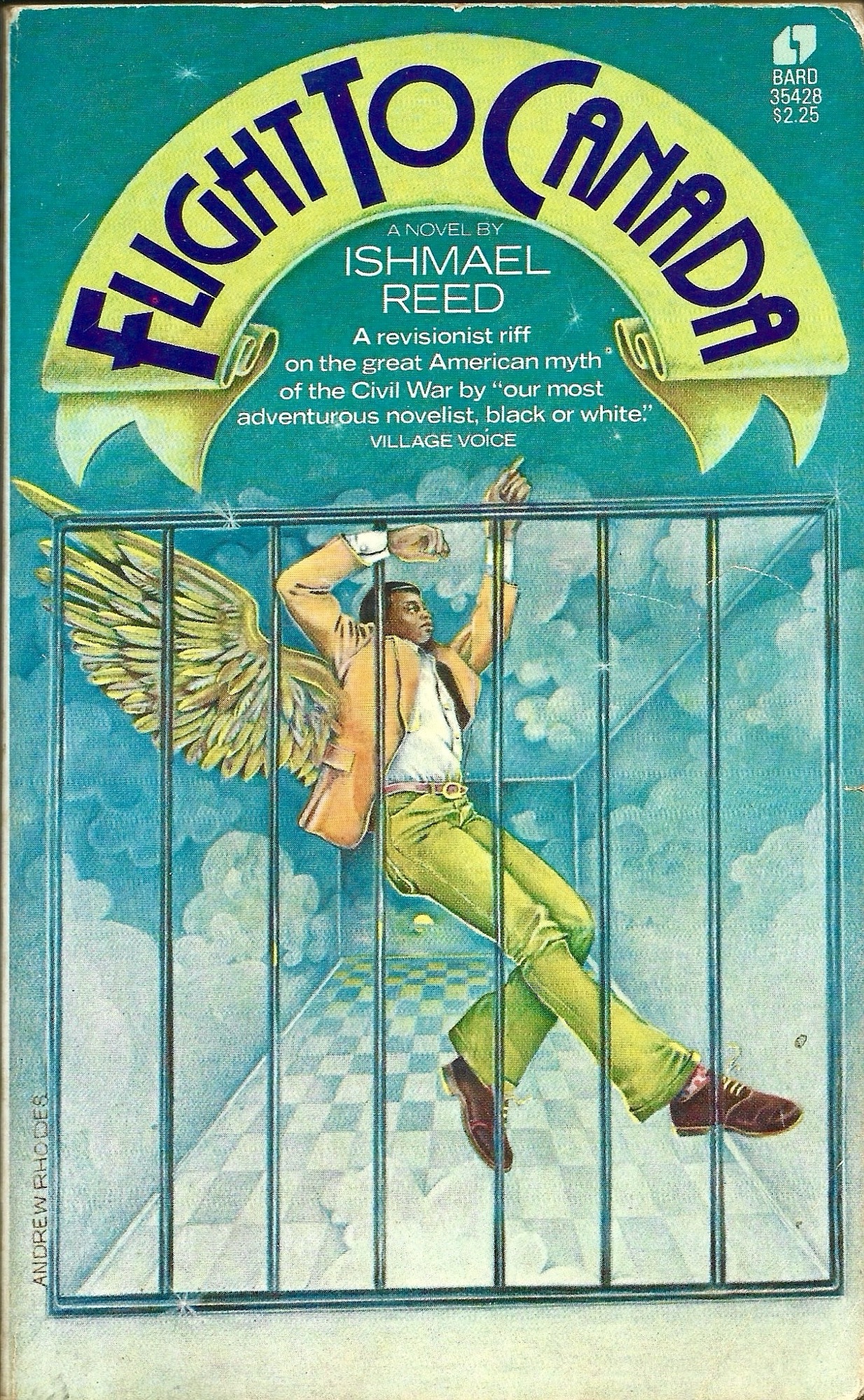
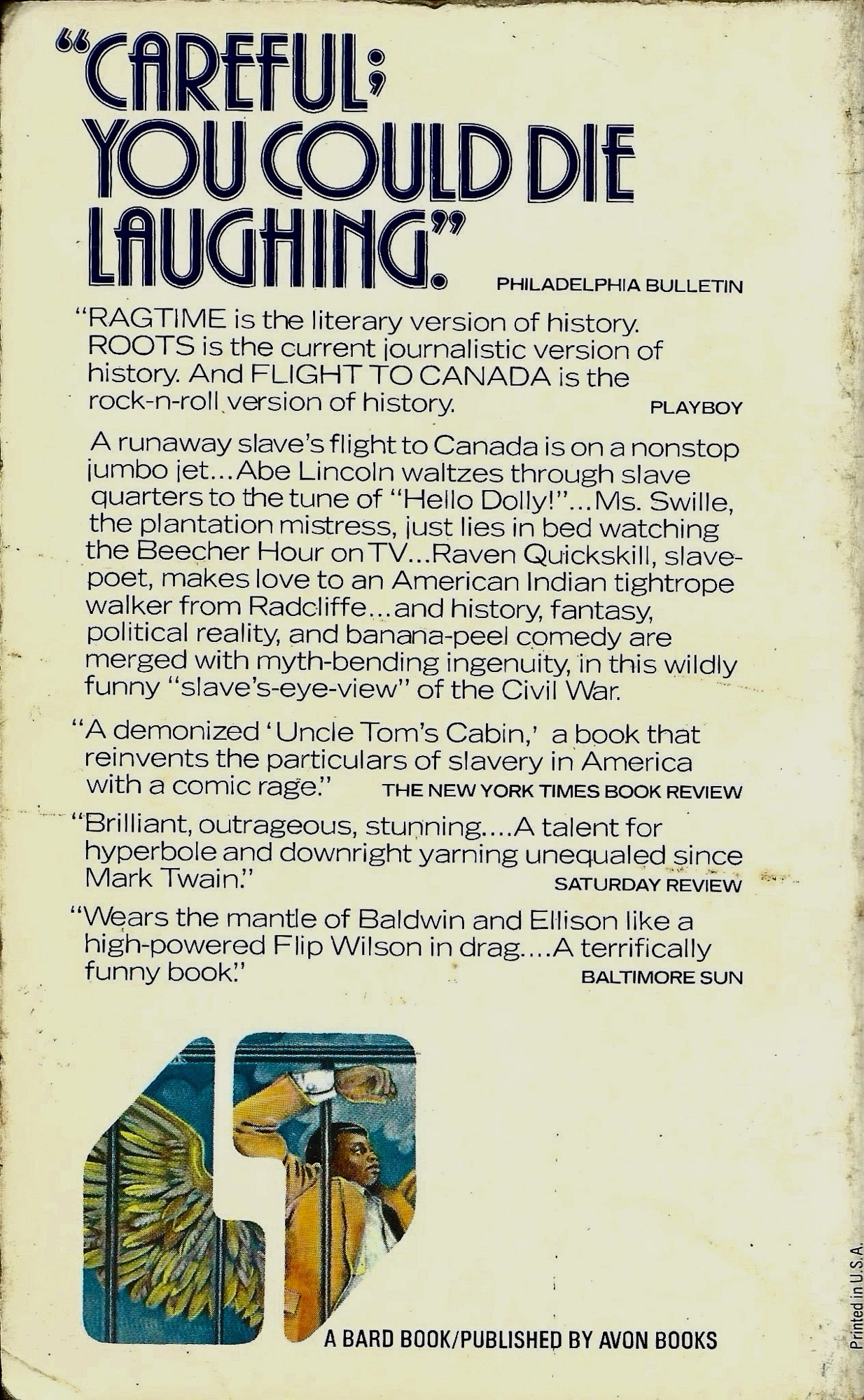
Flight to Canada, Ishmael Reed, 1976. Avon Bard Books (1977). Cover art by Andrew Rhodes; no designer credited. 192 pages.
From my 2020 review of the novel:
Flight to Canada features a number of intersecting plots. One of these plots follows the ostensible protagonist of the novel, former slave Raven Quickskill, who escapes the Swille plantation in Virginia. Along with two other former slaves of the Swille plantation, Quickskill makes his way far north to “Emancipation City” where he composes a poem called “Flight to Canada,” which expresses his desire to escape America completely. The aristocratic (and Sadean) Arthur Swille simply cannot let “his property run off with himself,” and sends trackers to find Quickskill and the other escapees, Emancipation Proclamation be damned. On the run from trackers, Quickskill jumps from misadventure to misadventure, eventually reconnecting his old flame, an Indian dancer named Quaw Quaw (as well as her husband, the pirate Yankee Jack). Back at Swille’s plantation Swine’rd, several plots twist around, including a visit by Old Abe Lincoln, a sadistic episode between Lady Swille and her attendant Mammy Barracuda, and the day-to-day rituals of Uncle Robin, a seemingly-compliant “Uncle Tom” figure who turns out to be Reed’s real hero in the end.
ReMass-market Monday | Ishmael Reed’s Mumbo Jumbo
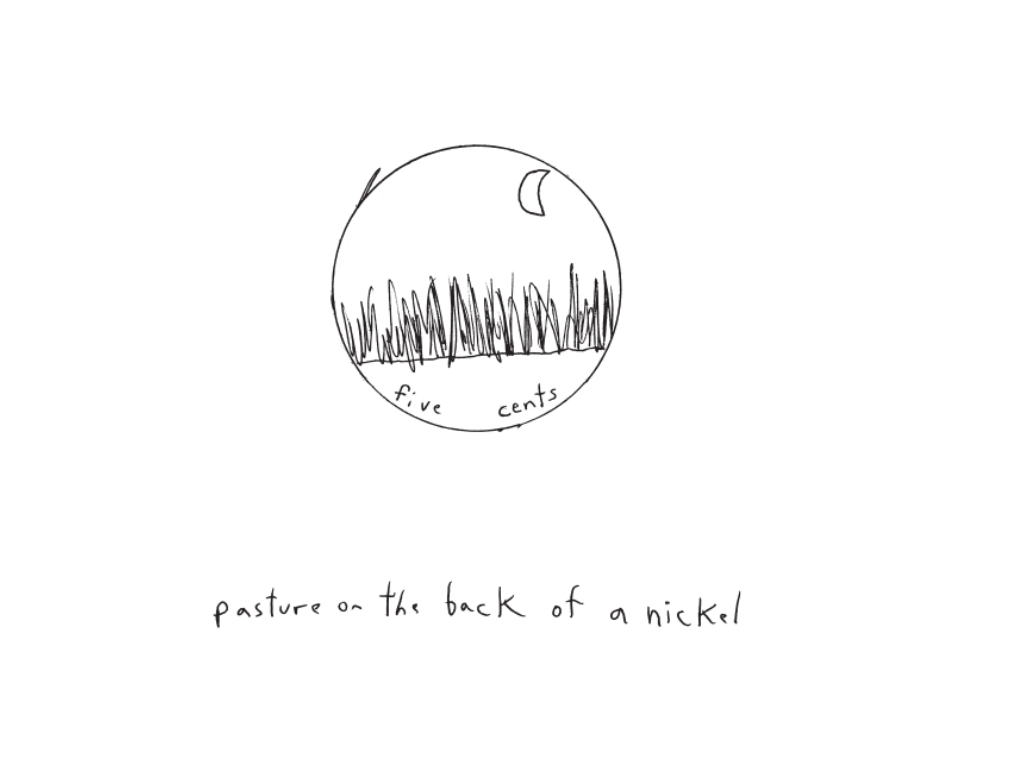
From The Portable February by David Berman, 2009, Drag City.
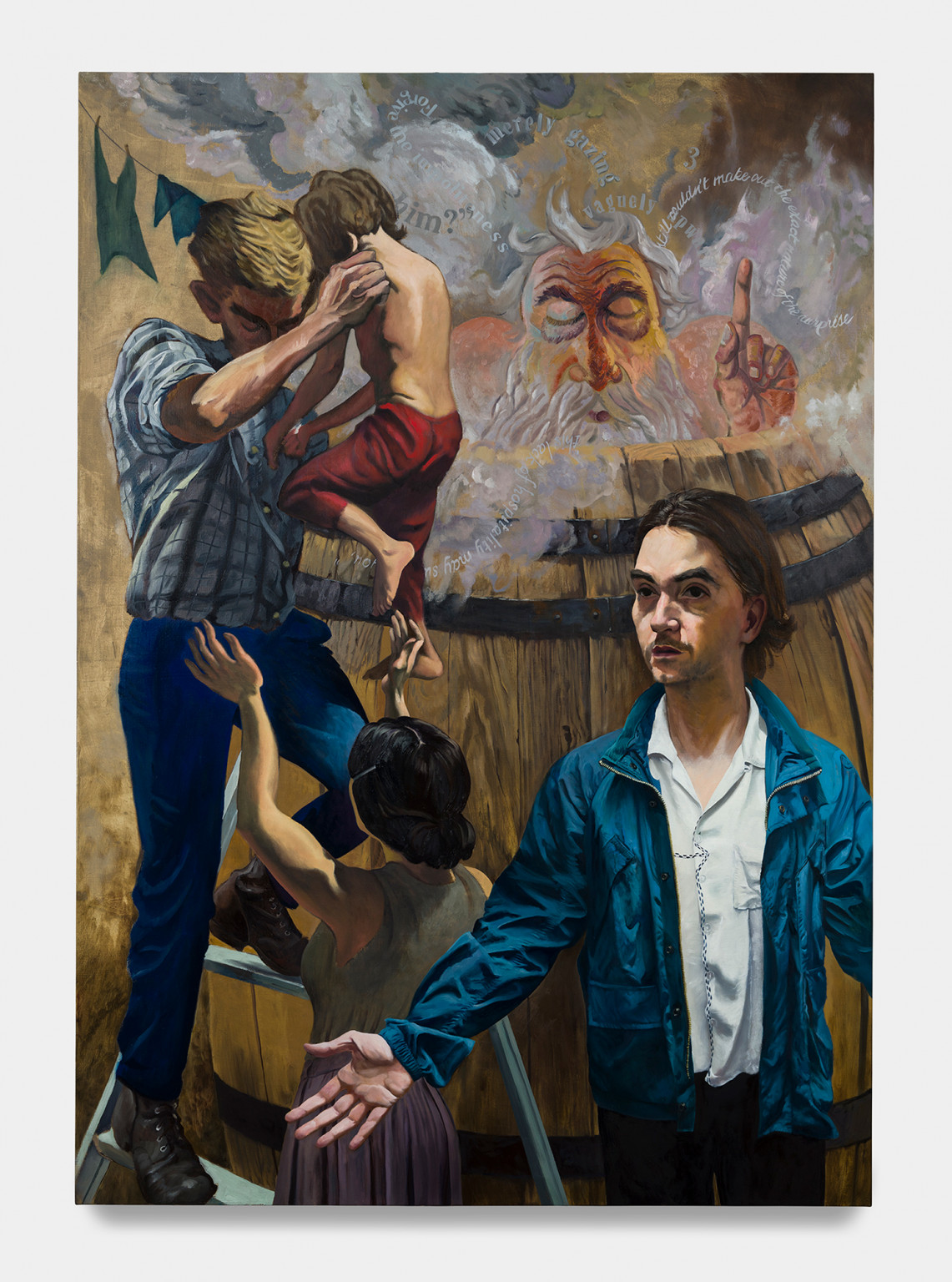
Peasants Washday, 2023 by Justin John Greene (b. 1984)

The Adoration of the Shepherds, 1888 by James Ensor (1860-1949)
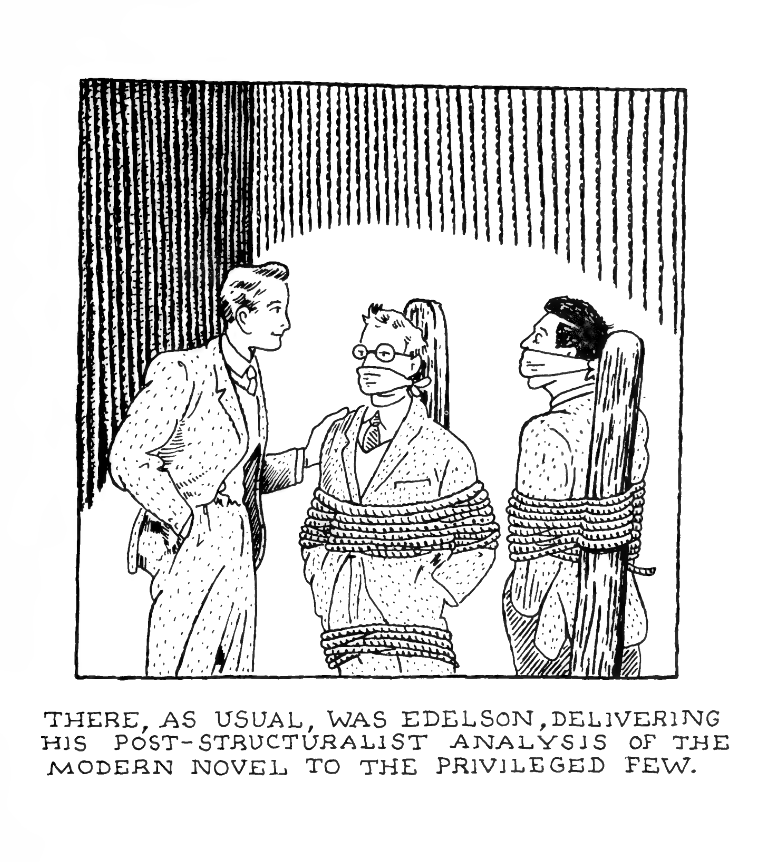

Discovery of Eschaton : Immanentize the Climate Change, 2020 by Mat Brown (b. 1980)
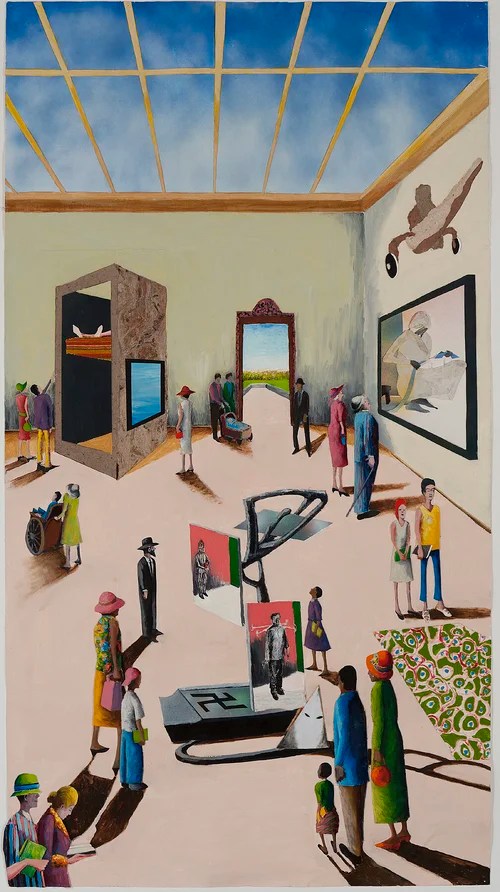
The Idea Museum, 2002 by Benny Andrews (1930-2006)
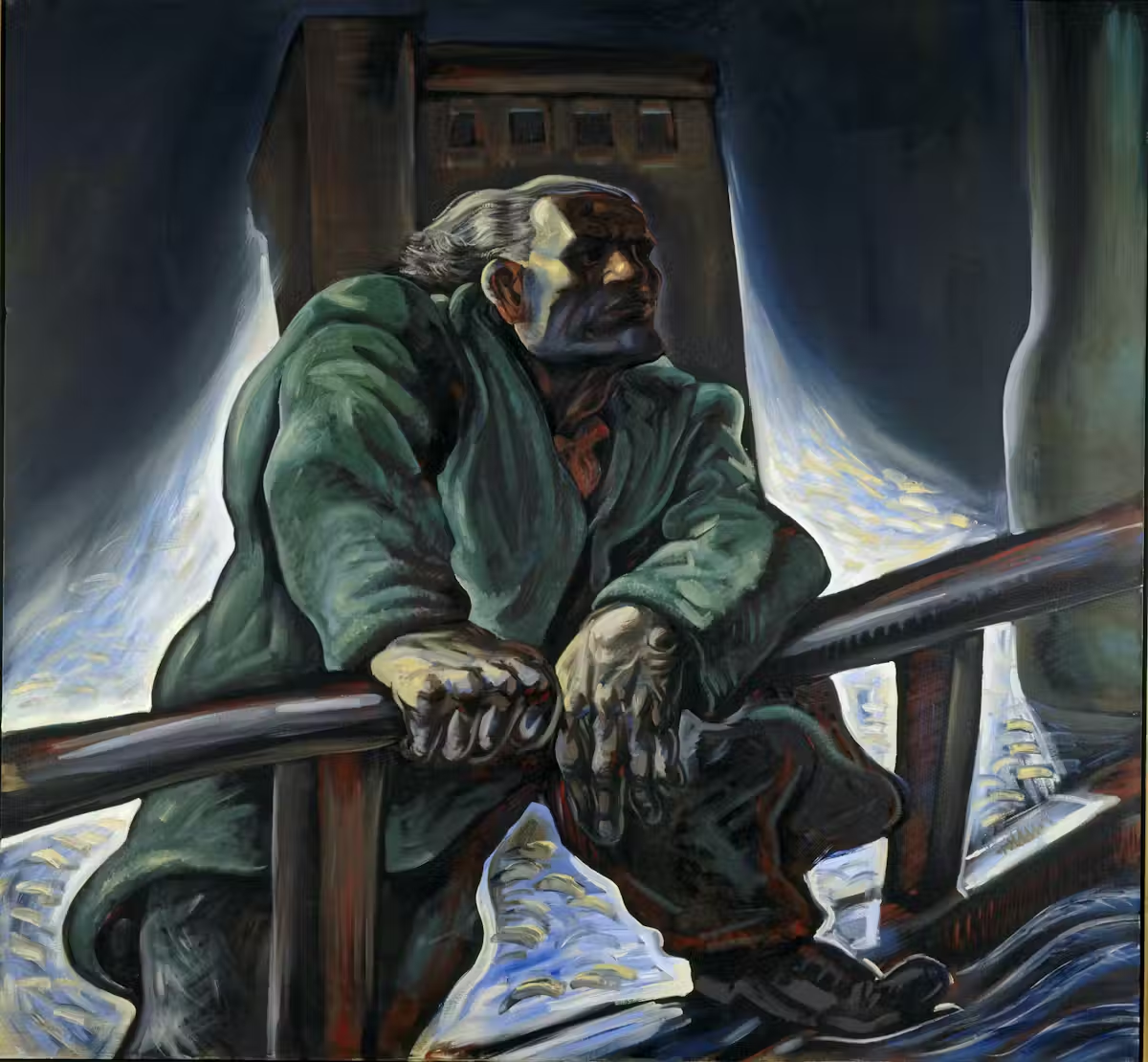
The Heroic Dosser, 1987 by Peter Howson (b. 1958)

I dug/was perplexed by Gerhard Rühm’s Cake and Prostheses a few years ago, so when I got my soft pink hands on The Folded Clock, (translated like C & P by Alexander Booth), I was intrigued. Publisher Twisted Spoon describes The Folded Clock as a collection of “number poems, comprising typewriter ideograms, typed concrete poetry, collages of everyday paper ephemera and scraps, and a wide variety of literary forms where the visual pattern created on the page underpins the thematic meaning.”

Rühm seems to identify Kurt Schwitters as his artistic precursor, or an artistic precursor. Like Cake and Prostheses, the pieces in The Folded Clock defy easy categorization — Is it a script or a poem or art? is probably the wrong question.
Passing eyes over the text is probably not the way to go; Rühm’s asking you to engage. As Joseph Schreiber puts it in his review at Rough Ghosts, you might follow Rühm’s directions and “allow yourself to read aloud and, there are you are, from the very beginning, not simply reading but actively engaging with the poem.”

I don’t really like numbers that much, at least not in a mob, a gang, a swarm. I tried and didn’t work out. Not just with this book but in general. I can’t count sheep, I guess.
I had a better time with Rühm’s forays into music and letters and collages; I enjoyed whatever psychotic version of minesweeper or Sudoku this piece is:

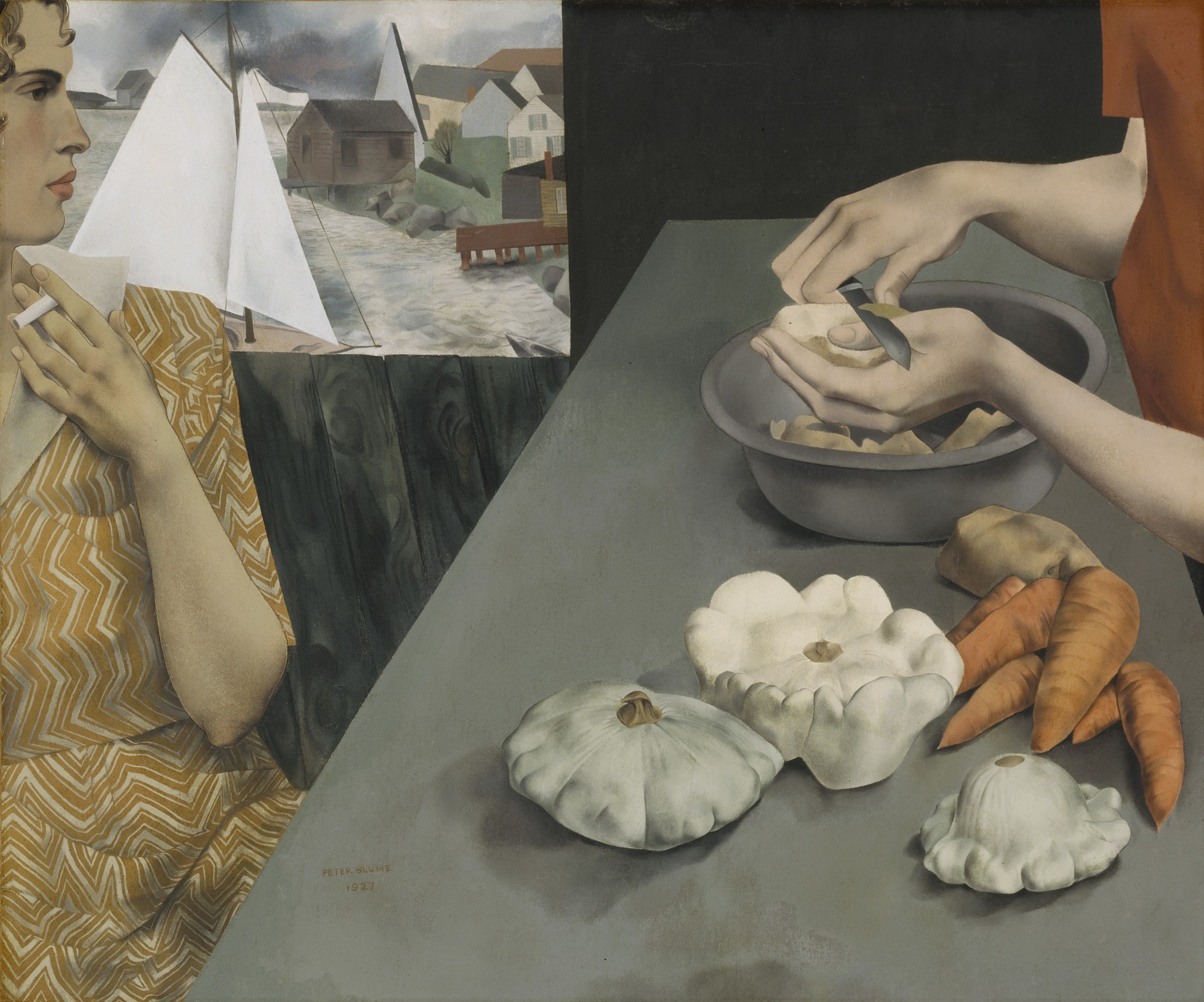
Vegetable Dinner, 1927 by Peter Blume (1906–1992)

Inge in Bed, 1965 by Alasdair Gray (1935-2019)
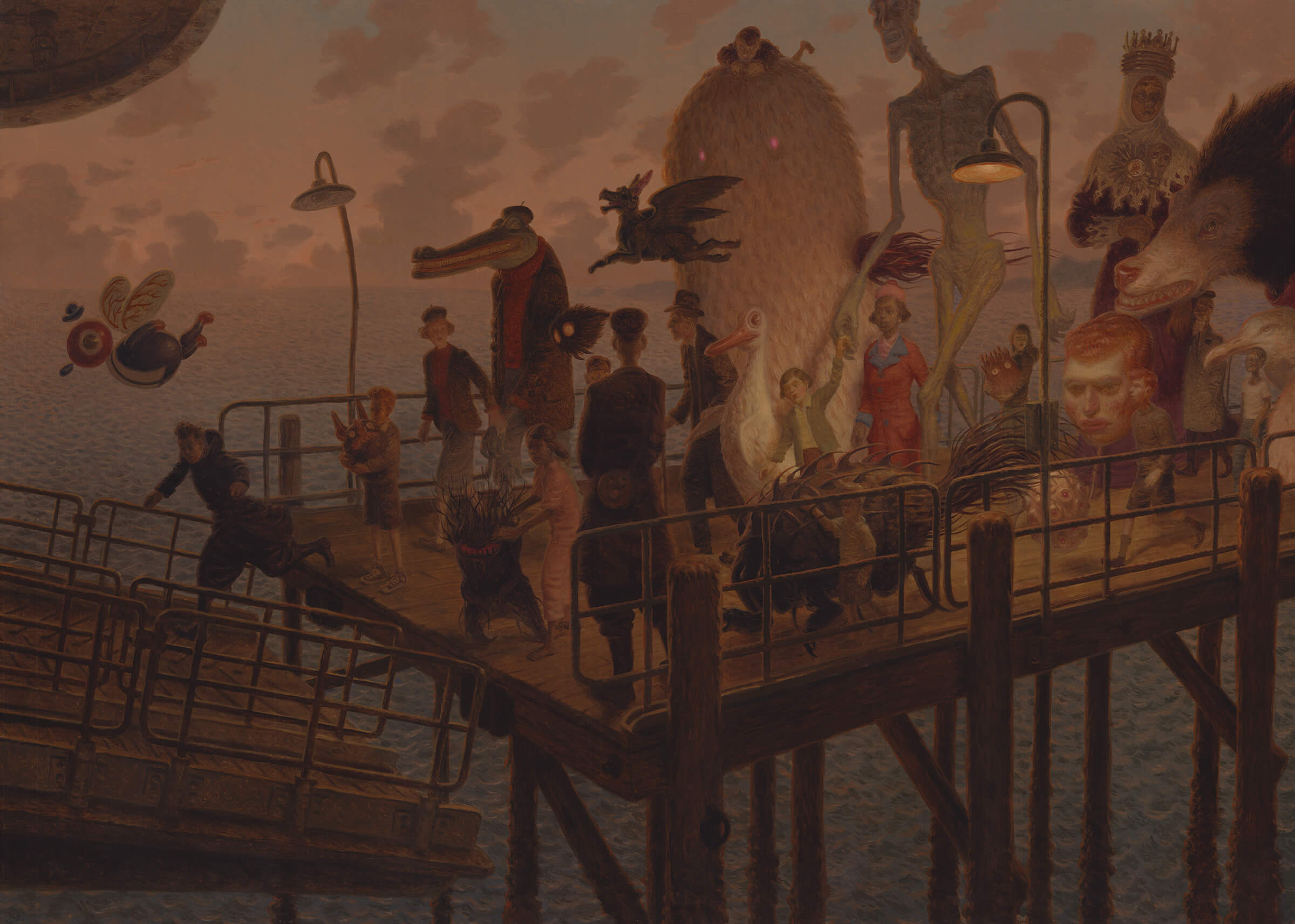
You Bring Your Tulpas When You Go (The Tenement Fire), 2021 by Peter Ferguson (b. 1968)
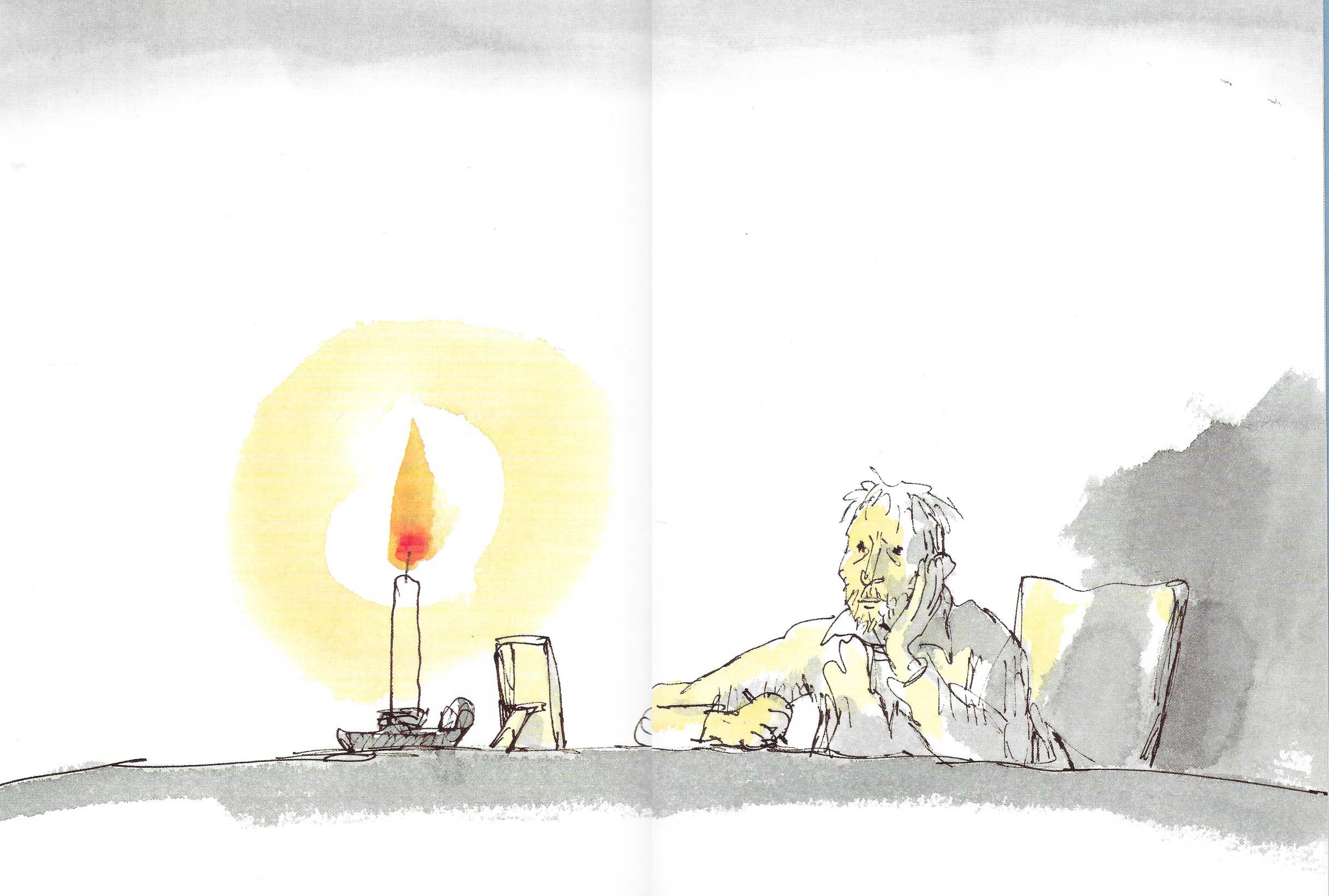
Illustration to Michael Rosen’s Sad Book, 2004 by Quentin Blake (b. 1932)
 Biblioklept