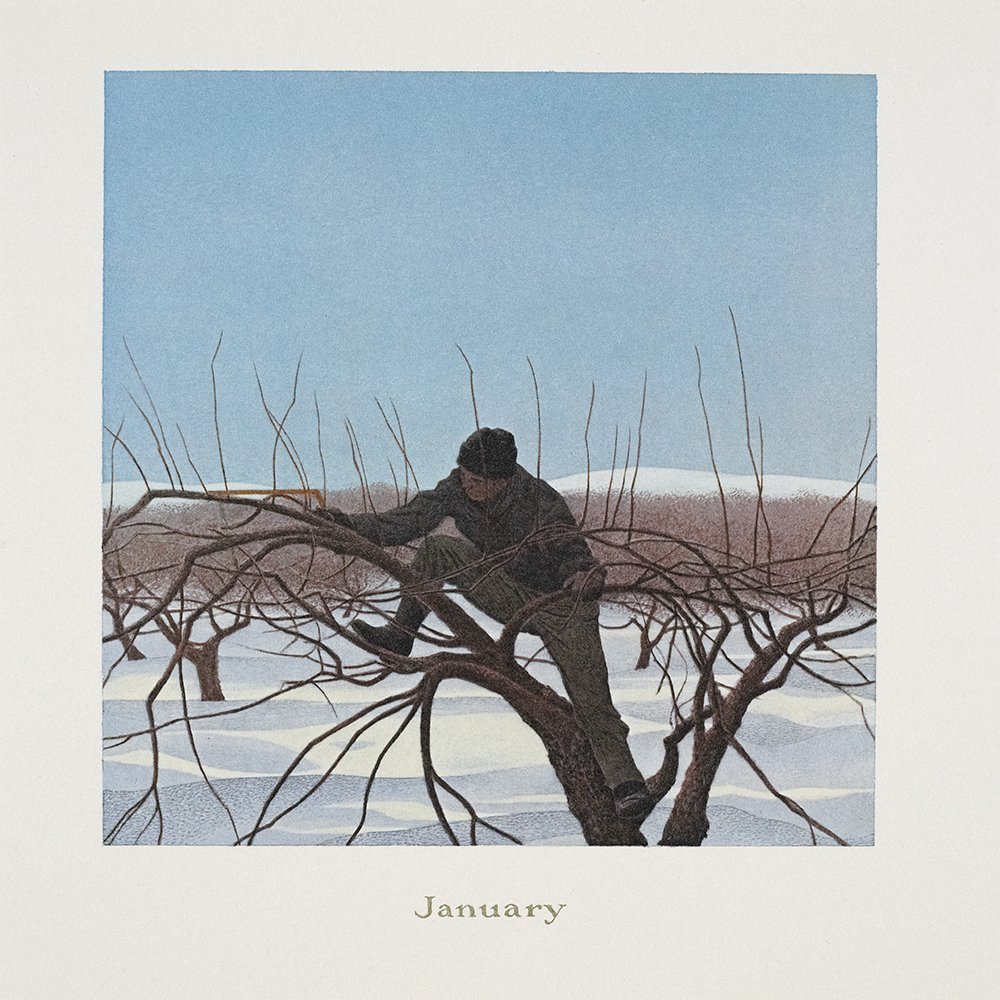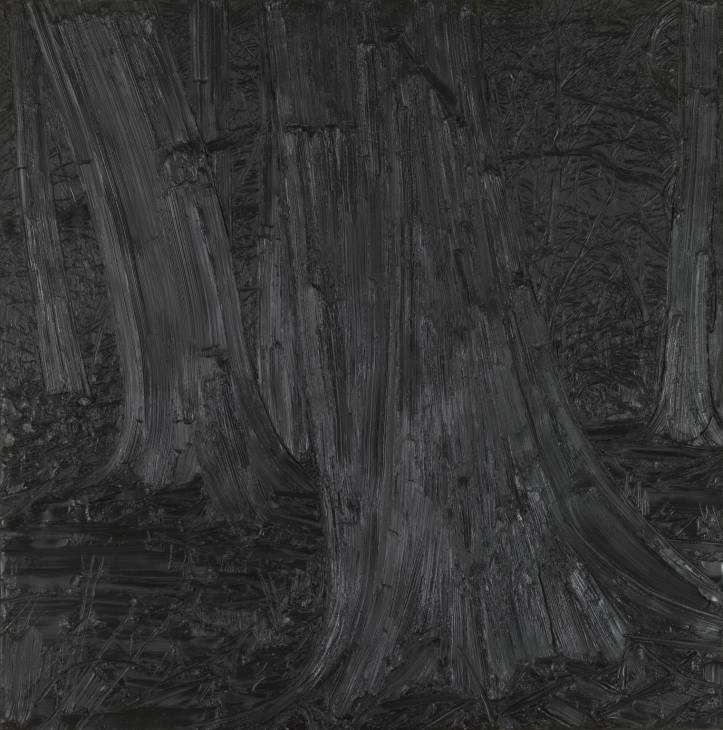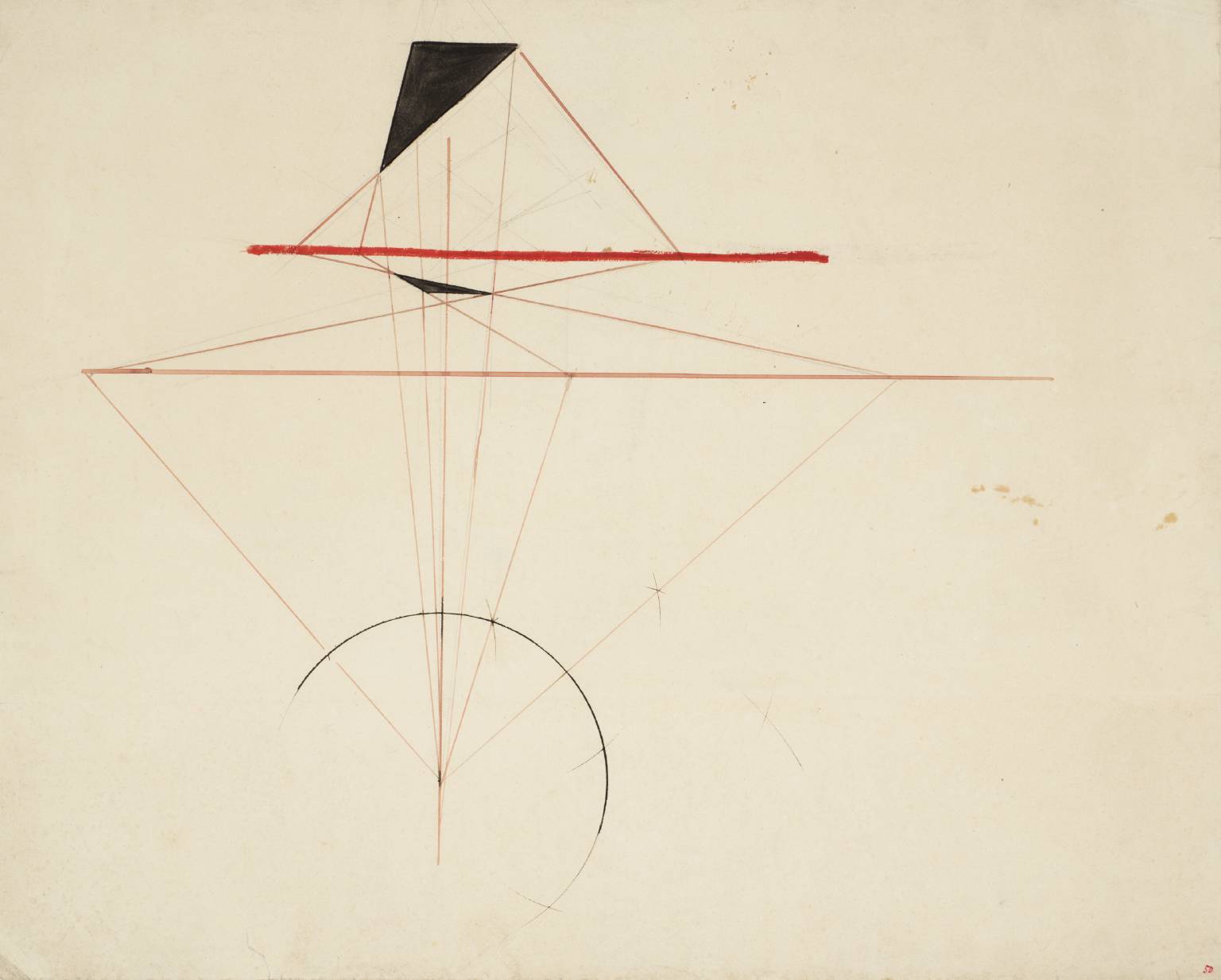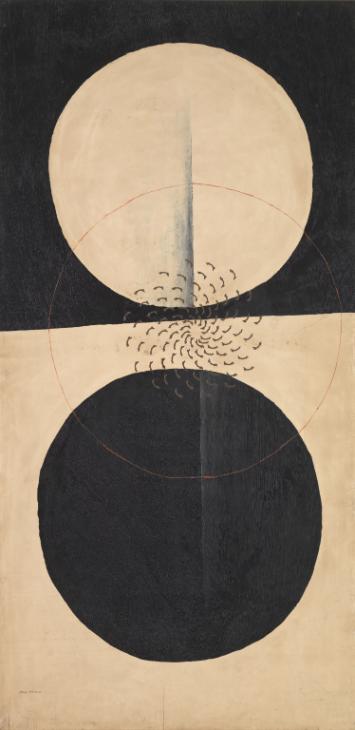
Two by Pessoa and Zak Smith’s Gravity’s Rainbow Illustrated (Books acquired last week and late last year)

Last week I finally got into a collection of Fernando Pessoa’s writing called Writings on Art and Poetical Theory. The books contains pieces that Pessoa composed in English, and is out next year from Contra Mundum Press. Their blurb:

Writings on Art and Poetical Theory contains a selection of Fernando Pessoa’s writings (or those of his heteronyms) on art and poetical theory, originally written in English. In Pessoa’s oeuvre one finds not only literary and fictional works but also a multiplicity of theoretical texts on the most diverse subjects concerning artistic movements, literature, and writers.

In this book, we witness Pessoa explore, through various heteronyms, general theories on poetics, the poetries of other heteronyms, the uses and abuses of criticism, and more. Also included are essays on sensationism (an aesthetic movement Pessoa dubs a new species of Weltanschauung), translation, and a brief history of English literature, which is comprised of fragments on Shakespeare, Milton, the British Romantics, Dickens, Wilde, and others, as well as additional material, such as Pessoa’s own poem Antinous.

This edition, prepared by Nuno Ribeiro and Cláudia Souza, allows us to have an overview of Pessoa’s writings on art and poetic theory — most of which are presented here for the first time to English readers —, thus opening the way for future studies on one of the most significant authors of Portuguese modernism.

Dabbling about in Writings reminded me that I’ve never made a stab at Pessoa’s monumental work, The Book of Disquiet. I picked up New Directions’ recent Complete Edition in translation by Margaret Jull Costa. I ended up reading a big chunk of it that night and have dipped into it all week and I’m not sure if I love it or hate it. It’s like the anti-Leaves of Grass, if that makes sense. It also seems like the kind of book to just pick up and read and random, which I’ve been doing since my initial fifty-page jog into it. In a short doses the fragments are lovely, poetic, aphoristic, but in longer dives the language becomes oppressive, the spirit draining and even venomous.

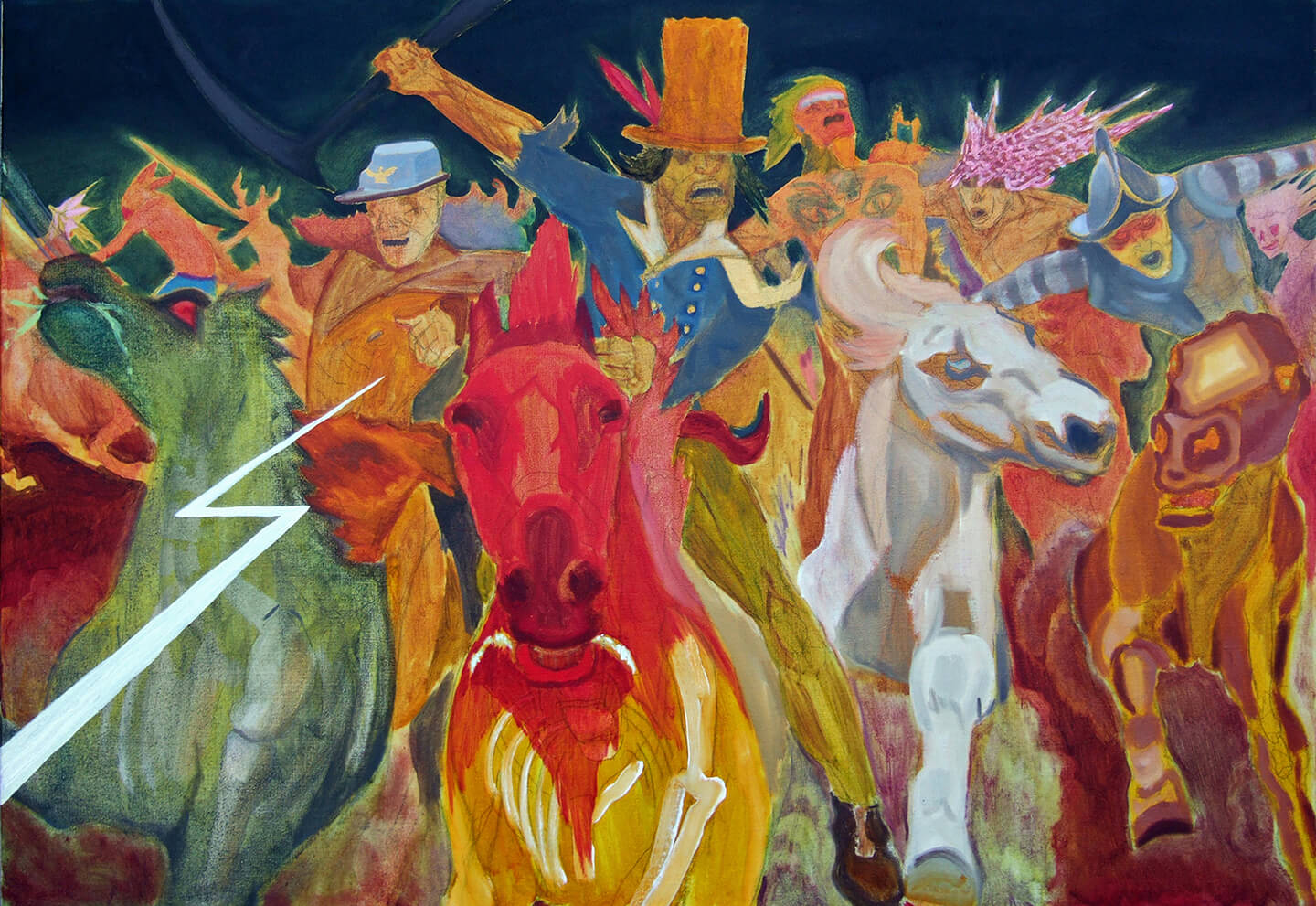
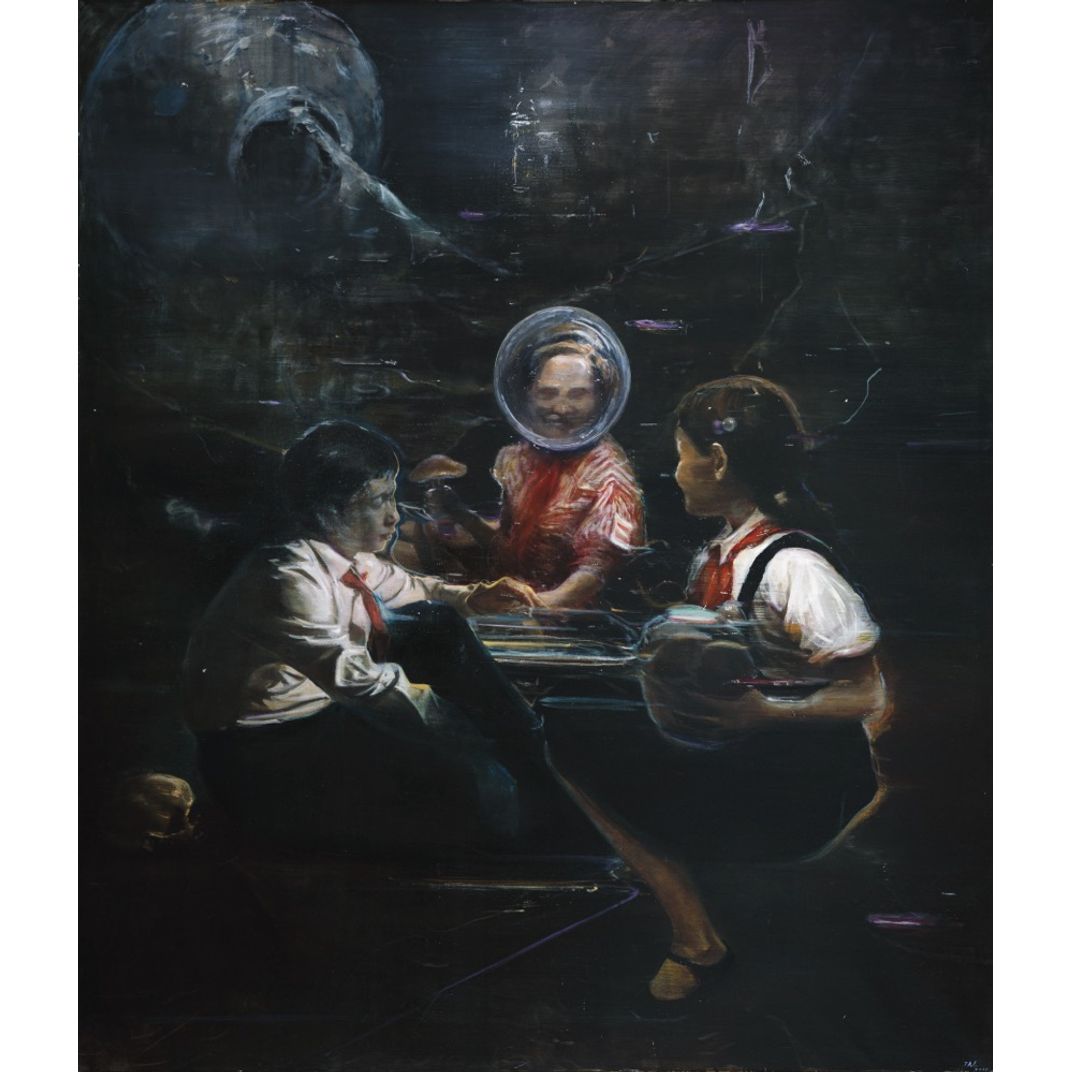
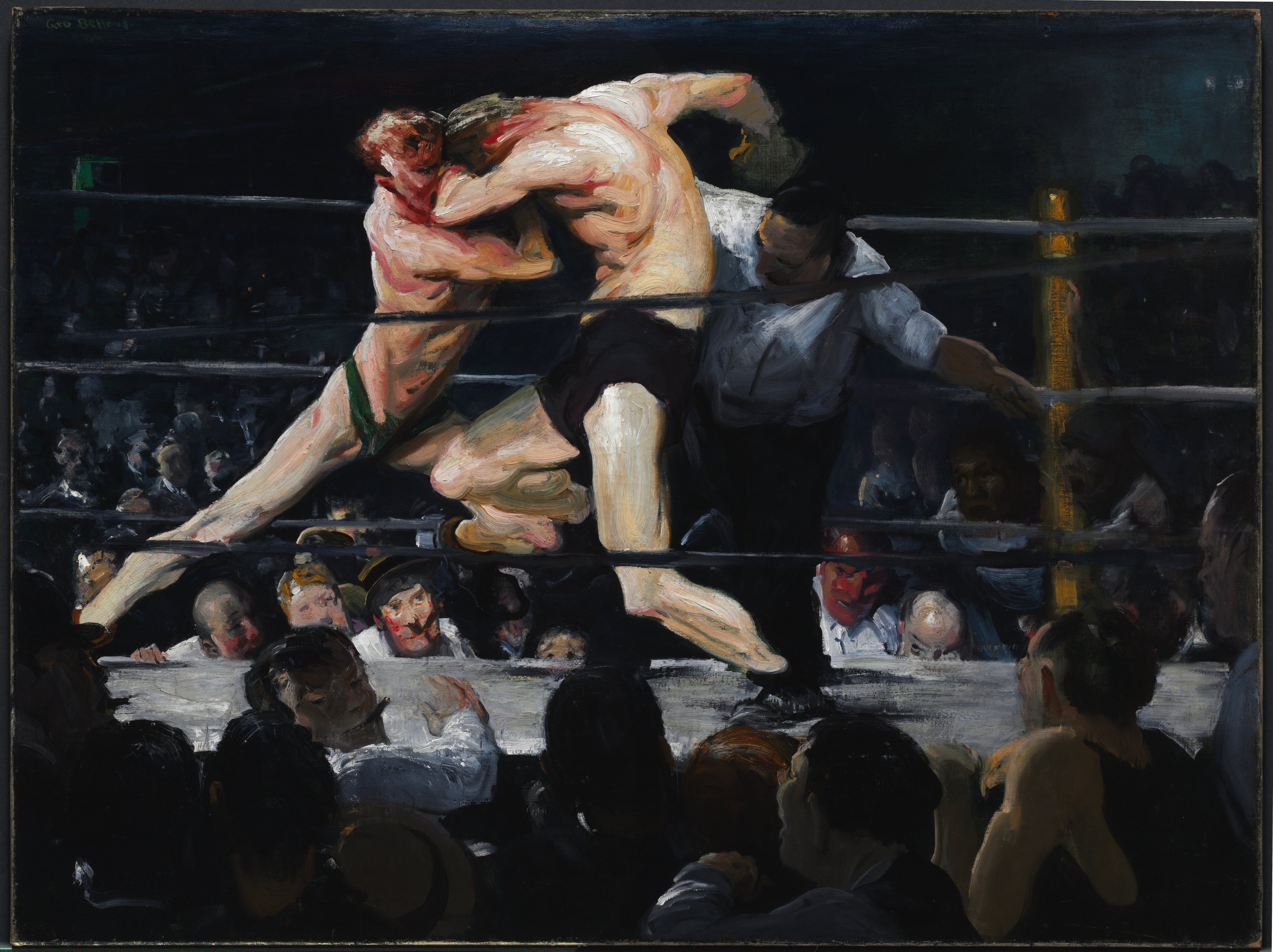
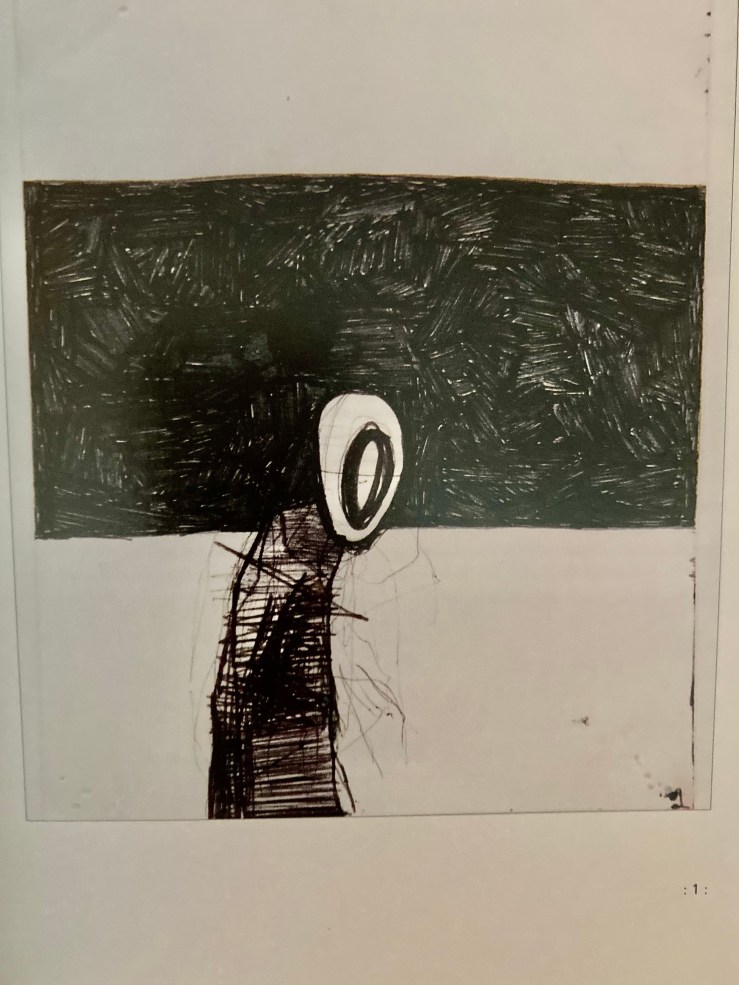
While I was at the bookstore I also spied a copy of Zak Smith’s Gravity’s Rainbow Illustrated. I’d found a used copy at this same story maybe ten years ago and thought twenty bucks was too much for it, and have regretted that decision for years now. Here’s the first page:
My entry in The Comics Journal’s “Best Comics of 2021” article

The Comics Journal’s lengthy write up of “The Best Comics of 2021” is up. Here’s my entry:

When I was a kid one of the greatest small joys of my short existence was reading the comics page in the morning newspaper, an experience that seems and quite literally is of another century. I loved Calvin & HobbesBloom County,and The Far Side, but my favorite was Peanuts. While it’s not exactly the same as poring over the morning paper’s comics, I love to see Peanuts on this Day in my Twitter feed. So much has been written on Charles Schulz‘s genius, so I won’t wax more – I’ll just add that Charlie Brown’s strange defeated ever-reemerging optimism still brings me a weird dark hope.

I also continue to really dig Drew Lerman‘s Snake Creek series. Roy and Dav are perfect heroes for the 21st century, a new Vladimir and Estragon wandering through Weirdest Florida. Lerman publishes Snake Creek on Instagram. He collected the first few years of the strip in a volume that is now out of print. I hope he’ll reprint it and put out the latest strips in a paperback at some point soon.

Another artist I followed initially on a social media app (Tumblr) is Yvan Guillo, aka Samplerman. Samplerman’s collages initiate his audience into a new world of pop art surrealism where the Ben-Day dots of twentieth-century pulp transmute into a comic book you read in a dream when you were a kid. I picked up his 2021 book Anatomie Narrative (Ion Edition) and got lost in it again and again. The word narrative in the title asks the audience to understand story in a new way (or to take the title ironically, which I do not). The story here is pure aesthetics.

Another book I loved this year was Paul Kirchner‘s Dope Rider: A Fistful of Delirium (Éditions Tanibis), which collects the Dope Rider revival published in High Times from 2015 to 2020 (Dope Rider‘s initial run was in the ’70s). Great art, great jokes, great goofy fun.

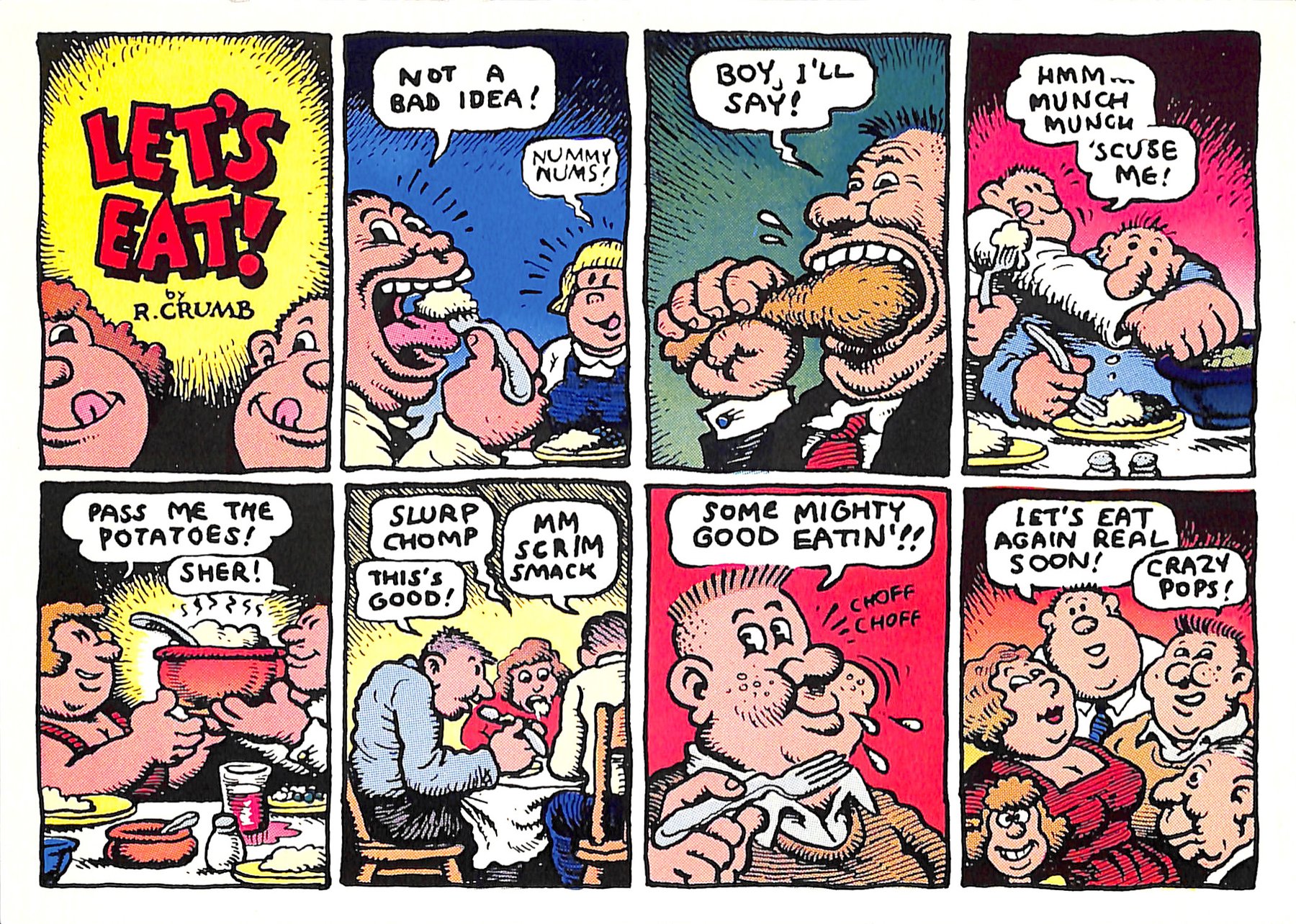
I also spent way too much of the little free time I have going through old issues of The East Village Other. The scans I pulled from JSTOR are difficult to read, but the graphics are really what interests me. Initially I was looking for comix by folks like Bernie Wrightson, Art Spiegelman, Robert Crumb, and Kim Deitch – but I also love all the old ads for weird albums, concerts, films, and books. A digital scan of an old, weird paper with its own weird comix isn’t exactly the same as having the paper in your hand. But it’s better than nothing.

Thomas Pynchon writes to Nathaniel Hawthorne

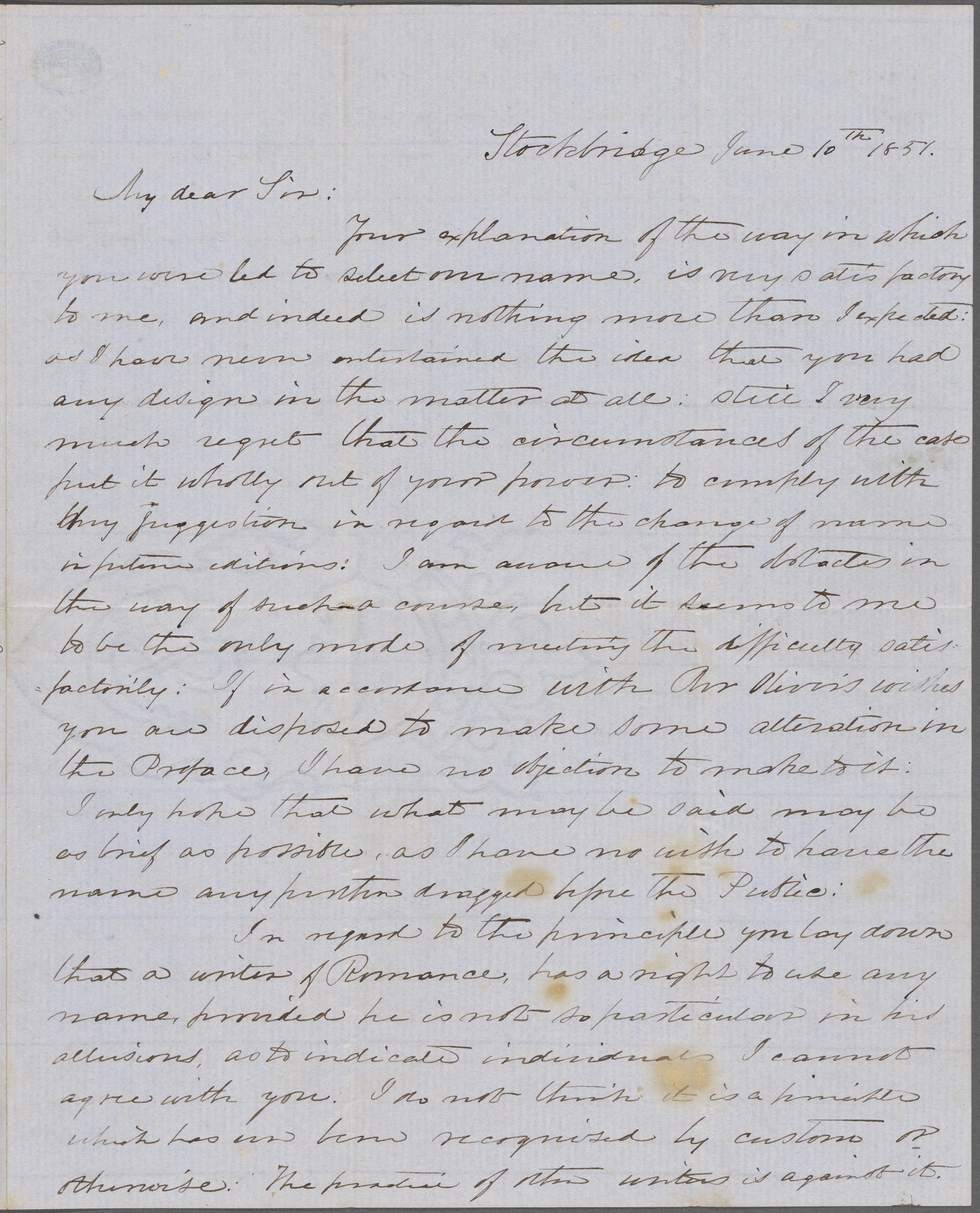
Thomas Ruggles Pynchon (the great-granduncle of American novelist Thomas Ruggles Pynchon) writes to the American novelist Nathaniel Hawthorne. From the New York Public Library Digital Collections.

Via Pynchon supersite Vheissu:

Nathaniel Hawthorne publishes The House of the Seven Gables. Rev. Thomas Ruggles Pynchon (1823-1904) writes the author a letter, complaining about the ‘abuse’ of the ‘Pyncheon’ name. This rev. Thomas Ruggles Pynchon will become the ninth president of Trinity College in Hartford, Conn, where he teaches science and religion. In 1881 he publishes an Introduction to Chemical Physics. His brother William is the great-grandfather of author Thomas Pynchon.