
Space Navigator Trying to Locate the Lizard Thief, 2020 by Davor Gromilovic (b. 1985)
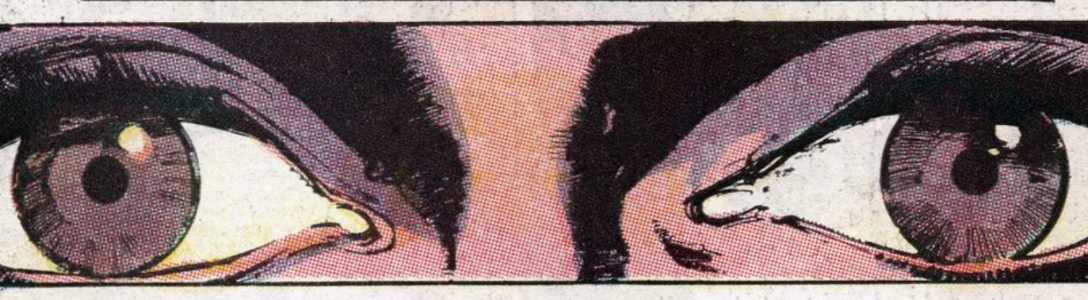
Space Navigator Trying to Locate the Lizard Thief, 2020 by Davor Gromilovic (b. 1985)
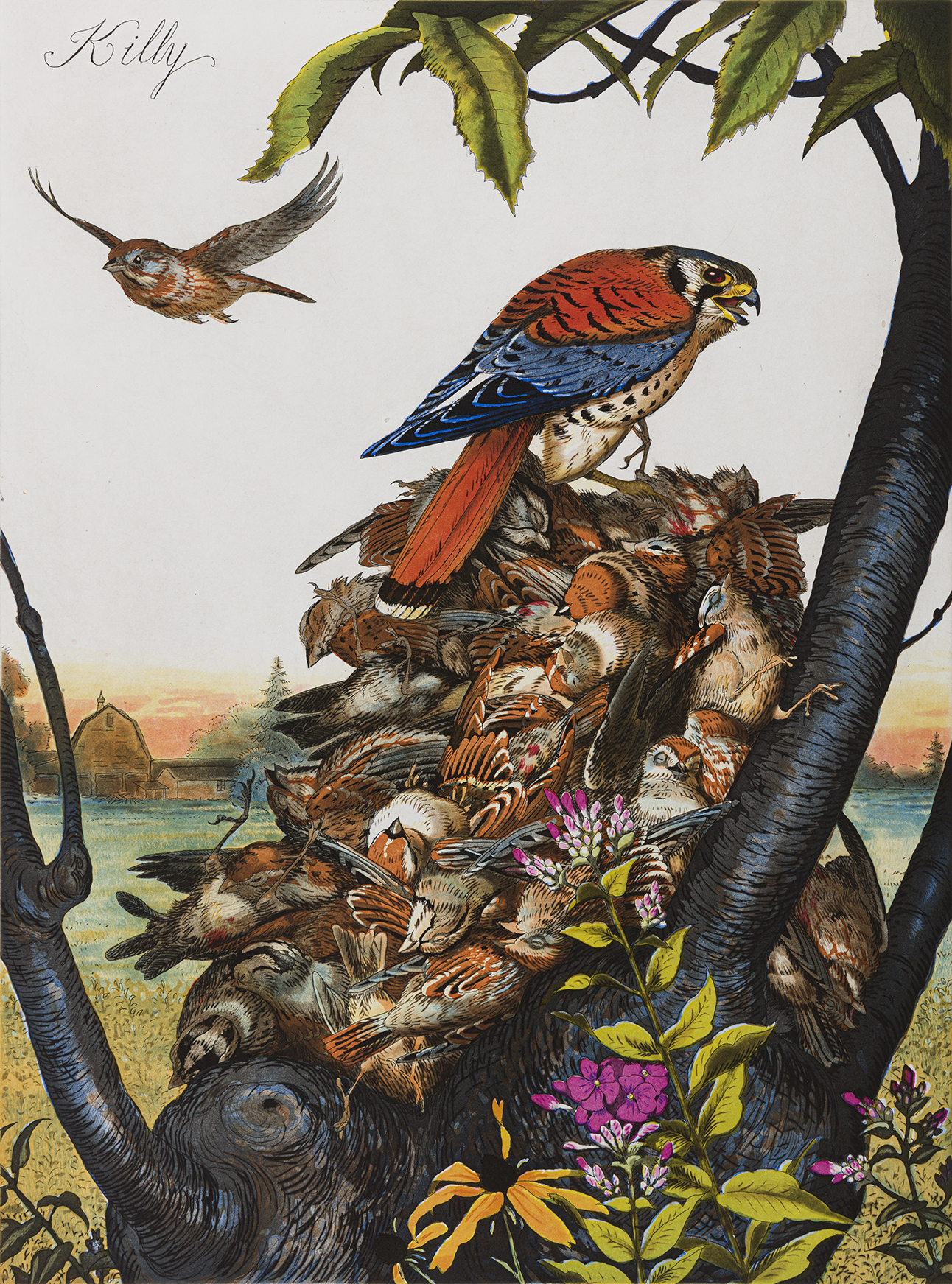
Killy, 2019 by Walton Ford (b. 1960)

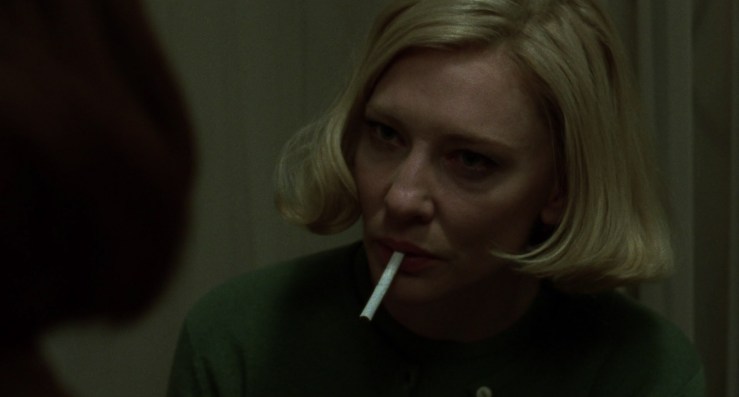
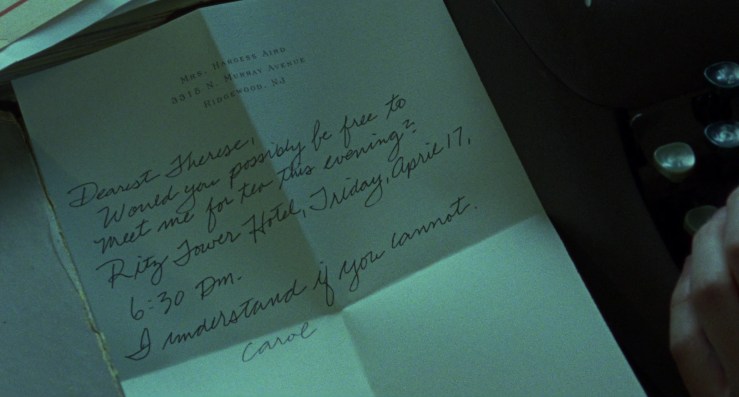
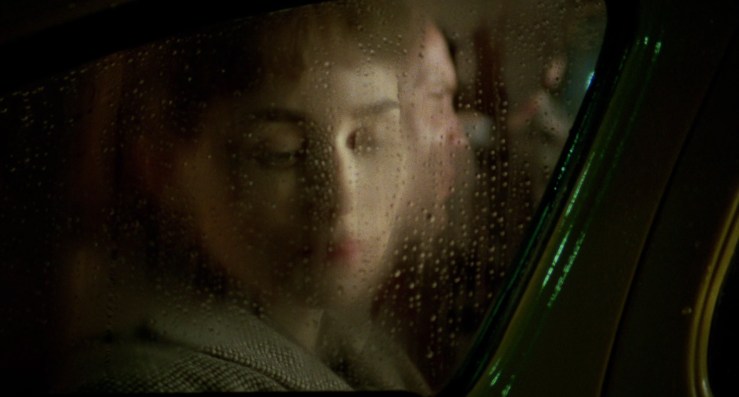
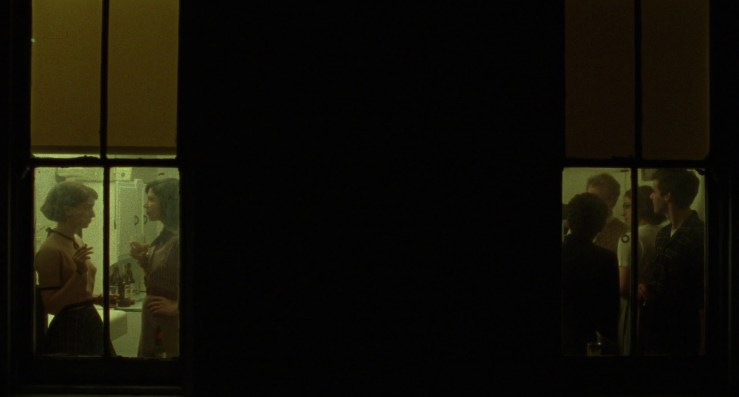
From Carol, 2015. Directed by Todd Haynes with cinematography by Edward Lachman. Via Screenmusings.
The Elite Armageddon Eight of the 2020 Tournament of Zeitgeisty Writers is all wrapped up, and we now have our Final Four(horsemen of the Apocalypse).
Let’s go bracket by bracket:
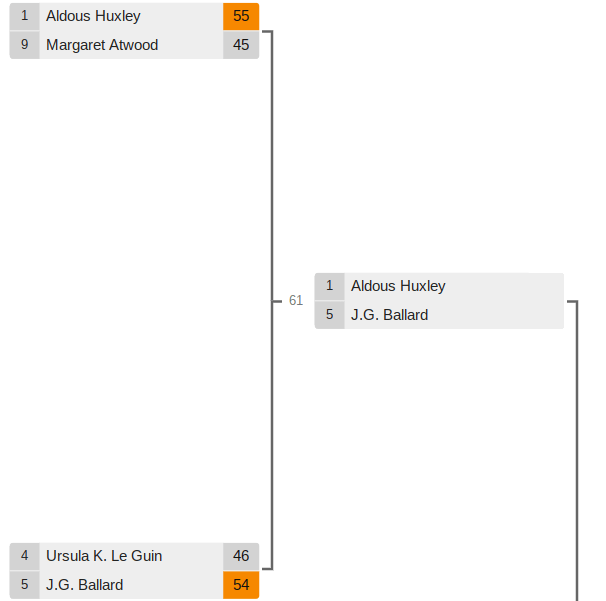
Margaret Atwood kept it close with Aldous Huxley, but lost in the end. I was rooting for her. I’m a huge fan of Huxley’s under-read apocalyptic pre-postmodernist Ape and Essence, but I have to admit I was rooting for Atwood.
I was torn between Ballard and LeGuin in the second bracket—both authors described and diagnosed our zeitgeist. Ballard prevailed.
Ballard will square off against Huxley in the Dead British Writers bracket of the Final Four.
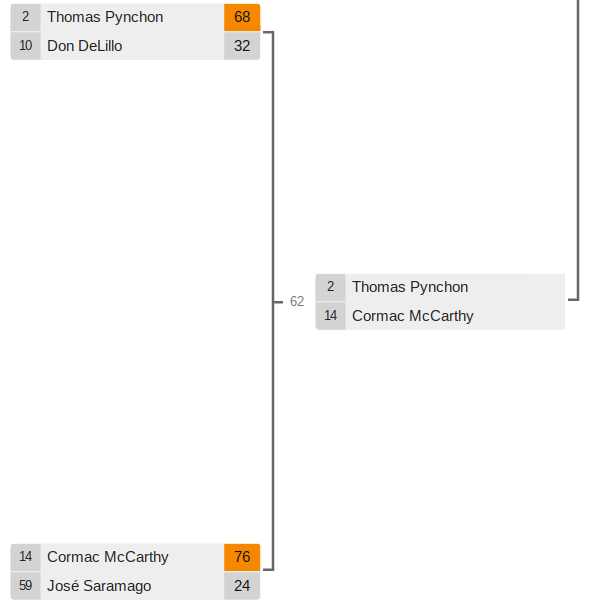
Pynchon and DeLillo both had tough roads to the Final Four. Pynchon beat out Anna Kavan and David Foster Wallace to get to the Elite Eight; DeLillo bested Pat Frank and Philip K. Dick. All of these writers are great, and, more importantly to our rubric, seemed to presciently capture the current dystopia the 20th century was brewing. (Okay, Frank isn’t great, but.)
Pynchon beat DeLillo easily though.
Like Pynchon, Cormac McCarthy pretty much thumped everyone he was matched against, including low seed José Saramago in the Elite Eight. While I’m sure a ton of folks will cite The Road as his zeitgeistiest novel, I’d argue it’s Blood Meridian (or even No Country for Old Men).
Pynchon will contend with McCarthy in the White American Authors in Their Eighties bracket of the Final Four. I’m not sure how to vote. In some ways, this is like, the final bracket for me.
RIP Krzysztof Penderecki, 1933-2020
![Canto X: [no title] 1982 by Tom Phillips born 1937](https://biblioklept.org/wp-content/uploads/2020/03/p07693_10.jpg?w=739)
Canto X, 1982 by Tom Phillips (b. 1937). From the Dante’s Inferno series.
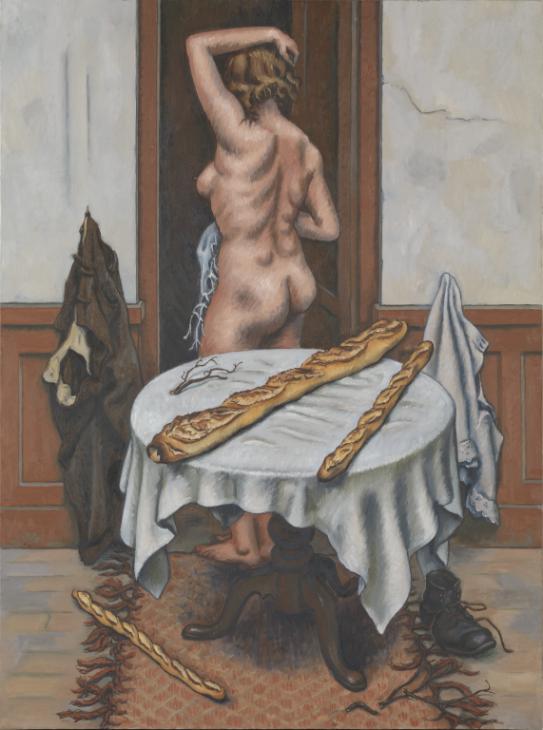
Nude with Loaves, 1952 by Jean Hélion (1904–1987)
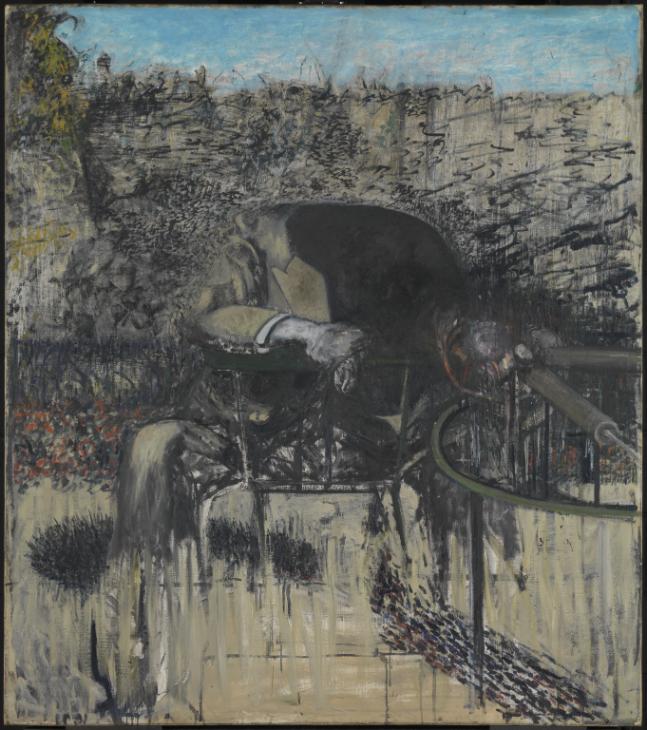
Figure in a Landscape, 1945 by Francis Bacon (1909–1992)

Little Hermit Sphinx, 1948 by Leonor Fini (1908–1996)
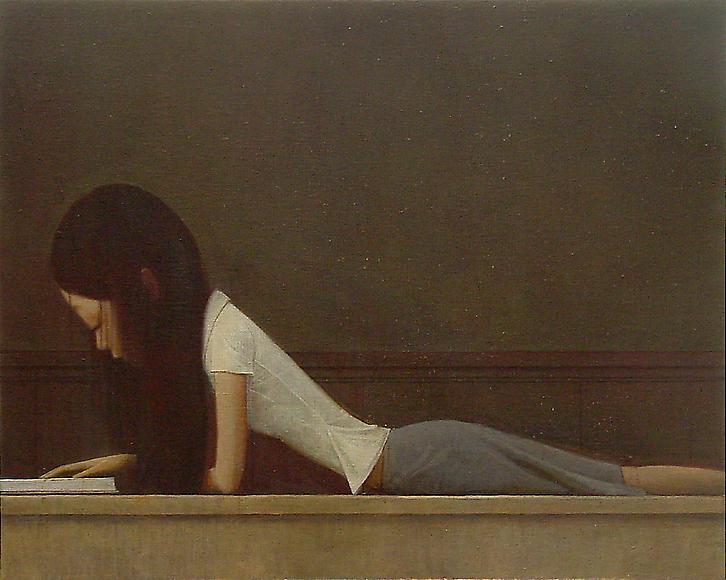
Banned Book 2, 2008 by Liu Ye (b. 1964)
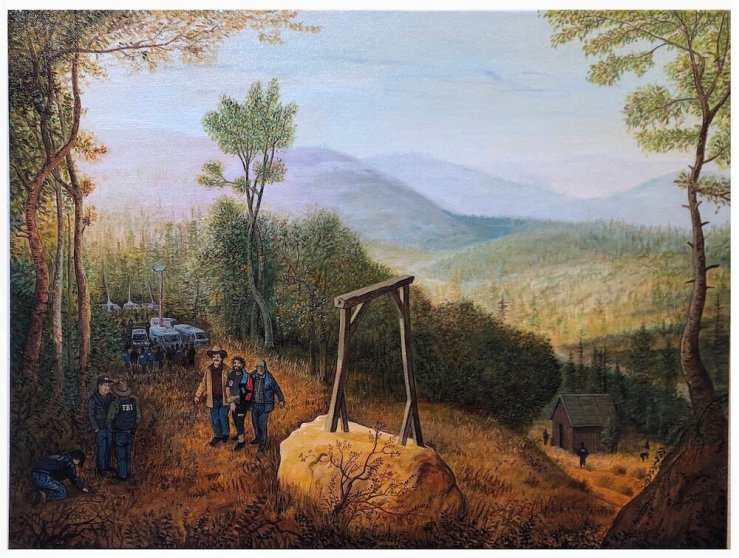
The Apprehension of Ted Kaczynski (Lincoln, Montana – April 3, 1996), 2019 by Sandow Birk (b. 1962)
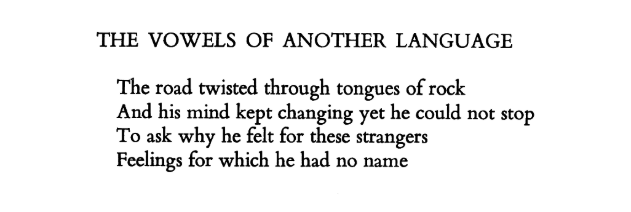
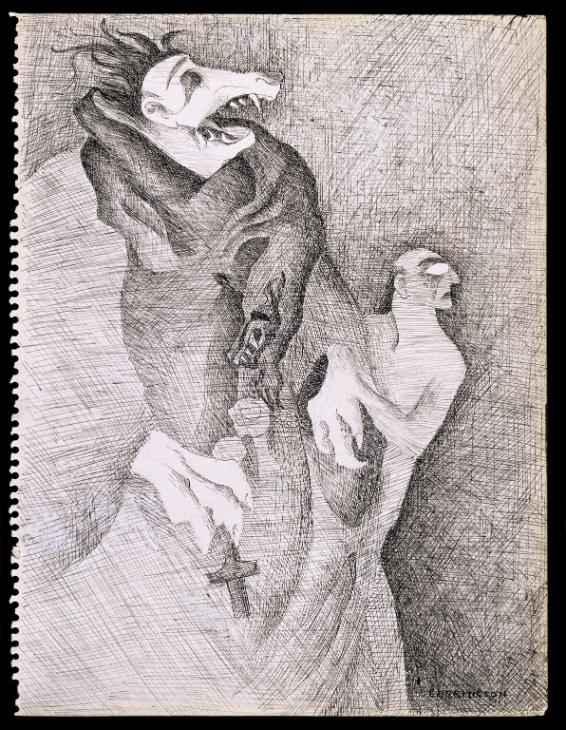
Do You Know My Aunt Eliza?, 1941 by Leonora Carrington (1917–2011)
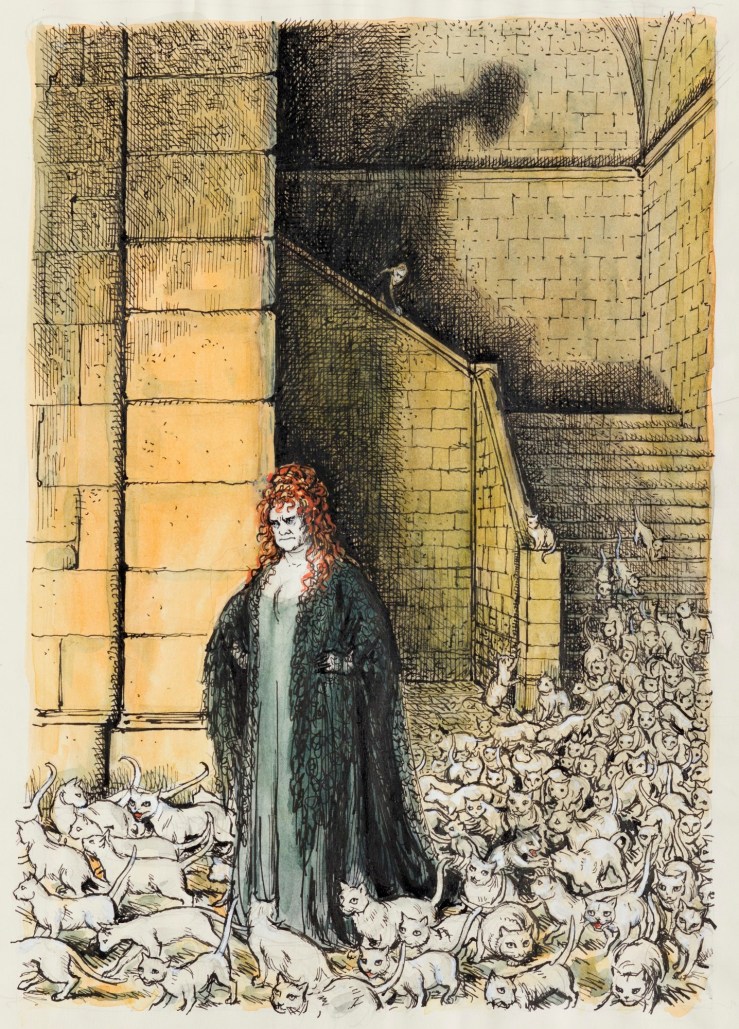
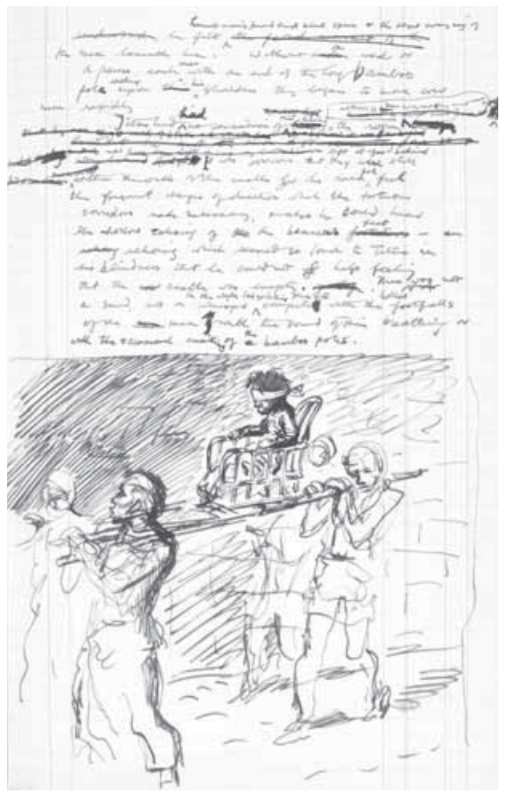
On the Way to the Doctor, 1974 by Charles W. Stewart (1915 – 2001).
Part of a series of unpublished illustrations that were to illustrate Mervyn Peake’s 1950 novel, Gormenghast. (More here.)
On Sunday, I came up with a list of 64 writers that have written novels or stories that either anticipate, reflect, or otherwise describe our zeitgeist. The first dozen or so seeds (as well as the bottom dozen or so) came rather intuitively to me, but the writers in the middle were seeded somewhat randomly. I used Twitter’s poll feature to determine the winners of Round One. In most of my polls, I included a third option, where voters could choose just to see the poll results instead of actually voting; I won’t be doing that going forward, because the data looks, if not exactly skewed, well, just a little off-putting, as in Round 1, Bracket 8 below:
My intuition is that Disch (Camp Concentration) and Walter Miller (A Canticle for Leibowitz) were either too obscure for many folks, or at least not writers very many people are passionate about.
Sinclair Lewis (It Can’t Happen Here) tied with China Miéville (Marxism, steampunk, Perdido Street Station, bold baldness) and went to a tie (I managed to misspell China Miéville’s name in both tweets)—
I was also surprised by top-ten seed Octavia Butler (Kindred, Parable of the Sower) losing to José Saramago (Blindness). I suppose I seeded Saramago too low.
Here are the results of Round One and the match-ups for Round Two:
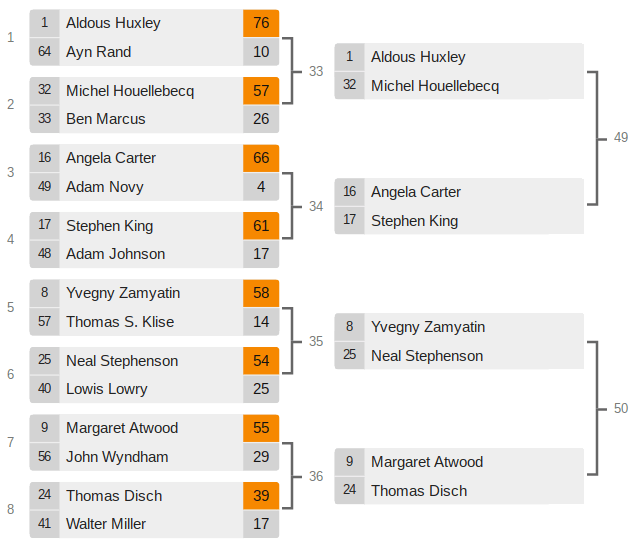
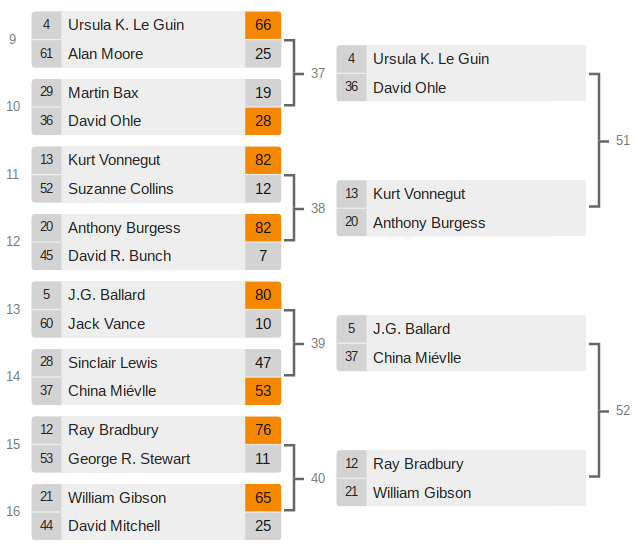


Bracket 46 is particularly painful for me!
Poll results by tweet:
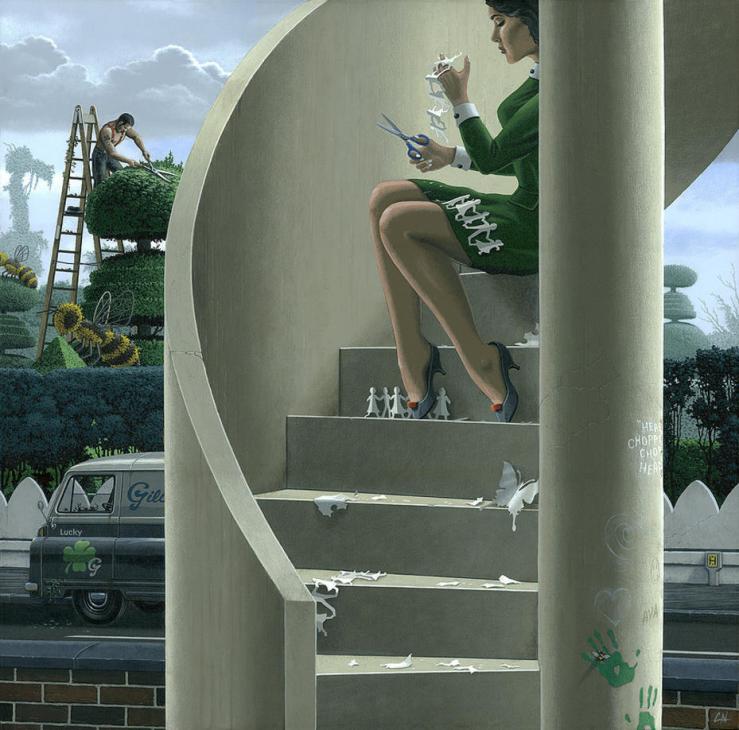
The Cutters, 2017 by Christopher Noulton (b. 1961)
 Biblioklept