The Spectacle of Michael Jackson’s Body

For the next few weeks, thousands, hundreds of thousands, possibly millions will remember, laud, argue over, and grieve Michael Jackson. His death, like his life, was utterly mediated–broadcast live on national television, Twittered, Facebooked. We were able to follow the accretion of details and speculations (facts?) in real time, as the status of Jackson’s body was updated (he was dead, he was rushed to the hospital, he was in a coma, no, he was dead). His death even precipitated a rush of other celebrity death notices, hoaxes that mutated across the internet. That Jackson’s death should precipitate so much confusion and rumor is commensurate with his strange life.

Jackson was probably the first person in the world to live a truly mediated life. From the age of eleven, Jackson’s image, voice, and dancing body became the communal property of the modern (industrialist, capitalist) world. Written roughly the same time as young MJ’s rise to national prominence, Guy Debord’s The Society of the Spectacle opens with the following salvo: “In societies where modern conditions of production prevail, all of life presents itself as an immense accumulation of spectacles. Everything that was directly lived has moved away into a representation.” What was Michael Jackson’s life but a series of transmogrified spectacular representations? Not only did we hear the development of modern music through his records, or watch fashions change through his bizarre styles, but, most significantly, we saw in Jackson a mapping of spectacle culture on to the very body itself. Like his character who mutates in the iconic “Thriller” video, or the faces at the end of his “Black or White” video, Michael Jackson’s body slowly morphed before our collective eyes, mediated in print and video, discussed and mocked and puzzled over. A full accounting of Jackson’s eccentricities is neither necessary or possible here, but it’s worth pointing out that the man’s level of estrangement was of such an acute degree that, beyond attempting to remap the world (turn it into a Neverland) and reconfigure the flow of time (an attempt to reach an imaginary past), he remapped his whole body.

While he wasn’t the first celebrity whose body became a site of/for spectacle culture (Marilyn Monroe springs immediately to mind), Jackson’s corpus is undoubtedly the signal symbol of the mediated American Dream, the most hyperbolic example how the human body might mediate consumerist desires. As Debord also pointed out in Society, “The spectacle is not a collection of images, but a social relation among people, mediated by images.” The death of Michael Jackson is precisely not the death of Michael Jackson’s body, which will continue to live on, like one of the “Thriller” zombies, a spectacle absorbed and batted about by the spectacle culture. It will continue to exist as a rarefied nostalgic currency, for if we grieve the death of Michael Jackson, what precisely are we grieving if not a spectacular reflection of our own (mediated) development? Michael Jackson’s body (of work) will always be resuscitated as a nostalgic marker for at least three generations of Americans (and the rest of the world, really). I do not believe that most of us mourn the death of Michael Jackson; instead, we continue to participate in his spectacle (or, rather, the spectacle of him) as a means of prolonging our own vitality and placating our own sense of self. It is not the loss of Jackson that we might acutely feel but instead a demarcation upon our own mortal bodies, for if a changeling like Jackson cannot escape bodily death, what hope do we have? At the same time, paradoxically, participating in the spectacle of the death of Michael Jackson’s body partially alleviates (even as it subtly calls attention to) these anxieties. By affording Jackson (the illusion) of a certain immortality, we retain our own developmental, life-long investments in his spectacle, and, in turn, hope to secure our own bodies against the ravages of age, disease, decay, accident, gravity.

But what are the long-term costs of maintaining such grand illusions? As our society becomes increasingly mediated, are we arcing toward a more democratic and enriching series of personal connections, or are we fragmenting and disassociating into solipsism and self-reflexivity? Or, to return to Jackson, does his music represent personal connection and the transmission and articulation of genuine sentiment, or is it simply the glamorous reduction of crass popular culture? Is it possible to feel genuine empathy toward Jackson? Or has the spectacle of Michael Jackson’s body infiltrated our culture to the point at which any real, unmediated human response to his passing become an impossibility, an articulated fiction masking narcissistic nostalgia? Although these are not intended as rhetorical questions, I don’t suppose there are simple answers for them either. Ultimately, I think as long as our spectacle society exists, Michael Jackson’s body will continue to exist. And probably, as our culture ages–and this is scary–it will become a relic or monument to a simpler time.
Good Friday

As the B-52s understood so well, we all need some good stuff in our life. Here’s some good stuff:

unaccustomed-earth

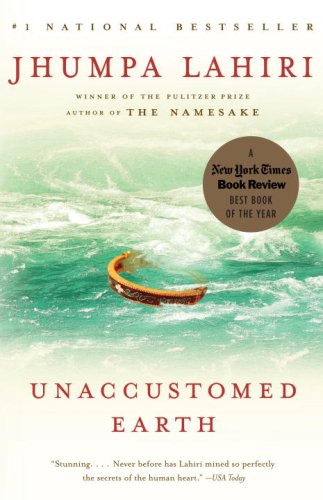
Jhumpa Lahiri’s much-lauded collection of short stories, Unaccustomed Earth, is out in paperback from Vintage this week. Although I’ve only read three of the collection’s eight stories so far, it’s already easy to see why the book was so beloved last year. Lahiri explores the intersection of different cultures and the subtleties of generational conflict, but the themes and content of her stories always veer toward universals of domesticity–siblings, marriage, children, and all the troubles that go with them are studied here. I found bits of my own life echoed here in insightful and analytical detail, particularly in the heart breaker “Only Goodness.” Good stuff.

the-story-of-forgetting

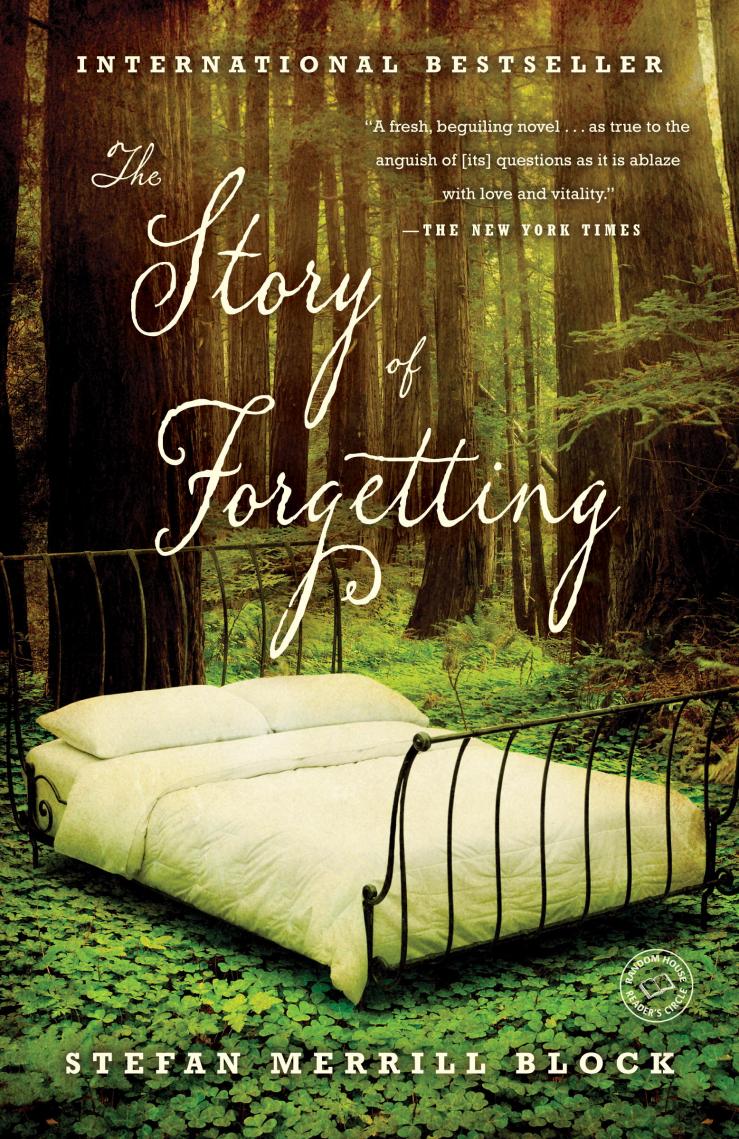
Also new in paperback this week from Randomhouse is Stefan Merrill Block’s debut novel The Story of Forgetting, and while I haven’t had a chance to get too far into it, its blend of science, medicine, memory, and fantasy seems pretty intriguing. Block examines Alzheimer’s disease through the lens of an elderly man named Abel, a misanthropic teen named Seth, and a Calvinoesque fantasy world called Isadora–a world without memory. Seems pretty cool; potential good stuff. Trailer here.

For more good stuff, check out our new tumblog Pet Zounds.

Here’s a cool interview from The Times with Bob Dylan on Presidential autobiographies and more. Good stuff.

neko-case-an02

You can also listen to all ninety minutes of Neko Case’s concert at the 9:30 club, broadcast live last night on NPR. Lovely Ms. Case transcends good stuff, of course.

dirty_projectors-bitte_orca-art

Speaking of transcendent good stuff, the new Dirty Projectors album, Bitte Orca, has, ahem, leaked. It’s the sort of greatness that makes you ashamed to be a pirate, the kind of album you can’t wait to actually buy even though you’ve been listening to it in full for a few months (it doesn’t drop until June 9th). Lush and ethereal, somewhere between Kate Bush and Storm & Stress, Bitte Orca is the sort of stuff that would play at high school proms around this country this year if this country had any class. Here they are playing “Stillness is the Move”:

Zora Neale Hurston Sings “You May Go But This Will Bring You Back”

315px-zora_neale_hurston_nywts

Zora Neale Hurston sings folksong “You May Go But This Will Bring You Back,” and then explains how she learns her songs. More info here.

Zora Neale Hurston Sings “Uncle Bud”

A salty song about a ribald gentleman by the name of “Uncle Bud,” whose “nuts hangs down like a Georgia bull.” Great stuff. The accompanying video footage was shot by Hurston herself on one of her trips through south Florida, where she collected the folktales and songs of rural blacks. Many of these tales–often called “lies”–are found in Hurston’s Mules and Men, a hybrid work that novelizes these narratives into a cohesive whole, an afternoon spent on a porch telling stories and singing songs. Recommended.

mules

Strange Fruit

In cynical times, it’s far too easy to dismiss the value of the arts. But listen to Billie Holiday’s recording of “Strange Fruit.” When Holiday put Bronx high-school teacher Abel Meeropol‘s lyrics to music, she captured the bizarre pain and insanity of a legacy of lynching in the American South. Meeropol’s morbid lyrics juxtapose a “Pastoral scene of the gallant south” against the gruesome spectacle of a lynching. The “strange and bitter crop” of history–the hanging flesh of dead black men–is preserved forever in this sad and bitter elegy. Art–song and poetry–has a capability to tell an abstract truth in a way that the concrete annals of history cannot achieve.

“Strange Fruit”

Southern trees bear strange fruit,
Blood on the leaves and blood at the root,
Black bodies swinging in the southern breeze,
Strange fruit hanging from the poplar trees.

Pastoral scene of the gallant south,
The bulging eyes and the twisted mouth,
Scent of magnolias, sweet and fresh,
Then the sudden smell of burning flesh.

Here is fruit for the crows to pluck,
For the rain to gather, for the wind to suck,
For the sun to rot, for the trees to drop,
Here is a strange and bitter crop.

William S. Burroughs/John Giorno

burroughs_giorno

Look at these guys! I kind of have to have this record. If you have a copy, go ahead and send it to me. No? Okay, what about uploading the tracks somewhere as mp3s? No? Okay…

Image and LP info via Brainwashed.

William S. Burroughs/John Giorno (1975), GPS 006-007

William Burroughs

1. “103rd Street Boys” from Junkie 2. excerpt from Naked Lunch 3. “From Here To Eternity” from Exterminator 4. excerpt from Ah Pook Is Here 5. “The Chief Smiles” from Wild Boys 6. “The Green Nun” 7. excerpt from Cities Of The Red Night

John Giorno 8. “Eating Human Meat”

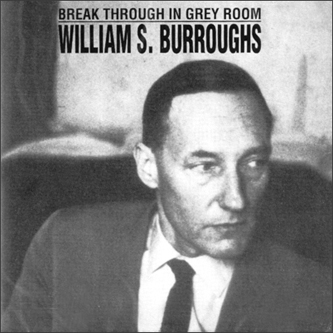
And so as not to just beg for mp3s but to also give, check out Burroughs explaining how tape manipulation helps to expand conciousness in “Origin and Theory of the Tape,” and get horrified by an example of said technique with “Present Time Exercises,” both from Break Through in Grey Room, a collection of Burroughs’s tape experiments and speeches (not to mention a dash of Ornette Coleman freaking freestyle in Morocco).

sr08_cover

The Eight Best Songs of 2008

In no particular order…

Fleet Foxes – “White Winter Hymnal”

Beyoncé (Sasha Fierce) – “Single Ladies”

Crystal Castles – “Crimewave”

Deerhunter – “Nothing Ever Happened”

Kanye West – “Love Lockdown”

Marnie Stern – “Transformer”

Max Tundra – “Will Get Fooled Again”

MIA – “Paper Planes”

The Eight Best Albums of 2008

2008 was a relatively disappointing year in music. My Bloody Valentine played some shows, but didn’t put out that album they promised. Axl Rose put out Chinese Democracy, and, um, yeah. Plenty of our favorite bands put out decent but inessential albums (we’re looking at you, Stephen Malkmus, Lambchop, Stereolab, Deerhoof, Destroyer, Girl Talk, Wolf Parade, Max Tundra, and Magnetic Fields), while other cherished artists hit (what will hopefully be) their nadir (Fiery Furnaces’ interminable live album, Mercury Rev’s atrocity, Silver Jews’ unfun silliness). Chalk it up to heightened expectations and an engorged sense of entitlement derived from a decade of internet piracy. Still, there were some great records that came out this year. These were our favorite. We haven’t spent much time putting them in order, but the top three are pretty concrete.

THE EIGHT BEST ALBUMS OF 2008

My Morning Jacket, Evil Urges

mymorningjacketevil

People kind of hated this album, but we thought it was a hoot. Sure, in a sense, it wasn’t Z Part II, but it did live up to that 2006 effort’s relentless genre-hopping. From the opening title track’s clumsy soul-singing, to the James Taylor schmaltz of “Sec Walkin,” to the Cameo-isms of “Highly Suspicious” (peanut butter puddin’ surprise, anyone?) the album is all over the place. But we like that. “Smokin’ from Shootin'” is lovely, and album closer “Touch Me I’m Going to Scream pt 2” is funtastic krautrock done right. If Ween had made Evil Urges, we’re sure it would’ve been roundly lauded. I guess there was a general concern that MMJ were serious about these songs. Give it a second (or first!) listen.

Fucked Up, The Chemistry of Modern Life

fucked-up

So Kevin Shields didn’t get a new MBV record out. So what? The Chemistry of Modern Life isn’t a substitution or replacement, but an extension of MBV’s signature shoegaze sound, only brought up to date for the angry aughties via vocalist Pink Eye’s hardcore vocals. Fucked Up’s record is sorta like putting all those great SST records you grew up on (early Dinosaur, Black Flag, the Minutemen, Sister) in a blender. Great result.

Gang Gang Dance, Saint Dymphna

ganggangdance

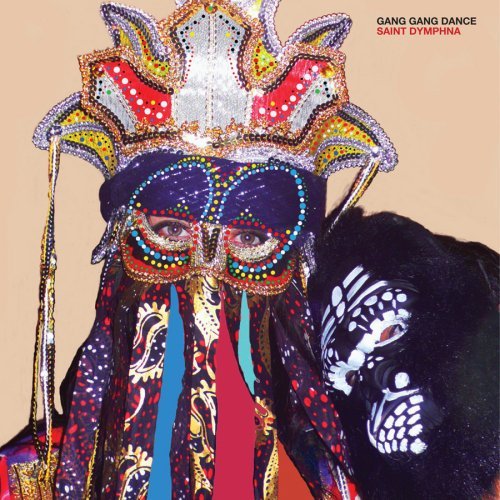
Speaking of blending influences, Gang Gang Dance’s Saint Dymphna does a great job of mixing genres and cultures without ever seeming calculated or cynical or hackneyed. Tracks like “First Communion” and “House Jam” are fun and serious psychedelic dance music, and “Princes,” guest-starring rapper Tinchy Stryder sorta creates a new genre all together. We like.

Fennesz, Black Sea

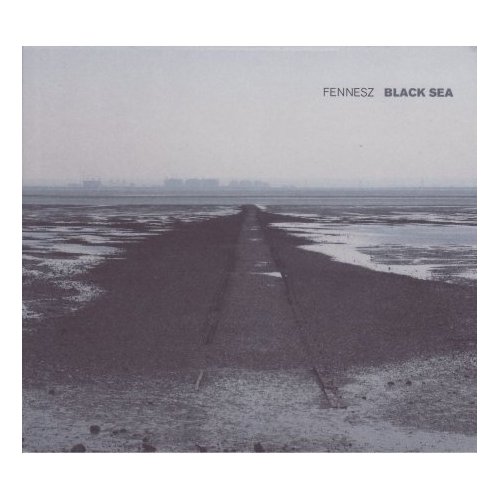
fenneszBlack Sea might be a strange counterpart to Fucked Up’s Chemistry. It’s harsher than Endless Summer, and lacks the warmth of Venice, but Christian Fennesz’s new album–like Fucked Up’s–orchestrates beauty from (cognitive) dissonance and distills some of the grim anger that’s characterized world politics for the latter part of this decade into a thick, sometimes lovely-sometimes frightening haze. A record that the listener is asked to feel.
Animal Collective, Water Curses

water-curses

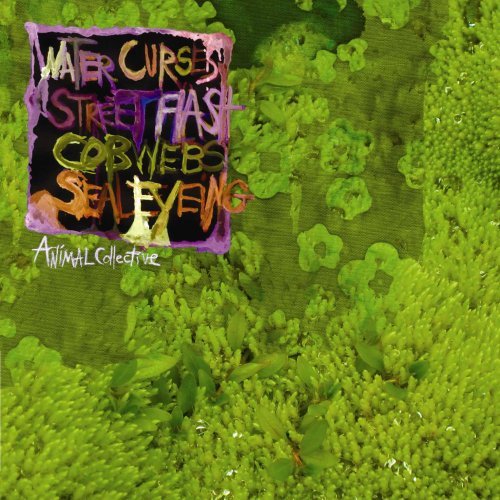
Sure, it’s an EP, but Animal Collective’s Water Curses was on repeat around Biblioklept World Headquarters for most of the year. The jovial title track has a pop immediacy that doesn’t wear out its welcome even after the hundredth listen, but it’s Avey Tare’s “Street Flash,” weird and beautiful and slow, that really steals the show. Water Curses is that rare gem, a series of outtakes that actually outshines the album from which they were excised (Strawberry Jam). Animal Collective have proven to be one of the best new bands of this rapidly aging decade, and the recently-leaked “Brother Sport” from their upcoming LP indicates that they will only get better with age.

TV On The Radio, Dear Science

tvotr

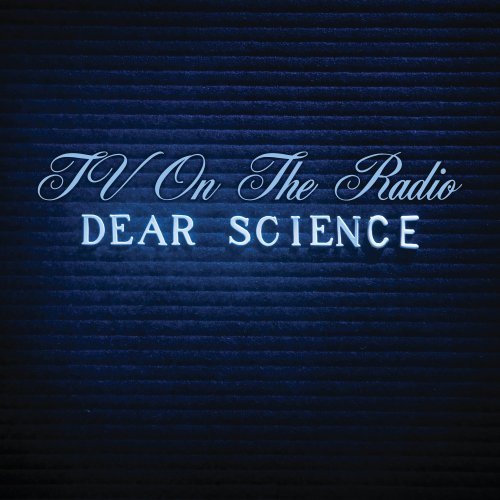
Chock full of hooks, horn blasts, and hand claps, Dear Science should sound cluttered and overstuffed. Instead, TV On The Radio have followed up 2006’s outstanding effort Return to Cookie Mountain with a fantastic pop rock record, where all the bells and whistles (including the horn section from Antibalas) simply add to the listening experience. Where Cookie Mountain‘s songs seemed constructed out of gorgeous textures layered around Tunde Adebimpe’s sonorous voice, Dear Science comes across as a more focused album comprised of radio-ready songs. Opener “Halfway Home” builds to epic speed, “Crying” is death-disco done perfect, “Dancing Choose” channels “Subterranean Homesick Blues” in both its anger and its humor, while songs like “Family Tree” and “Love Dog” showcase Adebimpe’s cathartic voice. What many of the bands detractors might not get is that funky tracks like “Golden Age” and “Red Dress” should be pop radio staples right now–TV On The Radio aren’t experimental art rock, they’re an alternate future-now for pop music.

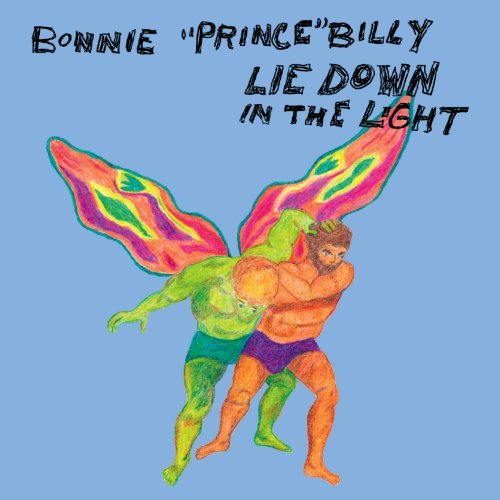
Bonnie “Prince” Billy, Lie Down in the Light

liedowninthelight

We are pretty old. In fact, we’re old enough to have thought it was weird when the Palace Brothers became Palace Music (this didn’t get in the way of loving Viva Last Blues (which we listened to on audiocassette, on our Walkman!)). So by the time Palace had become Will Oldham had become Bonnie “Prince” Billy, there were so many 7″s and Spanish import EPs and live bootlegs (oh the live bootlegs!) that it all became a bit too much to keep track of. Not to say that we didn’t enjoy Ease on Down the Road or the strange strings on The Letting Go, but Will seems to put out a new record every Tuesday. So we were slow to respond to Lie Down in the Light. Which is a shame. Because it is probably his best record. We imagine that many people interested in Oldham might be daunted by his vast back catalog. If you, dear reader, are such a person, take heed: Lie Down in the Light is a fantastic place to start. The songs on Lie Down are about family and friends, singing, sex, closeness, and a good, good God. The death, weirdness, incest, loss, and stark pain that’s permeated many of Oldham’s previous recordings might seem absent here, but that darkness is here–in Oldham’s voice. How else could he sound so convincing on the title track when he sings: “Who’s gonna hold my heart / Who’s gonna be my own own own? / Who’s gonna know when all is dark that she is not alone?”

The Walkmen, You & Me

the-walkmen1

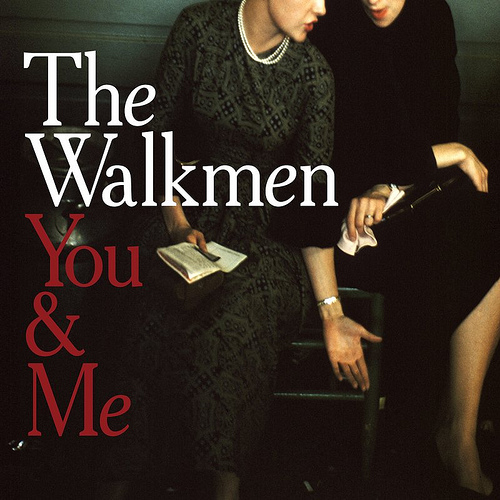
A night album, a moon album, a growler, a grower. We listened to it once, and then put it on again. And then again. And then again. Let’s start with the music: the main instrument is Hamilton Leithauser’s world-weary voice, and the rest of the band works around it, with meticulous percussion and bass lines that carry the musicality of each song. The guitars, organs, and extra touches like horns and strings are used to grand effect, but never crowd the track. And the music is really, really great. Adding another layer of complexity to You & Me, Leithauser’s lyrics seem to tell an impressionistic story over the course of the album’s fifty minutes. The opener, “Dónde Está la Playa,” seems to tell the story of a soured affair with a married woman the narrator has while on vacation. The same narrator seems to move, quite literally, through the songs, lamenting about a life on the road while also recognizing the small joys and adventures that come with such a lifestyle. On “Seven Years of Holidays,” Leithauser cries “Well, I’ve traveled so far and I’m worn / And I’ve lived in a suitcase for too long” before conceding that “The whole world around us is too small.” On the gorgeous and lilting “Red Moon,” he pines: “Tomorrow morning / I hope to be home / By your side,” but he has to admit that “The riptide is pulling me under / I’m drifting, drifting away.” Tracks like “New Country” and “Canadian Girl” take a more positive outlook, but it’s the stellar build of “In the New Year” that best captures the feel of the album. “Oh, I’m just like you, I never hear the bad news / And I never will” Leithauser growls over a triumphant organ riff. “We won by a landslide / Our troubles are over” he continues, before taking the dream to a hyperbole beyond reality: “My sisters are married to all of my friends.” But as the song builds, the organ becomes dissonant, breaking into the sweetness of the fantasy. By the end of the album, the fantasy is totally punctured, as evidenced in the wistful closer “If Only It Were True.” And that’s when the listener hits repeat. You & Me is an album-album, not simply a collection of great songs, and we’d love to hear more works like this next year. Great stuff.

A Very Sun Ra Xmas

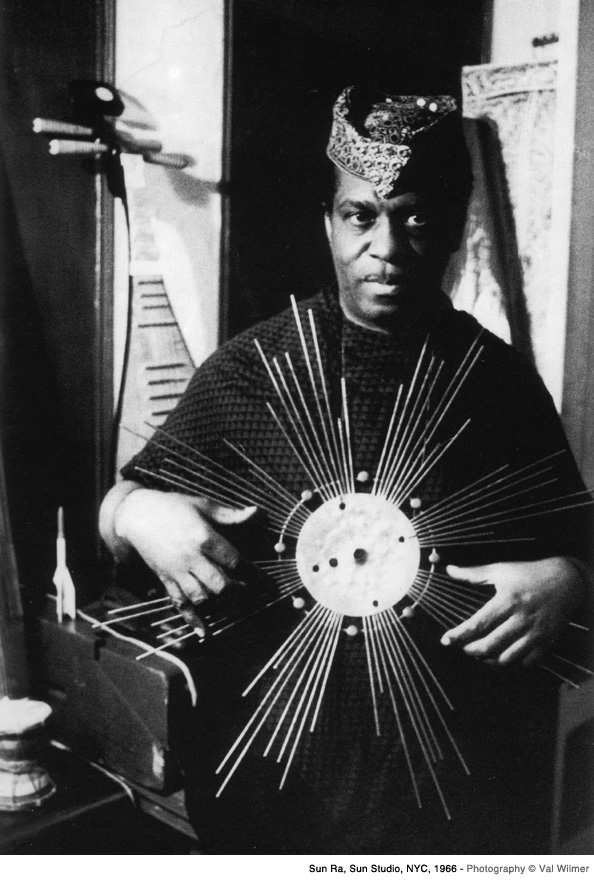
sunra1966b

We love Christmas music. We especially love the track, “It’s Christmas Time,” by Sun Ra’s early doo-wop group The Qualities. We first were made aware of the track via Yo La Tengo’s lovely rendition on their 2002 EP, Merry Christmas from Yo La Tengo.

The image of Sun Ra is from the Sun Ra Picture Archive, a totally radical site. And you should go there. And you should download these songs. And you should listen to them. And bring good cheer to all your friends and neighbors.

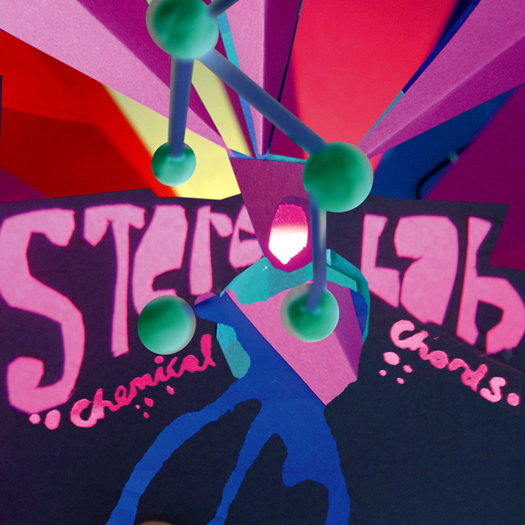
Chemical Chords — Stereolab

When “Valley Hi!” pops up roughly half way through Chemical Chords, Stereolab’s ninth studio album, the realization sinks in that on just about any new group’s new album the song would be a great achievement, a perfectly constructed pop song, fun, bouncy, a little sly even, with sexy lead vocals, effervescent harmonies, and tight but lush instrumentation. However, wedged into Stereolab’s nearly two-decade-long oeuvre, the song barely stands out, and that’s the problem. The band consistently delivers material like this, to the point that it all kinda sounds the same–a charge that’s been leveled at them by critics and fans alike for a few years now, starting more or less with 1999’s Cobra and Phases Group Play Voltage in the Milky Night, a record that some (maybe many) thought failed to live up to the radical revisionist pop tendencies of 1996’s Emperor Tomato Ketchup (it’s hard to top a perfect album, folks!) or the digital experiments of 1997’s Dots and Loops (my least favorite Stereolab album; sounds like marbles rolling on ice). I happen to like Cobra a lot: it’s warm (and literally fuzzy) and masterfully played–and kinda anonymous, a trend that Stereolab continues with Chemical Chords.

From the outset of the new album, Stereolab establishes a metronomic motortik pop vibe from which they rarely deviate. Opener “Neon Beanbag” flows into first single “Three Women” without much to differentiate the two besides a two second gap and a key change, and the third track, “One Finger Symphony,” only stands out due to its throwaway brevity. It isn’t until Sean O’Hagan’s slinky strings announce the title track that the album grabs onto something new. “Chemical Chords” approaches a ’70s blaxploitation vibe–think Curtis Mayfield or Bobby Womack here–but ends up being (you guessed it) just another Stereolab song, beautifully polished and meticulously executed with little or no risk to band or audience. The next track, “The Ecstatic Static” slides right into the same groove, and it becomes apparent that Stereolab have released yet another perfect ambient soundtrack for any polite social gathering. The rest of the album follows this mode of flawless and ultimately forgettable songwriting.

There are moments of exception, of course, but only moments. The countryfied swagger that initiates the penultimate track, “Daisy Click Clack,” is pretty great, if only for simply hitting a different rhythm and sound, and the song’s lyrics are about making music, which is always cool. It’s on “Pop Molecule (Molecular Pop 1),” where Stereolab employ backmasked drones and triumphant chugging guitars that recall the glory days of tracks like “Crest,” from ’93’s Transient Random-Noise Bursts with Announcements (or anything off of ’92’s dreampop singles collection, Switched On), that the band finally gets its hands a little dirty–with great results. Too bad they only play it out for about two minutes; the old groop would’ve droned those two chords for at least six–the listener doesn’t ever get a chance to get hypnotized.

It seems like I’m bashing the album, but I’m not. I love Stereolab. Really. And Chemical Chords is pretty good — it will hang out in my stereo for a month, maybe two, and then I’ll forget about it. Ultimately, it’s too polished, too precise, and too meticulous to make any long-term impact. We know Stereolab are fantastic arrangers and musicians, and their taste is impeccable, but when bands fail to take risks, the music gets stale.

Chemical Chords is available from 4AD Records in the US on August 19th.

Feed the Animals

The new Girl Talk album, Feed the Animals just came out via Illegal Art. It’s about time. We were almost ready to remove Night Ripper from the Subaru’s six-disc changer where it’s been firmly lodged for almost two years, so this is fantastic news. We just finished listening to Feed the Animals (are we said animals?) and there’s much to love here; we particularly like the emphasis on classic pop hits. Excellent craftsmanship. Our friend Jordan, sequestered in pristine Singapore, hipped us to the release, which he describes as “slower paced [with] more power-hits,” adding that “he uses whoomp-there it is…. finally.” Finally.

At Mount Zoomer

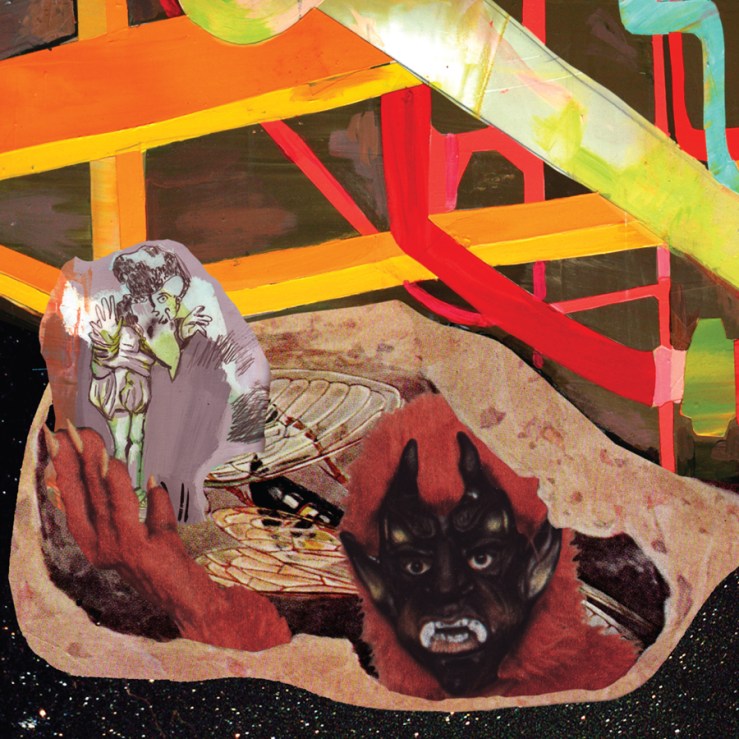
The first five seconds of “Soldier’s Grin,” the first track on At Mount Zoomer, Wolf Parade’s second LP, consist of a spindly synth and guitar duet that announces the program of the rest of the album: tight, lyrical, melodic prog-punk-pop that gets plenty of mileage out of old keyboards and crunchy guitars. This welding of synth with indie-rock guitar reflects the split songwriting duties of Wolf Parade. Like its predecessor, 2005’s Apologies to the Queen Mary, the new record is split almost evenly into songs written and sung by keyboardist Spencer Krug or guitarist Dan Boeckner. The slight stylistic differences between Boeckner’s and Krug’s songs are unified on Zoomer by drummer Arlen Thompson’s big, warm production. Songs like “Call it a Ritual” and “Bang Your Drum” propel on tense, jumpy punk rhythms before letting loose into brief moments of pop satisfaction–a formula that worked so well for the band on Queen Mary. The best moments of the record come though when they try something new. On longer songs like “Fine Young Cannibals” and epic album-closer “Kissing the Beehive” Wolf Parade play with trickier melodies and leave more open space in their music, letting the rhythms and melodies coalesce into tight, beautiful pockets that aren’t overwhelmed by big synths or vocal growls. That’s not to say there isn’t something sublime about thicker numbers like “The Grey Estates,” a keyboard-driven ditty that recalls The Cars, or “Language City,” a song that channels (if not flat out rips off) The Moody Blues’s “Your Wildest Dreams.” Still, there are a few missteps here: “California Dreamer” aims for motortik tension but falls instead into annoying territory, and the first half of Krug’s “An Animal in Your Care” is the worst in indulgent glam-emo. However, “Animal” picks up in its second half, evolving into a crisp stomping guitar and piano workout–but on an album with only nine songs, each one should be perfect. Ultimately, Zoomer won’t disappoint its intended audience. Wolf Parade make the best sort of indie rock comfort food, the kind that recalls the classic bands of the genre (Pixies, Sonic Youth) while also hearkening to the earlier days of college rock (Talking Heads, Television). Really, nothing here pushes boundaries–Wolf Parade’s biggest trick is making you forget that what you’re listening to is really as safe as milk.

At Mount Zoomer will be released June 17 from Sub Pop records.

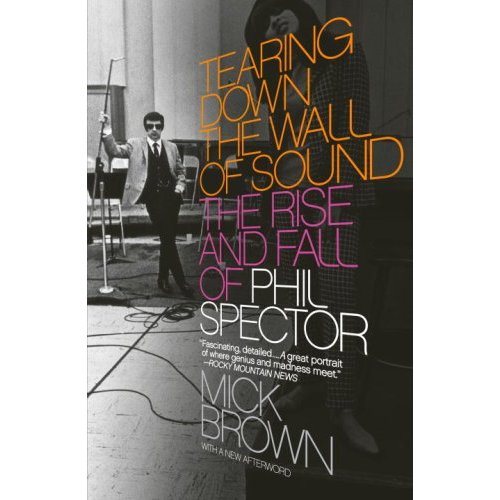
Tearing Down the Wall of Sound: The Rise and Fall of Phil Spector

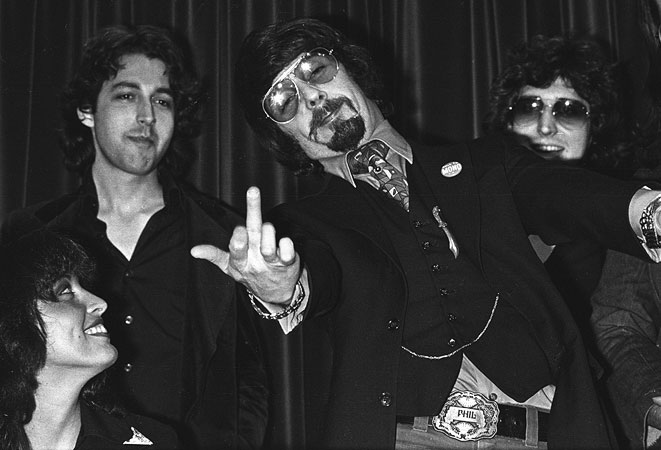
Even if Phil Spector hadn’t given us the recent spectacle of an outlandish murder trial, Mick Brown’s Spector biography Tearing Down the Wall of Sound would still make for a gripping read. Brown’s biography, simply put, is the definitive Spector book. At nearly 500 pages (including endnotes and an extensive bibliography), Tearing consistently treads the thin line between exhaustive and exhausting, but the source material–Spector’s insane life–is simply too compelling to ever earn a yawn. Just when it begins to feel that Brown has given us too much detail, we’re rewarded with yet another tale of Spector’s lunatic shenanigans. And whether he’s pulling a gun on the Ramones, drunkenly berating Michelle Phillips, praising Ike Turner and Yoko Ono, or fighting with the Beatles, Spectors’s crazy mischief is exactly the kind of stuff we love to read in a celebrity biography. However, lurid stories never trump the real reason to read this book: Spector as musical genius. There’s plenty here to please hardcore audiophiles, including long discussions of the evolution of Spector’s famous “wall of sound” and the producer’s tumultuous relationship with arranger/songwriter Jack Nitzsche. All the episodes of Spector’s life are here–his early teenybopper days with the Ronettes, his “making” of Tina Turner, his battles with the Beatles (both as a group and individuals), his “comeback” shot with the Ramones, and even his late disillusionment with, um, Celine Dion. These segments are bookended with a detailed consideration of Spector’s recent troubles, beginning with a secretive Spector secluded in his California mansion right before the alleged murder of B-movie actress Lana Clarkson, and a lengthy, journalistic afterword explaining the events of Spector’s much-publicized trial, right up to the September 2007 mistrial ruling. Heady stuff.

Photograph by Brad Elterman

Ultimately, Brown crafts Spector’s strange life into a bizarre bildungsroman; he paints Spector respectfully but never reverentially, revealing a Promethean hubris in his subject that veers into self-annihilation. At the same time, Brown’s Spector is an utterly American story, a classic reinvention tale. Even when Spector is at his most petulant, paranoid, and downright awful, Brown never lets us lose sight of the man’s sheer force of will and his enormous contribution to American music and culture. Brown’s book reminds us of the myriad ways Spector transformed our notions of pop music, but he leaves us wondering if Spector will indeed be able to rise like the phoenix from his latest debacle or if his upcoming retrial will be the end of the music.

50 Great Guitarists, All Better Than Slash (In No Particular Order)–Part IX

41 & 42. Jonathan Donahue and Grasshopper.

Mercury Rev released three perfect albums–Yerself Is Steam, Bocces, and See You on the Other Side–before releasing Deserter’s Song, a beautiful last gasp from a dying band. They should’ve stopped there, but Jonathan Donahue and Grasshopper kept the dream alive for two more albums, the less said about which the better (hopefully they’ve quit for good). Mercury Rev’s guitars flirted furiously with the thin line between dream and nightmare, evoking beauty and terror and sheer joy. What great stuff.

43. Martin Carr.

The Boo Radleys also released a number of great albums, notably Giant Steps and Wake Up! before eventually exhausting their Beatlesque bag of tricks. Carr’s songs are gorgeous and hold up better than most other bands from the Brit shoegaze era.

44. Christian Fennesz.

Fennesz’s Endless Summer is really a guitar album, a beautiful layering of textures and rhythms with melodies that stick in your head years later. I thought his follow up Venice was just as good, and, if you can find it, his live, improvised collaboration with Sparklehorse is sheer sonic brilliance.

45. Robbie Robertson.

Robbie Robertson was in The Band. So. Yeah.

46. Jeff Lynne.

Man, ELO are, like, too good. How’s that for a review? My favorite liner notes ever are on the back of ELO’s Greatest Hits, where Jeff Lynne makes it unequivocally clear that, yes, he is the mastermind behind the whole damn ship and shebang.

47. John Frusciante.

I don’t really like the Red Hot Chili Peppers, but I love a few of their songs. Frusciante’s got a lovely, lyrical style, the perfect counterpoint to Flea’s melodic and funky bass lines.

48. Adrian Belew.

It’s almost unfair that King Crimson should have Robert Fripp and Adrian Belew. I actually like Belew’s solo stuff more than Fripp’s. It’s all good.

49. George Harrison.

It’s probably a good idea to put at least one of the Beatles on this list.

50. Izzy Stradlin.

Why not? Fuck Slash.

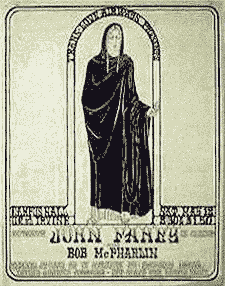
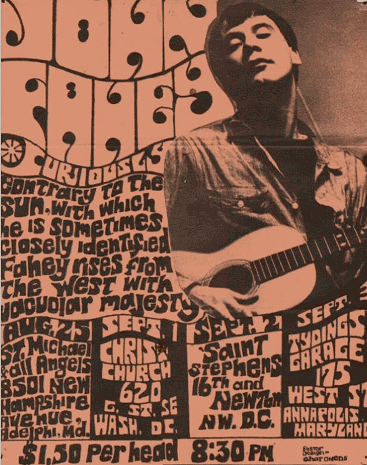
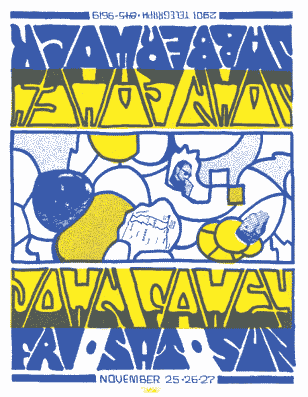
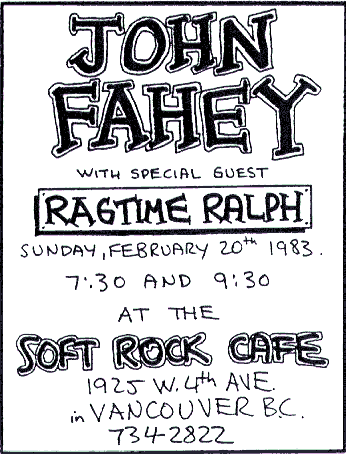
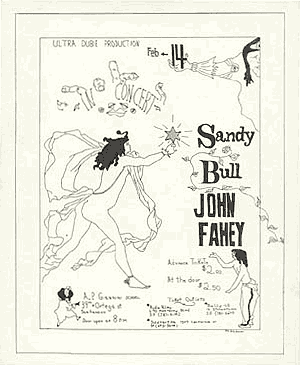
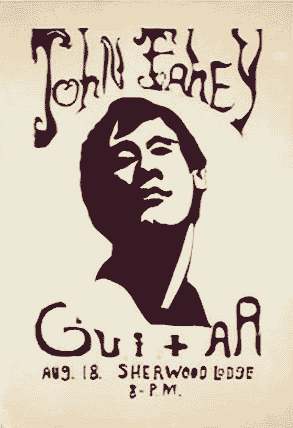
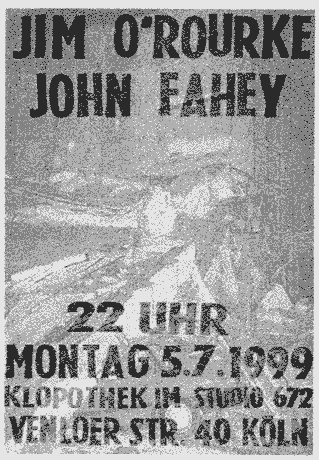
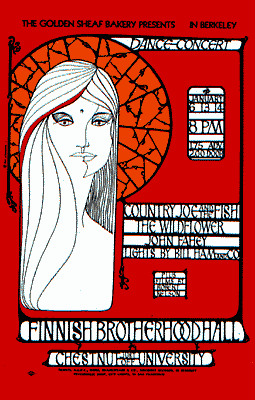
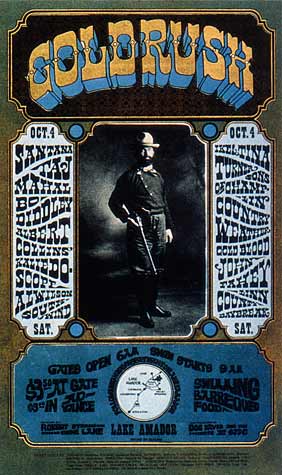
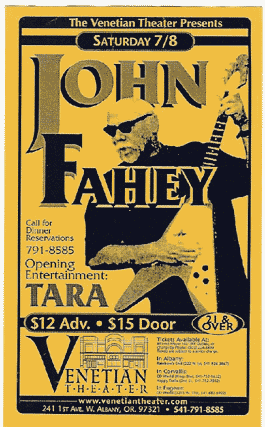
John Fahey Gig Posters

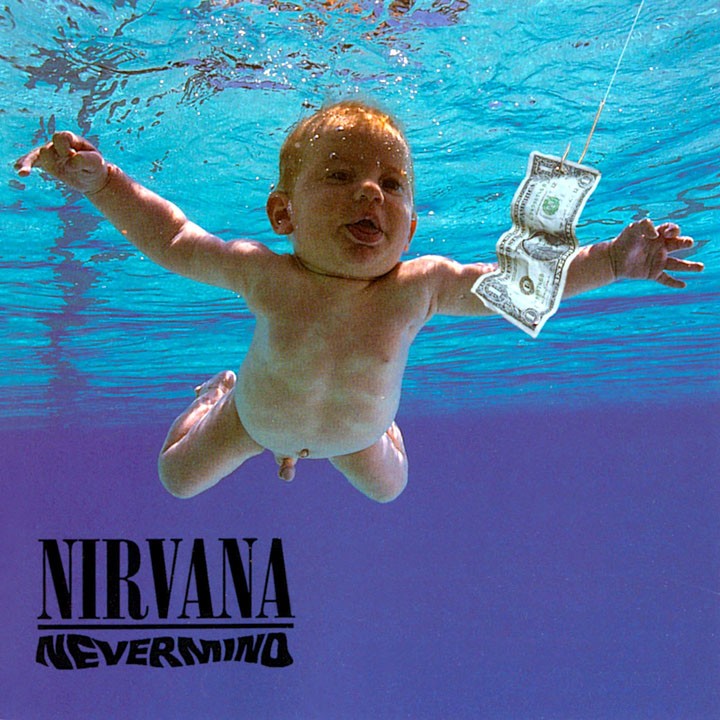
Oh Well, Whatever, Nevermind (Kurt Cobain Reconsidered)

I was twelve years old when Nirvana’s landmark record Nevermind came out in September of 1991 and supposedly changed the American cultural landscape forever. I was the perfect age to be radically influenced by the onset of the whole grunge thing. Before I got a hold of Nevermind, my favorite records were R.E.M’s Out of Time and De La Soul’s De La Soul is Dead, both of which had come out a few months earlier that year. I also really, really loved Aerosmith’s Greatest Hits (you know…the red album), and U2’s The Joshua Tree. These were some of the earliest CDs I ever owned, and reflecting on this now, it seems odd that my truly favorite albums could also be brand new.

I mention a few of the CDs I owned because I think I’m a relatively typical audiophile of the age group I’m discussing here (roughly, persons born between 1975-1981, although these dates, as I write them, seem awfully silly and arbitrary). I had already outgrown dumb hair metal and had begun to realize that most of the hip-hop I was listening to was not nearly as offensive as I thought it should be. I wanted something new and different and weird, and by the beginning of the seventh grade I’d already begun to scour Rolling Stone, which still had a modicum of cultural relevance in the early nineties. I was also cherry-picking from cool movie soundtracks, and to this day I know that the soundtrack to the oh-so-forgettable 1990 film Pump Up the Volume (Christian Slater as pirate DJ leads a minor youth rebellion) had as much to do with the forging of my musical taste as any other source: this is where I was exposed to two of my favorite all-time bands, Pixies and The Sonic Youth. So, like many other young audiophiles, by the end of 1991–around the time “Smells Like Teen Spirit” was blowing up–I was already moving away from “mainstream” music as quickly as I knew how. Only Nirvana became the new mainstream, grunge became a fashion status, and, feeling like a cultural movement that I was barely even tangentially a part of had been commodified and commercialized, I had rejected the whole thing by the time I had gotten to high school in 1993. This meant rejecting wholesale a number of albums I had loved throughout middle school.

The same month Nevermind came out, so did the Red Hot Chili Pepper’s Blood Sugar Sex Magik, spawning the massive hit “Under the Bridge.” Pearl Jam’s debut Ten came out a month before Nevermind, but really didn’t pick up steam until mid ’92–grunge was in full effect by then; it too produced a mega-hit with “Jeremy.” U2’s Achtung Baby dropped in November–at this point they seemed like the elder statesmen of what was now so brashly defined as “alternative” music (“Alternative to what?” we wondered). “One” was a smash hit. The aforementioned R.E.M. album Out of Time became the year’s critical favorite, with “Losing My Religion” as one of the most unexpected number-ones of 1991. By the end of 1992, U2 and R.E.M. were “the most important bands in the world,” according to every music and entertainment magazine, and Nirvana was getting major credit for initiating a cultural revolution. I loved all of these albums dearly, and, as I mentioned above, denied all of them just a few short years later in favor of a new wave of independent label music–bands like Pavement, Superchunk, and the Archers of Loaf–bands that probably would never have achieved such successful careers without the aforementioned mega-hits that prompted the shift in cultural zeitgeist.

I present all of this evidence merely to point out that the success of these bands–contrasted with the other crap that was happening at the end of the 80s and beginning of the 90s, like White Snake and The New Kids on the Block and Warrant and Nelson and C + C Music Factory–points to something larger than the force of Nevermind alone. (It’s worth pointing out here that Guns N’ Roses released Use Your Illusion I & II a week before Nevermind; these albums had a number of hits including the monster-success of “November Rain,” and, in retrospect, I believe, for all their cock-rockery, are more akin to the albums indicative of paradigm shift I described above than to the hair metal schlock they’re often identified with). Nevermind is often credited with spearheading a musical/cultural “revolution”; this “revolution” in music was already well underway though.

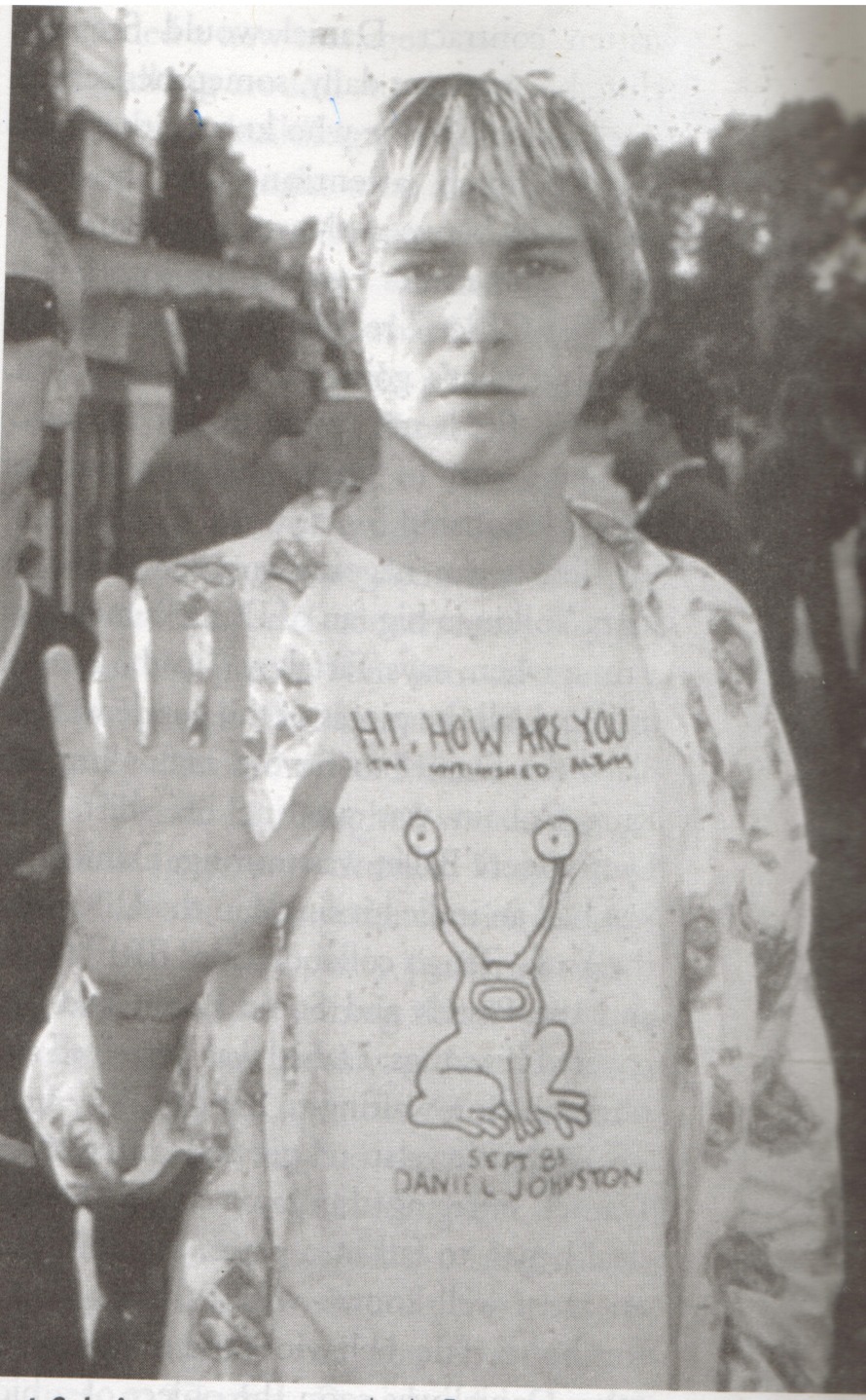
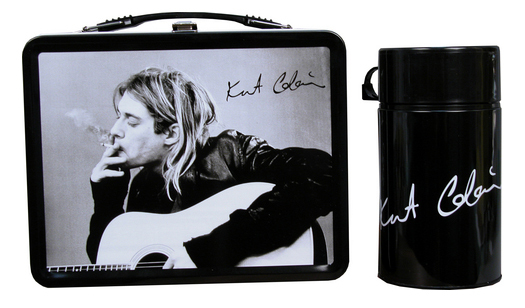
To be sure, Nevermind is a great album, but it’s cultural cache has more to do with the figure of Kurt Cobain than its relevance and popularity at the time (to see how the myth of Nevermind has grown, simply look at Rolling Stone‘s successive reviews of the album, from 1991, 1992, and 2004, respectively: the magazine gives the album three out of five stars, then four, before finally awarding it five stars thirteen years after the fact). Millions of kids saw Cobain wear Daniel Johnston t-shirts, reference the Melvins, and admit that his songs were really just crude Pixies ripoffs. Cobain, in short, exposed millions of regular kids to an angrier, rougher youth culture, a truly underground music that could react to the failed youth culture of the (now old) boomer generation of the 1960s, which had been forcing an illusory idealization of that decade down our throats forever. Ironically, it was this same boomer generation that greedily milked grunge for all it was worth, commodifying youth culture again into a twisted joke, a stupid lunch box, an action figure, a t-shirt at the mall. No wonder Cobain offed himself.

So why write about this now? It’s been almost 17 years, and there hasn’t been a record like Nevermind or mega-hits as salient, and dare I suggest meaningful, as “Smells Like Teen Spirit,” “Losing My Religion,” “Under the Bridge,” “One,” or “Jeremy” for quite sometime. The success in the mid-nineties of bands like Smashing Pumpkins and Soundgarden–bands that I didn’t hate but made fun of–seems strange now. Even the music of those elegant bachelors, the Stone Temple Pilots–grunge 2.0–seems oddly strong when held up against the watered-down drivel that passes for contemporary hard rock. Youth music today is archly, ironically aware of its own cultural position and its own performativity in a marketplace. I’m sickened by even thinking of the toothless fourth generation emo-or-whatever-you-wanna-call-it derived from Green Day (another band I didn’t hate but but made fun of) that passes for “pop-punk.” In all its silly winking at the audience, its safe-as-milk non-personality, much of this music represents the ultimate commodifiaction and commercialization of “punk”–the aesthetic that Nevermind helped to re-ignite. (In another genre, hip-hop, after 30 years of existence, has claimed its right–with a sharp vengeance–to be as stupid as any other form of music. Don’t get me started). The irony Cobain and others explored was never a smart-assed irony that coyly winked at the audience, inviting them to laugh along with whatever cultural references were being rehashed; Cobain’s irony was mean and angry–it was a critique of American hegemonic mall culture. Current youth music, rock, emo, whatever it is, is simply a celebration of greedy materialism hiding under the thinnest ironic sheen.

And here’s what I think is the saddest part: I don’t think there can be another Nevermind. To be sure, there will always be fantastic, landmark, music-changing records–I have no doubt about that (see: 1997’s OK Computer f’r’instance). But a record that channels a truly punk aesthetic into mainstream American consciousness is simply not going to happen again. For over fifteen years, critics (and executives) have been looking to award “next big thing” status to just about anyone (do you remember when the Chemical Brothers were supposed to be the “next big thing”? You don’t?). The internet has changed the old model. In the past, records like Nevermind propagated a “trickle-down” effect, if you will–kids in the heartland see Cobain give the Raincoats props, buy Raincoats’ records, get into X-Ray Spex, get into Black Flag, get into Pavement, whatever. In contrast, the internet provides a diffusion model of immediately accessible cultural immersion. Anyone with a DSL connection and a few hours to kill on Allmusic can access indie culture. And that’s a good thing. But still: I’ll get nostalgic here: in the old days, we used to write to the labels and get catalogs and order music via snail mail. We used to buy albums on pure faith that they were good. You couldn’t just click on an mp3 (or steal entire albums on p2p networks). But I’m not railing against the internet. I think it’s great that a kid in Montana can become thoroughly exposed to Drag City records or the works of Big Black in just a week. But that will never translate into a wide-scale youth culture shift. Instead, we’ll continue to have what we have now: lots of really, really shitty music on radio and TV. And this is our culture.

There won’t be another Beatles or another Sex Pistols–there won’t be another group that challenges our collective cultural sensibility to make a large jump. There won’t even be an Elvis or a Madonna, a performer that challenges our ethics and morality. Instead, we will continue to have watered-down crap on mainstream media, as well as plenty of choices for those who take the time to look. But those choices will be marginalized, kept on the sidelines out of mainstream American-consciousness, and what we’ll lose is an opportunity to progress and enrich the entirety of our culture. Who knows though–I could be wrong; perhaps I’m just old and out of touch. Perhaps a wholly new and dynamic artist or group will come out that will capture the anti-establishment roots of rock and roll and inspirit a new and dramatically different course in contemporary youth culture. But I don’t see it happening again. I hope I’m wrong.

Hey, Look at This

Hey.

Sorry for the long delays between posts lately. I’ve been really, really busy, and I’m trying to resist the “hey, look at this cool shit” type of posting so common in Blogworld. I promise to come back soon with regular updates with (hopefully) meaningful content. In the meantime: Hey, look at this cool shit–

51ckvrqyrl_ss500_.jpg

The new Man Man album, Rabbit Habits is set to drop next week. Raucous and ramshackle, yet paradoxically tight as a snare, Rabbit Habits works in the same post-Beefheart idiom as their last album, Six Demon Bag, refining some of the rough edges without losing the rawness. Good for some occasions.

Pirates with good taste probably know by now that Animal Collective’s Water Curses has leaked. The EP is as delicious and warped as fans might expect, and has been on repeat around Biblioklept Central Headquarters for the past two weeks. Great for most occasions.

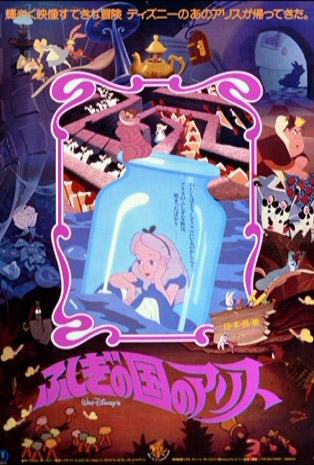
aliceposter3.jpg

Incidentally, according to AC’s Wikipedia page: “It has been said that the Animal Collective album Strawberry Jam can be synchronized with the Disney animated clasic [sic] Alice in Wonderland [sic].” See folks, this is why we discourage writing in the passive voice. Who has said that Strawberry Jam syncs with Alice in Wonderland? When was this said? Where, and in what context? Sophomores getting stoned somewhere in Wisconsin? Oh, Wikipedia! See, this is why so many people regard you as the ugly stepchild of legitimate encyclopedias…Anyway…has anyone tried this?

ashley-green_sml_web.jpg

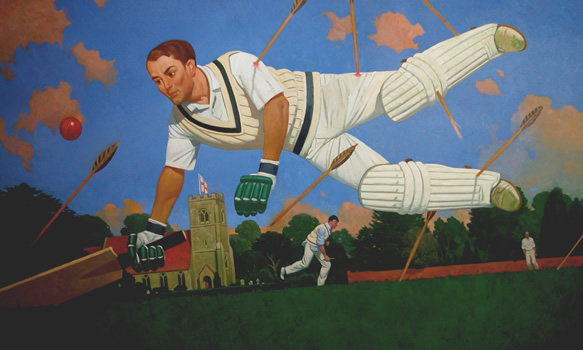
On a visual tip, I’m in love with Paul Slater’s collection at the Medici Gallery. Fun, smart, and very British. Tastefully irreverent for assorted occasions.

And, in the grand tradition of lazy blogging, I refer you to the very awesome blog, Crystalpunk.

Go in peace.