“Frog in Prague” — Stephen Dixon

“Frog in Prague”

by

Stephen Dixon


They stand still. “And Kafka?” Howard says.

“Kafka is not buried here.”

“No? Because I thought—what I mean is the lady at my hotel’s tourist information desk—the Intercontinental over there—and also the one who sold me the ticket now, both told me—”

The man’s shaking his head, looks at him straight-faced. It’s up to you, his look says, if you’re going to give me anything for this tour. I won’t ask. I won’t embarrass you if you don’t give me a crown. But I’m not going to stand here all day waiting for it.

“Here, I want to give you something for all this.” He looks in his wallet. Smallest is a fifty note. Even if he got three-to-one on the black market, it’s still too much. He feels the change in his pocket. Only small coins. This guy’s done this routine with plenty of people, that’s for sure, and he’d really like not to give him anything.

“Come, come,” the man said.

“You understand?” Howard said. “For Kafka’s grave. Just as I told the lady at the ticket window, I’m sure the other parts of this ticket for the Old Synagogue and the Jewish Museum are all very interesting—maybe I’ll take advantage of it some other time—but what I really came to see—”

“Yes, come, come. I work here too. I will show you.”

Howard followed him up a stone path past hundreds of gravestones on both sides, sometimes four or five or he didn’t know how many of them pressed up or leaning against one another. The man stopped, Howard did and looked around for Kafka’s grave, though he knew one of these couldn’t be it. “You see,” the man said, “the governor at the time—it was the fourteenth century and by now there were twelve thousand people buried here. He said no when the Jewish elders of Prague asked to expand the cemetery. So what did the Jews do? They built down and up, not outwards, not away. They kept inside the original lines of the cemetery permitted them. Twelve times they built down and up till they had twelve of what do you call them in English, plateaus? Places?” and he moved his hand up in levels.

“Levels?”

“Yes, that would be right. Twelve of them and then the ground stopped and they also couldn’t go any higher up without being the city’s highest cemetery hill, so they couldn’t make any levels anymore.”

“So that accounts for these gravestones being, well, the way they are. All on top of one another, pressed togetherlike. Below ground there’s actually twelve coffins or their equivalents, one on top of—”

“Yes, yes, that’s so.” He walked on about fifty feet, stopped. “Another governor wouldn’t let the Jews in this country take the names of son-of anymore. Son of Isaac, Son of Abraham. They had to take, perhaps out of punishment, but history is not clear on this, the names of animals or things from the earth and so on.” He pointed to the stone relief of a lion at the top of one gravestone. “Lion, you see.” To a bunch of grapes on another stone: “Wine, this one. And others, if we took the time to look, all around, but of that historical era.”

“So that’s why the name Kafka is that of a bird if I’m not mistaken. Jackdaw, I understand it means in Czech. The Kafka family, years back, must have taken it or were given it, right? Which?”

“Yes, Kafka. Kafka.” Howard didn’t think by the man’s expression he understood. “Come, please.” They moved on another hundred feet or so, stopped. “See these two hands on the monument? That is the stone of one who could give blessings—a Cohen. No animal there, but his sign. Next to it,” pointing to another gravestone, “is a jaw.”

“A jaw?” The stone relief of this one was of a pitcher. “Jar, do you mean?”

“Yes. Jaw, jaw. That is a Levi, one who brings the holy water to wash the hands of a Cohen. That they are side by side is only a coincidence. On the next monument you see more berries but of a different kind than wine. Fertility.”

“Does that mean a woman’s buried here? Or maybe a farmer?”

“Yes. Come, come.” They went past many stones and sarcophagi. All of them seemed to be hundreds of years old and were crumbling in places. Most of the names and dates on them couldn’t be read. The newer section of the cemetery, where Kafka had to be buried, had to be in an area one couldn’t see from here. He remembered the photograph of the gravestone of Kafka and his parents. Kafka’s name on top—he was the first to go—his father’s and mother’s below his. It was in a recent biography of him he’d read, or at least read the last half of, not really being interested in the genealogical and formative parts of an artist’s life, before he left for Europe. The stone was upright, though the photo could have been taken many years ago, and close to several upright stones but not touching them. The names and dates on it, and also the lines in Hebrew under Kafka’s name, could be read clearly. It looked no different from any gravestone in an ordinary relatively old crowded Jewish cemetery. The one a couple of miles past the Queens side of the Fifty-ninth Street Bridge where some of his own family were buried.

The man walked, Howard followed him. “Here is the monument of Mordecai Maisel. It is much larger than the others because he was a very rich important man. More money than even the king, he had. The king would borrow from him when he needed it for public matters. Later, after he paid it back, he would say to him ‘Mordecai, what can I give you in return for this great favor?’ Mordecai would always say ‘Give not to me but to my people,’ and that did help to make life better in Prague for the Jews of that time. He was a good wealthy man, Mordecai Maisel. Come, come.”

They stopped at another sarcophagus. Hundreds of little stones had been placed on the ledges and little folded-up pieces of paper pushed into the crevices of it. “Here is Rabbi Low. As you see, people still put notes inside his monument asking for special favors from him.”

“Why, he was a mystic?”

“You don’t know of the famous Rabbi Löw?”

“No. I mean, his name does sound familiar, but I’m afraid my interest is mostly literature. Kafka. I’ve seen several of his residences in this neighborhood. Where he worked for so many years near the railroad station, and also that very little house on Golden Lane, I think it’s translated as, across the river near the castle. A couple of places where Rilke lived too.”

“So, literature, what else am I talking of here? The Golem. A world famous play. Well? Rabbi Low. Of the sixteenth century. He started it. He’s known all over.”

“I’ve certainly heard of the play. It was performed in New York City—in a theater in Central Park—last summer. I didn’t know it was Rabbi Low who started the legend.”

“Yes, he, he. The originator. Others may say other rabbis might have, but it was only Rabbi Low, nobody else. Then he knocked the Golem to pieces when it went crazy on him. Come, come.”

They went on. The man showed him the grave of the only Jewish woman in medieval Prague who had been permitted to marry nobil
ity. “Her husband buried here too?” Howard said. “No, of course not. It was out-of-religion. The permission she got to marry was from our elders. He’s somewhere else.” The stone of one of the mayors of the Jewish ghetto in seventeenth-century Prague. The stone of a well-known iron craftsman whose name the man had to repeat several times before Howard gave up trying to make it out but nodded he had finally understood. Then they came to the entrance again. After the man said Kafka wasn’t buried here and Howard said he wanted to give him something for all this, he finally gives him the fifty note, the man pockets it and Howard asks if he might know where Kafka is buried.

“Oh, in Strašnice cemetery. The Jewish part of it, nothing separate anymore. It isn’t far from here. You take a tube. Fifteen minutes and you are there,” and he skims one hand off the other to show how a train goes straight out to it. “It’s in walking distance from the station. On a nice day unlike today the walk is a simple and pleasant one. And once you have reached it you ask at the gate to see Kafka’s grave and someone there will show you around.”
Plagiarism

The warlocks are people said to practice witchcraft.

They rule the archipelago through a secret society, characterized by complex organization, the help of magical creatures, and numerous powers and weaknesses.

Their powers originated in a magical duel, with the winner obtaining a book of magic as reward.

According to legend, a foreign navigator challenged the power of a native healer.

The navigator was defeated.

The healer destroyed the navigator’s ship when he tried to flee the island.

Accepting his defeat, the navigator gave the healer the magic book.

According to legend, the secret society of warlocks operated from a cave guarded by a deformed creature.

The creature walks on one foot.

Or on three feet.

(Actually one leg and two hands.)

(Because one of its legs is attached to the back of its neck.)

The creature has blue skin and sharp teeth, cannot talk, and communicates only by guttural, rough and unpleasant sounds.

The warlocks’ secret society kept their magic book in their secret cave.

This cave measured approximately 200 meters long by 3 meters high and contained many rooms lit by torches and jugs of human oil.

The warlocks are said to be able to fly using a cloak made from the skin from a dead virgin’s bosom.

The warlocks are said to be able to turn into certain animals.

The warlocks are said to be able to inflict harm from a distance.

Their knowledge of plants and animals also enables them to brew powerful potions.

They are said to be able to tame the mythical hippocampus and safely board the legendary ghost ship Caleuche.

They are said to be weak to salt.

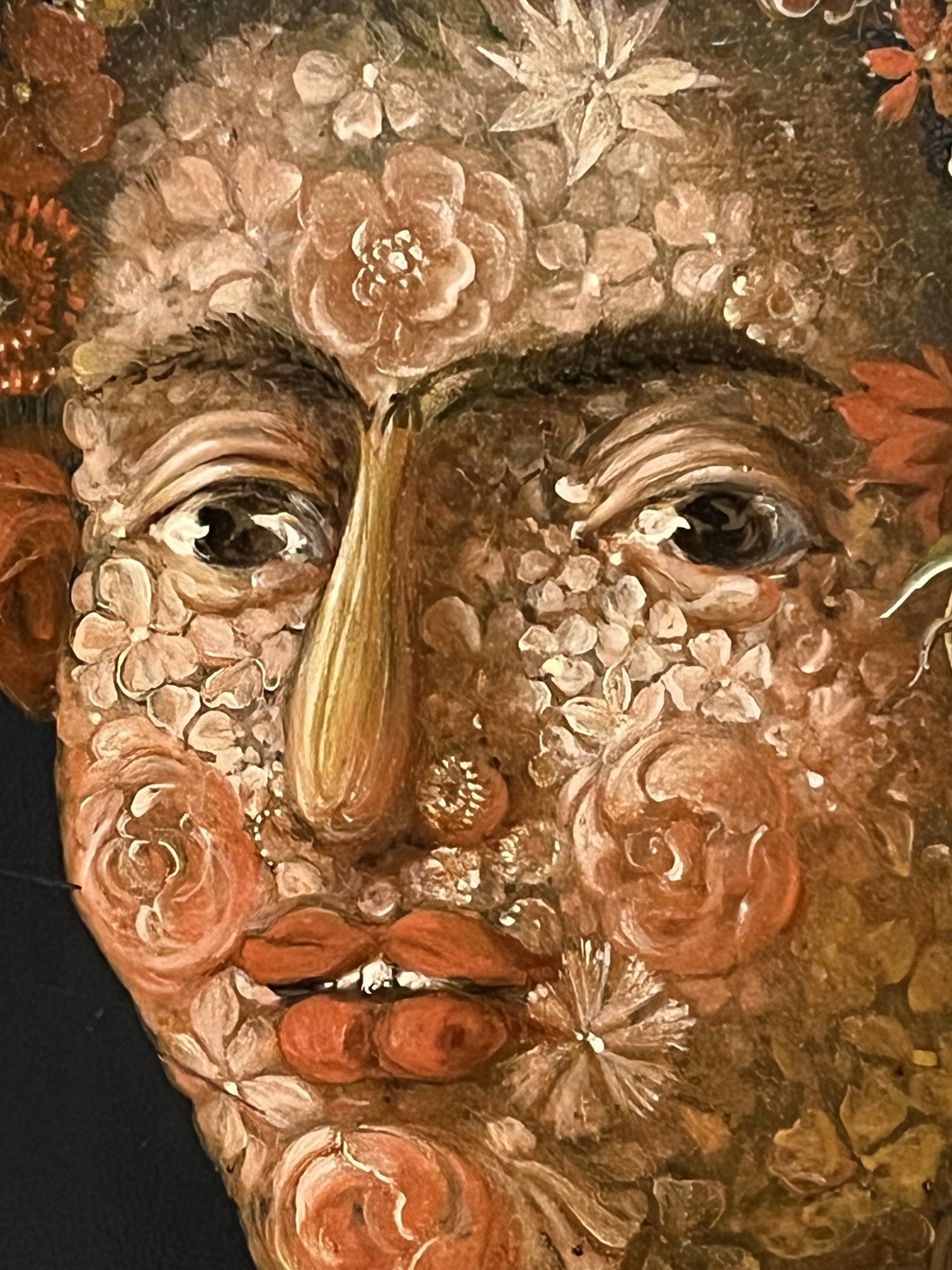
Flora (Detail) — Circle of Giuseppe Arcimboldo

Flora (detail), c. 1590-1600, attributed to the circle of Giuseppe Arcimboldo


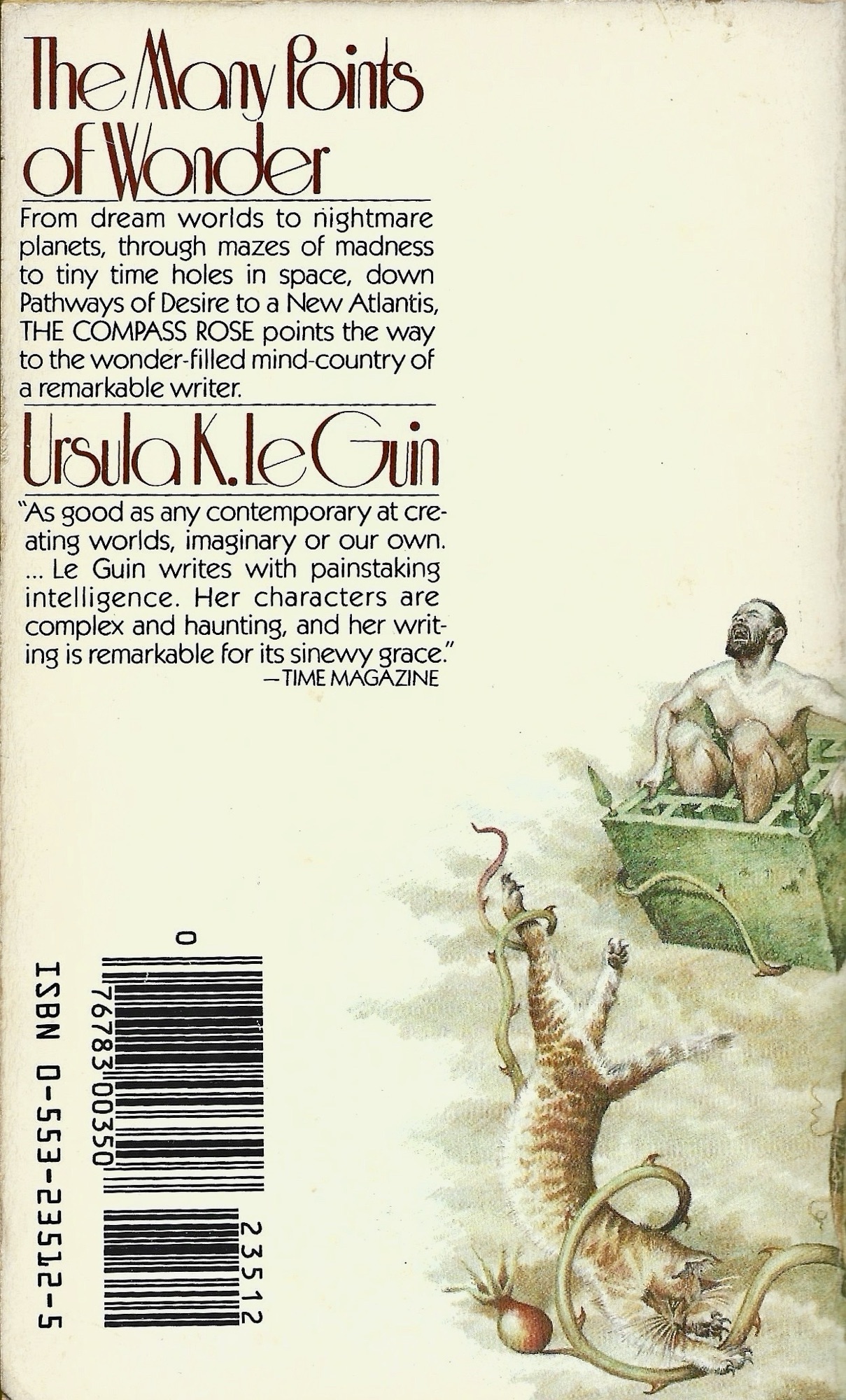
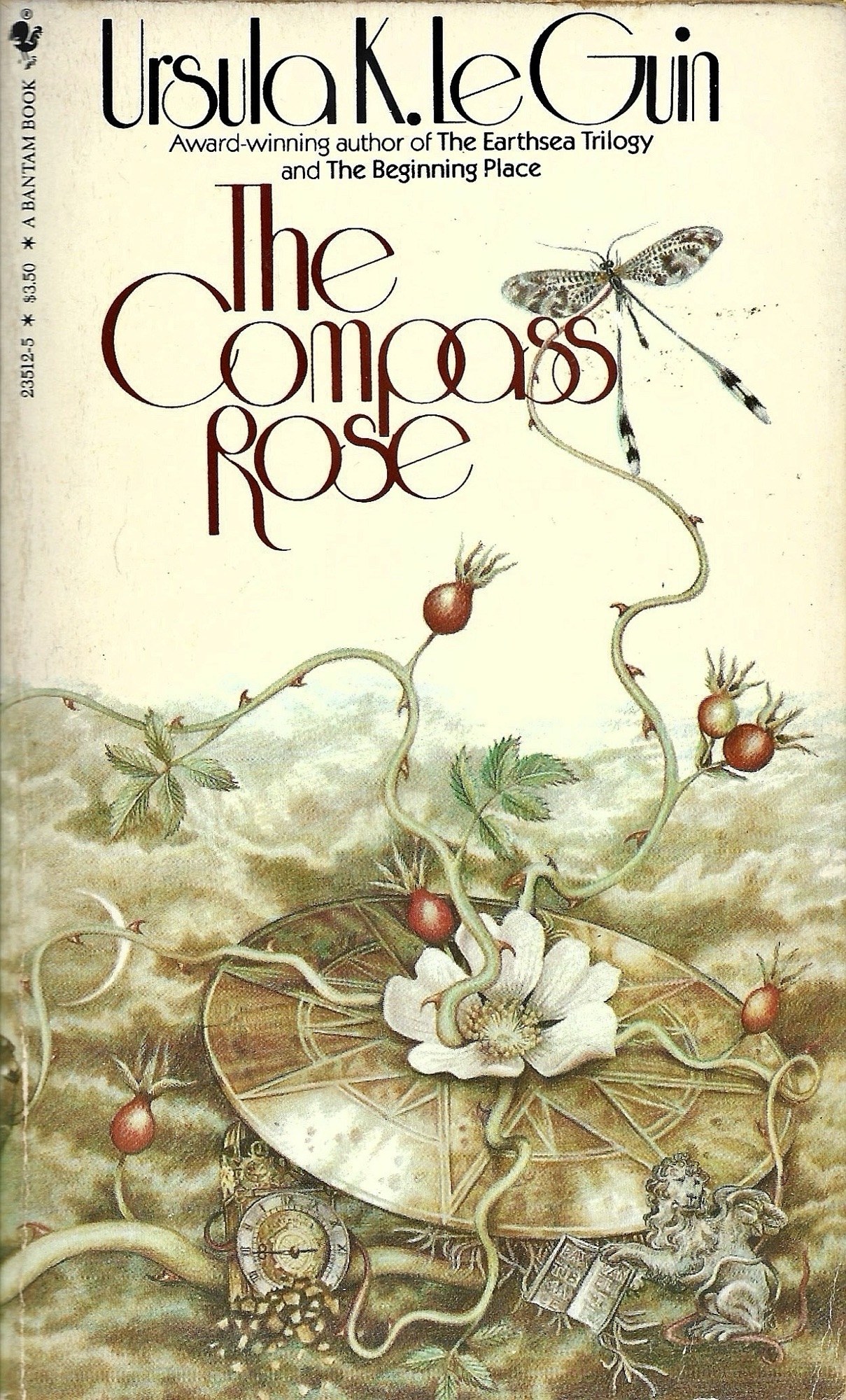
Mass-market Monday | Ursula K. Le Guin’s The Compass Rose

The Compass Rose, Ursula K. Le Guin. Bantam Books (1983). Cover art by Yvonne Gilbert. 271 pages.

A strong collection, containing one of Le Guin’s classic stories, “Schrödinger’s Cat,” which I wrote about a few years ago. From that riff:

Ursula K. Le Guin’s 1982 short story “Schrödinger’s Cat” is a tale about living in radical uncertainty. The story is perhaps one of the finest examples of postmodern literature I’ve ever read. Playful, funny, surreal, philosophical, and a bit terrifying, the story is initially frustrating and ultimately rewarding.

While I think “Schrödinger’s Cat” has a thesis that will present itself to anyone who reads it more than just once or twice, the genius of the story is in Le Guin’s rhetorical construction of her central idea. She gives us a story about radical uncertainty by creating radical uncertainty in her reader, who will likely find the story’s trajectory baffling on first reading. Le Guin doesn’t so much eschew as utterly disrupt the traditional form of a short story in “Schrödinger’s Cat”: setting, characters, and plot are all presented in a terribly uncertain way.

Untitled (King) — Ho Che Anderson

Untitled (from King), 1993/2005, by Ho Che Anderson (b. 1969)

Hibernation — Remedios Varo

Hibernación (Hibernation), 1942 by Remedios Varo (1908-1963)


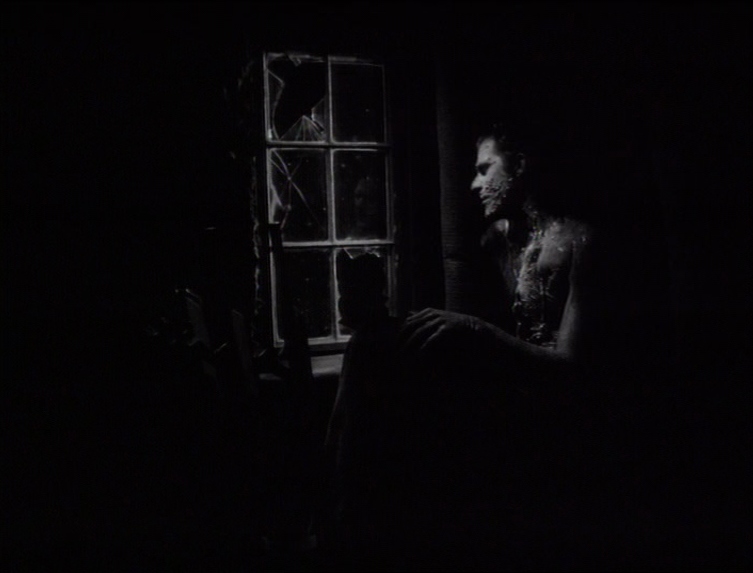
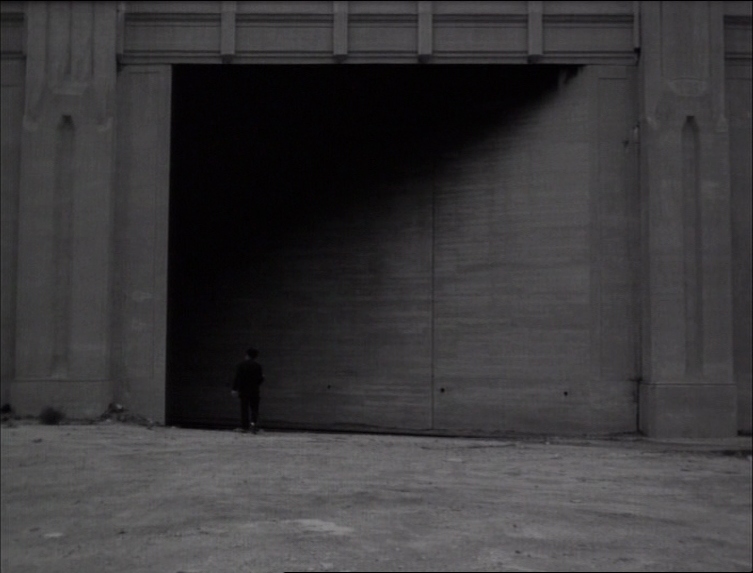
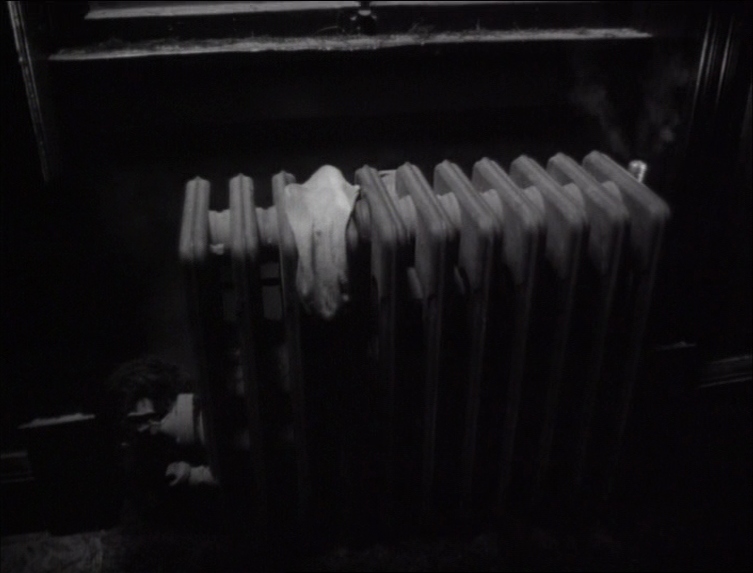
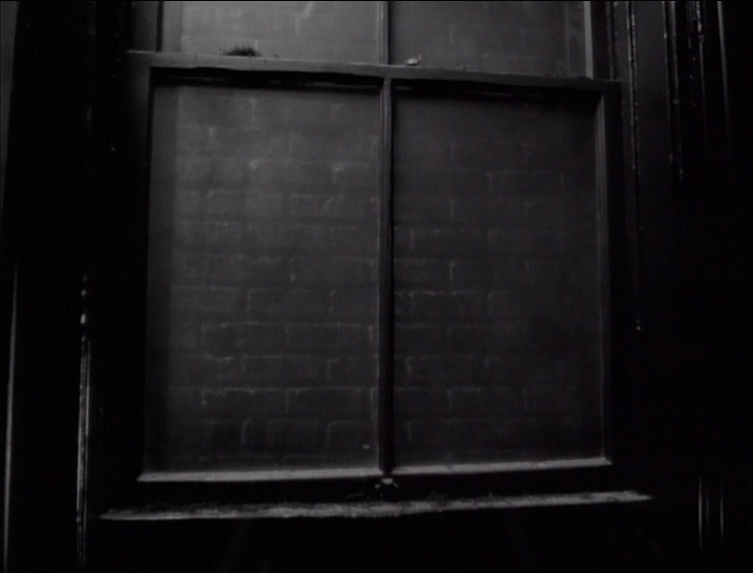
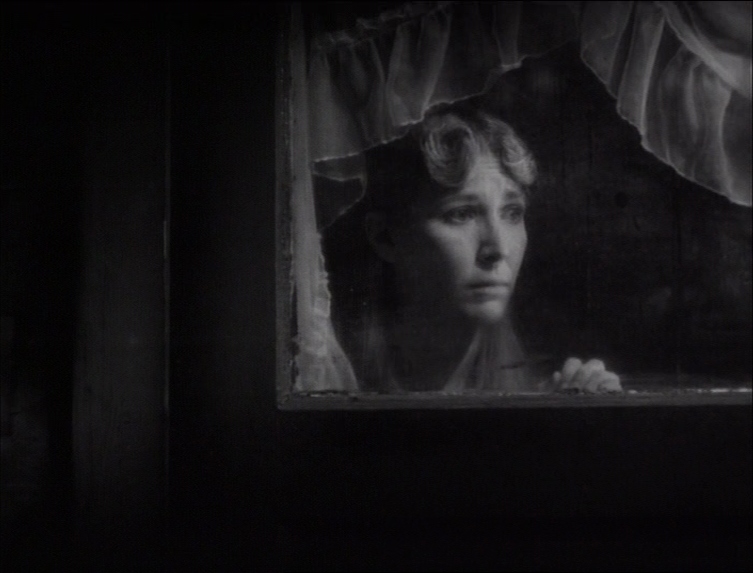
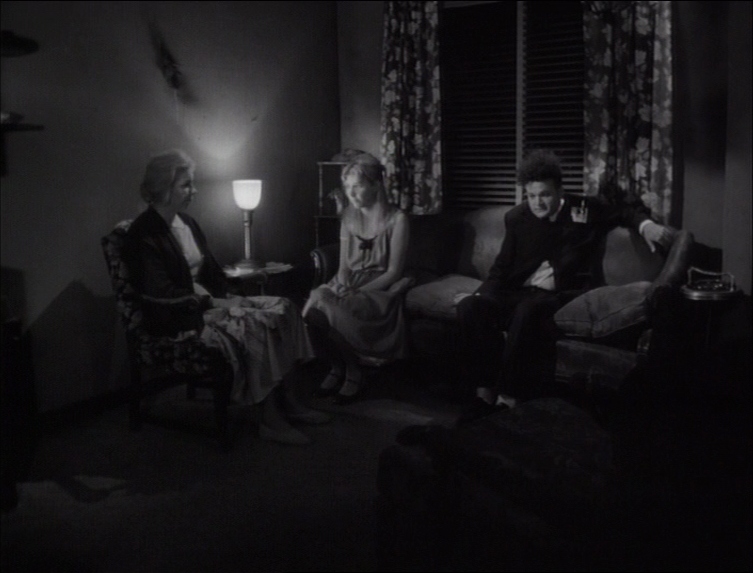
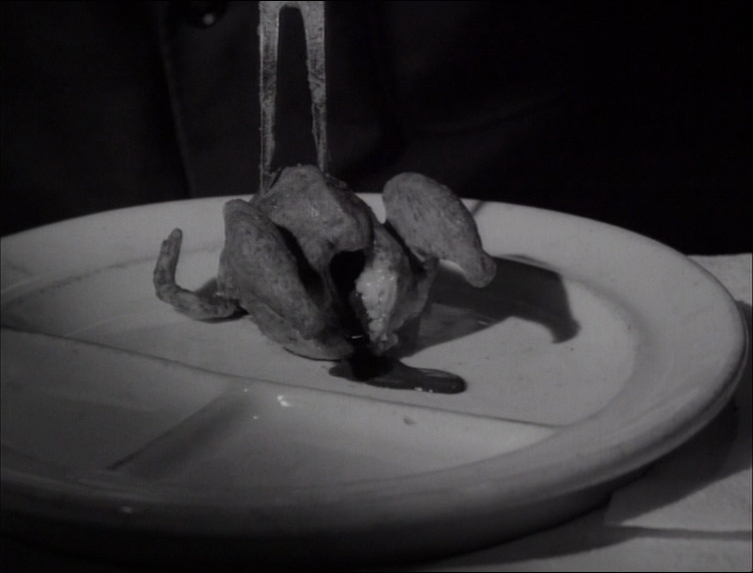
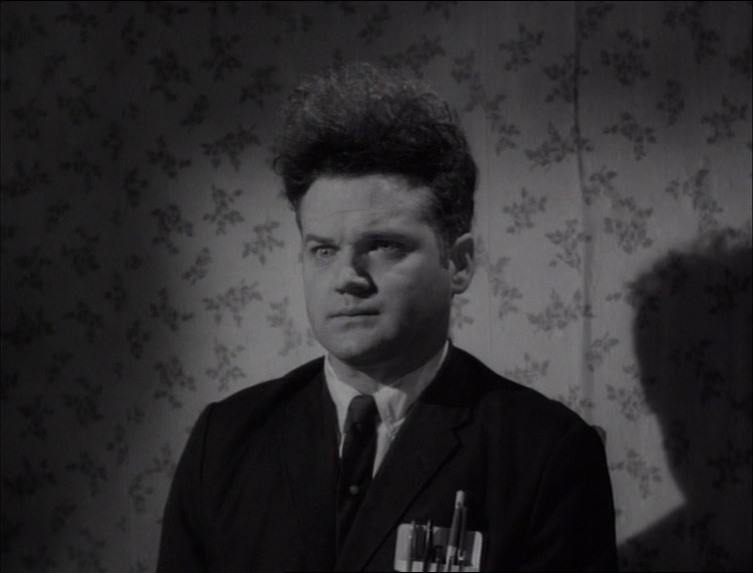
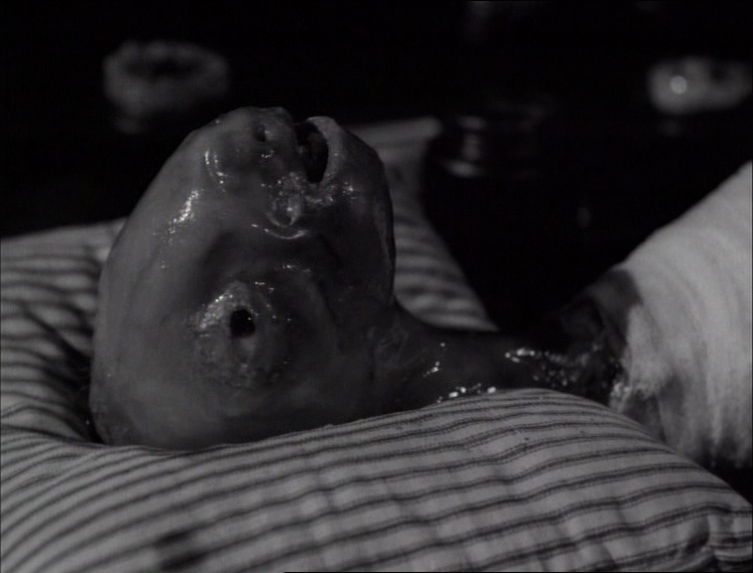
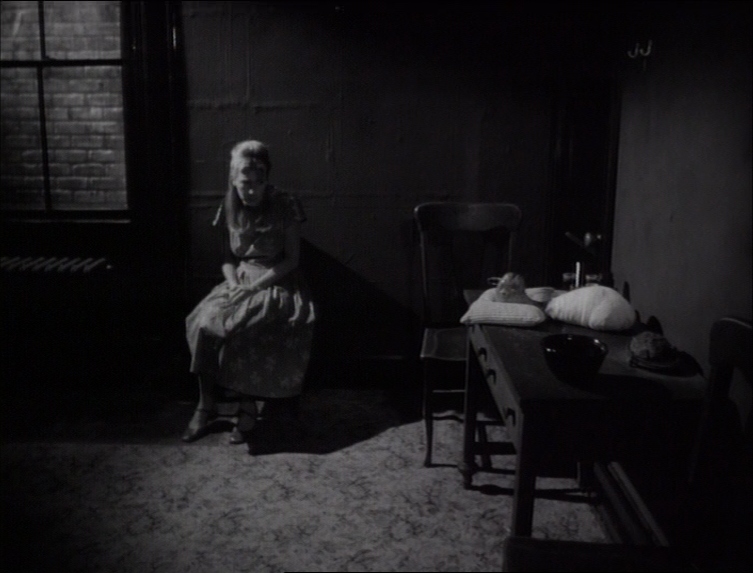
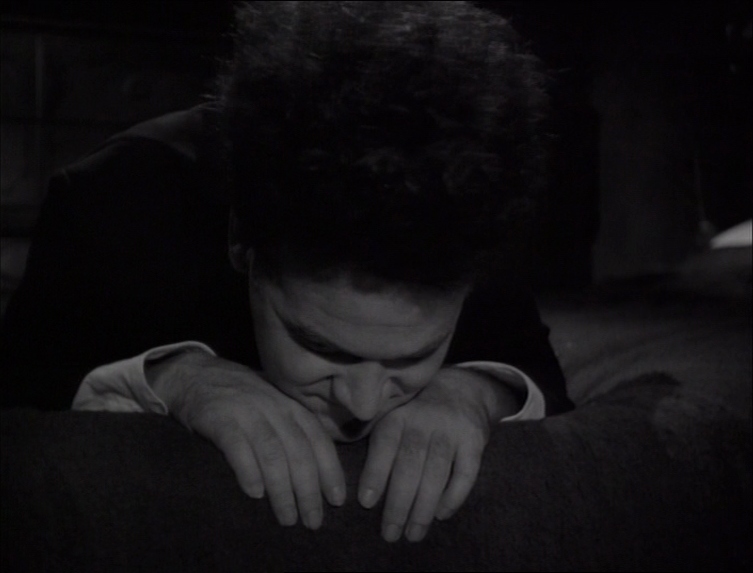
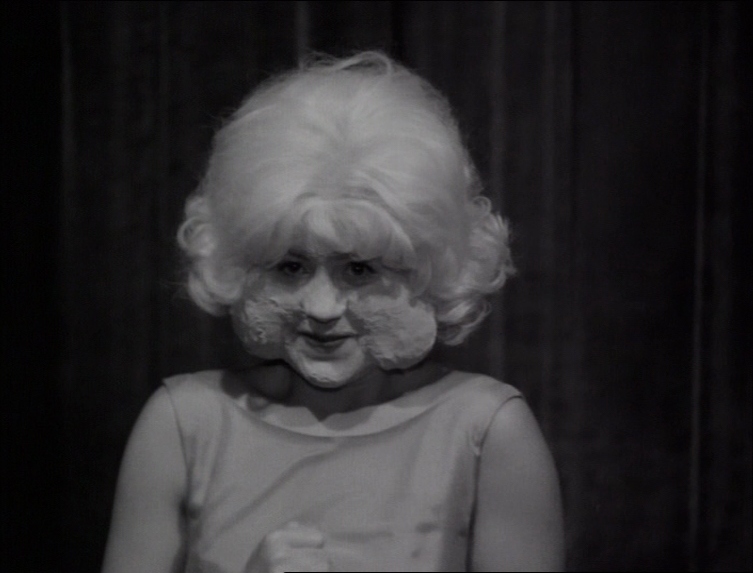
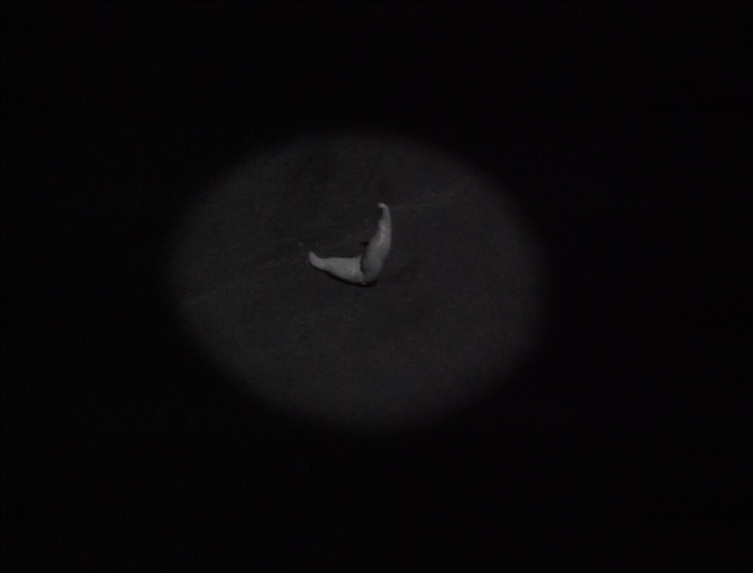
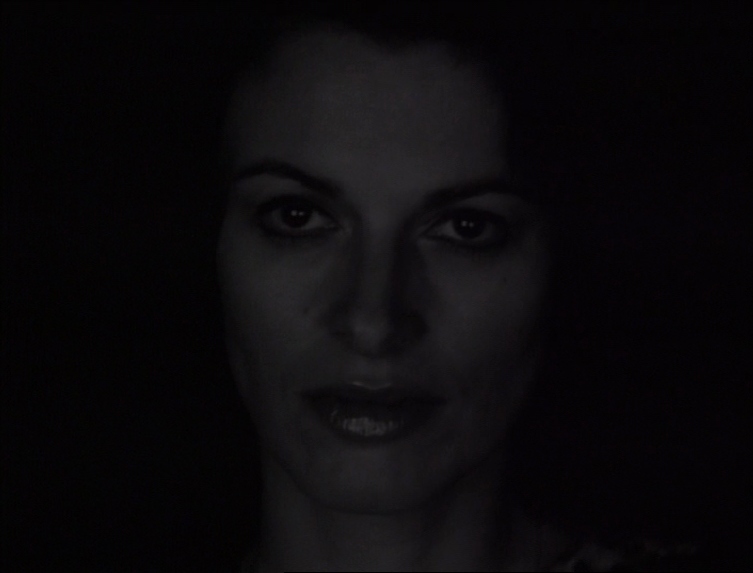
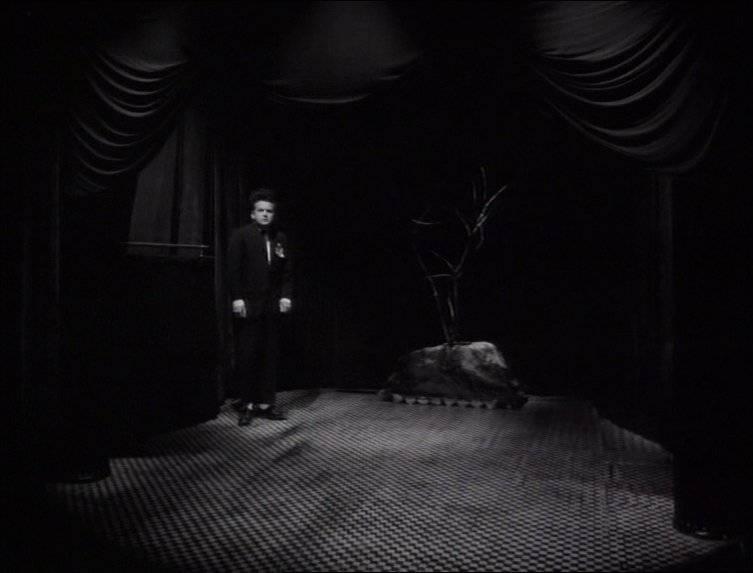
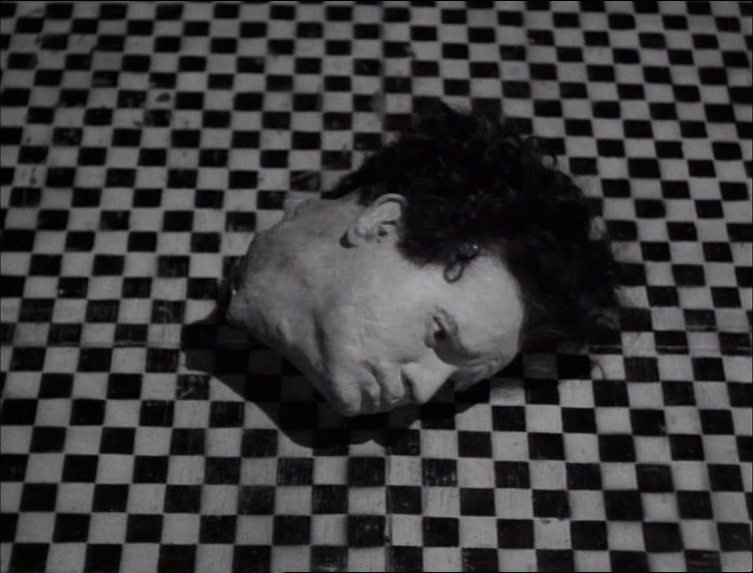
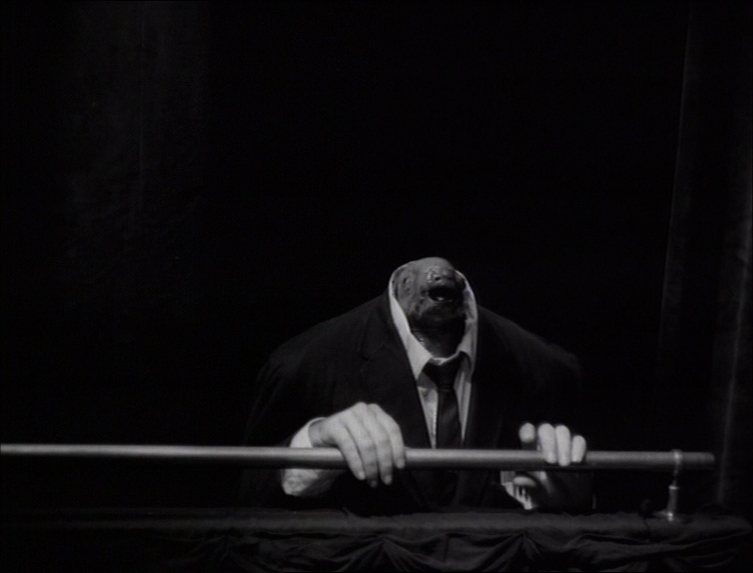
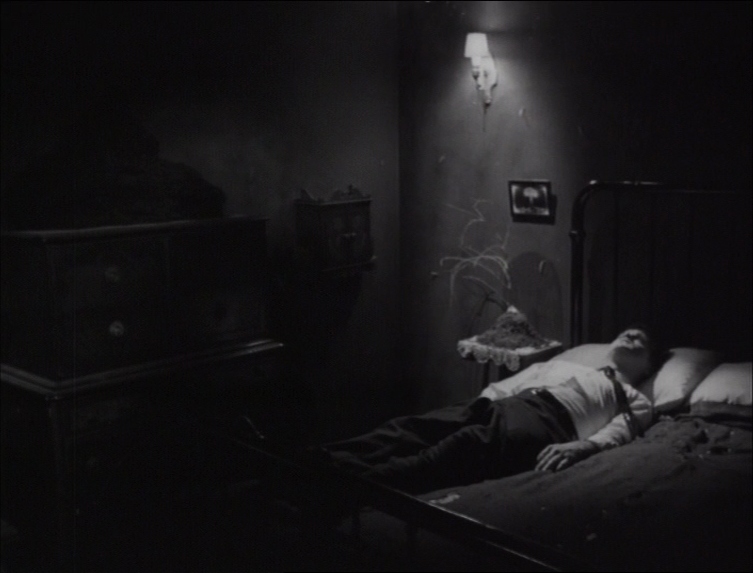
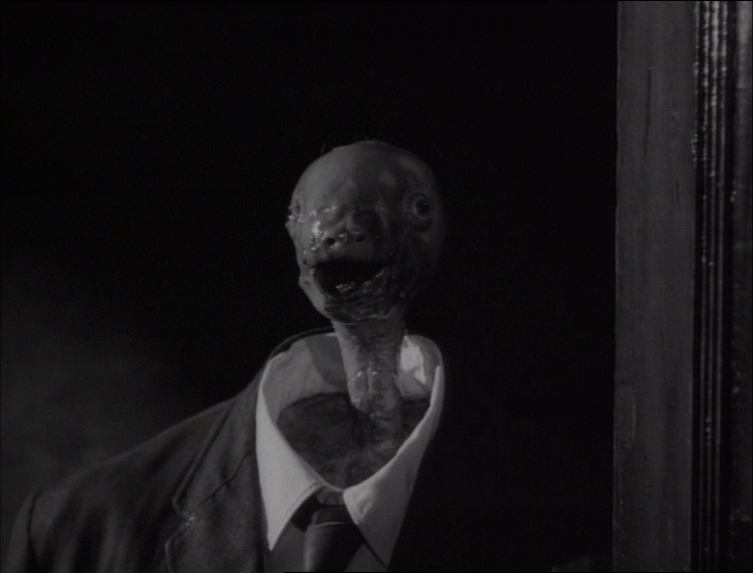
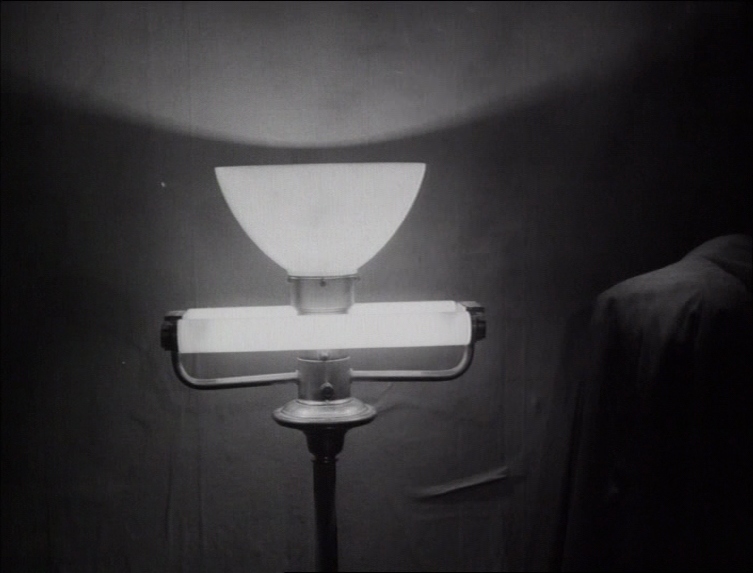
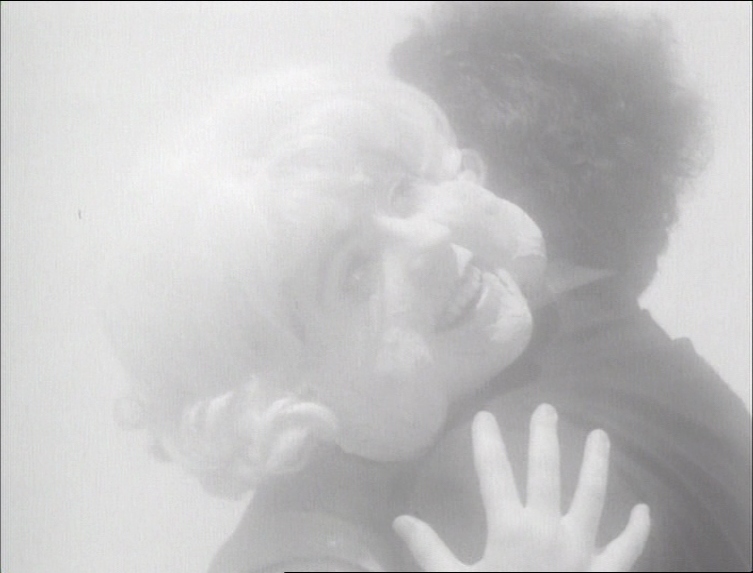
30 frames from David Lynch’s Eraserhead

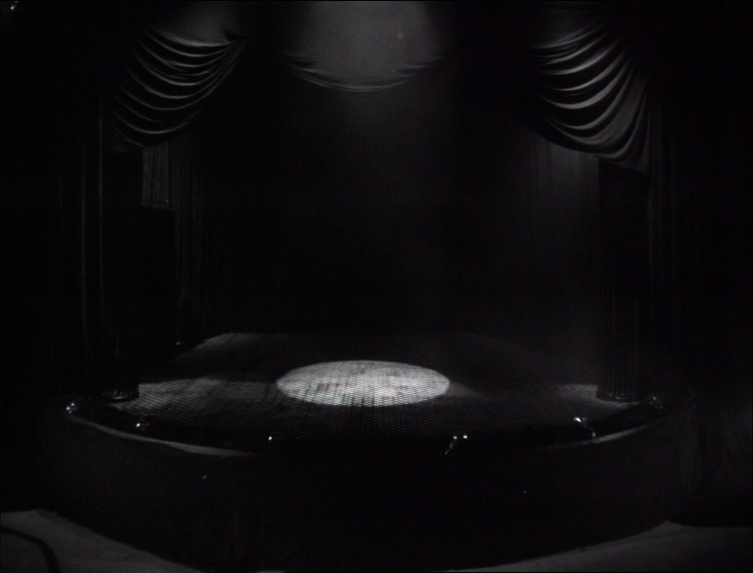
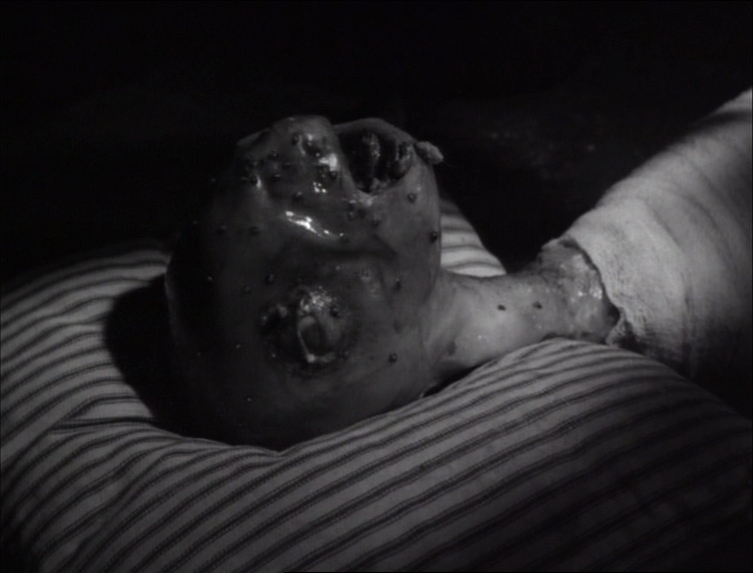
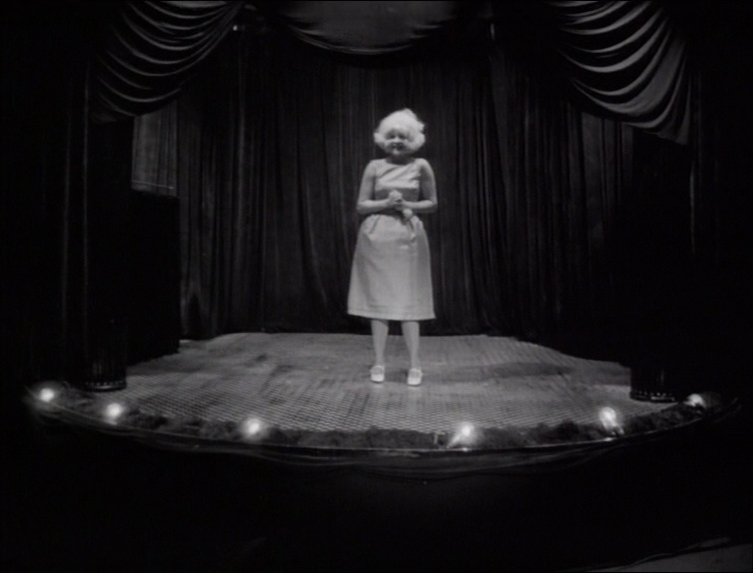
From Eraserhead, 1977. Directed by David Lynch with cinematography by Frederick Elmes and Herbert Cardwell. Via Film Grab.

Thank you David Lynch

RIP David Lynch, 1946-2025

We weirdos lost a spiritual uncle today.

Lose isn’t exactly the right word–the work is still there, the tremendous body of works, the films and images that I’ve returned to for so much of my life, films and images my fourteen-year-old son has recently been drawn to himself, wholly independent of me, getting there through his own weird back channels, my son who asked me just the other day if we could watch Eraserhead, and I said, Not yet, although I was the same age as he is now when I watched Eraserhead and let it do something weird to me. Maybe we’ll start with The Elephant Man instead, let it break his heart a little. Keep him away from Fire Walk With Me until he can handle it (you can never really handle it). I saw them all too young. Was way too young when my older cousin showed me Blue Velvet; I think it imprinted on me. Rewatching it (for the fifth? tenth?) time a decade and a half later, I realized I was Kyle M’s Jeffrey Beaumont peering through the closet in horror at the Adult World. Maybe I wasn’t too young. But I’ve loved them all, again and again—Lost Highway, the first one I got to see in a theater, Mulholland Dr. (the best one?), Inland Empire (really the best one). Even Dune, the first one I saw, perplexed as hell. My parents let us watch it again and again on VHS and it always refused to cohere. I think they thought it was like Star Wars, which it both was and very much wasn’t. Even the straight one he made for the normies (especially the one he made for the normies–although I don’t know if they appreciated it). But really, especially, when he Got the Old Gang Back Together for Twin Peaks: The Return—it was such a gift, a gift that seemed to come out of nowhere, unexpected, but I think even then we could recognize what a beautiful gift it was — even if it broke my heart all over again at the end, in the best possible way (“What year is this?” / “Laura!” / HOWL). I think we all knew to say Thank you then; I think we showed our love in return for the artist’s gifts. I’m thankful now, sad, selflishly sad that there won’t be one more gift, one more vision that could never come from another mind. But thankful.

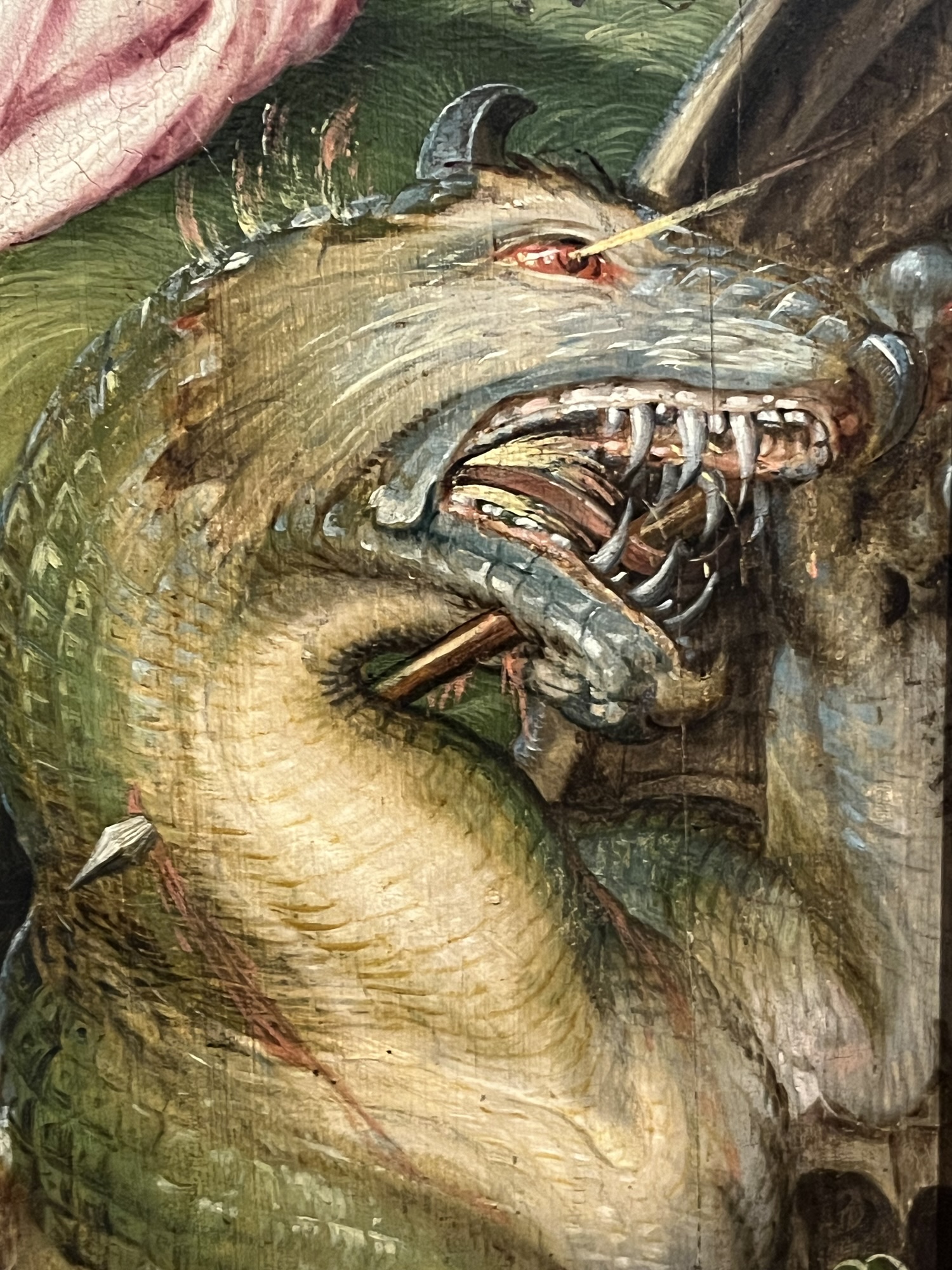
Saint George and the Dragon (Detail) — Martin de Vos

Detail from Saint George and the Dragon (c. 1590-1602) by Martin de Vos (1531/1532 – 1603)

“What Do I Need to Paint a Picture?” — Ithell Colquhoun

“What Do I Need to Paint a Picture?”

by

Ithell Colquhoun

From Surrealist Women: An International Anthology (ed. Penelope Rosemont)


Certainly not a canvas or an easel, because I need first a resistant surface (wall or panel) and a steady support (wall or table or bench). I like the surface on which I paint to be as near that of polished ivory as possible; sometimes this surface is so lovely that it seems a pity to paint it at all. Then I need a number, but not a large number, of opaque pigments and a small amount of medium, I am not going to say what is in the medium, but it smells very nice. Then a still smaller number of transparent pigments, and lastly a surfacing-wax which I put on when the paint is dry and which also smells very nice.

I need a line to work to (Blake’s “bounding outline”); that means a full-sized detailed drawing afterwards traced. Then I put on the opaque colors very smooth and finally the glazes, if any, with the transparent colors. These are only the fixed and the cardinal qualities; what of the mutable? What of inspiration? What can one say of it except that it comes and goes, is helped and hindered, is unbiddable and unpredictable?

As to results, I aim for them to be sculptural: drawing and painting are branches of sculpture. For me, drawing is two-dimensional sculpture, painting is two-dimensional colored sculpture. If I do any sculpture, it is colored.

Mine is a very convenient way of painting, because it needs so many consecutive hours of work that it is almost impossible to do anything else.

Dino Buzzati’s The Bewitched Bourgeois: Fifty Stories (Book acquired, late Dec. 2024)

I got a review copy of Lawrence Venuti’s selection of Dino Buzzati short stories he’s translated as The Bewitched Bourgeois a few days before we left for a family vacation at the end of last year in Mexico City. I’d meant to take it with me, thinking that the (often very short) short stories would make ideal plane, airport, and I’m-exhausted-but-want-a-quick-brain-snack reading. But I ended up throwing José Donoso’s novel The Obscene Bird of Night into my ancient North Face Recon instead in a weird effort to get its last hundred and fifty pages “finished” before the so-called “next year.” I achieved that goal and am now rereading big chunks of The Obscene Bird of Night. I should have brought the Buzzati. I think it would have been ideal for my needs at the time, based on the handful of tales I’ve read so far.
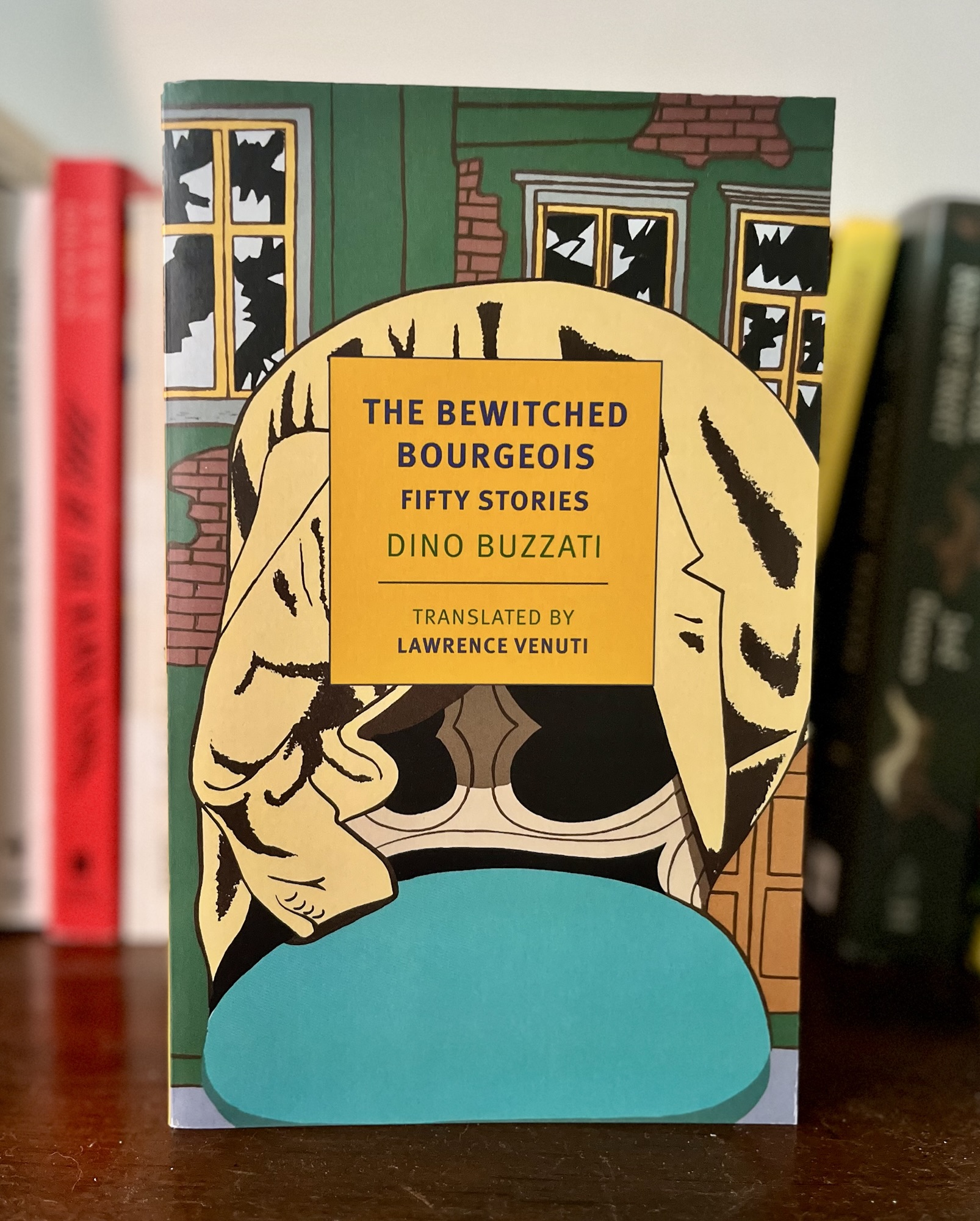
Here’s NYRB’s blurb:

Dino Buzzati was a prolific writer of stories, publishing several hundred over the course of forty years. Many of them are fantastic—reminiscent of Kafka and Poe in their mixture of horror and absurdity, and at the same time anticipating the alternate realities of The Twilight Zone or Black Mirror in their chilling commentary on the barbarities, catastrophes, and fanaticisms of the twentieth century.

In The Bewitched Bourgeois, Lawrence Venuti has put together an anthology that showcases Buzzati’s short fiction from his earliest stories to the ones he wrote in the last months of his life. Some appear in English for the first time, while others are reappearing in Venuti’s crisp new versions, such as the much-anthologized “Seven Floors,” an absurdist tale of a patient fatally caught in hospital bureaucracy; “Panic at La Scala,” in which the Milanese bourgeoisie, fearing a left-wing revolution, find themselves imprisoned in the opera house; and “Appointment with Einstein,” where the physicist, stopping at a filling station in Princeton, New Jersey, encounters a gas station attendant who turns out to be the Angel of Death.

The Pentagon’s Pet — Artemio Sepúlveda

La mascota del Pentágono (The Pentagon’s Pet), 1968 by Artemio Sepúlveda (b. 1937)


Mass-market Monday | Charles Wright’s The Messenger

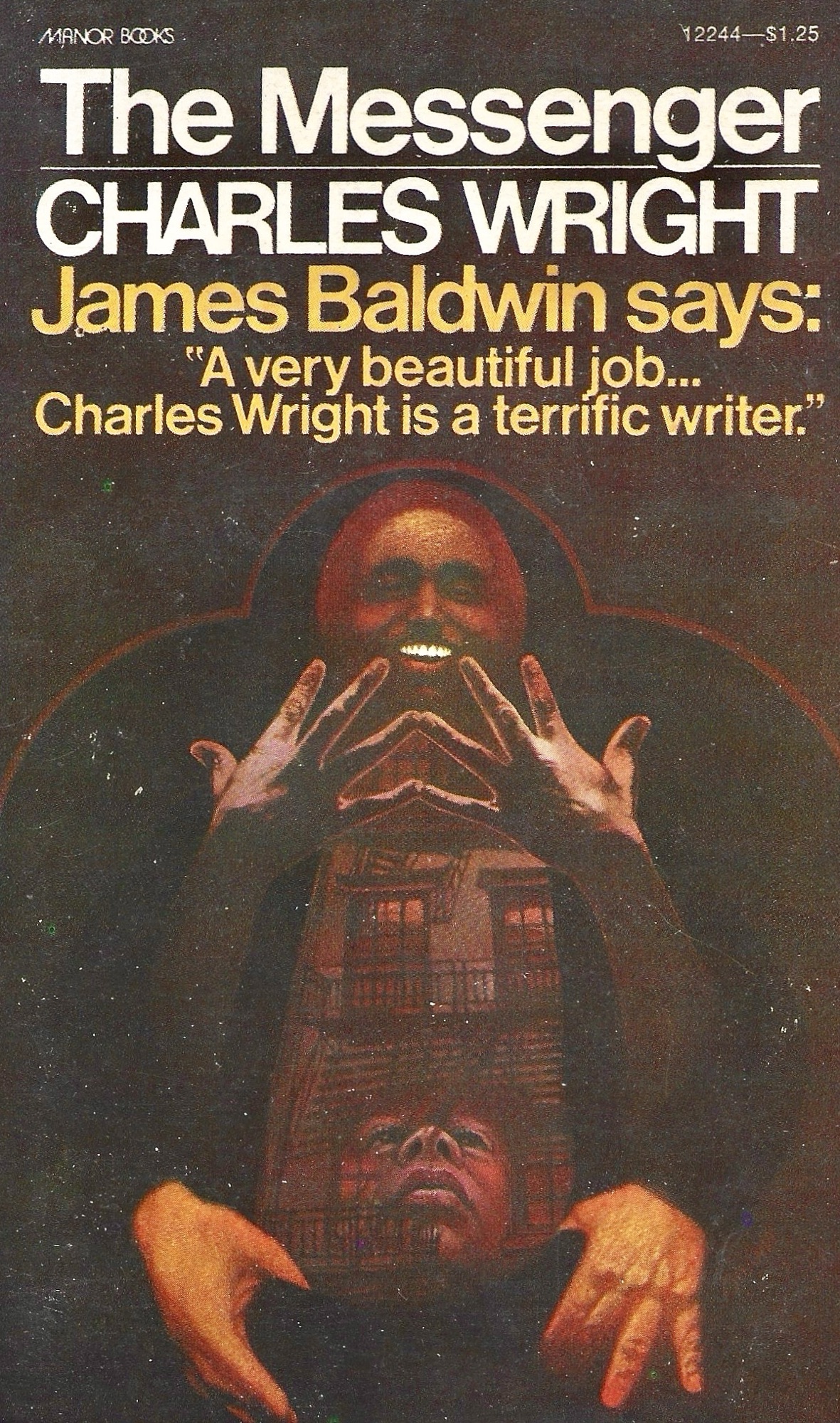
The Messenger, Charles Wright. Manor Books (1974). No cover artist or designer credited. 217 pages.

Charles Wright (not to be confused with Charles Wright or Charles Wright) published three novels between 1963 and 1973. His second novel, The Wig (1966) is an under-read, underappreciated gem—a tragicomic satire employing sharp distortions and cartoony edges. Wright’s first novel, The Messenger, is perhaps a bit too beholden to Richard Wright (to whom it is dedicated (along with Billie Holiday))—but many readers may prefer its raw realism to The Wig’s zany (and often crushing) zigs and zags. His last published novel, Absolutely Nothing to Get Alarmed About, is the most accomplished and singular of the trio—fragmentary, polyglossic, kaleidoscopic, messy. The trio remains in print as an omnibus with an introduction by Ishmael Reed. Read Reed on reading Wright.

The Order — Carlos Orozco Romero

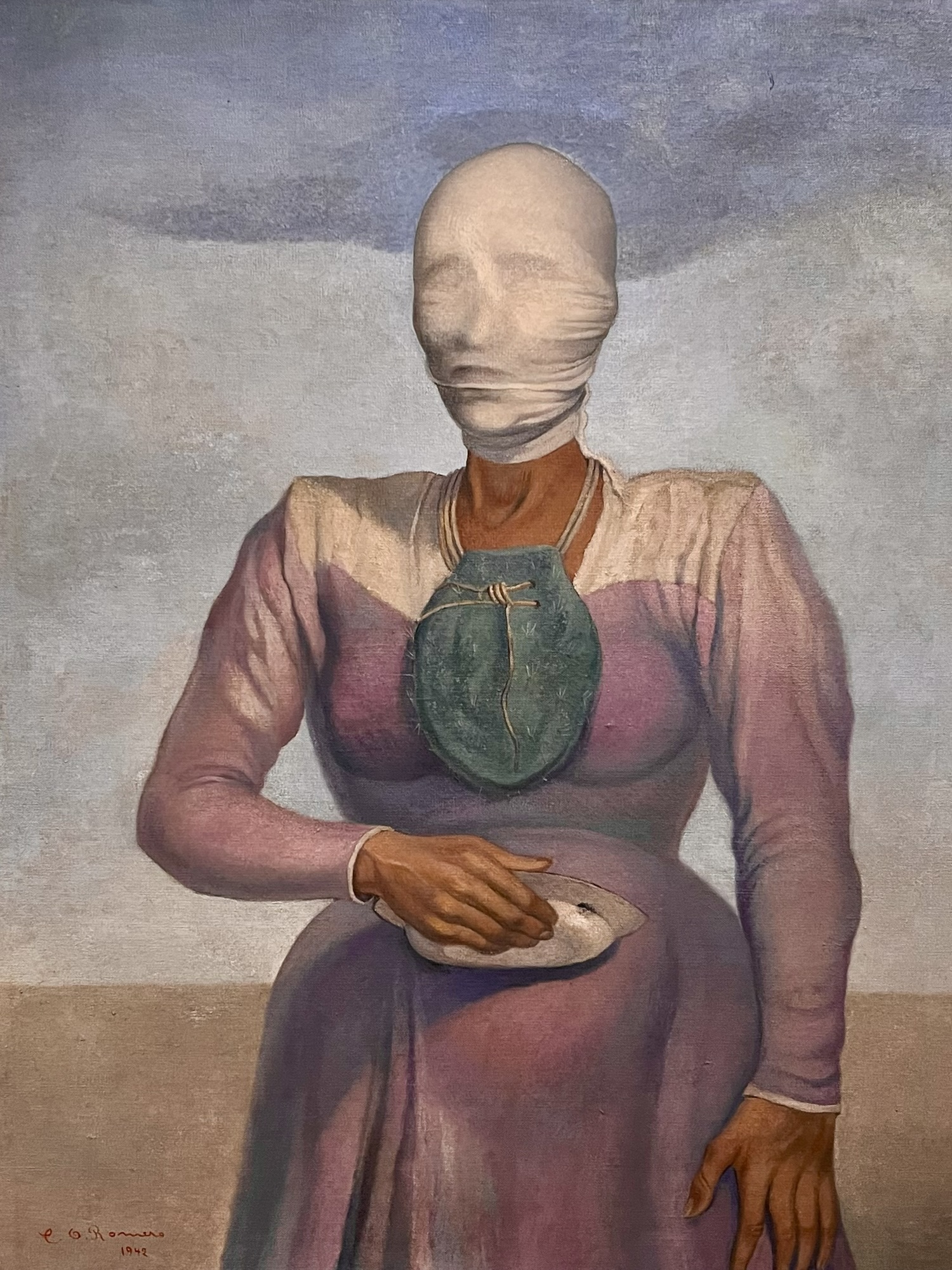
La manda (The Order), 1942 by Carlos Orozco Romero (1896-1984)

The Uncollected Stories of Mavis Gallant (Book acquired, 2 Jan. 2025)

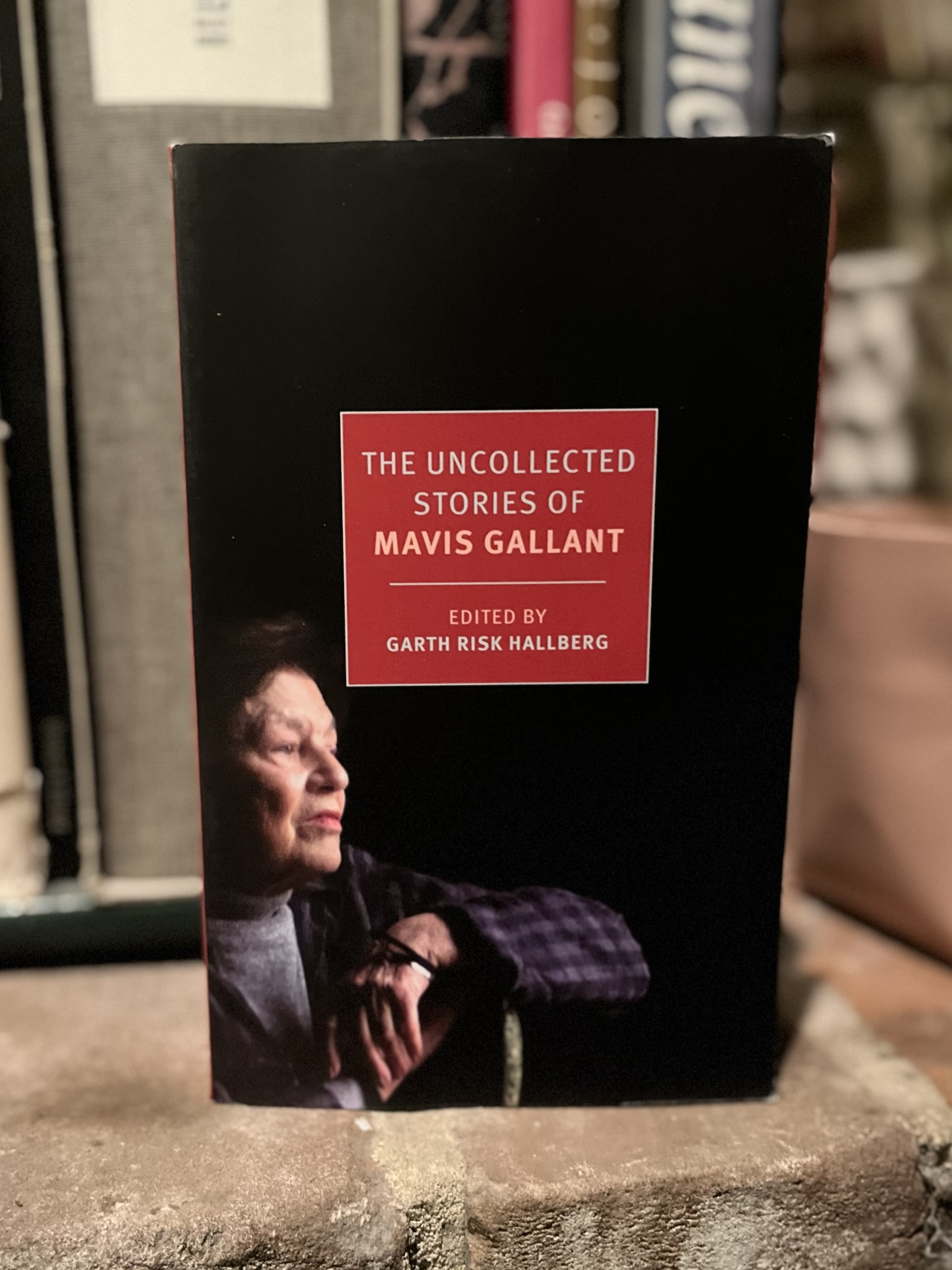
The Uncollected Stories of Mavis Gallant publishes later this month from NYRB. And oof is she a big boy! NYRB’s blurb:

Mavis Gallant’s extraordinary mastery of the short story remains insufficiently recognized. She may be the best writer of stories since the early-1950s prime of John Cheever, Eudora Welty, and Flannery O’Connor, and even in such august company, her work is sui generis. Gallant’s short fiction refines the art of the story even as it expands the boundaries of what a story can be. Above and beyond that, however, it constitutes a striking, almost avant-garde reduction. To read her is to discover something about the very nature of story: how for better or worse life is caught up in it, and how on the page that common predicament can come to life.

The Uncollected Stories of Mavis Gallant includes more than thirty stories never before gathered into one volume, including “The Accident” and “His Mother” and “An Autobiography” and “Dédé.” With the publication of this book, finally all of this modern master’s fiction will be in print.

Read “Whatever He Sees, He Sees Soft,” a very short story by Julio Cortázar

“Whatever He Sees, He Sees Soft”

by

Julio Cortázar

translated by Robert Coover and Pilar Coover

I know a great softener, a fellow who, whatever he sees, he sees soft, softens it merely by seeing it, not by looking at it for he doesn’t look, he only sees, he goes around seeing things and all of them are terribly soft, which makes him happy because he doesn’t like hard things at all.

There was a time when no doubt he saw things hard, being then still able to look, for he who looks sees twice: he sees what he’s seeing and at the same time it is what he sees, or at least it could be, or would like to be, or would not like to be, all exceedingly philosophical and existential means of locating oneself and locating the world. But one day when he was about twenty years old, he began to stop looking, this fellow, because in point of fact he had very soft skin, and the last few times he’d wanted to look straight out at the world, the sight had torn his skin in two or three places, and naturally my friend said. Hey baby, this won’t do! Whereupon one morning he’d started just seeing instead, very carefully, only that, nothing but seeing-and from then on, of course, whatever he saw, he saw soft, softened it simply by seeing it, and he was happy because he couldn’t abide hard things at all.

“Trivializing vision” is what a professor from Bahía Blanca called it, a surprisingly felicitous expression coming as it did from Bahía Blanca, but my friend paid it no heed, and not only that, but when he saw the professor, he naturally saw him as remarkably soft, and so invited him home for cocktails, introduced him to his sister and aunt, the whole event transpiring in an atmosphere of great softness.

It bothers me a little, I must say, because whenever my friend sees me, I feel like I’m going completely soft, and even though I know it’s got nothing to do with me, but rather with the image of me my friend has, as the professor from Bahía Blanca would say, just the same it bothers me, because nobody likes to be seen as some kind of semolina pudding, and so get invited to the movies to watch cowboys or get talked to for hours about how lovely the carpets are in the Embassy of Madagascar.

What’s to be done with my friend? Nothing, of course, At all events, see him but never look at him: how, I ask, could we look at him without, horribly, risking utter dissolution? He who sees only must be seen only: a wise and melancholy moral which goes, I am afraid, beyond the laws of optics.

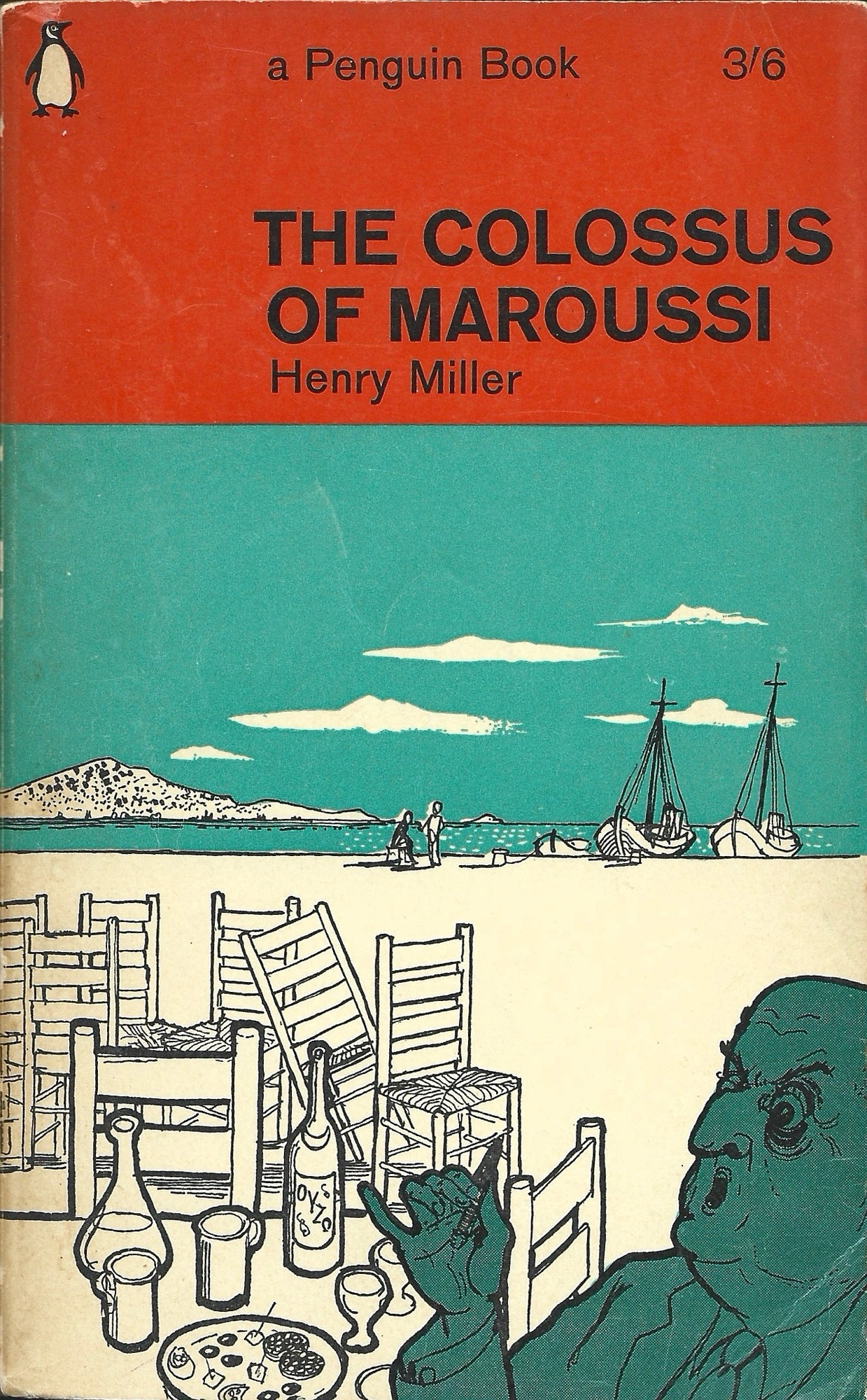
Mass-market Monday | Henry Miller’s The Colossus of Maroussi

The Colossus of Maroussi, Henry Miller. Penguin Books (1964). Cover Osbert Lancaster. 248 pages.

From Miller’s The Colossus of Maroussi (1941):

At Arachova Ghika got out to vomit. I stood at the edge of a deep canyon and as I looked down into its depths I saw the shadow of a great eagle wheeling over the void. We were on the very ridge of the mountains, in the midst of a convulsed land which was seemingly still writhing and twisting. The village itself had the bleak, frostbitten look of a community cut off from the outside world by an avalanche. There was the continuous roar of an icy waterfall which, though hidden from the eye, seemed omnipresent. The proximity of the eagles, their shadows mysteriously darkening the ground, added to the chill, bleak sense of desolation. And yet from Arachova to the outer precincts of Delphi the earth presents one continuously sublime, dramatic spectacle. Imagine a bubbling cauldron into which a fearless band of men descend to spread a magic carpet. Imagine this carpet to be composed of the most ingenious patterns and the most variegated hues. Imagine that men have been at this task for several thousand years and that to relax for but a season is to destroy the work of centuries. Imagine that with every groan, sneeze or hiccough which the earth vents the carpet is grievously ripped and tattered. Imagine that the tints and hues which compose this dancing carpet of earth rival in splendor and subtlety the most beautiful stained glass windows of the mediaeval cathedrals. Imagine all this and you have only a glimmering comprehension of a spectacle which is changing hourly, monthly, yearly, millennially. Finally, in a state of dazed, drunken, battered stupefaction you come upon Delphi. It is four in the afternoon, say, and a mist blowing in from the sea has turned the world completely upside down. You are in Mongolia and the faint tinkle of bells from across the gully tells you that a caravan is approaching. The sea has become a mountain lake poised high above the mountaintops where the sun is sputtering out like a rum-soaked omelette. On the fierce glacial wall where the mist lifts for a moment someone has written with lightning speed in an unknown script. To the other side, as if borne along like a cataract, a sea of grass slips over the precipitous slope of a cliff. It has the brilliance of the vernal equinox, a green which grows between the stars in the twinkling of an eye.

Seeing it in this strange twilight mist Delphi seemed even more sublime and awe-inspiring than I had imagined it to be. I actually felt relieved, upon rolling up to the little bluff above the pavilion where we left the car, to find a group of idle village boys shooting dice: it gave a human touch to the scene. From the towering windows of the pavilion, which was built along the solid, generous lines of a mediaeval fortress, I could look across the gulch and, as the mist lifted, a pocket of the sea became visible—just beyond the hidden port of Itea. As soon as we had installed our things we looked for Katsimbalis whom we found at the Apollo Hotel—I believe he was the only guest since the departure of H. G. Wells under whose name I signed my own in the register though I was not stopping at the hotel. He, Wells, had a very fine, small hand, almost womanly, like that of a very modest, unobtrusive person, but then that is so characteristic of English handwriting that there is nothing unusual about it.

By dinnertime it was raining and we decided to eat in a little restaurant by the roadside. The place was as chill as the grave. We had a scanty meal supplemented by liberal portions of wine and cognac. I enjoyed that meal immensely, perhaps because I was in the mood to talk. As so oft en happens, when one has come at last to an impressive spot, the conversation had absolutely nothing to do with the scene. I remember vaguely the expression of astonishment on Ghika’s and Katsimbalis’ faces as I unlimbered at length upon the American scene. I believe it was a description of Kansas that I was giving them; at any rate it was a picture of emptiness and monotony such as to stagger them. When we got back to the bluff behind the pavilion, whence we had to pick our way in the dark, a gale was blowing and the rain was coming down in bucketfuls. It was only a short stretch we had to traverse but it was perilous. Being somewhat lit up I had supreme confidence in my ability to find my way unaided. Now and then a flash of lightning lit up the path which was swimming in mud. In these lurid moments the scene was so harrowingly desolate that I felt as if we were enacting a scene from Macbeth. “Blow wind and crack!” I shouted, gay as a mud-lark, and at that moment I slipped to my knees and would have rolled down a gully had not Katsimbalis caught me by the arm. When I saw the spot next morning I almost fainted.