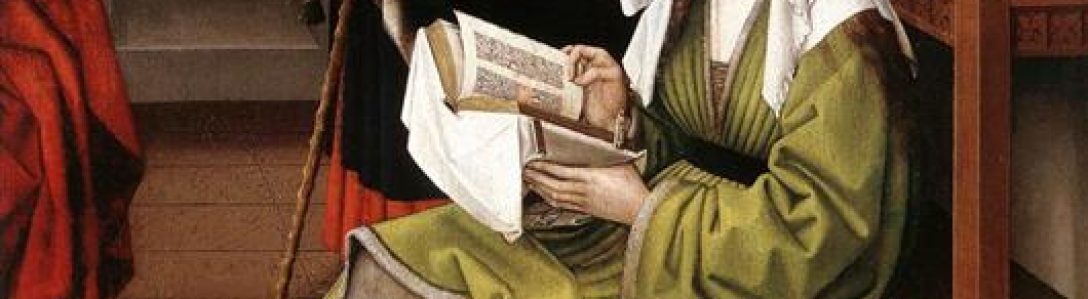
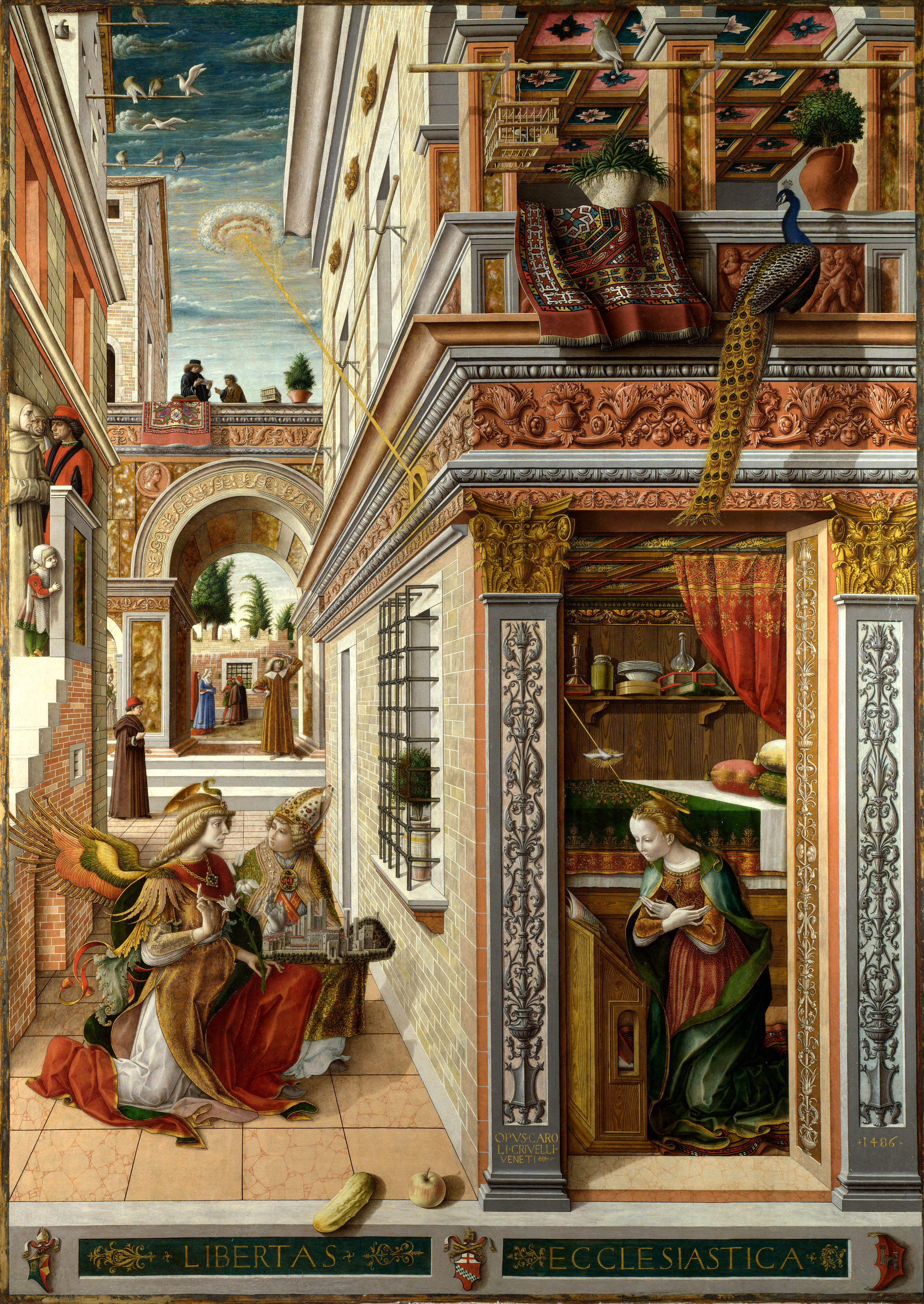
Detail from Crivelli’s Annunciation

Screenshot 2015-07-29 at 10.24.35 AM

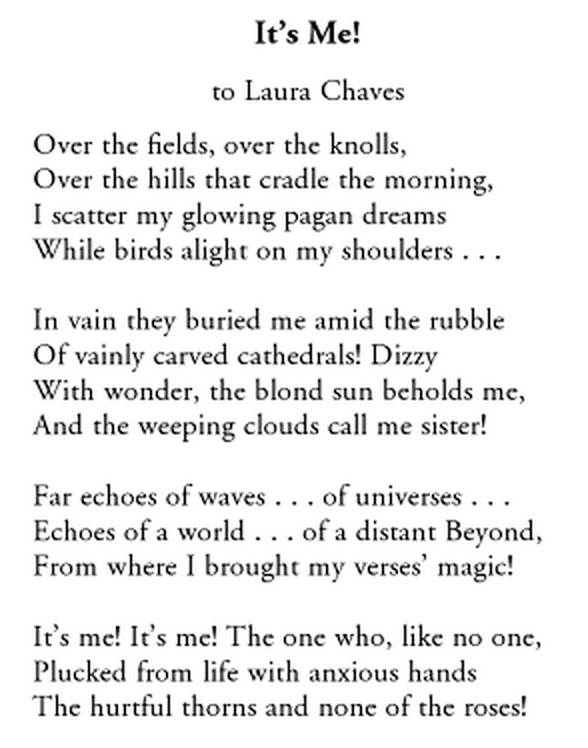
“It’s Me!” – Florbela Espanca

It's Me!

Translated by Richard Zenith.

Detail from Crivelli’s Annunciation

Screenshot 2015-07-29 at 10.03.12 AM

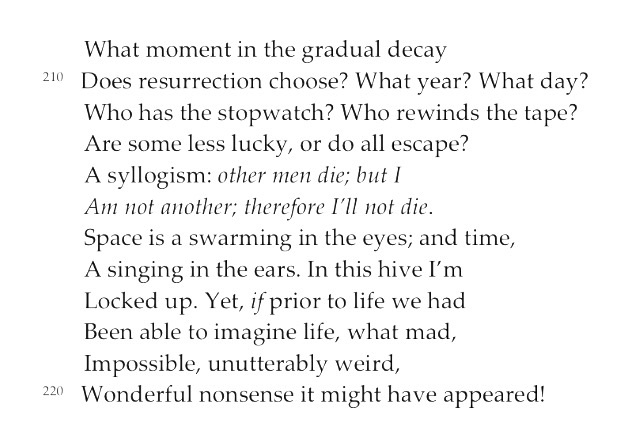
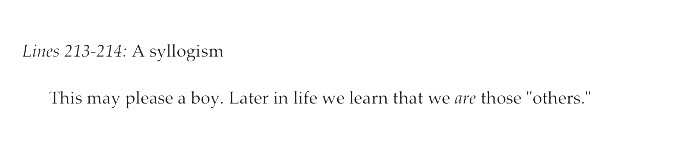
A syllogism (Vladimir Nabokov)

image image

From Vladimir Nabokov’s magnificent novel Pale Fire.

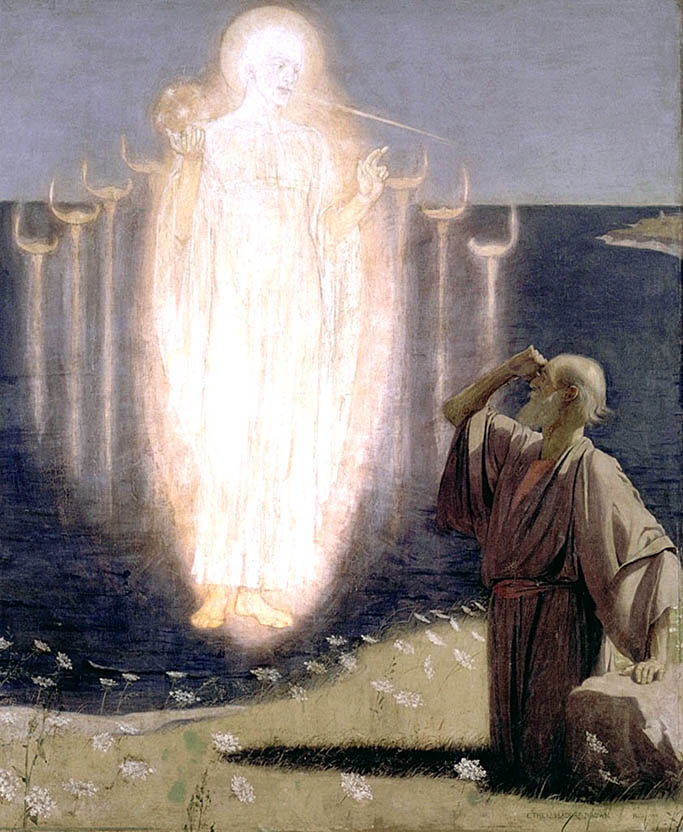
Vision of Saint John — Ethel Isadore Brown

tumblr_lyo264Nyj21qcrew2o1_1280

“Remarkable Characters” (Nathaniel Hawthorne’s July 29th, 1838 journal entry)

July 29th.–Remarkable characters:–A disagreeable figure, waning from middle age, clad in a pair of tow homespun pantaloons, and a very soiled shirt, barefoot, and with one of his feet maimed by an axe; also an arm amputated two or three inches below the elbow. His beard of a week’s growth, grim and grisly, with a general effect of black; altogether a disgusting object. Yet he has the signs of having been a handsome man in his idea, though now such a beastly figure that probably no living thing but his great dog would touch him without an effort. Coming to the stoop, where several persons were sitting, “Good morning, gentlemen,” said the wretch. Nobodyanswered for a time, till at last one said, “I don’t know whom you speak to: not to me, I’m sure” (meaning that he did not claim to be a gentleman). “Why I thought I spoke to you all at once,” replied the figure, laughing. So he sat himself down on the lower step of the stoop, and began to talk; and, the conversation being turned upon his bare feet by one of the company, he related the story of his losing his toes by the glancing aside of an axe, and with what great fortitude he bore it. Then he made a transition to the loss of his arm, and, setting his teeth and drawing in his breath, said that the pain was dreadful; but this, too, he seems to have borne like an Indian; and a person testified to his fortitude by saying that he did not suppose there was any feeling in him, from observing how he bore it. The man spoke of the pain of cutting the muscles, and the particular agony at one moment, while the bone was being sawed asunder; and there was a strange expression of remembered anguish, as he shrugged his half-limb, and described the matter. Afterwards, in a reply to a question of mine, whether he still seemed to feel the hand that had been amputated, he answered that he did always; and, baring the stump, he moved the severed muscles, saying, “There is the thumb, there the forefinger,” and so on. Then he talked to me about phrenology, of which he seems a firm believer and skilful practitioner, telling how he had hit upon the true character of many people. There was a great deal of sense and acuteness in his talk, and something of elevation in his expressions,–perhaps a studied elevation, and a sort of courtesy in his manner; but his sense had something out of the way in it; there was something wild and ruined and desperate in his talk, though I can hardlysay what it was. There was a trace of the gentleman and man of intellect through his deep degradation; and a pleasure in intellectual pursuits, and an acuteness and trained judgment, which bespoke a mind once strong and cultivated. “My study is man,” said he. And, looking at me, “I do not know your name,” he said, “but there is something of the hawk-eye about you, too.” Continue reading ““Remarkable Characters” (Nathaniel Hawthorne’s July 29th, 1838 journal entry)”

Untitled — Markus Schinwald

tumblr_m2jforxW681qdzczno1_1280

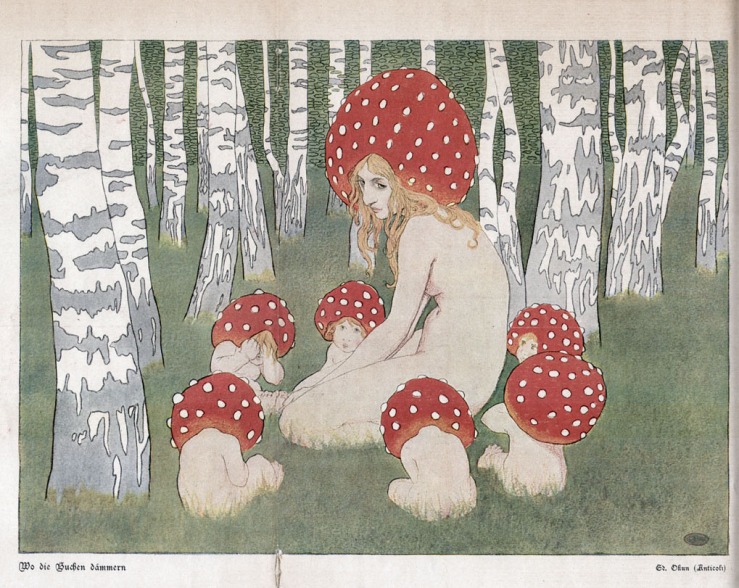
Mother Mushroom with Her Children — Edward Okun

display_image

Penguin Classics’ reissue of Jean Lartéguy’s The Centurions (Book acquired, 7.27.2015)

IMG_7840

Although I’ve been having to turn down review copies left and right lately, Penguin Classics’ reissue of Jean Lartéguy’s 1960 novel The Centurions looked to promising to pass up. Lartéguy was a soldier and a journalist—and the English translator, Xan Fielding, was a Special Operations Executive agent in WW2 (among other things).

Penguin’s blurb:

The military cult classic with resonance to the wars in Iraq and Vietnam—now back in print

When The Centurions was first published in 1960, readers were riveted by the thrilling account of soldiers fighting for survival in hostile environments. They were equally transfixed by the chilling moral question the novel posed: how to fight when the “age of heroics is over.” As relevant today as it was half a century ago, The Centurions is a gripping military adventure, an extended symposium on waging war in a new global order, and an essential investigation of the ethics of counterinsurgency. Featuring a foreword by renowned military expert Robert D. Kaplan, this important wartime novel will again spark debate about controversial tactics in hot spots around the world.

Interior with Mother Delousing Child — Pieter de Hooch

“An Apology for Idlers,” Robert Louis Stevenson’s defense of idle time

“An Apology for Idlers”
by

Robert Louis Stevenson


Boswell: We grow weary when idle.”

Johnson: That is, sir, because others being busy, we want company; but if we were idle, there would be no growing weary; we should all entertain one another.”

Just now, when every one is bound, under pain of a decree in absence convicting them of lèse-respectability, to enter on some lucrative profession, and labour therein with something not far short of enthusiasm, a cry from the opposite party who are content when they have enough, and like to look on and enjoy in the meanwhile, savours a little of bravado and gasconade.  And yet this should not be.  Idleness so called, which does not consist in doing nothing, but in doing a great deal not recognised in the dogmatic formularies of the ruling class, has as good a right to state its position as industry itself.  It is admitted that the presence of people who refuse to enter in the great handicap race for sixpenny pieces, is at once an insult and a disenchantment for those who do.  A fine fellow (as we see so many) takes his determination, votes for the sixpences, and in the emphatic Americanism, it “goes for” them.  And while such an one is ploughing distressfully up the road, it is not hard to understand his resentment, when he perceives cool persons in the meadows by the wayside, lying with a handkerchief over their ears and a glass at their elbow.  Alexander is touched in a very delicate place by the disregard of Diogenes.  Where was the glory of having taken Rome for these tumultuous barbarians, who poured into the Senate house, and found the Fathers sitting silent and unmoved by their success?  It is a sore thing to have laboured along and scaled the arduous hilltops, and when all is done, find humanity indifferent to your achievement.  Hence physicists condemn the unphysical; financiers have only a superficial toleration for those who know little of stocks; literary persons despise the unlettered; and people of all pursuits combine to disparage those who have none. Continue reading ““An Apology for Idlers,” Robert Louis Stevenson’s defense of idle time”

Detail from Crivelli’s Annunciation

Screenshot 2015-07-27 at 9.05.51 AM

Still Life with Musical Instruments — Pieter Claesz

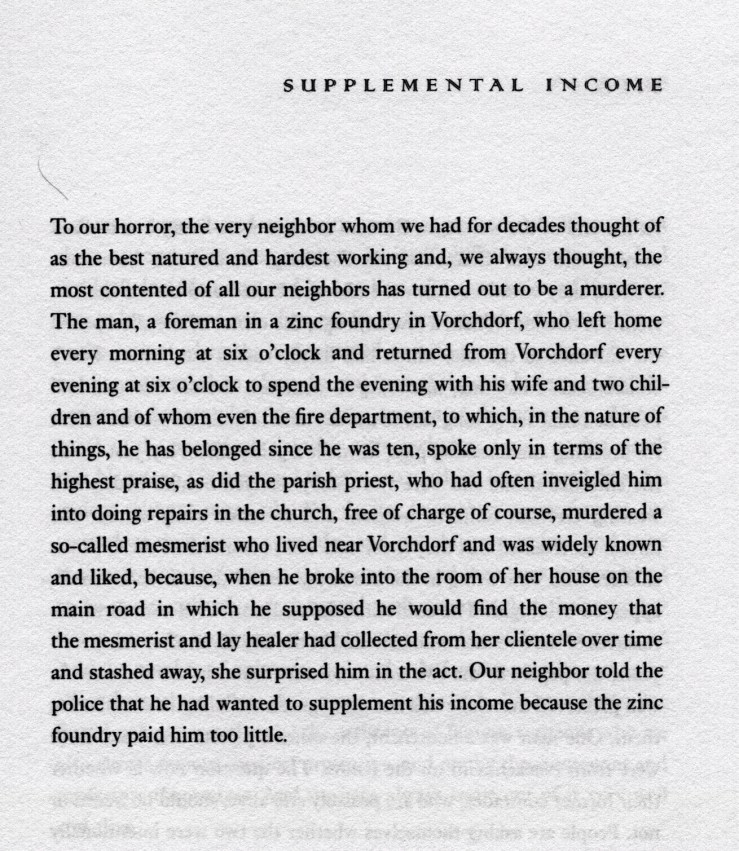
“Supplemental Income” — Thomas Bernhard

IMG_7838

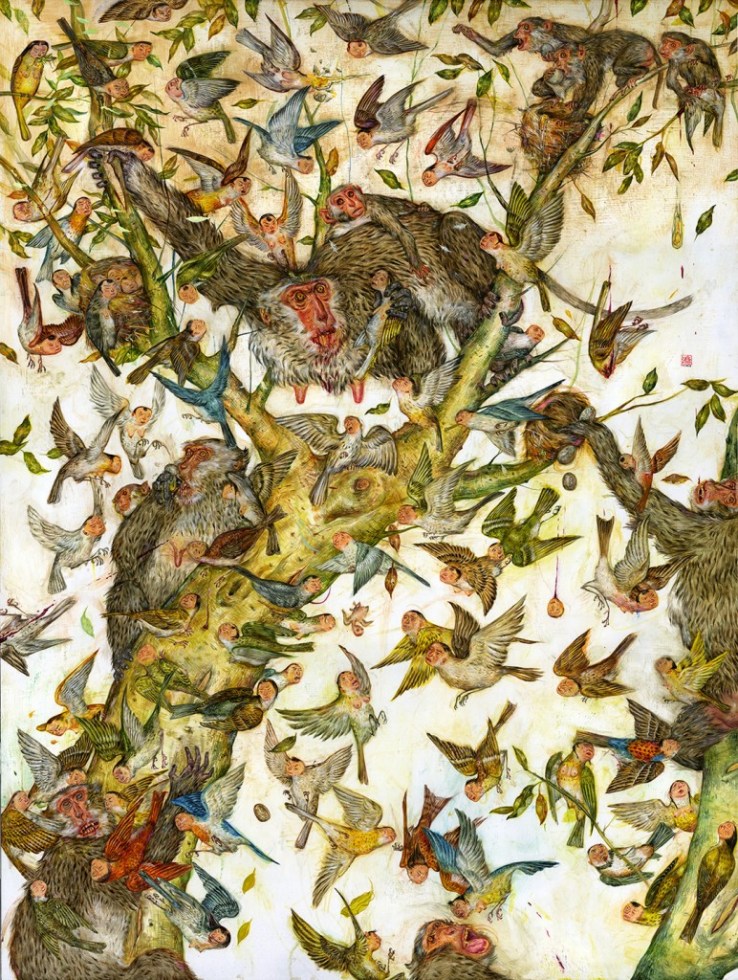
Birds Are Laughing on Top of the Tree — Mu Pan

optimized-4-772x1024

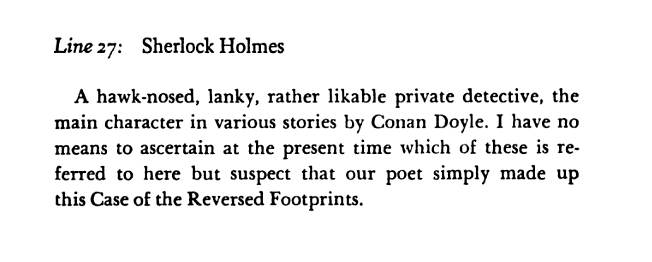
Line 27: Sherlock Holmes (Vladimir Nabokov)

Screenshot 2015-07-27 at 12.20.50 PM

Screenshot 2015-07-27 at 12.19.44 PM

From Pale Fire.

Detail from Crivelli’s Annunciation

Screenshot 2015-07-27 at 9.02.35 AM