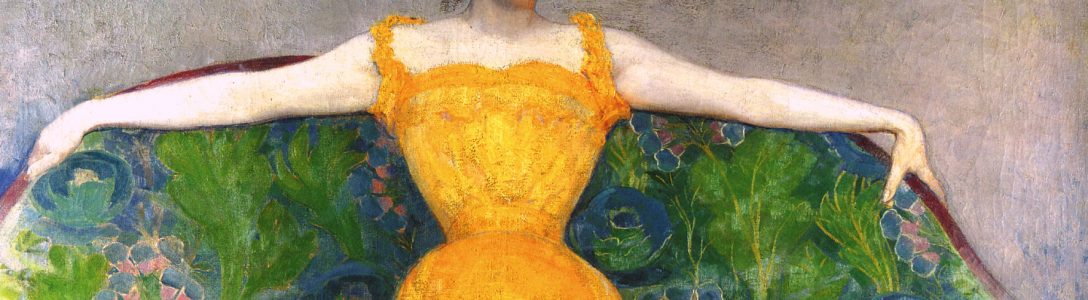
Young Girl Reading — Federico Zandomeneghi

Ralph Ellison: “I recognize no dichotomy between art and protest”

INTERVIEWER

Then you consider your novel a purely literary work as opposed to one in the tradition of social protest.

ELLISON

Now, mind, I recognize no dichotomy between art and protest. Dostoyevsky’s Notes from Underground is, among other things, a protest against the limitations of nineteenth-century rationalism; Don Quixote, Man’s Fate, Oedipus Rex, The Trial—all these embody protest, even against the limitation of human life itself. If social protest is antithetical to art, what then shall we make of Goya, Dickens, and Twain?

From his 1955 Paris Review interview.

Don Quixote Reading — Honore Daumier

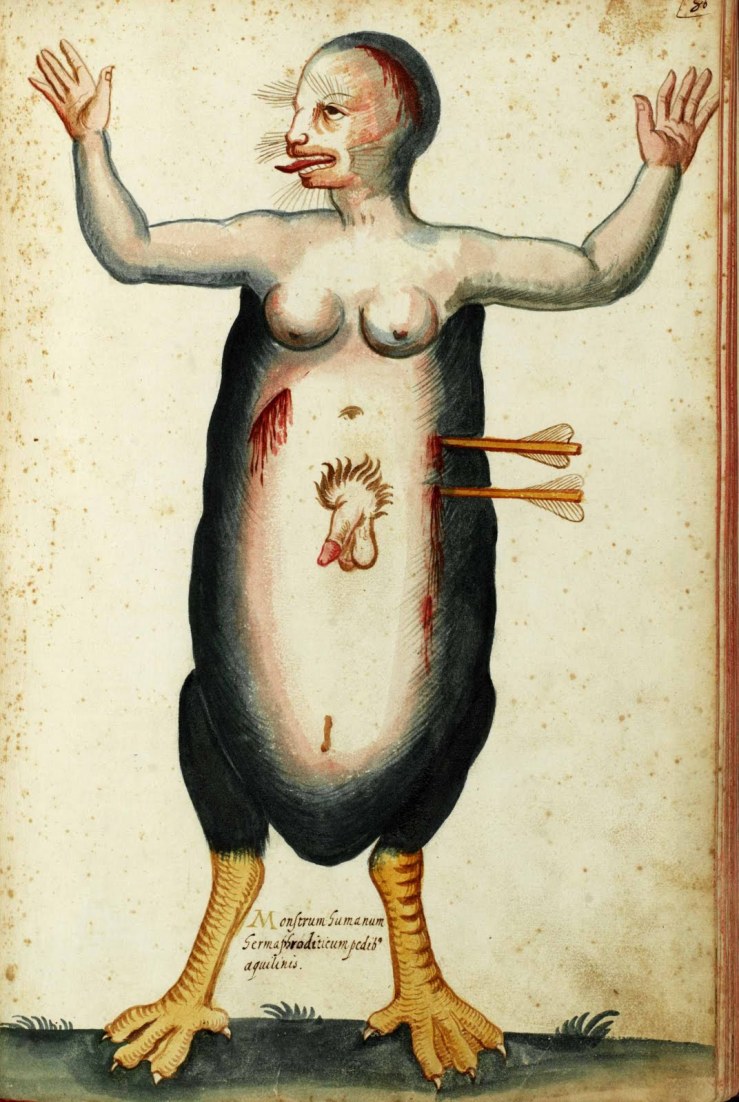
Monstrum Humanum — Ulisse Aldrovandi

Margaret Atwood’s Self-Portrait

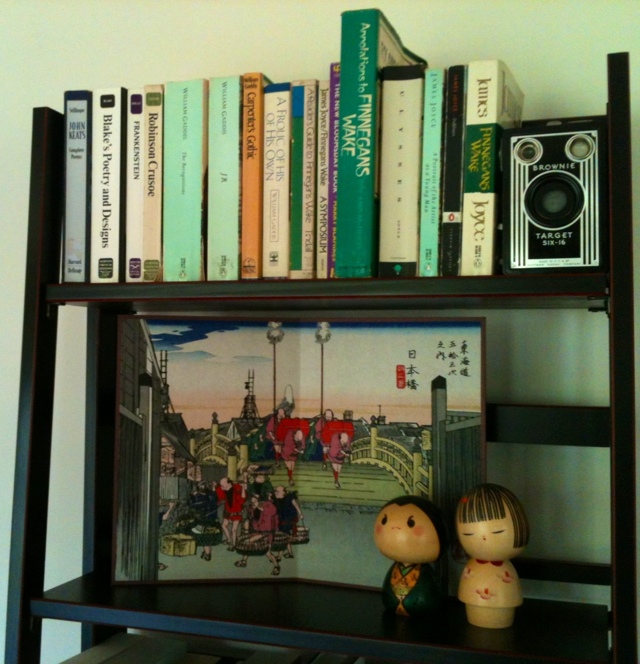
Book Shelves #20, 5.13.2012

1.4.  Things which aren’t books but are often met with in libraries

Photographs in gilded brass frames, small engravings, pen and ink drawings, dried flowers in stemmed glasses, matchbox-holders containing, or not, chemical matches (dangerous), lead soldiers, a photograph of Ernest Renan in his study at the College de France, postcards, dolls’ eyes, tins, packets of salt, pepper and mustard from Lufthansa, letter-scales, picture hooks, marbles, pipe-cleaners, scale models of vintage cars, multicoloured pebbles and gravel, ex-votos, springs.

 —From Georges Perec’s essay “The Art and Manner of Arranging One’s Books”

20120512-173054.jpg

Book shelves series #20, twentieth Sunday of 2012: In Which I Try to Prove I Am Not Just Phoning It In

Last week I was accused of “going through the motions” with this project, which accusation may or may not be true. I was out of town on vacation, and last week’s post was composed a few days ahead of time in a harried rush of end-of-the-semester grading + summer semester planning + packing + bad bad writer’s block.

The shelf featured last week is the top shelf in the shot above.

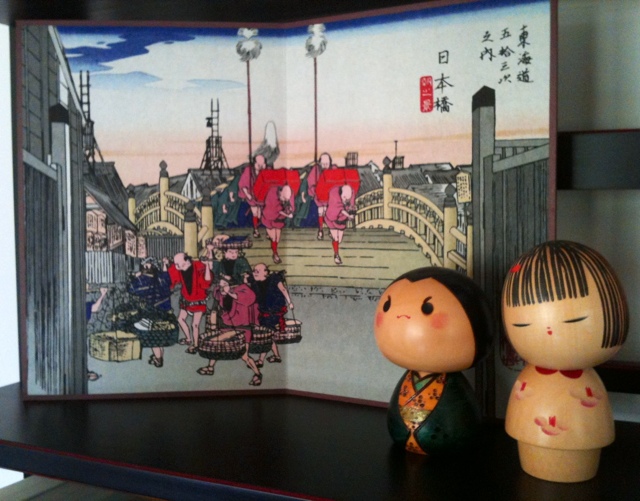
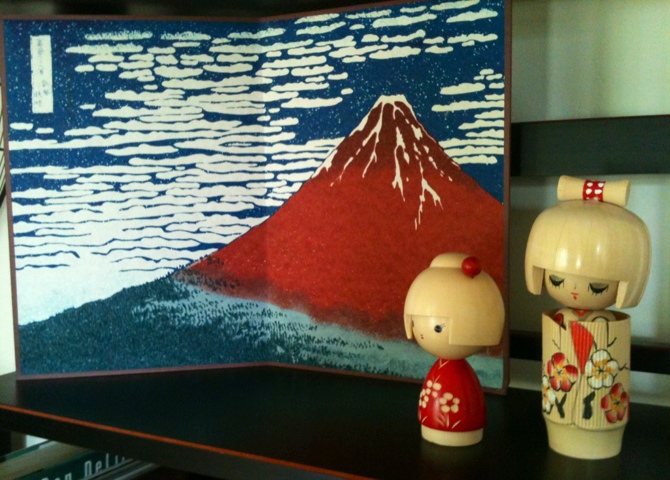
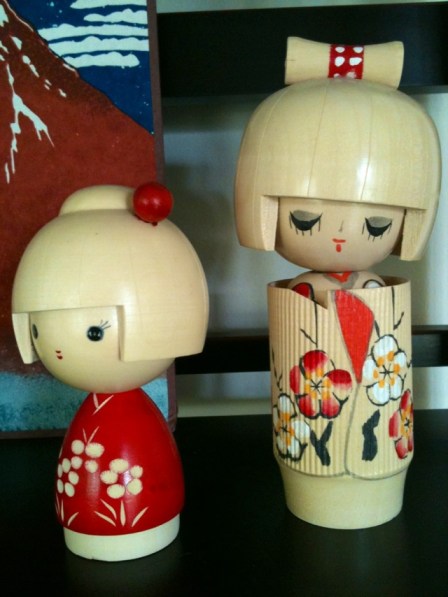
Here is a detail of the shelf below, which clearly features things which are not books:

20120512-173112.jpg

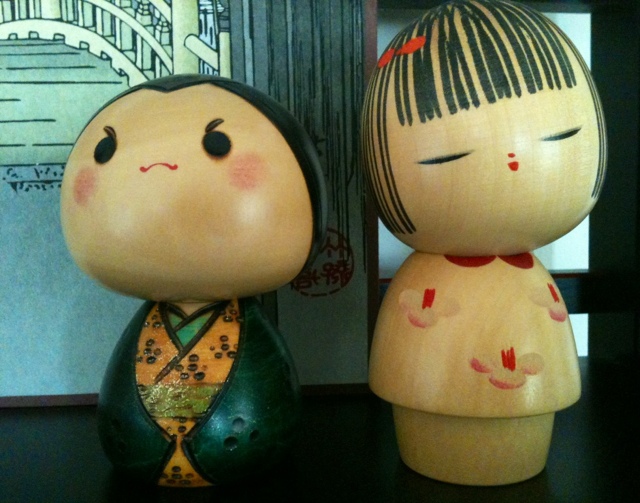
My wife and I—not actually married at the time, kids really—bought these kokeshi dolls when we were living in Japan. We lived in Tokyo, but I’m almost positive we bought these on a vacation in Kyoto. (Or maybe it was in Kamakura. Or I suppose it could have been in Tokyo).

20120512-173123.jpg

The screen in the background was a gift from a student, as was the screen in the shot below, a shelf that twins this one (if anyone cares at all, the shelf would be sequenced between shelves 10 and 11).

20120512-173142.jpg

20120512-173202.jpg

Portrait of William Butler Yeats by His Father John Butler Yeats

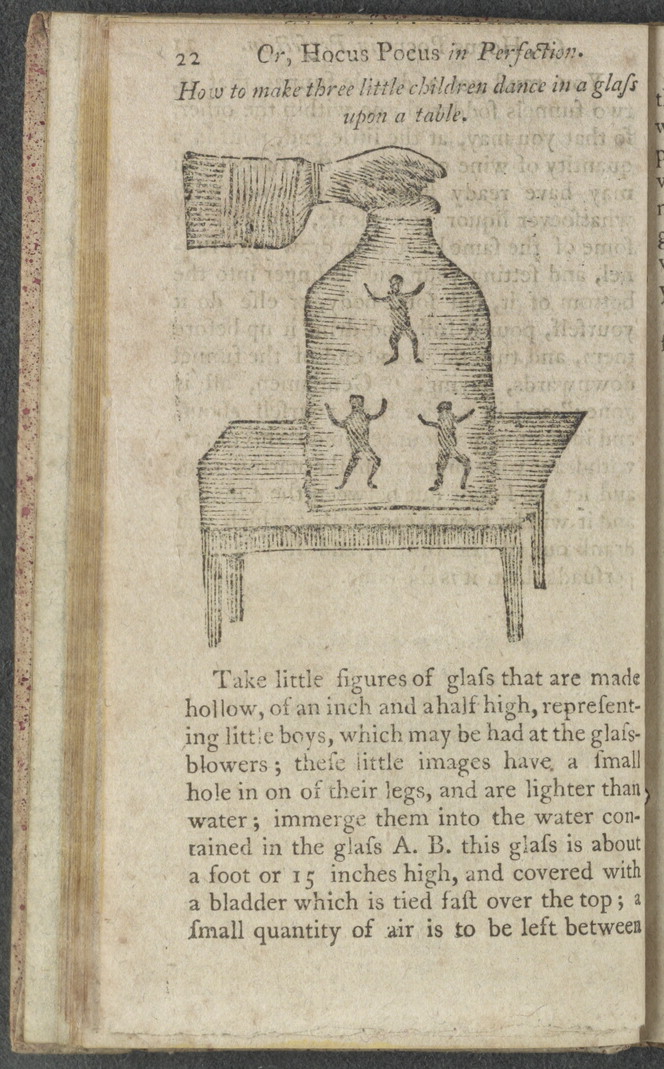
“How to make three little children dance in a glass upon a table”

From Hocus pocus, or The whole art of legerdemain, in perfection : by which the meanest capacity may perform the whole without the help of a teacher : together with the use of all the instruments belonging thereto : to which is now added abundance of new and rare inventions by Henry Dean

Resurrection of the Flesh (Detail) — Luca Signorelli

Henry Miller Reads (Film)

In the Desert — Gustave Guillaumet

“to sex brawl and dare” — A Poem from Surrealist Ghérasim Luca

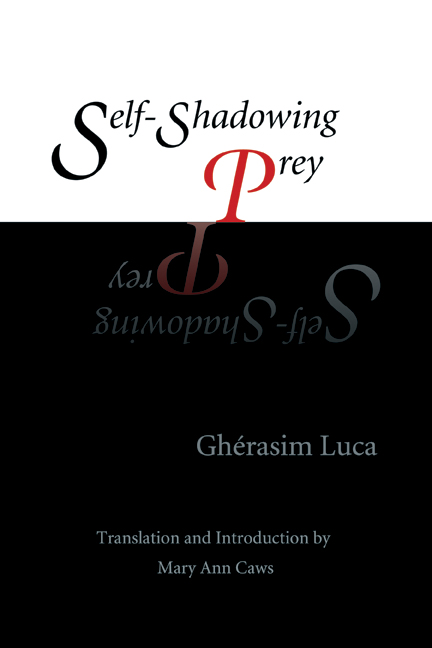
The good people at Contra Mundum Press are putting out the first English language translation of Romanian surrealist Ghérasim Luca’s Self-Shadowing Prey. Mary Ann Caws translates. Here’s the first poem in the book:

at the edge of a forest

whose trees are slender ideas

and each leaf a thought at bay

the vegetal reveals to us

the damned depths of an animal sect

or more precisely

an old insect anguish

waking up as man

the only way

the only basic weapon

to animate a mental state

that I hurry to write mantil

like a mantis

if only to mark

with a dry warning laugh

the devouring word

Entity and antithesis of the bush

a sort of wild and organic brush

grows in the head of that man

ravaged

by the heresy of parks and greenhouses

like the orgasm of a key

a lovely door

So the legendary passivity

the famous and ample passivity of plants

changes here to idle hate

to mad rage

to sex brawl and dare

luring by sap blood lava . . .

as rapid as the passage of woman

to beast

she empties us of a foul ancestral

wound

which in a spurt relieves us

of these fixed plaints

and these false death rattles plumbing us

our calm gestures of the interred

Now only terror

is still able to insert

in the tropism of body and of guilty

spirit

this prism as doubled echo

where brains and senses capture

the violent innocence

of a flora and a fauna

whose marriage is a long seizure

and a rape as slow as gold

in the implacable lead

And it’s around the mental equator

in the space delimited by the tropics

of a head

at the angle of the eye and what surrounds it

that the myth of a kind of utopian

jungle surges into the world

As virgin as the unknowable

or the other “face” of the moon

and never in the reach of a gun

or an axe

its prey is the snow

sand ball hip if not the trap

that the diffuse breath of a dream

lights up

For tangled

soldered to massive corkscrew keys

the vines

the branches stoves and rituals

fuse

around the forms placed

as if by miracle

at the crossroads of dryads

of druids and of man

So many points to aim at

all these yes and nos that

outside outside of time

of space and weight

select a sort of coupled oasis

and hamlet

to descend in these gods

from before the ages

the gods-place-beast-island-ash-fire

come forth as from the coupling of bird

and branch

and those exiled from the center

and from the shade of a golden foliage

will adore one day

between the walls of their somber cities
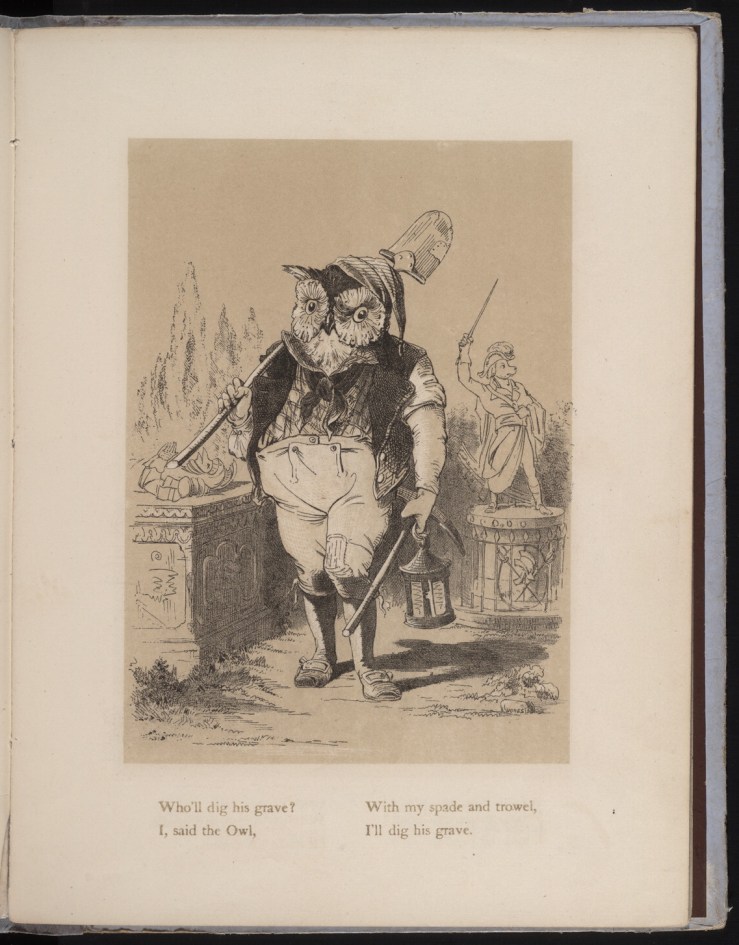
“Who’ll Dig His Grave? / I, Said the Owl”

From Death and Burial of Poor Cock Robin by H.L. Stephens, 1865.

Walton Ford at Work

Finnegans Wake (With Bunny)

20120502-201713.jpg

20120502-201724.jpg

20120502-201732.jpg

20120502-201741.jpg

20120502-201752.jpg

20120502-201807.jpg

20120502-201817.jpg

20120502-201836.jpg

20120502-201846.jpg

20120502-201854.jpg

The Misanthrope — Pieter Bruegel the Elder

Map of St. Augustine, 1589

Hand-colored engraved map of St. Augustine by Baptista Boazio, 1589.