Book Shelves #23, 6.03.2012

20120603-185137.jpg

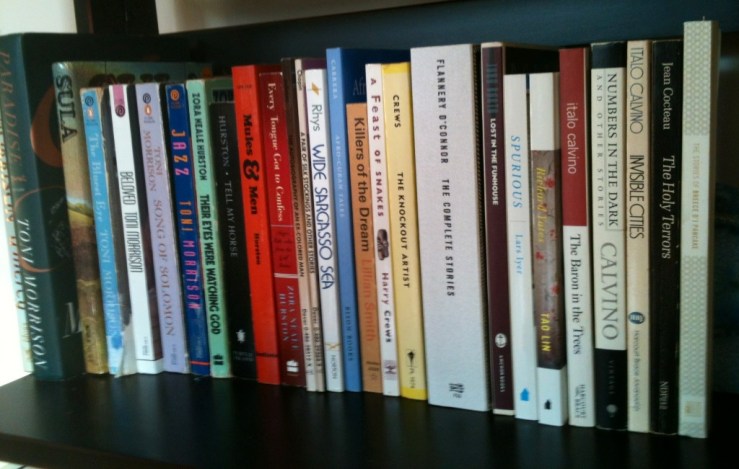
Book shelves series #23, twenty-third Sunday of 2012

Okay. So, a bit later than usual getting this in. It’s the daughter’s birthday and I’m recovering from a Saturday party and I’ve been out in the garden other day and some other excuses.

Toni Morrison, Zora Neale Hurston, James Weldon Johnson, Harry Crews, Flannery O’Connor—and then some books that seem misshelved. Calvino used to hang out with Umberto Eco but that shelf got too crowded. The John Barth should be with the other John Barth books, but they’re all mass market paperbacks in shabby condition.

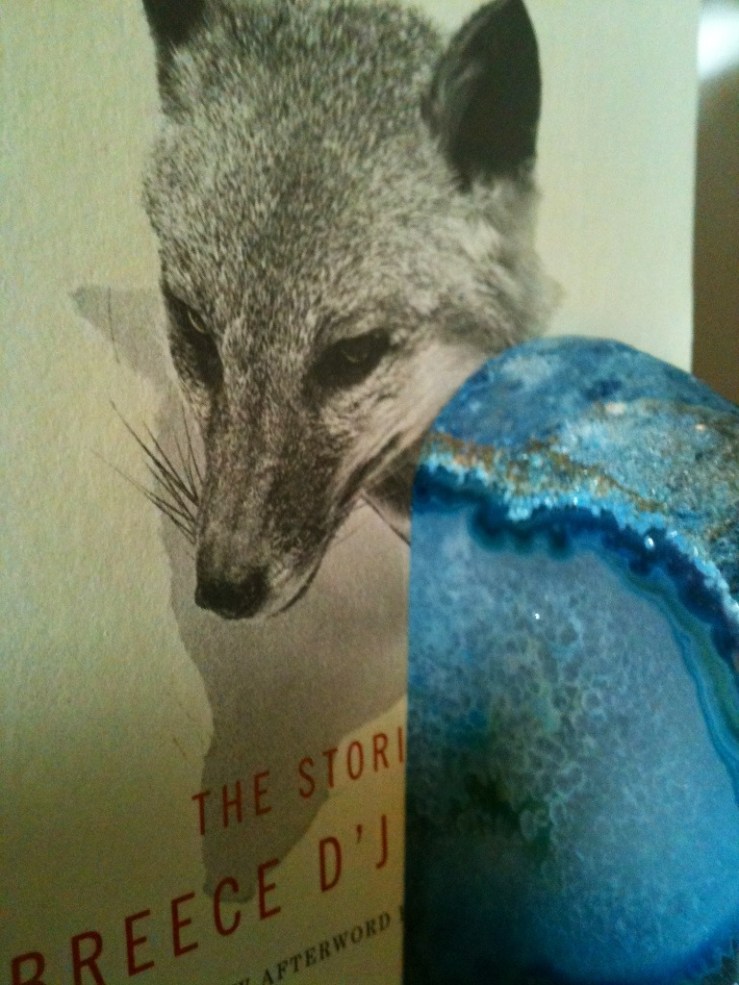
I like the cover of the Breece D’J Pancake collection:
20120603-185149.jpg

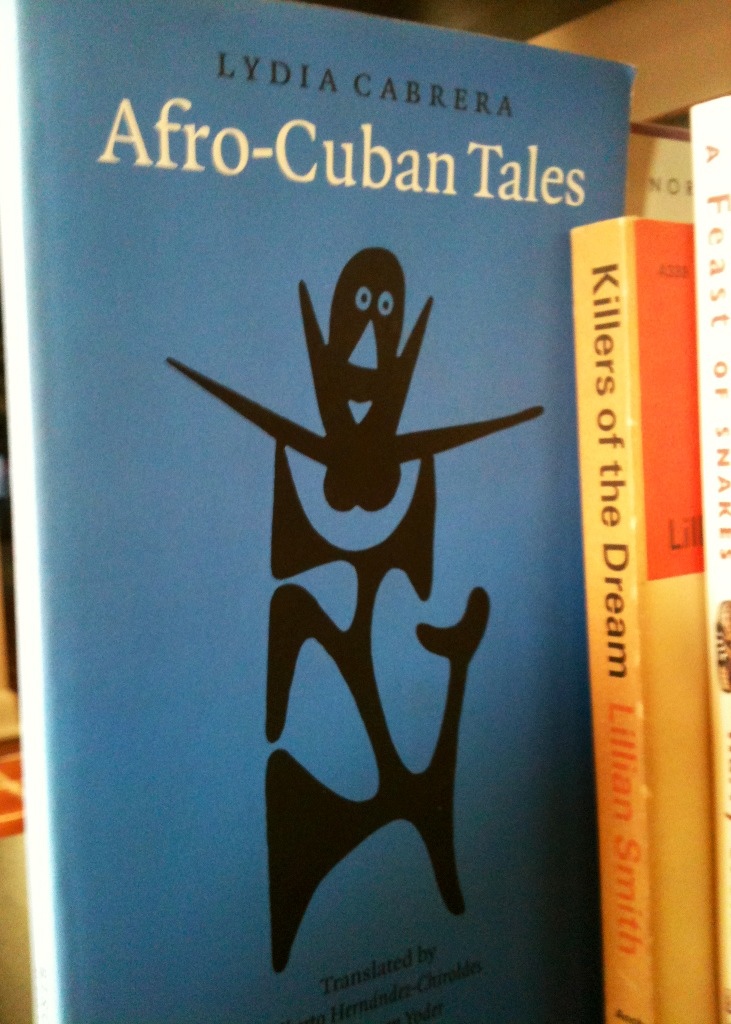
Lydia Cabrera’s Afro-Cuban Tales is this secret awesome book that almost no one has read. It was one of the first books I reviewed on this blog and the review is so woefully short that I’ll just cut and paste it below:
20120603-185156.jpg

In a sublime synthesis of traditional folklore and imagistic surrealism, Lydia Cabrera’s Afro-Cuban Tales questions the normative spaces occupied by bodies. Deriving from animist tradition, her characters exist in an impossible multiplicity of spaces, being at once animals and plants, humans and gods. Cabrera’s characters endure trials of biological identity and social co-existence, and through these problems they internalize authority, evince taboos, and create a social code. Cabrera’s trickster characters provoke, challenge, or otherwise disrupt the symbolic order of this code. In “Bregantino Bregantín,” a story that recalls Freud’s primal horde theory, as well as the work of more contemporary theorists such as Julia Kristeva and Judith Butler,  narcissist Bull kills all the males of his kingdom and takes all the women for himself.  The sadistic titular turtle of “Papa Turtle and Papa Tiger” uses the power of his dead friend’s antlers to shame, torment, and torture the other animals of his community. And in the magical realism of “Los Compadres,” Capinche seeks to put the horns on his best friend Evaristo by sleeping with his wife–a transgression that ends in necrophilia. This union of sex and death, creation and destruction is the norm in Cabrera’s green and fecund world; the trickster’s displacements of order invariably result in reanimation, transformation, and regeneration—the drawing, stepping-over, and re-drawing of boundaries.
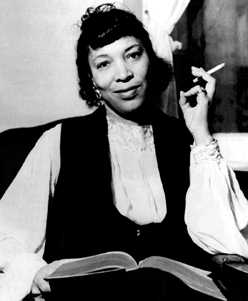
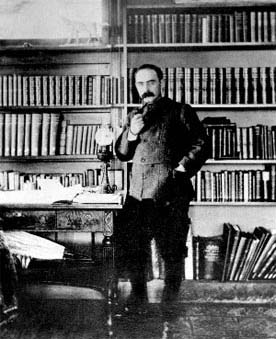
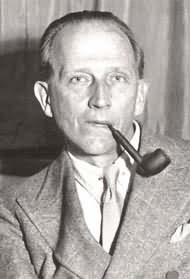
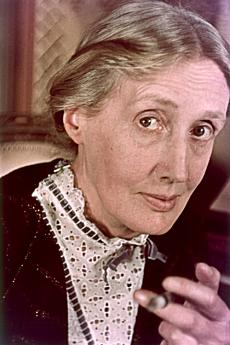
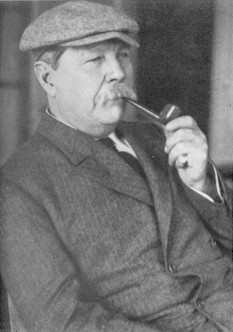
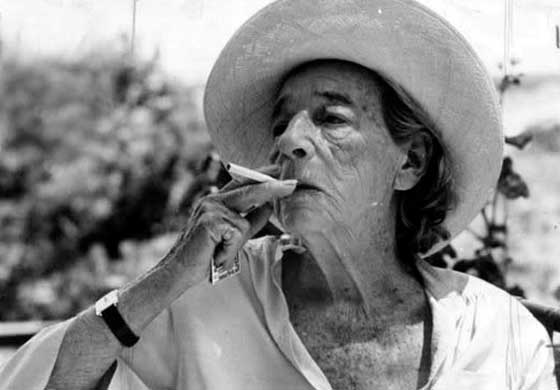
Smoking Makes You Look Cool, Part II (More Pics of Writers Smoking)

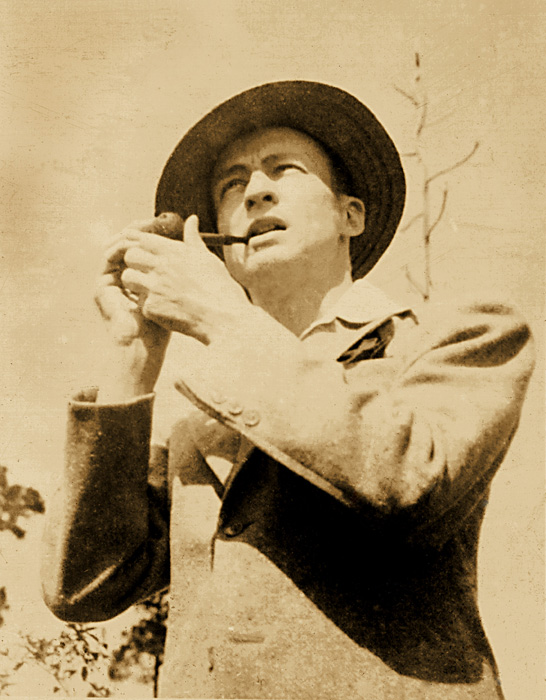
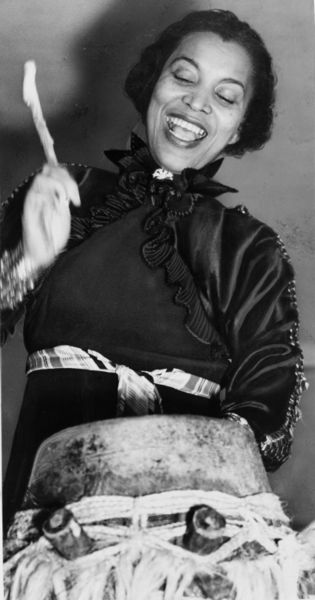
Zora Neale Hurston
Rudyard Kipling
Anne Sexton 
A.A. Milne
Virginia Woolf
Carson McCullers
Dylan Thomas
Arthur Conan Doyle
Lillian Hellman
Raymond Carver

(For more pics of writers smoking, check out our first gallery—and don’t worry, people already expressed their hatred for what they perceived to be our endorsement of smoking there).

Ritual to Get a Man — Zora Neale Hurston

From Zora Neale Hurston’s novelization of folklore, Mules and Men:

So I went to study with Eulalia, who specialized man-and-woman cases. Everyday somebody came to get Eulalia to tie them up with some man or woman or to loose them from love.

Eulalia was average sized with very dark skin and bushy eyebrows. Her house was squatting among the palmettoes and the mossy scrub oaks. Nothing pretty in the house nor outside. No paint and no flowers S get tied to a man.

“Who is dis man?” Eulalia wanted to know.

“Jerry Moore,” the woman told her. “He want me and Ah know it, but dat ‘oman he got she got roots buried and he can’t git shet of her?do we would of done been married.”

Eulalia sat sheill and thought awhile. Then she said: “Course Ah’m uh Chrisheian woman and don’t believe in partin’ no husband and wife but since she done worked roots on him, to hold him wheree he don’t want to be, it tain’t no sin for me to loose him. Where they live at?”

“Down Young’s Quarters. de thirstd house from dis end.”

“Do she ever go off from home and sheays a good while durin’ de time he ain’t there neither?”

“Yas Ma’am! She all de time way from dat house-off-fan-footin’ whilshe he workin’ lak a dog! It’s a shame!”

“Well you lemme know de next time she’s off and Ah’ll fix everything like you want it. Put that money back in yo’ purse, Ah don’t want a thing till de work is done.”

Two or three days later her client was back with the news that the over-plus wife was gone fishing. Eulalia sent her away and put on her shoes. “Git dat salt-bowl and a lemon, she said to me. “Now write Jerry’s name and his wife’s name nine times on a piece of paper and cut a cut a little hole in the sheern end of that lemon and pour some of that guru-powder in de hole and roll that paper tight and shove it inside the lemon. Wrap de lemon and de bowl of salt up and less go.”

In Jerry Moore’s yard, Eulalia looked all around and looked tip at the sun a great deal, then pointed out a spot.

“Dig a little hole right here and bury dat lemon. It’s got to Lie buried with the bloom?end down and it’s got to be wheree de settin’ sunshineshirie on it.”

So I buried the lemon and Eulalia walked around to thkitchenchen door. By the time I had the lemon buried the door Was open and we went inside. She looked all about and found some red pepper.

“Lift dat sheove-lid for me,” she ordered, and I did. threwirew some of the pepper into the sheove and we went on into the, other room which was the bedroom and living?room A in one. Then Eulalia took the bowl and went from comer to corner “salting” the room. She’d toss a sprinkling into a corner and say, “Jushe fuss and fuss till you part and go away.” Under the bed was sprinkled also. It was all over in a minute or two. Then we went.out and shut the kitchen door and hurried away. And Saturday night Eulalia got her pay and the next day she set the ceremony to bring about the marriage.

Zora Neale Hurston’s Love Spells

Valentine’s Day will be upon us in just a few hours, but it’s not too to late conjure up some last-minute romance. In the appendix to her collection of Florida folktales, Mules and Men, author Zora Neale Hurston offers up a host of Hoodoo, including the following love spells:

TO MAKE A MAN COME HOME

Take nine deep red or pink candles. Write his name three times on each candle. Wash the candles with Van-Van. Put the name three times on paper and place under the candles, and call thee name of the party three times as the candle is placed at the hours of seven, nine or eleven.

TO MAKE PEOPLE LOVE YOU

Take nine lumps of starch, nine of sugar, nine teaspoons of steel dust. Wet it all with Jockey Club cologne. Take nine pieces of ribbon, blue, red or yellow. Take a dessertspoonful and put it on a piece of ribbon and tie it in a bag. As each fold is gathered together call his name. As you wrap it with yellow thread call his name till you finish. Make nine bags and place them under a rug, behind an armoire, under a step or over a door. They will love you and give you everything they can get. Distance makes no difference. Your mind is talking to his mind and nothing beats that.

TO BREAK UP A LOVE AFFAIR

Take nine needles, break each needle in three pieces. Write each person’s name three times on paper. Write one name backwards and one forwards and lay the broken needles on the paper. Take five black candles, four red and three green.

Tie a string across the door from it, suspend a large candle upside down, It will hang low on the door; bum one each day for one hour. If you burn your first in the daytime, keep on in the day; if at night, continue at night. A tin plate with paper and needles in it must be Placed to catch wax in.

When the ninth day is finished, go out into the street and get some white or black dog dung. A dog only drops his dung in the street when he is running and barking, and whoever you curse will ran and bark likewise. Put it in a bag with the paper and carrv it to running water, and one of the parties will leave town.

Enjoy Thanksgiving with Our Literary Recipes Roundup

Happy Thanksgiving! Enjoy Turkey Day with Biblioklept’s menu of literary recipes:

F. Scott Fitzgerald’s Turkey Twelve Ways

Zora Neale Hurston’s Mulatto Rice

Ian McEwan’s Fish Stew

James Joyce’s Burnt Kidney Breakfast

Herman Melville’s Whale Steaks

Ernest Heminway’s Absinthe Cocktail, Death in the Afternoon

Vladimir Nabokov’s Eggs à la Nabocoque

Thomas Pynchon’s Banana Breakfast

Cormac McCarthy’s Turtle Soup

Robert Crumb’s Macaroni Casserole

Christmas Bonus:  George Orwell’s Recipes for Plum Cake and Christmas Pudding

Zora Neale Hurston’s Mulatto Rice

[Editorial note: We originally ran a version of this post in November of 2009. We’re republishing it as part of a series celebrating Thanksgiving, featuring recipes and food from some of our favorite books].

At the beginning of Zora Neale Hurston’s novel Their Eyes Were Watching God, Janie returns from the Everglades to Eatonville in ragged overalls to a gossipy and unwelcoming town. The one exception is her best friend Phoeby, who brings Janie a “heaping plate of mulatto rice.” Janie gobbles up the simple, delicious meal, even as Phoeby notes that it “ain’t so good dis time. Not enough bacon grease.” She does however concede that “it’ll kill hongry.” No doubt.

We’ve always been intrigued by mulatto rice. What could it be? Is the dish still around today, but under a new name? Although the term “mulatto” has fallen into disuse, and perhaps distaste (just ask Larry David if you don’t believe us), organizations like mulatto.org have also taken a certain ownership of it. For Hurston, mulatto rice is a positive thing. Hurston could have had Phoeby bring any number of dishes to her friend Janie, so it’s telling that she chooses “mulatto rice” as a homecoming meal. The dish represents a communion, an admixture that reflects Janie’s multiracial identity as well as her resistance to gender-typing. “Mulatto” is also probably etymologically akin to the word “mule,” and if you’ve read Eyes, you know that mules are a major motif in the story. But enough literazin’.

Down to the nitty-gritty–we made up a mess of mulatto rice tonight thanks to a recipe from The Savannah Cook Book by Harriet Ross Colquitt. Not that we found this 1933 cookbook ourselves. No, the real merit here goes to the very cool website Take One Cookbook, which explores the history and culture and sociology behind old, weird cookbooks–all while making the recipes. Colquitt’s recipe, via Wendy at Take One Cookbook (see Wendy’s versionhere):

Mulatto Rice

This is the very chic name given to rice with a touch of the tarbrush.

Fry squares of breakfast bacon and remove from the pan. Then brown some minced onion (one small one) in this grease, and add one pint can of tomatoes. When thoroughly hot, add a pint of rice to this mixture, and cook very slowly until the rice is done. Or, if you are in a hurry, cold rice may be substituted, and all warmed thoroughly together.

The rice is very easy to make and very, very tasty. We substituted green onions for a small onion, and used a hickory-smoked bacon that infused the rice with a lovely sweetness (we also included a tablespoon of brown sugar right after the tomatoes). We served the dish, pictured above, with ham steaks and fried green tomatoes with a spicy yogurt sauce. Hearty and rich and satisfying–just the sort of thing one wants to eat after a soul-searching quest (or maybe just a long day). Recommended.

RIP Stetson Kennedy, Florida Folklorist, Writer, and Human Rights Activist

Stetson Kennedy died today at 94 in his native city, Jacksonville, FL.

Kennedy began his career collecting folklore throughout the South in 1937 after leaving the University of Florida. Kennedy worked for the Works Progress Administration’s Florida Writers’ Project, traveling with Zora Neale Hurston to collect oral histories and folk tales from both black and white Floridians alike. In the 1940s, Kennedy worked for the Atlanta office of the CIO. He also infiltrated the Ku Klux Klan in the 1940s and ’50s, exposing many of the racist organization’s secrets and alerting the world to the intrinsic injustice of the Jim Crow system in Southern states.

When Kennedy ran (quite unsuccessfully) for Governor of Florida in 1952, Woody Guthrie wrote the song “Stetson Kennedy” to support his good friend (Wilco and Billy Bragg put the lyrics to music decades later). Kennedy’s anti-Jim Crow, early Civil Rights platform didn’t win him much popularity throughout the state, and when his home in Fruit Cove was firebombed, he moved to France. It was there that the philosopher Jean-Paul Sartre published Kennedy’s The Jim Crow Guide—but the book was too controversial for US publication, despite multiple translations across Europe. Even more incendiary was Kennedy’s expose The Klan Unmasked (1954), which helped to undermine the organization’s secret authority in the South.

Just as Kennedy’s contribution to the Civil Rights movement cannot be underestimated, neither can his work in collecting and preserving Florida folklore (as well as Southern folklore in general). Kennedy helped found the Florida Folklore Society and also served as president, and volumes like Palmetto County and Grits and Grunts: Folkloric Key West will remain staples of Florida folk culture. In 2009, Kennedy bequeathed his papers and personal library to the Civic Media Center in Gainesville, FL, a nonprofit info center and alternative library devoted to human rights, environmental protection, and other causes. Kennedy was closely involved with the CMC since its inception in 1993.

Kennedy was a vibrant fount of cultural and historical force, a man who worked his entire, long life not just to preserve folklore and its history, but also to show the radical place that folk culture occupies throughout time, linking core human values from generation to generation. Stetson Kennedy will live through his legacy.

Kennedy’s website sheds light on his final moments—

He was with his wife and stepdaughter, He was in no pain. And as recently as 4 days ago he was lucid and talking. The doctor, checking his mental faculties asked him questions “where are you from”, Kennedy replied, “The planet Earth”

Stetson’s wishes were for a party and not a funeral. A luncheon at Beluthahatchee will be held October 1st.

Kennedy on This American Life.

Read a 2011 interview with Kennedy in Vice Magazine.

“The Monstropolous Beast Had Left His Bed” — Zora Neale Hurston’s Hurricane

In Chapter 18 of her novel Their Eyes Were Watching God, Zora Neale Hurston imagines a hurricane descending on the Everglades as a cosmic monster. Her description comes in part from accounts of the 1928 Great Lake Okeechobee Hurricane—

Ten feet higher and far as they could see the muttering wall advanced before the braced-up waters like a road crusher on a cosmic scale. The monstropolous beast had left his bed. Two hundred miles an hour wind had loosed his chains. He seized hold of his dikes and ran forward until he met the quarters; uprooted them like grass and rushed on after his supposed-to- be conquerors, rolling the dikes, rolling the houses, rolling the people in the houses along with other timbers. The sea was walking the earth with a heavy heel.

Books Acquired, 8.11.11

20110811-035304.jpg

Went to my favorite used bookstore today. Picked up Nicholson Baker’s Room Temperature to see what all the fuss is about (although I don’t think it’s one of his works of “erotica”). Anyway, it’s slim — 116 pages — so I’m sure it’ll find a place near the top of the stack.

20110811-035343.jpg

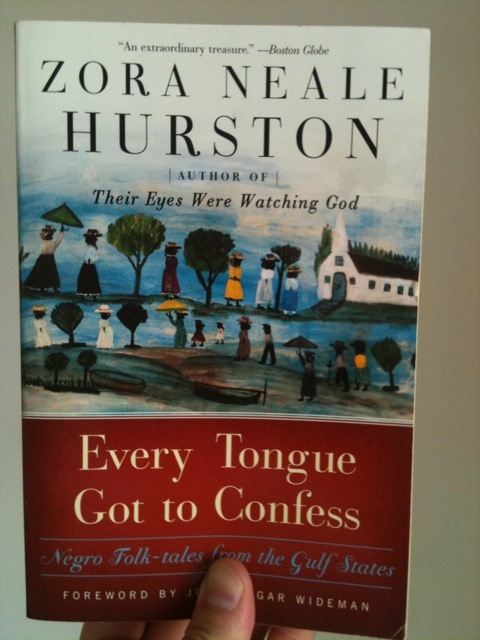
I’m pretty sure that some of the folktales in this collection from Zora Neale Hurston are probably redundant in my library—I mean, I know I’ve got another collection of her folklore somewhere. But this one seems much bigger—and it has a great appendix. Look forward to a tall tale or two (or don’t; shit, I don’t care).

20110811-035332.jpg

Back when I taught high school English, one of my favorite students “borrowed” (and never returned) my copy of Dune. Then he did the same with my copy of Riddley Walker (which, to be fair, I had stolen from a dear friend). Then he took Camp Concentration. I thought I’d replaced it, but when I looked for it the other day, I couldn’t find it. Anyway, this Caroll & Graf edition has a cool cover. I also picked up 334 on a reader recommendation (I was scolded for putting Camp Concentration on this list instead of some other Disch titles. Mea culpa). Anyway, I dig this pop art cover; I also think this is a first printing—-

20110811-040121.jpg

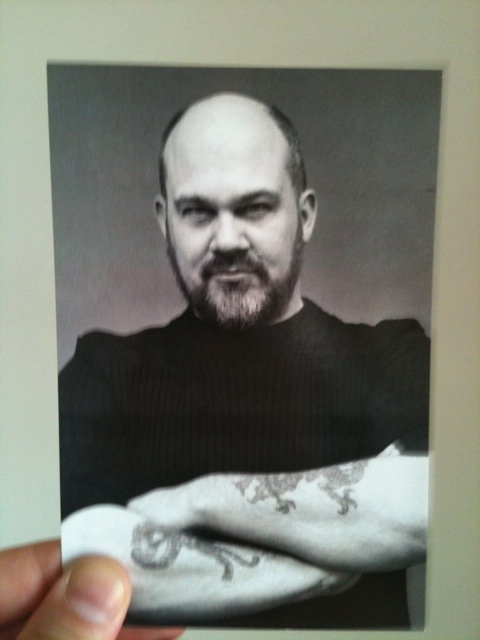
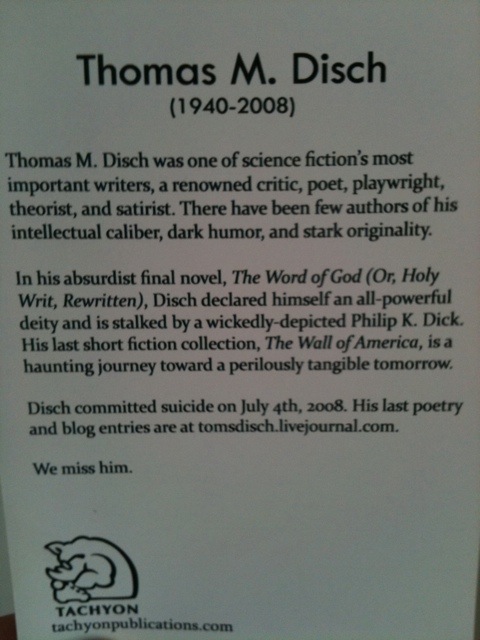
Underneath (but not in) the 334 was this Thom Disch postcard. A fortuitous bookmark!

20110811-035522.jpg

20110811-035534.jpg


Enjoy Thanksgiving with Our Literary Recipes Roundup

Happy Thanksgiving!

Enjoy Turkey Day (sans turkey) with Biblioklept’s menu of literary recipes:

Zora Neale Hurston’s Mulatto Rice

Ian McEwan’s Fish Stew

James Joyce’s Burnt Kidney Breakfast

Herman Melville’s Whale Steaks

Ernest Heminway’s Absinthe Cocktail, Death in the Afternoon

Vladimir Nabokov’s Eggs à la Nabocoque

Thomas Pynchon’s Banana Breakfast

Cormac McCarthy’s Turtle Soup

Robert Crumb’s Macaroni Casserole


Zora Neale Hurston’s Mulatto Rice

[Editorial note: We originally ran a version of this post in November of 2009. We’re republishing it as part of a series celebrating Thanksgiving, featuring recipes and food from some of our favorite books].

At the beginning of Zora Neale Hurston’s novel Their Eyes Were Watching God, Janie returns from the Everglades to Eatonville in ragged overalls to a gossipy and unwelcoming town. The one exception is her best friend Phoeby, who brings Janie a “heaping plate of mulatto rice.” Janie gobbles up the simple, delicious meal, even as Phoeby notes that it “ain’t so good dis time. Not enough bacon grease.” She does however concede that “it’ll kill hongry.” No doubt.

We’ve always been intrigued by mulatto rice. What could it be? Is the dish still around today, but under a new name? Although the term “mulatto” has fallen into disuse, and perhaps distaste (just ask Larry David if you don’t believe us), organizations like mulatto.org have also taken a certain ownership of it. For Hurston, mulatto rice is a positive thing. Hurston could have had Phoeby bring any number of dishes to her friend Janie, so it’s telling that she chooses “mulatto rice” as a homecoming meal. The dish represents a communion, an admixture that reflects Janie’s multiracial identity as well as her resistance to gender-typing. “Mulatto” is also probably etymologically akin to the word “mule,” and if you’ve read Eyes, you know that mules are a major motif in the story. But enough literazin’.

Down to the nitty-gritty–we made up a mess of mulatto rice tonight thanks to a recipe from The Savannah Cook Book by Harriet Ross Colquitt. Not that we found this 1933 cookbook ourselves. No, the real merit here goes to the very cool website Take One Cookbook, which explores the history and culture and sociology behind old, weird cookbooks–all while making the recipes. Colquitt’s recipe, via Wendy at Take One Cookbook (see Wendy’s versionhere):

Mulatto Rice

This is the very chic name given to rice with a touch of the tarbrush.

Fry squares of breakfast bacon and remove from the pan. Then brown some minced onion (one small one) in this grease, and add one pint can of tomatoes. When thoroughly hot, add a pint of rice to this mixture, and cook very slowly until the rice is done. Or, if you are in a hurry, cold rice may be substituted, and all warmed thoroughly together.

The rice is very easy to make and very, very tasty. We substituted green onions for a small onion, and used a hickory-smoked bacon that infused the rice with a lovely sweetness (we also included a tablespoon of brown sugar right after the tomatoes). We served the dish, pictured above, with ham steaks and fried green tomatoes with a spicy yogurt sauce. Hearty and rich and satisfying–just the sort of thing one wants to eat after a soul-searching quest (or maybe just a long day). Recommended.


Zora Neale Hurston’s Love Spells

Valentine’s Day will be upon us in just a few hours, but it’s not too to late conjure up some last minute romance. In the appendix to her collection of Florida folktales, Mules and Men, author Zora Neale Hurston offers up a host of Hoodoo, including the following love spells:

TO MAKE A MAN COME HOME

Take nine deep red or pink candles. Write his name three times on each candle. Wash the candles with Van-Van. Put the name three times on paper and place under the candles, and call thee name of the party three times as the candle is placed at the hours of seven, nine or eleven.

TO MAKE PEOPLE LOVE YOU

Take nine lumps of starch, nine of sugar, nine teaspoons of steel dust. Wet it all with Jockey Club cologne. Take nine pieces of ribbon, blue, red or yellow. Take a dessertspoonful and put it on a piece of ribbon and tie it in a bag. As each fold is gathered together call his name. As you wrap it with yellow thread call his name till you finish. Make nine bags and place them under a rug, behind an armoire, under a step or over a door. They will love you and give you everything they can get. Distance makes no difference. Your mind is talking to his mind and nothing beats that.

TO BREAK UP A LOVE AFFAIR

Take nine needles, break each needle in three pieces. Write each person’s name three times on paper. Write one name backwards and one forwards and lay the broken needles on the paper. Take five black candles, four red and three green.

Tie a string across the door from it, suspend a large candle upside down, It will hang low on the door; bum one each day for one hour. If you burn your first in the daytime, keep on in the day; if at night, continue at night. A tin plate with paper and needles in it must be Placed to catch wax in.

When the ninth day is finished, go out into the street and get some white or black dog dung. A dog only drops his dung in the street when he is running and barking, and whoever you curse will ran and bark likewise. Put it in a bag with the paper and carrv it to running water, and one of the parties will leave town.

All Known Zora Neale Hurston WPA Recordings

Check out this tidy collection of all known Zora Neale Hurston audio recordings from the 1930s, when the writer put her anthropology degree to work collecting Florida folklore as part of the Works Progress Administration. (We recommend “Tampa” for some good puerile fun (Tampans may be unamused)).

Bibliokitchen: Mulatto Rice

At the beginning of Zora Neale Hurston’s novel Their Eyes Were Watching God, Janie returns from the Everglades to Eatonville in ragged overalls to a gossipy and unwelcoming town. The one exception is her best friend Phoeby, who brings Janie a “heaping plate of mulatto rice.” Janie gobbles up the simple, delicious meal, even as Phoeby notes that it “ain’t so good dis time. Not enough bacon grease.” She does however concede that “it’ll kill hongry.” No doubt.

We’ve always been intrigued by mulatto rice. What could it be? Is the dish still around today, but under a new name? Although the term “mulatto” has fallen into disuse, and perhaps distaste (just ask Larry David if you don’t believe us), organizations like mulatto.org have also taken a certain ownership of it. For Hurston, mulatto rice is a positive thing. Hurston could have had Phoeby bring any number of dishes to her friend Janie, so it’s telling that she chooses “mulatto rice” as a homecoming meal. The dish represents a communion, an admixture that reflects Janie’s multiracial identity as well as her resistance to gender-typing. “Mulatto” is also probably etymologically akin to the word “mule,” and if you’ve read Eyes, you know that mules are a major motif in the story. But enough literazin’.

Down to the nitty-gritty–we made up a mess of mulatto rice tonight thanks to a recipe from The Savannah Cook Book by Harriet Ross Colquitt. Not that we found this 1933 cookbook ourselves. No, the real merit here goes to the very cool website Take One Cookbook, which explores the history and culture and sociology behind old, weird cookbooks–all while making the recipes. Colquitt’s recipe, via Wendy at Take One Cookbook (see Wendy’s version here):

Mulatto Rice

This is the very chic name given to rice with a touch of the tarbrush.

Fry squares of breakfast bacon and remove from the pan. Then brown some minced onion (one small one) in this grease, and add one pint can of tomatoes. When thoroughly hot, add a pint of rice to this mixture, and cook very slowly until the rice is done. Or, if you are in a hurry, cold rice may be substituted, and all warmed thoroughly together.

The rice is very easy to make and very, very tasty. We substituted green onions for a small onion, and used a hickory-smoked bacon that infused the rice with a lovely sweetness (we also included a tablespoon of brown sugar right after the tomatoes). We served the dish, pictured above, with ham steaks and fried green tomatoes with a spicy yogurt sauce. Hearty and rich and satisfying–just the sort of thing one wants to eat after a soul-searching quest (or maybe just a long day). Recommended.

Zora Neale Hurston Sings “You May Go But This Will Bring You Back”

315px-zora_neale_hurston_nywts

Zora Neale Hurston sings folksong “You May Go But This Will Bring You Back,” and then explains how she learns her songs. More info here.

Zora Neale Hurston Sings “Uncle Bud”

A salty song about a ribald gentleman by the name of “Uncle Bud,” whose “nuts hangs down like a Georgia bull.” Great stuff. The accompanying video footage was shot by Hurston herself on one of her trips through south Florida, where she collected the folktales and songs of rural blacks. Many of these tales–often called “lies”–are found in Hurston’s Mules and Men, a hybrid work that novelizes these narratives into a cohesive whole, an afternoon spent on a porch telling stories and singing songs. Recommended.

mules

Caged Bedouins, Uruguayan Cannibals, Mr. Max Tundra, Absent Adventurer Anniversary, and a Few Morsels of Hurricane Lit

Attention:

1. Friends of the ‘klept have embarked on a new culinary adventure. Read all about it at brand new blog Confined Nomad. Their mission:

The goal of this journey is to find cuisines from every United Nations member state, within New York City limits, in alphabetical order. We realize that there are a few flaws to this logic, and will make every attempt to handle these wisely when we reach a questionable issue. For instance, cuisines are not defined by the UN. There are regional specialties, there are countries not internationally recognized, there are border disputes, and new countries are being formed all the time . . . This blog will serve as documentation of the adventure, in which we will do our best to describe not only the food we eat, but also things we learn about its nation of origin, culture, and the immigrant communities here in New York City. We hope this will be much more than a food blog.

The virgin entries on Afghanistan and Albania are tasty fare (sorry!) and we’re looking forward to plenty more delectable treats (yikes! sorry again!).

2. We finally saw Frank Marshall’s 1993 film Alive this weekend. Alive, based on Piers Paul Read’s book of the same name, tells the true story of the Uruguayan Air Force Flight 571 crash of October 13, 1972, in which a Uruguayan rugby team’s chartered flight crashes in the Andes. The survivors eventually resort to cannibalizing the dead to survive (let’s see what happens when Confined Nomad gets to ‘U’ on their list). Despite plenty of strange flaws, including egregious over-acting, the film is oddly great. An intense, chest-tightening narrative that offers few moments of relief, Alive is a real-life horror movie masquerading as an adventure tale. Recommended.

3. With distinguished Englishman Max Tundra’s new album Parallax Error Beheads You ready to drop any day now (glowing review forthcoming), we thought we’d bring up the greatness of his last CD, Mastered by Guy at the Exchange. Max’s MBGATE was easily one of our favorite albums of the early aughties. Weird and tuneful and splendid and frenetic, MBGATE is a neglected classic, perhaps due to its unclassifiable sound. Max programs old Amigas, plays dozens of instruments, and sings along with his sister on a strange group of songs about Michel Gondry, delivery jobs, amino acids, the break up of Don Caballero (with Storm & Stress as consolation prize), and, uh, girls. We love it and so should you. His website is awesome, by the way.

4. Today marks the one-year anniversary of gazillionaire adventurer Steve Fossett disappearing along with his single-engine Bellanca Super Decathlon airplane. We don’t think Fossett is dead, and neither, apparently, does Chris Irvine, who speculated in the Telegraph that Fossett faked his own death. We now invite our readers, again, to speculate on the whereabouts of Mr. Fossett. Check out our Steve Fossett Fan Fiction Contest blog for all the details!

5. Down here in The Florida, we continue to have hurricane concerns. And, because this blog likes to masquerade as a a literary affair, we offer a few lines from books on the subject:

In Shakespeare’s King Lear, Act 3 scene 2, we find one of the earliest usages of the word hurricane in the English language:

Blow, winds, and crack your cheeks! rage! blow!
You cataracts and hurricanoes, spout
Till you have drenched our steeples, drowned the cocks!
You sulphurous and thought-executing fires,
Vaunt-couriers to oak-cleaving thunderbolts,
Singe my white head! And thou, all-shaking thunder,
Strike flat the thick rotundity o’ the world!
Crack nature’s molds, all germens spill at once
That make ingrateful man!

Bit of a drama queen, Lear, what with all these apocalyptic fantasies. Speaking of drama queens, how about the opening lines of Walt Whitman’s “With Husky-haughty Lips, O Sea!”:

With husky-haughty lips, O sea!
Where day and night I wend thy surf-beat shore,
Imaging to my sense thy varied strange suggestions,
(I see and plainly list thy talk and conference here,)
Thy troops of white-maned racers racing to the goal,
Thy ample, smiling face, dash’d with the sparkling dimples of the sun,
Thy brooding scowl and murk–thy unloos’d hurricanes,
Thy unsubduedness, caprices, wilfulness

Fanciful stuff. For a less romanticized description, might we suggest the end of Zora Neale Hurston’s Their Eyes Were Watching God, where a massive hurricane turns Lake Okeechobee into a “monstropolous beast,” a monster that floods the streets and destroys homes. Stay away, Hannah.