
“Tarzan Based on the works of Burroughs”— Comic by Kelly Shane & Woody Compton, part of their Is This Tomorrow? series.

“Tarzan Based on the works of Burroughs”— Comic by Kelly Shane & Woody Compton, part of their Is This Tomorrow? series.
Because of the age I was when I saw it, the 1988 film Willow has an unduly large place in my heart. I even got to see some of the sets as a child on a skiing vacation to the Remarkables, a mountain range near Queenstown, NZ.
So I was psyched to come across these early designs for the film by the Jean Giraud, the artist also known as Moebius. Full gallery at Tell Forward; a few samples below: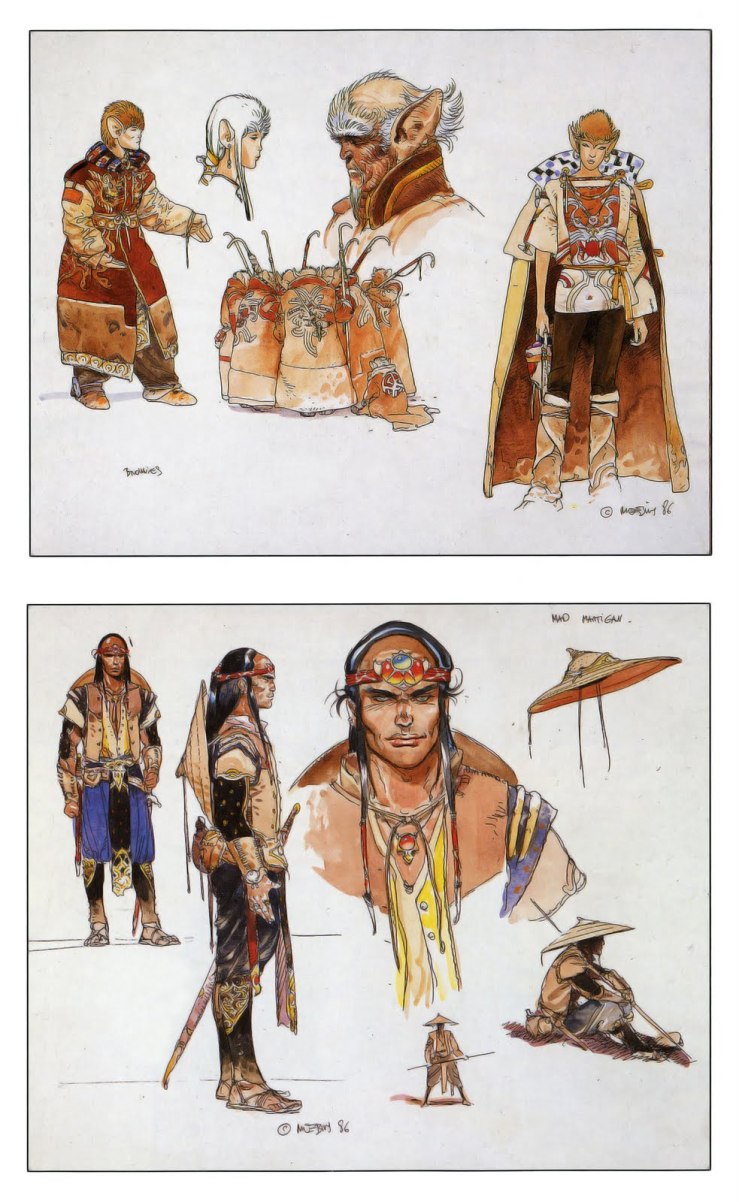
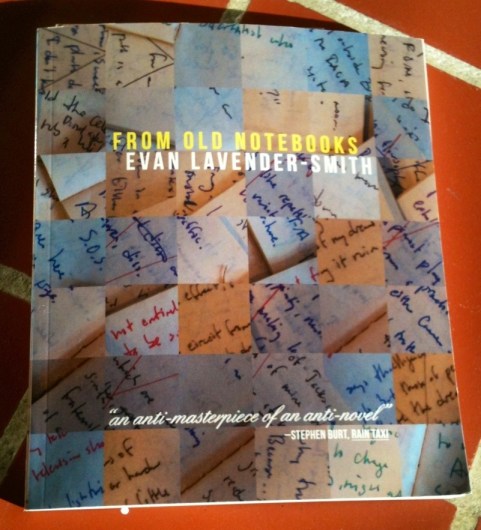
A few weeks back, Matt Bucher (via Twitter) suggested that because I enjoyed David Markson’s “notecard” novels so much, I should get a hold of Evan Lavender-Smith’s anti-novel From Old Notebooks. I went to order it from my bookstore, promptly found out it was out of print, and was bummed. And then like maybe a week after this, Matt let me know that the book was back in print from the good people at Dzanc. Anyway, it’s good stuff, and I’ll have a full write-up later this month.
Because of a postage screw-up, my original order was lost. When I let Dzanc know my book hadn’t arrived yet, they promptly sent another copy of the book, along with Jennifer Spiegel’s story collection The Freak Chronicles:
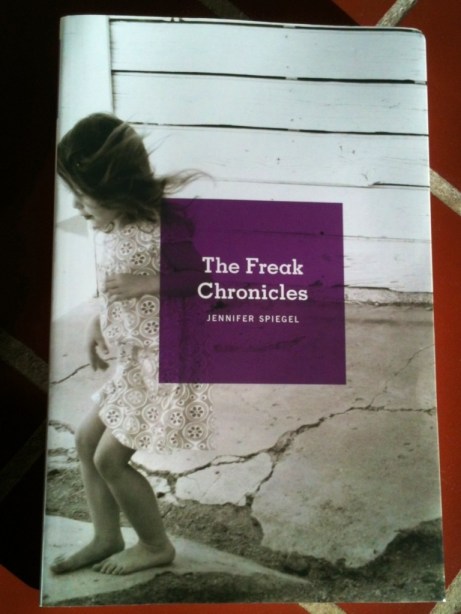
Dzanc’s blurb:
An American missionary sleeps on the dung floor in a witch doctor’s hut in South Africa. Two women contemplate “poverty porn” while trying to start a nonprofit in China. An heiress locks eyes with a whore on the streets of Cape Town. A college girl stalks Mickey Rourke. A professor from New Jersey gets scammed in Old Havana before Castro’s demise. A mom obsesses about the fate of Sesame Street characters. A study abroad student goes home with a Russian street artist. Backpackers question their global idealism. Terrain, both ordinary and extraordinary, work on the imaginations and perceptions of people on the run, freaks in the making, eccentrics by choice.
The short stories in this collection explore, both implicitly and explicitly, the notion of freakiness. They worry over eccentricity, alienation, normalcy, and intimacy. What is it that makes one a freak, makes one want to embrace quirkiness, have the fortitude to cultivate oddity? Is there a fine line between abnormality and the extraordinary? Jennifer Spiegel’s stories delve into these questions and others.

“The Story of Gulnare of the Sea”
from The Arabian Nights: Their Best Known Tales (1909)
There was, in olden time, and in an ancient age and period, in the land of the Persians, a king named Shahzeman, and the place of his residence was Khorassan. He had not been blest, during his whole life, with a male child nor a female; and he reflected upon this, one day, and lamented that the greater portion of his life had passed, and he had no heir to take the kingdom after him as he had inherited it from his fathers and forefathers. So the utmost grief befell him on this account.
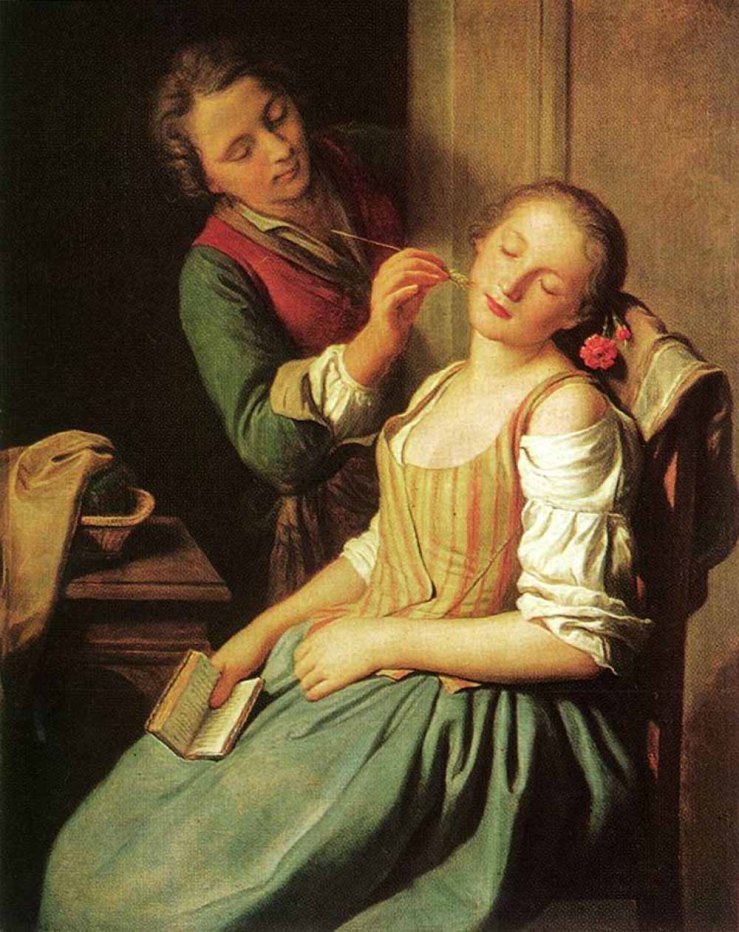
Now while he was sitting one day, one of his mamelukes came in to him, and said to him: “O my lord, at the door is a slave-girl with a merchant: none more beautiful than she hath been seen.” And he replied: “Bring to me the merchant and the slave-girl.” The merchant and the slave-girl therefore came to him; and when he saw her, he found her to resemble the lance in straightness and slenderness. She was wrapped in a garment of silk embroidered with gold, and the merchant uncovered her face, whereupon the place was illuminated by her beauty, and there hung down from her forehead seven locks of hair reaching to her anklets. The King, therefore, wondered at the sight of her, and at her beauty, and her stature and justness of form; and he said to the merchant: “O sheikh, for how much is this damsel to be sold?” The merchant answered: “O my lord, I purchased her for two thousand pieces of gold of the merchant who owned her before me, and I have been for three years travelling with her, and she hath cost, to the period of her arrival at this place, three thousand pieces of gold; and she is a present from me unto thee.” Upon this, the king conferred upon him a magnificent robe of honour, and gave orders to present him with ten thousand pieces of gold. So he took them, and kissed the hands of the king, thanking him for his beneficence, and departed. Then the king committed the damsel to the tirewomen, saying to them: “Amend the state of this damsel, and deck her, and furnish for her a private chamber, and take her into it.” He also gave orders to his chamberlains that everything which she required should be conveyed to her. The seat of government where he resided was on the shore of the sea, and his city was called the White City. And they conducted the damsel into a private chamber, which chamber had windows overlooking the sea; and the king commanded his chamberlains to close all the doors upon her after taking to her all that she required. Continue reading ““The Story of Gulnare of the Sea” (Arabian Nights)”
 Biblioklept