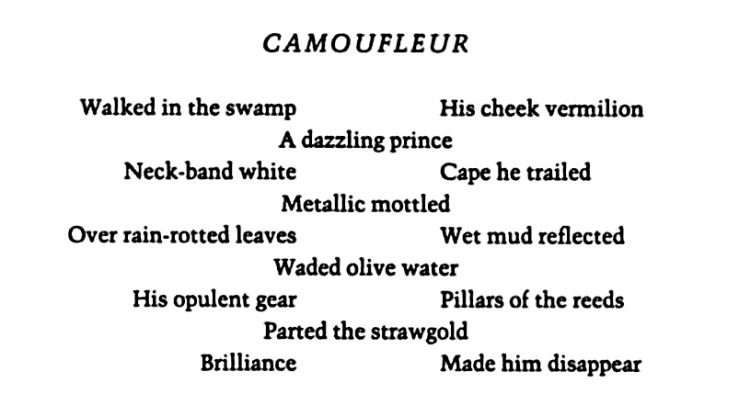
Metaphors and similes are of great value, in so far as they explain an unknown relation by a known one. Even the more detailed simile which grows into a parable or an allegory, is nothing more than the exhibition of some relation in its simplest, most visible and palpable form. The growth of ideas rests, at bottom, upon similes; because ideas arise by a process of combining the similarities and neglecting the differences between things. Further, intelligence, in the strict sense of the word, ultimately consists in a seizing of relations; and a clear and pure grasp of relations is all the more often attained when the comparison is made between cases that lie wide apart from one another, and between things of quite different nature. As long as a relation is known to me as existing only in a single case, I have but an individual idea of it—in other words, only an intuitive knowledge of it; but as soon as I see the same relation in two different cases, I have a general idea of its whole nature, and this is a deeper and more perfect knowledge.
Since, then, similes and metaphors are such a powerful engine of knowledge, it is a sign of great intelligence in a writer if his similes are unusual and, at the same time, to the point. Aristotle also observes that by far the most important thing to a writer is to have this power of metaphor; for it is a gift which cannot be acquired, and it is a mark of genius.
From The Art of Literature by Arthur Schopenhauer.





 Biblioklept