Read “Waterspider,” a goofy postmodern time travel story by Philip K. Dick

“Waterspider”

by

Philip K. Dick


I

That morning, as he carefully shaved his head until it glistened, Aaron Tozzo pondered a vision too unfortunate to be endured. He saw in his mind fifteen convicts from Nachbaren Slager, each man only one inch high, in a ship the size of a child’s balloon. The ship, traveling at almost the speed of light, continued on forever, with the men aboard neither knowing nor caring what became of them.

The worst part of the vision was just that in all probability it was true.

He dried his head, rubbed oil into his skin, then touched the button within his throat. When contact with the Bureau switchboard had been established, Tozzo said, “I admit we can do nothing to get those fifteen men back, but at least we can refuse to send any more.”

His comment, recorded by the switchboard, was passed on to his co-workers. They all agreed; he listened to their voices chiming in as he put on his smock, slippers and overcoat. Obviously, the flight had been an error; even the public knew that now. But —

“But we’re going on,” Edwin Fermeti, Tozzo’s superior, said above the clamor. “We’ve already got the volunteers.”

“Also from Nachbaren Slager?” Tozzo asked. Naturally the prisoners there would volunteer; their lifespan at the camp was no more than five or six years. And if this flight to Proxima were successful, the men aboard would obtain their freedom. They would not have to return to any of the five inhabited planets within the Sol System.

“Why does it matter where they originate?” Fermeti said smoothly. Continue reading “Read “Waterspider,” a goofy postmodern time travel story by Philip K. Dick”

Bat Demon — Dorothea Tanning

Bat Demon, 1950 by Dorothea Tanning (1910-2012)

“Berryman” — W.S. Merwin

“Berryman”

by

W.S. Merwin


I will tell you what he told me
in the years just after the war
as we then called
the second world war

don’t lose your arrogance yet he said
you can do that when you’re older
lose it too soon and you may
merely replace it with vanity

just one time he suggested
changing the usual order
of the same words in a line of verse
why point out a thing twice

he suggested I pray to the Muse
get down on my knees and pray
right there in the corner and he
said he meant it literally

it was in the days before the beard
and the drink but he was deep
in tides of his own through which he sailed
chin sideways and head tilted like a tacking sloop

he was far older than the dates allowed for
much older than I was he was in his thirties
he snapped down his nose with an accent
I think he had affected in England

as for publishing he advised me
to paper my wall with rejection slips
his lips and the bones of his long fingers trembled
with the vehemence of his views about poetry

he said the great presence
that permitted everything and transmuted it
in poetry was passion
passion was genius and he praised movement and invention

I had hardly begun to read
I asked how can you ever be sure
that what you write is really
any good at all and he said you can’t

you can’t you can never be sure
you die without knowing
whether anything you wrote was any good
if you have to be sure don’t write

Antikvariatet (The Second-hand Book Store) — Pauliina Pietilä

Antikvariatet (The Second-hand Book Store), 2014, by Pauliina Pietilä (b. 1982)

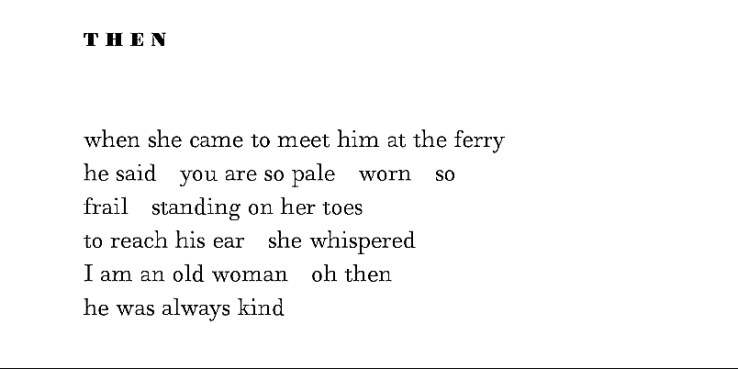
“Then” — Grace Paley

Oil on a Wet Road — Ithell Colquhoun

Oil on a Wet Road, 1963 by Ithell Colquhoun (1906-1988)

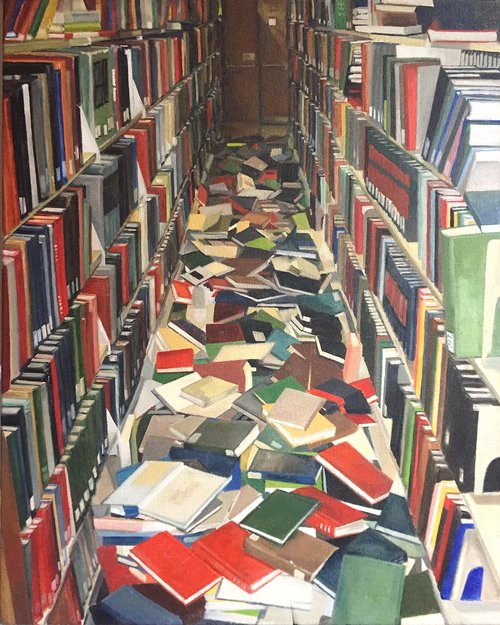
Day at the Library — Shannon Cartier Lucy

Day at the Library, 2018 by Shannon Cartier Lucy (b. 1977)

After the Pool — Zoey Frank

After the Pool, 2021 by Zoey Frank (b. 1987)

Poe’s “The Fall of the House of Usher,” but just the punctuation


; ‘ . . , , , , , , , , , . — — , , . ; – , , , . — — , — — — — – — — — — — — – — — – — — . , , — — . — — — — ? ; . , , , , . , , , , , ; , , , — — — — , – , – . , . , , ; . , , — — — — , , . . . — — — — , , , , . , , — — — — ; . , , , . . , , , , , , , , , , , , , . , , , , – , , , ; , , , , . , , , , , — — , , , , , , , , ” ” — — , , . — — — — . — — ? — — . , , . , , , , — — , , . — — , , , — — , , , , – . , . . . , – . . ; , . – , . , , . , , , , . , . , . , , , , . , , . — — , , , , , , — — — — . , . , , . . . . , , , . , ; , , , . . , , , . , . . , , . , , , , — — . , , . ; , , , . , , , ! . . ; , , ; , ; , ; , , , ; – ; — — , , . , , . , , . , , , , , , , , . — — ; — — . , , , . . ( ) — — , , , – — — , – , , , . , , . , , . , , , — — , , . . , , ; , , . ; ; ; ; ; , , . . ” , ” , ” . , , , . , , . , , , . , , , — — . , , , , . ” , , , , . , , , — — – — — , , , — — , , , , . , , , — — – — — — — , , . ” , ” , , ” ( ) . ” , ( ) , , , . ; . . , , , ; , . . , , . , ; , ( ) ; — — , , . , ; . , , , . , , , , . . , , , . . . , . , , , , — — ( ) . , , . , . , , , , . , , , , . , , , , . . , ; , . , . , , , , . . , , , ( ) , . . , , , , , , , . , ” , ” , , : — — . , , — — — — . ‘ — — ! . . , , , ; ( — — — — ) ; , , , . . ‘ – ; , ( ! ) , . . , , , , , , . . , , ‘ ; ( , , , ! ) , , – . . , – ; , , , , — — . , ‘ ( * ) , . , , . , , , , , . , . , , ( ) . , , — — , , — — , , . — — — — , , ( ) , . , , , — — . , . — — , , — — , , . ” ” ; ” ” ; ” ” ; ” ” ; ” ” , ‘ , ; ” ” ; ” ” . ” , ” ; , , . , , — — — — . , , , , , ( ) , . , , , . ( ) , , – . , , , , . , . , . ( , , ) , , ; , , . , , , – , , , , , , , . , , , , . , , . , , . ; , , , , , . , , — — . , , , , . , , , , , . , , . . . , , . , , — — . ; , , . , , , . , , , , , . — — . , , . , , , . — — . . , , — — , , , , . . ; , , . , , , , — — , — — , , , . , , ( ) , , . , . . , , , , . , , — — , , — — . — — , . ” ? ” , — — ” ? — — , ! . ” , , , . . , , , . ; ; ( ) – , . — — , . , , . ” — — ! ” , , , , , . ” , , — — . ; — — . . , : — — . ” ” ” ; ‘ ; , , . , , ; , ( ) . , , , , , . – , , , . , , : ” , , , , , , , , , , , , , , ; , , , , – . ” , , ; ( ) — — , , , , , , ( ) . , , ; , , , , , , , . : ” , , ; , , , , , ; — — , ; , . , , , , , , , . ” , — — , , ( ) , , , — — ‘ . , , , , , , , . ; , , , , . , , ; , . — — , . , , — — . , , : ” , , , , , , ; , , . ” , — — , , — — , , , , , . , ; . . , . , , ; ; , , , . , . ” ? — — , , . — — — — — — , , , — — — — , , ! — — — — ! ! ? . — — , — — — — ! — — – — — — — ! ! — — ‘ , – , ! — — , , , , ! ! ? ? ? ? ? ! ” — — , , — — ” ! ! ” , , , . — — . , . — — , , , – , , . , , . . , ; . , , – – , , . , — — — — — — — — — — ” . ” * , . , , . — — ” , ” . .

Poe’s “The Fall of the House of Usher,” but just the punctuation.

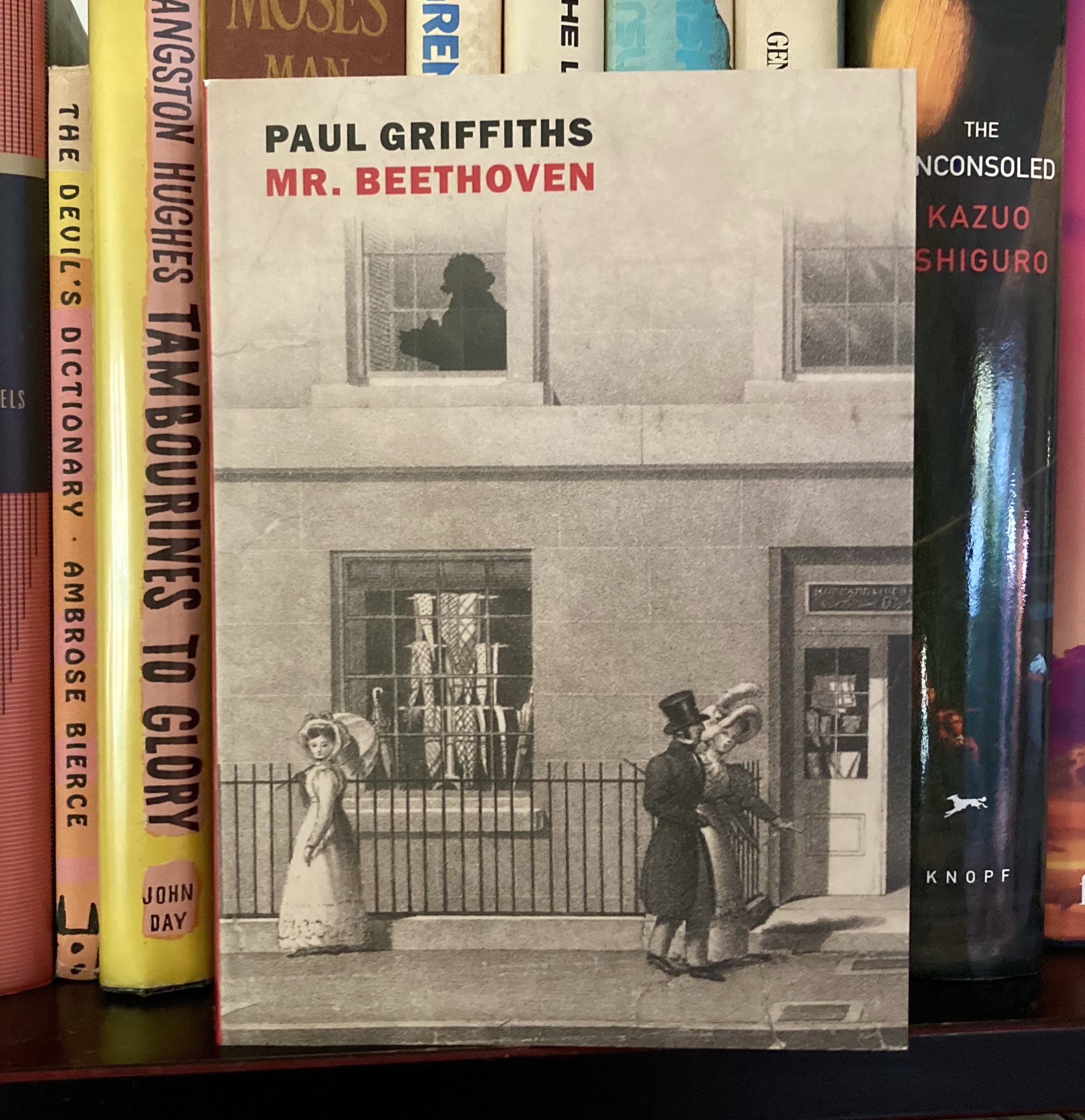
Paul Griffiths’ Mr. Beethoven (Book acquired, October 2021)

Paul Griffiths’ novel Mr. Beethoven is new this week from NYRB. Their blurb—

It is a matter of historical record that in 1823 the Handel and Haydn Society of Boston (active to this day) sought to commission Beethoven to write an oratorio. The premise of Paul Griffiths’s ingenious novel is that Beethoven accepted the commission and traveled to the United States to oversee its first performance. Griffiths grants the composer a few extra years of life and, starting with his voyage across the Atlantic and entry into Boston Harbor, chronicles his adventures and misadventures in a new world in which, great man though he is, he finds himself a new man. Relying entirely on historically attested possibilities to develop the plot, Griffiths shows Beethoven learning a form of sign language, struggling to rein in the uncertain inspiration of Reverend Ballou (his designated librettist), and finding a kindred spirit in the widowed Mrs. Hill, all the while keeping his hosts guessing as to whether he will come through with his promised composition. (And just what, the reader also wonders, will this new piece by Beethoven turn out to be?) The book that emerges is an improvisation, as virtuosic as it is delicate, on a historical theme.


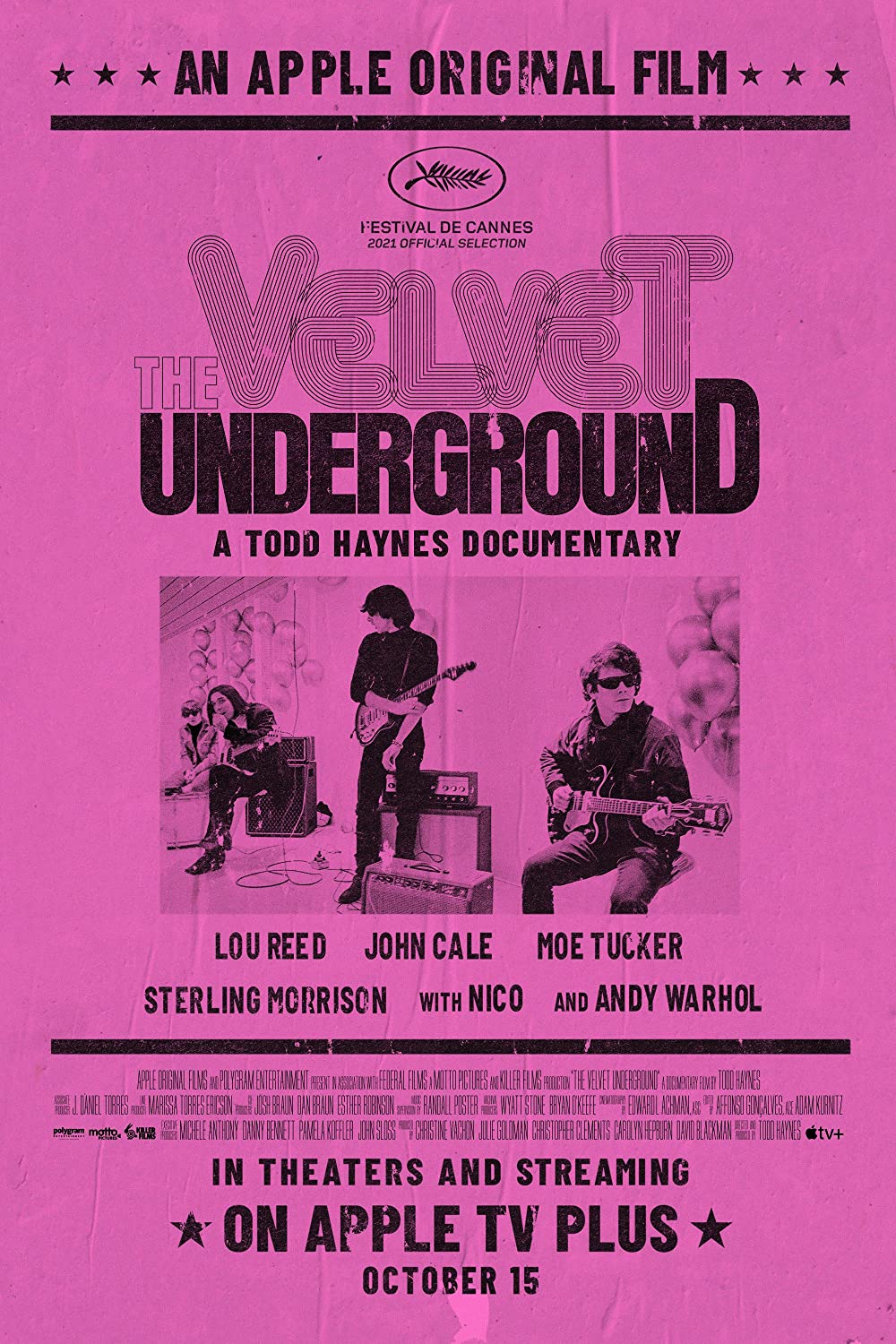
Todd Haynes interviewed at Slate about his film The Velvet Underground

Sam Adams has a nice conversation with director Todd Haynes about The Velvet Underground, Haynes’ marvelous documentary about the band.

I saw the film this weekend and it’s one of the best musical documentaries I’ve seen in ages. The film is really about the art scene in New York City in the 1960s, and as such, Haynes employs a number of aesthetic conceits, all of which vibrate on just the right side of pretentiousness. There are lots and lots of clips from Warhol’s films and screen tests combined with archival footage (John Cage on teevee, for example), and old interviews interspersed with new interviews with John Cale, Moe Tucker, and a host of other musicians, artists, actors, and folks who bore witness to that whole scene. The film is its own thing—it transcends being “about” the band—indeed, that’s the best thing about The Velvet Underground: it lets you see and hear the band you discovered when you were thirteen or fifteen or thirty with fresh ears and fresh eyes. To this end, it’s possible that the film might turn off folks completely unfamiliar with the band and its influence. Haynes addresses this in his interview with Adams:

I mean, there are some people for whom this will be frustrating and not what they expect from a documentary. They kind of want that tidier oral history. If you’re interested, there’s all kinds of more stuff to find and discover for yourself. But I wanted it to be mostly that experience where the image and the music were leading you, and then it was a visceral journey through the film.

A visceral journey it is.

A highlight for me in the film is a series of late appearances by Jonathan Richman. Adams enjoyed that too:

[Adams]: As someone who’s been listening to him for a long time, the interview with Jonathan Richman is a real highlight of the movie. It makes me hope there’s a Blu-ray someday so you can just release the whole thing as an extra.

[Haynes]: Oh, it’s so fucking great. The whole thing is just, it’s a complete piece. I was crying by the end of it.

Was it your idea for him to have the guitar, or did he just bring it with him?

No, he just brought it. And I mean, come on. It was just so generous and so insightful. And he served the purposes of saying things that I had sort of decided I would not include in this movie: fans, other musicians, critics. It was just going to be about people who were there. That was the criteria. Well, he was there, in spades, and I didn’t realize to what degree.

That picture of him as a teenager with the band, I’d never seen that before.

Fucking crazy. But he could also then speak so informatively as a musician and as a critic and as a fan.

Read the interview here.

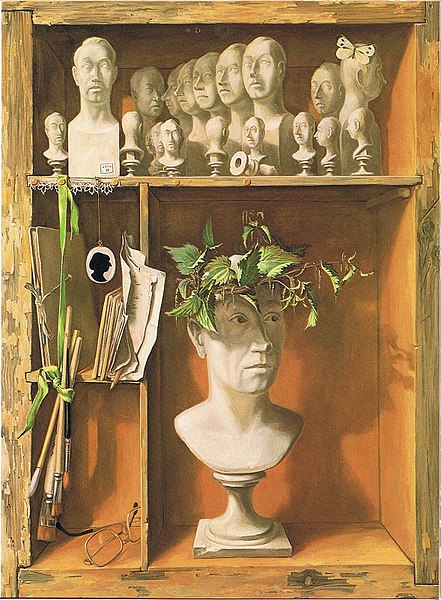
Box Picture with Plaster Busts — Wolfgang Lenz

Box Picture with Plaster Busts, 1985 by Wolfgang Lenz (b. 1925)

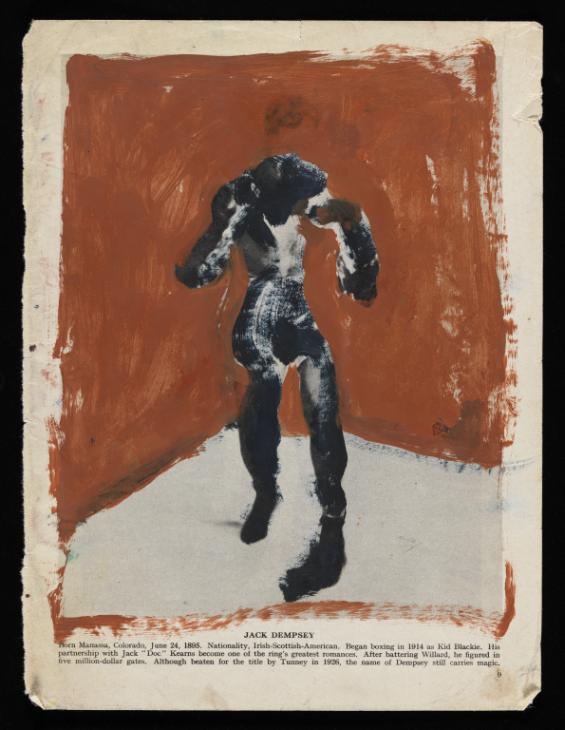
Untitled (Boxer) — Francis Bacon

Untitled (Extract from unidentified boxing magazine with photograph of Jack Dempsey and Gene Tunney), 1950 by Francis Bacon (1909-1992)

The Silence — Lucien Lévy-Dhurmer

The Silence, 1895 by Lucien Lévy-Dhurmer (1865–1953)

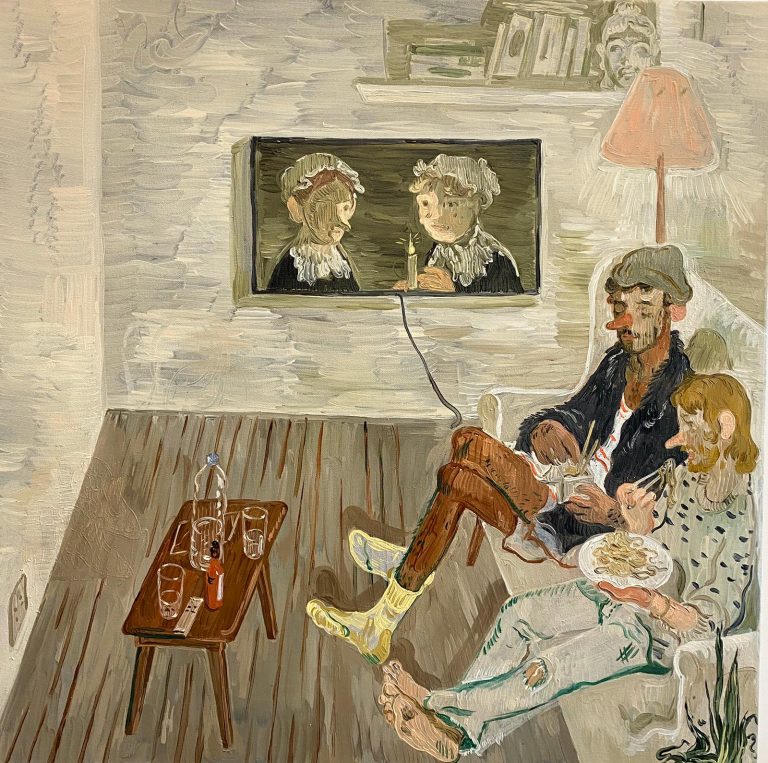
Takeout — Salman Toor

Takeout, 2020 by Salman Toor (b. 1983)

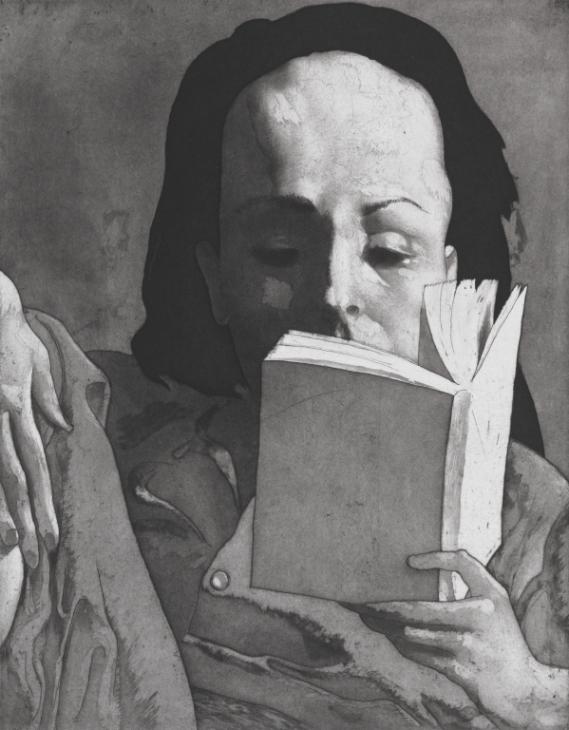
Milestones — John Currin

Milestones, 2006 by John Currin (b. 1962)

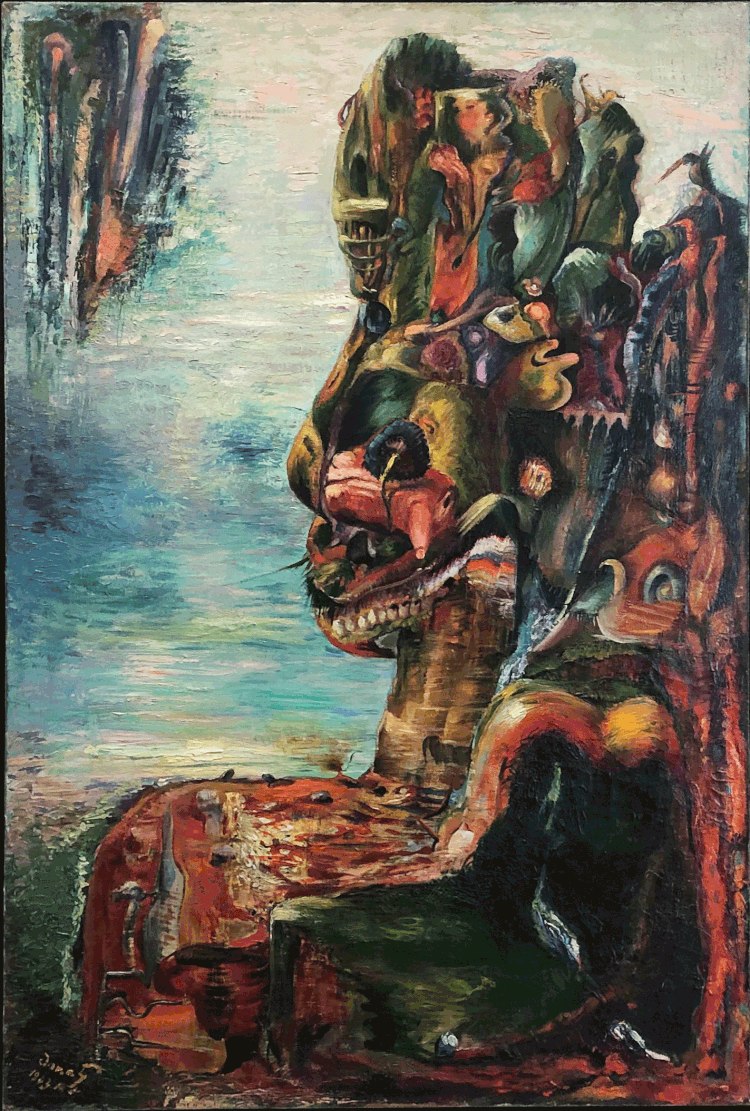
Arcimboldo — Enrico Donati

Arcimboldo, 1945 by Enrico Donati (1909-2008)