Cain Flying before Jehovah’s Curse — Fernand Cormon

Maypole (The Wicker Man)

May Day, Central Park — Maurice Prendergast

Interior with a Cactus — Carl Larsson

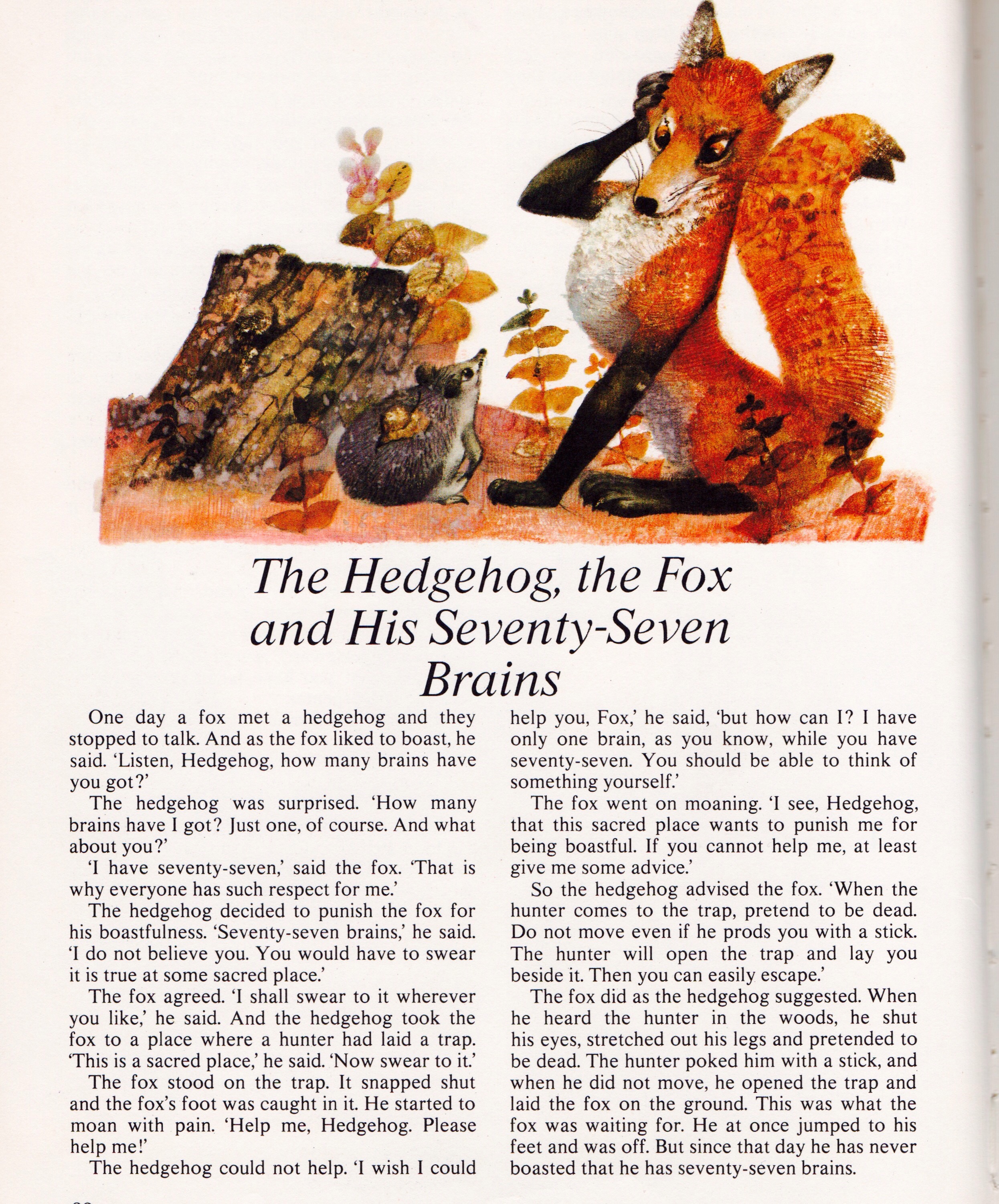
“The Hedgehog, the Fox and His Seventy-Seven Brains”

image

A Serbian fairy tale retold by Alena Benesova and translated into English by Ruth Shepherd. The marvelous illustration is by Karel Franta. From Animal Fairy Stories.


History is an attempt to make the past seem stable (William Carlos Williams)

Screenshot 2015-04-30 at 2

Study of the Graduations of Shadows on Spheres — Leonardo da Vinci

Kant’s coffee

At the beginning of the last year of his life, he fell into a custom of taking, immediately after dinner, a cup of coffee, especially on those days when it happened that I was of his party. And such was the importance that he attached to his little pleasure that he would even make a memorandum beforehand, in the blank paper book that I had given him, that on the next day I was to dine with him, and consequently “that there was to be coffee.” Sometimes in the interest of conversation, the coffee was forgotten, but not for long. He would remember and with the querulousness of old age and infirm health would demand that coffee be brought “upon the spot.” Arrangements had always been made in advance, however; the coffee was ground, and the water was boiling: and in the very moment the word was given, the servant shot in like an arrow and plunged the coffee into the water. All that remained, therefore, was to give it time to boil up. But this trifling delay seemed unendurable to Kant. If it were said, “Dear Professor, the coffee will be brought up in a moment,” he would say, “Will be! There’s the rub, that it only will be.” Then he would quiet himself with a stoical air, and say, “Well, one can die after all; it is but dying; and in the next world, thank God, there is no drinking of coffee and consequently no waiting for it.”

When at length the servant’s steps were heard upon the stairs, he would turn round to us, and joyfully call out: “Land, land! my dear friends, I see land.”

This anecdote of Thomas de Quincey’s is from William H. Ukers’s All About Coffee (1922). Ukers introduces the quote: “In his old age, Immanuel Kant, the great metaphysician, became extremely fond of coffee; and Thomas de Quincey relates a little incident showing Kant’s great eagerness for the after-dinner cup.”

Bouquet of Violets — Edouard Manet

Get thee behind me Satan

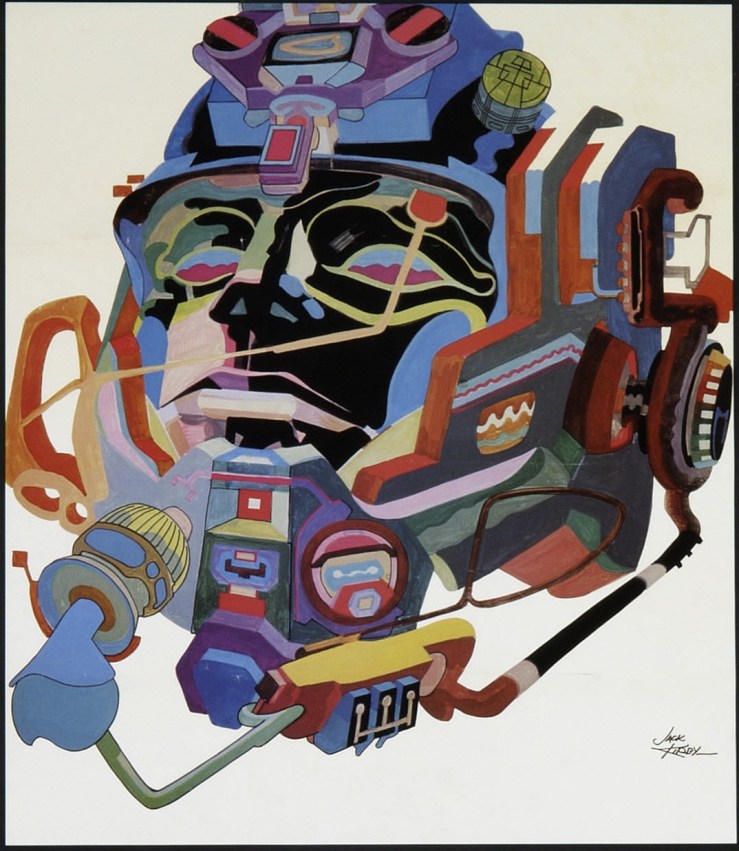
Galactic Head — Jack Kirby

tumblr_nf710sAuN71qzoglfo1_1280

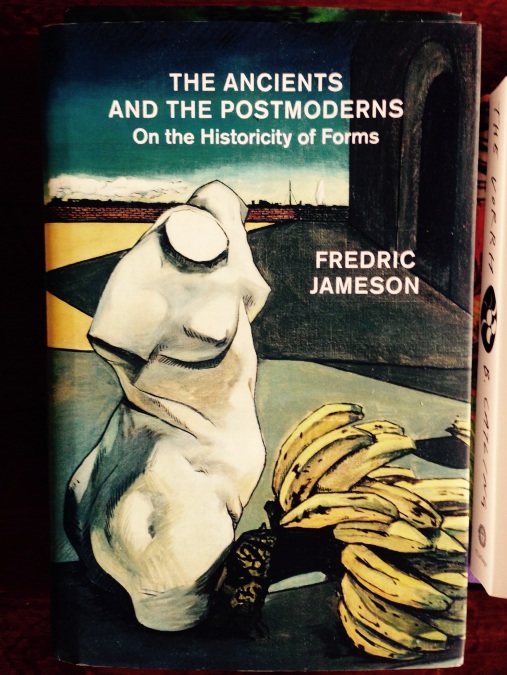
Fredric Jameson (Book acquired, 4.23.2015)

image

Fredric Jameson’s latest from Verso is The Ancients and the Postmoderns. Verso’s blurb:

High modernism is now as far from us as antiquity was for the Renaissance. Such is the premise of Fredric Jameson’s major new work in which modernist works, this time in painting (Rubens) and music (Wagner and Mahler), are pitted against late-modernist ones (in film) as well as a variety of postmodern experiments (from SF to The Wire, from “Eurotrash” in opera to Altman and East German literature): all of which attempt, in their different ways, to invent new forms to grasp a specific social totality. Throughout the historical periods, argues Jameson, the question of narrative persists through its multiple formal changes and metamorphoses.

Key and Hand — Tamara de Lempicka

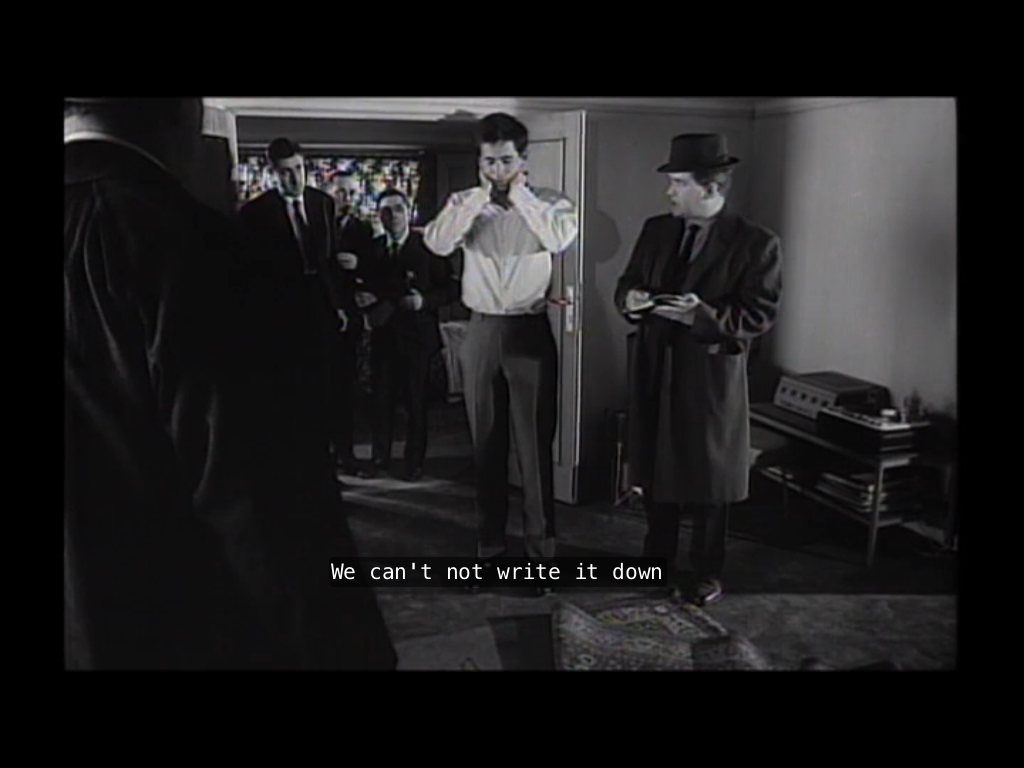
Can’t not write it down 


“On Being in Love” — Jerome K. Jerome

“On Being in Love”

by

Jerome K. Jerome

You’ve been in love, of course! If not you’ve got it to come. Love is like the measles; we all have to go through it. Also like the measles, we take it only once. One never need be afraid of catching it a second time. The man who has had it can go into the most dangerous places and play the most foolhardy tricks with perfect safety. He can picnic in shady woods, ramble through leafy aisles, and linger on mossy seats to watch the sunset. He fears a quiet country-house no more than he would his own club. He can join a family party to go down the Rhine. He can, to see the last of a friend, venture into the very jaws of the marriage ceremony itself. He can keep his head through the whirl of a ravishing waltz, and rest afterward in a dark conservatory, catching nothing more lasting than a cold. He can brave a moonlight walk adown sweet-scented lanes or a twilight pull among the somber rushes. He can get over a stile without danger, scramble through a tangled hedge without being caught, come down a slippery path without falling. He can look into sunny eyes and not be dazzled. He listens to the siren voices, yet sails on with unveered helm. He clasps white hands in his, but no electric “Lulu”-like force holds him bound in their dainty pressure.

No, we never sicken with love twice. Cupid spends no second arrow on the same heart. Love’s handmaids are our life-long friends. Respect, and admiration, and affection, our doors may always be left open for, but their great celestial master, in his royal progress, pays but one visit and departs. We like, we cherish, we are very, very fond of—but we never love again. A man’s heart is a firework that once in its time flashes heavenward. Meteor-like, it blazes for a moment and lights with its glory the whole world beneath. Then the night of our sordid commonplace life closes in around it, and the burned-out case, falling back to earth, lies useless and uncared for, slowly smoldering into ashes. Once, breaking loose from our prison bonds, we dare, as mighty old Prometheus dared, to scale the Olympian mount and snatch from Phoebus’ chariot the fire of the gods. Happy those who, hastening down again ere it dies out, can kindle their earthly altars at its flame. Love is too pure a light to burn long among the noisome gases that we breathe, but before it is choked out we may use it as a torch to ignite the cozy fire of affection. Continue reading ““On Being in Love” — Jerome K. Jerome”

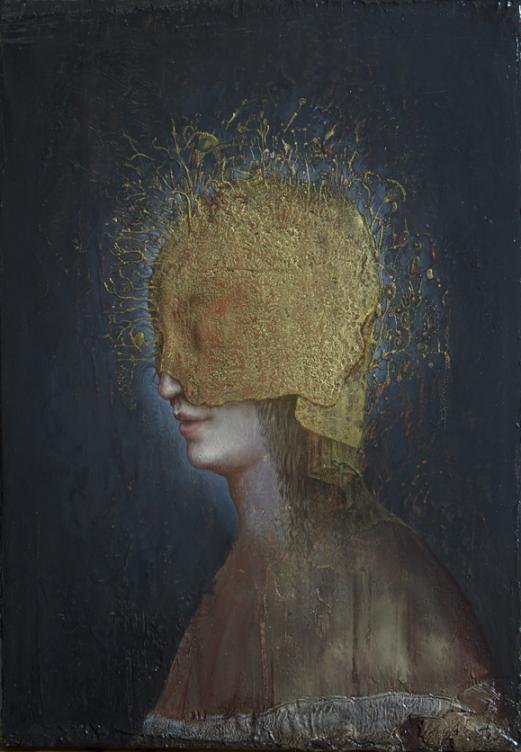
The Holy — Agostino Arrivabene

resize (1)

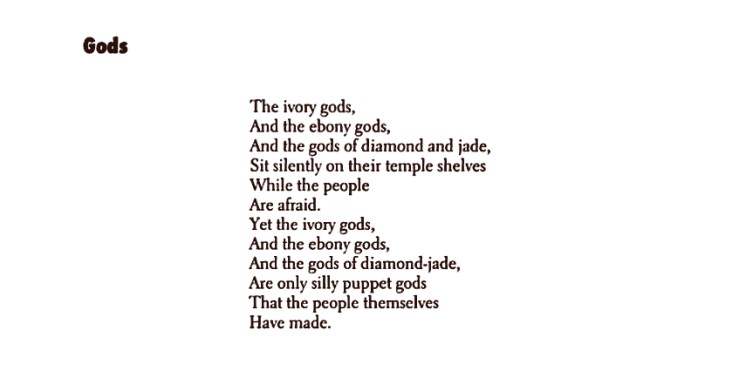
“Gods” — Langston Hughes

Screenshot 2015-04-28 at 4