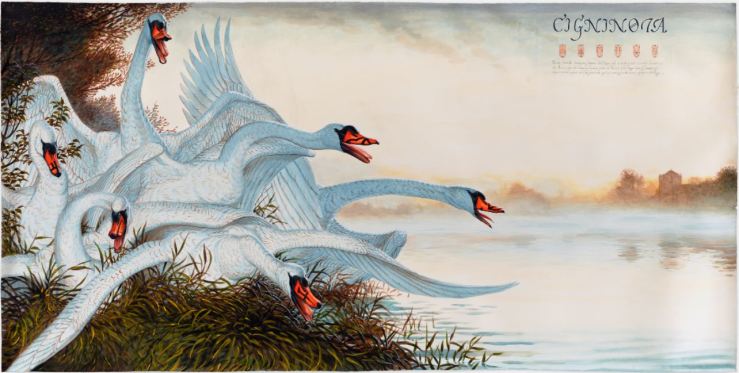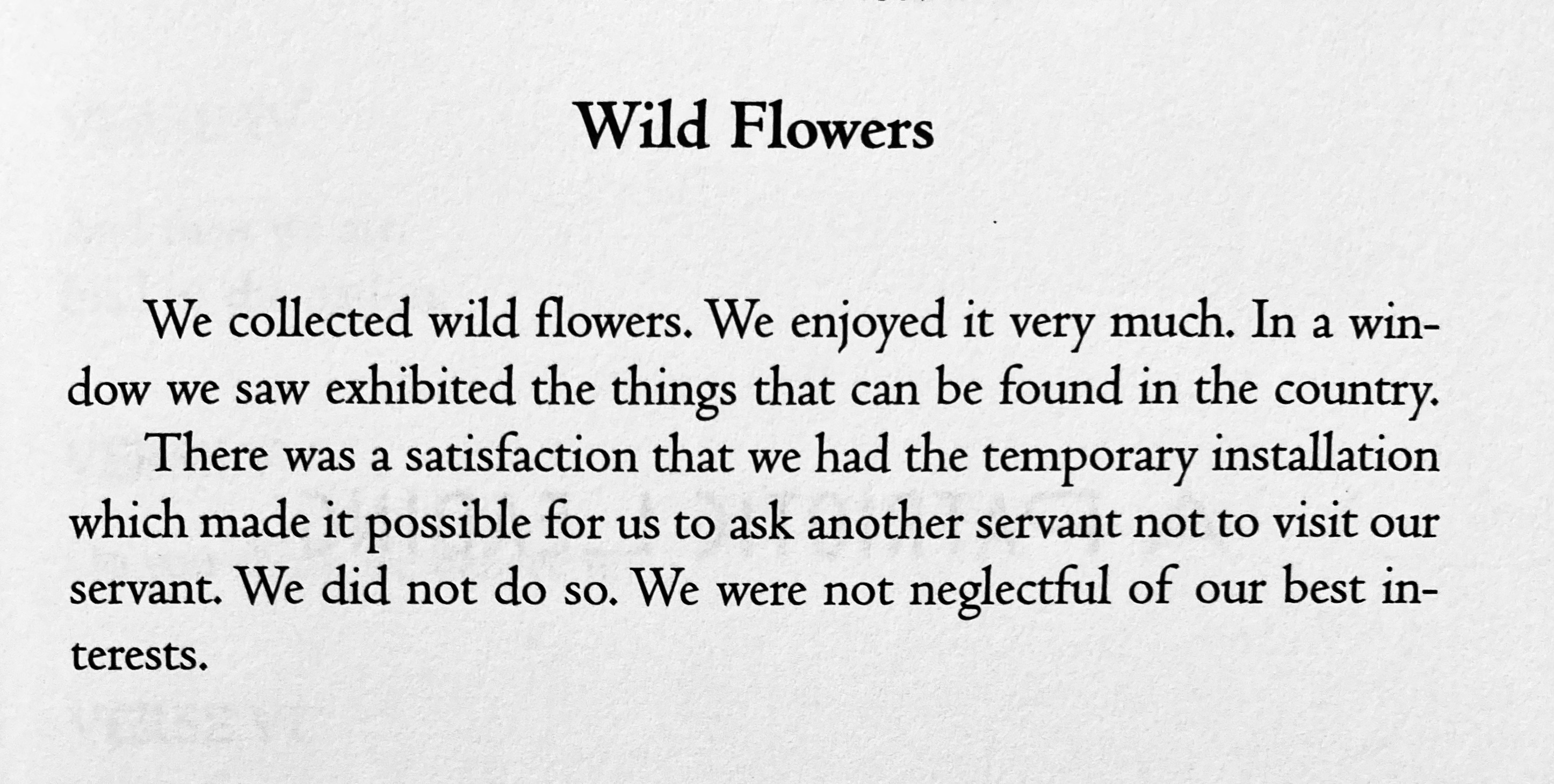
Encounter at sea (George Herriman’s Krazy Kat)

E.E. Cummings’ The Enormous Room ( Book acquired, mid-June 2022)

E.E. Cummings’ autobiographical novel The Enormous Room is forthcoming in a new edition from NYRB in July. Their blurb:

In 1917, after the entry of America into World War I, E. E. Cummings, a recent graduate of Harvard College, volunteered to serve on an ambulance corps in France. He arrived in Paris with a new friend, William Slater Brown, and they set about living it up in the big city before heading off to their assignment. Once in the field, they wrote irreverent letters about their experiences, which attracted the attention of the censors and ultimately led to their arrest. They were held for months in a military detention camp, sharing a single large room with a host of fellow detainees. It is this experience that Cummings relates in lightly fictionalized form in The Enormous Room, a book in which a tale of woe becomes an occasion of exuberant mischief. A free-spirited novel that displays the same formal swagger as his poems, a stinging denunciation of the stupidity of military authority, and a precursor to later books like Catch-22 and MASH, Cummings’s novel is an audacious, uninhibited, lyrical, and lasting contribution to American literature.

A list of 81 (or more) similes from Roberto Bolaño’s novel 2666

  1. a horrible and notably unhygienic bathroom that was more like a latrine or cesspit
  2. A rather ordinary picture of a student in the capital, but it worked on him like a drug, a drug that brought him to tears, a drug that (as one sentimental Dutch poet of the nineteenth century had it) opened the floodgates of emotion, as well as the floodgates of something that at first blush resembled self-pity but wasn’t (what was it, then? rage? very likely)
  3. the quadrangular sky looked like the grimace of a robot or a god made in our own likeness
  4. their incomprehensible words like crystallized spiderwebs or the briefest crystallized vomitings
  5. went on the attack like Napoleon at Jena
  6. demolished the counterattack like a Desaix, like a Lannes
  7. old Hanseatic buildings, some of which looked like abandoned Nazi offices
  8. like people endlessly analyzing a favorite movie
  9. the parade of immigrants like ants loading the flesh of thousands of dead cattle into the ships’ holds
  10. the little gaucho sounded like the moon, like the passage of clouds across the moon,
    like a slow storm
  11. his eyes shining with a strange intensity, like the eyes of a clumsy young butcher
  12. the lady would begin to howl like a Fury
  13. like an ice queen
  14. news spreading like wildfire, like a nuclear conflagration
  15. a rock jutting from the pool, like a dark and iridescent reef
  16. like a painting by Gustave Moreau or Odilon Redon
  17. I suffered like a dog
  18. now the fucking mugs are like samurais armed with those fucking samurai swords
  19. the appearance of the park, which looked to him like a film of the jungle, the colors wrong, terribly sad, exalted
  20. The words old man and German he waved like magic wands to uncover a secret
  21. like drudge work, like the lowest of menial tasks
  22. that abyss like hour
  23. Like the machine celibataire.
  24. Like the bachelor who suddenly grows old, or like the bachelor who, when he returns from a trip at light speed, finds the other bachelors grown old or turned into pillars of salt.
  25. like a howling Indian witch doctor
  26. like talking to a stranger
  27. like a whisper that he later understood was a kind of laugh
  28. like a hula-hooping motion
  29. you’re behaving like stupid children
  30. they attended like sleepwalkers or drugged detectives
  31. like missionaries ready to instill faith in God, even if to do so meant signing a pact with the devil
  32. they behaved not like youths but like nouveaux youths
  33. drifted through Bologna like two ghosts
  34. who once said London was like a labyrinth
  35. he could soar over the beach like a seagull
  36. which circled in their guilty consciences like a ghost or an electric charge
  37. they were so happy they began to sing like children in the pouring rain
  38. Their remorse vanished like laughter on a spring night.
  39. smiling like squirrels
  40. like a fifteenth-century fortress
  41. circles that faded like mute explosions
  42. Coincidence, if you’ll permit me the simile, is like the manifestation of God at every moment on our planet.
  43. a voice that didn’t sound like his but rather like the voice of a sorcerer, or more specifically, a sorceress, a soothsayer from the times of the Roman Empire
  44. like the dripping of a basalt fountain
  45. he and the room were mirrored like ghostly figures in a performance that prudence and fear would keep anyone from staging
  46. Aztec ruins springing like lilacs from wasteland
  47. like a river that stops being a river or a tree that burns on the horizon, not knowing that it’s burning
  48. the city looked to them like an enormous camp of gypsies or refugees ready to pick up and move at the slightest prompting
  49. the missing piece suddenly leaped into sight, almost like a bark
  50. It’s like hearing a child cry
  51. a kind of speed that looked to Espinoza like slowness, although he knew it was only the slowness that kept whoever watched the painting from losing his mind
  52. brief moans shooting like meteorites over the desert
  53. The words tunneled through the rarefied air of the room like virulent roots through dead flesh
  54. The word freedom sounded to Espinoza like the crack of a whip in an empty classroom.
  55. The light in the room was dim and uncertain, like the light of an English dusk.
  56. Literature in Mexico is like a nursery school, a kindergarten, a playground, a kiddie club
  57. the movement of something like subterranean tanks of pain
  58. The stage is really a proscenium and upstage there’s an enormous tube, something like a mine shaft or the gigantic opening of a mine
  59. like a bad joke on the part of the mayor or city planner
  60. like pure crystal
  61. like the legs of an adolescent near death
  62. his eyes were just like the eyes of the blind
  63. clung to the Chilean professor like a limpet
  64. grimaced like a madman
  65. like a reflection of what happened in the west but jumbled up
  66. The sky, at sunset, looked like a carnivorous flower.
  67. For the first time, the three of them felt like siblings or like the veterans of some shock troop who’ve lost their interest in most things of this world
  68. a smell of meat and hot earth spread over the patio in a thin curtain of smoke that enveloped them all like the fog that drifts before a murder
  69. long roots like snakes or the locks of a Gorgon
  70. like a shirt left out to dry
  71. reality for Pelletier and Espinoza seemed to tear like paper scenery
  72. lectures that were more like massacres
  73. feeling less like butchers than like gutters or disembowellers
  74. the boy on top of the heap of rugs like a bird, scanning the horizon
  75. She was like a princess or an ambassadress
  76. cry like a fool
  77. I felt like a derelict dazzled by the sudden lights of a theater.
  78. drew me like a magnet
  79. a cement box with two tiny windows like the portholes of a sunken ship
  80. a very soft voice, like the breeze that was blowing just then, suffusing everything with the scent of flowers
  81. The cement box where the sauna was looked like a bunker holding a corpse.

These similes are from “The Part About the Critics,” the first part of 2666, a novel by Roberto Bolaño, in English translation by Natasha Wimmer. I was originally going to try to record 666 similes, but then I didn’t. I’ll record similes from the other four parts of the novel though.

Talk to me about your family history, said the bastards | Roberto Bolaño

A passage from “The Part About The Crimes” from 2666 by Roberto Bolaño in translation by Natasha Wimmer


Talk to me about your family history, said the bastards. Explain your family tree, the assholes said. Self-sucking pieces of shit. Lalo Cura didn’t get angry. Faggot sons of bitches. Tell me about your coat of arms. That’s enough now. The kid’s going to blow. Stay calm. Respect the uniform. Don’t show you’re scared or back down, don’t let them think they’re getting to you. Some nights, in the dim light of the tenement, when he was done with the books on criminology (don’t lose it now, man), dizzy from all the fingerprints, blood and semen stains, principles of toxicology, investigations of thefts, breaking and entering, footprints, how to make sketches and take photographs of the crime scene, half asleep, drifting between sleep and wakefulness, he heard or remembered voices talking to him about the first Exposito, the family tree dating back to 1865, the nameless orphan, fifteen years old, raped by a Belgian soldier in a one-room adobe house outside Villaviciosa. The next day the soldier got his throat cut and nine months later a girl was born, called Maria Exposito. The orphan, the first one, said the voice, or several voices taking turns, died in childbirth and the girl grew up in the same house where she was conceived, which became the property of some peasants who took her in and treated her like another member of the family. In 1881, when Maria Exposito was fifteen, on the feast day of San Dimas, a drunk from another town carried her off on his horse, singing at the top of his lungs: Que chingaderas son estas I Dimas le dijo a Gestas. On the slope of a hill that looked like a dinosaur or a Gila monster he raped her several times and disappeared. In 1882, Maria Exposito gave birth to a child who was baptized Maria Exposito Exposito, said the voice, and the girl was the wonder of the peasants of Villaviciosa. From early on she showed herself to be clever and spirited, and although she never learned to read or write she was known as a wise woman, learned in the ways of herbs and medicinal salves. In 1898, after she had been away for seven days, Maria Exposito appeared one morning in the Villaviciosa plaza, a bare space in the center of town, with a broken arm and bruises all over her body. She would never explain what had happened to her, nor did the old women who tended to her insist that she tell. Nine months later a girl was born and given the name Maria Exposito, and her mother, who never married or had more children or lived with any man, initiated her into the secret art of healing. But the young Maria Exposito resembled her mother only in her good nature, a quality shared by all the Maria Expositos of Villaviciosa. Some were quiet and others liked to talk, but common to them all was their good nature and the fortitude to endure periods of violence or extreme poverty. But young Maria Exposito’s childhood and adolescence were more carefree than her mother’s and grandmother’s had been. In 1914, at sixteen, her thoughts and actions were still those of a girl whose only tasks were to accompany her mother once a month in search of rare herbs and to wash the clothes, not at the public washhouse, which was too far away, but behind the house, in an old wooden trough. That was the year Colonel Sabino Duque (who in 1915 would be shot to death for cowardice) came to town looking for brave men—and the men of Villaviciosa were famous for being braver than anyone—to fight for the Revolution. Continue reading “Talk to me about your family history, said the bastards | Roberto Bolaño”

To Be Without Choice — Tatyana Fazlalizadeh

To Be Without Choice, 2019 by Tatyana Fazlalizadeh (b. 1985)

Untitled 5 (from the Abortion Pastels) — Paula Rego

Untitled No. 5 (from the Abortion Pastels)1998 by Paula Rego (1935-2022)

Center for Reproductive Rights

NARAL Pro-Choice America

National Abortion Federation 

National Network of Abortion Funds

National Organization for Women

Planned Parenthood

Refuse & Resist!

More

The Blazing Infant — Grace Pailthorpe

April 20, 1940 (The Blazing Infant), 1940 by Grace Pailthorpe (1883-1971)

It’s a fool’s game (I’m furious)

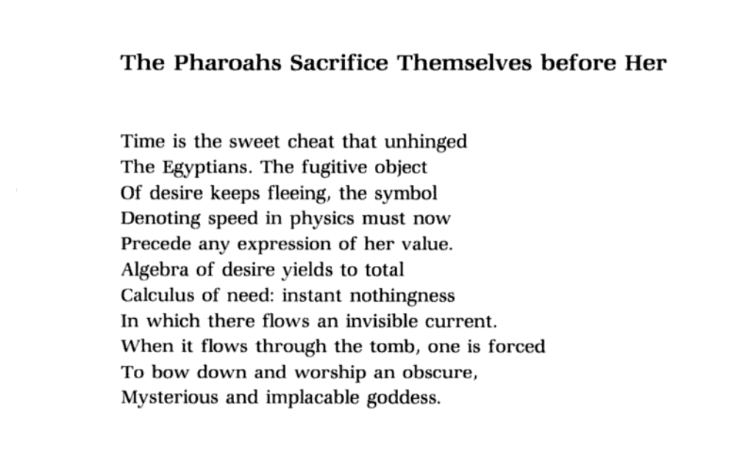
“Room” — Frank O’Hara

Sperlonga Drawing — Cy Twombly

Sperlonga Drawing, 1959 by Cy Twombly (1928-2011)

Anthony Michael Perri’s Lonely Boxer (Book acquired, 7 June 2022)

Anthony Michael Perri’s Lonely Boxer is good stuff—a terse, dark (and often funny) boxing story packed with punchy sentences. Jacket copy:

Lonely Boxer is a novella in vignettes. It deals with the themes of depression, loneliness, violence and morals. Recently released from jail, Lonely Boxer resumes his training regime. After all, this is the only place he feels comfortable – in the ring. And when a title fight between himself and the world’s most popular boxer, Famous Rafael, is announced, Lonely asks himself; will he be able to overcome his opponent? Along the way he’ll have to contend against an indifferent psychologist, an unreliable best friend, and an abusive mother. Will he be able to overcome all of these challenges and become the World Champ?

John’s Up — Jed Webster Smith

John’s Up, 2021 by Jed Webster Smith (b. 1992)

Posted in Art

“The Father Who Bowed” — Russell Edson

“The Father Who Bowed”

by

Russell Edson


A father presented himself. He said, ladies and gentlemen, your father …

His family applauded.

He bowed …

Ladies and gentlemen, he began, it has come to my attention over the last few decades that we are run up against a biological barrier …

His family began to applaud …

No, he began again, do not say that age is beauty, that the white-haired old woman trying to see the sock she darns through cataracts is worth the droppings of a rat.

No, I should say more service to the healthy microbe in the rat’s droppings than the poor darning that comes of arthritic hands and eyes in cataract …

No, indeed, more to be said for lesser forms than men astride their graves!

… We weary the promise unfulfilled, the downward repetition that ends in utter, utter death …

His family applauded …

Ladies and gentlemen, he began again, let us end this terrible business: stuffing brother George into the toilet like a turd; Mother into the garden like a potato; sister Ann up under the roof like an old cobweb; for me, the garbage can …

His family began to cheer; they were on their feet crying, bravo bravo, encore encore.

You do me too much honor, he sighed as he bowed; the curtain slowly coming down …

No use

Crowdsource — Chester Arnold

Crowdsource, 2017 by Chester Arnold (b. 1952)

Nude in a Landscape — José Manuel Capuletti

Nude in a Landscape by José Manuel Capuletti (1925-1978)

After him freshfound the hue and cry zigzag gallops in hot pursuit of follow my leader: Partial castlist, James Joyce’s Ulysses

(He hurries out through the hall. The whores point. Florry follows, spilling water from her tilted tumbler. On the doorstep all the whores clustered talk volubly, pointing to the right where the fog has cleared off. From the left arrives a jingling hackney car. It slows to in front of the house. Bloom at the halldoor perceives Corny Kelleher who is about to dismount from the car with two silent lechers. He averts his face. Bella from within the hall urges on her whores. They blow ickylickysticky yumyum kisses. Corny Kelleher replies with a ghastly lewd smile. The silent lechers turn to pay the jarvey. Zoe and Kitty still point right. Bloom, parting them swiftly, draws his caliph’s hood and poncho and hurries down the steps with sideways face. Incog Haroun al Raschid he flits behind the silent lechers and hastens on by the railings with fleet step of a pard strewing the drag behind him, torn envelopes drenched in aniseed. The ashplant marks his stride. A pack of bloodhounds, led by Hornblower of Trinity brandishing a dogwhip in tallyho cap and an old pair of grey trousers, follow from fir, picking up the scent, nearer, baying, panting, at fault, breaking away, throwing their tongues, biting his heels, leaping at his tail. He walks, runs, zigzags, gallops, lugs laid back. He is pelted with gravel, cabbagestumps, biscuitboxes, eggs, potatoes, dead codfish, woman’s slipperslappers. After him freshfound the hue and cry zigzag gallops in hot pursuit of follow my leader: 65 C, 66 C, night watch, John Henry Menton, Wisdom Hely, V. B. Dillon, Councillor Nannetti, Alexander Keyes, Larry O’rourke, Joe Cuffe Mrs O’dowd, Pisser Burke, The Nameless One, Mrs Riordan, The Citizen, Garryowen, Whodoyoucallhim, Strangeface, Fellowthatsolike, Sawhimbefore, Chapwithawen, Chris Callinan, Sir Charles Cameron, Benjamin Dollard, Lenehan, Bartell d’Arcy, Joe Hynes, red Murray, editor Brayden, T. M. Healy, Mr Justice Fitzgibbon, John Howard Parnell, the reverend Tinned Salmon, Professor Joly, Mrs Breen, Denis Breen, Theodore Purefoy, Mina Purefoy, the Westland Row postmistress, C. P. M’Coy, friend of Lyons, Hoppy Holohan, maninthestreet, othermaninthestreet, Footballboots, pugnosed driver, rich protestant lady, Davy Byrne, Mrs Ellen M’Guinness, Mrs Joe Gallaher, George Lidwell, Jimmy Henry on corns, Superintendent Laracy, Father Cowley, Crofton out of the Collector-general’s, Dan Dawson, dental surgeon Bloom with tweezers, Mrs Bob Doran, Mrs Kennefick, Mrs Wyse Nolan, John Wyse Nolan, handsomemarriedwomanrubbedagainstwide behindinClonskeatram, the bookseller of Sweets of Sin, Miss Dubedatandshedidbedad, Mesdames Gerald and Stanislaus Moran of Roebuck, the managing clerk of Drimmie’s, Wetherup, colonel Hayes, Mastiansky, Citron, Penrose, Aaron Figatner, Moses Herzog, Michael E Geraghty, Inspector Troy, Mrs Galbraith, the constable off Eccles Street corner, old doctor Brady with stethoscope, the mystery man on the beach, a retriever, Mrs Miriam Dandrade and all her lovers.)

From Joyce’s Ulysses.