

Category: Art
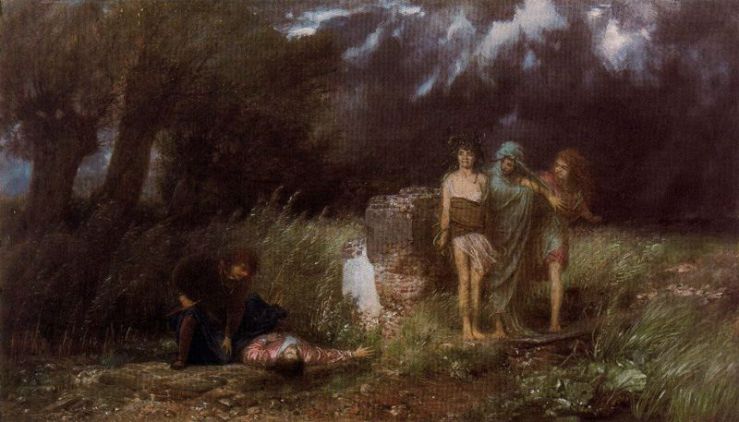
Assassin Pursued by The Furies — Arnold Böcklin
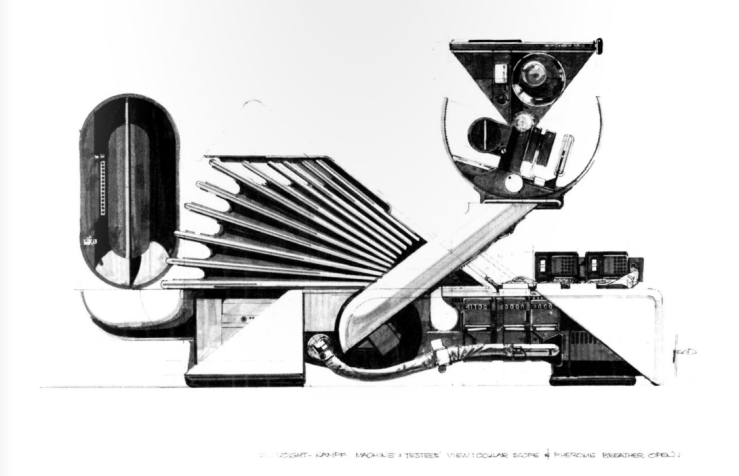
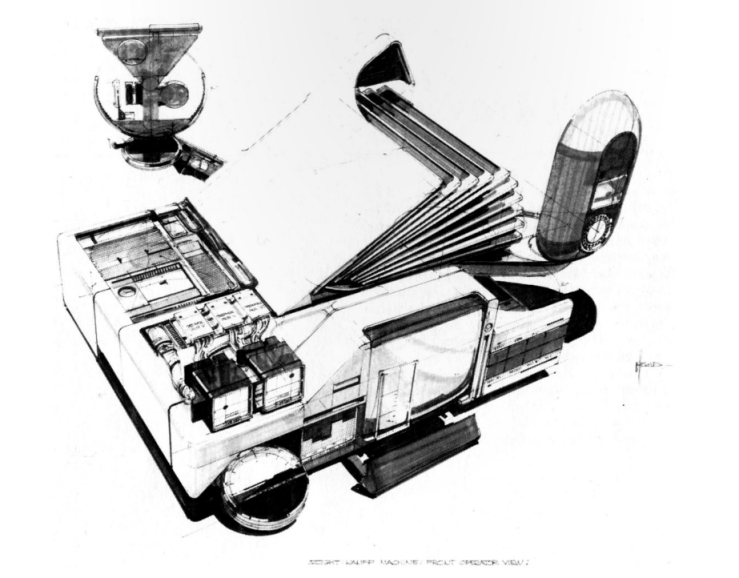
Voight-Kampff machine sketches by Syd Mead
All Oscar Wilde
All art is immoral.
All art is quite useless.
All thought is immoral.
All art is at once surface and symbol.
All imitation in morals and in life is wrong.
All beautiful things belong to the same age.
All crime is vulgar, just as all vulgarity is crime.
All charming people are spoiled. It is the secret of their attraction.
All influence is immoral—immoral from the scientific point of view.
All sympathy is fine, but sympathy with suffering is the least fine mode.
All women become like their mothers: that is their tragedy. No man does: that is his.
All bad art comes from returning to life and nature, and elevating them into ideals.
All men are monsters. The only thing to do is to feed the wretches well. A good cook does wonders.
All men are married women’s property. That is the only true definition of what married women’s property really is.
Various aphorisms of Oscar Wilde.
A Hand Puppet — Katsushika Hokusai

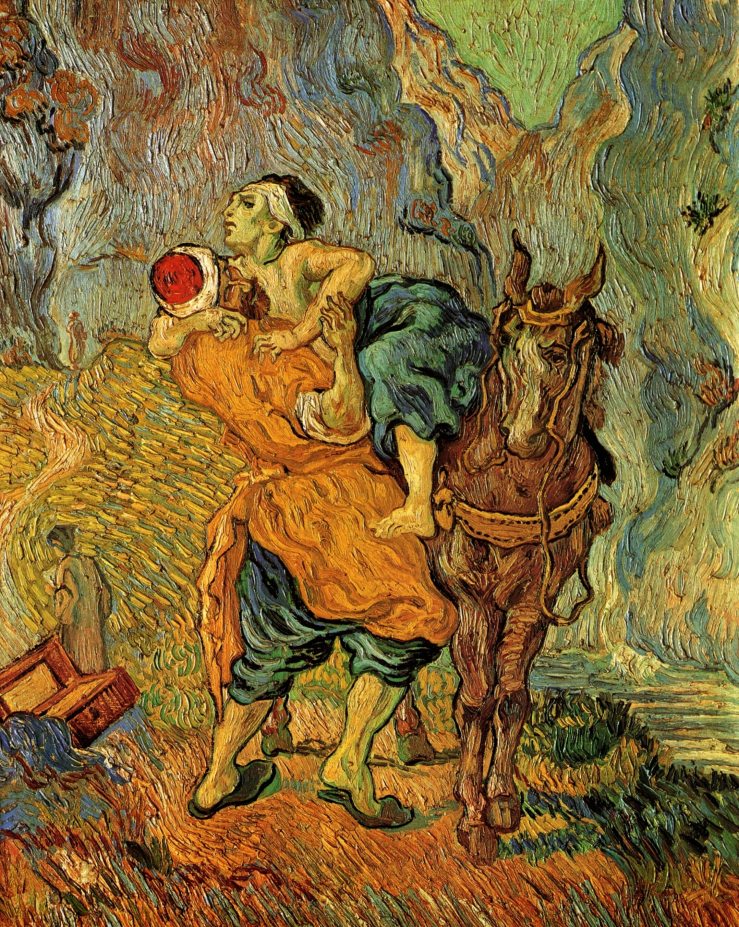
The Good Samaritan (After Delacroix) — Vincent van Gogh
Waiting on the good times now
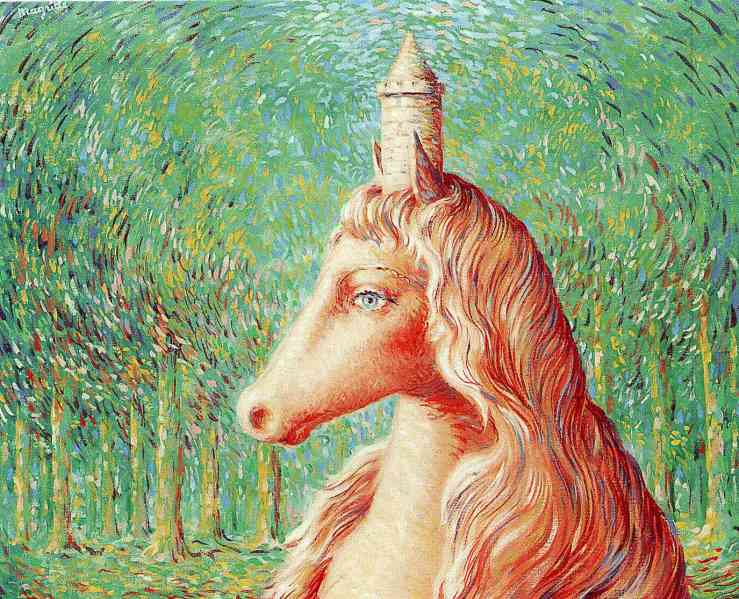
The Fine Idea — Rene Magritte
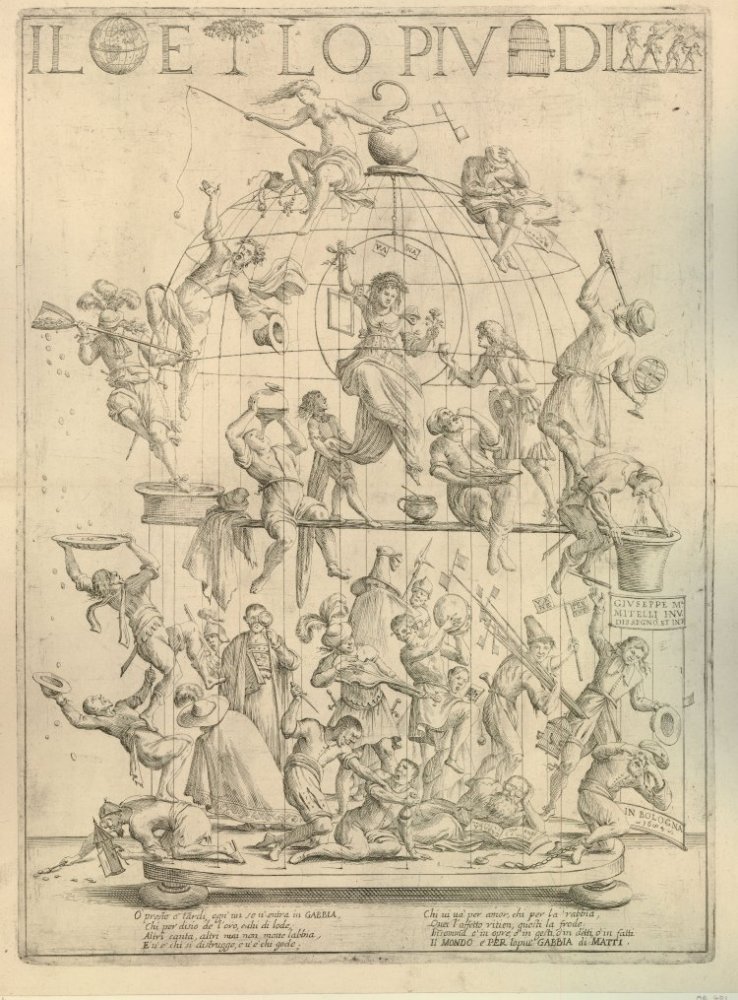
The World Is Mostly a Madhouse — Giuseppe Maria Mitelli
The Supper — Leon Bakst

Two graphic novels about Paris reviewed: 750 Years in Paris and The Spectators
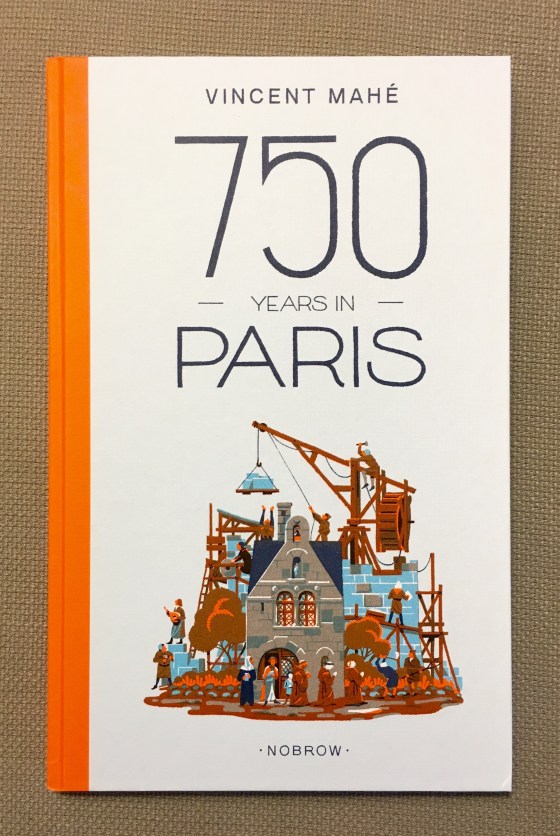
Two new(ish) graphic novels from Nobrow, Vincent Mahé’s 750 Years in Paris and Victor Hussenot’s The Spectators, showcase Paris as an enduring site of progression, turbulence, and renewal, both in culture and consciousness. Mahé’s 750 Years in Paris is a time-machine, putting its viewer in a stationary position to observe the dramatic changes in one building—and French society and culture—over the course of nearly a millennium. Hussenot’s The Spectators is a dream-machine, shuttling its characters through different skins, faces, and eyes. The titular spectators transcend not only time and space, but mind. Both books attest to the power of transformation while subtly noting the various forces that shape identity.
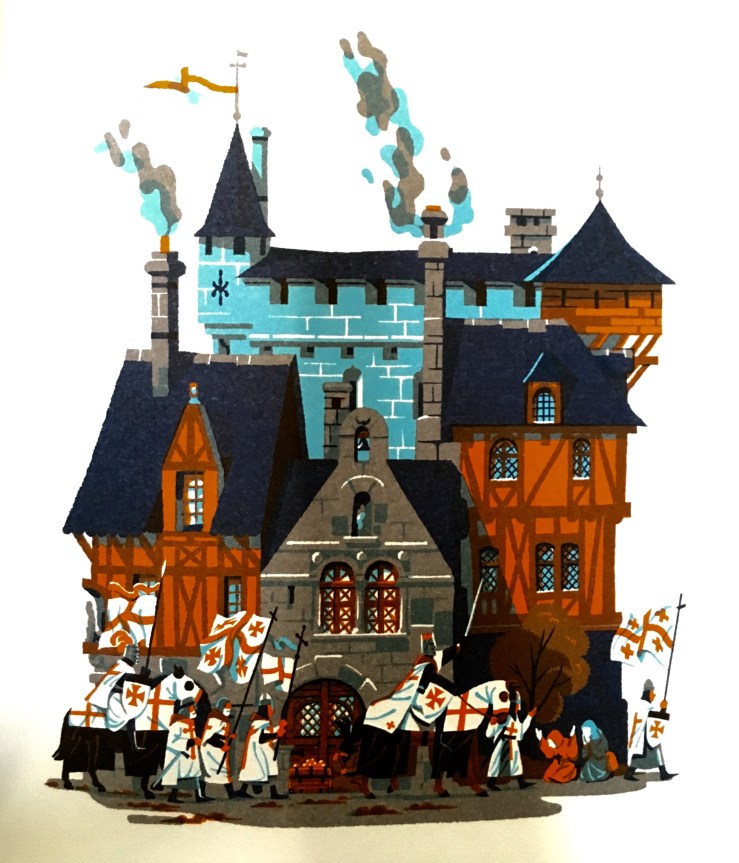
Vincent Mahé’s 750 Years in Paris begins in 1265 and moves its viewer through time to 2015. The book takes us through the Black Death Plague and the 100 Years War, the reigns of Louis XIV and IV, the storming of the Bastille and the Reign of Terror, Napoleon and Hausmann, a grand Metro and a terrible Flood. The second shot in this chronology shows us a Knights Templar procession in 1270. The crusaders remind us that Western history is inextricably bound in violence, religion, and territorial expansion—but also in the exchange of ideas, information, and knowledge. We get to May 1968 with a strong visual context for France’s history of intellectual turbulence.
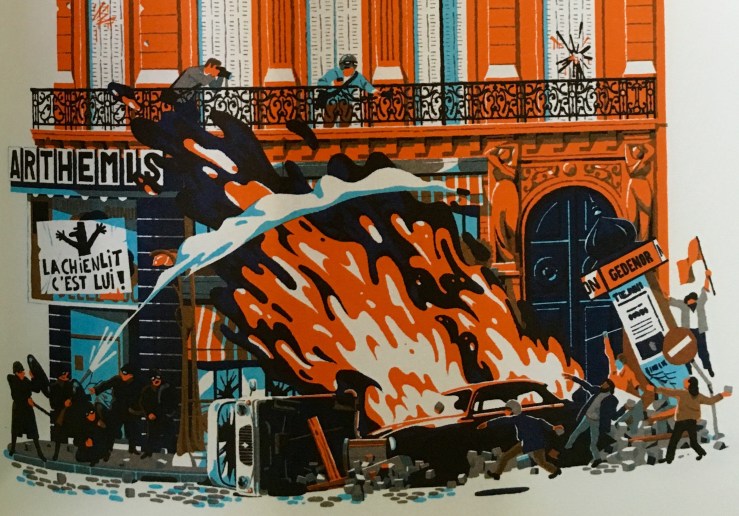 The book ends in 2015; I’ll let Mahé’s image speak for itself:

750 Years in Paris shows us that Paris not only survives drastic change, but progresses in the face of violence. When we see, for example, that a winch has been used to hang a Protestant during the St. Bartholomew’s Day Massacre of 1572—
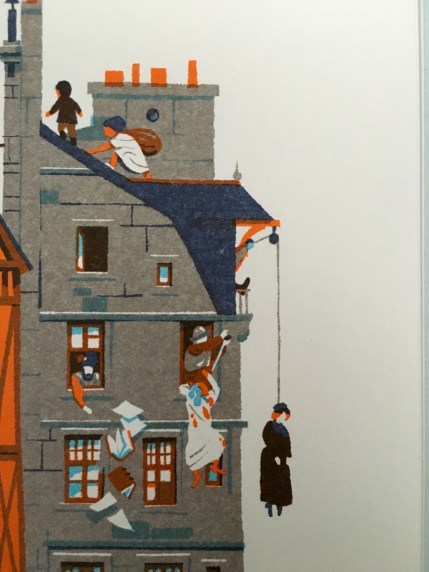
—it’s worth noting that on the next page, neighbors help each other during a terrible fire. The winch remains in the picture, a visual motif of progress, of building up.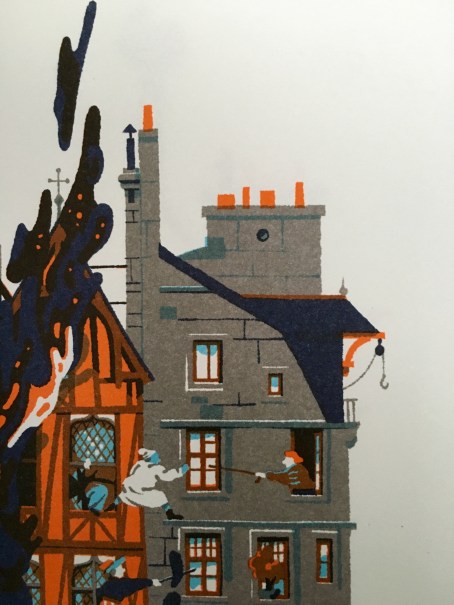
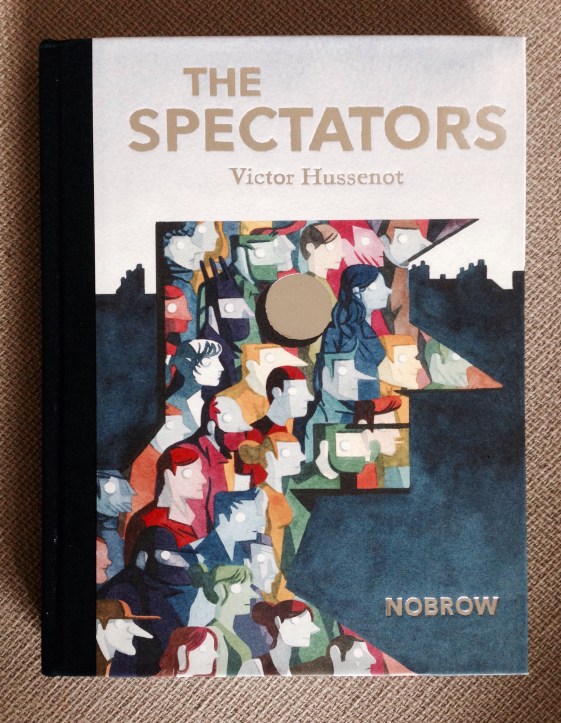
Like every Nobrow title I’ve read, Victor Hussenot’s The Spectators is better experienced than described. Its aesthetic is its narrative and its narrative is its aesthetic, flowing from a lovely dream-logic of identity shifts. Who shall I be today?, the book asks.
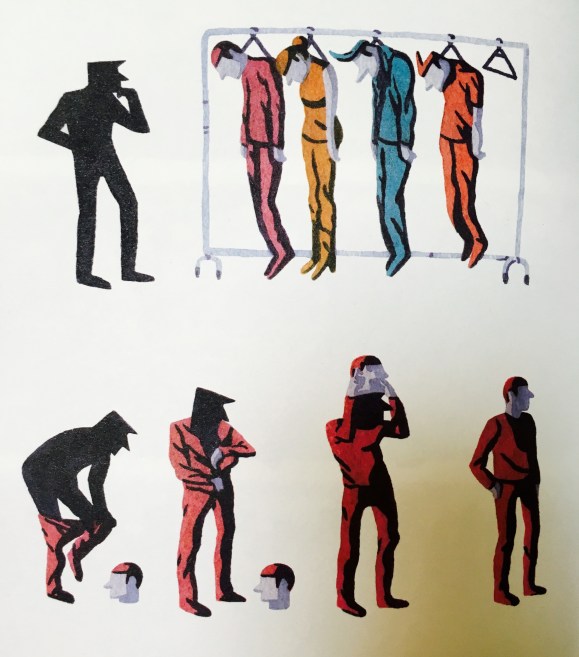
The titular spectators try on different skins, wear different hats, look through different eyes. Paris’s metro becomes a labyrinth dream-lab, where the spectators create the world anew by synthesizing known with unknown: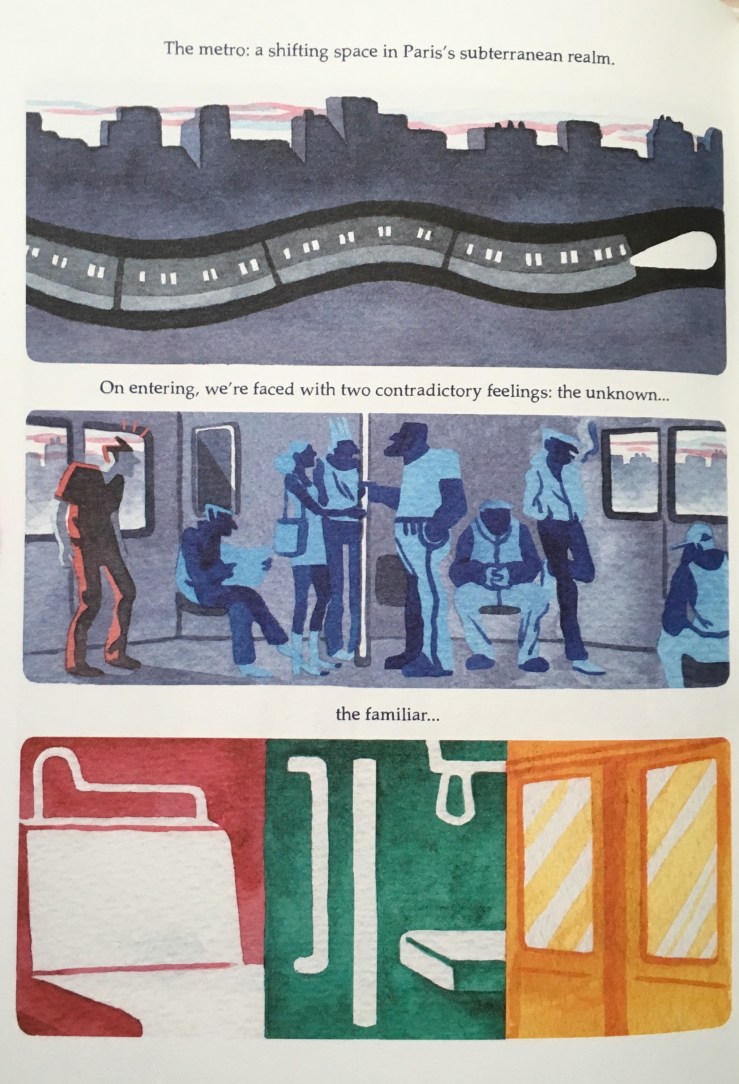
This vision of synthesis carries the narrative through a poetic examination of individuality and society. How much of me is me? Hussenot frames his characters in the geometry of picture puzzles, only to blur the borders that would constrain them.
It’s possible to imagine the spectators of Hussenot’s book gazing on Mahé’s ever-changing Paris building. Or, conversely, we can take Mahé’s building as one of Hussenot’s spectators—another shapeshifter in a city of shapeshifters.
I’ll close with an image from The Spectators that points towards a dream of synthesis, of infinite perspective, of unity. We have here not just a dream, but a vision of progress:

Paris at Night — Boris Kustodiev

Champs Elysées, Paris — Andre Kertesz

Paris Dream — Max Ernst

View of Paris from Vincent’s Room in the Rue Lepic — Vincent van Gogh

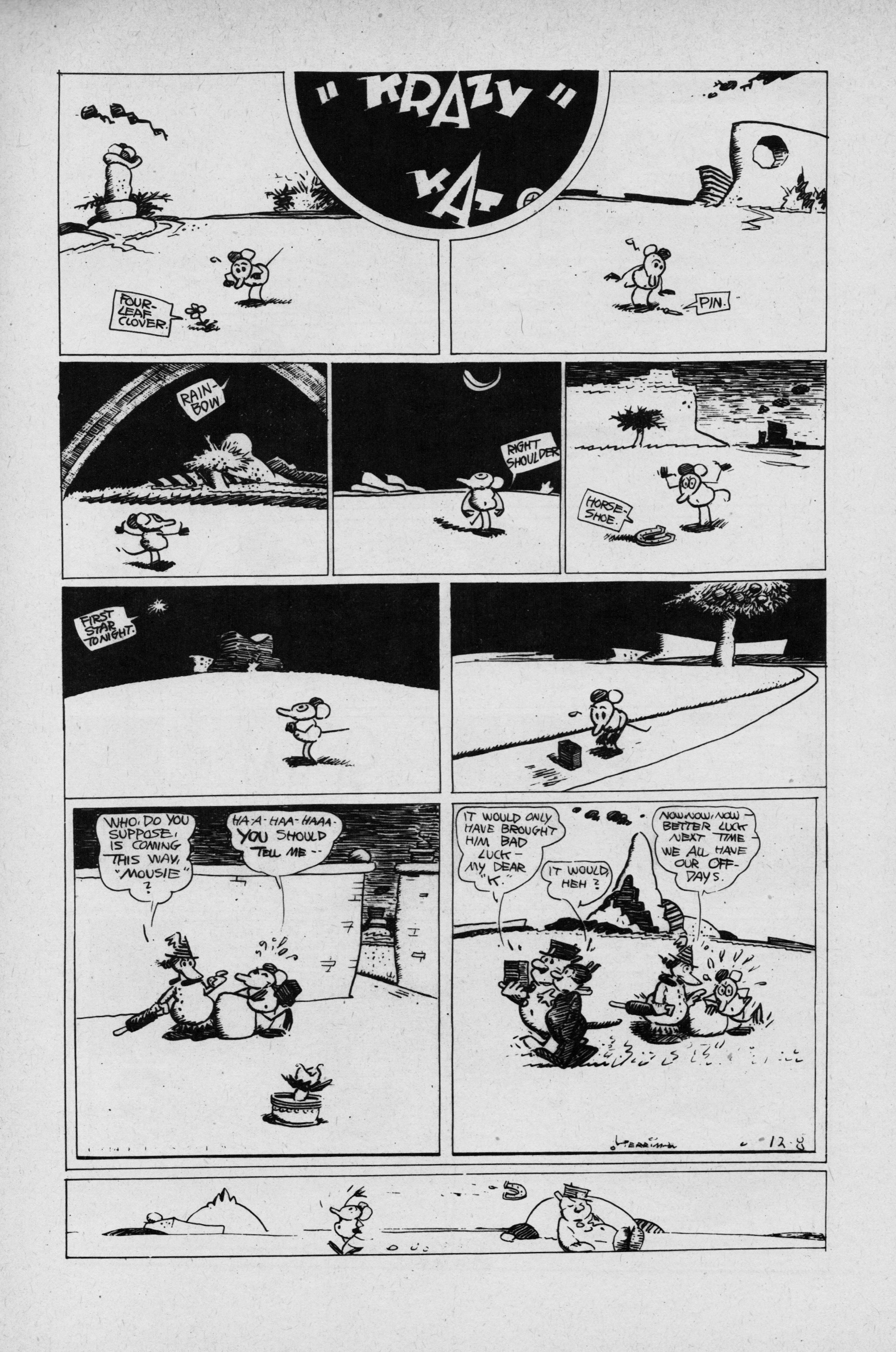
Bad Luck (George Herriman’s Krazy Kat)
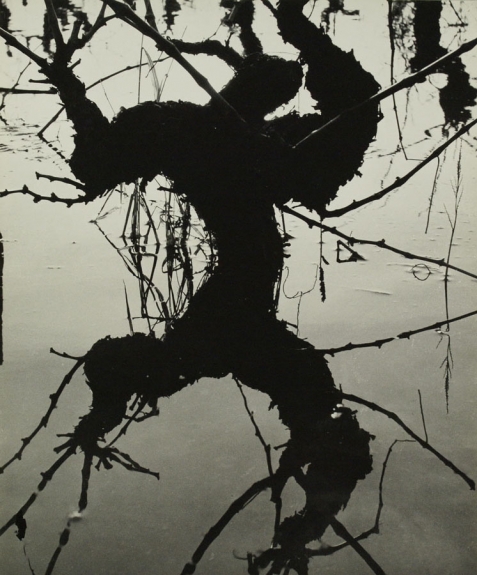
Camargue / Vignes inondees, Fourques — Lucien Clergue
 Biblioklept