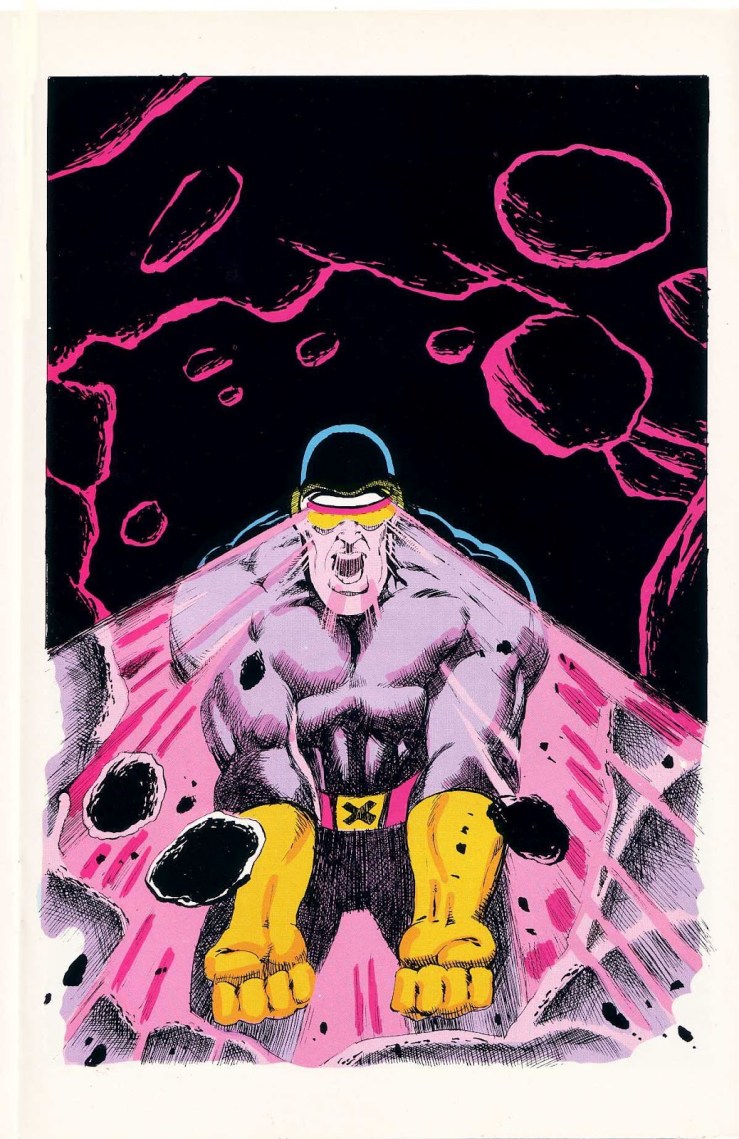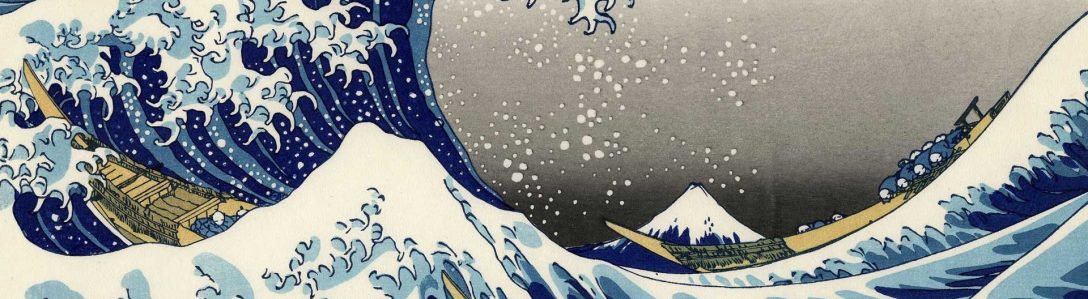
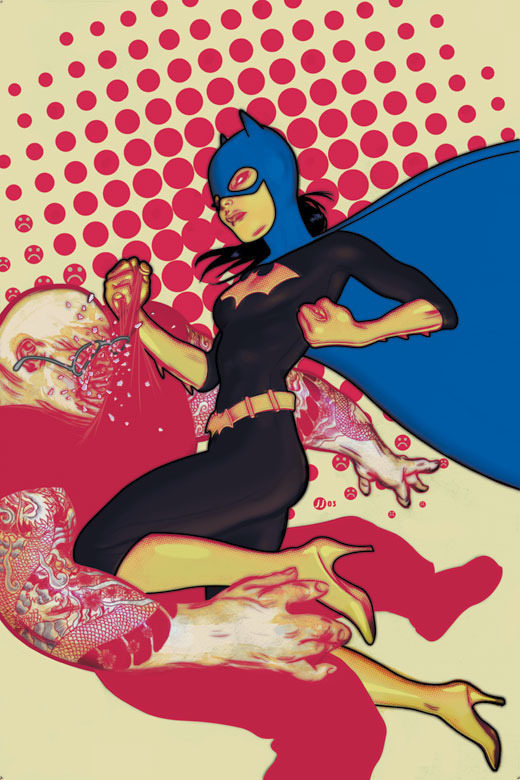
Totoro — Geof Darrow

darrow-sc-totoromouth

Wonder Woman — Gilberto Hernandez

10_GilbertHernandez

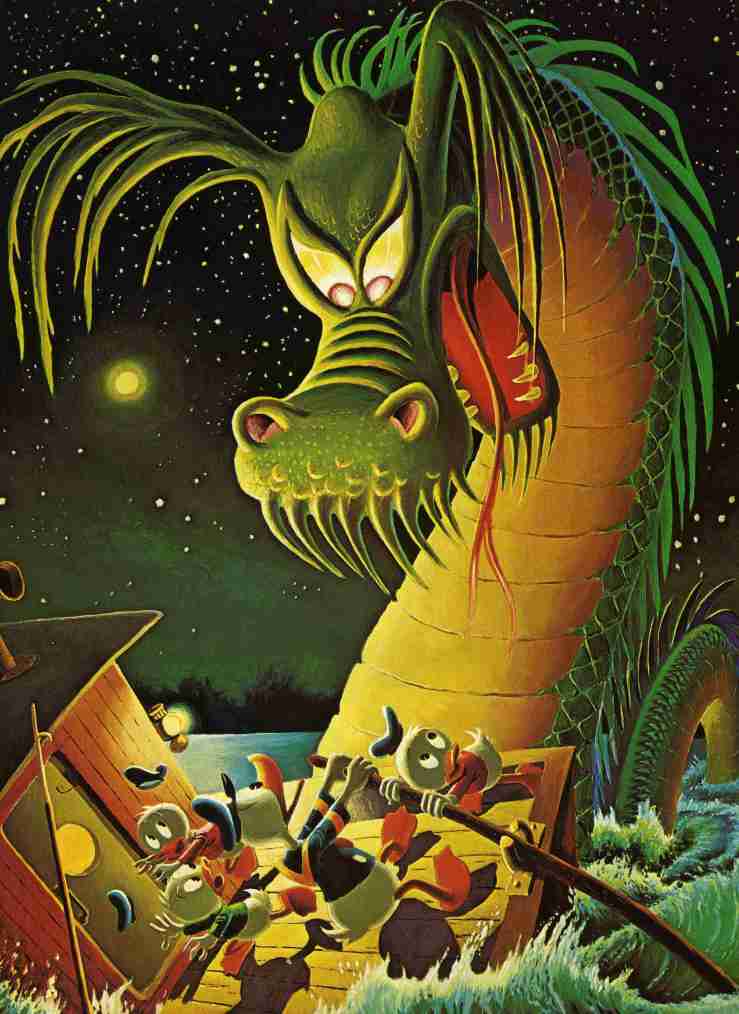
Sea Monster — Carl Barks

dd-sea-monster-comp080

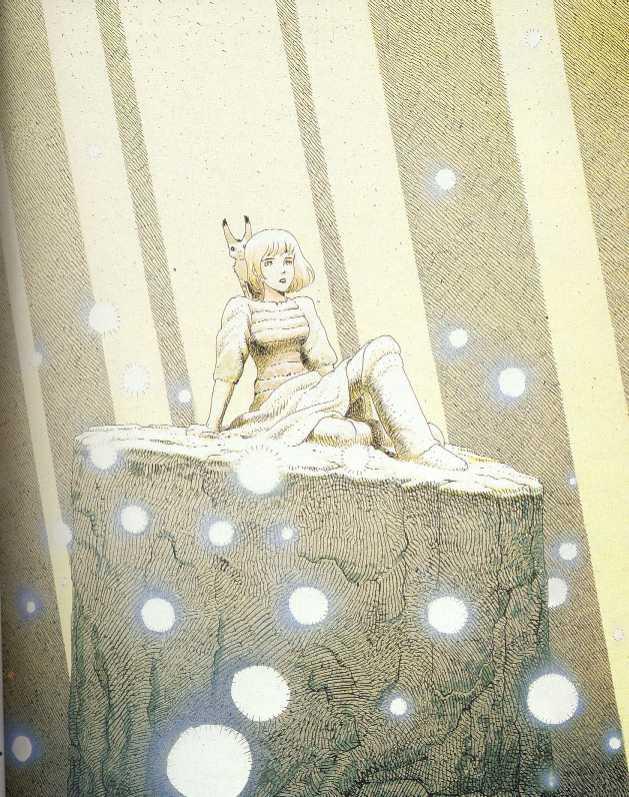
Nausicaä of the Valley of the Wind — Moebius

nausicaa-moebius

Hemingway and His Infernal Sleeping Bag — Eddie Campbell

campbell_hemingway

(Via).

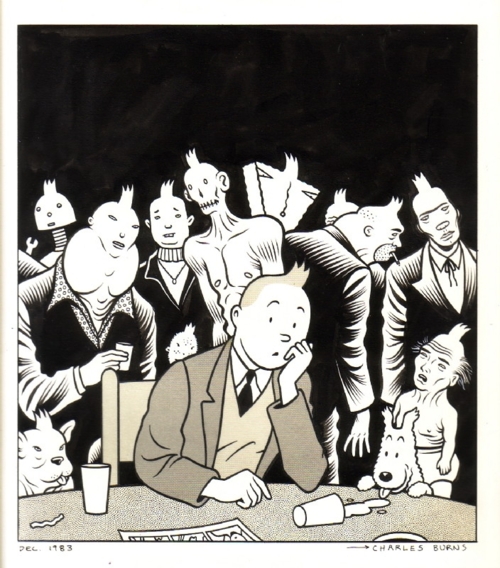
Tintin — Charles Burns

tintin charles burns

Wonder Woman — Sergio Aragones

ww. sergio aragones. wonder woman. 001

Luba and Maggie as Batman and Robin — Los Bros. Hernandez

batman and robin hernandez

Little Nemo Strip — Winsor McCay

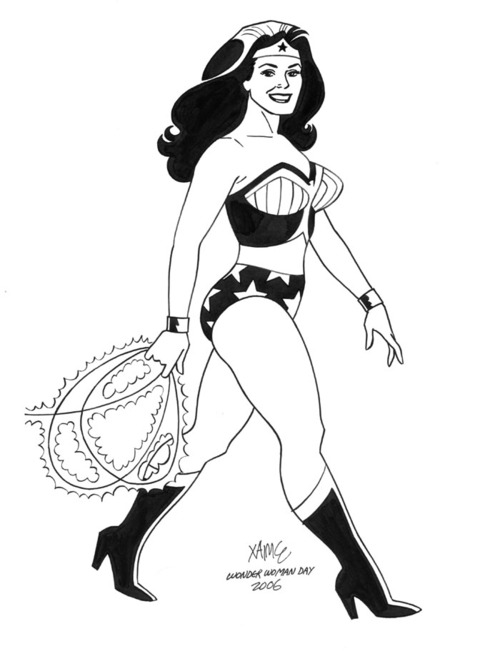
Wonder Woman — Jaime Hernandez

JaimeHernandez_WWD07

Carolyn (Perry Bible Fellowship)

Iron Man — Dave Sim

iron man sim

(Via).

Chris Ware’s Newtown New Yorker Cover

Chris Ware writes about his New Yorker cover, inspired by the Newtown shootings at Sandy Hook elementary school.


R.I.P. 2012

RIP Charles Durning

RIP Pandit Ravi Shankar

RIP Comix Legend Spain Rodriguez

RIP Roy Bates, Prince of Sealand

RIP Tony Scott

RIP Joe Kubert

RIP Robert Hughes

RIP Gore Vidal

RIP Chris Marker

RIP Mystery Writer Donald J. Sobol, Creator of Encyclopedia Brown

RIP Andrew Sarris

RIP Ray Bradbury

RIP Doc Watson

RIP Carlos Fuentes

RIP Maurice Sendak

RIP Adam Yauch

RIP Levon Helm

RIP Neil Armstrong

RIP Cynthia Dall

RIP Harry Crews, an Underappreciated Southern Great

RIP Jean Giraud aka Moebius

RIP Mike Kelley

RIP Etta James

RIP Davy Jones

RIP Earl Scuggs

Walt Kelly’s Pogo Does “Twas the Night Before Christmas”

Read the rest of Walt Kelly’s Pogo take on “Twas the Night Before Christmas” here.

Merry Christmas from Winsor McCay

Reading Chris Ware’s Building Stories / It All Happened So Fast

20121213-185225.jpg

As seems to be the case more often than not in this series of write-ups on reading Chris Ware’s Building Stories, I’ve taken the title from the first line of the first panel (below); you can see the scale of this chapter in folded broadside in the pic above (which also reveals the heart of this episode).

20121213-185234.jpg

This particular episode focuses again on Lonely Girl/Married Mom/The Amputee, who has slowly emerged as the protagonist of Ware’s novel. Here, she deals with the news of her father’s illness, an event that brings her back to her childhood home repeatedly. The motif of homes and buildings evinces again too, of course—it’s a subtle but omnipresent device in Building Stories:

20121213-185305.jpg

20121213-185312.jpg

And as always, Ware’s genius shows in the way he conveys so much truth in the smallest detail. Below he illustrates Lonely Girl’s disconnected relationship with her architect husband in just a panel:

20121213-185243.jpg

“It All Happened So Fast” is a fair name for this chapter—Ware’s panels illustrate the way that our lives (and the narrativizing of those lives) can become radically compressed, how our memories fail us, how seemingly trivial details anchor themselves to the emotional strata of our personalities even as concrete fact slips away. Still, another title could come from this panel:

20121213-185256.jpg

I’ll close this out by offering three panels that strike me as so utterly real, so wonderfully truthful, that I won’t bother to comment further:

20121213-185321.jpg

20121213-185328.jpg

20121213-185336.jpg