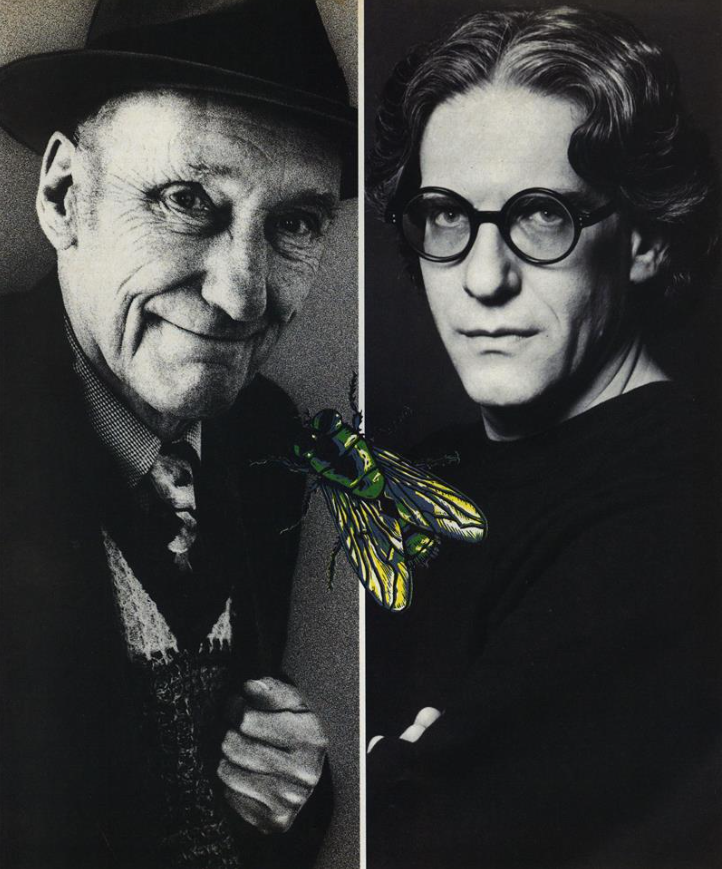
David Cronenberg visits the Criterion Closet

43 minutes of This Heat playing live in 1980

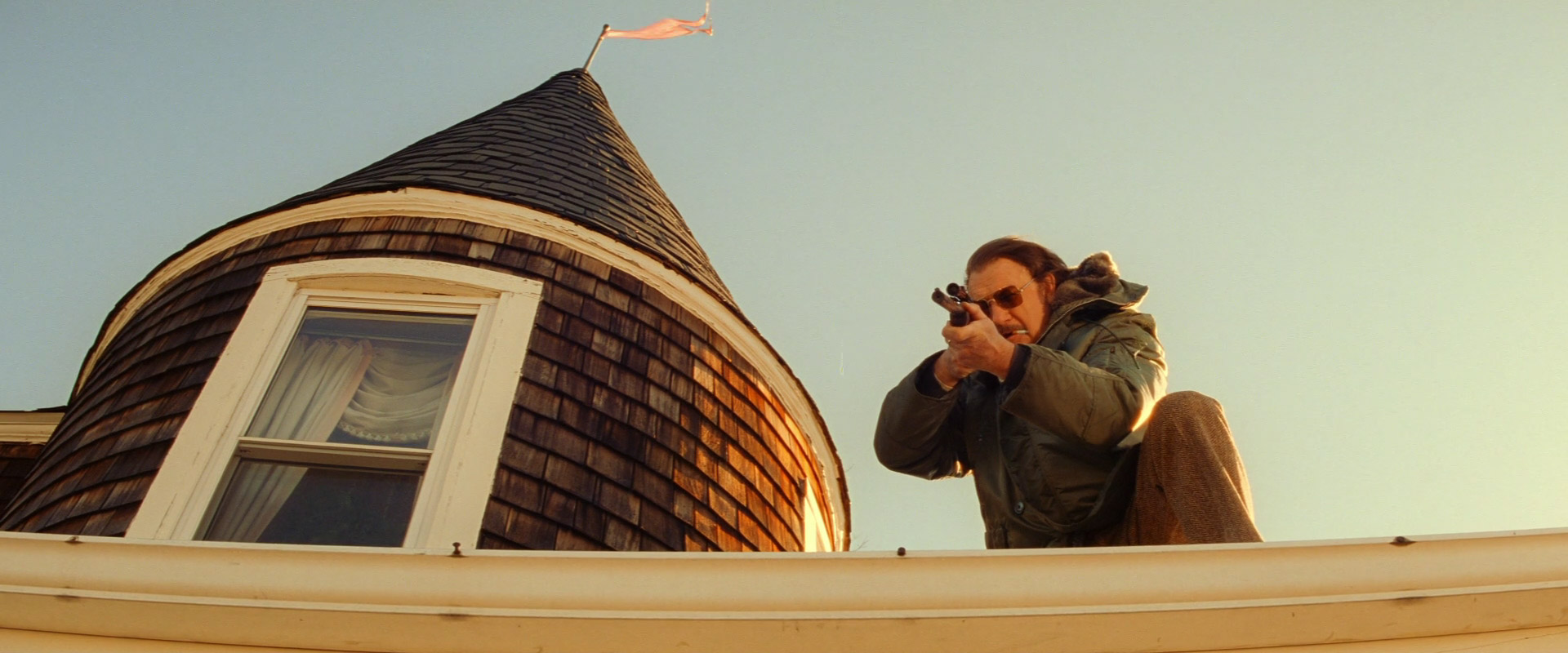
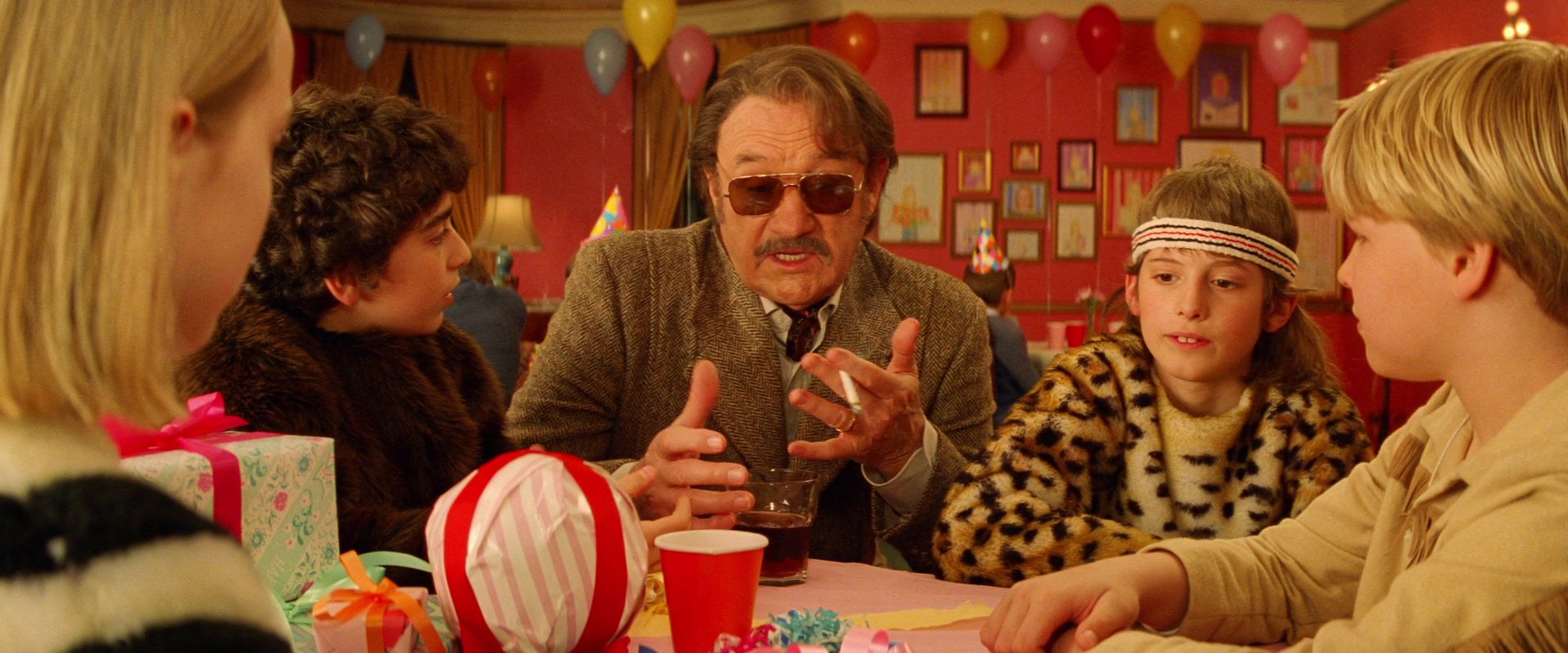
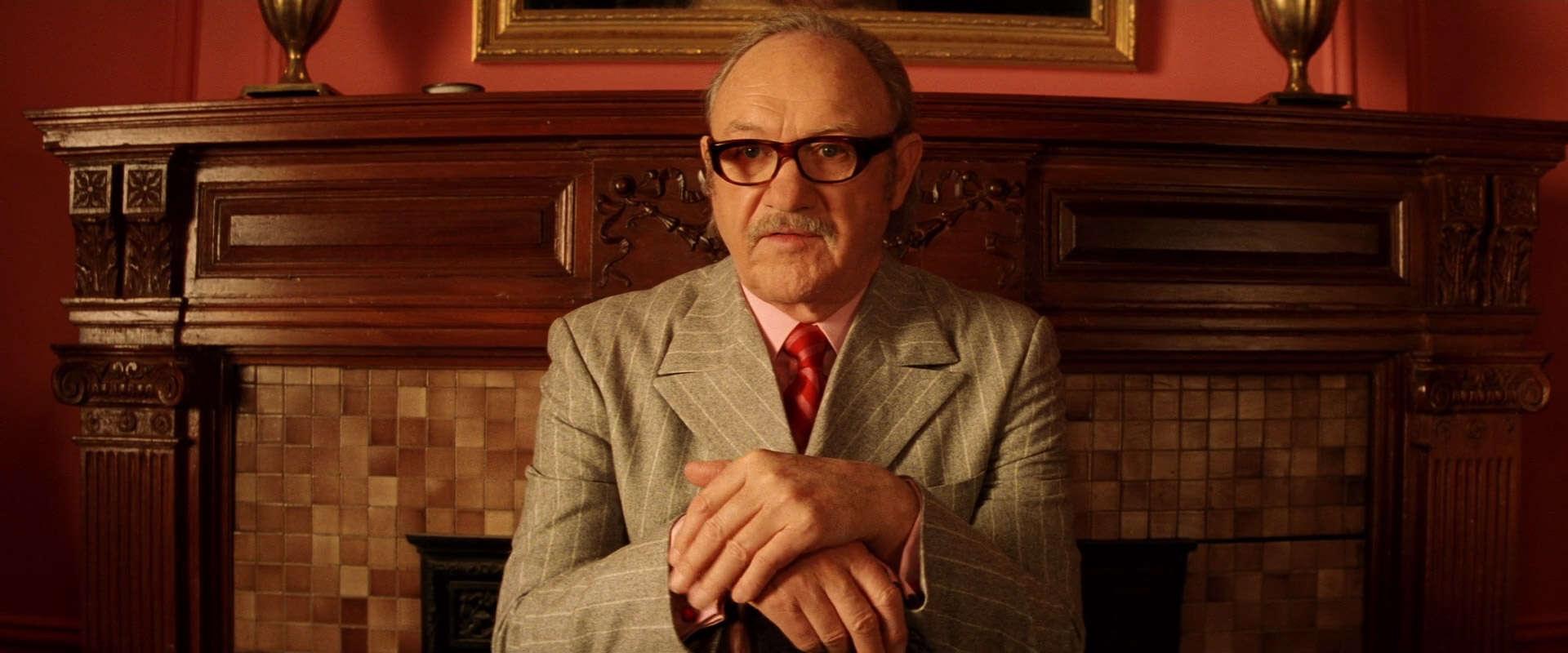
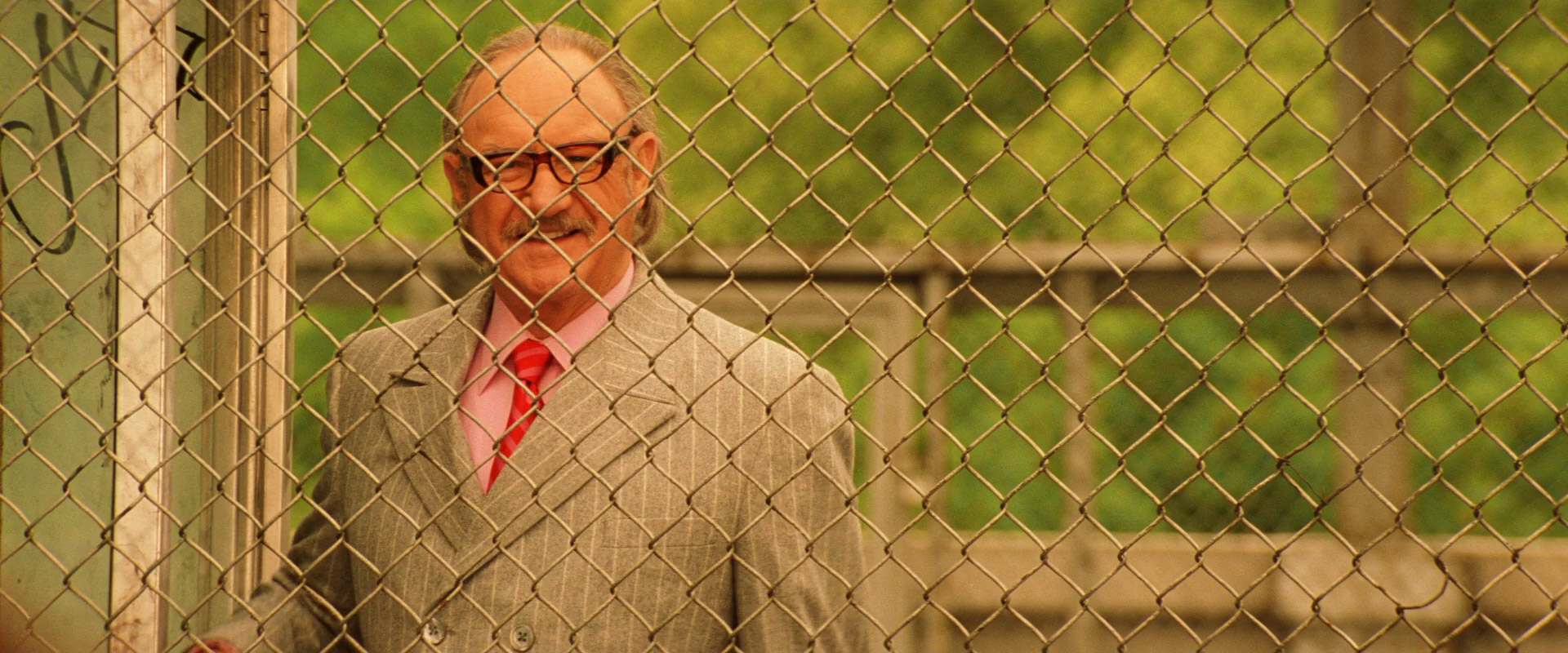
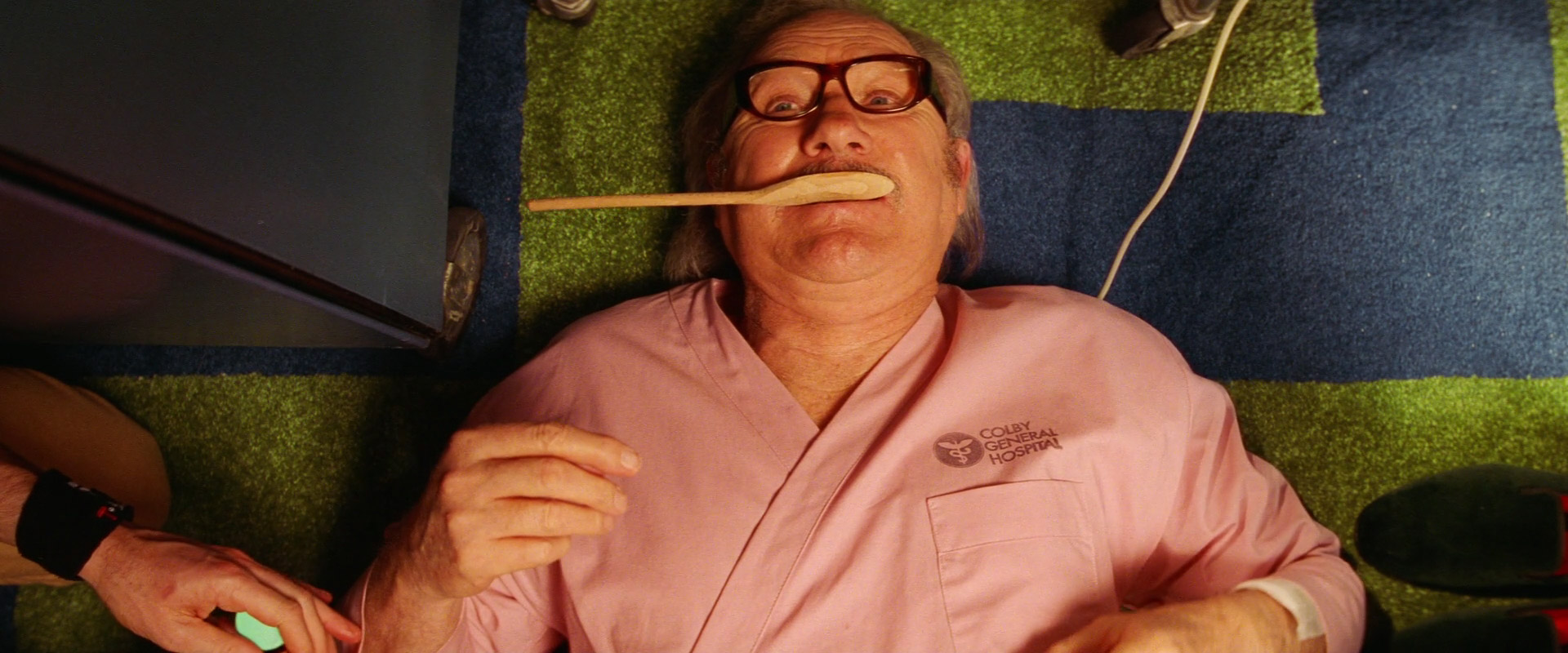
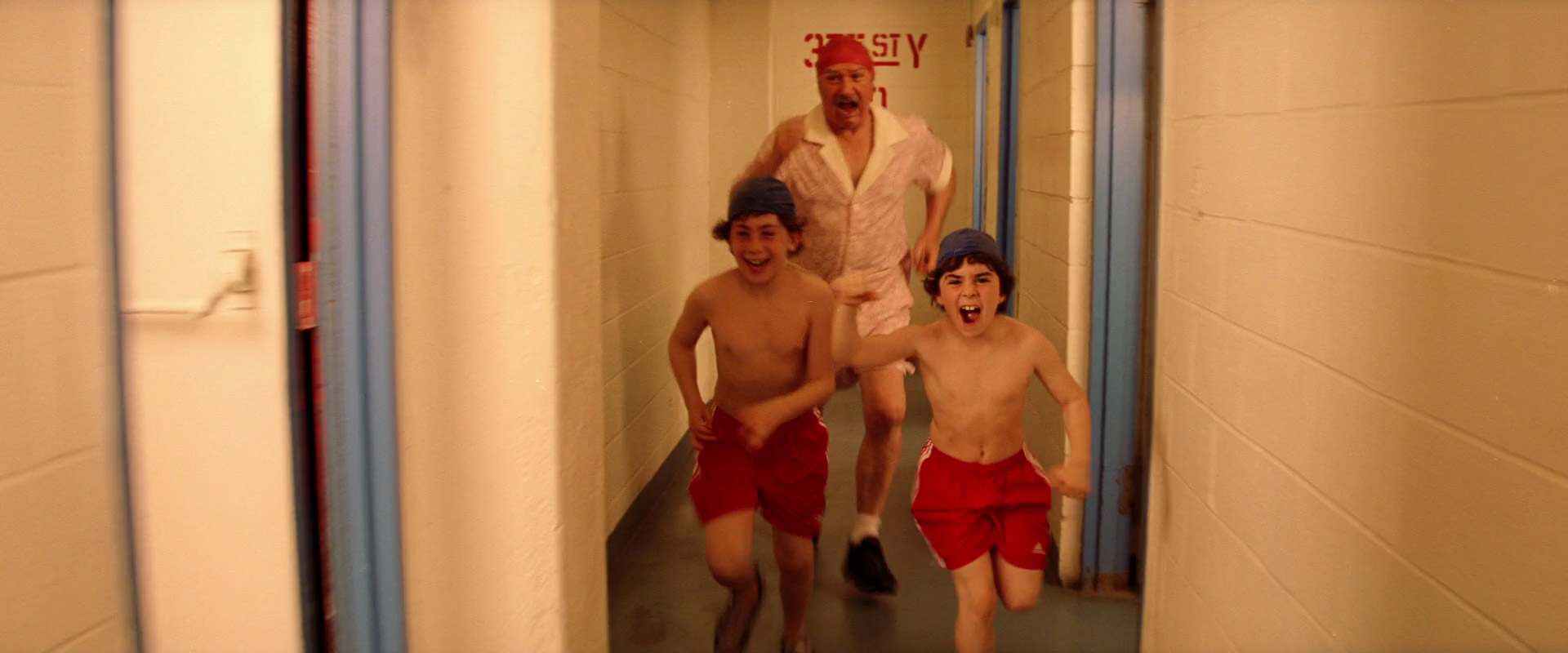
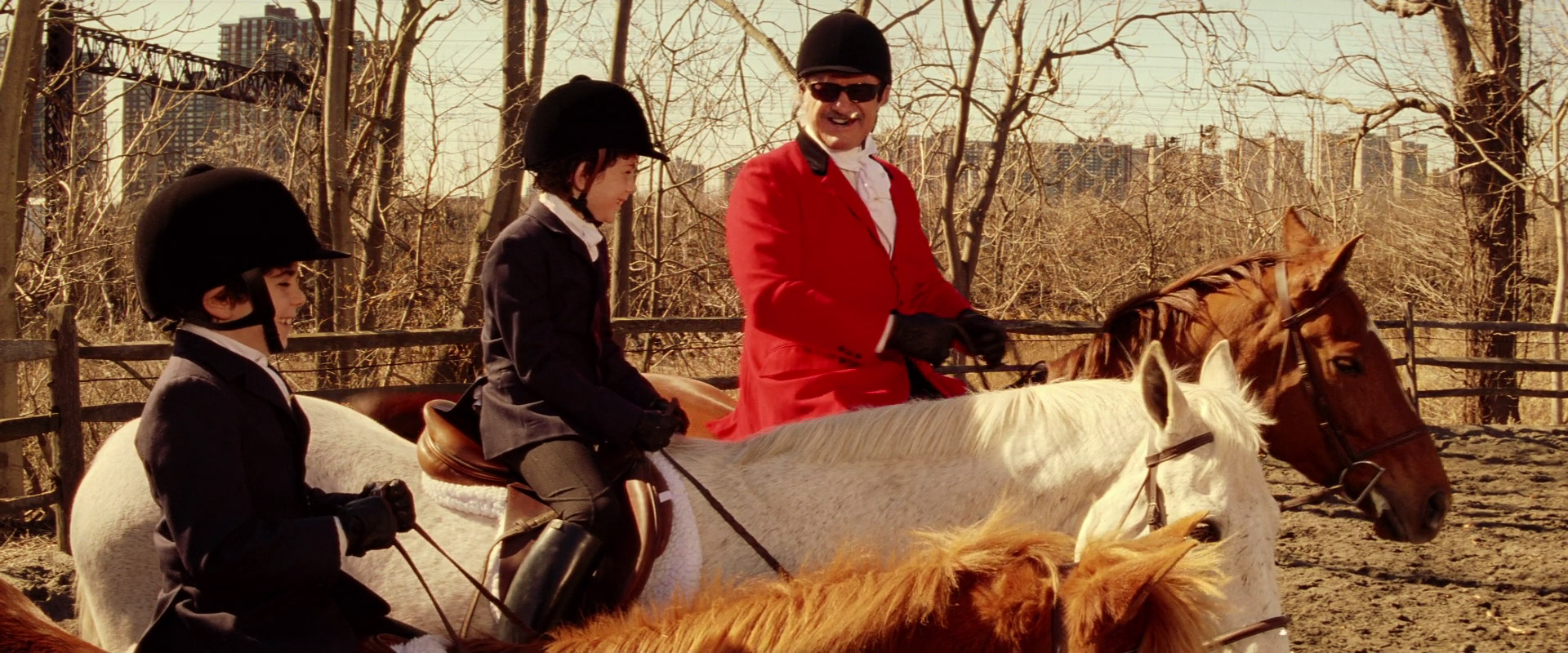
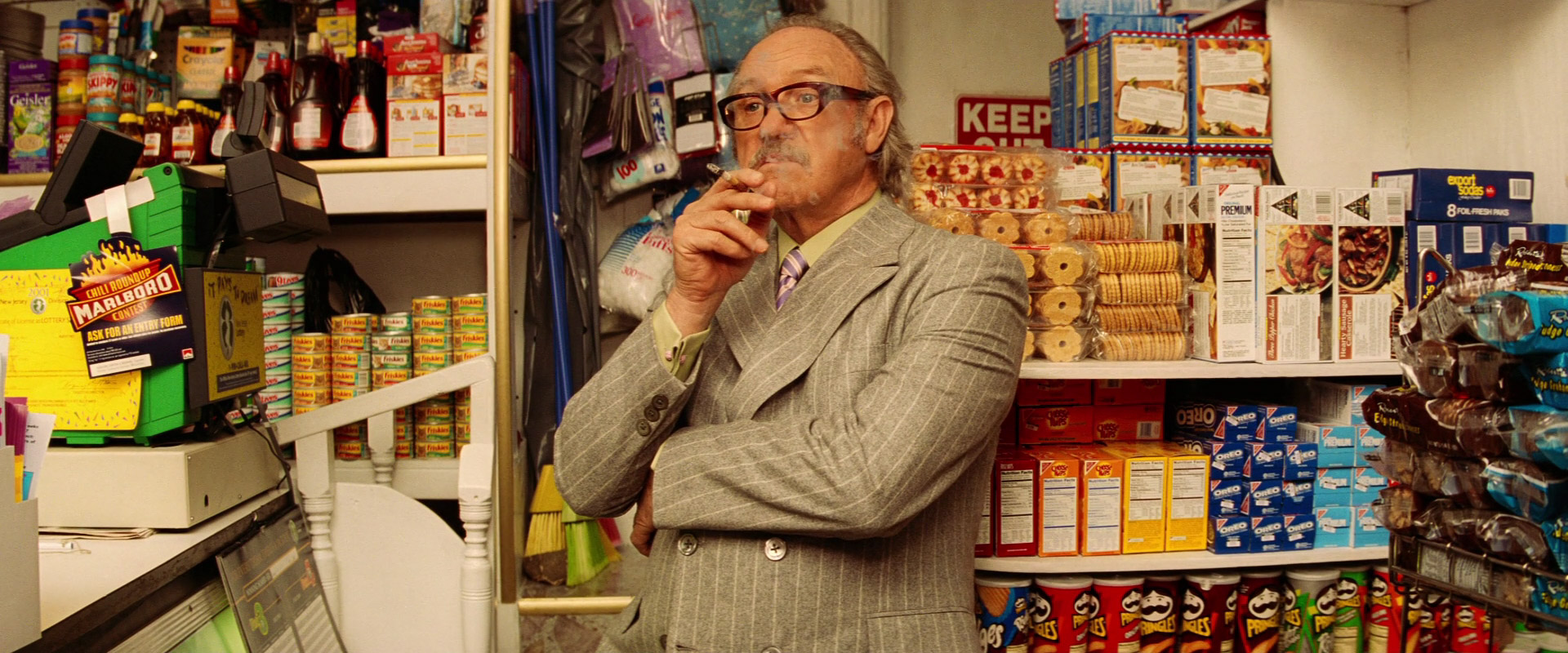
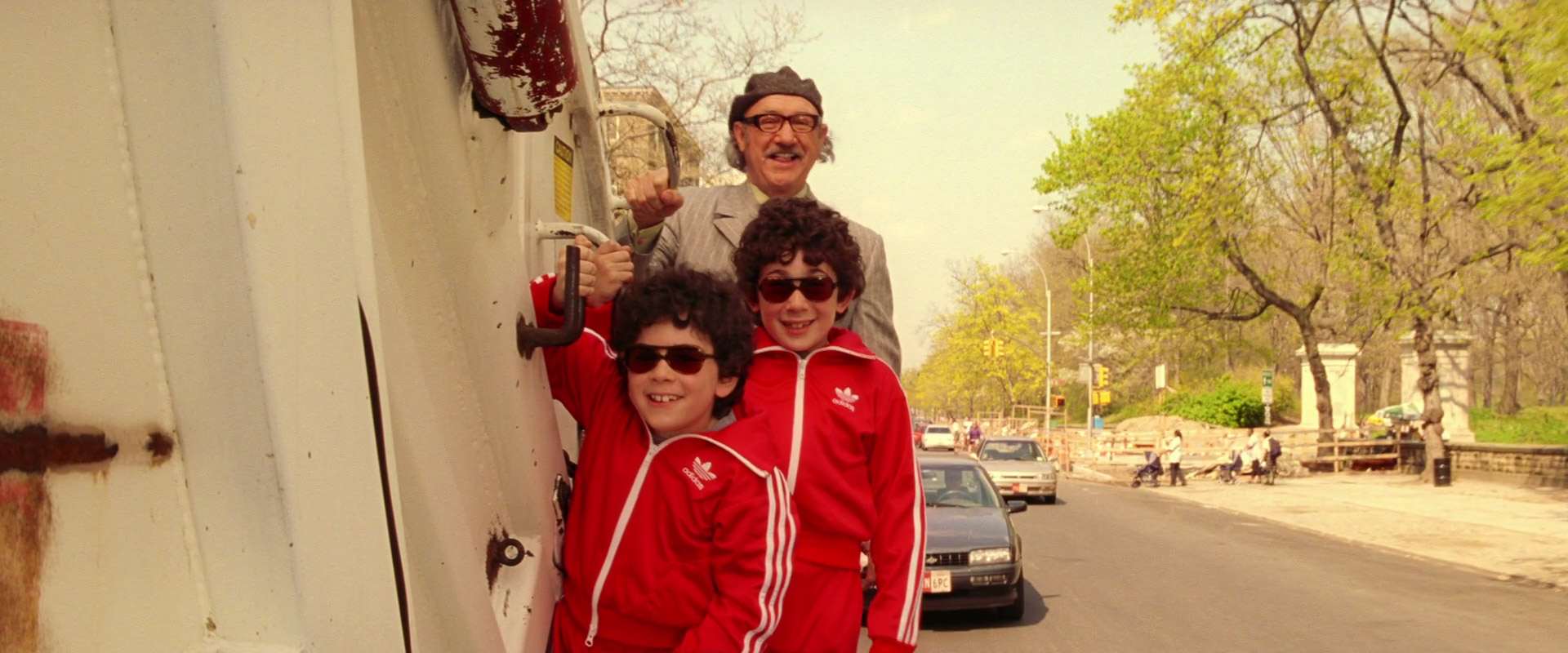
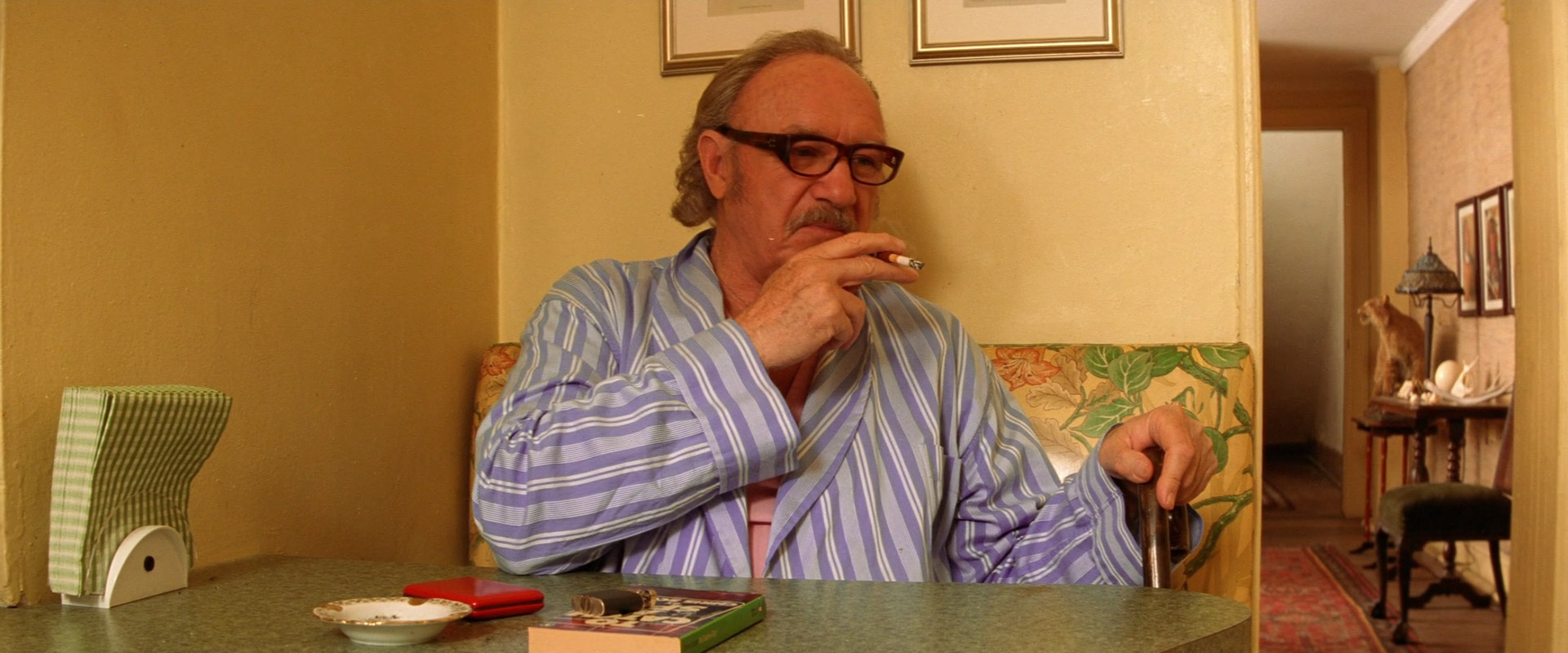
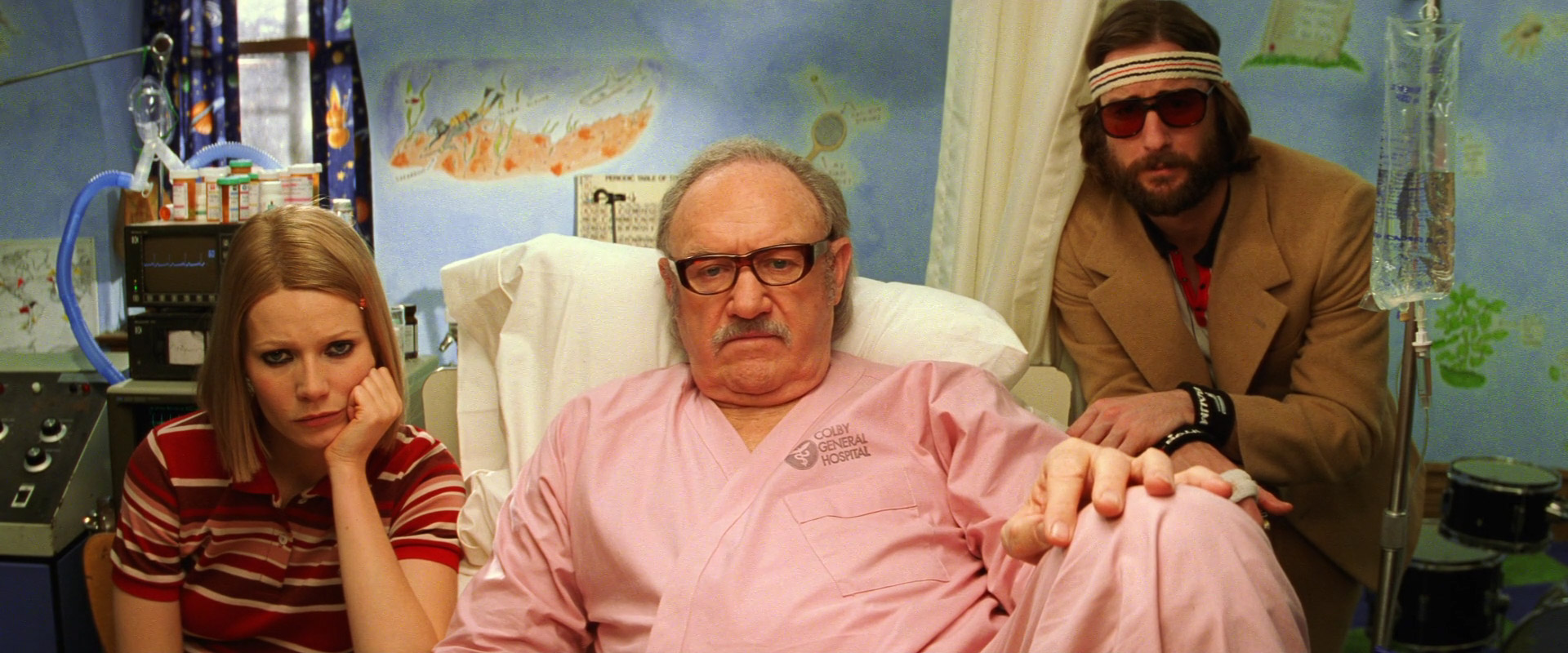
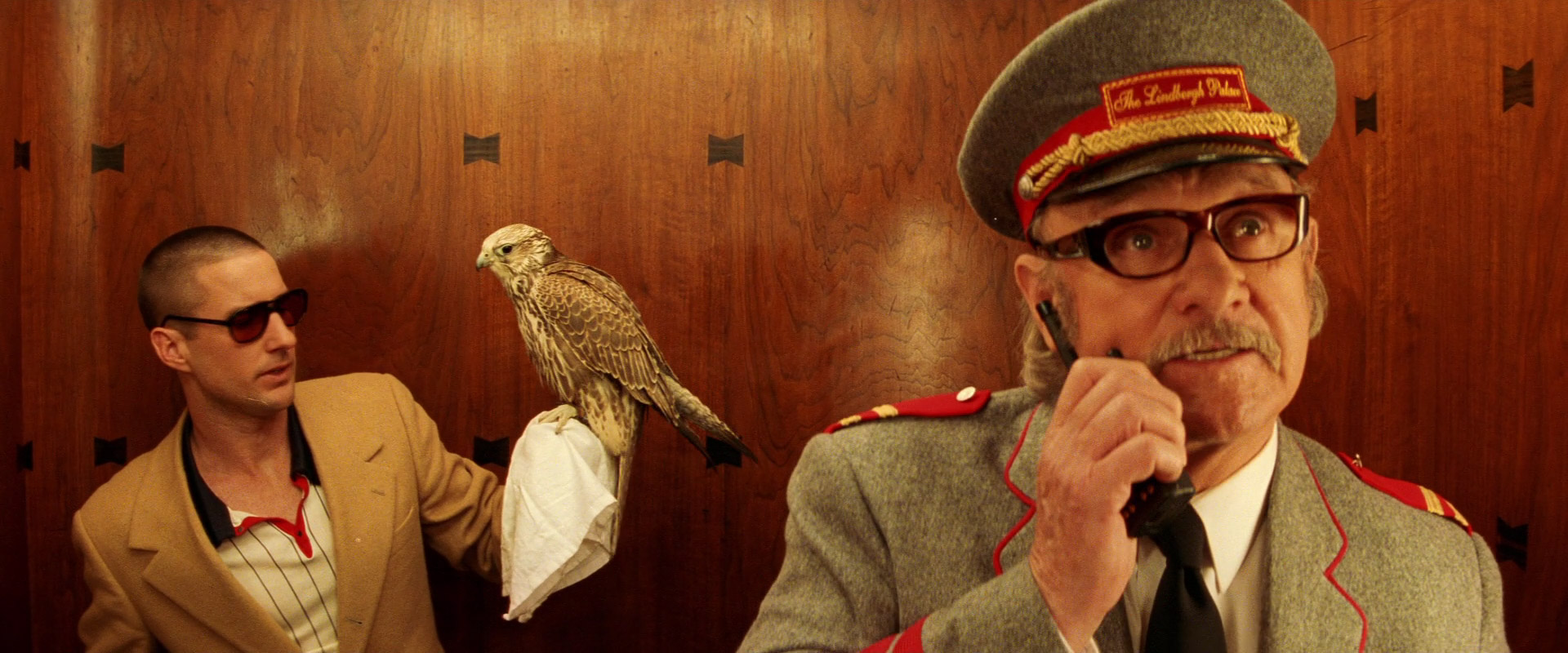
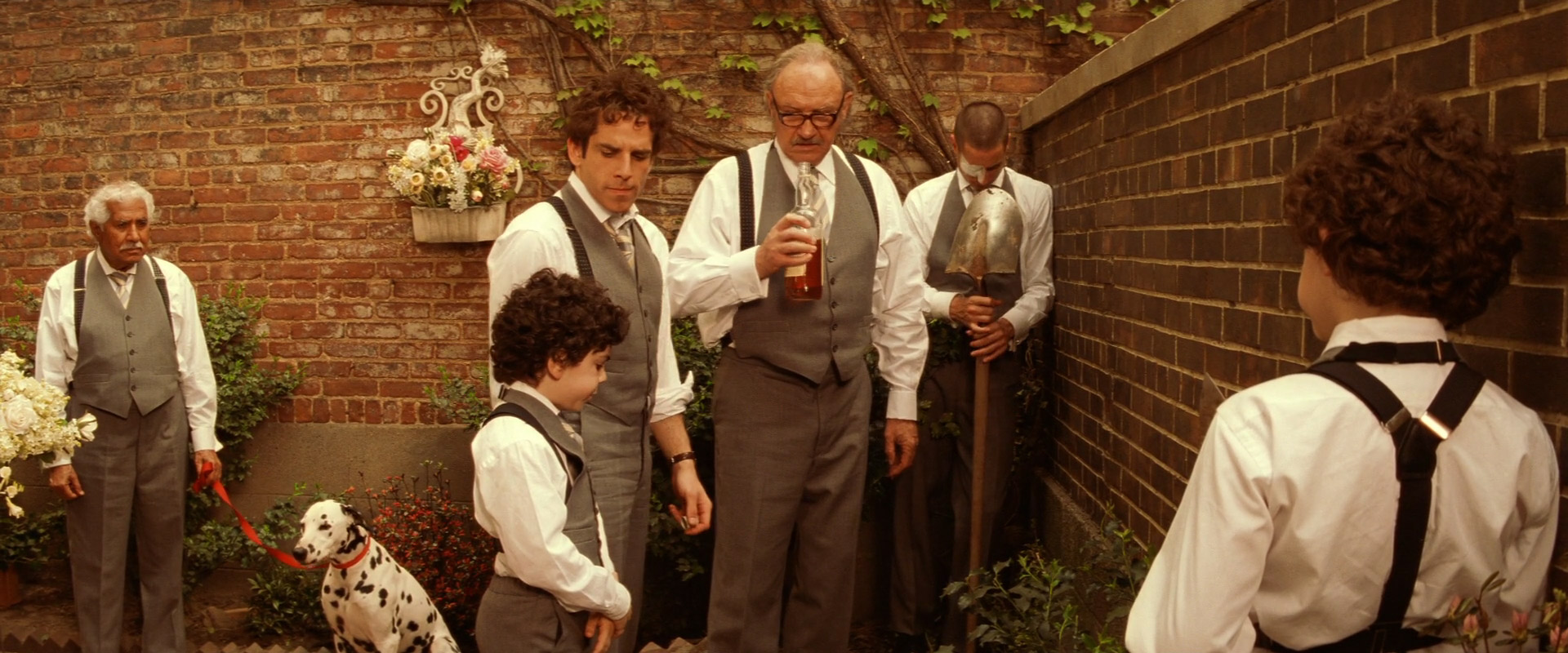
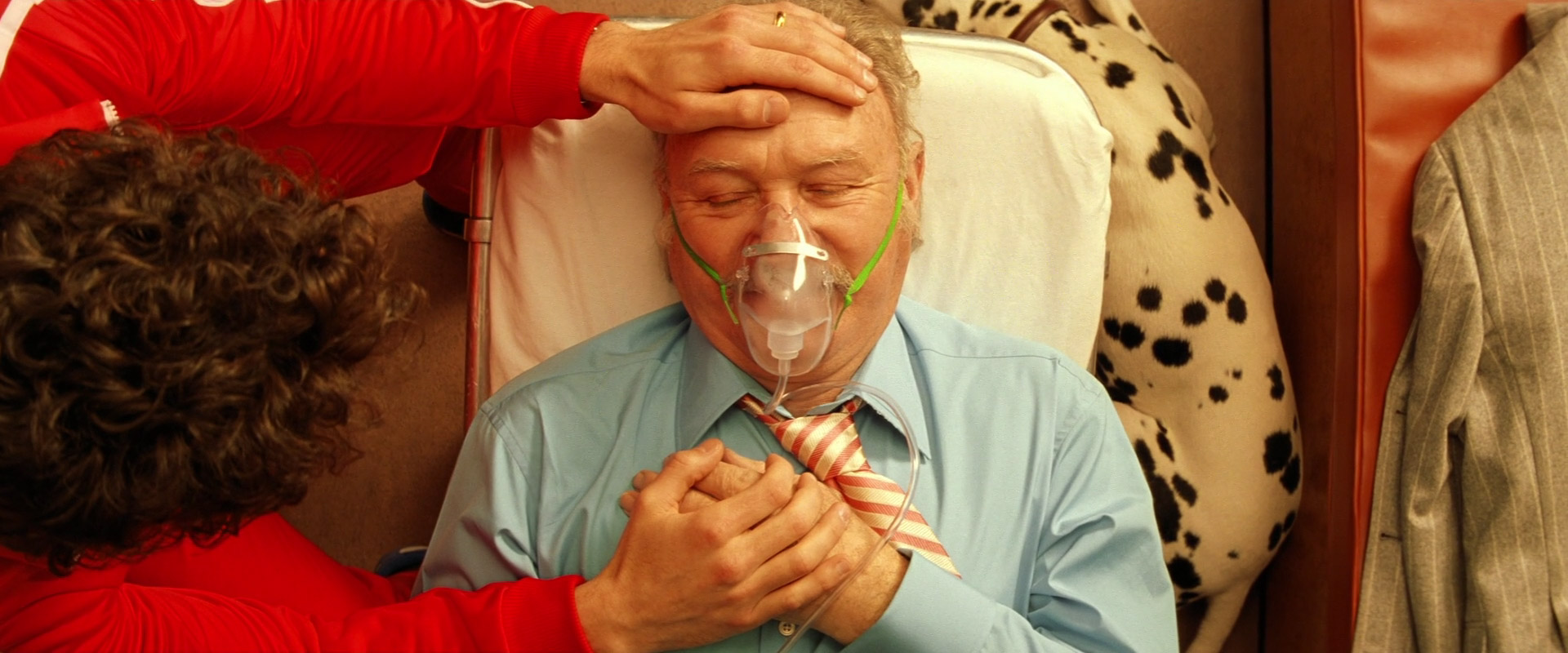
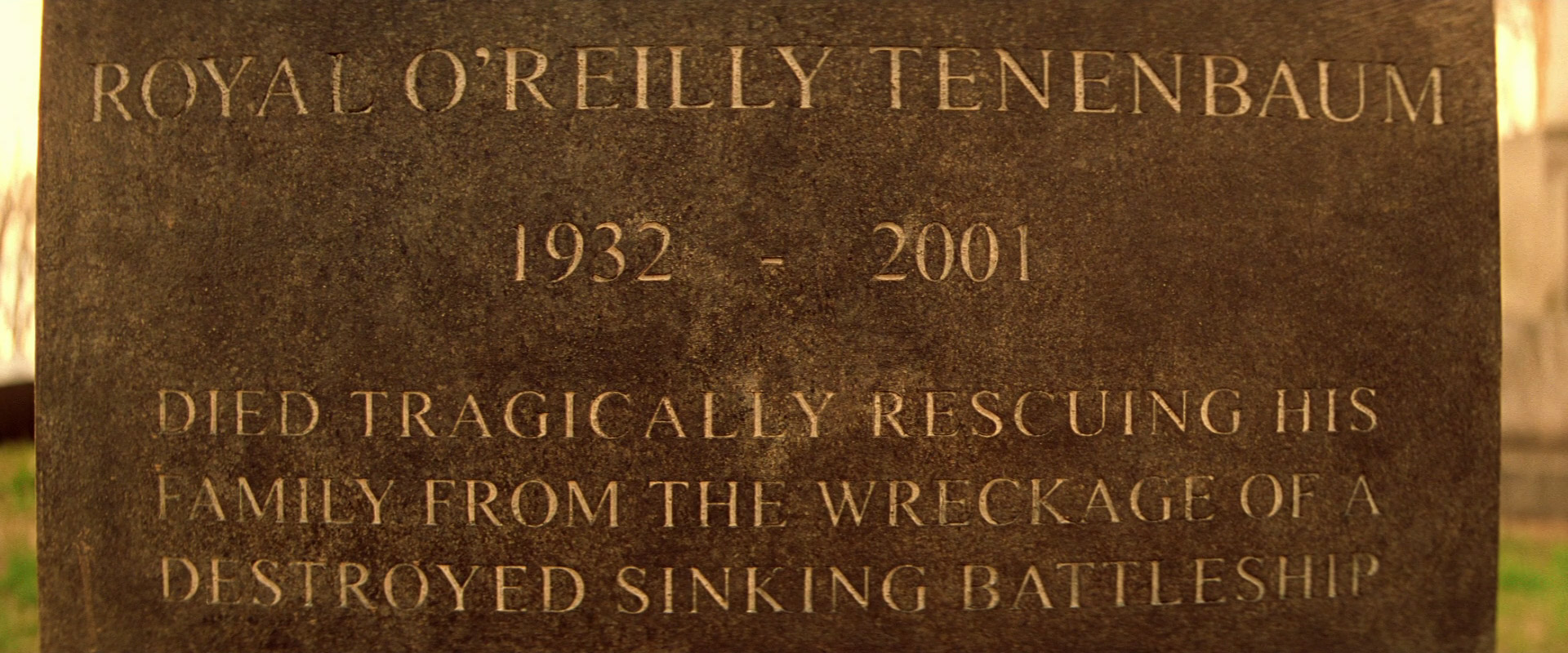
Twenty frames from The Royal Tenenbaums

From The Royal Tenenbaums, 2001. Directed by Wes Anderson. Cinematography by Robert D. Yeoman. Via Screenmusings. RIP Gene Hackman.

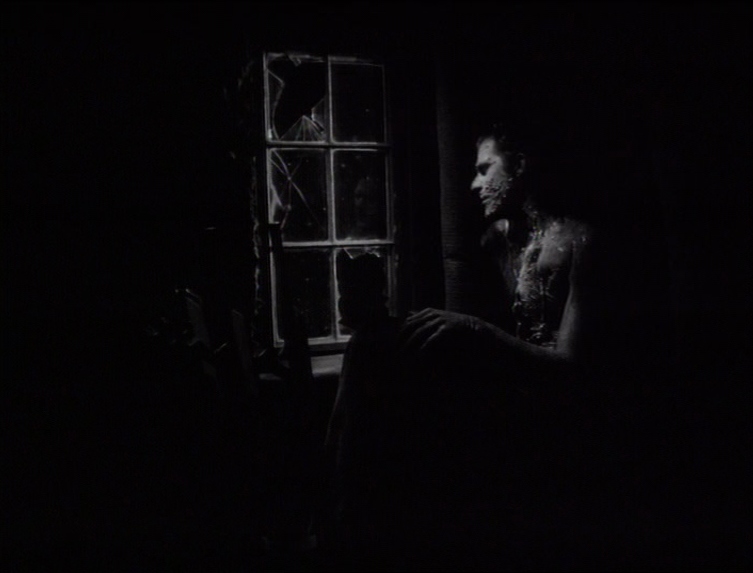
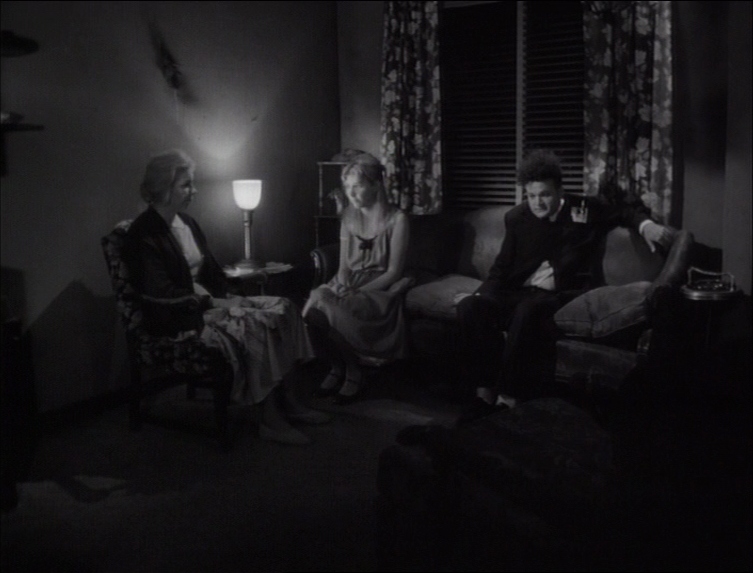
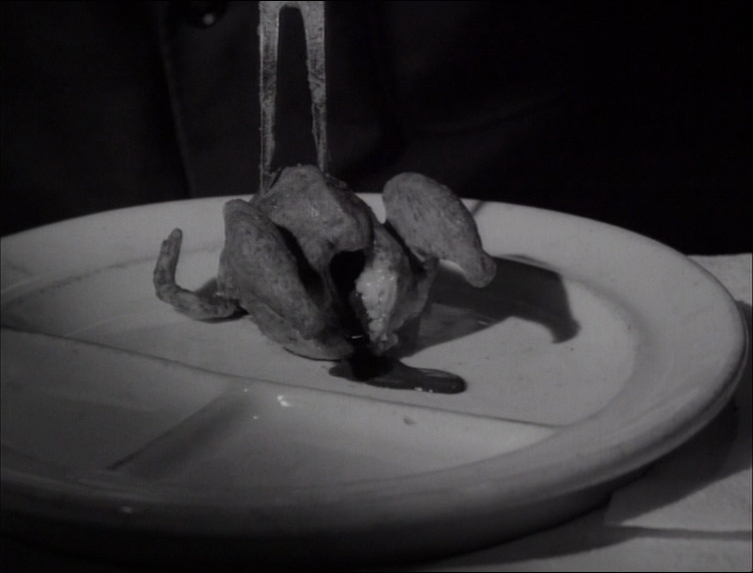
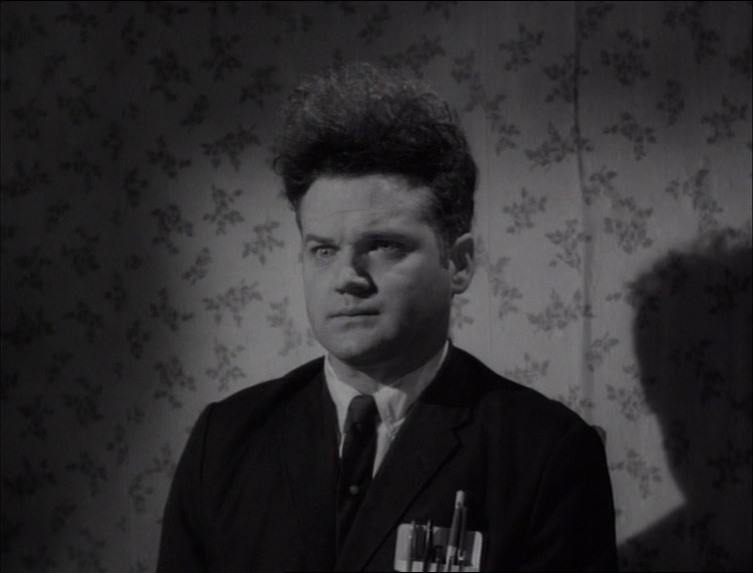
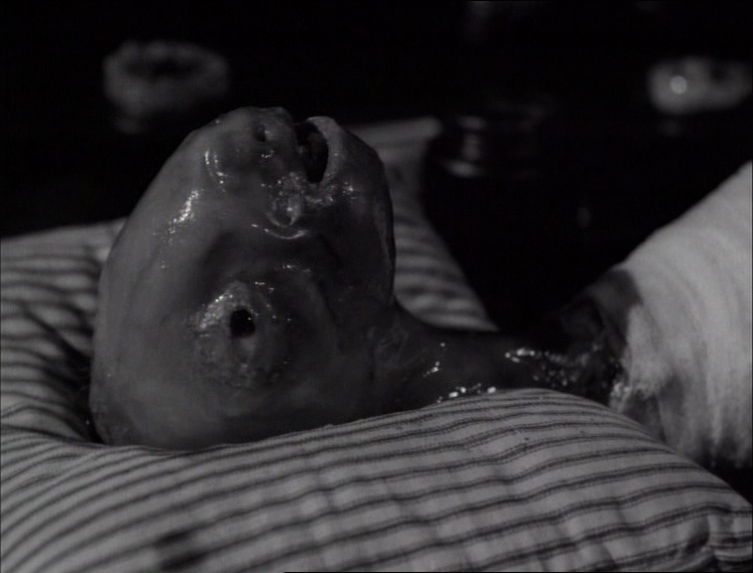
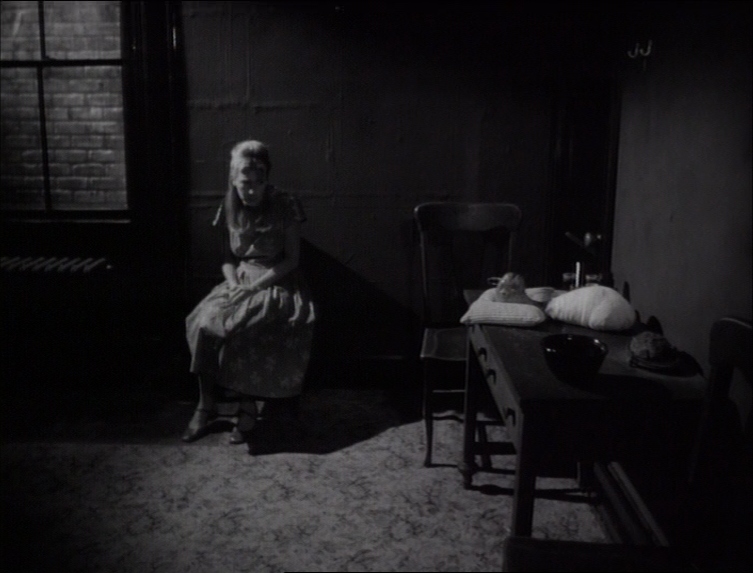
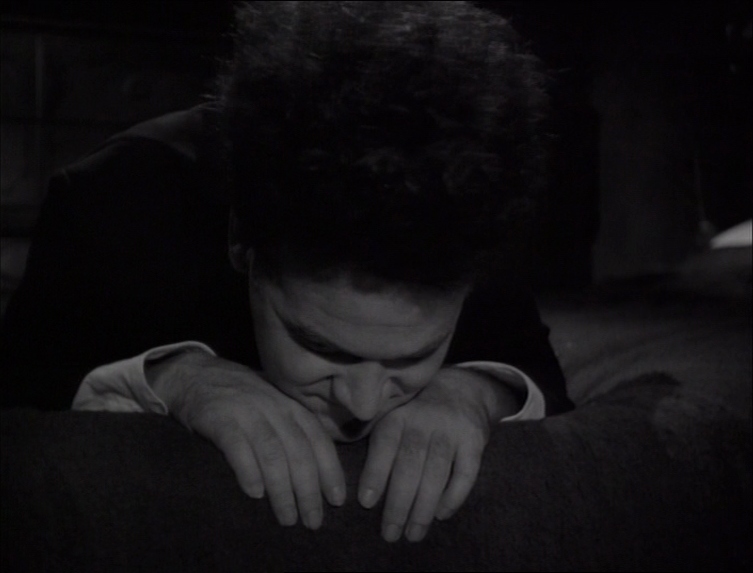
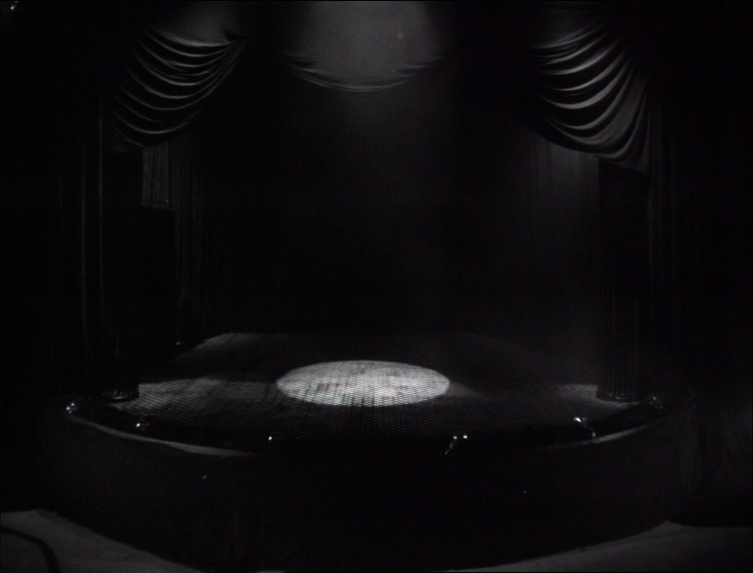
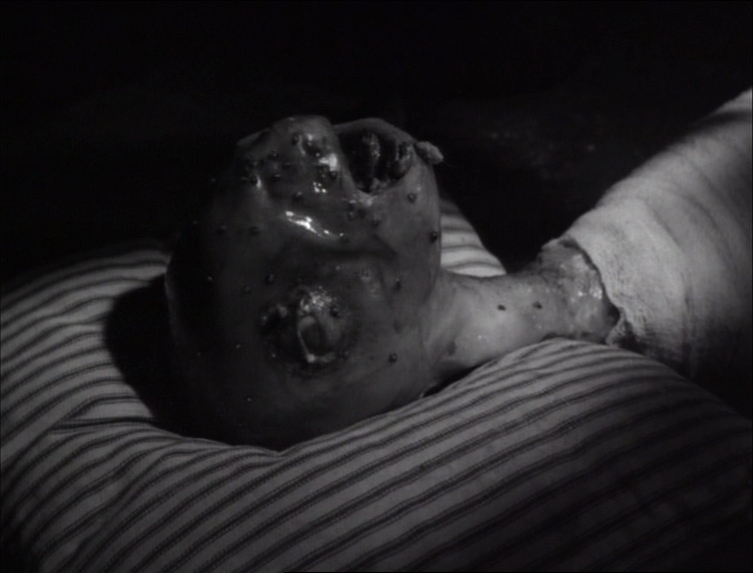
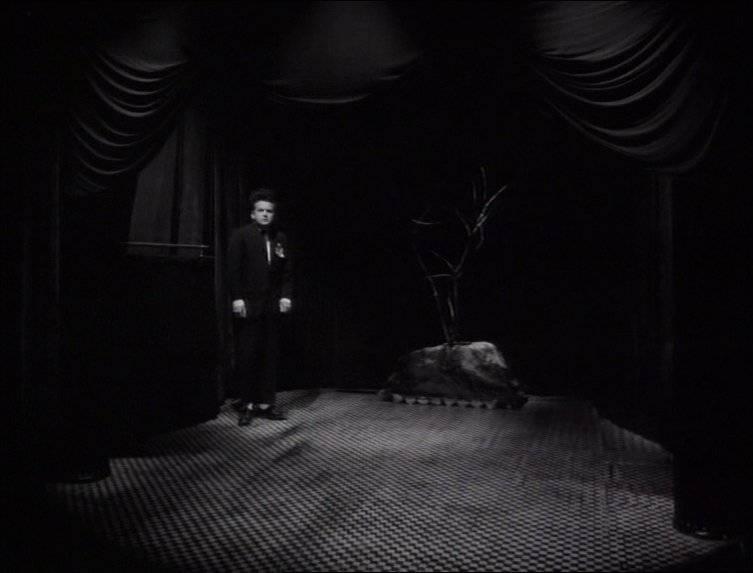
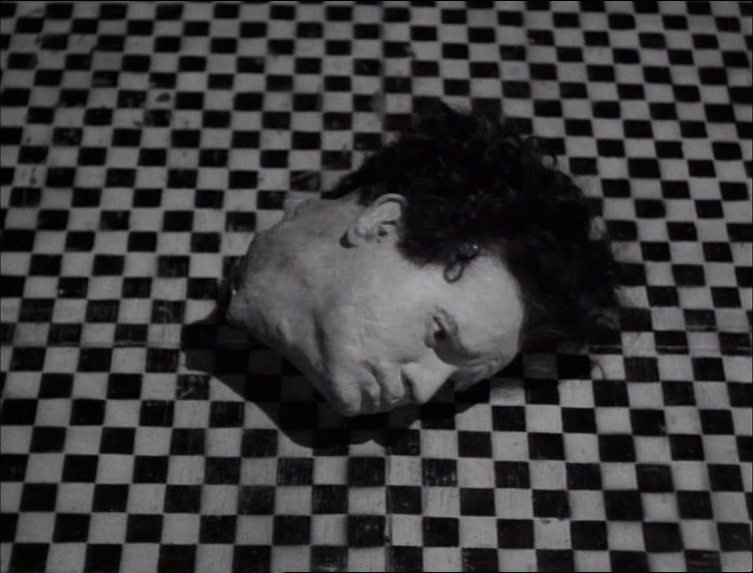
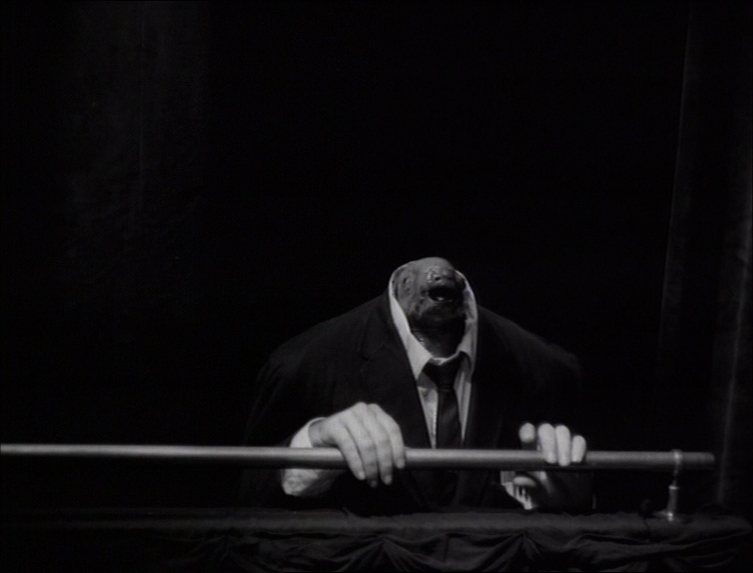
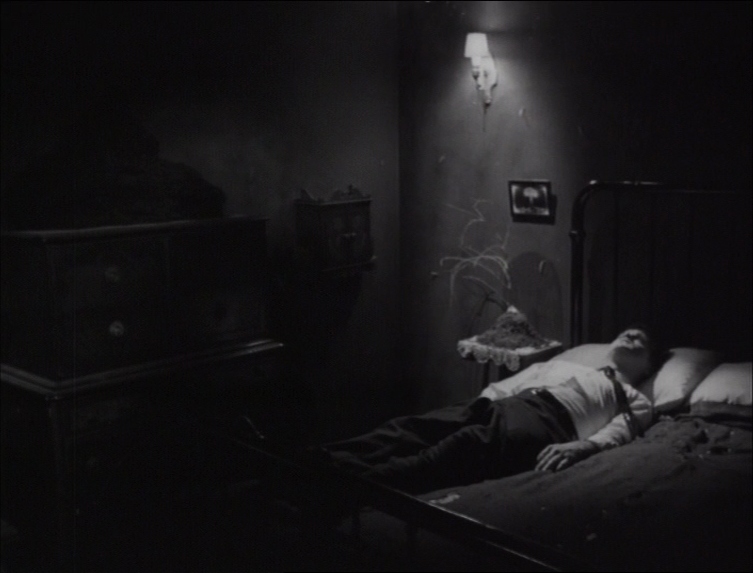
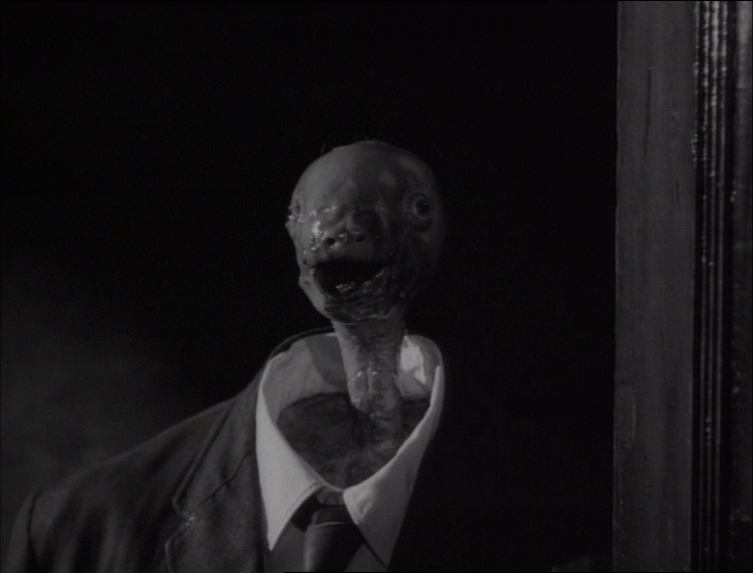
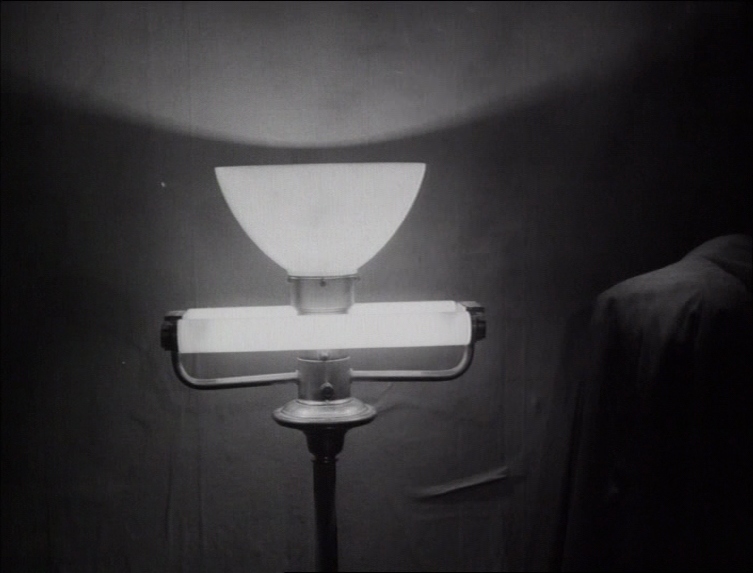
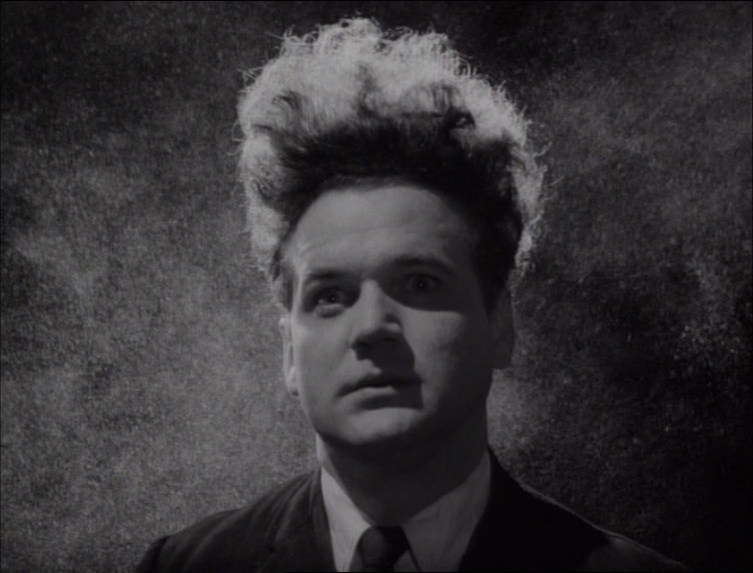
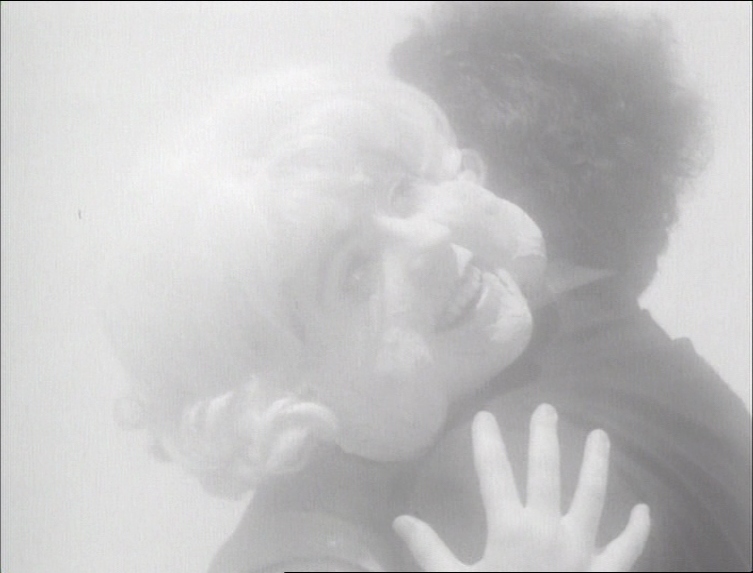
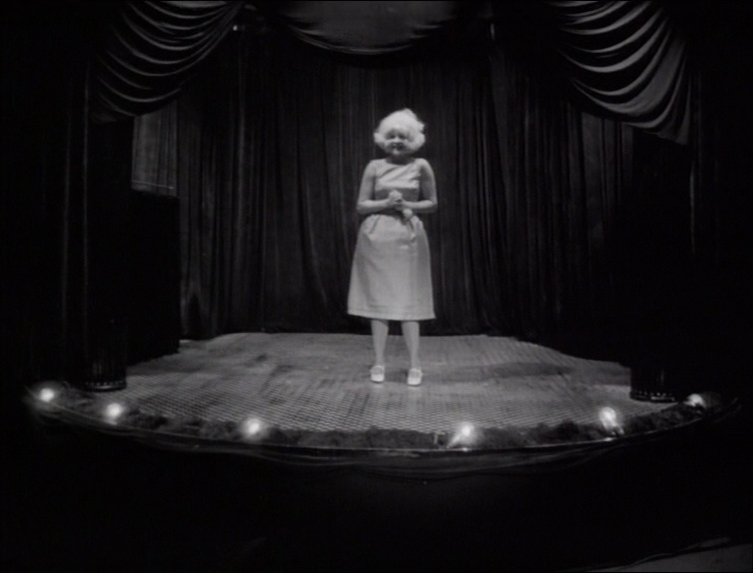
30 frames from David Lynch’s Eraserhead

From Eraserhead, 1977. Directed by David Lynch with cinematography by Frederick Elmes and Herbert Cardwell. Via Film Grab.

More New Cult Canon

(Context, entries 1-8)

(9-14)

15. Battle Royale, Kinji Fukasaku (2000)

I actually rewatched Battle Royale just the other week. In retrospect, it’s difficult to assess the film against the influence it’s had, especially on video games. In his 2008 New Cult Canon entry, Scott Tobias described the film as “Lord Of The Flies meets The Most Dangerous Game meets perhaps the cruelest year of teenage life.” I think what many of us remember about Battle Royale is first the concept, so widely imitated, and then the violence—but it’s actually a gentler film, with hints of Rebel without a Cause (Nicholas Ray, 1955). It’s also kinda goofy and disjointed.

6/10

Alternate: I don’t think they’re widely available as legal streams, but you could track down Kinji Fukasaku’s early 1970’s crime films, the Battles without Honor or Humanity series.

Alternate alternate: 10 minutes of Friedkin on Fukasaku:

16. Dead Man, Jim Jarmusch (1995)

A perfect film, one that seems better every time I see it. Gary Farmington is amazing as William Blake’s spiritual guide (“Stupid fucking white man” is a sublime line reading), and Jarmusch has a loaded bench to bounce pretty boy Depp off of (Iggy Pop is particularly scary, but Robert Mitchum seems an embodiment of evil from a truly different time—magnificent).

10/10

Alternate: El Topo, Alejandro Jodorowsky (1970)

17. Wet Hot American Summer, David Wain (2001)

I have no idea if Wet Hot American Summer holds up well—I think I was always part of its intended audience, part of the tail end of the “Reagan-era latchkey kids who grew up watching” the kind of films Wain’s movie is—satirizing?—on television. I watched Wet Hot American Summer approximately 100 times in 2003; it was one of a handful of DVDs on repeat at my best friend’s childhood house, where my unemployed unstructured ass spent a few nights a week crashing. His folks were in the beginning of a (permanent) separation, and the house seemed to have been ceded to a loose configuration of a dozen or so of us. We’d drink tallboys on the beach, stumble in, and fall asleep to The Royal Tenenbaums (Wes Anderson, 2001) or Reign of Fire (Rob Bowman, 2002) or Human Nature (Michel Gondry, 2001) or Wet Hot American Summer. There were probably others, but those are the ones I remember.

10/10

Alternate: Porky’s, Roy Clark (1981)

18. The Boondock Saints, Troy Duffy (1999)

The Boondock Saints is a truly awful film. It is relentlessly stupid and when it is funny, it is funny by accident—except when Willem Dafoe’s charm takes over one of the scenes he’s chewing up. The viewer can almost sense Dafoe rewriting Duffy’s sketchy, shoddy, nonsensical script in real time. For all its retrograde bluster (and poor filmmaking), The Boondock Saints actually has a viewpoint.

3/10

Alternate: Payback, Brian Helgeland (1999)

19. Punch-Drunk Love, Paul Thomas Anderson (2002)

Another perfect film. In his original New Cult Canon, Tobias suggested that,

Punch-Drunk Love marked the moment when Anderson threw away the stylistic
crutches of forbears like Martin Scorsese and Robert Altman, and came into his
own as an original filmmaker. That doesn’t mean he’s discarded these and other
influences altogether, which isn’t something he could or would want to do. But Punch-Drunk
Love
has a unique texture that’s unmistakably Anderson’s, marked by a wired, coked-up
intensity and a yen for discord. It’s a film that sets viewers on edge from the
start, almost daring you not to like it.

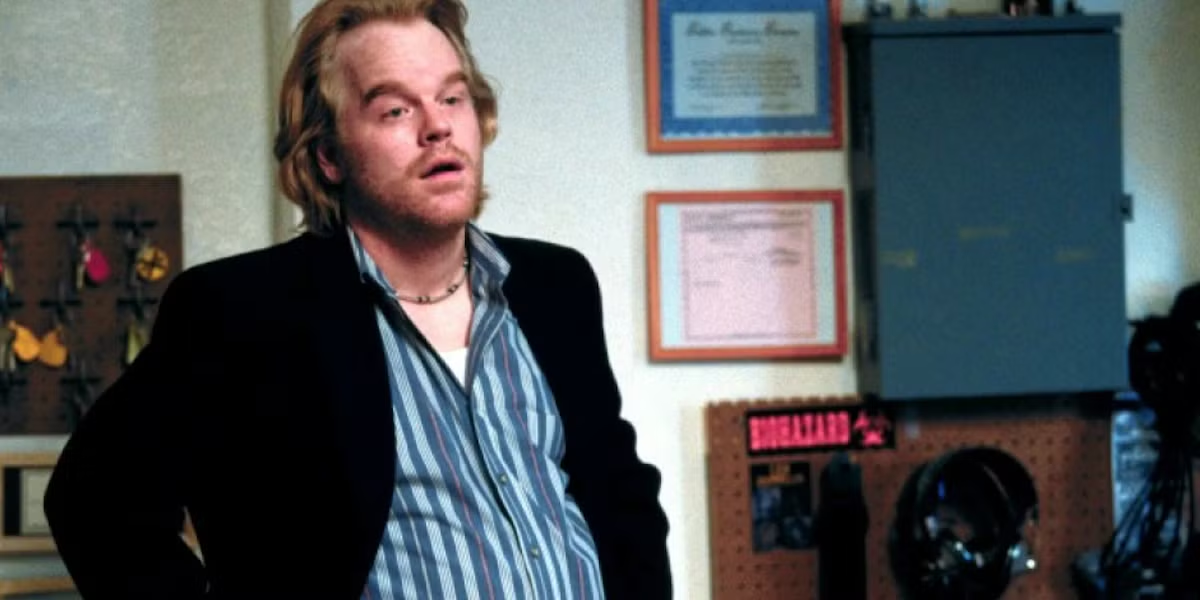
Philip Seymour Hoffman might have stolen the film from Sandler, had he been in it more than the few minutes he’s actually on screen (he’s looming larger in our memory, as always).

10/10

Alternate: Popeye, Robert Altman (1980)

20. Wild Things, John McNaughton (1998)

This is another film that I watched because Tobias wrote about it. I had actually seen McNaughton’s film Henry: Portrait of a Serial Killer entirely by mistake at a “party”; this probably happened around the same time that Wild Things released to theaters. But I never would have connected the two. I thought Wild Things was a different kind of trash than the trash it actually is. Tobias’s write-up makes an argument for Wild Things as high camp, a film told entirely within a set of quotation marks. I think he’s a bit too generous in his admiration for McNaughton’s film, but I ultimately enjoyed it.

6/10

Alternate: Bad Lieutenant: Port of Call New Orleans, Werner Herzog (2009)

More New Cult Canon

(Previously/context/etc.)

9. Pi, Darren Aronofsky (1998)

A few years ago, I wrote about seeing Aronofsky’s first feature Pi at the student union film theater my second semester of college. I loved it and the people I went to see it with hated it. Aronofsky’s most infamous film, Requiem for a Dream (2000) remains the all-time worst film-viewing experience of my life (close second is Dancer in the Dark, von Trier, 2000—which I also saw at that same student union).

7?/10

Alternate: mother!, Darren Aronofsky, 2018

10. The Blair Witch Project, Daniel Myrick and Eduardo Sánchez (1999)

Another artifact from my undergrad days. I am sure that I would be embarrassed to watch this one again, but at the time, it seemed really vital, definitely something new and different. I was taking a class which I think was called something like “electracy,” a course on “electronic literacy,” with Greg Ulmer. He showed us a bunch of Talking Heads videos I’m guessing everyone had already seen and tried to explain them, like a maniac.

We had to make two websites that semester.  My first website was excellent—it was based on The Dakota building in Manhattan–John Lennon, Rosemary’s Baby, evil, the Nazis, Oprah Winfrey—it was a mess but I think it was one of the best things I’ve ever done. I got a B- on it and decided Ulmer was full of shit. I made the second website on The Blair Witch Project, an afterthought. It was stupid and I was embarrassed to submit it and I made an A. I still have the other site on a hard disk somewhere.

7?/10

Alternate: Rosemary’s Baby, Roman Polanski, 1968

11. I Am Cuba, Mikhail Kalatozov, 1964

I can’t muster anything real on this one. I vaguely recall getting it from our library, around the time it was “rediscovered” (Tobias writes about that in his New Cult Canon column). My big takeaway is that PT Anderson stole a great shot from the film (but not as great as the sequence he stole from Robert Downey’s Putney Swope).

7?/10

Alternate: Putney Swope, Robert Downey, 1969 

12. The Rules of Attraction, Roger Avary, 2002

I still haven’t watched this one and Tobias’s write-up doesn’t make me want to. It might be good, even great, but I doubt I’ll ever know.

–?/10

Alternate: American Psycho, Mary Harron, 2000

13. Kiss Kiss Bang Bang, Shane Black, 2005

A fanfuckingtastic film (or maybe just a really, really fun film) that I think I wouldn’t have bothered to check out if not for Tobias’s column. Postmodernist techniques in film can come off as too-clever or simply exhausting, but Kiss Kiss Bang Bang is assured of story, assured of its audience, and assured that its faults are ultimately its charms. Great stuff.

9/10

Alternate: The Nice Guys, Shane Black 2016

14.  Fast, Cheap, and Out of Control, Errol Morris, 1997

I don’t think Fast, Cheap, and Out of Control is actually a cult film. I mean, it might be, but I don’t think it is. I think it was a widely-available-on-VHS documentary feature in the late nineties, and I think that’s why I actually saw it then. I remember thinking it was Just Okay and then watching another half dozen Morris docs over the next 20 or so years and thinking that they were Just Okay.

Just Okay/10

Alternate: Literally any Werner Herzog film 

Revisiting Scott Tobias’s The New Cult Canon

Today was the last meeting for a Tuesday-Thursday comp class that has been, or maybe I can now say had been, a fucking grind.

One bright spot was a student professing an interest in film. A few weeks ago he told me about watching Battleship Potemkin (Eisenstein, 1925), and asked for recommendations. I rattled off titles, unsure how soaked he (and by extent, all) younger persons might be in (my notions of) the contemporary film canon. There are so many options now competing for eyeballs and earholes. We didn’t all grow up with our dad finishing a third beer and then insisting we stay up too late on a Sunday to catch the second half of For a Few Dollars More on the superstation. I suggested he work at checking off AFI’s “100 Years” list like I did back in circa 1998. “If something yanks at you, watch it again.”

But the kid wanted something stranger, and he followed up today. I rattled off titles, told him to email me, I’d send him a list, which he did, and then I did, send him a list that is — which was fun for me — and then I realized that I should really point him to film critic Scott Tobias’s series The New Cult Canon.

Back when the internet was still pretty good, Tobias wrote weekly column on a film he dared to place in his “New Cult Canon” — a continuation of film critic Danny Peary’s Cult Movies books. Tobias’s series ran at The AV Club (during the site’s glory years before capitalist hacks gutted it). Tobias’s New Cult Canon project intersected with an apparent wider access to films, whether it was your local library’s extensive DVD collection, Netflix sending you a disc through the USPS, or, y’know, internet piracy. Offbeat was now on the path, if you knew where to tread.

So for a few years, The New Cult Canon was a bit of a touchstone for me. It offered leads to new film experiences, made me revisit films I’d seen with an uncritical eye in the past through a new lens, and even aggravated with endorsements that I could never agree with. I loved The New Cult Canon column, and I was happy when Tobias revived it a few years ago on The Reveal.

But back to where I started, with the kid who wanted some film recommendations, wanted to immerse himself over the winter break (I’m pretty sure he used the verb immerse) — I didn’t follow up with an email to this link on IMDB of Tobias’s The New Cult Canon, which I’d to found to share with the kid who wanted some film recommendations–I started this blog instead.

As of now, there are 176 entries in The New Cult Canon. The first 162 were part of the series; original run at the AV Club. Coming across the original list this evening made me want to revisit the films, catch some of the ones I didn’t find or make time for before, and generally, like share.

The current media environment seems primed for ready-made cult movies. Film like, say, Late Night with the Devil (Cairnes, 2023) or Possessor (B. Cronenberg, 2020) are fun and compelling — but they also fit neatly into a specific market niche. (Where is the dad three beers deep who compels his youngan to stick it out with the second half of Under the Silver Lake (Mitchell, 2018)?

(If I review the previous paragraph, which I won’t, I’ll conclude I’m spoiled. Long live weird films.)

So let’s go:

Links on titles go to Tobias’s original write-ups. (I’d love to see a book of these.)

Arbitrary 0-10 score, based on How I Am Feeling At This Particular Moment.

The Alternate isn’t offered as a superior or inferior recommendation, just an alternate (unless it is offered as such).


  1. Donnie Darko, Richard Kelly (2001)

I love Donnie Darko. I can’t remember how I first came across it, but I had the DVD and I would make people watch it. This kind of thing is maybe embarrassing to admit now; I think Donnie Darko hit a bad revisionist patch. Especially after Southland Tales and The Box.

When the director’s cut was released in theaters, sometime around 2005, I made some friends watch it with me in the theater. They fucking hated it.

I watched it with my son earlier this year and it was not nearly as weird as I’d remembered it and he enjoyed it and so did I. He got the E.T. reference and thought Patrick Swayze was a total creep.

8.5/10

Alternate: Southland Tales, Richard Kelly, 2006. (Look for the Cannes cut online.)

2. Morvern Callar, Lynne Ramsay, 2002

I knew about Morvern Callar because of its soundtrack (which was a totally legitimate way to know about a film two or three decades ago). I didn’t search Lynne Ramsay’s film out until after Tobias’s review.

This film made my stomach hurt and I never want to see it again. (Not a negative criticism.)

I feel the same way about the other two Ramsay films I’ve seen, We Need to Talk About Kevin (2011) and You Were Never Really Here (2017).

6.5/10

Alternate: You Were Never Really Here, Lynne Ramsay, 2017.

3. Irma Vep, Olivier Assayas, 1996

Minor fun, very French, ultimately ephemeral.

6/10

Alternate: Irma Vep, Olivier Assays, 2022 — an eight-episode HBO miniseries.
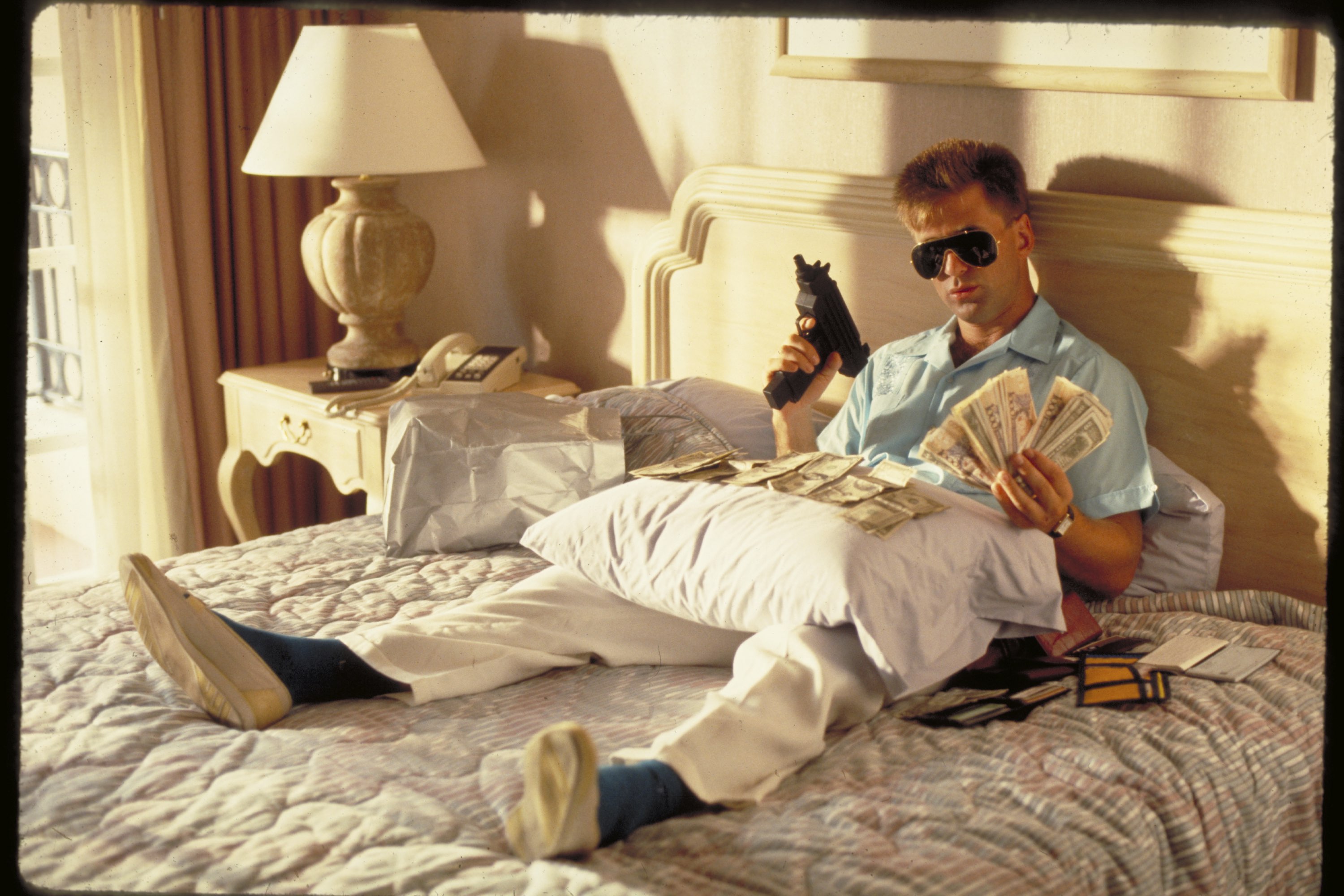
4. Miami Blues, George Armitage, 1990

Miami Blues is a very strange film. Except that it’s not strange: it’s a tonally-coherent, self-contained, “pastel-colored neo-noir,” as Tobias writes—but it feels like it comes from a different world. Alec Baldwin and Jennifer Jason Leigh seem, I dunno—skinnier? Is skinnier the right word?—here. The thickness of fame doesn’t stick to them so heavily. Miami Blues is fun but also mean-spirited, vicious even. It’s also the first entry on here that I would never have watched had it not been on Tobias’s recommendation.

7.5/10

Alternate: Grosse Pointe Blank, George Armitage, 1997

5. Babe: Pig in the City, George Miller, 1998

Yeah, she thinks she’s Babe: Pig in the City.

A perfect film.

10/10

Alternate: The Road Warrior, George Miller, 1981

6. They Live, John Carpenter, 1988

Another perfect movie, and one that only gets better with the years, through no fault of its own. They Live was certainly on the list I emailed the student. Roddy Piper (a rowdy man, by some accounts), also starred in Hell Comes to Frogtown (Donald G. Jackson and RJ Kizer, 1988) the same year, a very bad film, but also maybe a cult film.

10/10

Alternate: Like literally any John Carpenter film.

7. Clerks, Kevin Smith, 1994

I hate and have always hated Clerks and every other Kevin Smith film I’ve seen. I remember renting it from Blockbuster my junior year of high school because of some stupid fucking write up in Spin or Rolling Stone and thinking it was bad cold garbage, not even warm garbage — poorly-shot, poorly-acted, unfunny. Even at (especially at?j sixteen, Smith’s vision of reality struck me as emotionally-stunted, stupid, etiolated, and even worse, dreadfully boring. I remember sitting through Chasing Amy and Dogma in communal settings, thinking, What the fuck is this cold, cold garbage?

But Tobias’s inclusion of Smith’s bad awful retrograde shit makes sense — Clerks spoke to a significant subset in the nineties, no matter how bad the film sucks.

0.5/10

Alternate: As Smith has never made an interesting film, let alone a good one, my instinct is to go to Richard Linklater’s Slacker (1990) — but that shows up later in the New Cult Canon. So, I dunno–a better film about friends and problematic weirdos: Ghost World, Terry Zwigoff, 2001

8. Primer, Shane Carruth (2004)

Let’s not end on a sour note.

I think that it was Tobias’s New Cult Canon series that hipped me to Primer, Shane Carruth’s brilliant lo-fi take on time travel. Carruth made the film for under ten grand, but it looks great and is very smart, and most of all, trusts its audience by throwing them into the deep end. (Primer is perhaps the inverse of Clerks. I hate that sentence, but I won’t delete it. They don’t belong in the same universe, these films; Primer builds its time machine out there!)

10/10

Alternate: Upstream Color, Shane Carruth, 2013

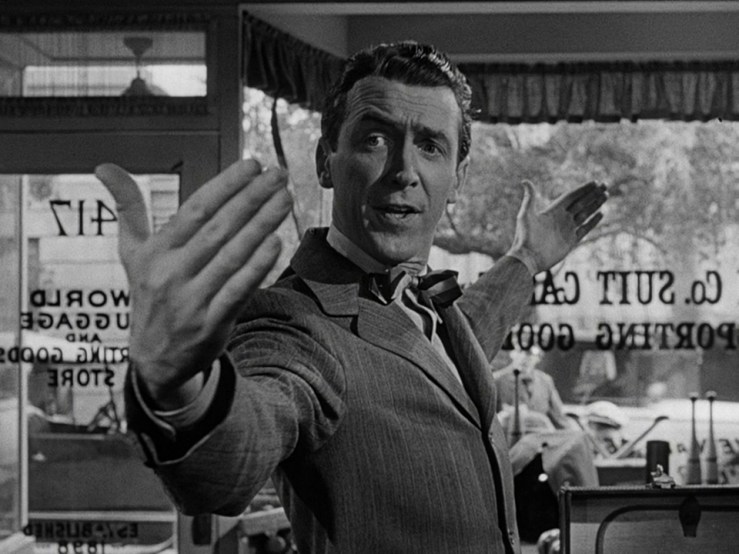
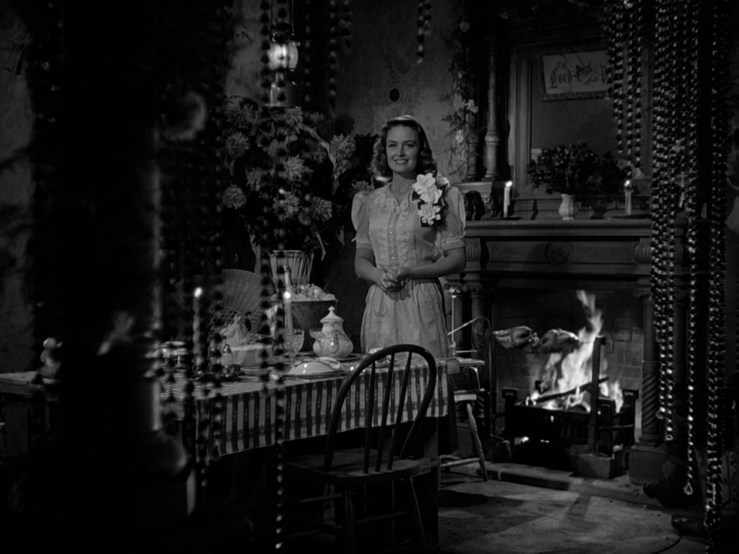
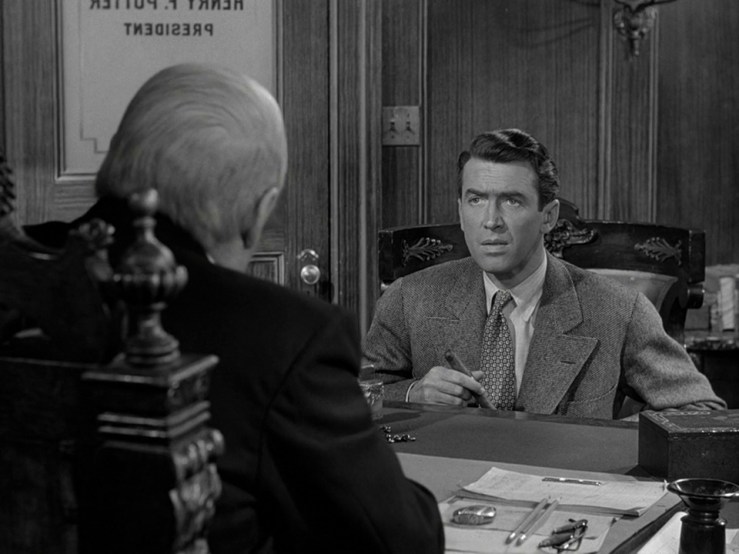
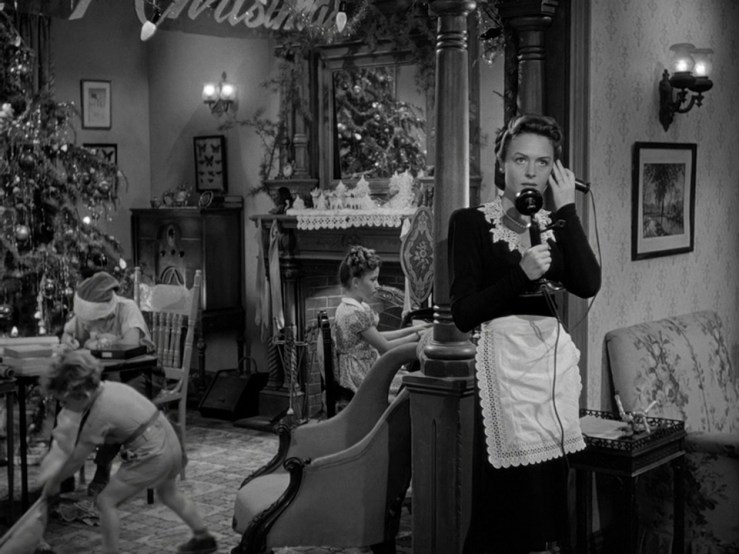
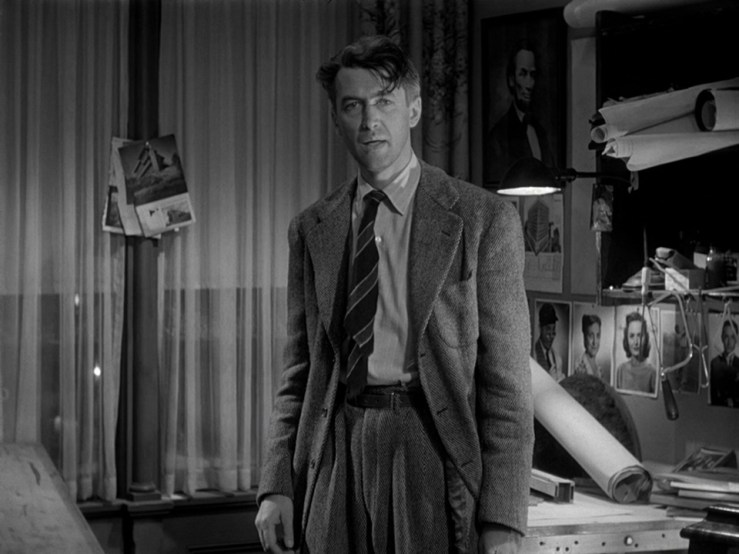
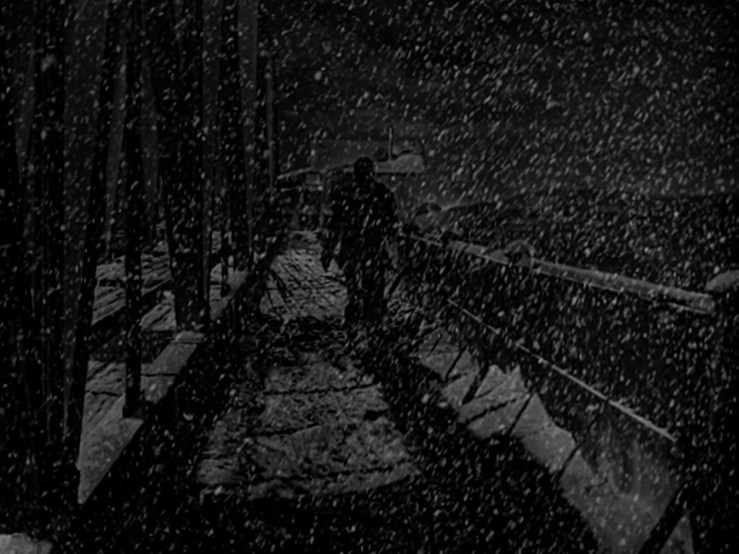
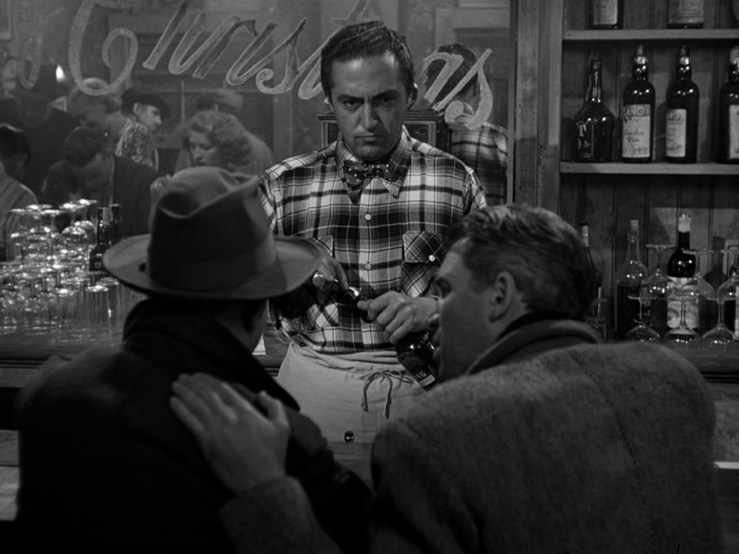
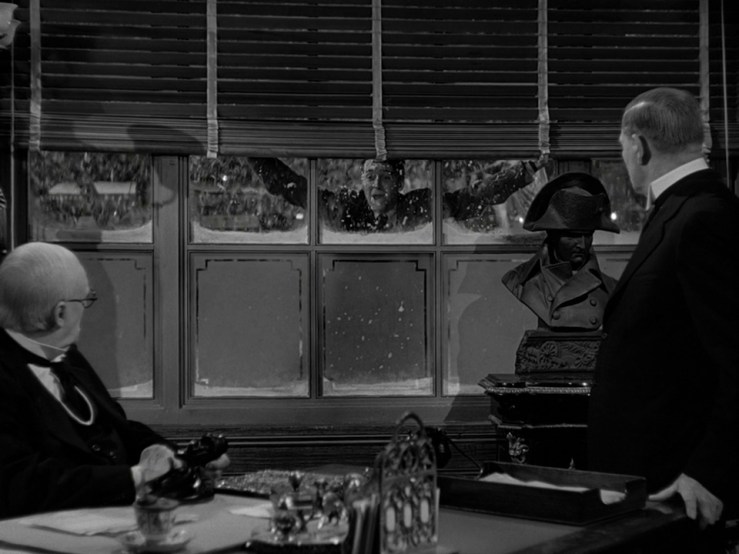
35 frames from Frank Capra’s It’s a Wonderful Life

From It’s a Wonderful Life, 1946. Directed by Frank Capra; cinematography by Joseph Walker and Joseph Biroc. Via FilmGrab.

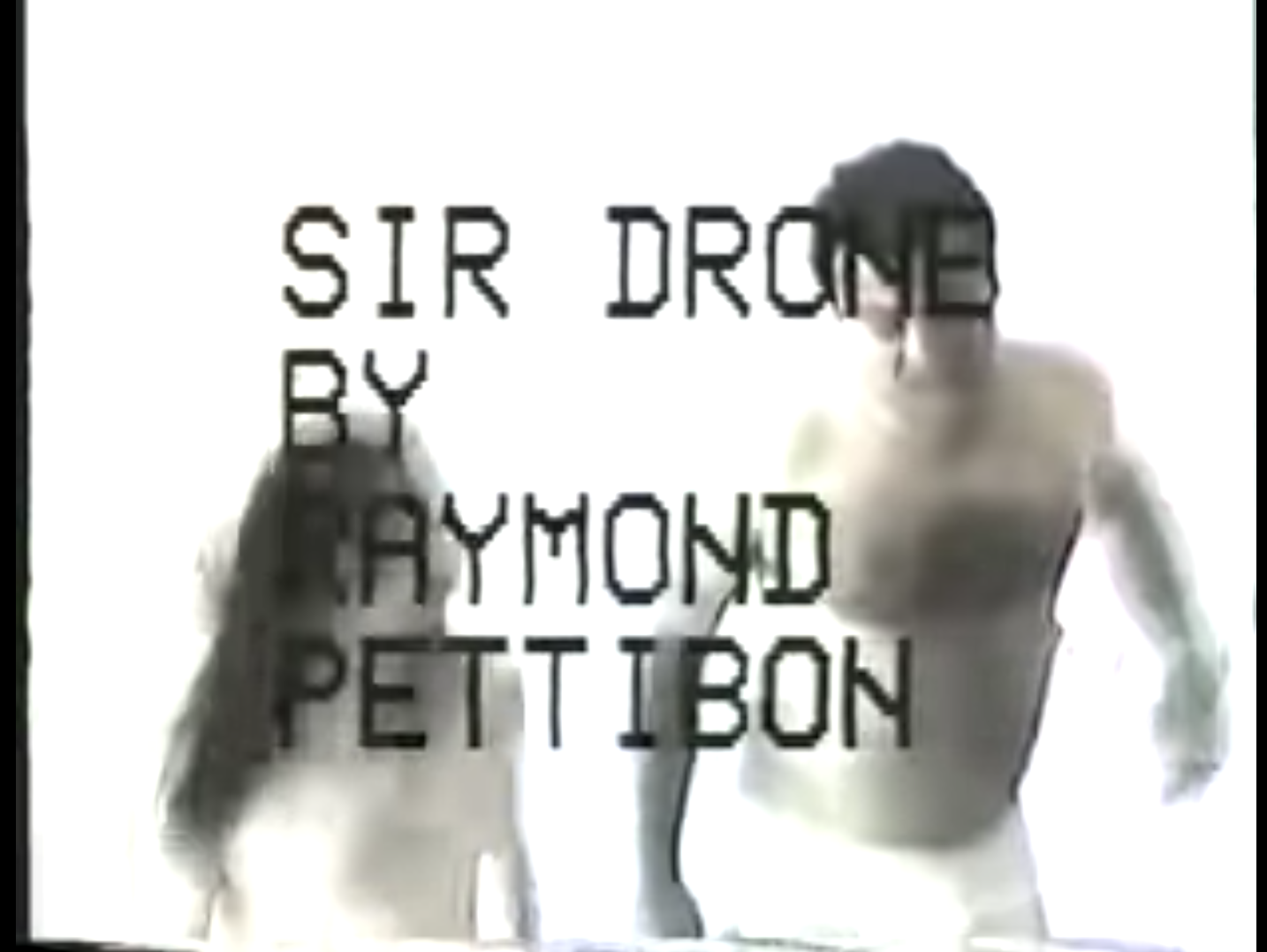
Sir Drone, a film by Raymond Pettibon

Sir Drone is a 1989 film by Raymond Pettibon starring Mike Kelley, Mike Watt, Richie Lee, and Angela Taffe as…Goo.

No such thing as life and existence, but rather something that constituted them together and without separation | Werner Herzog

Werner Herzog: At night, when it gets really cold, at three or four o’clock in the morning, there are people in New York City who live like Neanderthals—they come out at three o’clock, when it gets so cold they can no longer bear it. People gather in an empty, totally deserted street and set the trash cans on fire just to warm themselves, and they do so without saying a word. That’s how it is there, only nobody sees it.

Kraft Wetzel: So all these years had little to do with globetrotting and wanderlust?

Werner Herzog: It’s really like a desperate search for . . . well, for some place I can exist. By existence I mean something different from life. I’ve become increasingly more aware that there’s a big difference between life and existence, and that it’s important to even have an existence. There are many people for whom life and existence diverge and apparently have nothing to do with each other. It’s easier to say it in biographical terms: Take [Franz] Kafka or Robert Walser. Kafka was just an employee of an insurance company. I also think there’s something like a modern tendency for life and existence to deviate more and more. That happened earlier as well, but on a much smaller scale than it does now. Now you have people without existence—that is, they have lives but no existence. Let me put it this way: I was recently in Brittany, where they have big old farm houses, each with just a single room, where the family and the cattle all live together. There are many legends and poems, which they sang, that come from there. I can imagine that for someone who lived back then in such a family community, there was no such thing as life and existence, but rather something that constituted them together and without separation.

From a 1976 interview of Werner Herzog.

It takes a brave man to try and trade drug stories toe-to-toe with William Burroughs, and Cronenberg makes only a perfunctory attempt

Photography by Chris Buck and Brian Hamill; art by Nick Van Der Grinten

It’s been half a day and no one has taken a hit of anything stronger than the vodka and Coke Burroughs is nursing. These days, at seventy-seven and post-triple bypass, Burroughs is taking a break from the opiates. The conversation, however, is free to range where Burroughs no longer does.

It takes a brave man to try and trade drug stories toe-to-toe with William Burroughs, and Cronenberg makes only a perfunctory attempt. “I tried opium once, in Turkey, and there I felt like I had a hideous flu, you know? It was like I was sick.”

“You probably were! It can be very nauseating. You had just taken more than you could assimilate.”

“I did take LSD once,” Cronenberg responds. “It was a great trip. It was a very revealing experience to me, because I had intuited that what we consider to be reality is just a construct of our senses. It shows you, in no uncertain terms, that there are any number of realities that you could live, and you could change them and control them. It’s very real, the effects it left.”

Burroughs nods patronizingly, although he was more of an opiate man.

Talk then shifts to over-the-counter drugs one could abuse, which included the availability of codeine in Canada, opium cold-and-flu tablets in France, and “in England,” says Burroughs, “they used to sell Dr. Brown’s Chlorodine. It was morphine, opium, and chloroform. I used to boil out the chloroform.”

“I was chloroformed once,” says Cronenberg, “as a kid, when they took out my tonsils. I still remember what happened when they put this mask over my face. I saw rockets shooting. Streamers of flame, rockets. . . . I can still see it. And that sickly smell.” He makes a face. After discussing insects, gunshot wounds, and snake bites all day, were finally onto something that can gross out Cronenberg.

“I hate general anesthesia,” says Burroughs. “Scares the hell out me. I had to have it when they did the bypass, but I knew where I was. I knew I was in the hospital having an operation, and there was this gas coming into my face like a gray fog. When I cracked my hip, they put a pin in with a local. A spinal. Of course, it ran out and I started screaming.”

“I was in a motorcycle accident where I separated my shoulder,” says Cronenberg. “They took me into the operating room and gave me a shot of Demerol.”

“Demerol,” says Burroughs, brightening a bit. “Did it help?”

“I loved it. It was wonderful.”

“It helps. I had a shot of morphine up here somewhere,” he says, pointing to the top of his shoulder near his neck, “from my bypass operation. She said, ‘This is morphine.’ And I said, ‘Fine!’ ” Burroughs drags out the word in a sigh of bliss. He closes his eyes in an expression of rapt anticipation. “Shoot it in, my dear, shoot it in.” I ask Burroughs if the doctors and nurses at the hospital knew who he was. “Certainly,” he drawls. “The doctor wrote on my chart, ‘Give Mr. Burroughs as much morphine as he wants.’”

From “Which Is the Fly and Which Is the Human?” a 1992 profile in Esquire by Lynn Snowden. The occasion for the article is the release of Cronenberg’s film adaptation of Naked Lunch.

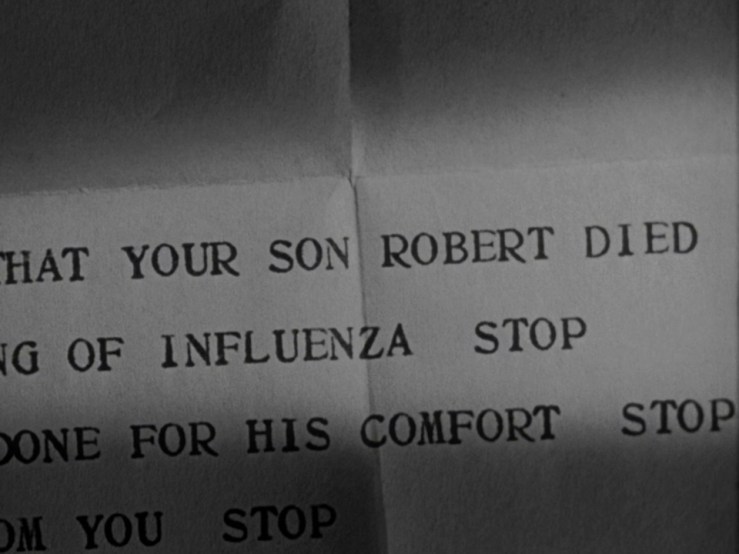
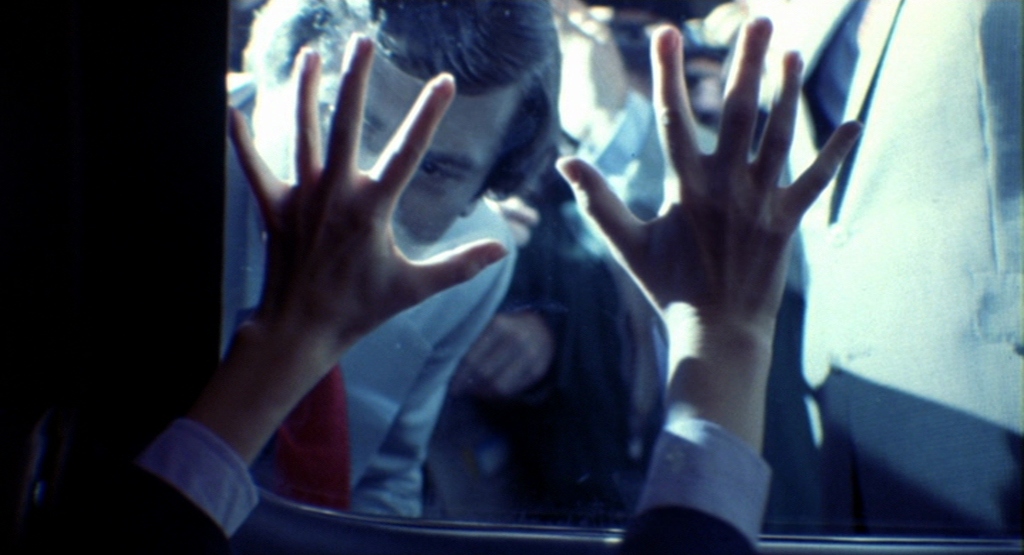
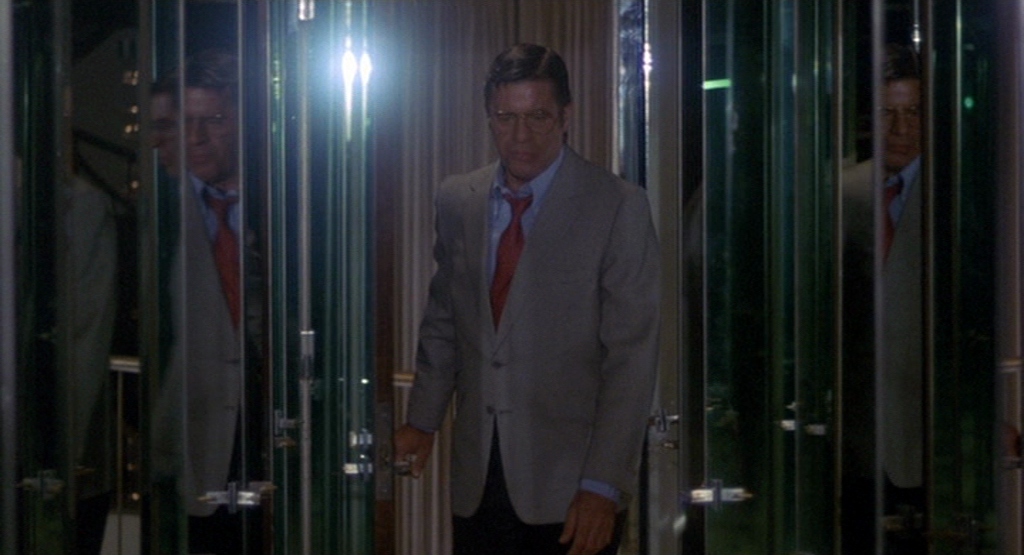
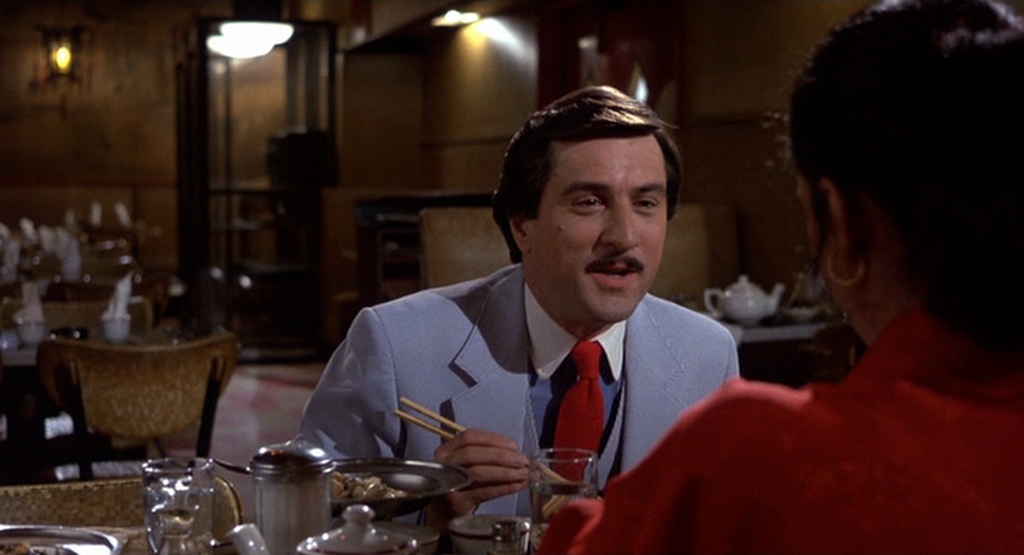
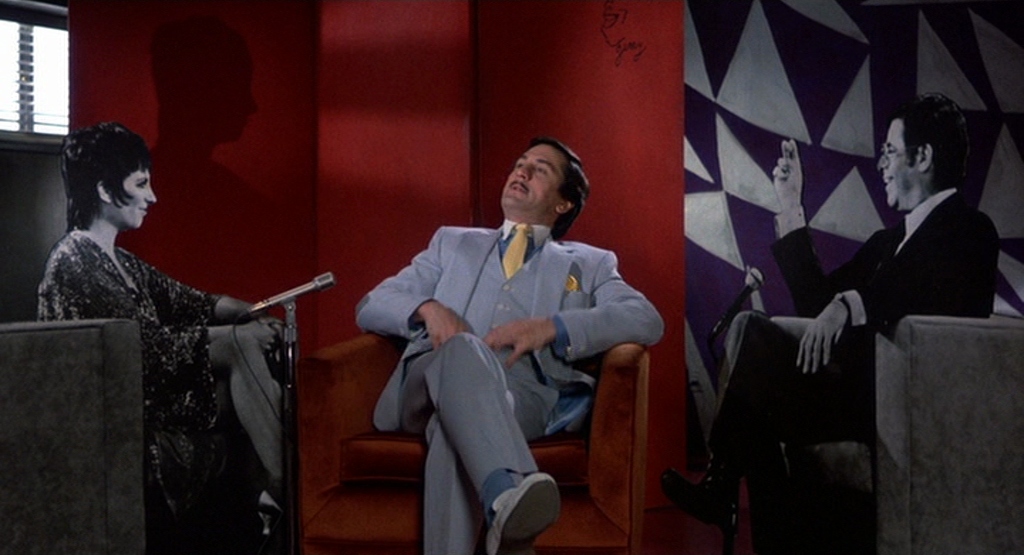
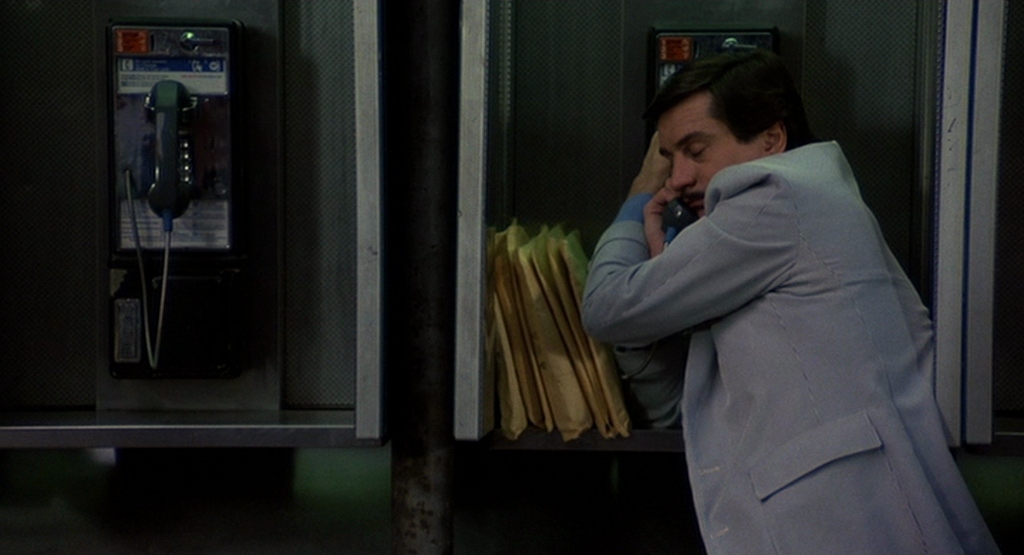
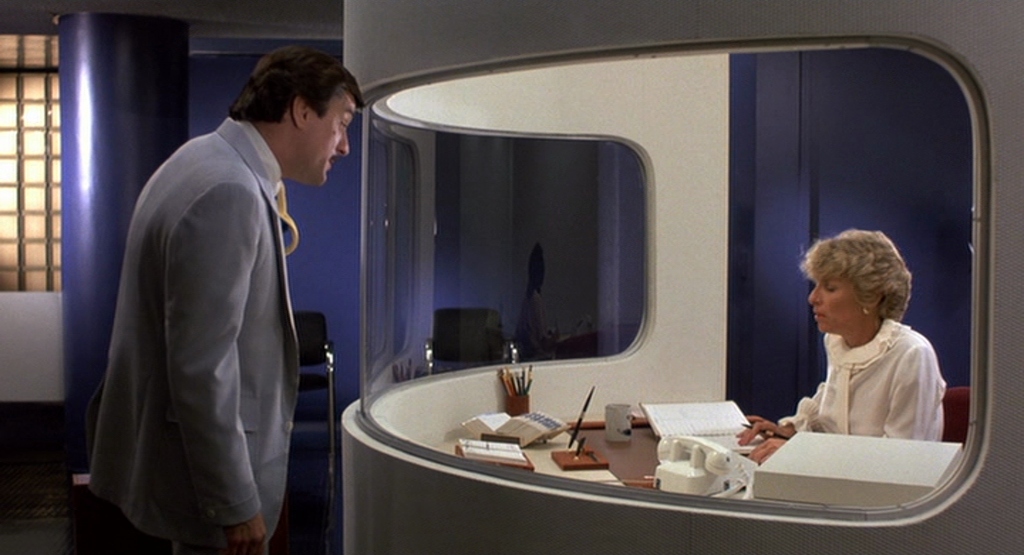
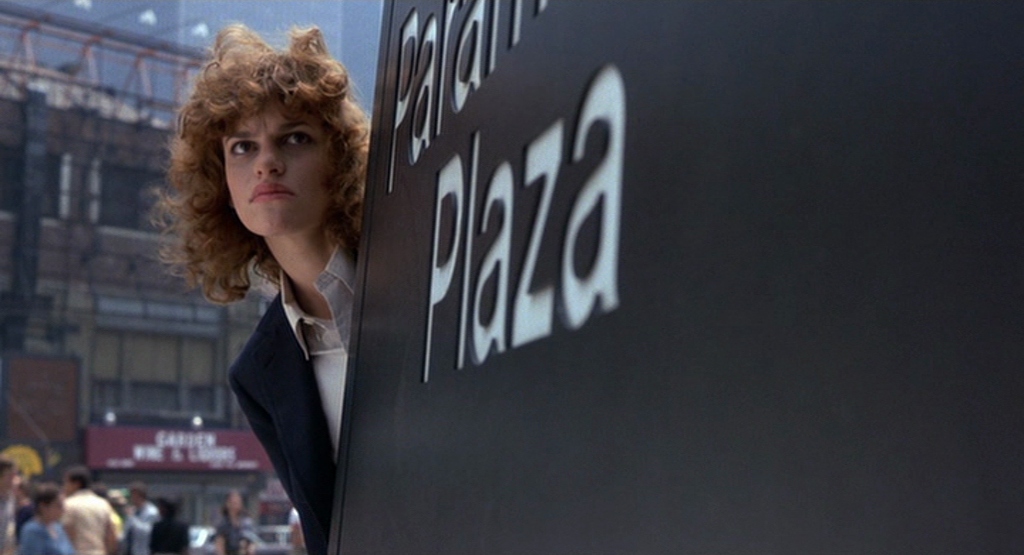
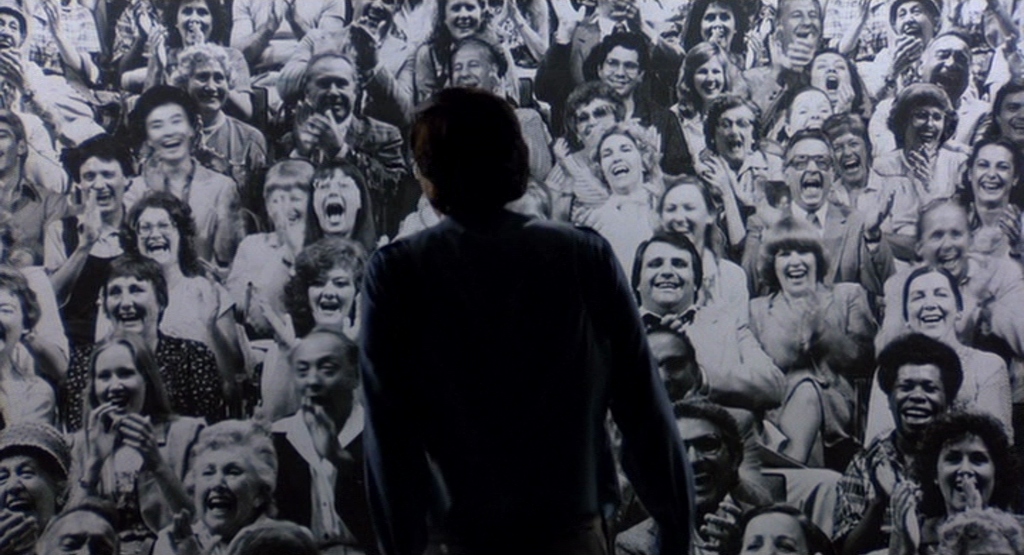
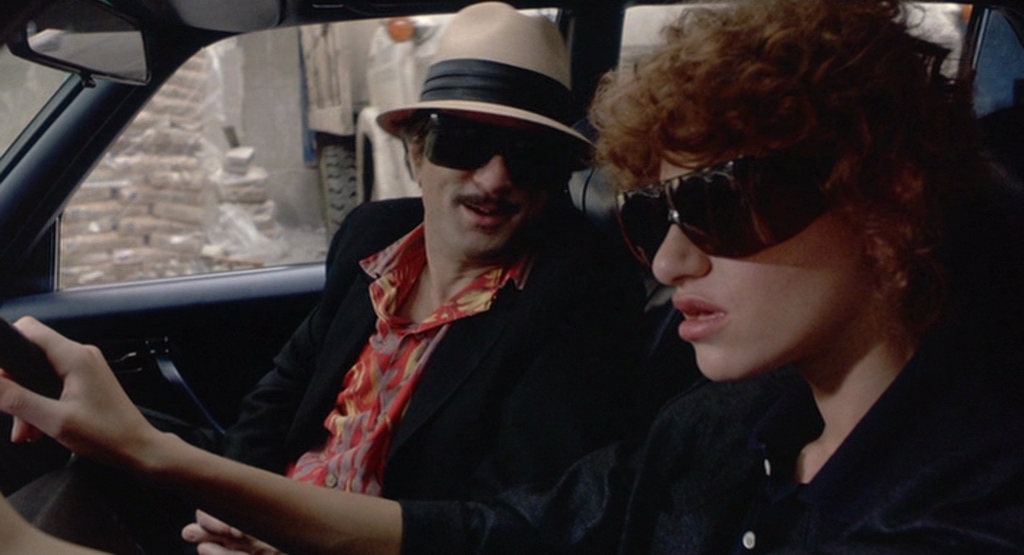
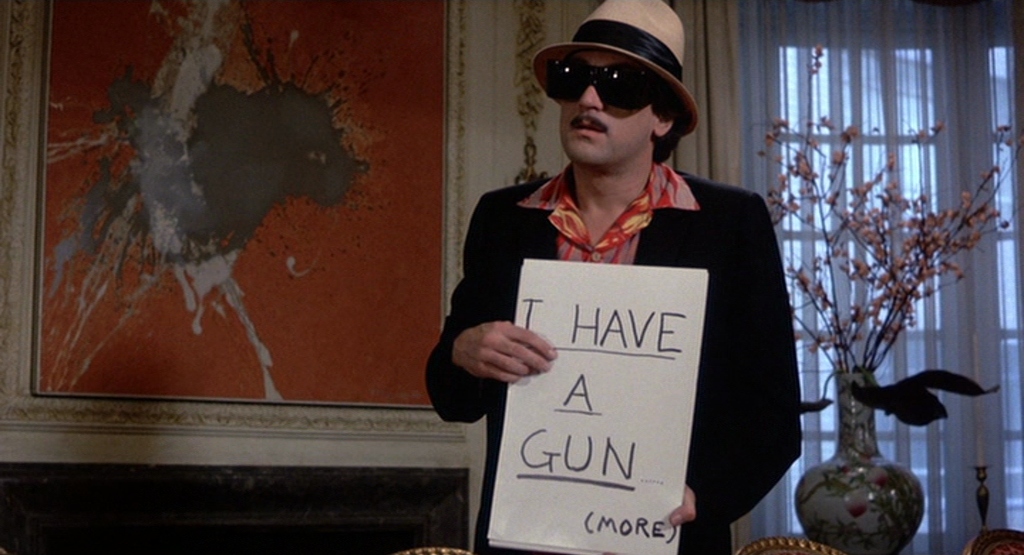
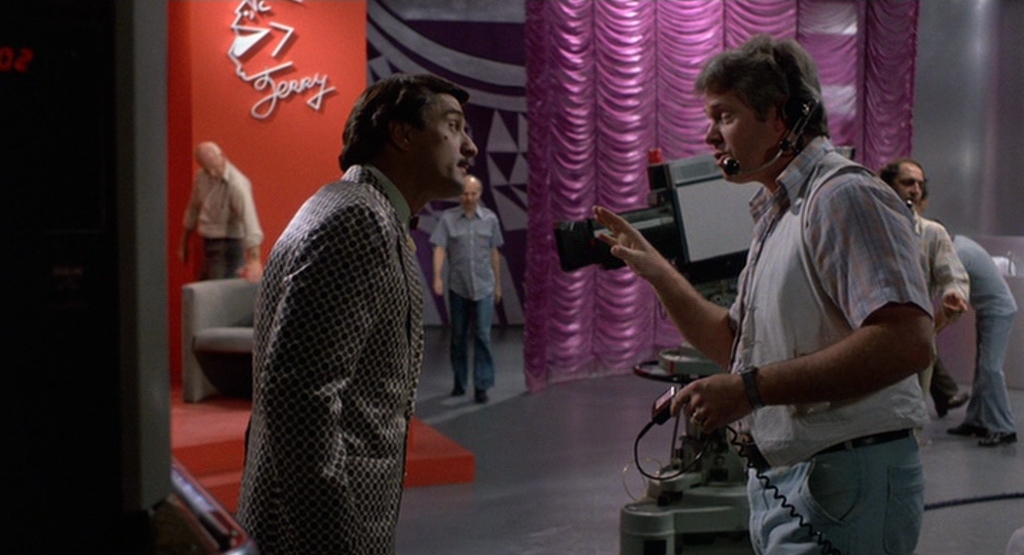
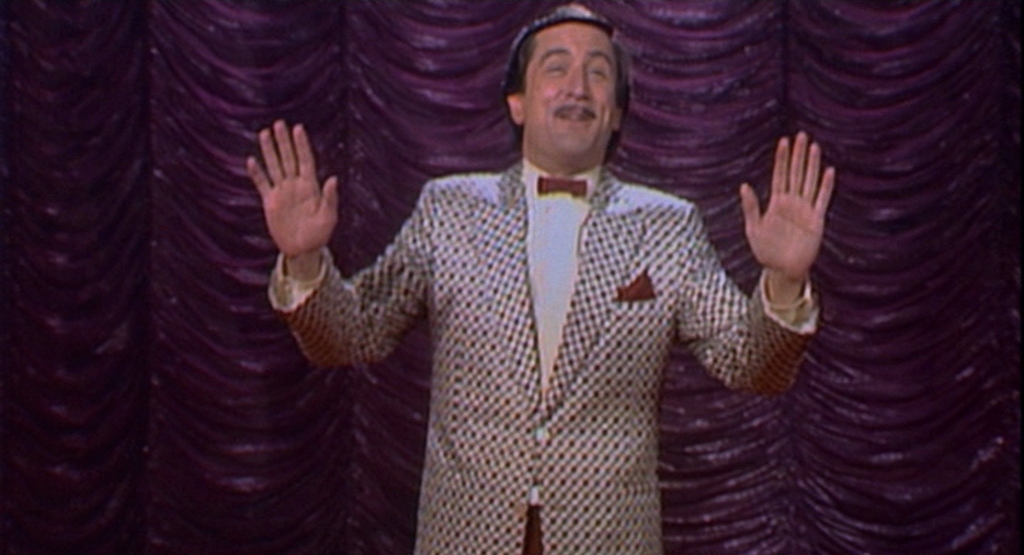
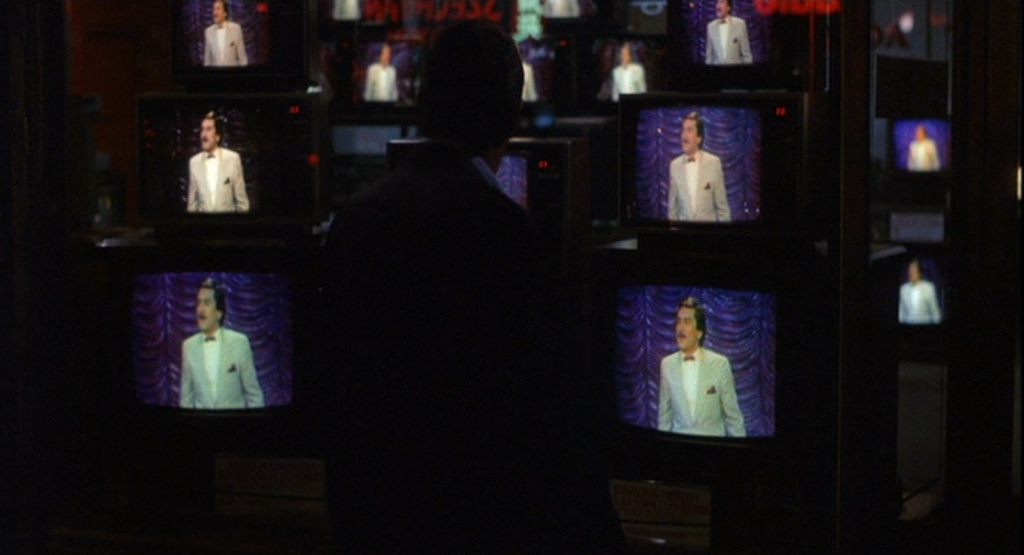
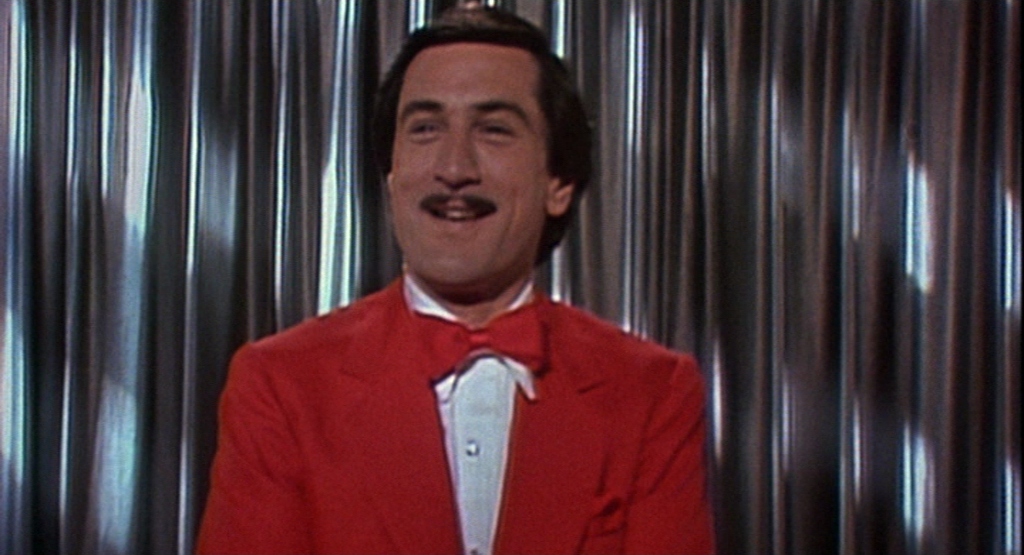
24 frames from Martin Scorsese’s The King of Comedy

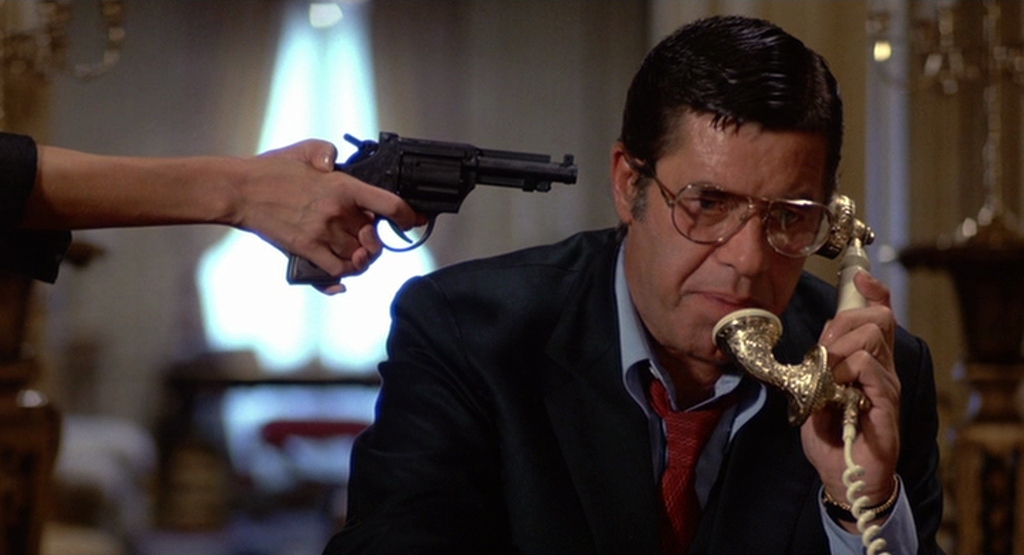
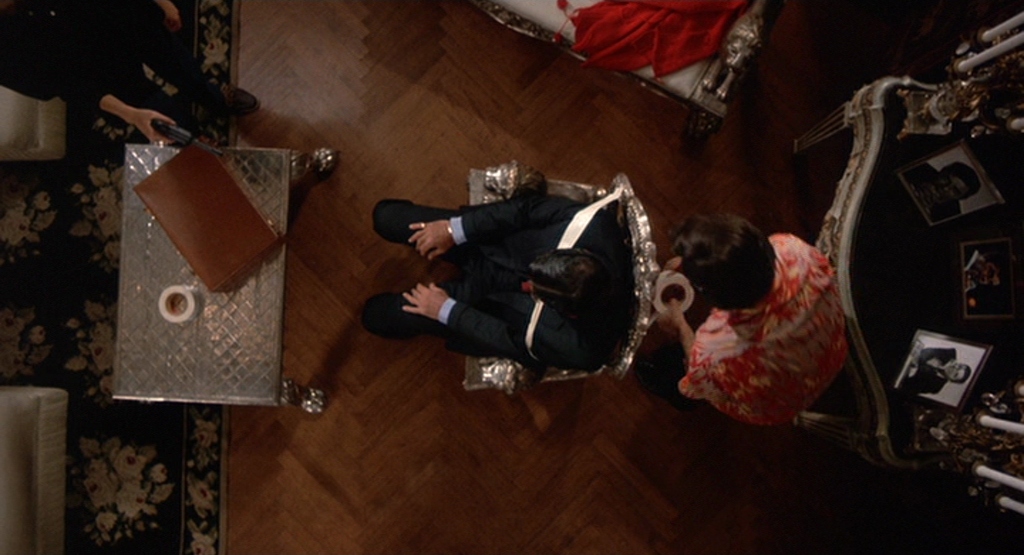
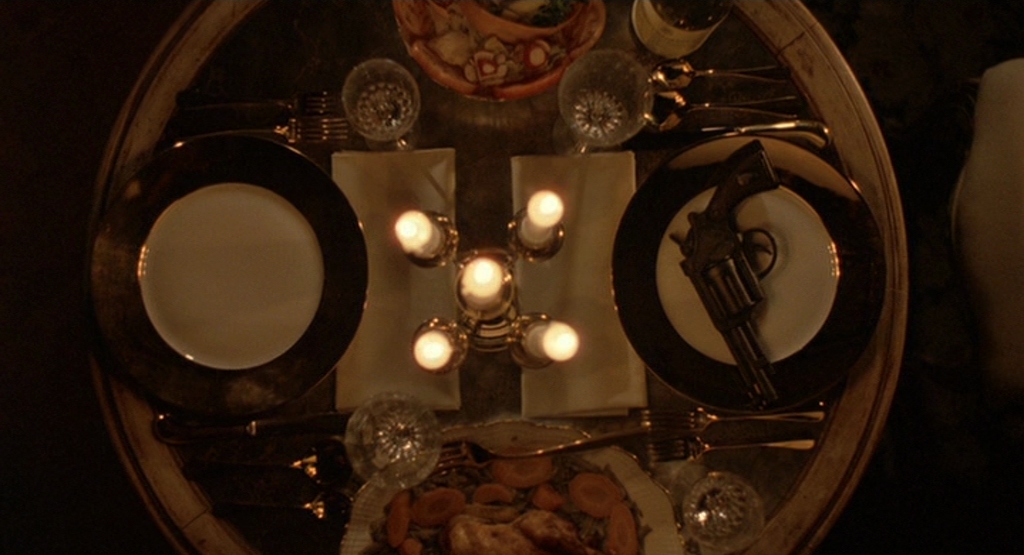
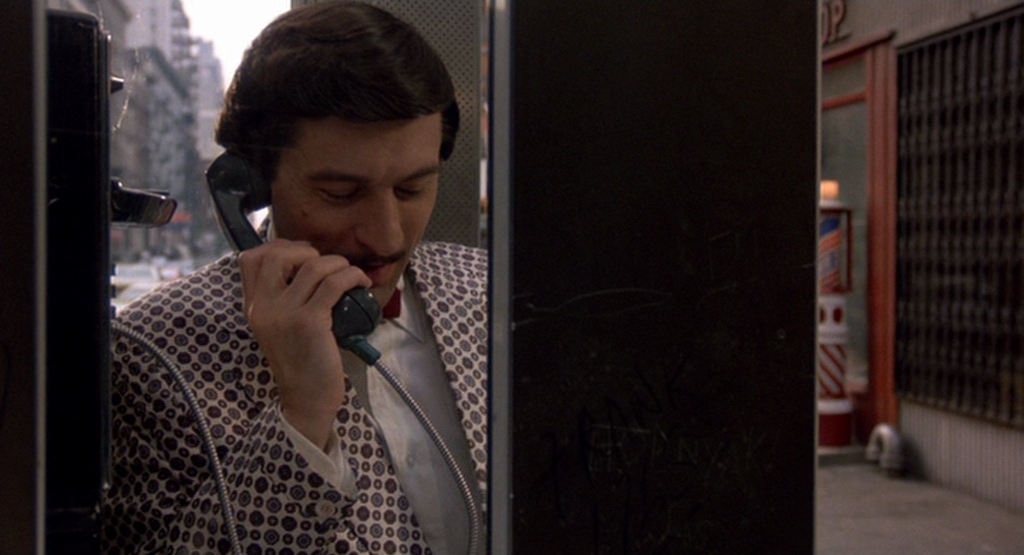
From The King of Comedy, 1982. Directed by Martin Scorsese. Cinematography by Fred Schuler. Stills via Film Grab.

William Friedkin describes creating Sorcerer’s bridge-crossing sequence

The most important scene in the film and the most difficult I’ve ever attempted is the bridge-crossing sequence, wherein the two trucks have to separately cross an old wooden suspension bridge that appears completely unstable. The bridge was anchored by crossbeams at each end, and the ropes suspending it were frayed, the wooden planks rotted and in some places absent. The crossing takes place over a rushing river during a blinding rainstorm. John Box designed the bridge so that it was controlled by a concealed hydraulic system with metallic supports. Each truck, as it crossed, was attached invisibly to the bridge so that it would sway but not capsize. That was the theory. Built at a cost of a million dollars, the bridge took three months to complete and was totally realistic, but it was a mad enterprise and definitely life-threatening.

We found the perfect river over which to build it, with a strong current and a depth of twelve feet. The river was more than two hundred feet wide, so that dictated the length of the bridge. Thick forest flanked it at each end.

As the weeks unfolded, there was little rainfall, and the river was diminishing. How could this be? Local experts and army engineers assured us that the river had never gone down. But slowly, agonizingly, it was doing just that. From twelve feet, the water level dropped down to ten, then eight, then five. By the time the bridge was finished, there was a little over a foot of water; and then the river dried up entirely! We had constructed a bridge over nothing. This was becoming a cursed project. With costs escalating and so many on the crew lost to illness and burnout, the sensible thing to do was to come up with a simpler sequence. That was the advice of all the executives, but I had become like Fitzcarraldo, the man who built an opera house in the Brazilian jungle. When I saw the finished bridge, I believed that if I could film the scene as I conceived it, it would be one of the greatest in film history. My obsession was out of control, and if I hadn’t been so successful over the past few years, I would have been ordered to stop. The two studios bet on me against their better judgment, because they thought I still had the mojo; maybe I was so in tune with audience tastes that costs wouldn’t matter. No one in his right mind would have continued on this course, but no one was in his right mind. I had the confidence, the energy, and the drive of an Olympic downhill skier, and those who stayed with me—the camera crew, the grips, electric, props, John Box, Roy Walker, my assistant director, Newt Arnold, and Bud Smith—all shared my passion. So we dispatched scouts to Mexico, to the Papaloapan River outside the town of Tuxtepec, where we had been told there were rushing waters in similar terrain that had never dropped in level, “the memory of man runneth not to the contrary.” John Box went to Mexico and came back with photos that matched our Dominican location perfectly. We dismantled the bridge and left the Dominican Republic with only two scenes left to shoot. We had to shut down while holding on to our four principal actors and key crew.

We flew to Vera Cruz, a shadowy seaport on Mexico’s Gulf Coast, which would be our base for three days, while John organized the precise location to rebuild the bridge. I discovered a small hotel in Plaza de las Armas, the main square. The tree-lined square was filled with mariachi bands and old men playing dominoes, smoking cigars, and drinking locally grown coffee. We filmed a prologue for Paco Rabal’s character Nilo, who kills a man execution-style in a room at the hotel overlooking the peaceful plaza below.

Our next stop was Tuxtepec in Oaxaca Province, one hundred miles to the south and east of Vera Cruz. From here we pushed farther south into the jungle surrounding the Papaloapan, to what had been an ancient Aztec village, with a small peasant population. The weather was humid, and thick, lush vegetation surrounded the fifteen-foot-deep branch of the swiftly rushing river. The bridge was already designed and built, so now it was a matter of reassembling and anchoring it. The shutdown of production lasted a month while we regrouped, at great expense to management. When we arrived at the Aztec village, I noticed what appeared to be a mass exodus of the local population. One of the authorities told me it was because of word of my arrival. They were a deeply religious people, and the man who made The Exorcist was coming to their village: bad karma. But a few of the locals and people from surrounding villages stayed and worked with us to put up the bridge.

I know this is hard to believe, but again the river level began to drop, at the rate of six inches or more a day. We had been told it rained often in this area, but we weren’t told that rain occurred only in the summer season. It was now the fall. I could see where this was going, but there was no turning back.

I became friendly with the local laborers. I used to share cervezas with them after a day’s work. One evening a man named Luis, who helped to organize the local crew, knocked on the door of my cabin. We all stayed in small wooden cabins in the jungle, the size of prison cells, with only an army cot, a chair, and a single hanging lightbulb. Luis asked if he might have a word with me. I was exhausted, but he was a good man who worked hard with a pick and shovel all day. I invited him in, and he handed me a beer and had one himself. We sat down and exchanged small talk for a few minutes; then he reached into his shirt pocket and pulled out what looked like an identity card but was on closer examination a badge. His look turned serious and sad. “Si, Señor Bill, I am Federales.” He was a federal agent assigned to work undercover on our set. “I have to inform you of an unfortunate situation,” he said. “There are members of your crew who are using drugs. This is a serious problem in my country.”

Was this a shakedown? “In a normal situation,” he continued, “I would be obliged to arrest them, and they would go to prison. Because I like you, I will not arrest them.” I was shocked; I wasn’t aware of who was using, or what. I thanked him and promised to make sure this activity stopped. “But they have to leave the country. Tomorrow,” he added. “Tomorrow?” “Sí.”

He gave me a dozen names, handwritten on a scrap of paper. They included members of the grip crew, some of the stuntmen, and the makeup artist. I told him this would seriously damage my ability to finish the film. “I am sorry,” he said quietly. “I’m sure you don’t want them to go to prison, and it is within my authority to arrest or send you all home, even those who are not using drugs. This is the best I can do; these people have to leave Mexico tomorrow.”

And so they did. It took two weeks to replace key people who had been with the film from the beginning, while the river continued to decline to a height of just under three feet, then became a stagnant pool. I called a meeting of the crew and explained the situation without inquiring who else was using. It was clear that anyone using would be caught and arrested. There were no more “unfortunate situations,” and thankfully the actors weren’t at risk, or we’d have been forced to shut the picture down.

We were able to divert sections of the river to our location using large pipes and pumping equipment, and I decided to shoot the scene in rain, manmade rain, so we brought in half a dozen large sprinklers that drew water from upriver. The sky was cloudy from morning until noon, then bright sun appeared and we had to shut down and go to our cabins until five o’clock, when the clouds rolled in again and we could resume shooting in matching light. The scene runs twelve minutes, roughly 10 percent of the final cut, but it took months to complete and cost more than $3 million, most of it not budgeted. The only thing that could save me was a hit picture. I had no doubt it would be. The performances were terrific, and the action scenes were original and believable.
Though the bridge scene was carefully prepared, the trucks would occasionally fall to one side. No one was hurt or injured, and none of the actors took the fall, only the stuntmen, who were heavily padded with flotation gear. I ran three cameras at different angles, but with the split shooting days it seemed as though we’d never be able to complete the scene. By the time it was over, a month later, I was exhausted and stressed but relieved, proud of the film but anxious to get home.

From William Friedkin’s memoir The Friedkin Connection.

Thanatopsis — Ed Emshwiller

Meshes of the Afternoon

Half-Cocked

16 frames from Julia Ducournau’s Titane

From Titane, 2021. Directed by Julia Ducournau with cinematography by Ruben Impens. Via FilmGrab.