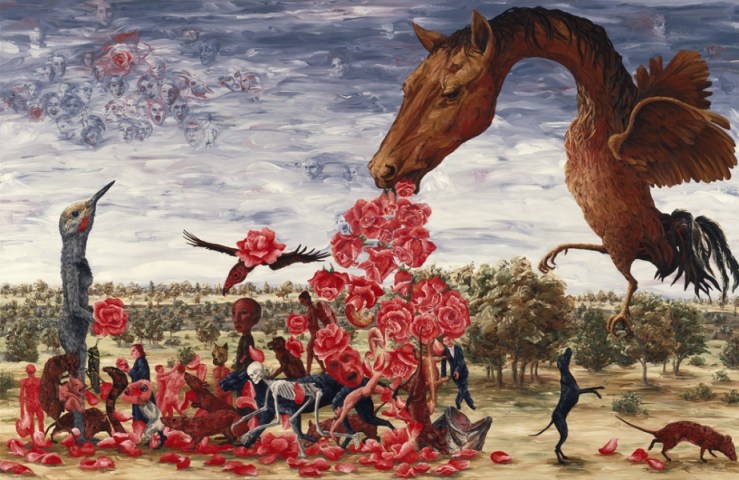
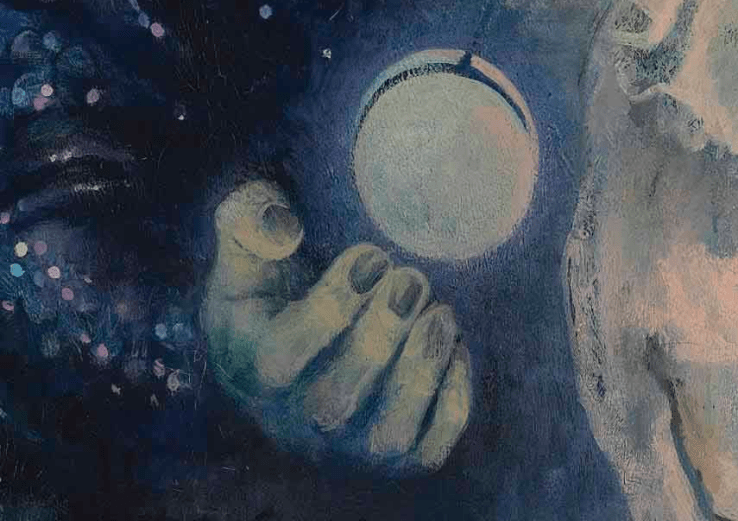
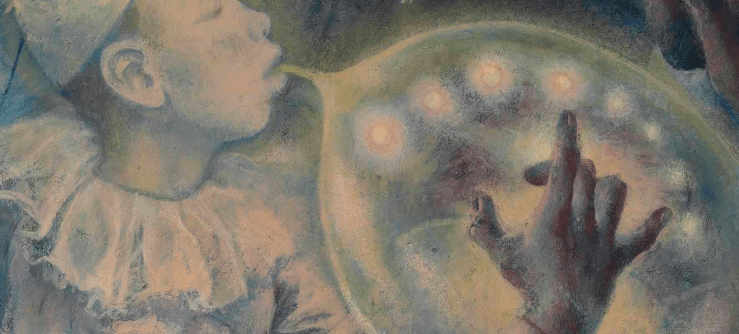
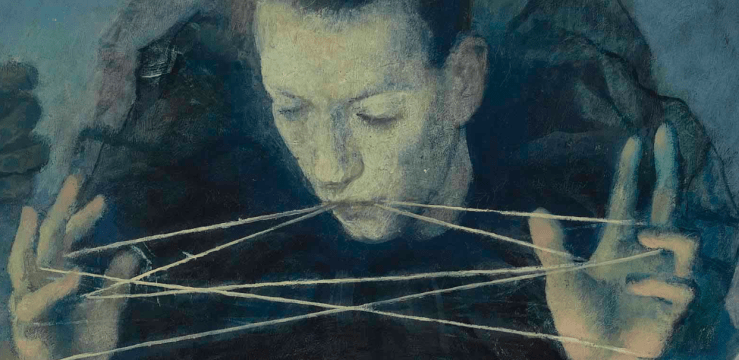
Liar — Melissa Miller

48

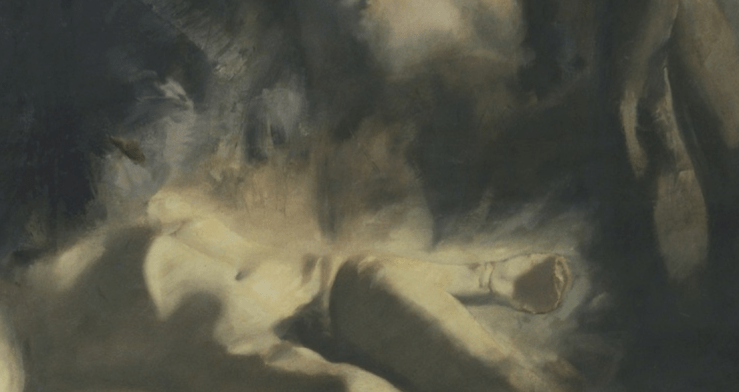
Liar, 1990 by Melissa Miller (b. 1951)

Read “The Babysitter,” a short story by Robert Coover

“The Babysitter”

by

Robert Coover


She arrives at 7:40, ten minutes late, but the children, Jimmy and Bitsy, are still eating supper, and their parents are not ready to go yet. From other rooms come the sounds of a baby screaming, water running, a television musical (no words: probably a dance number — patterns of gliding figures come to mind). Mrs Tucker sweeps into the kitchen, fussing with her hair, and snatches a baby bottle full of milk out of a pan of warm water, rushes out again. ‘Harry!’ she calls. ‘The babysitter’s here already!’

***

That’s My Desire? I’ll Be Around? He smiles toothily, beckons faintly with his head, rubs his fast balding pate. Bewitched, maybe? Or, What’s the Reason? He pulls on his shorts, gives his hips a slap. The baby goes silent in mid-scream. Isn’t this the one who used their tub last time? Who’s Sorry Now, that’s it.

***

Jack is wandering around town, not knowing what to do. His girlfriend is babysitting at the Tuckers’, and later, when she’s got the kids in bed, maybe he’ll drop over there. Sometimes he watches TV with her when she’s babysitting, it’s about the only chance he gets to make out a little since he doesn’t own wheels, but they have to be careful because most people don’t like their sitters to have boyfriends over. Just kissing her makes her nervous. She won’t close her eyes because she has to be watching the door all the time. Married people really have it good, he thinks. Continue reading “Read “The Babysitter,” a short story by Robert Coover”

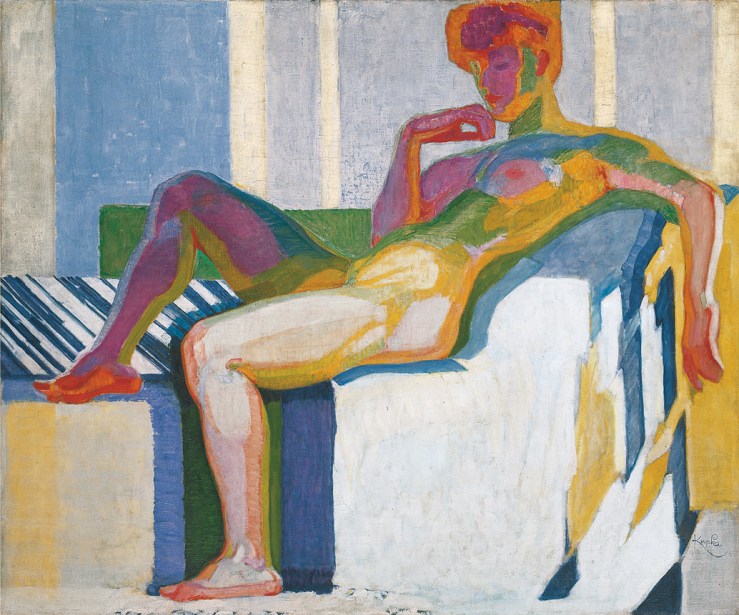
Planes by Colors (Great Nude) — Frantisek Kupka

ob_24a1e6_2004-del-impresionismo-al-arte-abstrac

Planes by Colors (Great Nude), 1909 by Frantisek Kupka (1871-1957)

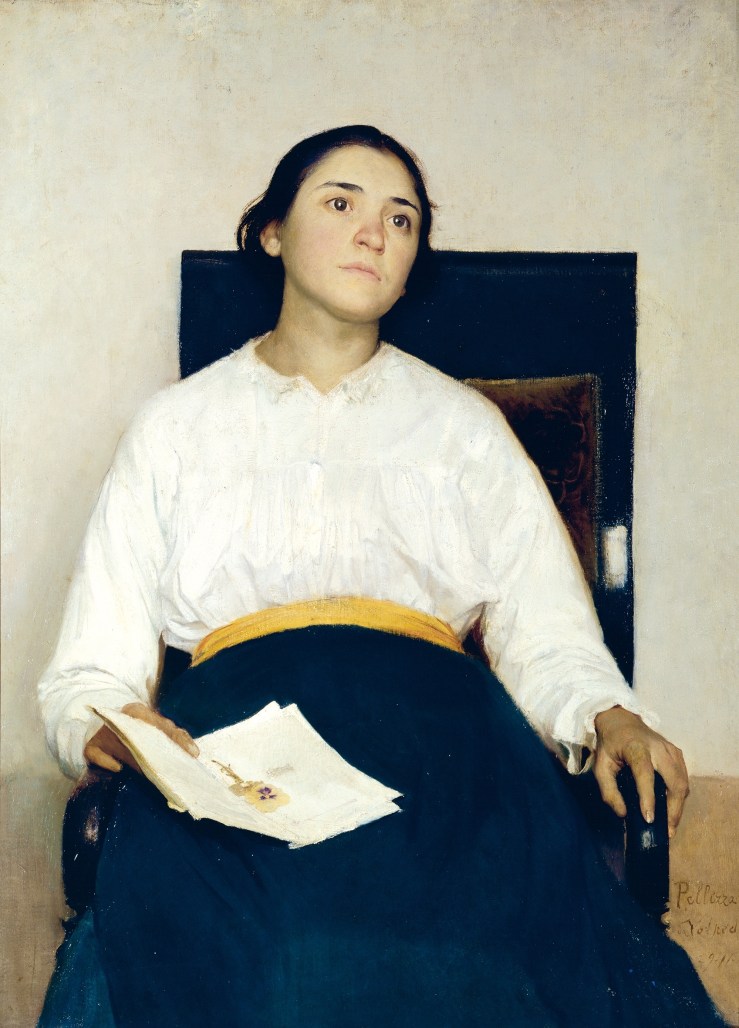
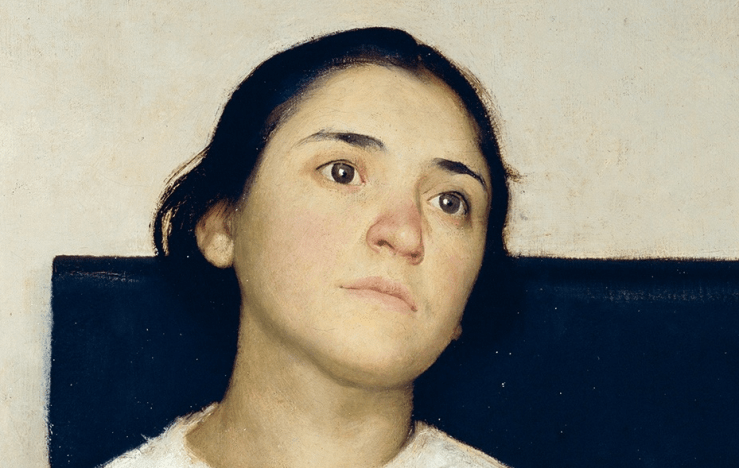
Painful Memory — Giuseppe Pellizza da Volpedo

stati-d-animo

Ricordo di un dolore (Ritratto di Santina Negri), 1889 by Giuseppe Pellizza da Volpedo (1868–1907)

Screenshot 2018-09-26 at 2.04.15 PMScreenshot 2018-09-26 at 2.04.36 PMScreenshot 2018-09-26 at 2.07.18 PM

Cornelia and Cornelius — Leonora Carrington

Screenshot 2018-09-03 at 10.27.40 PM

Cornelia and Cornelius, 1974 by Leonora Carrington (1917–2011)

“Was” by William Faulkner

“Was”

by

William Faulkner

from Go Down, Moses


Isaac McCaslin, ‘Uncle Ike’, past seventy and nearer eighty than he ever corroborated any more, a widower now and uncle to half a county and father to no one

this was not something participated in or even seen by himself, but by his elder cousin, McCaslin Edmonds, grandson of Isaac’s father’s sister and so descended by the distaff, yet notwithstanding the inheritor, and in his time the bequestor, of that which some had thought then and some still thought should have been Isaac’s, since his was the name in which the title to the land had first been granted from the Indian patent and which some of the descendants of his father’s slaves still bore in the land. But Isaac was not one of these:-a widower these twenty years, who in all his life had owned but one object more than he could wear and carry in his pockets and his hands at one time, and this was the narrow iron cot and the stained lean mattress which he used camping in the woods for deer and bear or for fishing or simply because he loved the woods; who owned no property and never desired te since the earth was no man’s but all men’s, as light and air and weather were; who lived still in the cheap frame bungalow in Jefferson which his wife’s father gave them on their marriage and which his wife had willed to him at her death and which he had pretended to accept, acquiesce to, to humor her, ease her going but which was not his, will or not, chancery dying wishes mortmain possession or whatever, himself merely holding it for his wife’s sister and her children who had lived in it with him since his wife’s death, holding himself welcome to live in one room of it as he had during his wife’s time or she during her time or the sister-in-law and her children during the rest of his and after not something he had participated in or even remembered except from the hearing, the listening, come to him through and from his cousin McCaslin born in 1850 and sixteen years his senior and hence, his own father being near seventy when Isaac, an only child, was born. rather his brother than cousin and rather his father than either, out of the old time, the old days.

When he and Uncle Buck ran back to the house from discovering that Tomey’s Turl had run again, they heard Uncle Buddy cursing and bellowing in the kitchen, then the fox and the dogs came out of the kitchen and crossed the hall into the dogs’ room and they heard them run through the dogs’ room into his and Uncle Buck’s room then they saw them cross the hall again into Uncle Buddy’s room and heard them run through Uncle Buddy’s room into the kitchen. Where Uncle Buddy was picking the breakfast up out of the ashes and wiping it off with his apron. “What in damn’s hell do you mean,” he said “turning that damn fox out with the dogs all loose in the house?”

“Damn the fox” Uncle Buck said. “Tomey’s Turl has broke out again. Give me and Cass some breakfast quick we might just barely catch him before he gets there.” Continue reading ““Was” by William Faulkner”

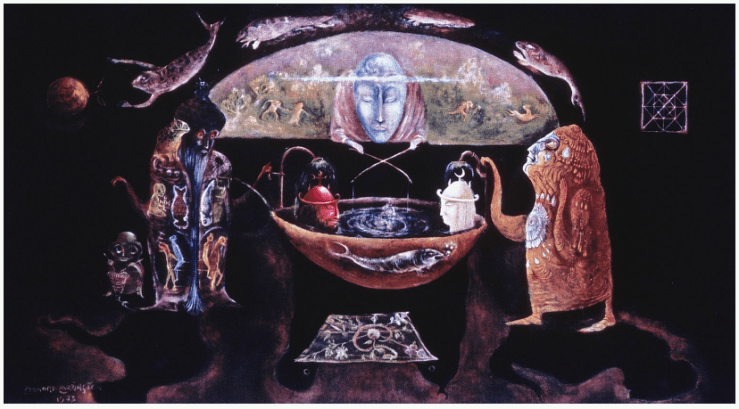
Tuesday — Leonora Carrington

tuesday

Tuesday, 1946 by Leonora Carrington (1917–2011)

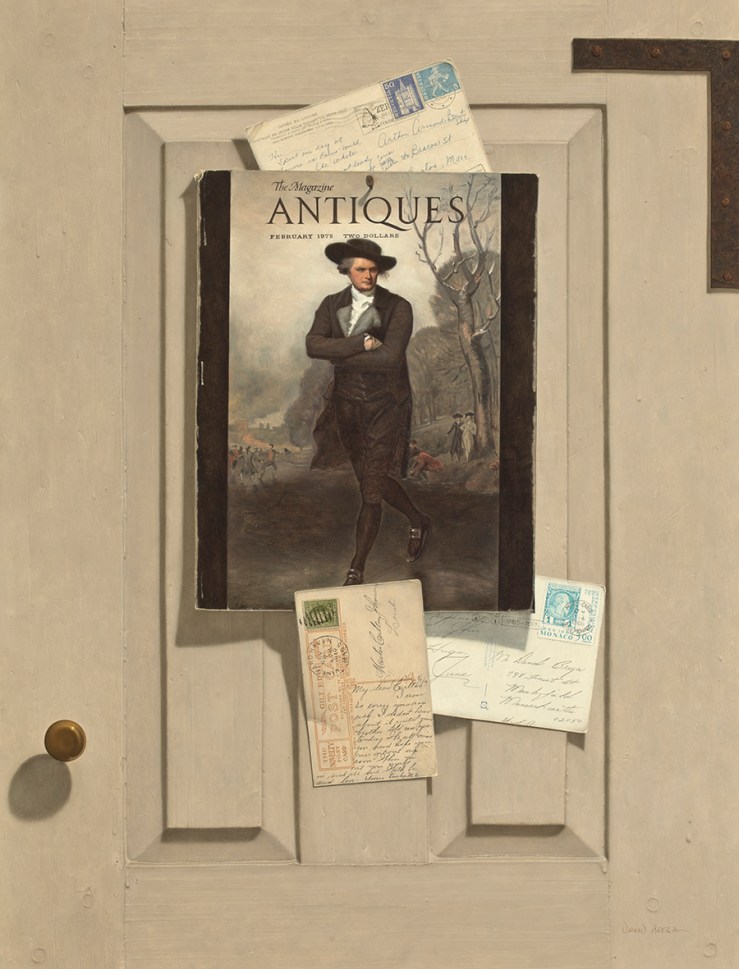
The Magazine Antiques — David Brega

brega_themagazineantiques_300dpi

The Magazine Antiques, 1986 by David Brega (b. 1948)

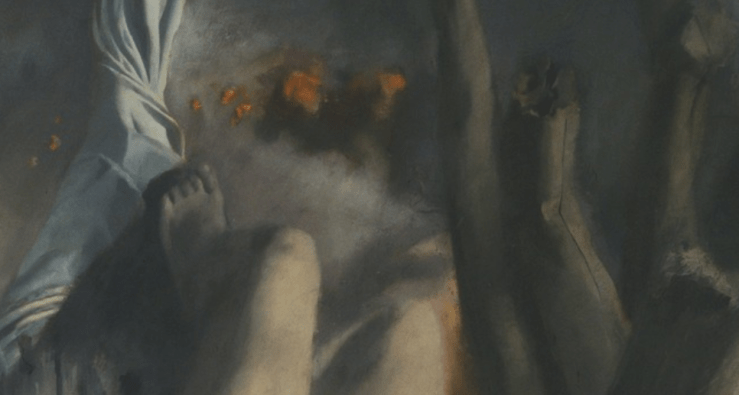
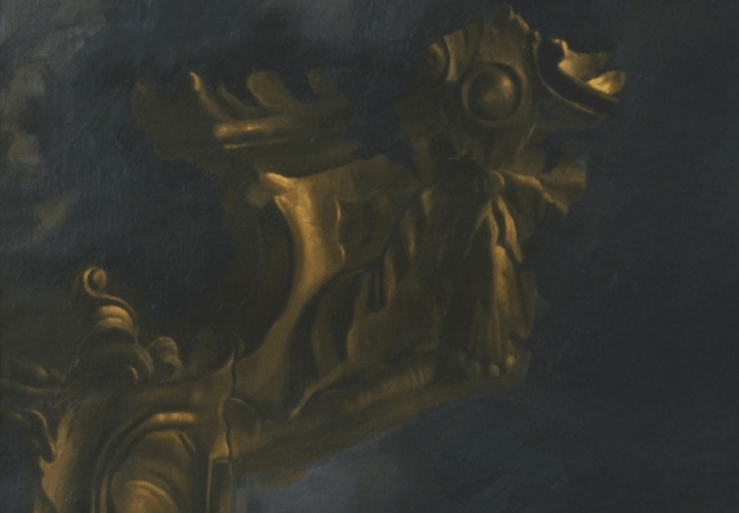
Composition with Still Life — Edwin Dickinson

edwindickinsonScreenshot 2018-09-23 at 4.32.18 PMScreenshot 2018-09-23 at 4.32.08 PMScreenshot 2018-09-23 at 4.31.53 PMScreenshot 2018-09-23 at 4.31.36 PM

Composition with Still Life, 1937 by Edwin Dickinson (1891-1978)

“September, 1918” — Amy Lowell

“September, 1918”

by

Amy Lowell


This afternoon was the colour of water falling through sunlight;
The trees glittered with the tumbling of leaves;
The sidewalks shone like alleys of dropped maple leaves,
And the houses ran along them laughing out of square, open windows.
Under a tree in the park,
Two little boys, lying flat on their faces,
Were carefully gathering red berries
To put in a pasteboard box.
Some day there will be no war,
Then I shall take out this afternoon
And turn it in my fingers,
And remark the sweet taste of it upon my palate,
And note the crisp variety of its flights of leaves.
To-day I can only gather it
And put it into my lunch-box,
For I have time for nothing
But the endeavour to balance myself
Upon a broken world.

Sunburnt — Julio Larraz

sunburnt1

Sunburnt, 2013 by Julio Larraz (b. 1944)

Poe Poe Poe Poe Poe Poe Poe (Book acquired, 21 Sept. 2018)

img_1111

After flirting with the thing after first spying it a few weeks ago, I finally broke down and picked up Daniel Hoffman’s 1972 biography Poe Poe Poe Poe Poe Poe Poe. It is too weird not to be mine. Here is a good review of the book.

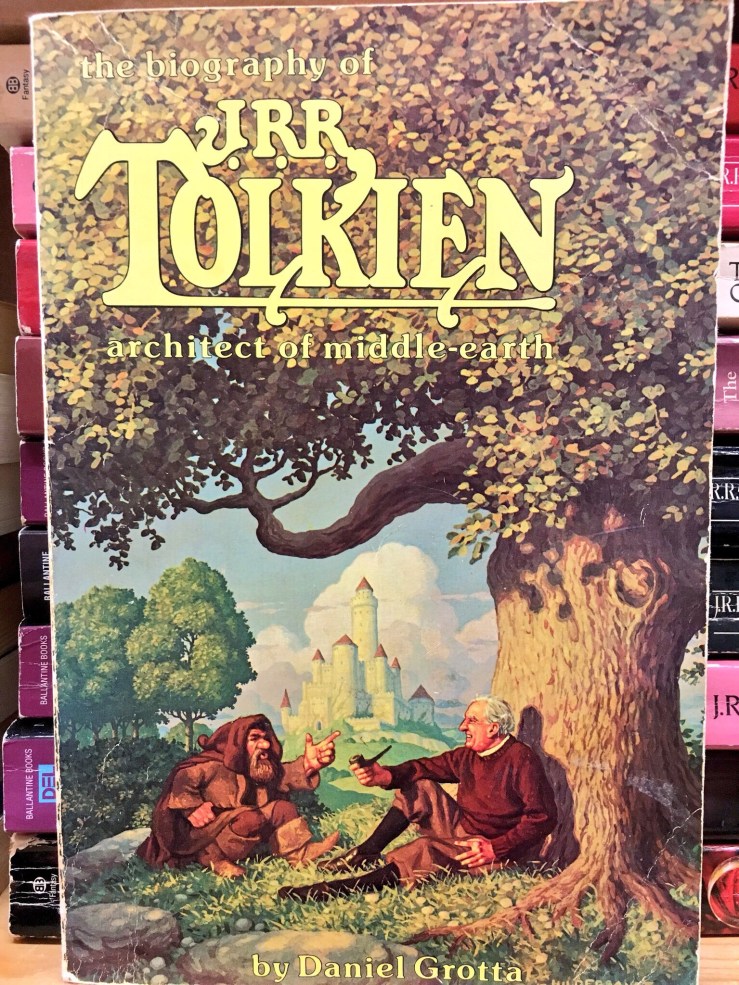
I spied but did not pick up this biography of JRR Tolkien, but its cover is utterly charming.

img_1101

Untitled (Ark) — Hans-Georg Rauch

img_1107

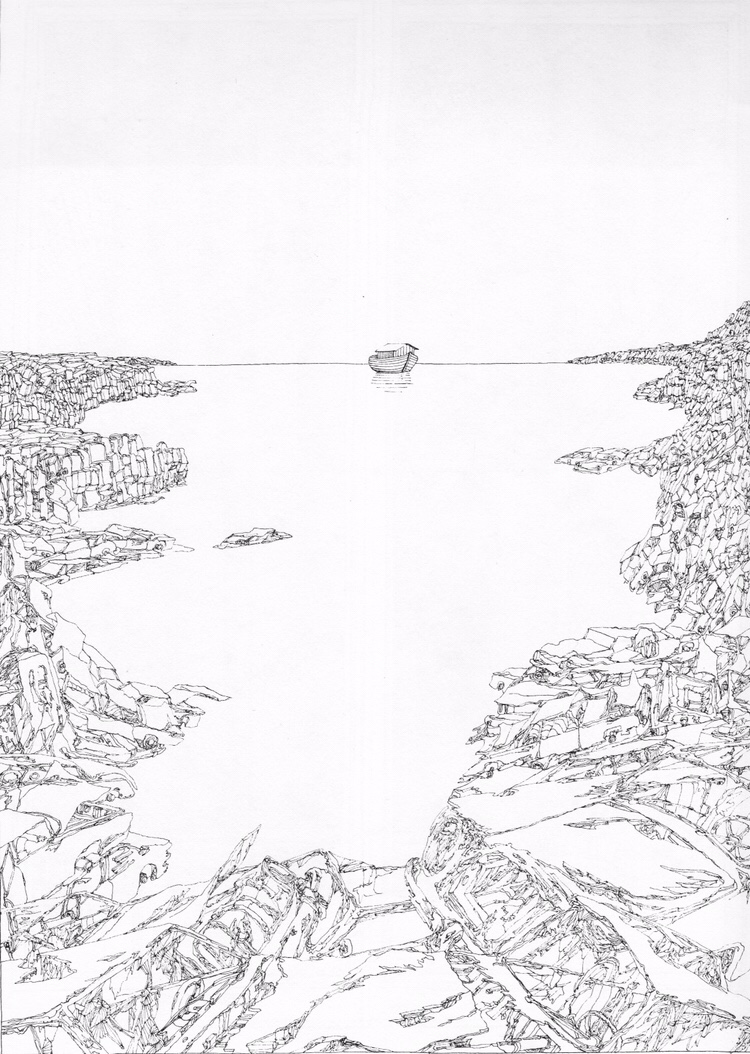
From HG Rauch’s En Masse (Collier, 1975).

The Concert — Pavel Tchelitchew

2016_cks_13765_0020_000pavel_tchelitchew_the_concert

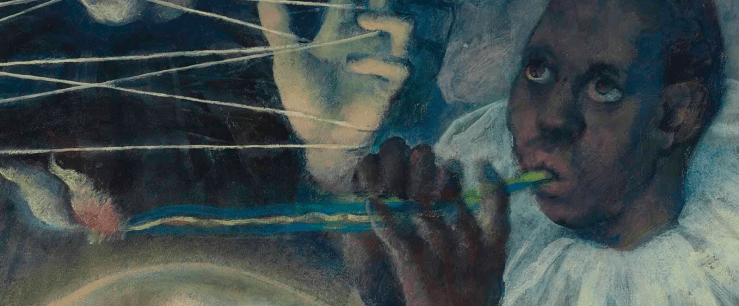
The Concert, 1933 by Pavel Tchelitchew (1898-1957)

Screenshot 2018-09-21 at 6.05.04 PMScreenshot 2018-09-21 at 6.04.44 PMScreenshot 2018-09-21 at 6.04.14 PMScreenshot 2018-09-21 at 6.03.41 PM

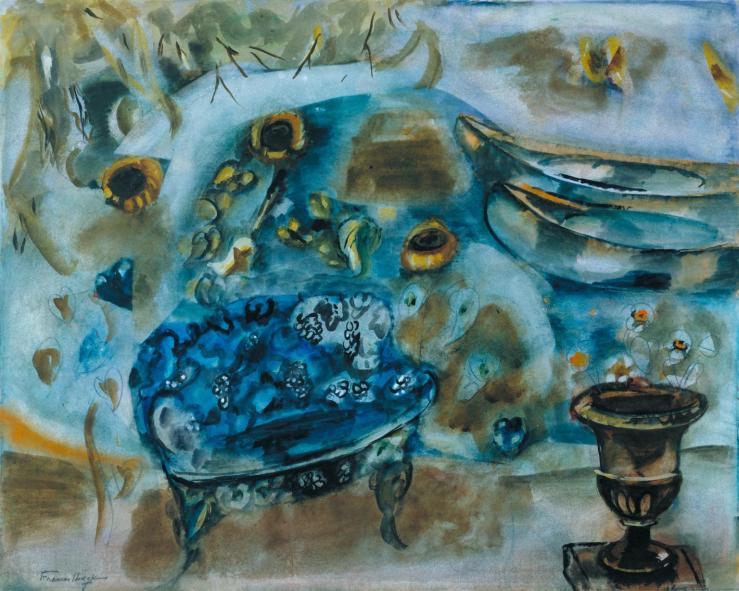
The Lake — Frances Hodgkins

The Lake c.1930-5 by Frances Hodgkins 1869-1947

The Lake, c. 1935 by Frances Hodgkins (1869–1947)

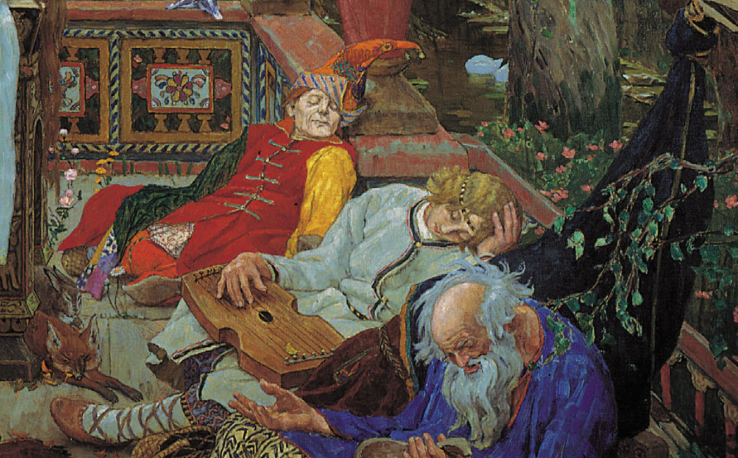
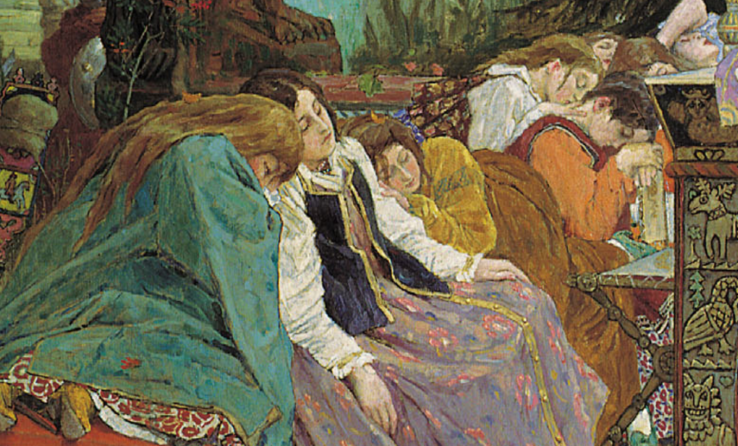
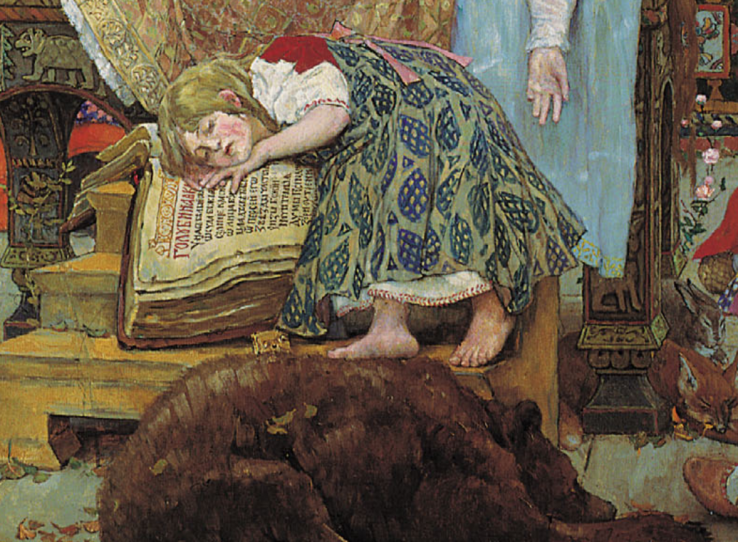
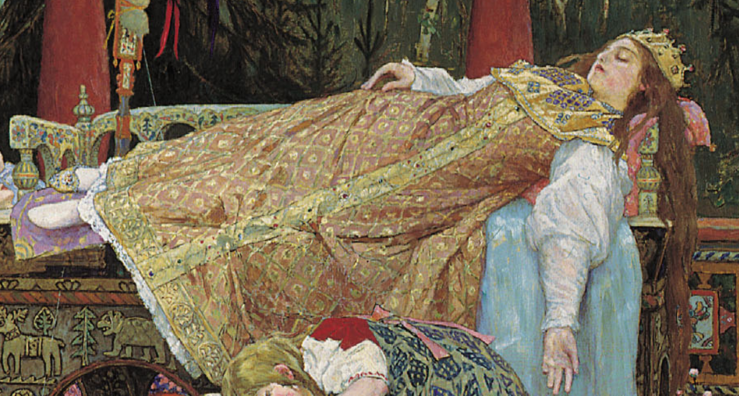
The Sleeping Princess — Viktor Vasnetsov

unnamed-file

The Sleeping Princess by Viktor Vasnetsov (1848-1926)

abcd

There Were No Flowers Tonight — Ivan Albright

albright

There Were No Flowers Tonight, 1929 by Ivan Albright (1897-1983)