The hoary periwigs of dandelions gone to seed | Nathaniel Hawthorne’s journal entry for May 23, 1851

May 23d.–I think the face of nature can never look more beautiful than now, with this so fresh and youthful green,–the trees not being fully in leaf, yet enough so to give airy shade to the woods. The sunshine fills them with green light. Monument Mountain and its brethren are green, and the lightness of the tint takes away something from their massiveness and ponderosity, and they respond with livelier effect to the shine and shade of the sky. Each tree now within sight stands out in its own individuality of hue. This is a very windy day, and the light shifts with magical alternation. In a walk to the lake just now with the children, we found abundance of flowers,–wild geranium, violets of all families, red columbines, and many others known and unknown, besides innumerable blossoms of the wild strawberry, which has been in bloom for the past fortnight. The Houstonias seem quite to overspread some pastures, when viewed from a distance. Not merely the flowers, but the various shrubs which one sees,–seated, for instance, on the decayed trunk of a tree,–are well worth looking at, such a variety and such enjoyment they have of their new growth. Amid these fresh creations, we see others that have already run their course, and have done with warmth and sunshine,–the hoary periwigs, I mean, of dandelions gone to seed.

Nathaniel Hawthorne’s journal entry for May 23, 1851. From Passages from the American Note-Books.

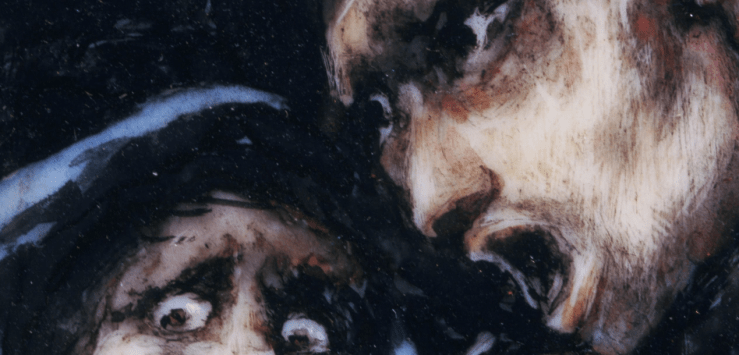
Monk Talking to an Old Woman (detail) — Francisco Goya

Screenshot 2016-05-22 at 8.47.47 PM

Bonnie ‘Prince’ Billy sings the Dead’s “If I Had the World to Give”

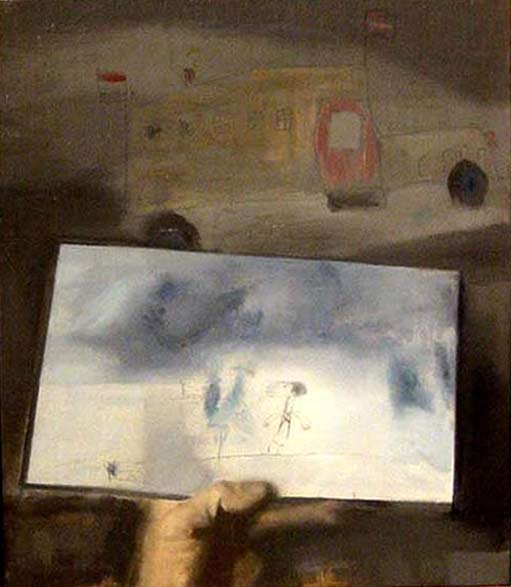
The Artist’s Hand Holding Children’s Drawings — Edwin Dickinson

the-artist-s-hand-holding-children-s-drawings-1940

Three Books

img_2089

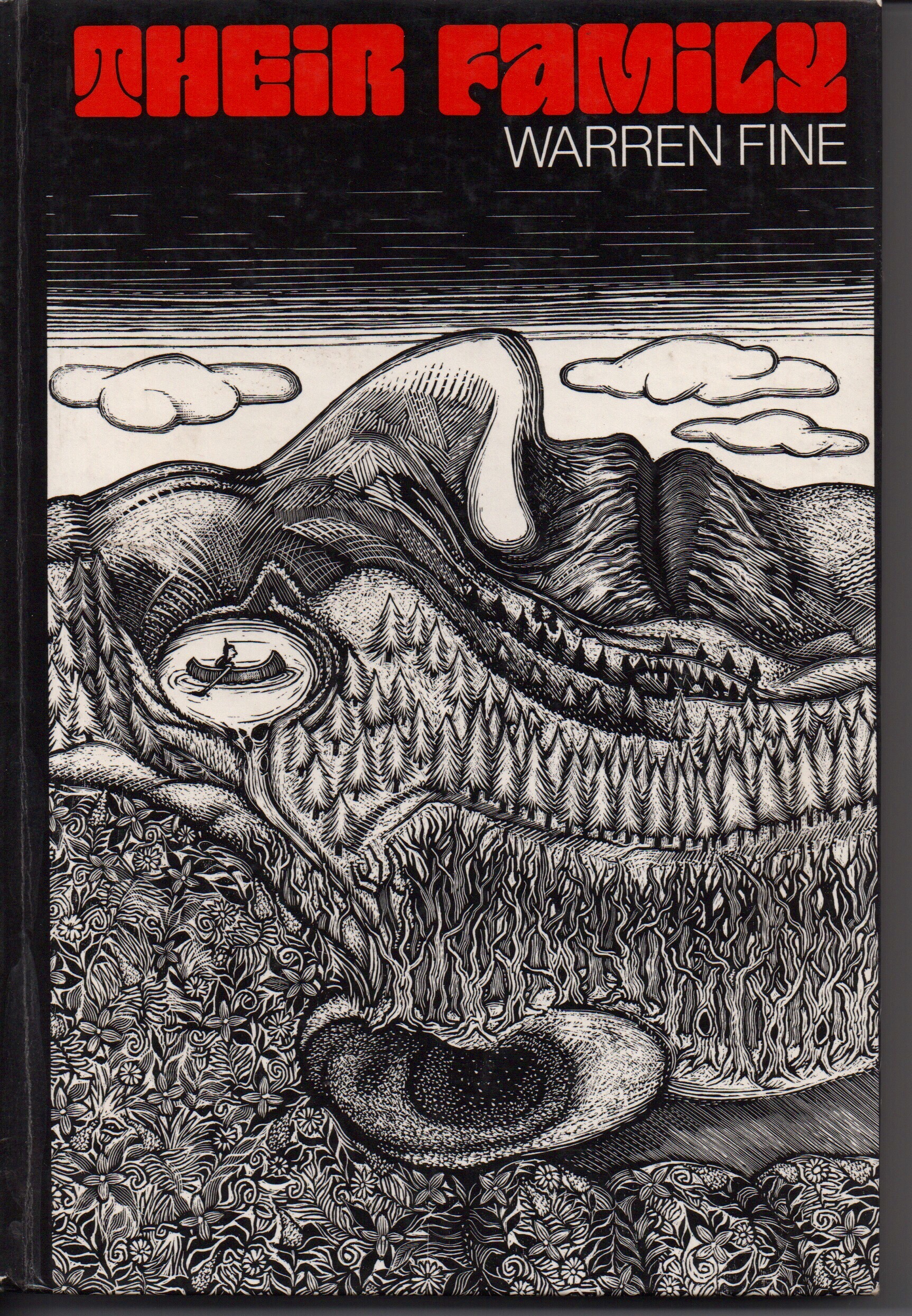
Their Familyby Warren Fine. 1972 first edition hardback from Knopf. Cover illustration by James Grashow; cover design by R.D. Scudellari. I’ll admit I had to have this because of the cover alone, although its subject matter–an American frontier journey–is also a point of interest

img_2388

Star Maker by Olaf Stapledon. 1973 Penguin paperback. Cover design by David Pelham. I first read Star Maker when I was maybe 12 or 13—in the middle of what I now think of as a massive gorging of sci-fi and fantasy novels, a kind of rushed reading I’ll maybe never be able to return to. I haven’t read it since then but would like to revisit it later this summer.

img_2390

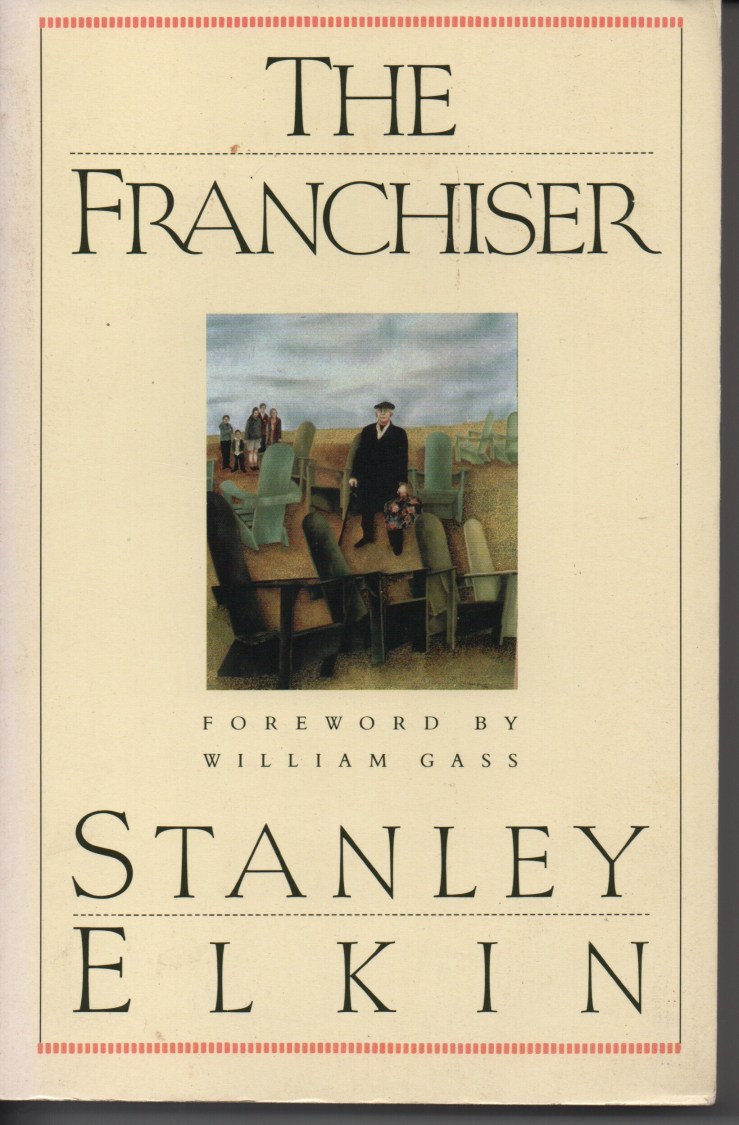
The Franchiser by Stanley Elkin. 1988 trade paperback by Nonparelil Books. Cover illustration by Joan Elkin; cover design by Louise Fili. After a few false starts I finally got into The Franchiser. I’m about half way through. It’s fucking great—a funny but scathing critique of America that seems utterly prescient (in the same way that Gaddis’s J R is a predictor novel, not just a zeitgeist novel).


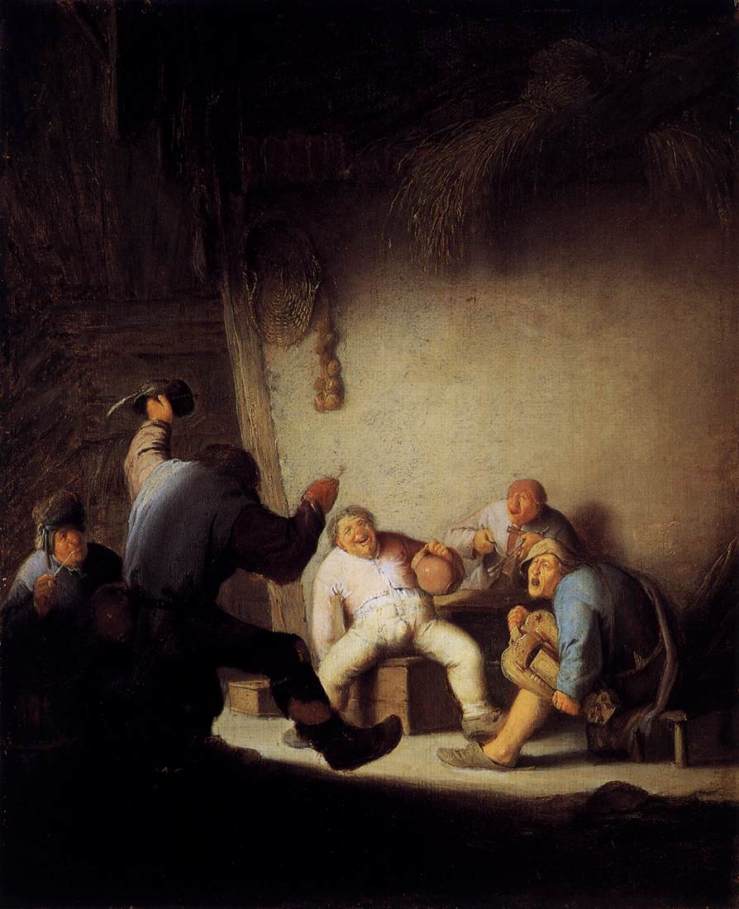
Peasants Drinking and Making Music in a Barn — Adriaen van Ostade

peasants-drinking-and-making-music-in-a-barn

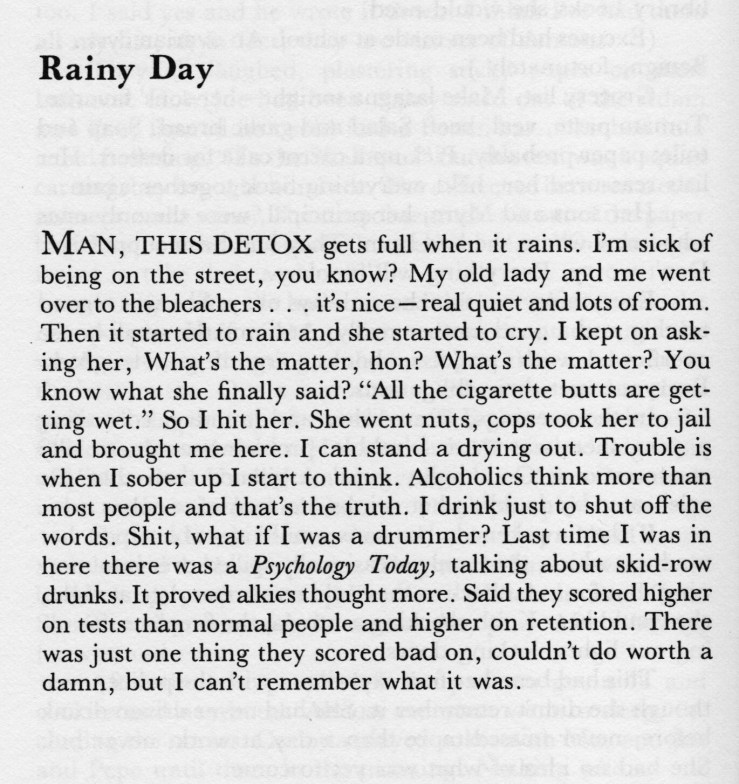
“Rainy Day” — Lucia Berlin

img_2376-1

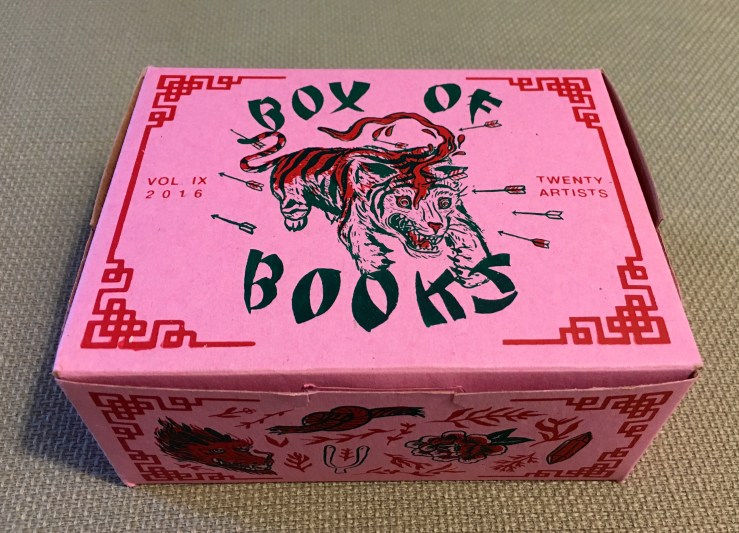
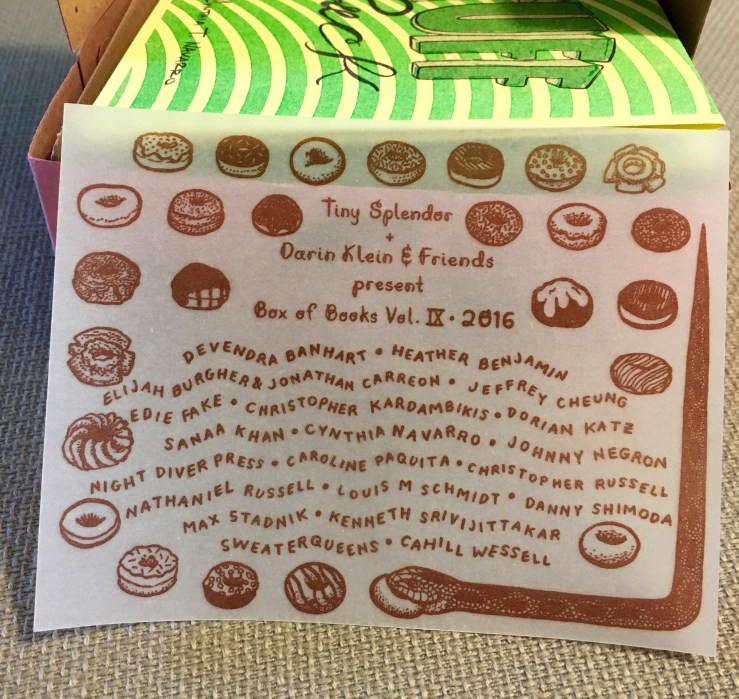
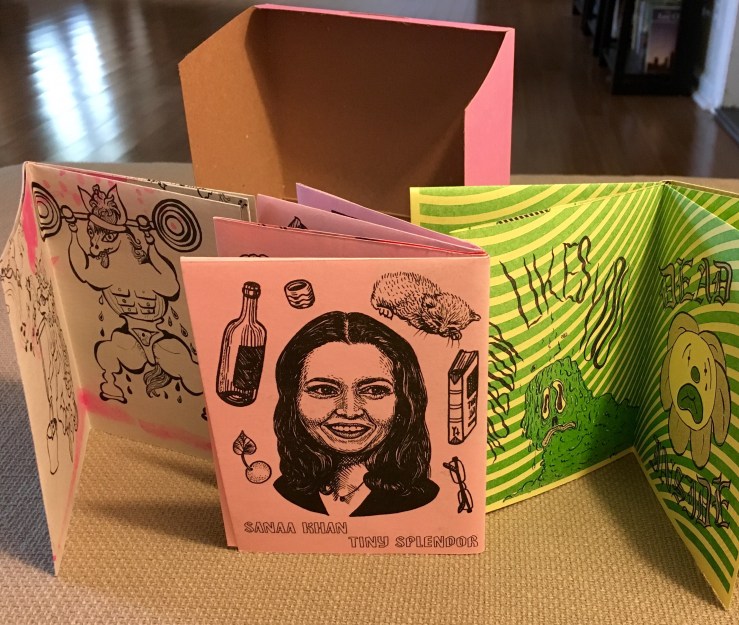
Tiny Splendor’s Box of Books Vol IX (Books acquired, 5.14.2016)

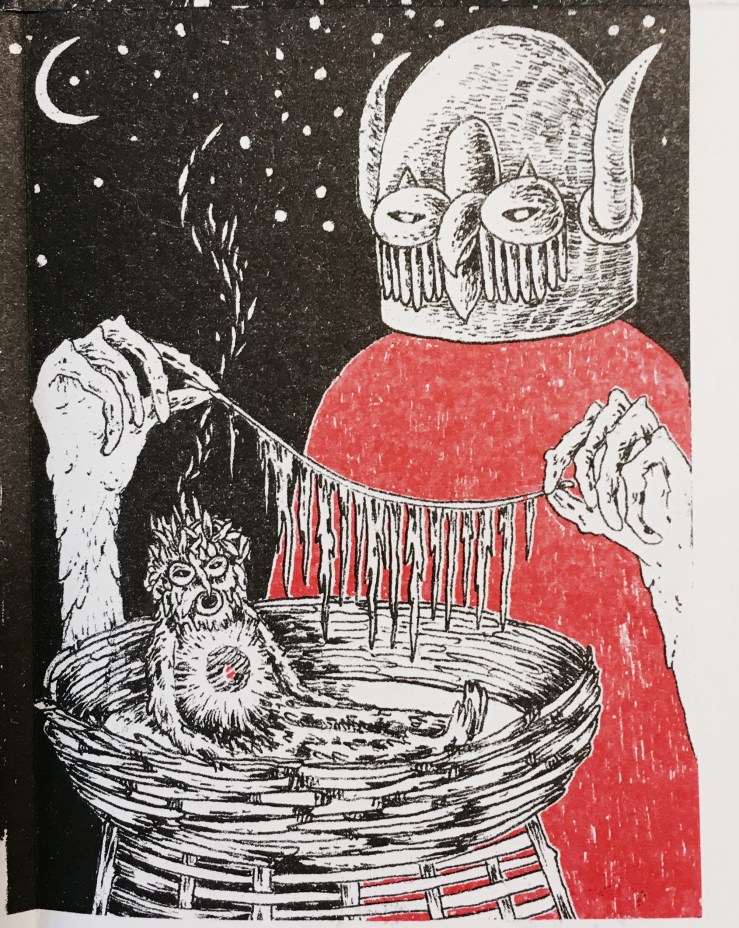
My friend gave me Tiny Splendor’s Box of Books, Vol. IX last weekend.

Here’s the tracklist:

img_2367

I was initially trying to limit myself to looking at one a day but then stopped trying to limit myself to looking at one a day and now I’ve looked at all of them. (Is “look” the right verb? Not sure. “Book” may not be the right noun, either. These book pamphlet art zine comic things are fun though).

This is what a few of the books look like out of the box:

img_2369

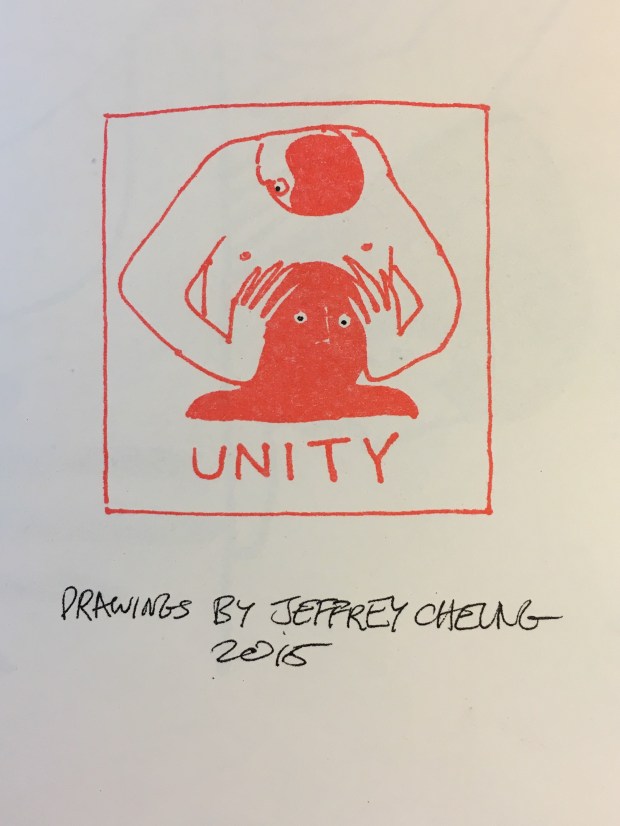
Jeffrey Cheung’s book cracked me up.

img_2371

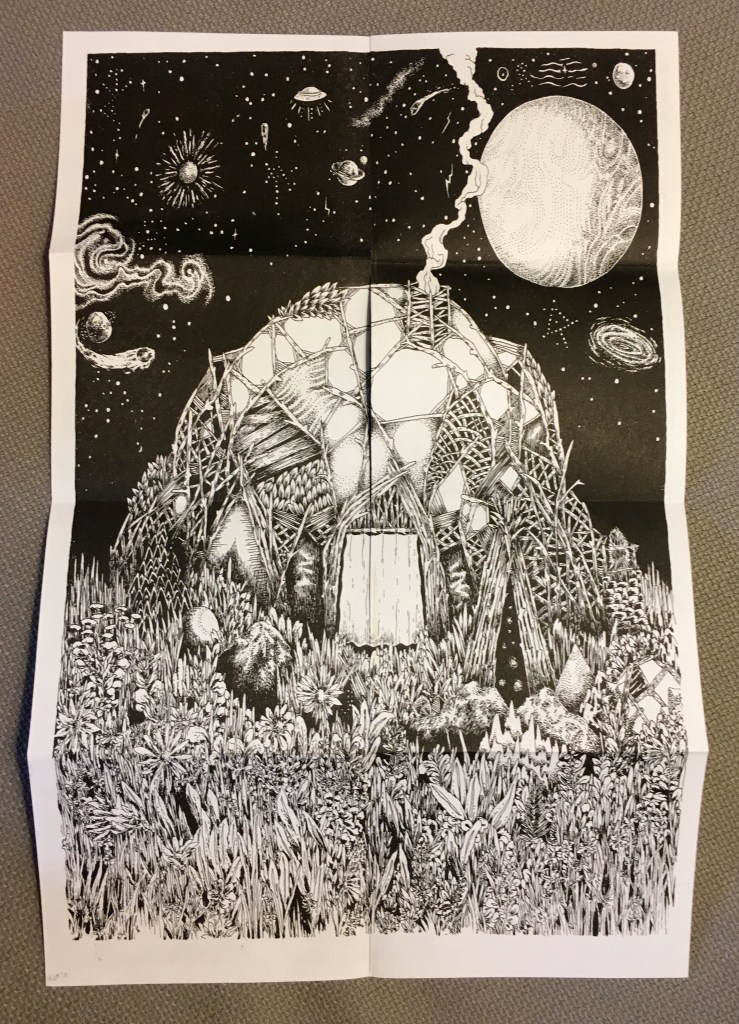
And I really really dig Danny Shimodaa’s contribution:

img_2372 img_2373

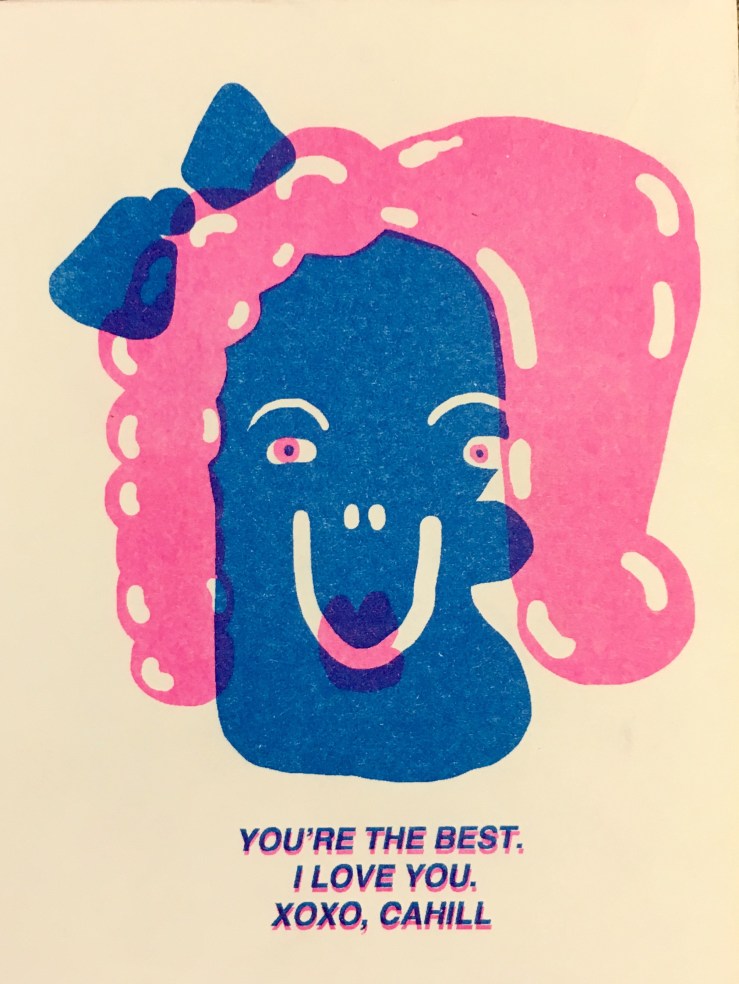
And I’ll end the post with positive vibes from Cahill Wesson:img_2374


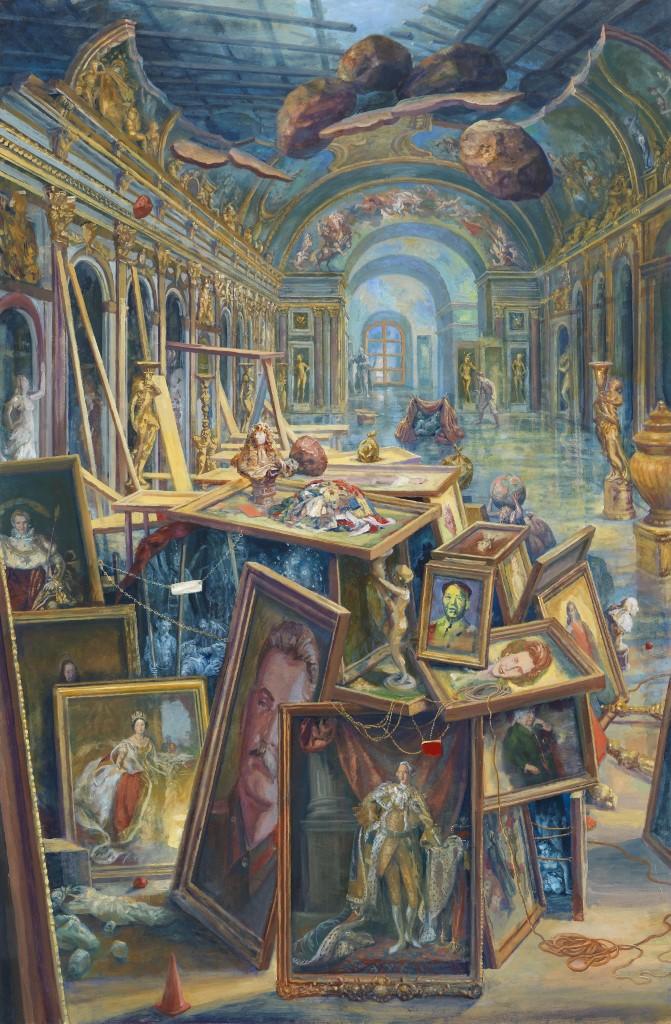
Self Portrait as Shantytown — Julie Heffernan

heffernan-self20portrait20as20shantytown2c2020142028671x102429

M

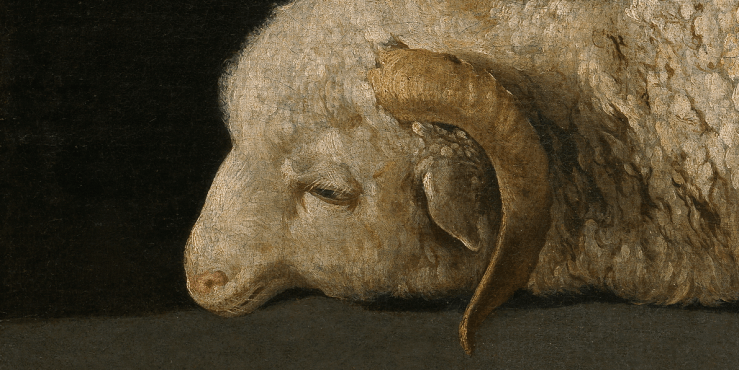
Agnus Dei (detail) — Francisco de Zurbarán

Screenshot 2016-05-19 at 6.06.47 PM

No possibility of transcendence (Elena Ferrante)

I’m always surprised when someone points out as a flaw the fact that my stories contain no possibility of transcendence. Here I’d like to move on to a statement of principle: since the age of fifteen, I haven’t believed in the kingdom of any God, in Heaven or on Earth—in fact, wherever you place it, it seems dangerous to me. On the other hand, I share the opinion that most of the concepts we work with have a theological origin. Theology helps us understand the origins of the dregs we even now resort to. As for the rest, I don’t know what to tell you. I’m comforted by stories that emerge through horror to a turning point, stories in which someone is redeemed as confirmation that peace and happiness are possible, or that one can return to a private or public Eden. But I tried to write a story like that, long ago, and I discovered that I didn’t believe in it. I’m drawn, rather, to images of crisis, to seals that are broken. When shapes lose their contours, we see what most terrifies us, as in Ovid’s “Metamorphoses,” Kafka’s “Metamorphosis,” and Clarice Lispector’s extraordinary “Passion According to G.H.” You don’t go beyond that; you have to take a step back and, to survive, reënter some good fiction. I don’t believe, however, that every fiction we orchestrate is good. I cling to those that are painful, those that arise from a profound crisis of all our illusions. I love unreal things when they show signs of firsthand knowledge of the terror, and hence an awareness that they are unreal, that they will not hold up for long against the collisions. Human beings are extremely violent animals, and the violence they are always ready to use in order to impose their own eternal, salvific life vest, while shattering those of others, is frightening.

Elena Ferrante in conversation with novelist Nicola Lagioia. English translation by Ann Goldstein. The full exchange between Lagioia and Ferrante will be published in Frantumaglia: An Author’s Journey Told Through Letters, Interviews, and Occasional Writings this fall. Read a longer (and fascinating) excerpt at The New Yorker. 

leis: track, footprint, furrow.

img_2356

From Joseph T. Shipley’s The Origin of English Words: A Discursive Dictionary of Indo-European Roots.

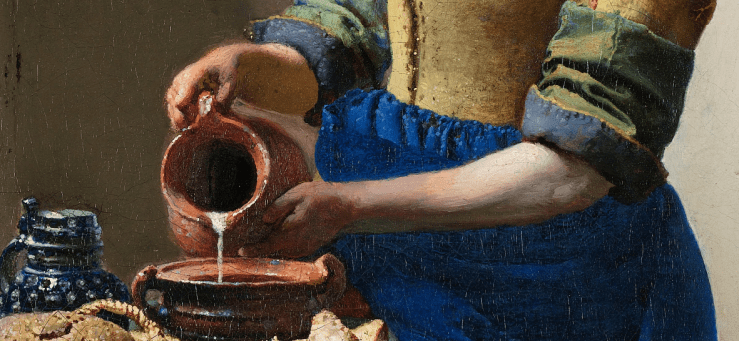
The Milkmaid (detail) — Johannes Vermeer

Screenshot 2016-05-19 at 10.54.13 AM

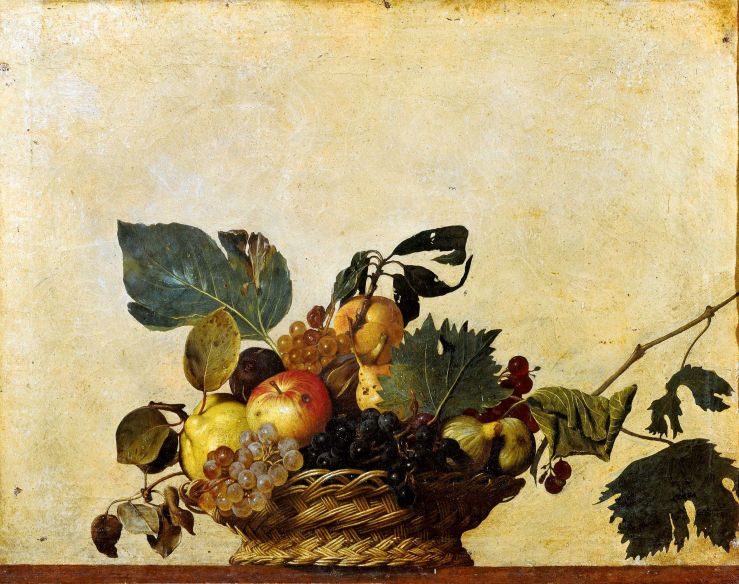
Basket of Fruit — Caravaggio

canestra_di_frutta_caravaggio

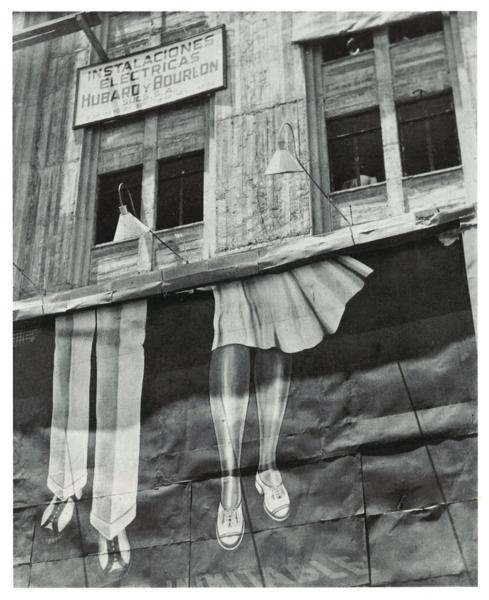
Two Pairs of Legs — Manuel Alvarez Bravo

two-pairs-of-legs-1929large