Allegory of Man’s Choice between Virtue and Vice (detail) — Frans Francken the Younger

Screenshot 2016-03-18 at 8.11.13 PM.png

Seated Woman in Violet Stockings — Egon Schiele

seated-woman-in-violet-stockings-1917

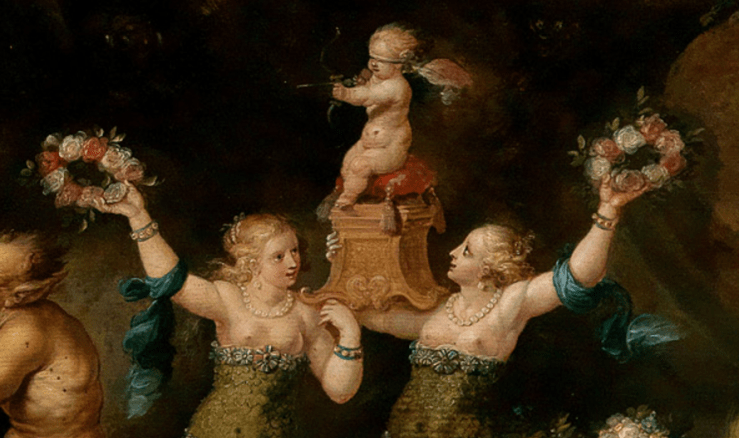
Allegory of Man’s Choice between Virtue and Vice (detail) — Frans Francken the Younger

Screenshot 2016-03-18 at 8.00.18 PM

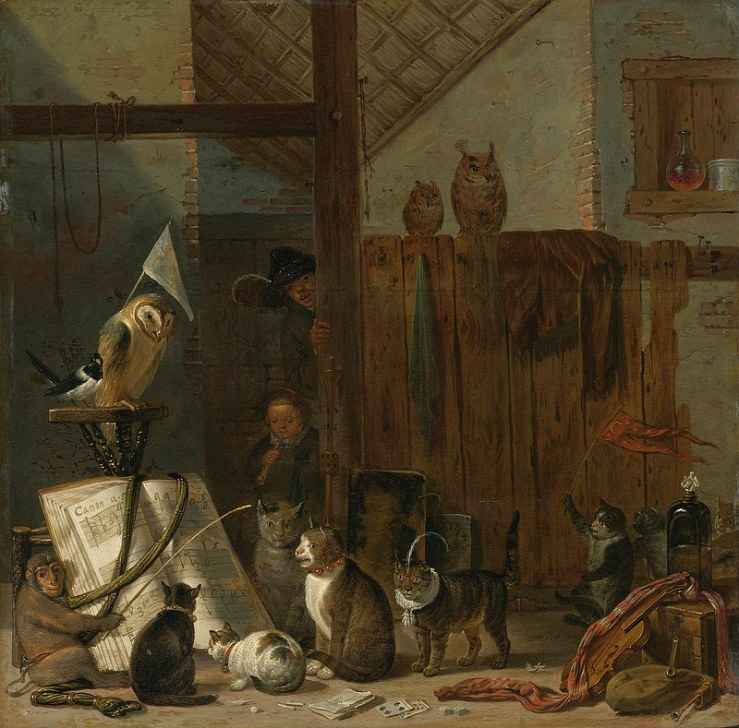
A Concert of Cats, Owls, a Magpie, and a Monkey in a Barn — Cornelis Saftleven

17015568157_1ceb6394c9_c

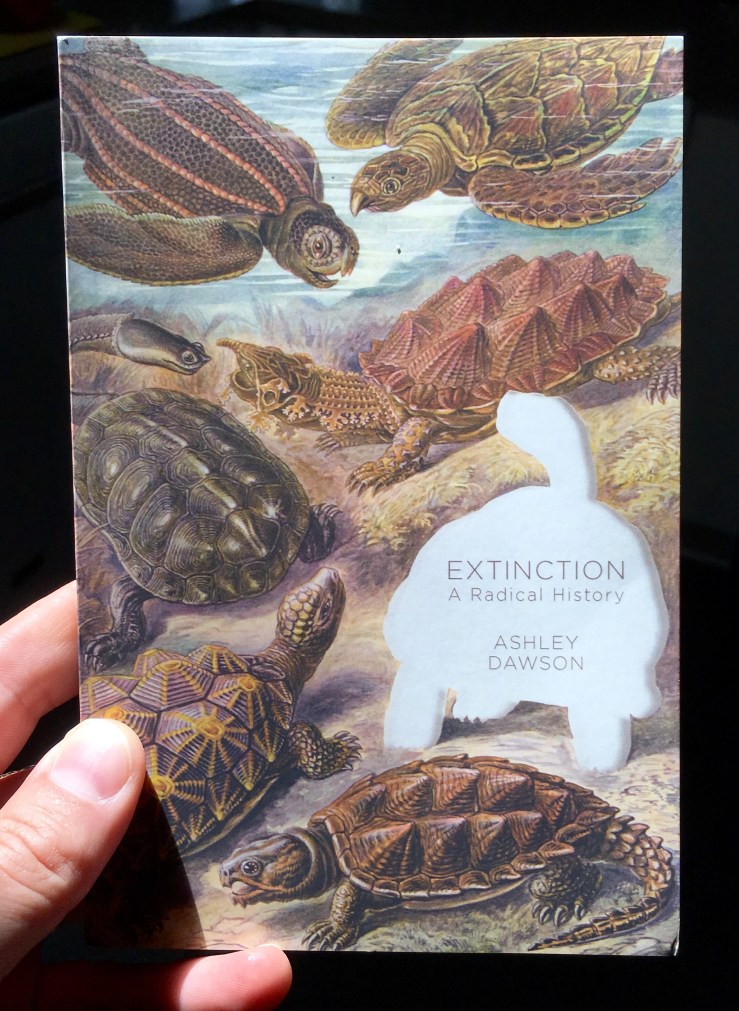
Extinction: A Radical History (Book acquired, 3.28.2016)

img_1916

I’ve been looking forward to this one. Ashley Dawson’s Extinction: A Radical History is forthcoming from OR Books. Their blurb:

Some thousands of years ago, the world was home to an immense variety of large mammals. From wooly mammoths and saber-toothed tigers to giant ground sloths and armadillos the size of automobiles, these spectacular creatures roamed freely. Then human beings arrived. Devouring their way down the food chain as they spread across the planet, they began a process of voracious extinction that has continued to the present.

Headlines today are made by the existential threat confronting remaining large animals such as rhinos and pandas. But the devastation summoned by humans extends to humbler realms of creatures including beetles, bats and butterflies. Researchers generally agree that the current extinction rate is nothing short of catastrophic. Currently the earth is losing about a hundred species every day.

This relentless extinction, Ashley Dawson contends in a primer that combines vast scope with elegant precision, is the product of a global attack on the commons, the great trove of air, water, plants and creatures, as well as collectively created cultural forms such as language, that have been regarded traditionally as the inheritance of humanity as a whole.

This attack has its genesis in the need for capital to expand relentlessly into all spheres of life. Extinction, Dawson argues, cannot be understood in isolation from a critique of our economic system. To achieve this we need to transgress the boundaries between science, environmentalism and radical politics. Extinction: A Radical History performs this task with both brio and brilliance.

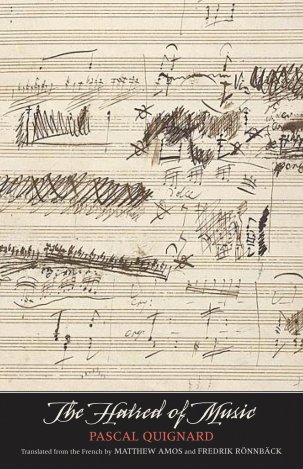
The Hatred of Music / The Hatred of Poetry

The Hatred of Music The Hatred of Poetry

The Hatred of Music by Pascal Quignard, translated by Matthew Amos and Fredrik Rönnbäck, Yale Margellos World Republic of Letters (Yale University Press). Published March 2016.

The Hatred of Poetry by Ben Lerner, FSG. Out June 7, 2016. Read an excerpt in the April 2016 issue of Poetry magazine (not yet online, but will eventually be here).

Allegory of Man’s Choice between Virtue and Vice (detail) — Frans Francken the Younger

Screenshot 2016-03-18 at 7.58.26 PM

Three Books

img_1894

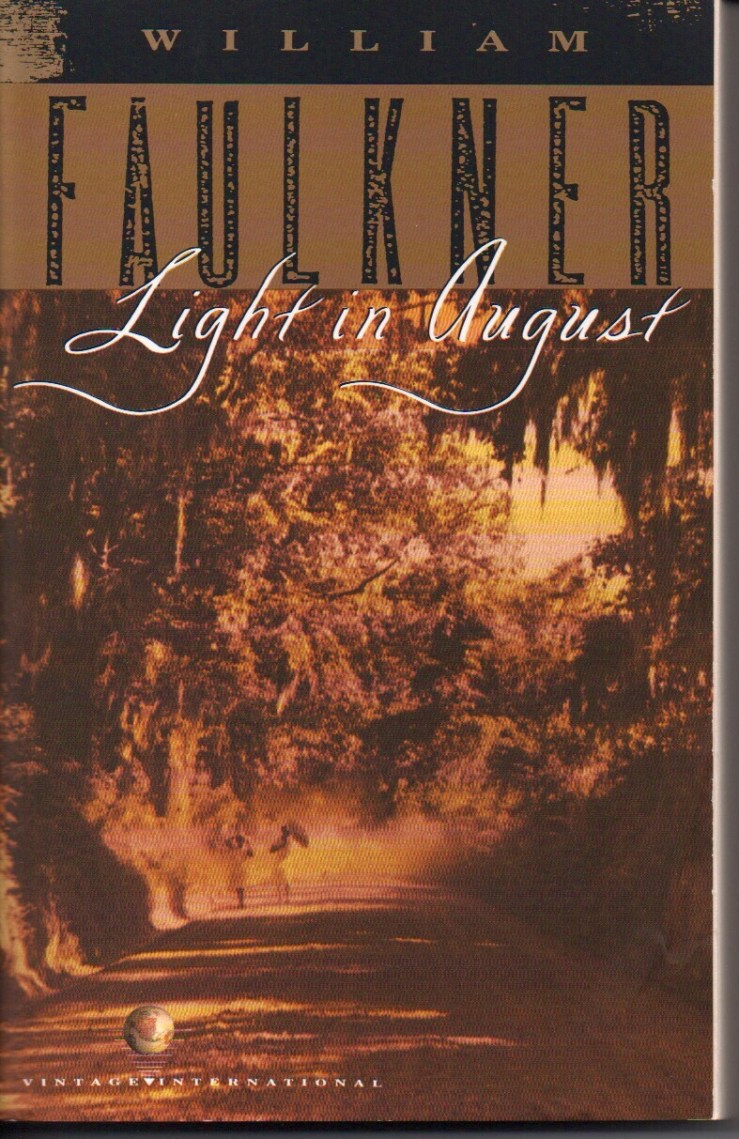
Light in August by William Faulkner. Vintage International trade paperback. Design by Marc J. Cohen from a photograph by Marion Post Wolcott. I wrote about Light in August here. Joe Christmas is a Jesus Christ figure.

img_1895

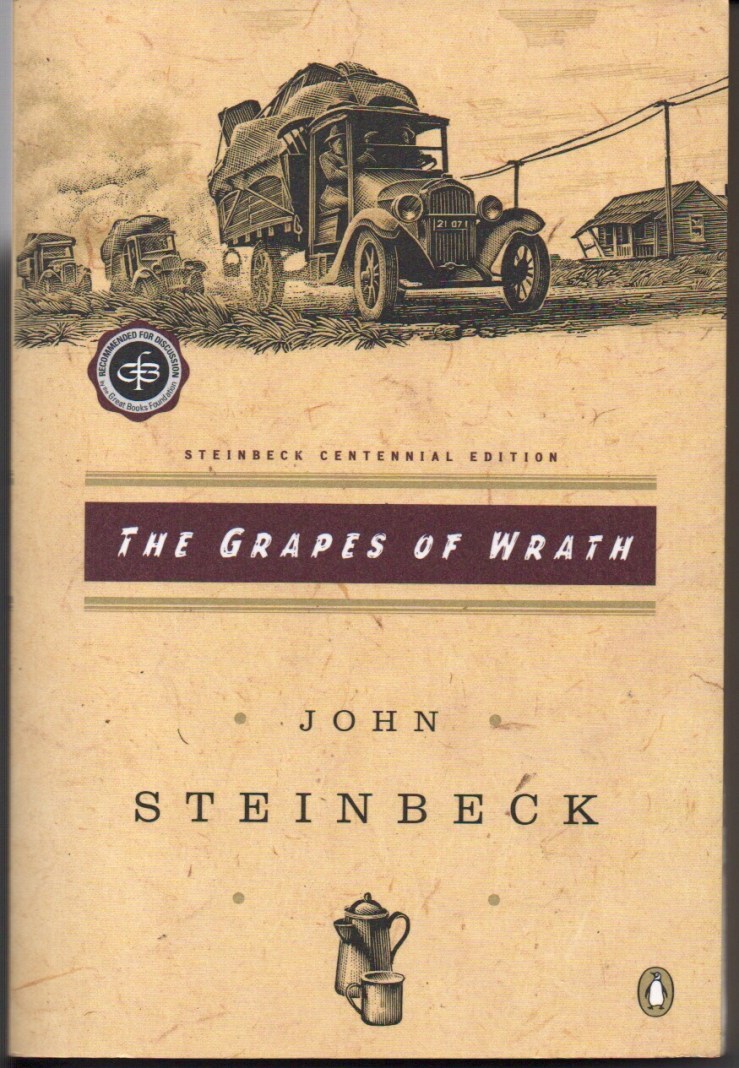
The Grapes of Wrath by John Steinbeck. An oversized trade paperback edition with French flaps and deckle edges from Penguin. Cover design by Paul Buckley, using art by Andrew Davidson. This was part of a class set I used in a school where I used to teach; it left with me when I left. Jim Casy is a Jesus Christ figure.

img_1893

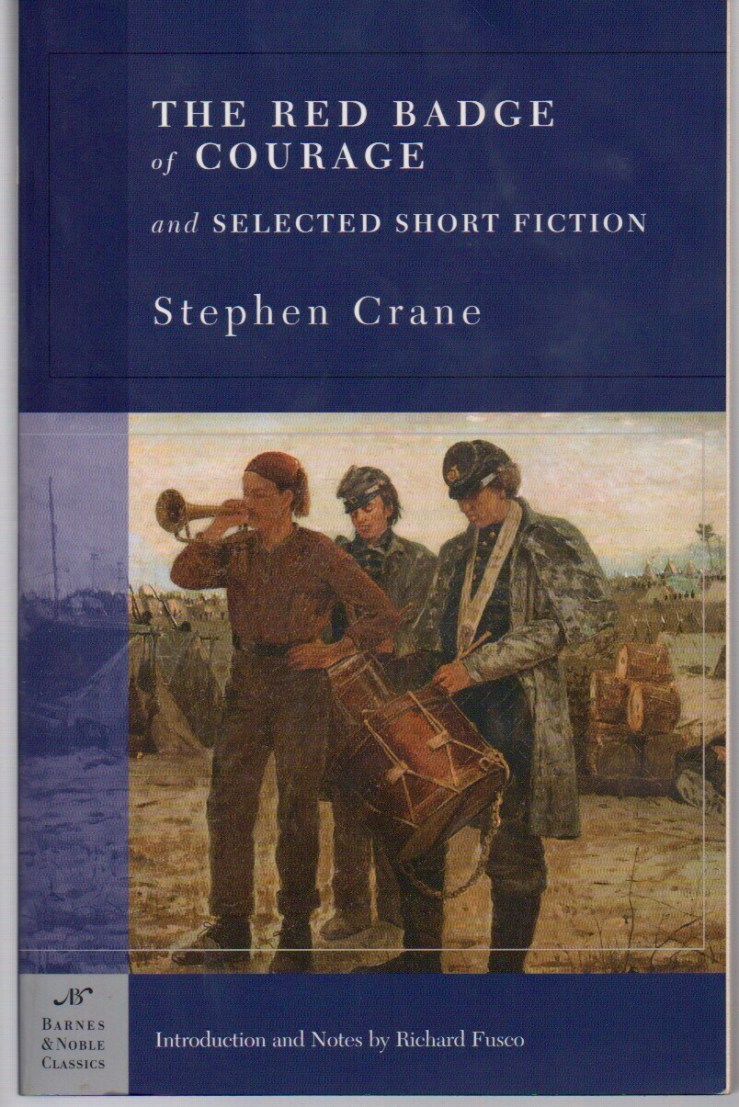
The Red Badge of Courage and Selected Short Fiction by Stephen Crane. A cheap trade paperback by Barnes & Nobles Classics. Cover design by Dutton & Sherman, using a detail from Winsolw Homer’s painting Drum and Bugle Corp, Civil War Encampment. Another class set copy that made its way to my home. Jim Conklin is a Jesus Christ figure.

Eggs à la Nabocoque

Vladimir Nabokov’s recipe for eggs (à la Nabocoque, natch)–

Boil water in a saucepan (bubbles mean it is boiling!). Take two eggs (for one person) out of the refrigerator. Hold them under the hot tap water to make them ready for what awaits them.

Place each in a pan, one after the other, and let them slip soundlessly into the (boiling) water. Consult your wristwatch. Stand over them with a spoon preventing them (they are apt to roll) from knocking against the damned side of the pan.

If, however, an egg cracks in the water (now bubbling like mad) and starts to disgorge a cloud of white stuff like a medium in an oldfashioned seance, fish it out and throw it away. Take another and be more careful.

After 200 seconds have passed, or, say, 240 (taking interruptions into account), start scooping the eggs out. Place them, round end up, in two egg cups. With a small spoon tap-tap in a circle and hen pry open the lid of the shell. Have some salt and buttered bread (white) ready. Eat.

V.N.
November 18, 1972

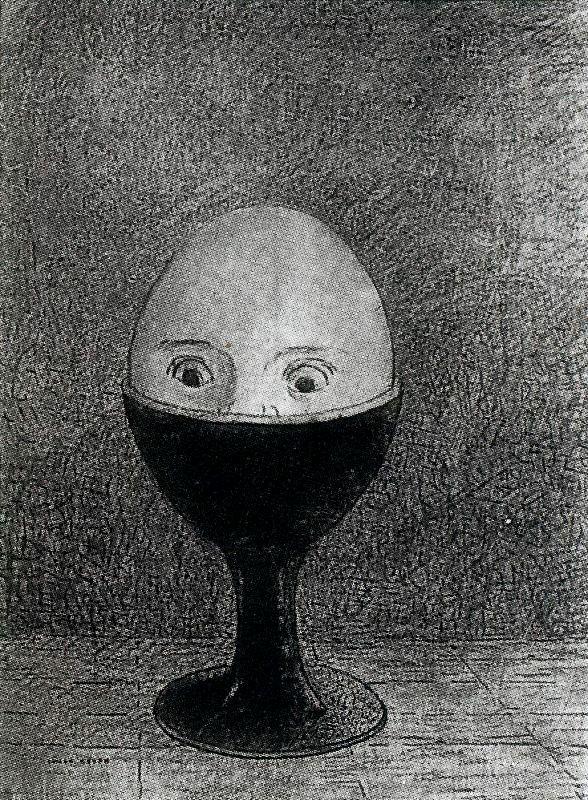
The Egg — Odilon Redon

the-egg-1885

Allegory of Man’s Choice between Virtue and Vice (detail) — Frans Francken the Younger

Screenshot 2016-03-18 at 7.56.40 PM

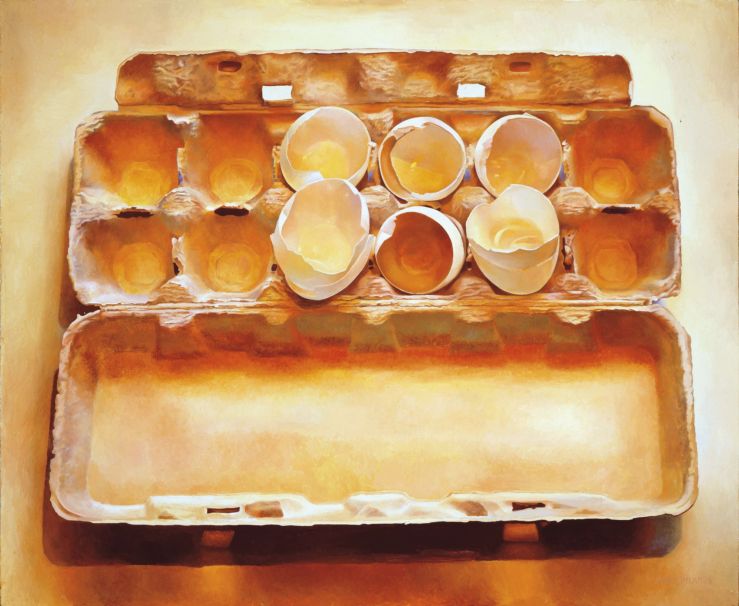
Eggs in an Egg Crate — Mary Pratt

eggs-in-egg-crate_mp_015

Read “Love on the Bon-Dieu,” an Easter story by Kate Chopin

“Love on the Bon-Dieu”

by

Kate Chopin

from Bayou Folk (1894)


Upon the pleasant veranda of Père Antoine’s cottage, that adjoined the church, a young girl had long been seated, awaiting his return. It was the eve of Easter Sunday, and since early afternoon the priest had been engaged in hearing the confessions of those who wished to make their Easters the following day. The girl did not seem impatient at his delay; on the contrary, it was very restful to her to lie back in the big chair she had found there, and peep through the thick curtain of vines at the people who occasionally passed along the village street.

She was slender, with a frailness that indicated lack of wholesome and plentiful nourishment. A pathetic, uneasy look was in her gray eyes, and even faintly stamped her features, which were fine and delicate. In lieu of a hat, a barege veil covered her light brown and abundant hair. She wore a coarse white cotton “josie,” and a blue calico skirt that only half concealed her tattered shoes.

As she sat there, she held carefully in her lap a parcel of eggs securely fastened in a red bandana handkerchief.

Twice already a handsome, stalwart young man in quest of the priest had entered the yard, and penetrated to where she sat. At first they had exchanged the uncompromising “howdy” of strangers, and nothing more. The second time, finding the priest still absent, he hesitated to go at once. Instead, he stood upon the step, and narrowing his brown eyes, gazed beyond the river, off towards the west, where a murky streak of mist was spreading across the sun.

“It look like mo’ rain,” he remarked, slowly and carelessly.

“We done had ’bout ‘nough,” she replied, in much the same tone.

“It’s no chance to thin out the cotton,” he went on.

“An’ the Bon-Dieu,” she resumed, “it’s on’y to-day you can cross him on foot.”

“You live yonda on the Bon-Dieu, donc?” he asked, looking at her for the first time since he had spoken.

“Yas, by Nid d’Hibout, m’sieur.” Continue reading “Read “Love on the Bon-Dieu,” an Easter story by Kate Chopin”

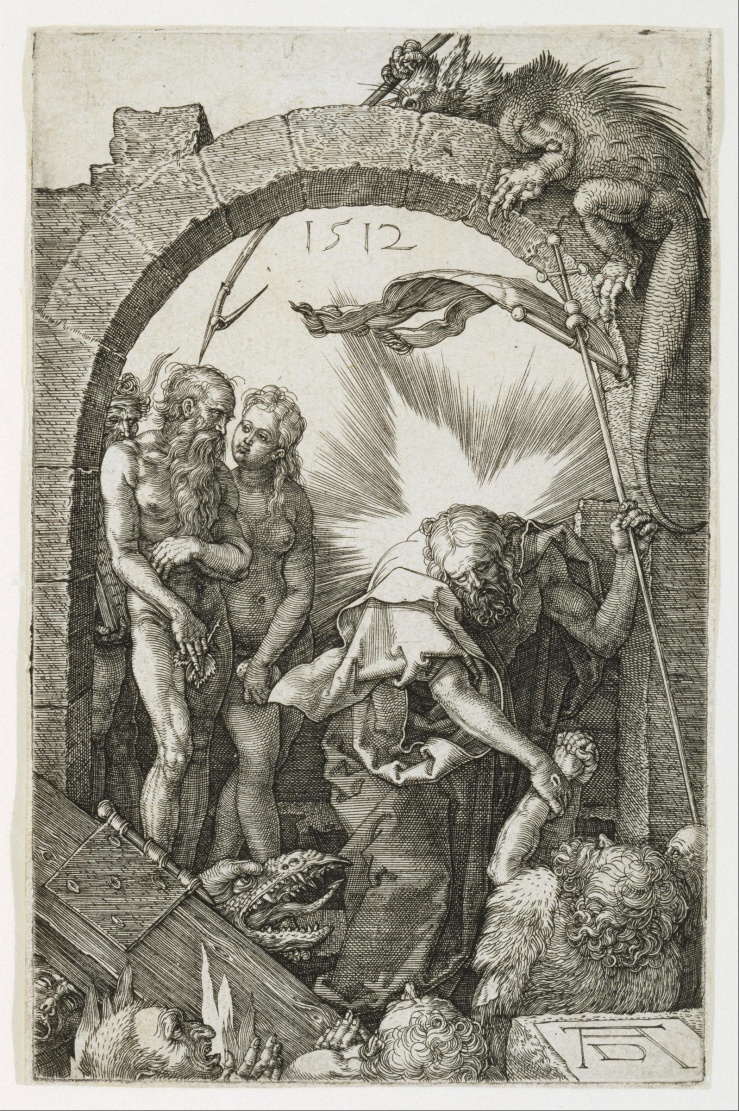
The Harrowing of Hell (Christ in Limbo) — Albrecht Dürer

albrecht_dc3bcrer_-_christ_in_limbo_-_google_art_project

Allegory of Man’s Choice between Virtue and Vice (detail) — Frans Francken the Younger

Screenshot 2016-03-18 at 7.54.22 PM

That episode of Dr. Katz with Garry Shandling

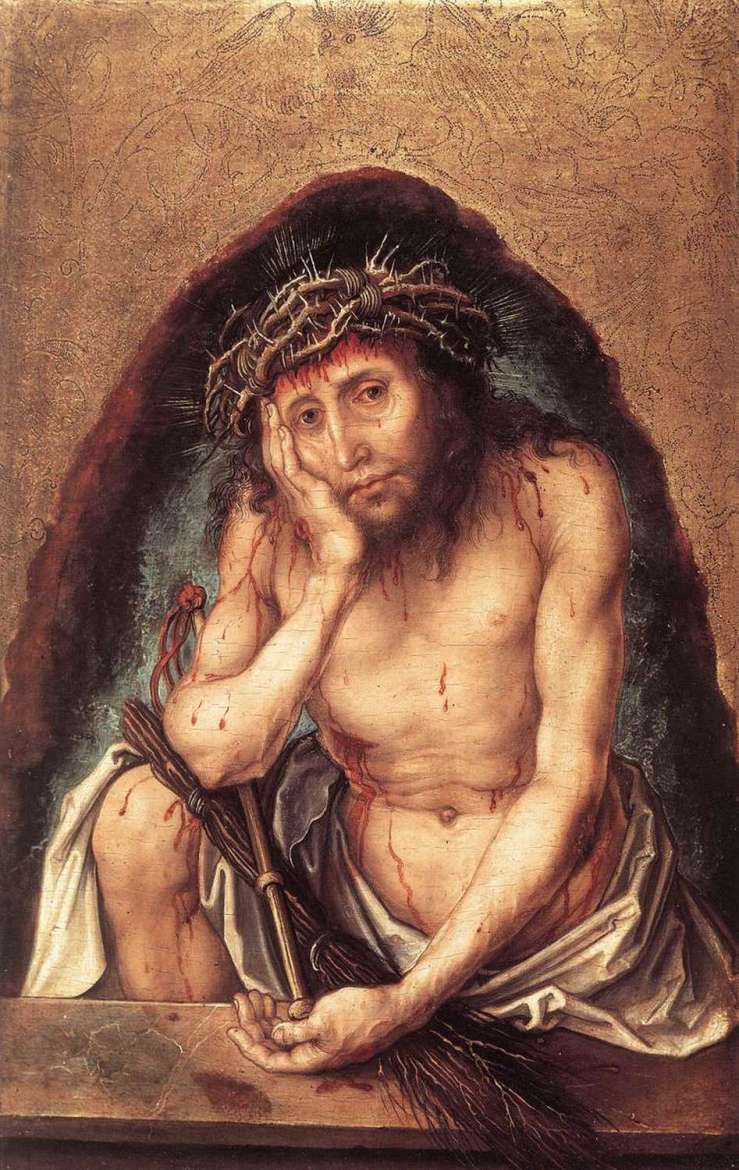
Christ as the Man of Sorrows — Albrecht Dürer

24275714