“The Easter of the Soul,” a short tale by O. Henry

“The Easter of the Soul”

by

O. Henry


It is hardly likely that a goddess may die. Then Eastre, the old Saxon goddess of spring, must be laughing in her muslin sleeve at people who believe that Easter, her namesake, exists only along certain strips of Fifth Avenue pavement after church service.

Aye! It belongs to the world. The ptarmigan in Chilkoot Pass discards his winter white feathers for brown; the Patagonian Beau Brummell oils his chignon and clubs him another sweetheart to drag to his skull-strewn flat. And down in Chrystie Street—

Mr. “Tiger” McQuirk arose with a feeling of disquiet that he did not understand. With a practised foot he rolled three of his younger brothers like logs out of his way as they lay sleeping on the floor. Before a foot-square looking glass hung by the window he stood and shaved himself. If that may seem to you a task too slight to be thus impressively chronicled, I bear with you; you do not know of the areas to be accomplished in traversing the cheek and chin of Mr. McQuirk.

McQuirk, senior, had gone to work long before. The big son of the house was idle. He was a marble-cutter, and the marble-cutters were out on a strike.

“What ails ye?” asked his mother, looking at him curiously; “are ye not feeling well the morning, maybe now?”

“He’s thinking along of Annie Maria Doyle,” impudently explained younger brother Tim, ten years old.

“Tiger” reached over the hand of a champion and swept the small McQuirk from his chair.

“I feel fine,” said he, “beyond a touch of the I-don’t-know-what-you-call-its. I feel like there was going to be earthquakes or music or a trifle of chills and fever or maybe a picnic. I don’t know how I feel. I feel like knocking the face off a policeman, or else maybe like playing Coney Island straight across the board from pop-corn to the elephant houdahs.” Continue reading ““The Easter of the Soul,” a short tale by O. Henry”
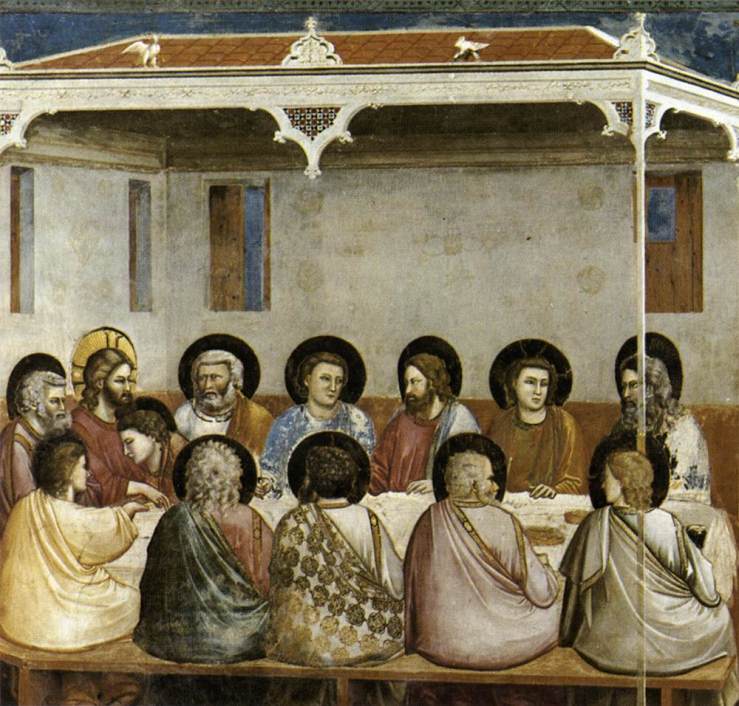
List with no name #55

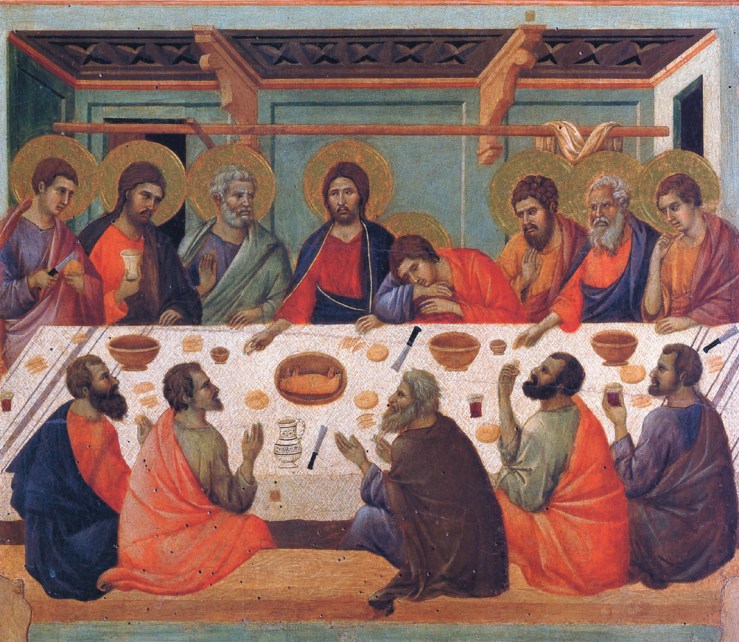
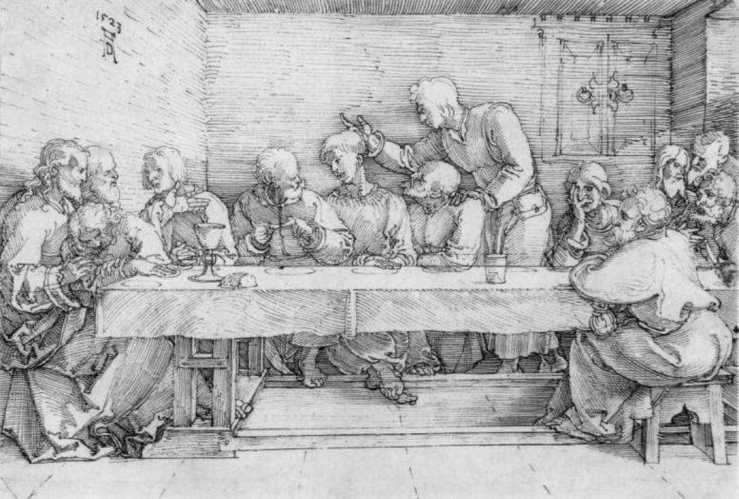
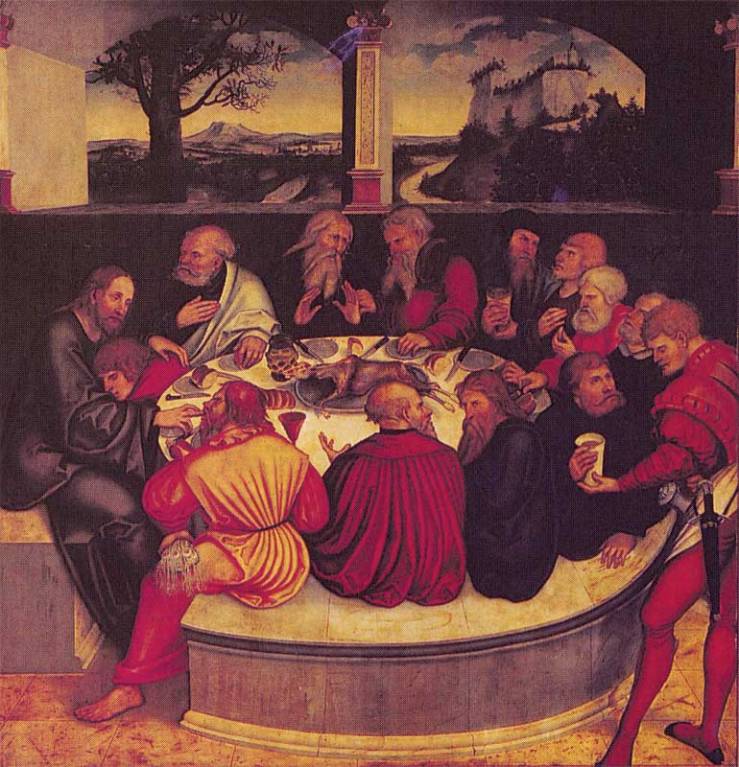
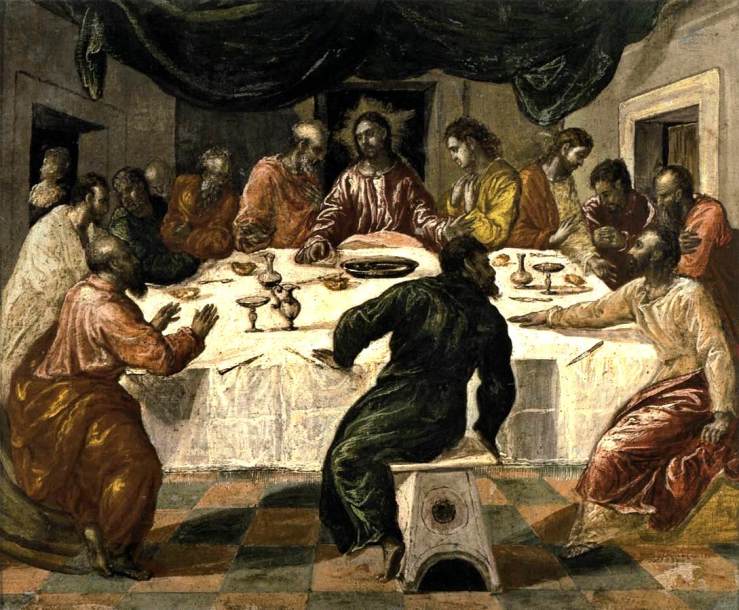
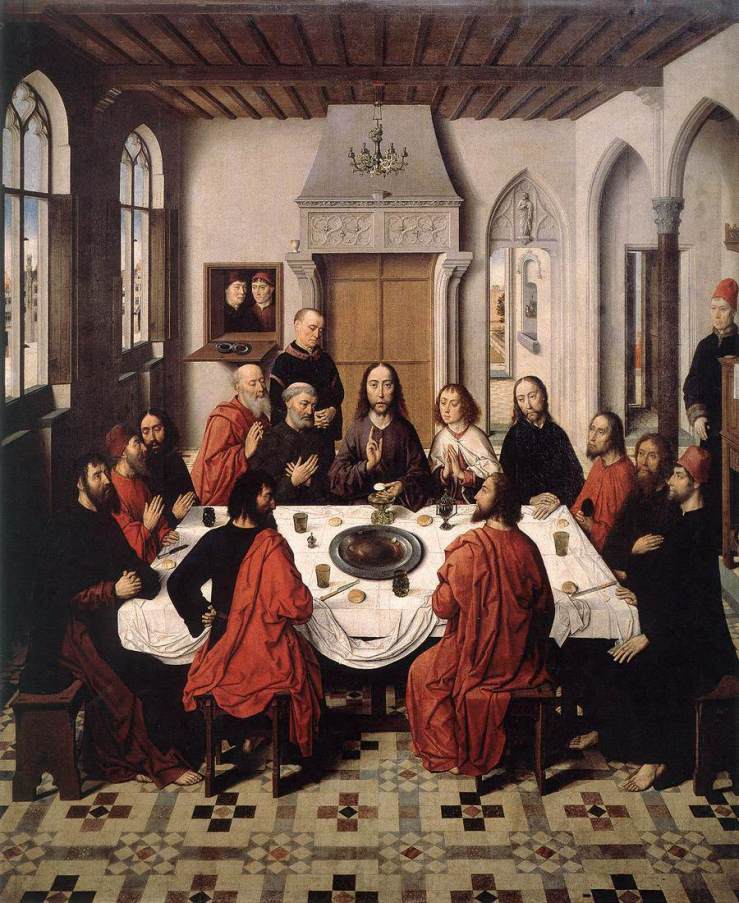
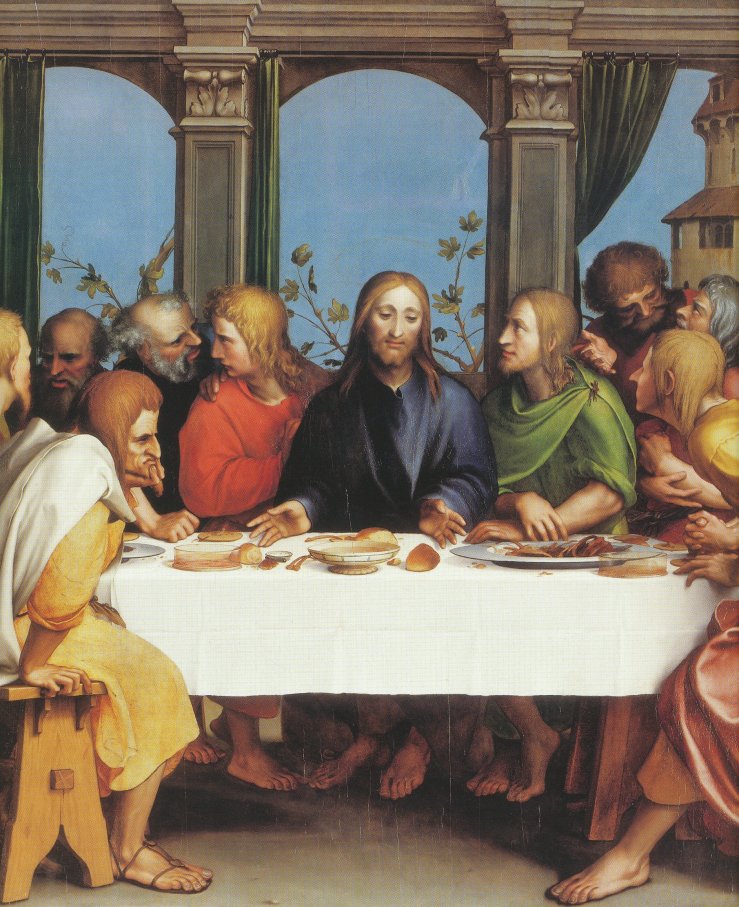
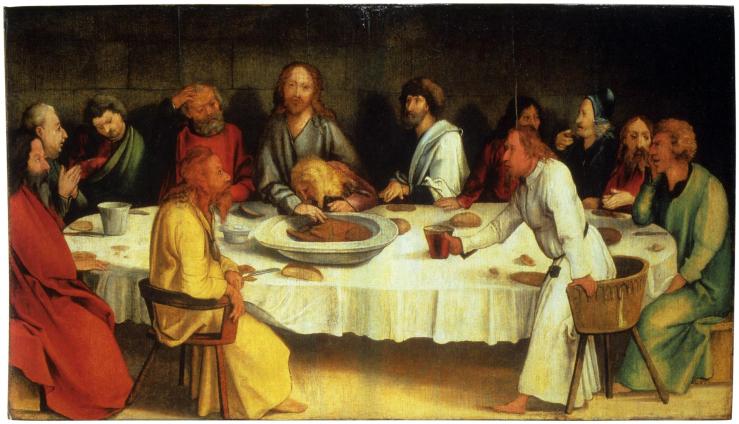
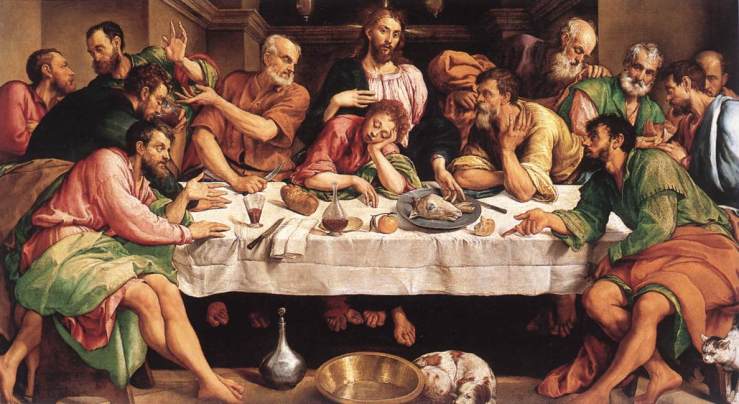
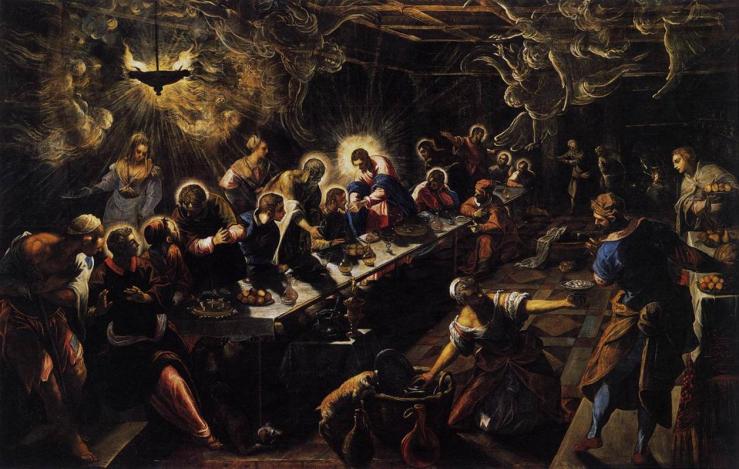
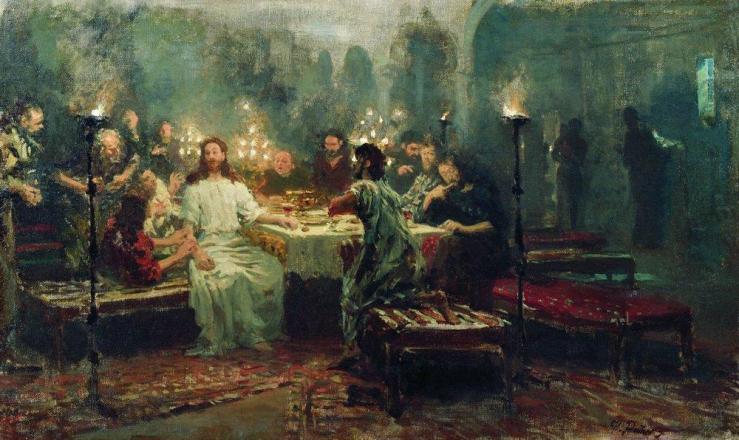
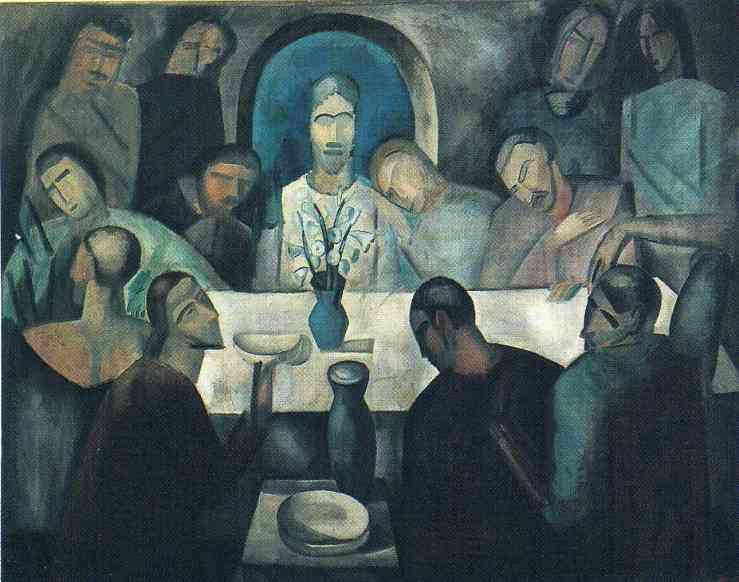
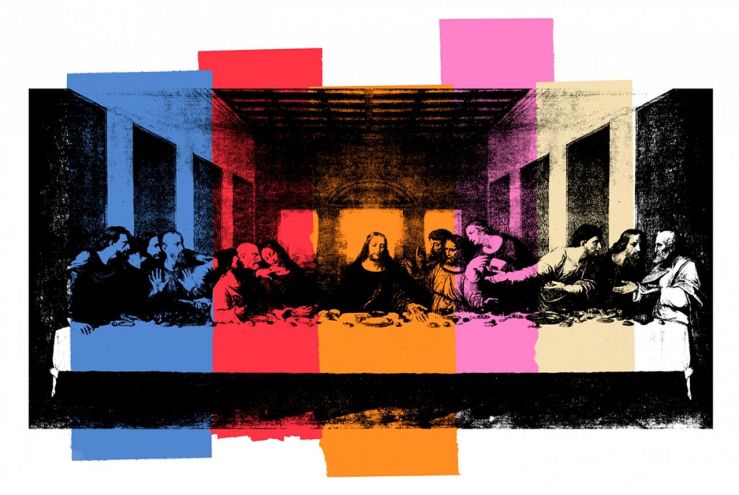
last-supperthe-last-supper-1311the-last-supper-1523the-last-supper-1547the-last-supperthe-last-supper-from-the-winged-altar-in-st-peter-in-leuventhe-last-supper1last-supper-coburg-panelhdthe-last-supper-1546the-last-supper-1594halfhdlord-s-supper-1903the-last-supper-of-jesus-1911d3ed11f9-6a23-4b7b-89af-1fec31c40f48

Allegory of Man’s Choice between Virtue and Vice (detail) — Frans Francken the Younger

Screenshot 2016-03-18 at 8.09.21 PM

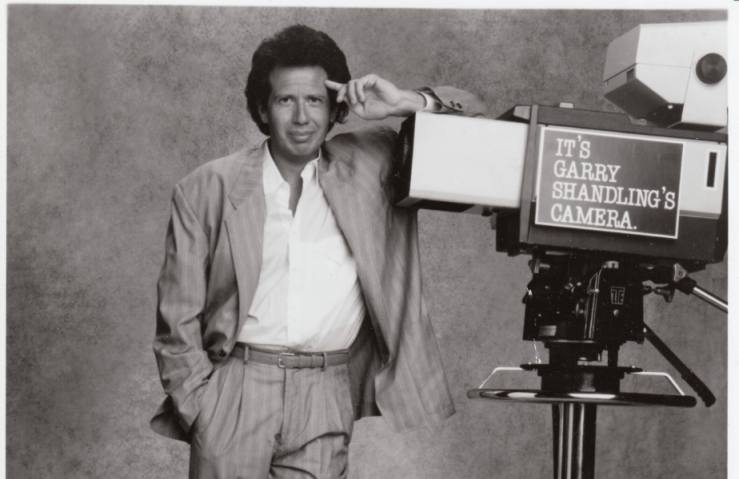
RIP Garry Shandling

Screenshot 2016-03-24 at 6.33.46 PM

RIP Garry Shandling, 1949-2016

I grew up with Garry Shandling on TV—weird, enigmatic even—dry, sure—watching him when I was too young to get what he was doing. But he stuck out more than others to me when I’d watch Carson late at night with my grandmother. And then watching It’s Garry Shandling’s Show on Fox sometimes, with my parents: it was like Newhart (and Bob Newhart’s stuff in general)—I didn’t quite get it (yet), but I wanted to get it. It wasn’t dumb—and when it was dumb, it was dumb in a smart way.

And then came The Larry Sanders Show. I was, what, 13? 12? HBO wasn’t really HBO yet—sure, it had The Kids in the HallTales from the Crypt, *ahem* Real Sex, and the largely forgotten Dream On—but it’s hard to imagine contemporary laugh-trackless-meta shows without The Larry Sanders Show.

Saying The Larry Sanders Show was ahead of its time is an understatement. Sure, it had its progenitors (Albert Brooks’s Real Life comes to mind—hell, The Muppet Show too)—but The Larry Sanders Show somehow synthesized its parts as both a show about a show, but also, like, a show. The late-night show on The Larry Sanders Show (uh, The Larry Sanders Show) was very very funny.

The writers’ room segments (and all the showbiz backstage stuff) were/are hilarious too; The Larry Sanders Show is the obvious progenitor of not just 30 Rock, but any number of dry, deadpan shows that purport to look behind the scenes (Veep comes quickly to mind, as do Curb Your Enthusiasm and Arrested Development).

The Larry Sanders Show was so overloaded with talent that I’m not going to bother listing all the names. Suffice to say that the show was basically a starting point, or at least an early stomping ground, for a large number of Gen X comedians and actors. Shandling was great at letting other people be funny, even as his character Sanders expressed deep anxieties over being replaced by the younger, hipper Jon Stewart. In a sense, Shandling was a Boomer bridge between a style of comedy he had grown up with and been influenced by, like Johnny Carson’s reserved irony, and the new (but not new) irony of Generation X.

And while Shandling let the Gen Xers have their time on his show, perhaps the funniest stuff on the show came from its more senior cast members. God bless, Artie; God bless Hank.

Garry Shandling was fucking funny and I’ll miss the guy. I follow(ed?) him on Twitter and he was tweeting just a few days ago. I think his legacy and influence on contemporary television can’t be underappreciated.

“Holy Thursday” — William Blake

Cuniculus Vulgaris (Perry Bible Fellowship)

pbf268-cuniculus_vulgaris

“Suicide” — Langston Hughes

Capture

Allegory of Man’s Choice between Virtue and Vice (detail) — Frans Francken the Younger

Screenshot 2016-03-18 at 7.53.03 PM

Skeleton — Vincent van Gogh

skeleton

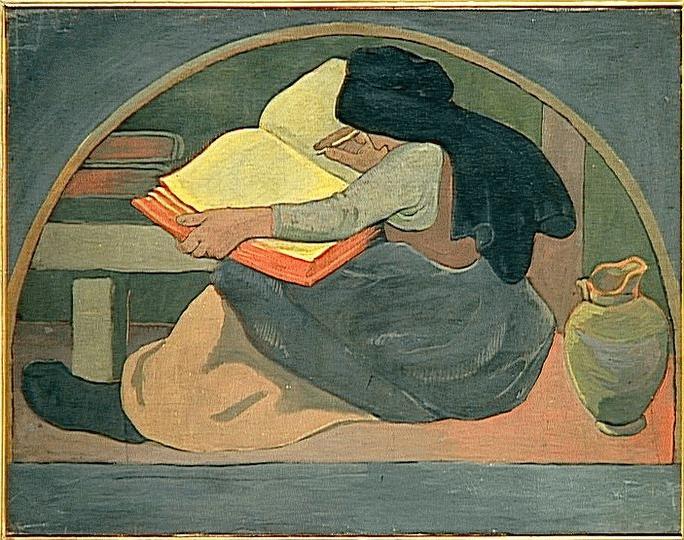
Grammar — Paul Serusier

grammar-1892

Read “Uncle Willy,” William Faulkner’s short story about a morphine addict and his airplane

“Uncle Willy”

by

William Faulkner


I KNOW what they said. They said I didn’t run away from home but that I was tolled away by a crazy man who, if I hadn’t killed him first, would have killed me inside another week. But if they had said that the women, the good women in Jefferson had driven Uncle Willy out of town and I followed him and did what I did because I knew that Uncle Willy was on his last go-round and this time when they got him again it would be for good and forever, they would have been right. Because I wasn’t tolled away and Uncle Willy wasn’t crazy, not even after all they had done to him. I didn’t have to go; I didn’t have to go any more than Uncle Willy had to invite me instead of just taking it for granted that I wanted to come. I went because Uncle Willy was the finest man I ever knew, because even women couldn’t beat him, because in spite of them he wound up his life getting fun out of being alive and he died doing the thing that was the most fun of all because I was there to help him. And that’s something that most men and even most women too don’t get to do, not even the women that call meddling with other folks’ lives fun.

He wasn’t anybody’s uncle, but all of us, and grown people too, called him (or thought of him) as Uncle Willy. He didn’t have any kin at all except a sister in Texas married to an oil millionaire. He lived by himself in a little old neat white house where he had been born on the edge of town, he and an old nigger named Job Wylie that was older than he was even, that cooked and kept the house and was the porter at the drugstore which Uncle Willy’s father had established and which Uncle Willy ran without any other help than old Job; and during the twelve or fourteen years (the life of us as children and then boys), while he just used dope, we saw a lot of him. We liked to go to his store because it was always cool and dim and quiet inside because he never washed the windows; he said the reason was that he never had to bother to dress them because nobody could see in anyway, and so the heat couldn’t get in either. And he never had any customers except country people buying patent medicines that were already in bottles, and niggers buying cards and dice, because nobody had let him fill a prescription in forty years I reckon, and he never had any soda fountain trade because it was old Job who washed the glasses and mixed the syrups and made the ice cream ever since Uncle Willy’s father started the business in eighteen-fifty-something and so old Job couldn’t see very well now, though papa said he didn’t think that old Job took dope too, it was from breathing day and night the air which Uncle Willy had just exhaled.

But the ice cream tasted all right to us, especially when we came in hot from the ball games. We had a league of three teams in town and Uncle Willy would give the prize, a ball or a bat or a mask, for each game though he would never come to see us play, so after the game both teams and maybe all three would go to the store to watch the winner get the prize. And we would eat the ice cream and then we would all go behind the prescription case and watch Uncle Willy light the little alcohol stove and fill the needle and roll his sleeve up over the little blue myriad punctures starting at his elbow and going right on up into his shirt. And the next day would be Sunday and we would wait in our yards and fall in with him as he passed from house to house and go on to Sunday school, Uncle Willy with us, in the same class with us, sitting there while we recited. Mr. Barbour from the Sunday school never called on him.

Then we would finish the lesson and we would talk about baseball until the bell rang and Uncle Willy still not saying anything, just sitting there all neat and clean, with his clean collar and no tie and weighing about a hundred and ten pounds and his eyes behind his glasses kind of all run together like broken eggs. Then we would all go to the store and eat the ice cream that was left over from Saturday and then go behind the prescription case and watch him again: the little stove and his Sunday shirt rolled up and the needle going slow into his blue arm and somebody would say, “Don’t it hurt?” and he would say, “No. I like it.”

Read the rest of William Faulkner’s short story “Uncle Willy.”

RIP Phife Dawg

Allegory of Man’s Choice between Virtue and Vice (detail) — Frans Francken the Younger

Screenshot 2016-03-18 at 7.51.06 PM

Scissors-and-paste man | William Gaddis’s notes toward composing J R

eb1b6f6b730cf59966ae75f4247bec94f055c992e8bf39d5915fc20aaae4672a

William Gaddis’s cut-and-paste notes toward composing his novel J R. Check out more of Gaddis’s notes for J R at the Modern Literature Collection at Washington University. (They also have a really cool new YouTube channel).

Gaddis’s cut-and-paste technique evinces in J R, particularly in the authorial stand-in Jack Gibbs, who muddles about with scraps of ideas in his pockets—scraps that perhaps eventually become (a version of) Gaddis’s last novel Agapē Agape.

I wrote about Agapē Agape here and a recent rereading of J R here.

The con man succeeds (William H. Gass)

An intelligence without integrity (a condition so often found in people of public life) is likely to succumb to the blandishments of ideology; otherwise, the mind’s inherent skepticism will guarantee its safety from superstition and other forms of sugary conjecture. Socrates knew nothing really awful could happen to him if he kept his mind free of unwarranted opinions. True strength, throughout its spectrum, shows itself through unflustered gentleness and forbearance, since only such strength has nothing to fear. The con man succeeds by exploiting the greed of his marks and is often reluctantly admired because wit is on his side, as well as discipline. His cynicism is just good sense and his nose for moral weakness is like the dowser’s wand for water. Similarly, when ill-formed or palpably false ideas make their way through the multitude, it is because the comforts they bring are so ardently desired.If you enjoy the opinions you possess, if they give you a glow, be suspicious. They may be possessing you. An opinion should be treated like a guest who is likely to stay too late and drink all the whiskey.

Plato treated poetic inspiration as a case of such irrational infection: The gods bypass sober skill to make the pen prophetic so that the resulting poem, recited by a rhapsode similarly tranced, becomes an incitement to the mob. Or an unconscious wish, sneaky as an odor, enters the author’s awareness disguised as its opposite, and arranges the stage for a coup d’éclat. Thus the magnetic coil is closed: muse to poet, poet to page, page to performer, and performer to audience, whose applause pleases the muse, encourages the poet, and grants his forbidden desire: to rule.

From William H. Gass’s essay influence. Collected in A Temple of Texts.

Allegory of Man’s Choice between Virtue and Vice (detail) — Frans Francken the Younger

Screenshot 2016-03-18 at 8.05.09 PM

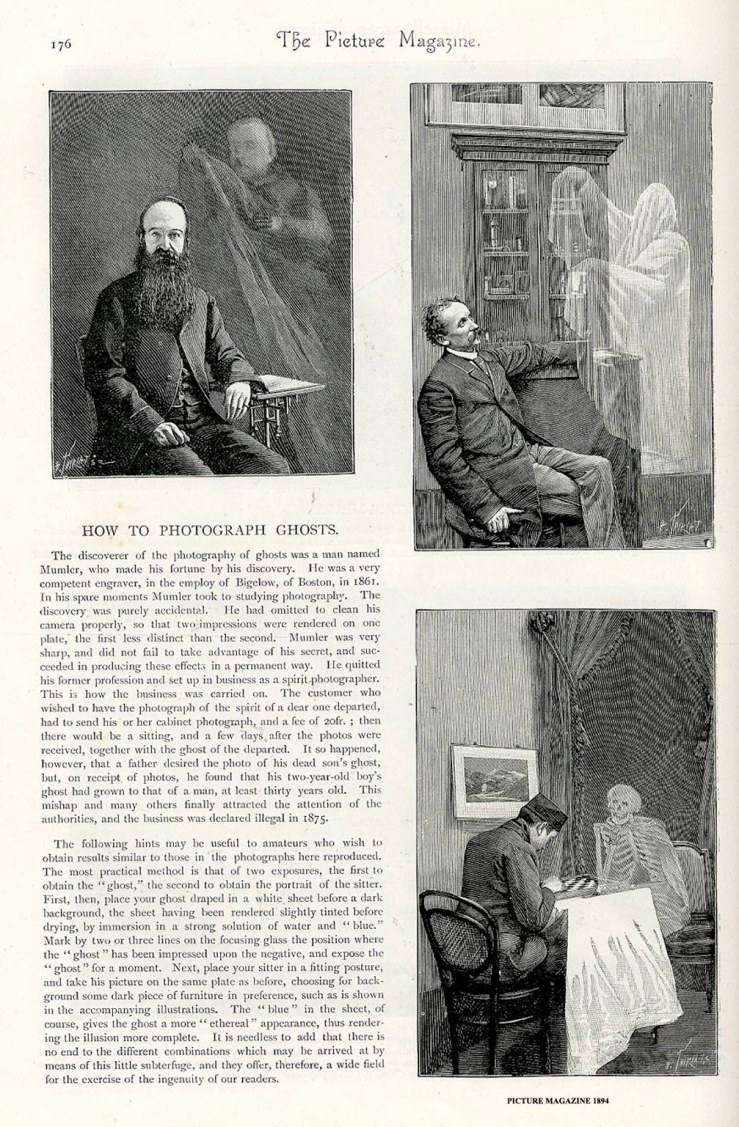
How to Photograph Ghosts

11