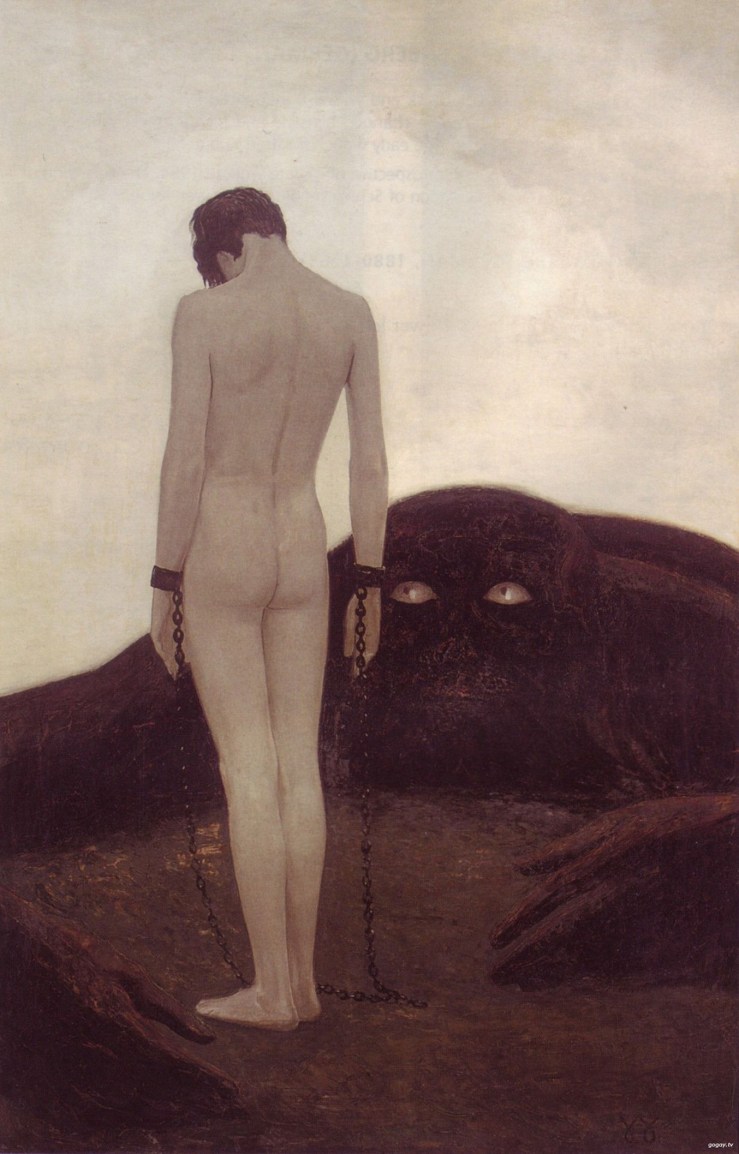
Feeling of Dependency — Sascha Schneider

wood-marble

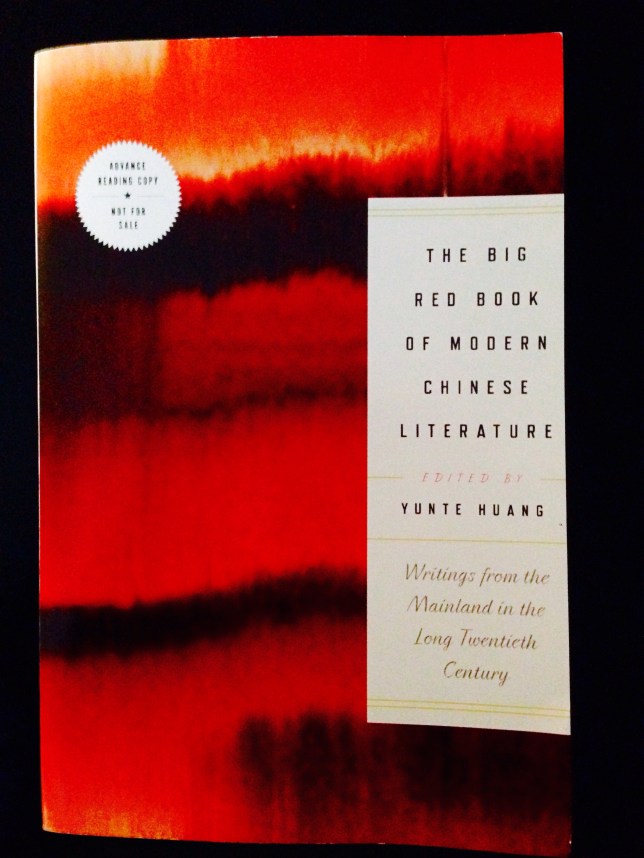
The Big Red Book of Modern Chinese Literature (Book acquired, 8.07.2015)

IMG_8270

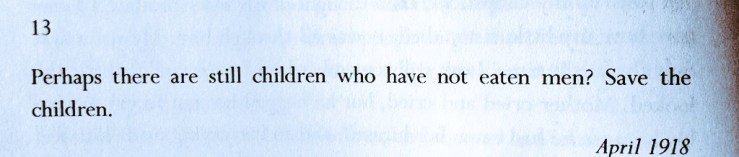
So I finally cracked into Norton’s forthcoming anthology, The Big Red Book of Modern Chinese Literature today. Knowing almost nothing of Chinese literature, I read Can Xue’s story “Hut on the Mountain” first (A+ stuff) and then went back to the beginning to read Lu Xun’s “A Madman’s Diary,” which ends with this line:IMG_8271

—like who wouldn’t want to read a story that ends that way?

Anyway, the book looks really fascinating. Editor Yunte Huang has put together a compelling mix of genres covering the last century. More to come, but here’s Norton’s blurb for now:

A panoramic literary anthology that tells the inner story of China in the twentieth century.

A search for the soul of modern China, this revelatory volume brings together significant works, in outstanding translations, from nearly fifty Chinese writers. It includes poems, essays, fiction, songs, and speeches written in an astonishing array of moods and styles, from sublime lyricism to witty surrealism to poignant documentary to the ironic, the absurd, the transgressive, and the defiant.

Reflecting on his own experience coming of age in China as a student in the time of Tiananmen, Yunte Huang provides essential context in an opening essay and in headnotes, timelines, and brief introductions to the Republican, Revolutionary, and Post-Mao eras. Both personal and authoritative, his selections make for a joyously informative read. From belles lettres to literary propaganda, from poetic revolution to pulp fiction, The Big Red Book is an eye-opening, mesmerizing, and indispensable portrait of China in the tumultuous twentieth century.

Bring me the butcher’s knife.

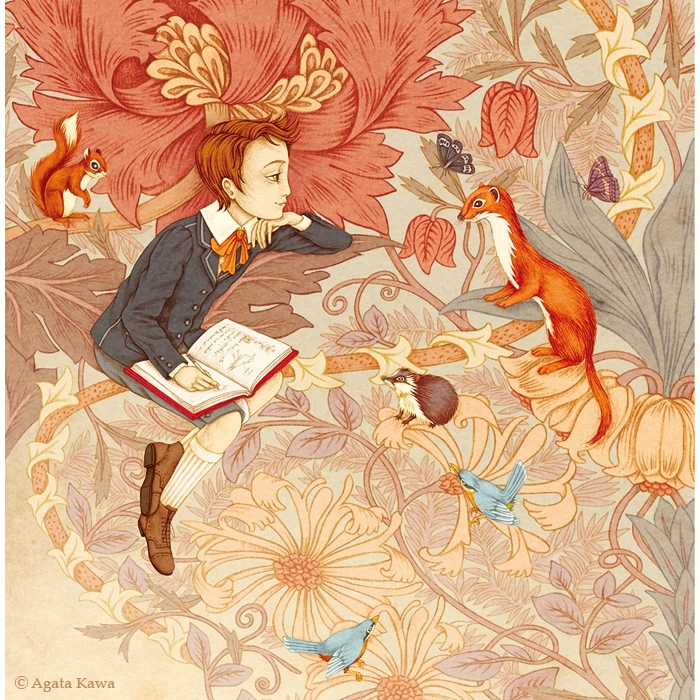
The Red Notebook — Agata Kawa

carnet04

Nathaniel Hawthorne’s journal entry for September 5th, 1838

September 5th.–I took a walk of three miles from the village, which brought me into Vermont. The line runs athwart a bridge,–a rude bridge, which crosses a mountain stream. The stream runs deep at the bottom of a gorge, plashing downward, with rapids and pools, and bestrewn with large rocks, deep and shady, not to be reached by the sun except in its meridian, as well on account of the depth of the gorgeas of the arch of wilderness trees above it. There was a stumpy clearing beyond the bridge, where some men were building a house. I went to them, and inquired if I were in Massachusetts or Vermont, and asked for some water. Whereupon they showed great hospitality, and the master-workman went to the spring, and brought delicious water in a tin basin, and produced another jug containing “new rum, and very good; and rum does nobody any harm if they make a good use of it,” quoth he. I invited them to call on me at the hotel, if they should come to the village within two or three days. Then I took my way back through the forest, for this is a by-road, and is, much of its course, a sequestrated and wild one, with an unseen torrent roaring at an unseen depth, along the roadside.

My walk forth had been an almost continued ascent, and, returning, I had an excellent view of Graylock and the adjacent mountains, at such a distance that they were all brought into one group, and comprehended at one view, as belonging to the same company,–all mighty, with a mightier chief. As I drew nearer home, they separated, and the unity of effect was lost. The more distant then disappeared behind the nearer ones, and finally Graylock itself was lost behind the hill which immediately shuts in the village. There was a warm, autumnal haze, which, I think, seemed to throw the mountains farther off, and both to enlarge and soften them.

To imagine the gorges and deep hollows in among the group of mountains,–their huge shoulders and protrusions.

“They were just beginning to pitch over the mountains, as I came along,”–stage-driver’s expression about the caravan.

A fantastic figure of a village coxcomb, striding through the bar-room, and standing with folded arms to survey the caravan men. There is much exaggeration and rattle-brain about this fellow.

A mad girl leaped from the top of a tremendous precipice in Pownall, hundreds of feet high, if the tale be true, and, being buoyed up by her clothes, came safely to the bottom.

Inquiries about the coming of the caravan, and whether the elephant had got to town, and reports that he had.

A smart, plump, crimson-faced gentleman, with a travelling-portmanteau of peculiar neatness and convenience. He criticises the road over the mountain, having come in the Greenfleld stage; perhaps an engineer.

Bears still inhabit Saddleback and the neighboring mountains and forests. Six were taken in Pownall last year, and two hundred foxes. Sometimes they appear on the hills, in close proximity to this village.

Nathaniel Hawthorne’s journal entry of September 5th, 1838.
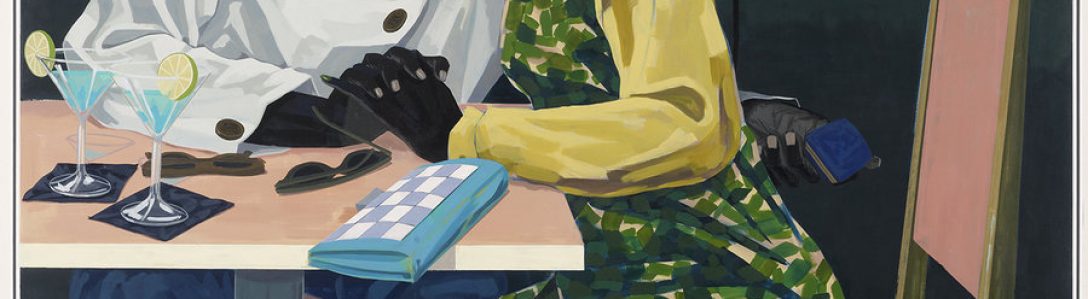
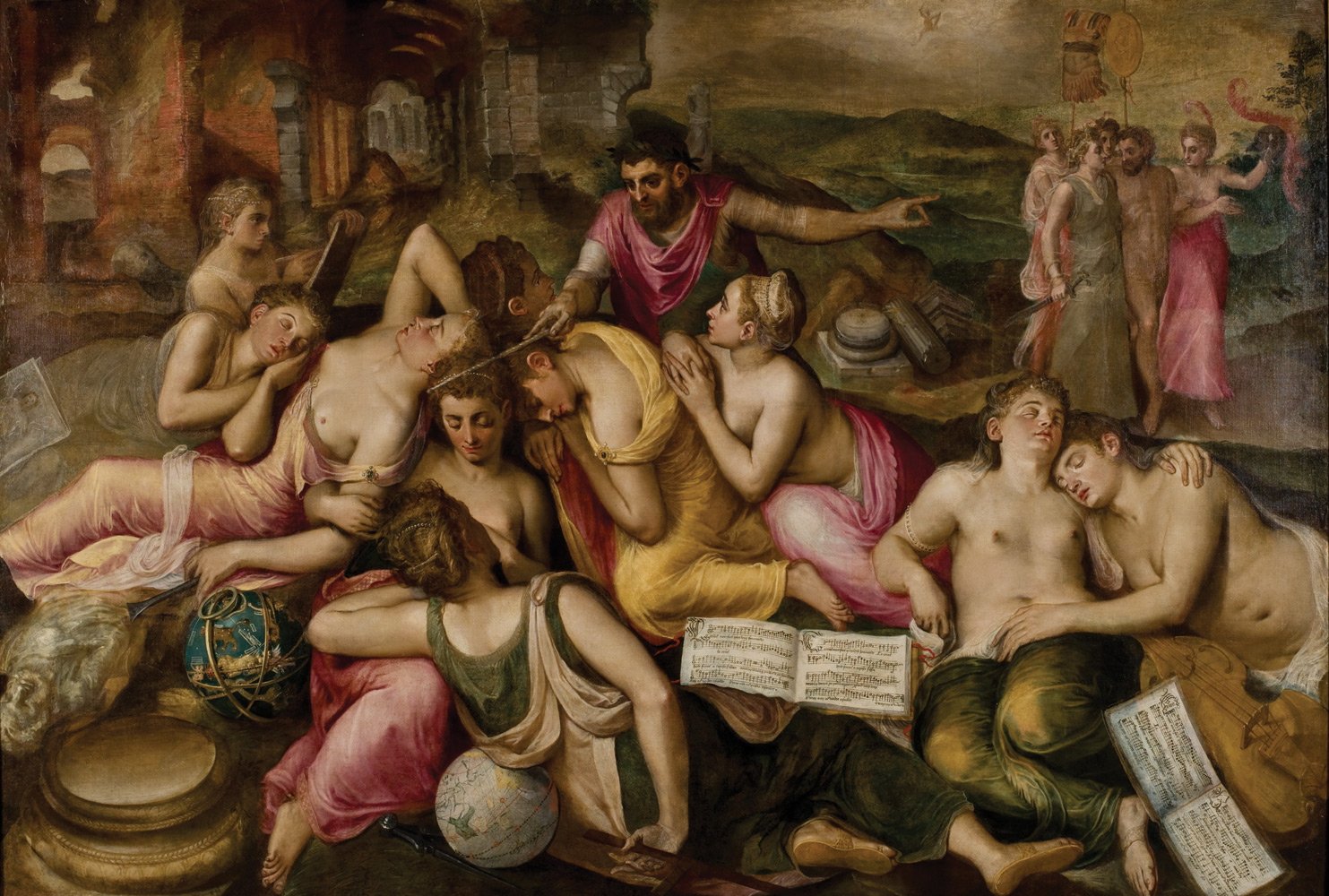
The Awakening of the Arts — Frans Floris

Still Life with Orange Peel — Richard Diebenkorn

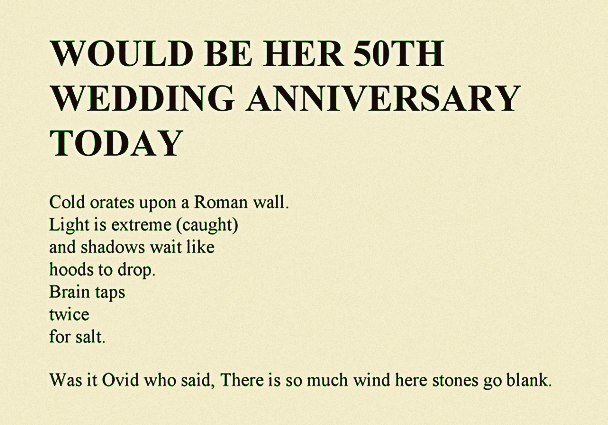
“Would Be Her 50th Wedding Anniversary Today” — Anne Carson

would be

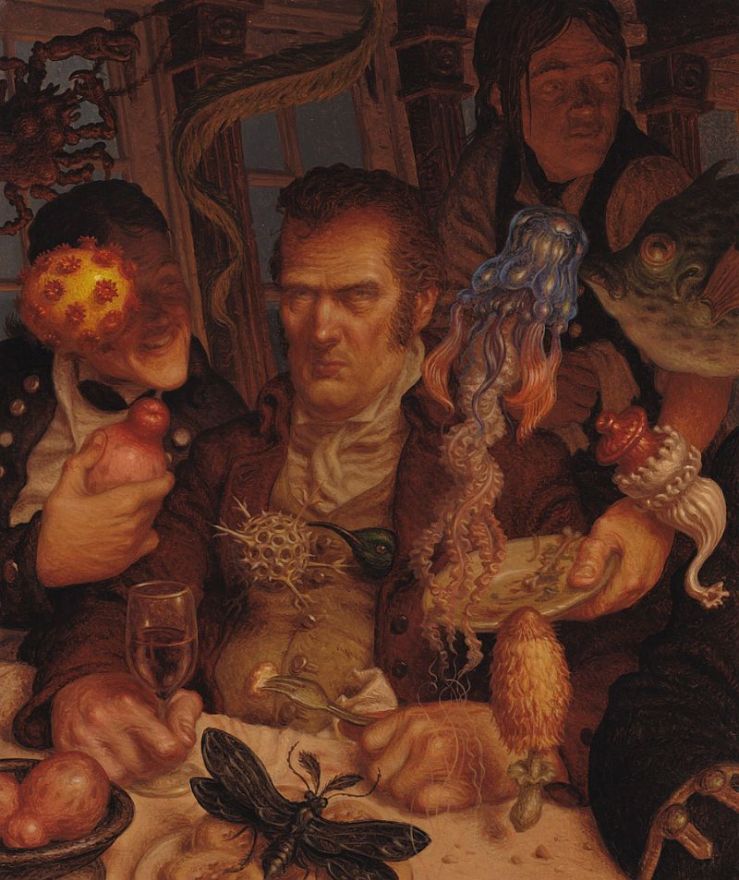
Daydream — Peter Ferguson

03a-Daydream

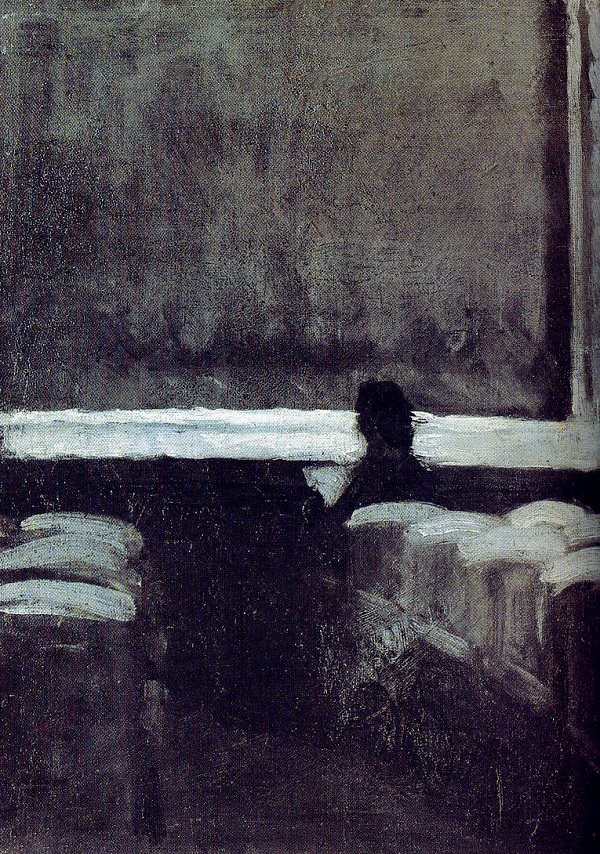
Solitary Figure in a Theater — Edward Hopper

solitary-figure-in-a-theater

The Beginning of Magick II — Fredrik Söderberg

06-fredrik-soderberg

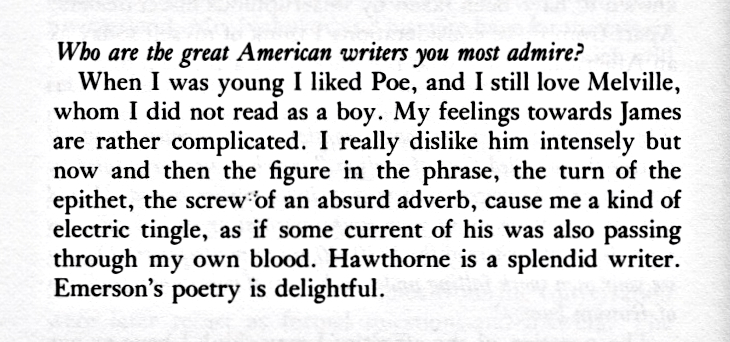
Who are the great American writers Nabokov most admired?

img_8263

From a 1966 interview between Vladimir Nabokov and Alfred Appel, Jr., originally published in Wisconsin Studies in Contemporary Literature and reprinted in Strong Opinions. 

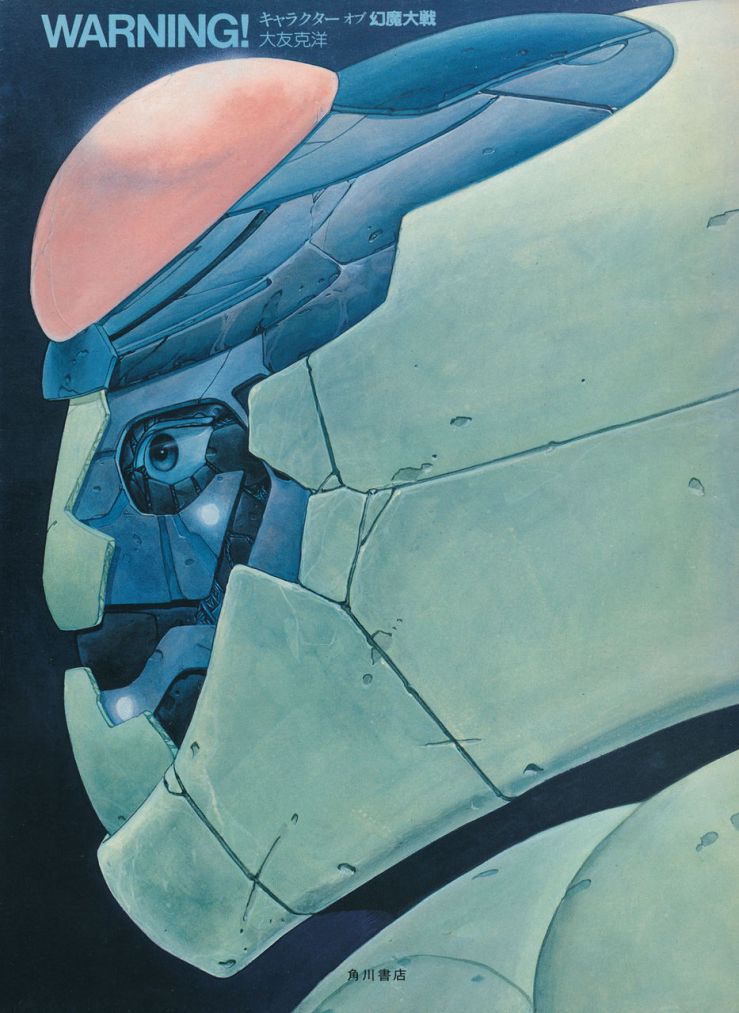
Warning! — Katsuhiro Otomo

a3246a8c

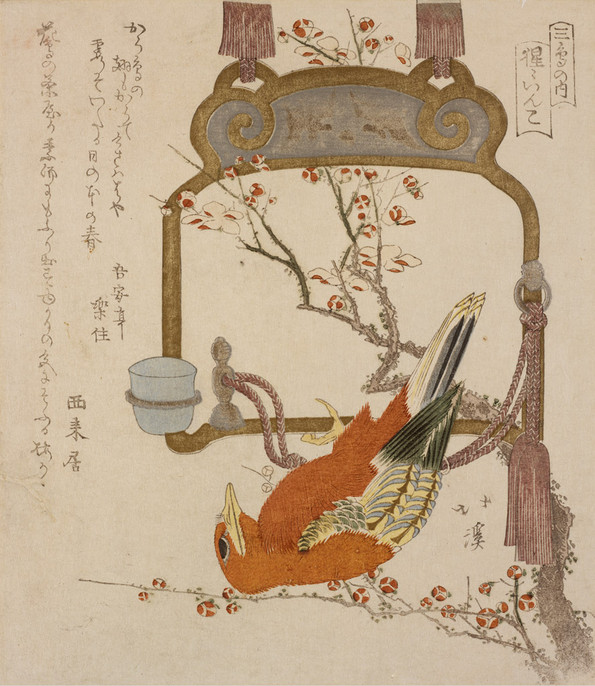
Shojo Parakeet and Plum — Totoya Hokkei

RISDM 34-391

The Beginning of Time — Gérard Willemenot

19_AU-DEBUT-DES-TEMPS-80-X-80

Blanket — Boris Kustodiev

It was September now (Cormac McCarthy’s Suttree)

It was September now, a season of rains. The gray sky above the city washed with darker scud like ink curling in a squid’s wake. The blacks can see the boy’s fire at night and glimpses of his veering silhouette slotted in the high nave, outsized among the arches. All night a ruby glow suffuses the underbridge from his garish chancel lamps. The city’s bridges all betrolled now what with old ventriloquists and young melonfanciers. The smoke from their fires issues up unseen among the soot and dust of the city’s right commerce.

Sometimes in the evening Suttree would bring beers and they’d sit there under the viaduct and drink them. Harrogate with questions of city life.

You ever get so drunk you kissed a nigger?

Suttree looked at him. Harrogate with one eye narrowed on him to tell the truth. I’ve been a whole lot drunker than that, he said.

Worst thing I ever done was to burn down old lady Arwood’s house.”

“You burned down an old lady’s house?

Like to of burnt her down in it. I was put up to it. I wasnt but ten year old.

Not old enough to know what you were doing.

Yeah.–Hell no that’s a lie. I knowed it and done it anyways.

Did it burn completely down?

Plumb to the ground. Left the chimbley standin was all. It burnt for a long time fore she come out.

Did you not know she was in there?

I disremember. I dont know what I was thinkin. She come out and run to the well and drawed a bucket of water and thowed it at the side of the house and then just walked on off towards the road. I never got such a whippin in my life. The old man like to of killed me.

Your daddy?

Yeah. He was alive then. My sister told them deputies when they come out to the house, they come out there to tell her I was in the hospital over them watermelons, she told em I didnt have no daddy was how come I got in trouble. But shit fire I was mean when I did have one. It didnt make no difference.

Were you sorry about it? The old lady’s house I mean.

Sorry I got caught.

Suttree nodded and tilted his beer. It occurred to him that other than the melon caper he’d never heard the city rat tell anything but naked truth.

Another vignette from Cormac McCarthy’s Suttree—a transition scene perhaps, but one that draws Suttree and Harrogate closer, even as it underlines their differences.

In my review of Suttree a few years back, I argued that the novel is a grand synthesis of American literature, brimming with literary allusions. I singled out Faulkner’s “A Rose for Emily” as the basis for a later scene with Harrogate, so I can’t help but think of Faulkner’s “Barn Burning” here.