Odalisque — Georgy Kurasov

Georgy Kurasov Odalesque 32 x 40

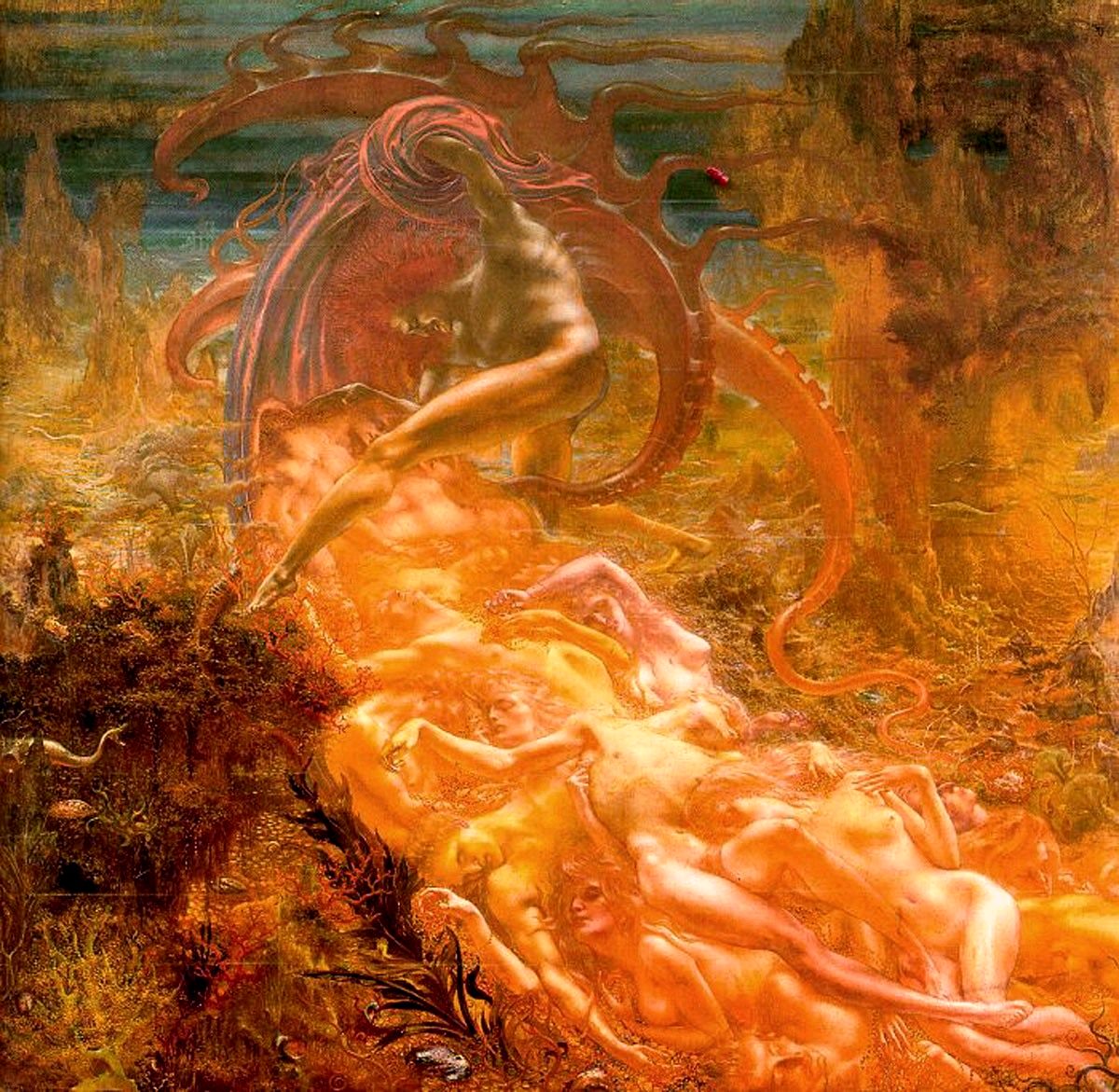
The Treasures of Satan — Jean Delville

tumblr_lpgcfbJH4A1qz4yqio1_1280

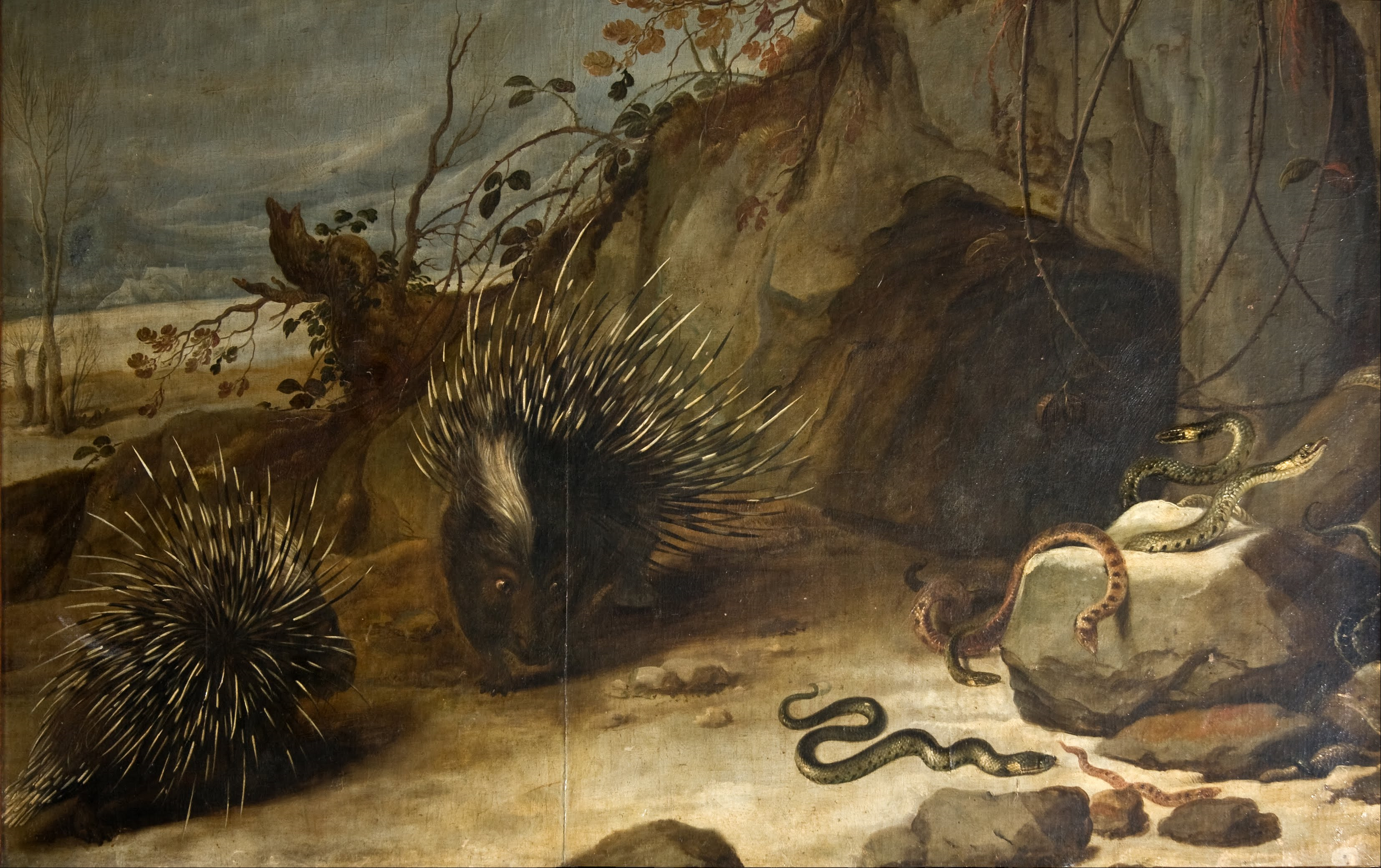
Porcupines and Vipers — Frans Snyders

The aim of the artist (William H. Gass)

The aim of the artist ought to be to bring into the world objects which do not already exist there, and objects which are especially worthy of love. We meet people, grow to know them slowly, settle on some to companion our life. Do we value our friends for their social status, because they are burning in the public blaze? do we ask of our mistress her meaning? calculate the usefulness of our husband or wife? Only too often. Works of art are meant to be lived with and loved, and if we try to understand them, we should try to understand them as we try to understand anyone—in order to know them better, not in order to know something else.

–More from William H. Gass’s essay “The Artist and Society” (1968). Collected in Fiction and the Figures of Life.

The Mediterranean Cat — Balthus

Pasolini’s Decameron

Moonsiren — Leonora Carrington

tumblr_llug6mAJKX1qcnlh2o1_1280

Little Nemo Visits the Moon — Winsor McCay

Little_Nemo_moon

Romancing the Casserole — Mary Pratt

Gothic Novel — Georgy Kurasov

Georgy Kurasov Gothic Novel 40 x 30

Seated Figure of Summer — Giuseppe Arcimboldo

The Finery of the Storm — Rene Magritte

The Creation of the World and the Expulsion from Paradise — Giovanni di Paolo

Have you met a typical nonperson lately? (William H. Gass)

Have you met met a typical nonperson lately? Then say hello, now, to your neighbor. He may be male, but his facial expressions have been put on like lipstick and eyelashes. His greeting is inevitable; so is his interest in the weather. He always smiles; he speaks only in cliches; and his opinions (as bland as Cream of Wheat, as undefined, and—when sugared—just as sweet) are drearily predictable. He has nothing but good to say of people; he collects his wisdom like dung from a Digest; he likes to share his experiences with “folks,” and recite the plots of movies. He is working up this saccharine soulside manner as part of his preparation for the ministry.

These are the “good” people. “Bad” people are unreal in the same way.

Nonpersons unperson persons. They kill. For them no one is human. Like cash registers, everyone’s the same: all will go ding and their cash drawers slide out when you strike the right key.

So I don’t think that it’s the message of a work of art that gives it any lasting social value. On the contrary, insisting on this replaces the work with its interpretation, another way of robbing it of reality. How would you like to be replaced by your medical dossier, your analysts’s notes? 

–More from William H. Gass’s essay “The Artist and Society” (1968). Collected in Fiction and the Figures of Life.

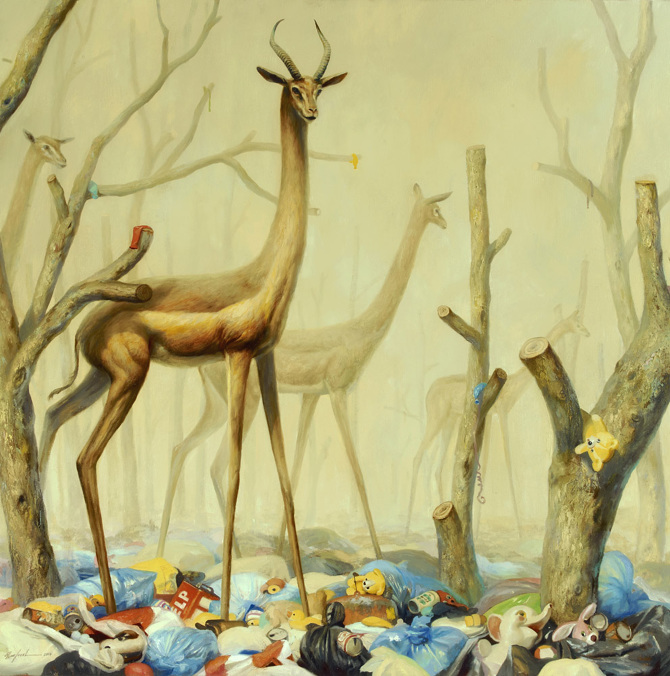
Stilts (Adaptation) — Martin Wittfooth

stilts_web

A Midsummer Night’s Dream — Giovanni Boldini