Fireworks — Konstantin Somov

Red White and Blue Velvet

IMG_0272

A still from the opening of David Lynch’s film Blue Velvet. Frederick Elmes was the film’s cinematographer.

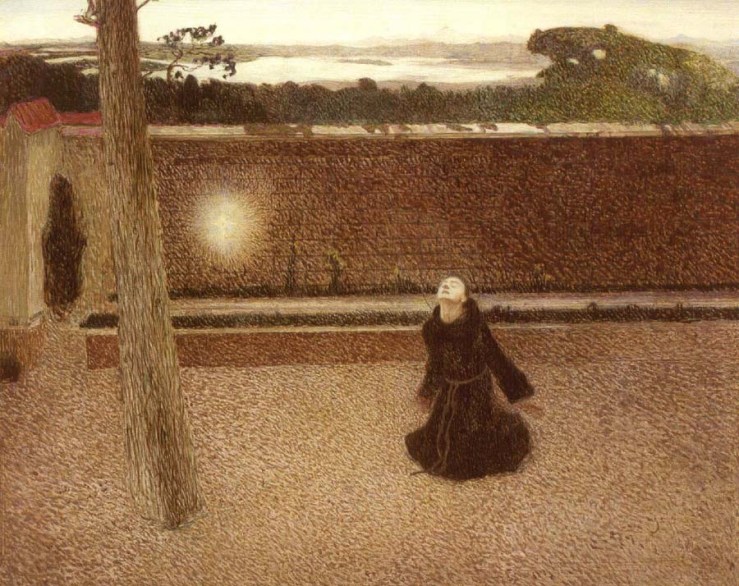
Dreaming of Pomegranates — Felice Casorati

Felice Casorati

Artist and Chimera — Jacek Malczewski

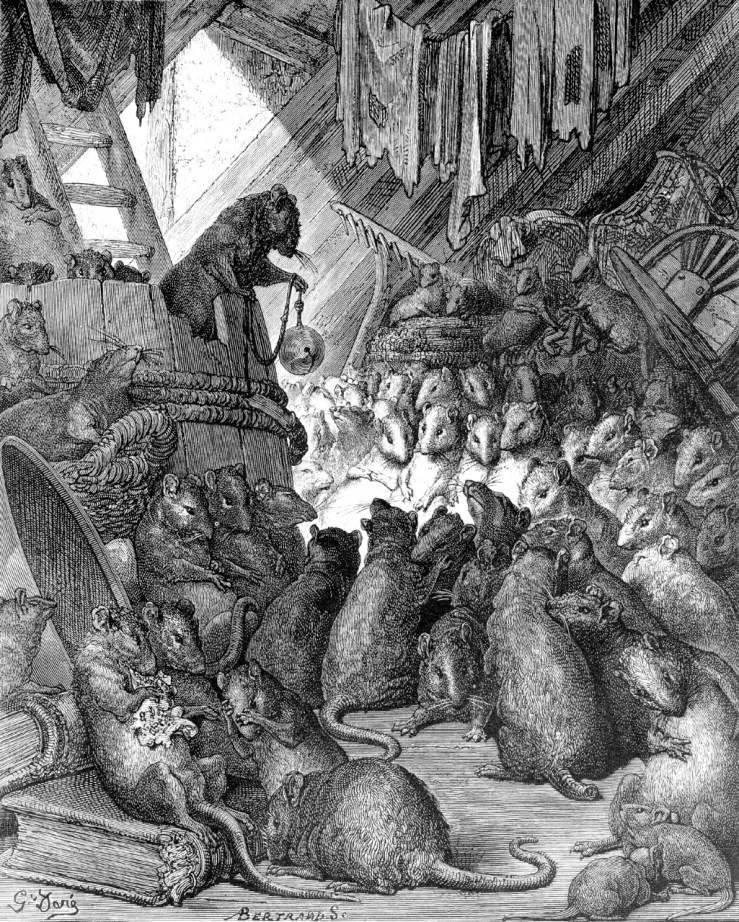
The Council of Rats — Gustave Dore

tumblr_ly1wo5oUy91qb8f0mo1_1280

“Masculine Literature” — Charlotte Perkins Gilman

“Masculine Literature”

by

Charlotte Perkins Gilman

(from Our Androcentric Culutre; or, The Man Made World)


When we are offered a “woman’s” paper, page, or column, we find it filled with matter supposed to appeal to women as a sex or class; the writer mainly dwelling upon the Kaiser’s four K’s—Kuchen, Kinder, Kirche, Kleider. They iterate and reiterate endlessly the discussion of cookery, old and new; of the care of children; of the overwhelming subject of clothing; and of moral instruction. All this is recognized as “feminine” literature, and it must have some appeal else the women would not read it. What parallel have we in “masculine” literature?

“None!” is the proud reply. “Men are people! Women, being ‘the sex,’ have their limited feminine interests, their feminine point of view, which must be provided for. Men, however, are not restricted—to them belongs the world’s literature!”

Yes, it has belonged to them—ever since there was any. They have written it and they have read it. It is only lately that women, generally speaking, have been taught to read; still more lately that they have been allowed to write. It is but a little while since Harriet Martineau concealed her writing beneath her sewing when visitors came in—writing was “masculine”—sewing “feminine.” Continue reading ““Masculine Literature” — Charlotte Perkins Gilman”

Christ Tempted by Satan to Turn the Stones to Bread — William Blake

Operation Wednesday — Leonora Carrington

Battle of the Gods That Have Been Transformed — Ernst Fuchs

Still Life with a Wine Cooler — Frans Snyders

The Vision — Sigmund Walter Hampel

tumblr_kvfhp4rxC81qzw5wjo1_1280

Interior with Girl Reading — Peter Ilsted

c4422_1

Barthelme has managed to place himself in the center of modern consciousness (William H. Gass)

Barthelme has managed to place himself in the center of modern consciousness. Nothing surrealist about him, his dislocations are real, his material quite actual. Radio, television, movies, newspapers, books, magazines, social talk: these supply us with our experience. Rarely do we see trees, go meadowing, or capture crickets in a box. The aim of every media, we are nothing but the little darkening hatch they trace when, narrowly, they cross. Computers begin by discriminating only when they’re told to. Are they ahead that much? since that’s the way we end. At home I rest from throwing pots according to instructions by dipping in some history of the Trojan war; the fete of Vietnam is celebrated on the telly; my daughter’s radio is playing rock—perhaps it’s used cars or Stravinsky; my wife is telling me she loves me, is performing sexercises with a yogi Monday, has accepted a proposal to be photoed without clothing and now wonders if the draft will affect the teaching of freshman chemistry. Put end to end like words, my consciousness is a shitty run of category errors and non sequiturs. Putting end to end and next to next is Barthelme’s method, and in Barthelme, blessed method is everything.

From William H. Gass’s 1968 essay “The Leading edge of the Trash Phenomenon,” an ostensible review of Donald Barthelme’s collection Unspeakable Practices, Unnatural Acts.

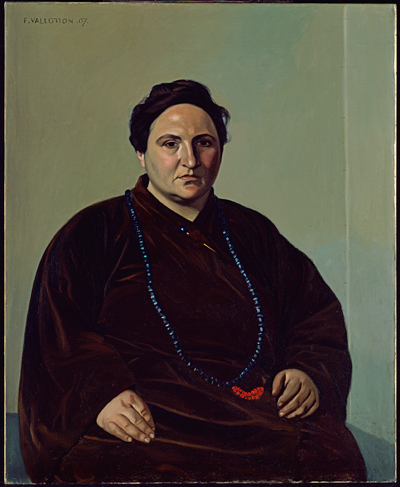
Portrait of Gertrude Stein — Felix Vallotton

1.3

Angel of Splendors — Jean Delville

jd6

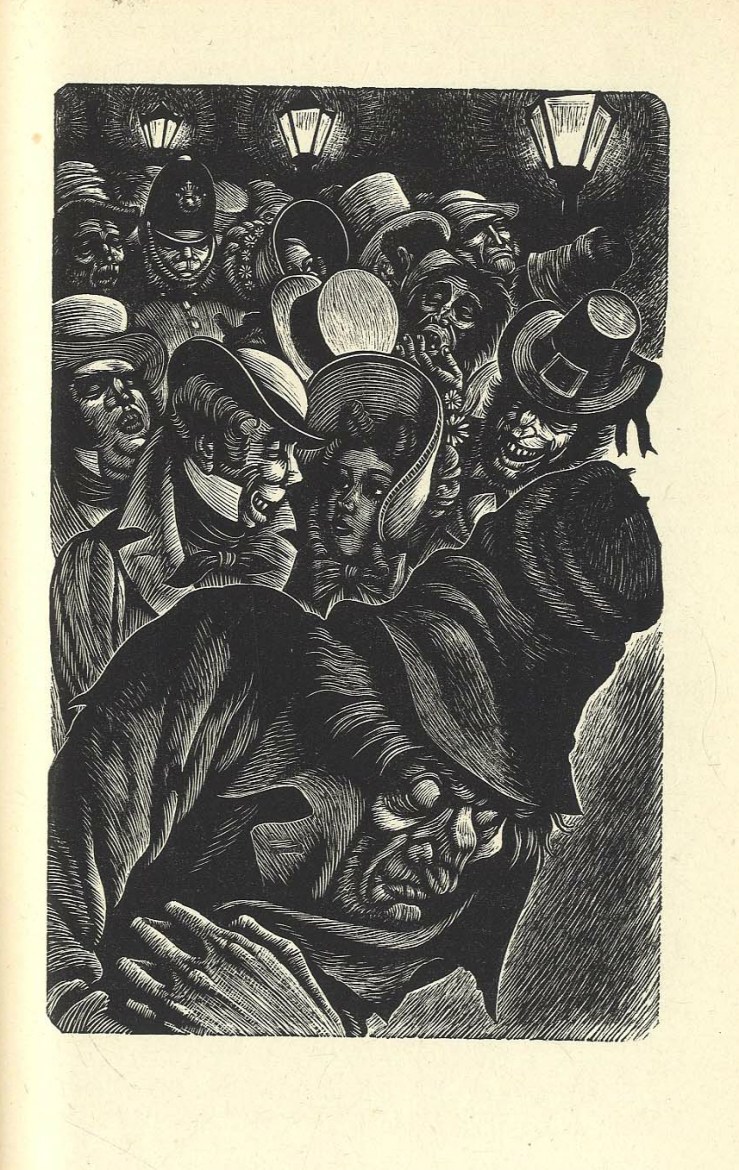
Illustration for Edgar Allan Poe’s story “The Man of the Crowd” — Fritz Eichenberg

SH925

Wonderful Fritz Eichenberg illustration to one of my favorite Poe stories, “The Man of the Crowd,”. Via a gorgeous gallery at Full Table.

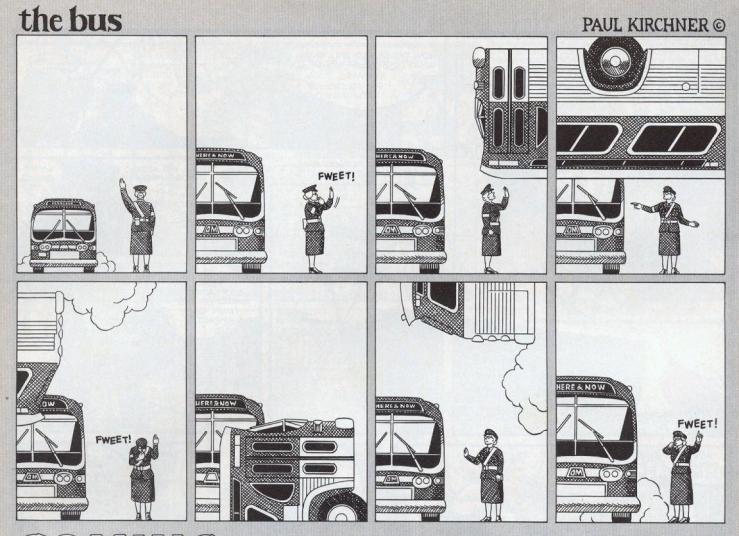
The Bus — Paul Kirchner

dYdxq6N - Imgur