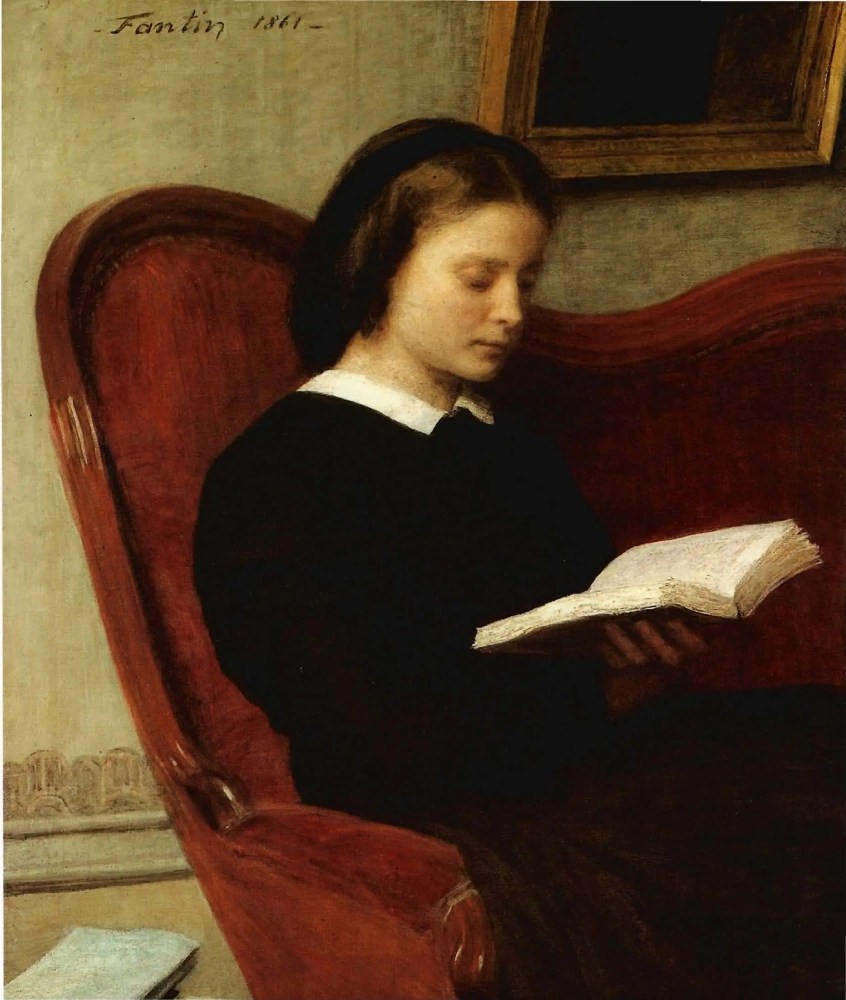
The Reader (Marie Fantin Latour, the Artist’s Sister), 1861 by Henri Fantin-Latour (1836-1904)

The Reader (Marie Fantin Latour, the Artist’s Sister), 1861 by Henri Fantin-Latour (1836-1904)

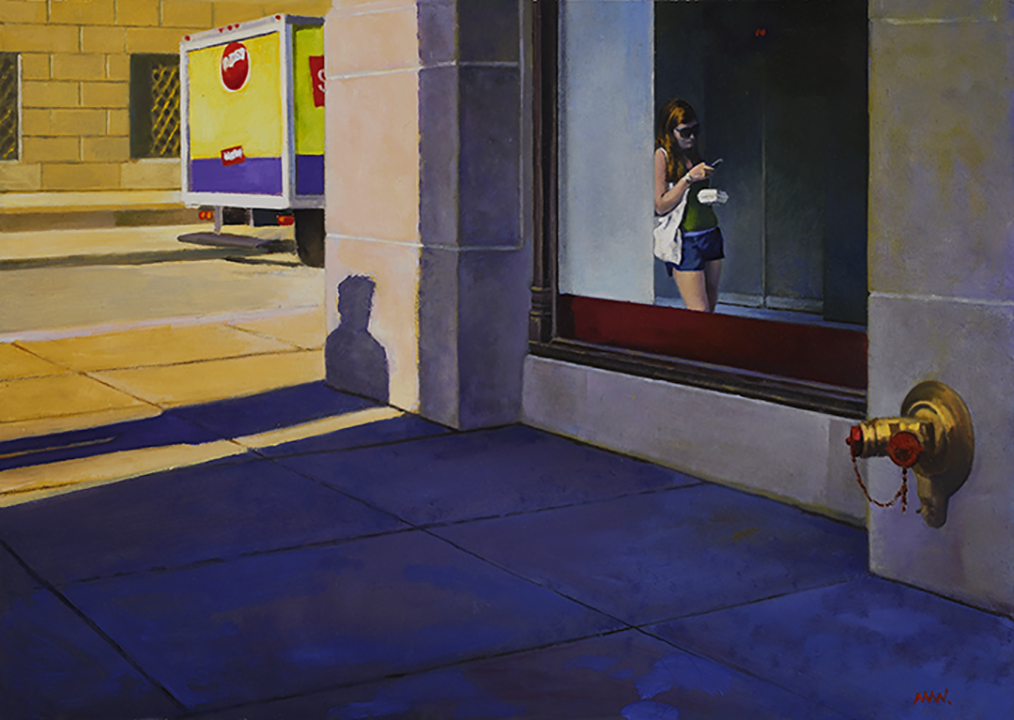
Without Even Looking by Nigel Van Wieck (b. 1947)

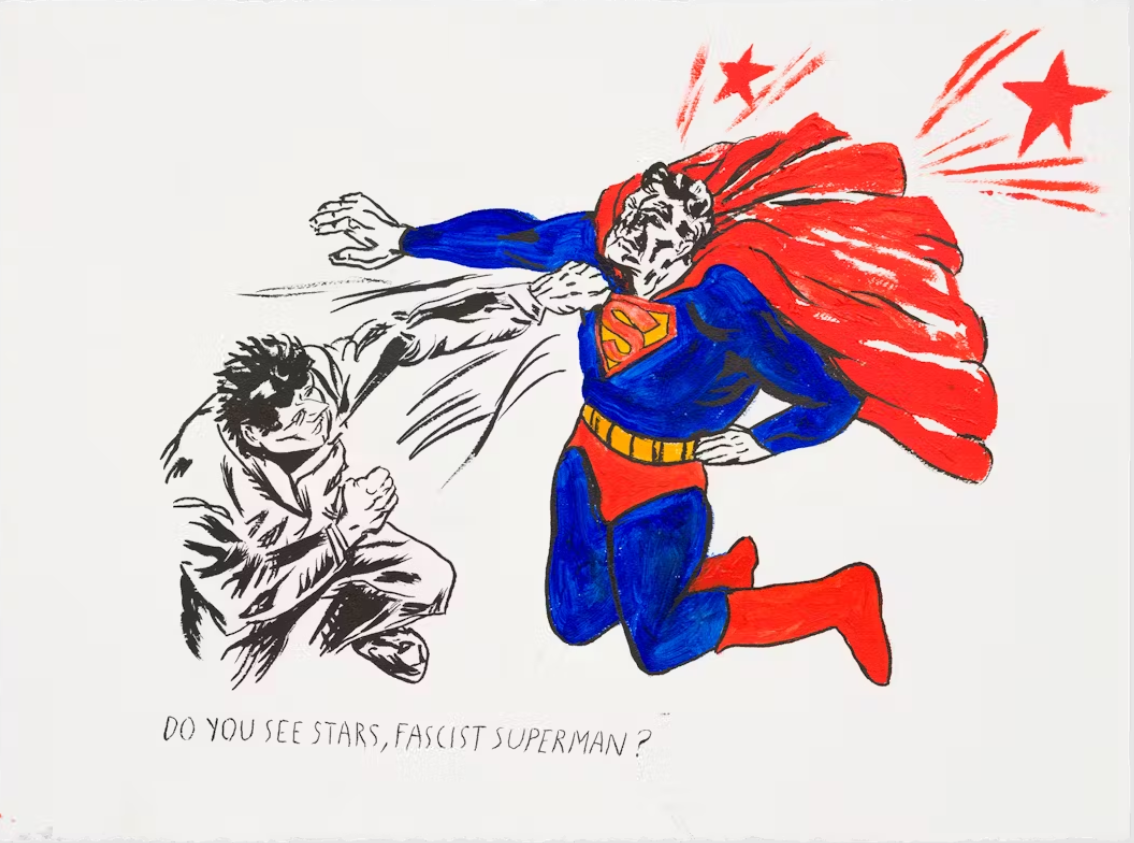
Untitled (Do You See Stars, Fascist Superman?), 2015 by Raymond Pettibon (b. 1957)


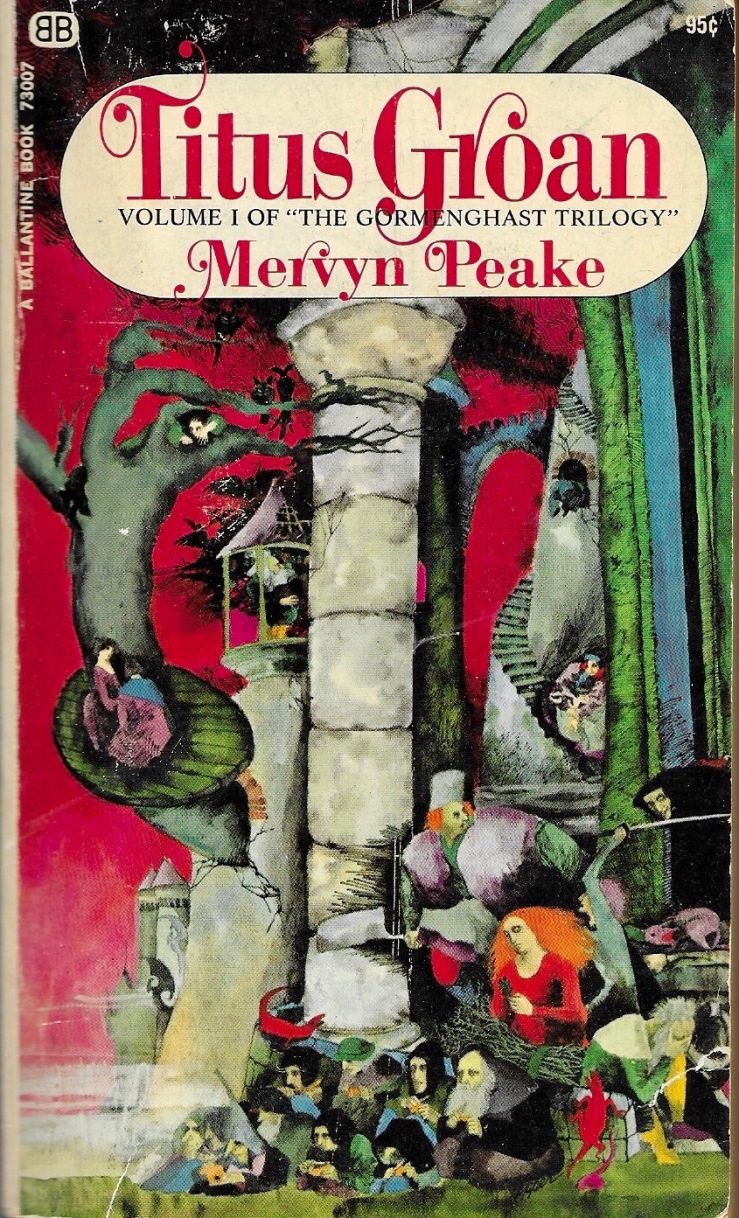
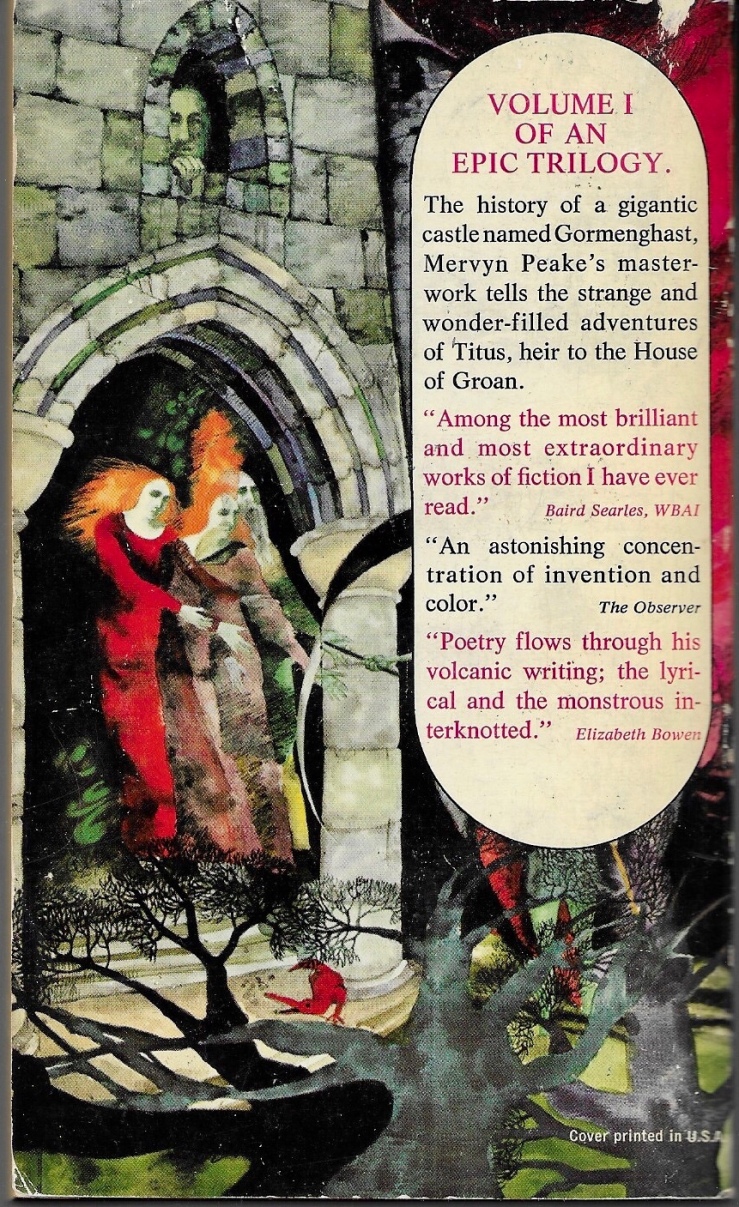
Titus Groan, Mervyn Peake. Ballantine Books (1968). No cover artist credited. 543 pages.
The uncredited cover artist is Bob Pepper, who also provided the covers for Ballantine editions of the other two novels in Peake’s Gormenghast trilogy, Gormenghast and Titus Alone. The covers are actually segments from one painting:
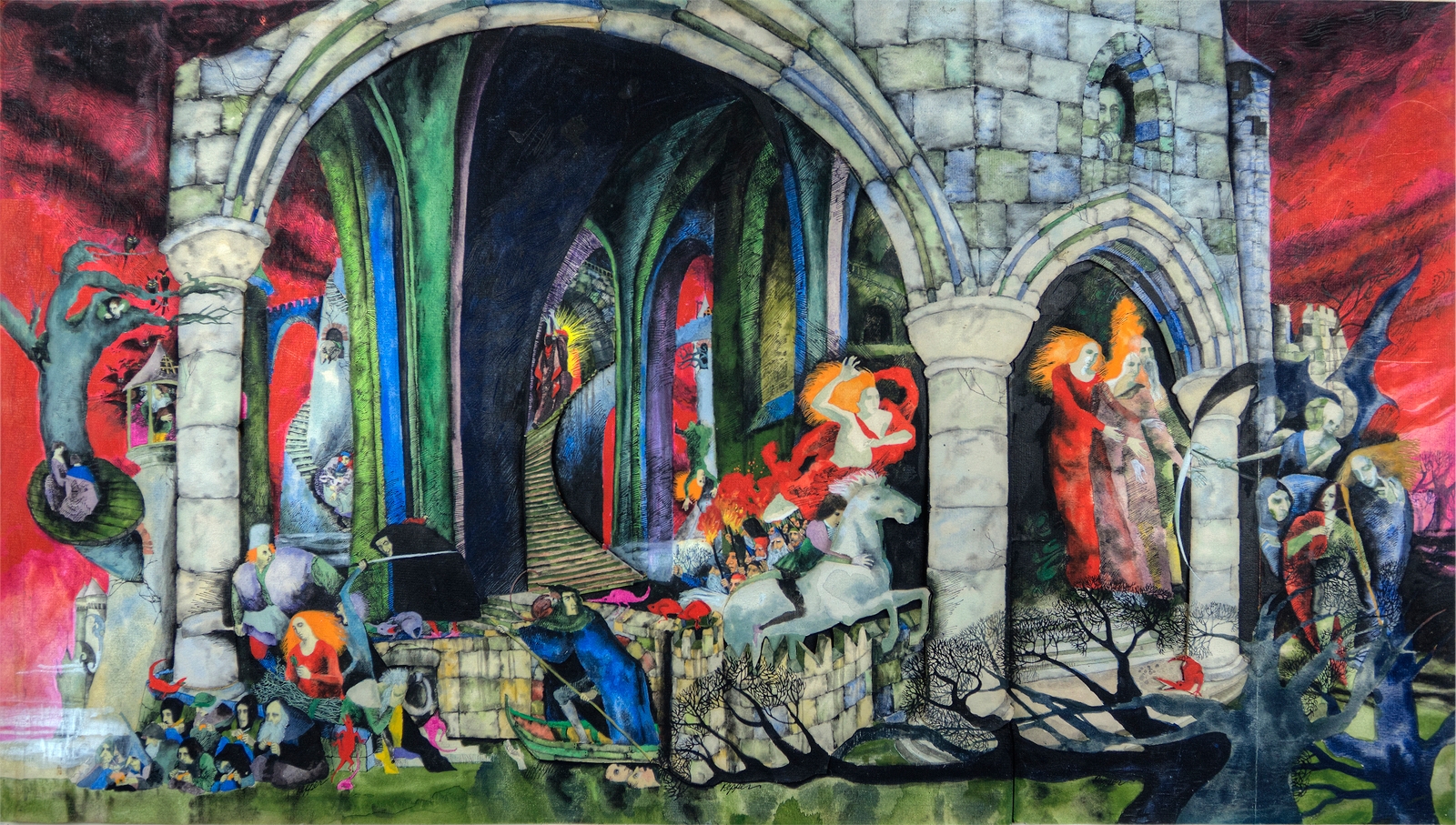
The edition also includes black and white illustrations by Peake (including eight glossy inset pages).
I have no idea how I had never even heard of Mervyn Peake’s Gormenghast trilogy until some point late in 2019. I grew up reading fantasy and yet somehow never encountered these strange, dense books. I consumed them in 2020, pressing extra copies on my son.
From my 2020 reading roundup end-of-year post:
Titus Groan, Mervyn Peake
The first of Mervyn Peake’s strange castle (and then not-castle trilogy (not really a trilogy, really)), Titus Groan is weird wonderful grotesque fun. Inspirited by the Machiavellian antagonist Steerpike, Titus Groan can be read as a critique of the empty rituals that underwrite modern life. It can also be read for pleasure alone.
Gormenghast, Mervyn Peake
Probably the best novel in Peake’s trilogy, Gormenghast is notable for its psychological realism, surreal claustrophobia, and bursts of fantastical imagery. We finally get to know Titus, who is a mute infant in the first novel, and track his insolent war against tradition and Steerpike. The novel’s apocalyptic diluvian climax is amazing.
Titus Alone, Mervyn Peake
A beautiful mess, an episodic, picaresque adventure that breaks all the apparent rules of the first two books. The rulebreaking is fitting though, given that Our Boy Titus (alone!) navigates the world outside of Gormenghast—a world that doesn’t seem to even understand that a Gormenghast exists (!)—Titus Alone is a scattershot epic. Shot-through with a heavy streak of Dickens, Titus Alone never slows down enough for readers to get their bearings. Or to get bored. There’s a melancholy undercurrent to the novel. Does Titus want to get back to his normal—to tradition and the meaningless lore and order that underwrote his castle existence? Or does he want to break quarantine?

Charles Ricketts and Charles Shannon as Medieval Saints, 1920 by Edmund Dulac (1822–1953)

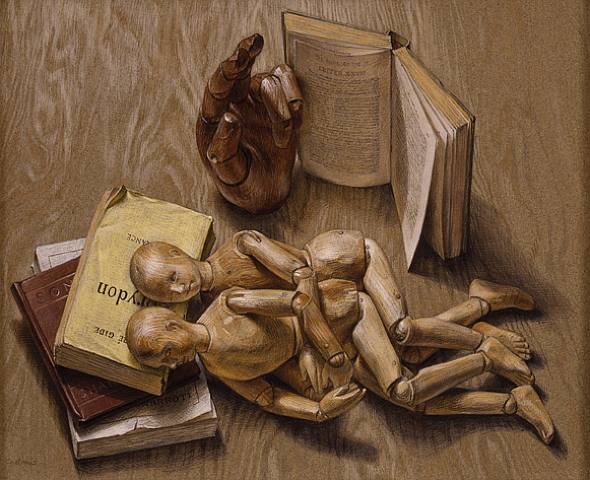
Manikins, 1951 by Paul Cadmus (1904-199)

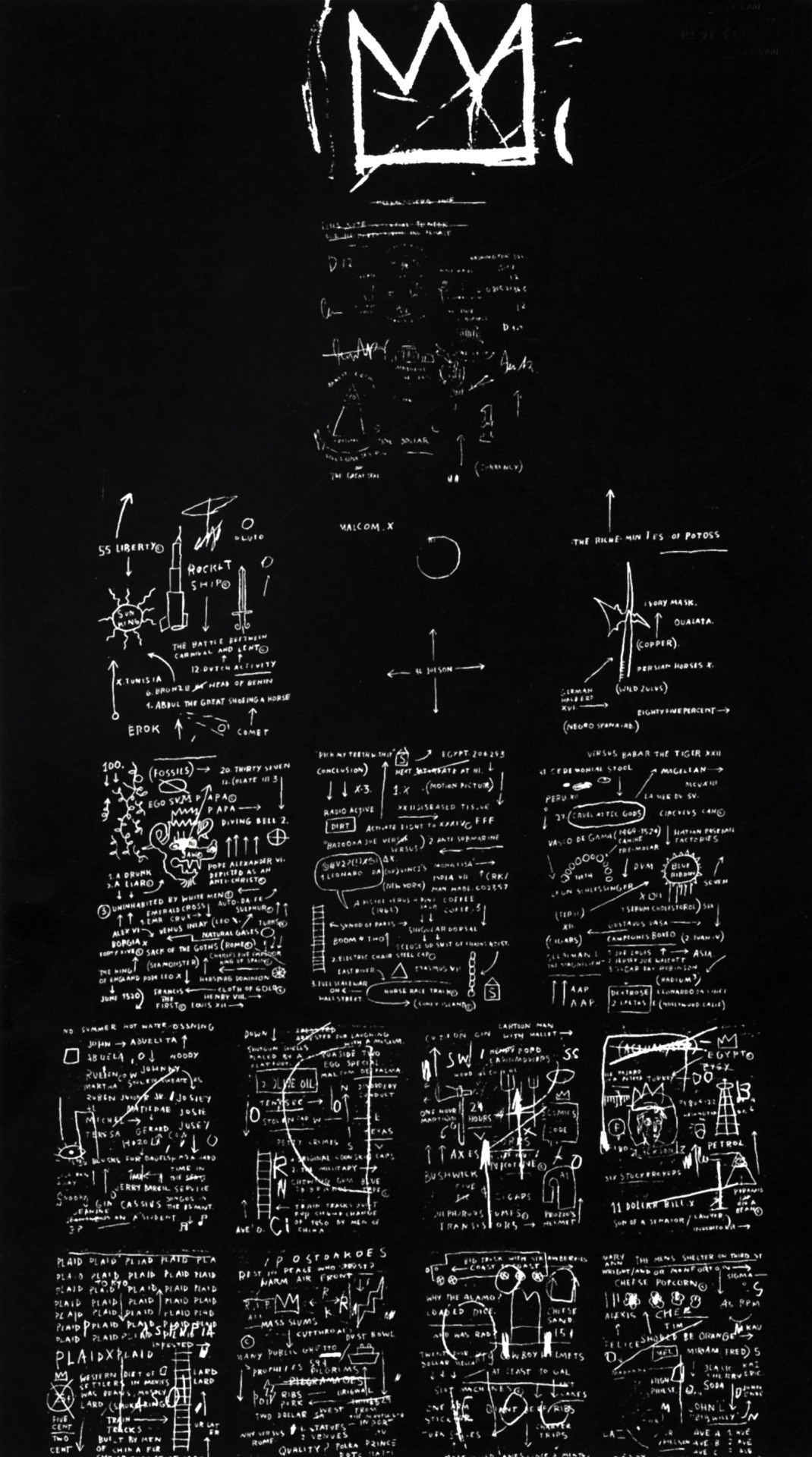
Tuxedo, 1983 by Jean-Michel Basquiat (1960-1988)

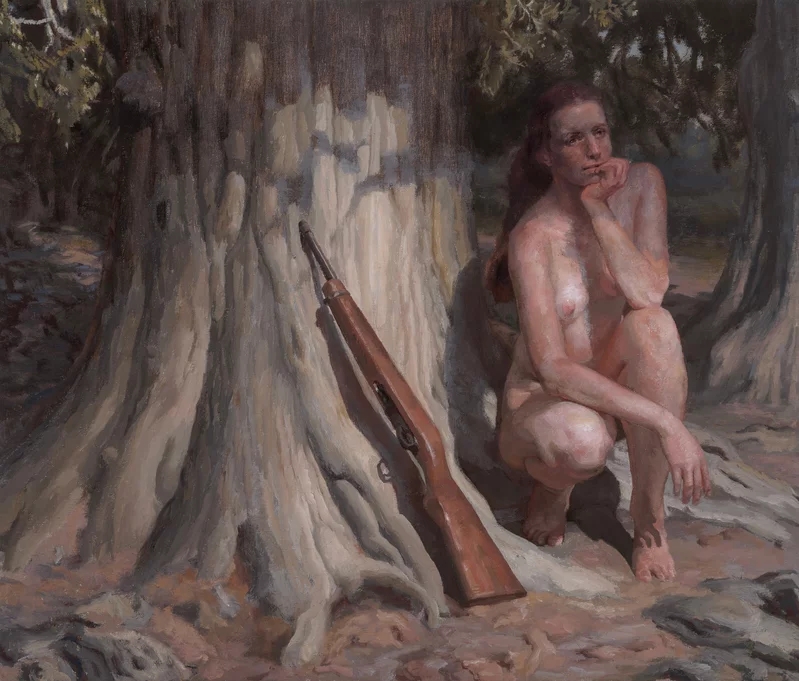
Leda Got a Gun, 2024 by Anne Herrero (b. 1984)

Straw Boats, 2023 by Mu Pan (b. 1976)

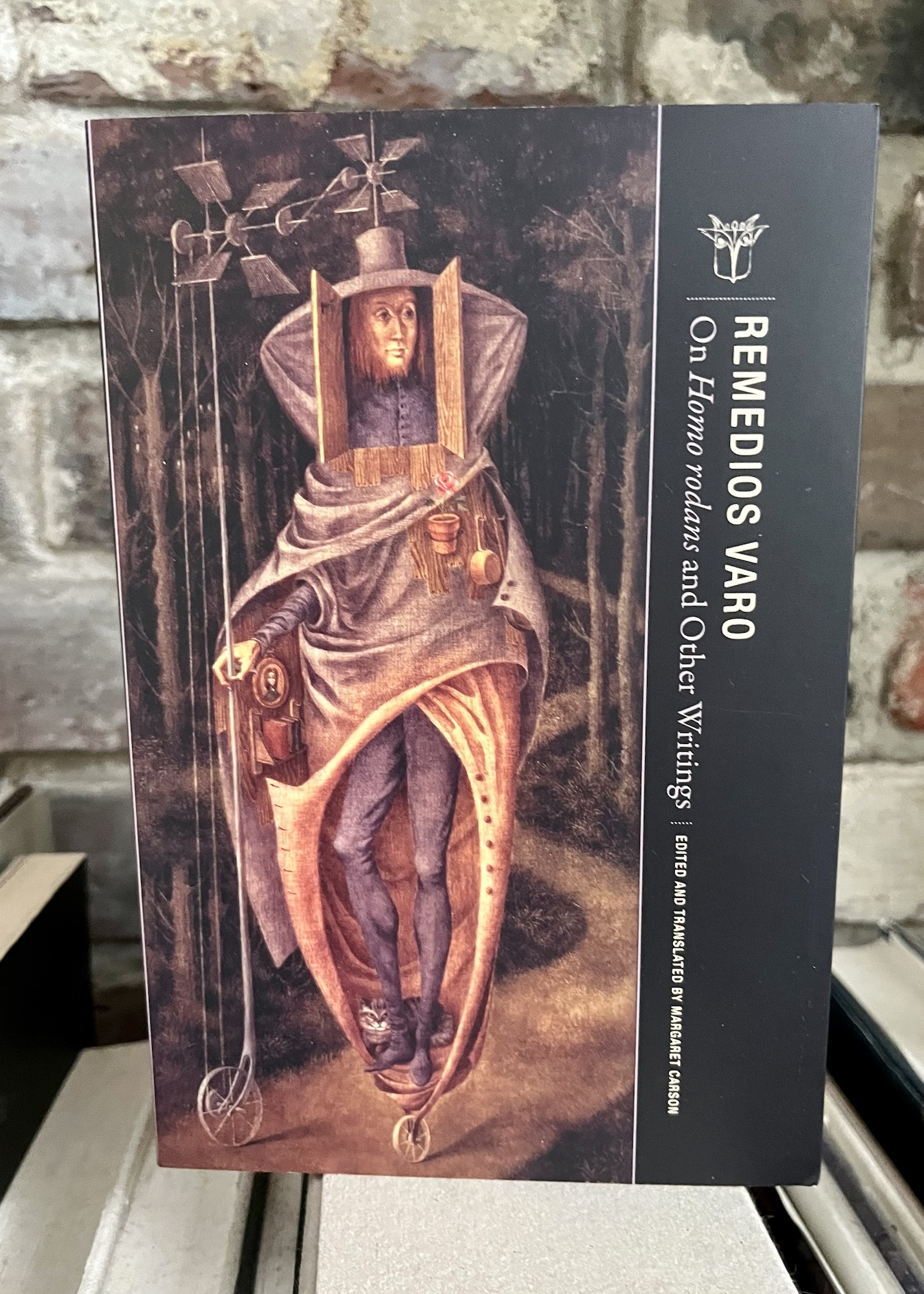
I’m very happy to have a copy of On Homo rodans and Other Writings, a collection of Remedios Varo’s writings translated and edited by Margaret Carson. This collection expands on the 2018 compendium Letters, Dreams and Other Writings.
Margaret told me via email that On Homo rodans and Other Writings “includes a few new stories and other interesting things that [she] found in the archive in Mexico City in 2022, and also has a rearranged presentation of everything (as requested by the estate).” I hope to have a second interview with Margaret on this new collection soon; in the meantime, check out our conversation from 2019.


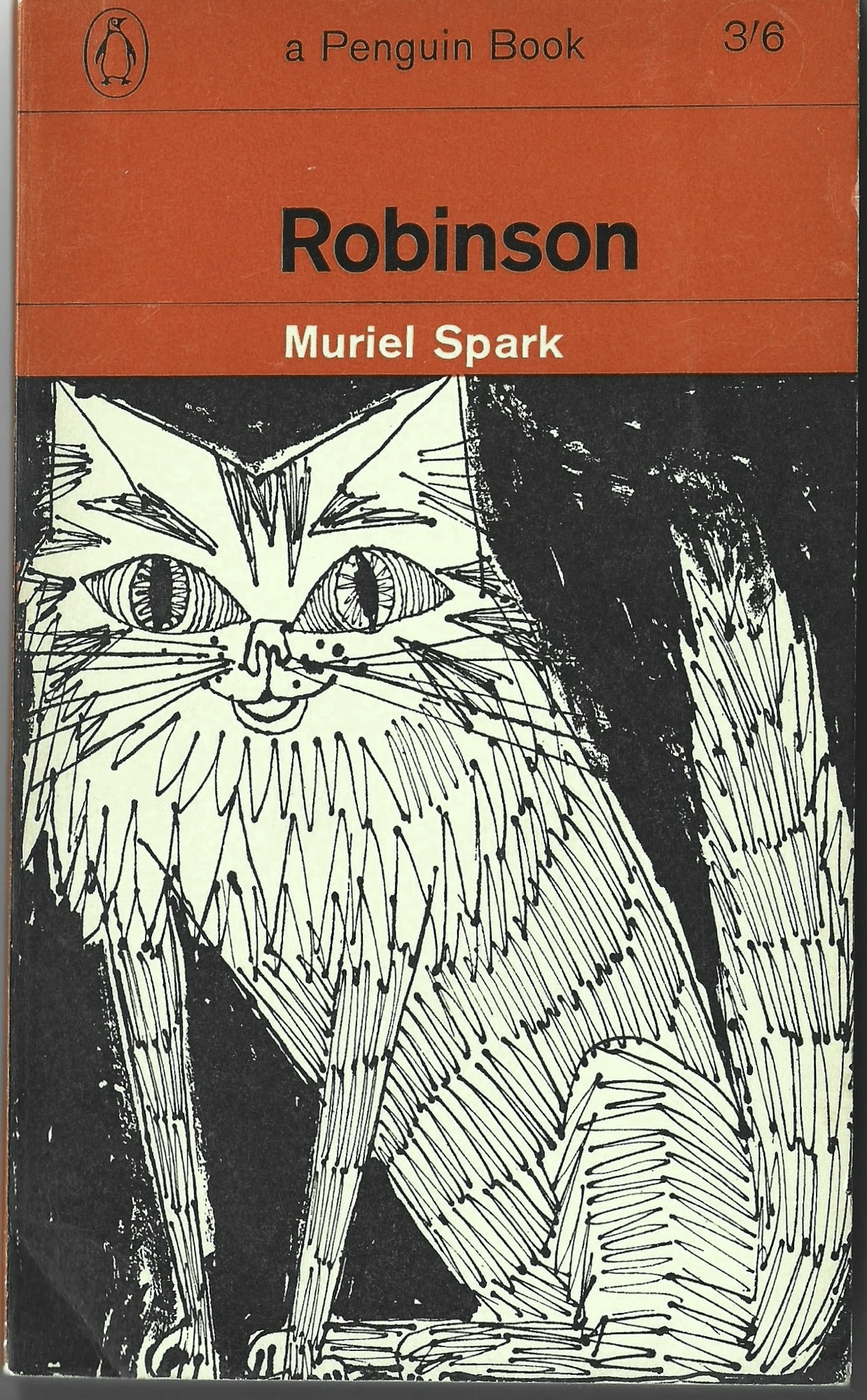
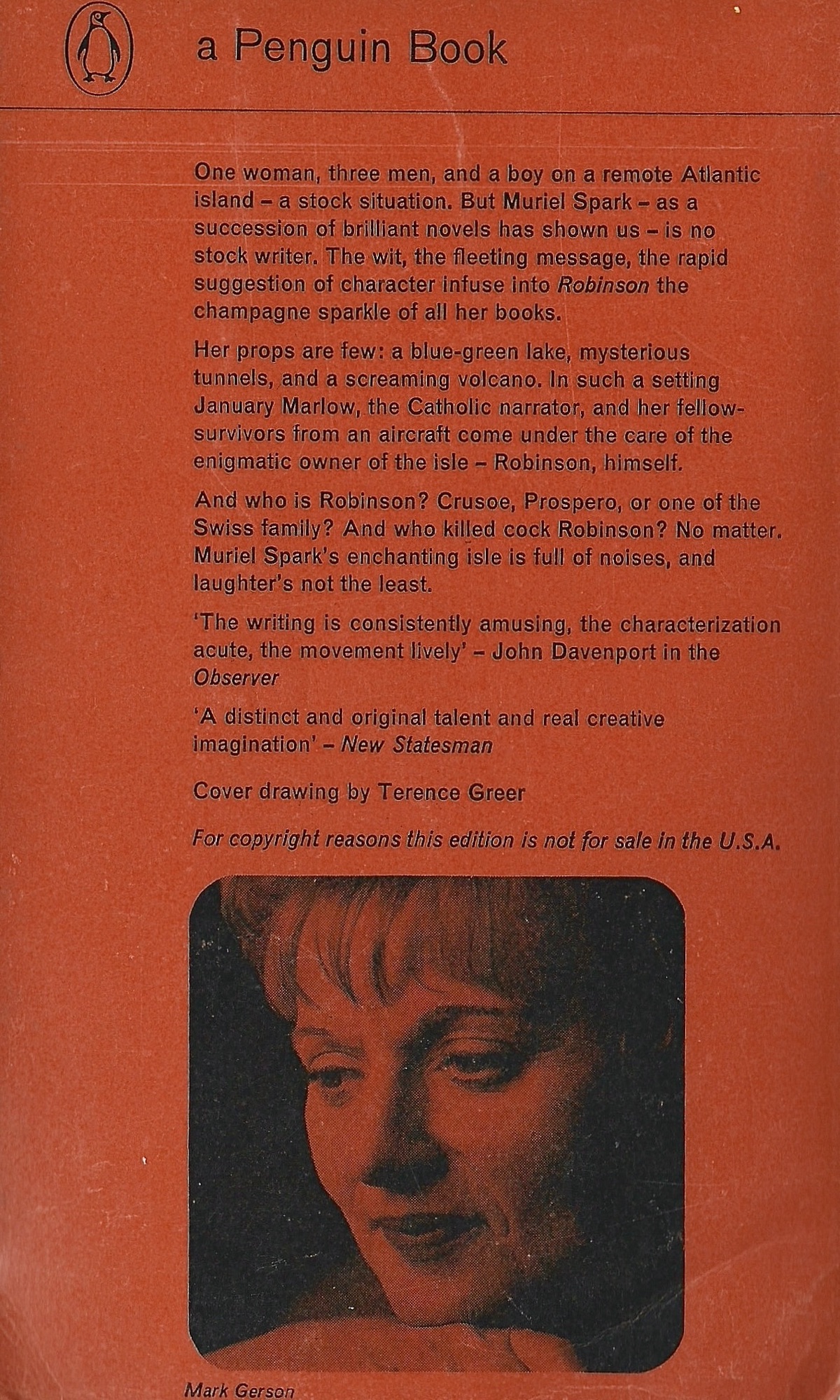
Robinson, Muriel Spark. Penguin Books, (1964). Cover art by Terence Greer. 175 pages.
Terence Greer illustrated six midsixties Muriel Spark Penguin editions. I would love to own the other five.
Robinson is Spark’s second novel, and not her finest (of the ones I’ve read I’d argue for Loitering with Intent or The Prime of Miss Jean Brodie.)

Sunset, 1991 by Yu Hong (b. 1966)

Luděk Maňásek’s illustration for “The Snake King.” From Jaroslav Tichý’s Persian Fairy Tales, Hamlyn, 1970. (English translations in the collection are by Jane Carruth).
Q: You don’t consciously see yourself as John Barth, the postmodernist?
JOHN BARTH: Oh no, no, and the term now has become so stretched out of shape. I did a good deal of reading on the subject for a postmodernist conference in Stuttgart back in 1991, and I think I had a fairly solid grasp of the term then. At the time, there seemed to be a general agreement that, whatever postmodernism was, it was made in America and studied in Europe. At my end, I would say the definitions advanced by such European intellectuals as Jean Baudrillard and Jean- Francois Lyotard have only a kind of a grand overlap with what I think I mean when I am talking about it.g about it. They apply the term to disciplines and fields other than art-their thoughts about postmodern science, for instance, are very interesting-but when the subject is postmodern American fiction, things get murkier. So often we’re told, “You know, it’s Coover, Pynchon, Barth, and Barthelme,” but that’s just pointing at writers. Perhaps that’s all you can do. It led me to say once, “If postmodern is what I am, then postmodernism is whatever I do.” You get a bit wary about these terms. When The Floating Opera came out, Leslie Fiedler called it “provincial American existentialism.” With End of the Road, I was most often described as a black humorist, and with The Sot-Weed Factor, Giles Goat-Boy, and Lost in the Funhouse, I became a fabulist. Bill Gass resists the term “postmodernist,” and I understand his resistance. But we need common words to talk about anything. “Impressionism” is a very useful term which helps describe the achievements of a number of important artists. But when you begin to look at individual impressionist painters, the term becomes less meaningful. You find yourself contemplating a group of artists who probably have as many differences as similarities. I recall a wonderful old philosophy professor of mine who used to talk about the difference between the synthetic temperament and the analytical temperament. With the synthetic, the similarities between things are more impressive than the differences; with the analytical, the differences are more impressive than the similarities. We need them both; you can’t do without either. In that context, once you’ve come up with some criteria that describe what has been going on in a certain type of fiction composed during the sixties, seventies, eighties, and nineties, I think the differences among Donald Barthelme, Angela Carter, and Italo Calvino are probably more interesting than the similarities.
From an interview with Barth conducted by Charlie Reilly in the journal Contemporary Literature, Vol. 41, No. 4 (Winter, 2000).

From Djuna Barnes’s Ladies Almanack.

Jazz Band, 1948 by Norman Lewis (1909-1979)

Witness, 1968 by Benny Andrews (1930-2006)