In which Robert Coover admits to shoplifting William Gaddis’s The Recognitions

It was the grad-school summer of ’60, I was lingering in Chicago past quarter’s end to edit the university calendar, earn some pennies to help pay the obstetrician who would deliver our firstborn in August, subletting a friend’s basement flat, and using the down time to do a lot of reading, which that summer of occasional light fingered forays into bookstores (I have done penance through the years since, buying more than I can possibly read) included, simultaneously, two big fat novels: Saul Bellow’s Adventures of Augie March (Bellow was already a Chicago legend and I was a fan of Dangling Man and Victim) and William Gaddis’s The Recognitions (he was unknown to me, recommended by some forgotten person), with the immediate consequence that I found Bellow’s Chicago saga of Augie humping the old fellow to the local whorehouses a boisterous treat, a tale I felt as if my own (just look out the window, there they go), whereas the Gaddis book was difficult to get into (all that talk, I kept losing my place); but as the month wore on, Augie’s tale paled even as it moved south into the sun and soon the book got tossed in disappointment across the room, while in Gaddis’s great universal satire the characters behind the voices (all that talk!) had come vividly alive, and the likes of Basil Valentine and Esther and Wyatt, Stanley, Esme and Otto, and Recktall Brown (Recktall Brown!) and Agnes Deigh and the Town Carpenter had moved into the basement flat with me, companions for life, far from noble though they mostly were and failing even to last the book out, their lives eclipsed by chatter’s echoey art.

From “William Gaddis: A Portfolio,” published in Conjunctions no. 41 (2003).

Mass-market Monday | Billy Budd, Sailor and Other Stories by Herman Melville

Billy Budd, Sailor and Other Stories by Herman Melville, Herman Melville. No collection editor credited. Bantam Books (1989). No cover designer credited. Cover is a detail of Ships and an Approaching Storm Off Owl’s Head, Maine, 1860 by Fitz Hugh Lane. 278 pages.

I read Bartleby in 10th grade and took up I prefer not to as a mantra that I’d throw at poor dear Ms. Hall any time she asked me to do something I didn’t want to do, which was often. I never returned the book at the end of the year. I’m not sure if there is another book in the household, apart from old children’s books, I suppose, that I have read so many times.

I wrote about Bartleby here.

I wrote about Benito Cereno here.

Here is Billy Budd, but just the punctuation:

, , – , – – ‘ – . , , – , . ” ” . , – , . . , , – ‘ ( ) , . . ; , . ; , , . , , . . – – , , – – . . , – – , , , , , , – . , . . . ; ; . – – , , – – , ” , ” ” ” , . , , . . , , , , . , , , , – , , , – , . ‘ , – – – , . . . ; , , . , ‘ – . . , – , , . ‘ , ‘ , . , , . , , . , – – ” . ” – – – – , – , . , , , , , – – , . , . , , . , , . . , ‘ , , ‘ , , , – , . – . ; , , , . ‘ . , – . , , , , , , . , ; : ” , , ‘ . ” ” , , ” , ; ” , . . ” ” , ‘ , . . , – . , , . . ; . ; , . ; , – . , , , ‘ , ‘ , – , . – – , , – – . , – , – – – – . . , . , . , , . , , – – , . . ‘ , ; . ; ‘ . , , – – . , , – – , , . , , ‘ ; ! ” . ” , ” , ; ” , , ! – – – – – , ” ‘ . ” ! ‘ , . , . ; ; , , , , . – – ‘ ? , ” ‘ , ” ; , – – – – ! – – , ” , ” ‘ – . – . , . , – – ‘ . ” . , , – – . – ‘ ; ‘ . – ‘ . ‘ , , , , , , , . , ‘ , – – , – – ; , , – . , , ” – , – – . ” ” , ! ” , , . , ‘ . ; . ‘ , , . , , , , , ‘ , , , . . . , . , , , , . , , , . – – – . , – – . : ‘ ; , – , . , ; , , , , , , . – , ‘ , . ; , , , , , , . , – ; . , , , , . , ‘ – . . – . – . . , , . . , , , , – ‘ , – ; , , , , ; . – – – , , . , , , , , ” , , ‘ . ” ” ‘ ? – – ? ” ” , . ” , , ” ? ” ” , . ‘ . ” ” ? , ” ; ” , . ‘ , ; . ” , , – , , , . . , , , , . ; , , . – , ‘ . , , , – , , ” ‘ – , ” . , ” ‘ – , ” ? ; , , , ; . , , . ‘ , , , , , ‘ . – , , , . , , , – ‘ , , , : – – ” , , , , ? ” ; , ‘ , . , , ; , . , – , , , , , . , , . , , – – . , . ‘ . . – , ‘ , , , . , . . . , , . . – . ; – – – – – , – – – , , ; , ‘ . , . – – – – – , , : ” , ‘ ‘ ! ” ‘ ; ( . . . ) ” . ” , . . , , . , . – , . , , – – – – , ; , , – – – – . , , ; . , . , – – , , , – – , . , , : , , , , . , , – . – . . , . – . – , , , , , . , , ‘ , , , , , , , , . , , , , ‘ , , , , , . , – , . , , , , ; , . , ‘ – , ‘ , , , . , , ; ; ; , , , , , . , , . – – . , , , – – , – – . ; , , , . , . , ‘ ” . ” , , , . , ; , , , , . , . . , , , , , , , , . , , , , . , , – , , , ; , . , . , . : , , – , , ; : , ; , , , , , . – . . . , , , . – , . , . , , , . , . , , , ; , , . – ‘ , – . , , , , . , . , , , , ‘ , ‘ – , . , , . ‘ , , , . – – , , . ; . – – . , , : , , – , ; ‘ , , , , , , , ” ‘ , . ” , ‘ , , , ” , ; , ! ” , ‘ , , , . , . – , . ‘ , , . . , , . , , – , . , ; – – , , , , , . – – , , , . . , , , , . , , . , , , , , . , : ” , . , ” ( ) ” . , ‘ ‘ ? , ‘ – ? ” ; ‘ , . , , . ‘ . , – . ‘ , – . – , . , . , – – . – . , , – ‘ , . , – – , ; – – – , . , , . . ; ; , ‘ , . . , . . ; , , – . , , , ‘ , . , , . . ; , . – – – – ‘ ‘ . , , . , , – – . ‘ , , , , ; , , ; . ‘ – – – , – , , – , . , – . , . , ‘ – , , . , , , , , , ; , ; , , . : – , , . . , ‘ , . , . , , ‘ , . . ‘ , . – , – – . , , , ; . ‘ – – ‘ ‘ . – , , – – – , – – . , , , , , , , – – ‘ , , . , , , ; – – . ‘ – , , , ; , , . ‘ , ‘ , , , – . – . , , , , ‘ , , . ‘ . , . . – . , , – , . , , , ; , . ‘ , ; ‘ , . . , ‘ – , . , ? , . . ” , ? ” . ” , , , ‘ . ” , . – , . , , . , – – , – . ; , , , , , ‘ . – , ‘ . , – , ‘ ” – – – – . ” – , . , , , – ‘ , ? , ‘ ; , , , – – , , ; . , . . . ‘ , , , , , , , . , , – ; , ‘ , , . . , , , – , – , . , . , ‘ . , , ” , , . ” , , , ” , ” ( – – – ) ” . ” ” ! ” , ; ” ? , . ” ” ? ” ; , ” , , . ” ” , . . . ” ” ‘ ‘ , . ” , , . ; – , , , . , – , . ‘ – – . , , , , , – . , – – , , , . , , , . . , , , , , , ” , ! ! ” . , , , , ‘ . . , ” , ” ; , , , ; , ” , ! ” ” , ? ” . , , – – – – , – – . , , , , ; – . , , , ” ! ” – – ? , , , , , ? – ‘ , ‘ ” ” ? , , ‘ , ? , , , , , . , , , ‘ – – – , , . . , , , , . , , , ? – . , . ‘ . ? , . ” . ” . , , , ” , – – – – ‘ . . , , – – – , , ” ” – – , . ” ” , ” , ” – – – , , , , . ” ” , , . , , , . , , , . . . . ‘ . . ? . ” . . , , , . , . , , : ” : . ” ‘ , ‘ . . . , , , . , , . . . . . . . , . . : ‘ , , . : , . , , , ; , – , , , , – – – – . , , , , ” . ” , , , ? , ? ? ? , , ; ; , , . , . , . ? ” ” ? , , – . – – . , , , . ‘ , , , , . , . ; ‘ , , , , . – . , – – , , , , , . , , . ? , , ? . , . , . ‘ . , , ‘ . ‘ . , , , , . , , , , , . , – – . , , – – . ! , – – , , . , ‘ ; , ; ‘ , , . , , . , , . , , . , – – – ‘ – ‘ . – – , – – , – – , ‘ . , , , , . ‘ . – , , , , , . ‘ – – – – – – – , , , , . – – , , – – , – – , – – ; ( ) . , ‘ . , . , ; , , . ; ? ‘ ? , , ” , ” . ‘ , , , , , , ; , . . . , – – ‘ ; – ; , , . , , . , . ; , , , . – , , – ‘ , , . , – ; , . – , , , , , ” , ; . ‘ . , ” ; . – – ; , , , , . . , . , , . , , , , , , – – ; , – , ‘ ; , , , , – , . . ; – . ‘ . , , , . ” ! , ” ; ” , ‘ ? , ! ” ; , . , , . : ” , . ‘ . – – – ‘ – – – – ? ” ” ? ” , . ” , ! ” , ” ” ; ; ” , , , ‘ – – ” , : ” – – – , ‘ – – , , – – ! ” , , ; , , ” – ‘ ‘ – – – ! ” – . ” , ‘ ? ” – ‘ . ; ” , , ? , – – . ” ” , ” , ; ” . ” ” , ? ” , – , ; ” ‘ ! ” . , ‘ , ‘ , , – , , , , , – , . . ; . , , , . ? , ? ? . , – , . ‘ , , . , . . , – , , . , , . – – – , ; , , . , . , , , , . ‘ , , , , , . , , – , , , , . . , . , – . , , , , – , . . , , ; , , , . , . ‘ , ; , , ” ‘ , ? ” ” ? ” . ” , . ” ” , ” , ” ? ” ” , . ‘ – , ‘ – ! ” , , , , , ‘ , ‘ , , , . . , ‘ – – , , ‘ , ” . ” . . , . , – . ‘ , . , , , . ; ‘ . , , , , . ? – , – – – , , , ‘ , . , . , ; , ; , , . , , . . ‘ . , , , , , . , , ; ; – – – , – – , . , – , , , – – – , ; . . , , , , , . , . ‘ – , ; – , . . , , . , , , , . , , , , . . , , . ‘ , . . – – . . , ” – . ” , , . , . . – – , , ; , . , ‘ , , ‘ – , , , , – – , . ‘ , – , , , . , ‘ , , ‘ – , . ‘ , , , . ( ) , , , . , – . , , ‘ . , . , , ‘ . , – – – – , – ; , . . – – – – – . ( – – ) , , . , , , , , , . , , , – . . ‘ , , . – , . , , – – , , – , – – , . – – – . – – ; , , , . , , ‘ , . ‘ – ‘ , , , – – . , . , , , . , , , , ” ? , – – ? ” , , , , , . , , , , , , , , ‘ . : ” , ; . ” , . ( ) , . , . , , , , , . , , . , ‘ ‘ . , . , , : ” , , ‘ – – ” ” ! ” , , , . . , – , . , – , . . , , . , – , , , , ‘ . , , , , , , , . . , ‘ – , , , , . : ” . . ” ” . , – ” ” , ” ; ” – – – – , ‘ , ‘ ? ” ” , ; , . , . ‘ , ‘ ‘ ? – . . – – . ” , , ‘ . ‘ , , . ‘ – – , , , , ‘ , ; , . ‘ , , ‘ , , ‘ – , , , . – – , , , . , ” ‘ , ” , ‘ . ‘ ” – , ” ‘ , : ” , – – , ? , . , ” , ” . , , – – – – . ” ” , ! ” , . , – – – – – , , , . , , . ‘ , ; . , – – – ‘ – – , – – , – . , – , – ‘ , , . – – – – . . , , , ‘ . , – – . , ; . , – . – , , ‘ – ; ‘ ; ‘ , ‘ ; ; , ‘ . , . , ” – – , ‘ ? ” ” , . ” , ” . ! ” , ” . ” ‘ – , – . . ” ? ” ” , . ” ” . . . . . , . . . – – – – , , , . ” , , , . . , ‘ . ‘ : , , , . ‘ . . – – . ” , , ” ; ” , . – – , – – – , ; ” . – , , , . . , – . . ‘ , , . , . ; – . ” , ! ” , ‘ , ” ! . ” ; ; , , , , – ; , , . ‘ , , ‘ . , , , ” , . , . ” , , ‘ , – – , . , , , . ‘ , , – – – ; , . , . ” , ” , ” ! , . ” . , . . . . , ? ; . , , . – ( ) , . . – – , , ” . ” . ” , ” , ” . . ” – – – , – – , , ‘ , , ” , , ” . , – , . ‘ , . ‘ . ” ? ” . ” . . ” ‘ , , . , , . , ‘ , , – – ” ! ! ” ‘ , , , . . , – – ” ! ! ” , , . , . ” ; , ” , ” ” ( ) ” , ” . , , . ” , ” – – ” . – . , . , ” , ” . ” . , , ? – , , . , , , , . . ? , . ? , , . . . ; ‘ . . . ? , ? . . , , ‘ . . , , , . . , , – – – . . , , . ; , , . . , , – . ‘ , , . , ; , , , , . . , , – , , , . . , , – ; . ‘ , . . – . , , , , . ‘ , ‘ . , , . , , , , . – – , , , , . – , . , , . , , , , , ‘ . , , , . . , ‘ , . , , – ; – , , ‘ . – . , , , , , , , ‘ – , – . , ‘ . , . , , , ” . ? ” . : ” . , – – . ‘ . ” ” , , ” , . ” , ! ” , . – , , ” , . – – . . . . , , , ! ” – , , ‘ – – ‘ , ” , . ” ( , ‘ ) ‘ . . . ; ‘ – . ‘ – – – – – , , ; , , , . . ” , ” . ” – – . , , ? ” ‘ , , , , . , , . , . ” . ? ? , ” . ” . , ‘ , , . – – , , ‘ , ‘ . ” , , , . , . , ‘ . . ; : ” – – ‘ , – – , , . ” ” , ” ; ” . , ; , , ‘ , ‘ . ? – – – – – , ” . ” ‘ , – – . ” , , , . , , , . , ” , ” , , ” , , . ” ; , , , , ” , . ” – – – – – , – – , , . , ‘ , . , . , , , – . ‘ , , . , – – ; , ‘ ; . . , – , . . , , . , , , ‘ . : ” , ; , , , , – – – – , , , – – – . , ? , . , , . , . , , . ” : ? . . : ? , , – – ‘ , ? ‘ ? – , ? – – ? . , , . . ? , . , , ‘ , ‘ ? , – . ? . , . . . . ? , . : , . ” . . . ? , ‘ , . ” , ; . ” , , . , , ? ” , . , ; , . ” , . – – – – – ‘ – , . , , , . – ” ” , , ” , ” . . ” ” , . , . . ? . – – . ‘ – – – – . , . ‘ – , , ? . . ‘ , , . , . , ‘ , . ‘ – . ” , , – – – – . ; – – . ” ” ? ” , , . ” , , . , ” ( ‘ ) ” – ; ; ? – – – – , . , ‘ , , . , . . ? . . ? . – – – . . , – – . , . , , , . , , . . , . ” , – , . ‘ . , , , , , , . , – , , – – ‘ – ‘ . . . – – , – , , – . . . , . , . , – , . , ” – . . , . , ‘ . – . ” , – , . , , . – , – – – – – . ; . . – , – – – – . – – , . ‘ . ‘ . , . . . ‘ . , , . , , , ‘ . , , , , . . , , , ‘ , . ‘ . , , . , ; , . ‘ – – ; , ; – – . – , , , . ; , , – – . – , ; – , . . ; – – ; ; . . , . ‘ ‘ . , , . . , , , . ‘ – . , , , – – . , . , , ‘ , , – – – ‘ – , . , , . ‘ – – – . , . ; ‘ . . . – – . ; , – , ‘ , . ‘ , , , . . – . , – – – , , ; , , . ‘ , , , ‘ . . , , – . – ( , , ) , ‘ . , – , – . . – , . . – . – , ‘ . , , ‘ , ‘ – – . . , . , – , . ‘ , . , , , , , , ‘ , . . , , , , , . , . , ; , . . , , – . , , ; , , , , . , , , , ( – ) , , , , , ” ” ( ) ” ? ? ” ‘ , , – . , , – ; . , ; – – . – – – ‘ . , . . ‘ . . , ; , ; , . , – , , ; . ‘ ( ) . , , . , – – . , . ? ; . , – , , – – – . , , . , . . , . ‘ . . , , – – , – – . – , – , . , , . – – , – – – . – . , – . , – . – , . , . , . ‘ , . . , , , – – ” ! ” – – – ‘ ; – , , ‘ . , ‘ , – – ” ! ” , . , , ‘ – , – ‘ . , , , . , ‘ , , , ; , , . , – , , ‘ , . , , , , ” – , ” – – , , , , ” , . . – – ‘ – – , . – – – – . ” ” , ? ” ” , . . ” ” , , ? ” ” . , . – , . , , . ‘ , , – – , – – , ? ” ” . ” ” , . , . ” ” , , ” , ” ‘ , ? ” ” , . , – : – – – . , – – , . , ” , ” – . , . ” . , ‘ , . – , ; , . – , ‘ . , , ‘ ‘ . , . ” , , . ” – , ; , . , – – – . – , ‘ . , ‘ , , – , – ‘ , . . . , , – , , . , – . , – , . , – – ‘ – ; – , ‘ , . , . . , , . . – , . , , ‘ . , – , ; , . , , . , , . ” , ” , ” , ; – . ” . , . – . ‘ . , , , , . . – , . – ‘ . . ; . . ‘ , . . – , . – – . , , , ‘ , , , – ; , ( ) – . – , . ; , , – – ‘ . – . . , . , . , . . , , . , , – – ” , . ” , ‘ , – , , ‘ , . , , , , . , ‘ , , , . : – – ” . . . . , ‘ – – , ‘ , ; , , – . ” , ‘ , . ” , , – , , – , , , ‘ . , & , . , , , . , . ” . . . . . . ” , , . . . , – . – – , – . . ‘ , , . , . , . , , , , , , ; , . ‘ . – ‘ , . – – : – ! ‘ ; ‘ ‘ . – ‘ – , – – – – – , ‘ , ‘ . , , , ; , . , , . ‘ – – ‘ . , ; , , ! . – – ‘ ? ‘ ; . ? ? , ? ; ‘ . – – ! ‘ , . . . ‘ , . , , ‘ . . , ? , , , .

On top of stolen books behind the Life Magazine picture of Bertrand Russell like a baby eagle | From Katherine Dunn’s first novel Attic

In the five-and-dime can’t see over the counters with her—see
the red thimble—plastic knobby—just fits—put it on and tap things with it—lips and teeth and wish I had two to click against each other—wander out with her—why where did you get that you little thief march right back in there and give it to the man and apologize—penny thimble—I didn’t even notice I’d taken it—big noise and hits—the shame…

Drugstore book racks—need a book a day at least—three thin ones—too far to the library—heavy—always overdue—little ladies in pale green uniforms inventory hair spray—perfume—Kotex while I’m putting books in my purse—in my armpits—Agatha Christie—Nero Wolfe—James Bond—candy bars in pockets—have to lay off M & Ms—they rattle too much—an extra eyebrow pencil up my sweater sleeve and buy a deodorant—go out to the car and drop the stuff—back into the supermarket for cookies and cigarettes and chocolate-covered cherries—buy milk and then tool back home to turn the heat up and sit with the rain outside—with my feet up reading trash—eating trash—drinking milk straight from the carton only pouring it into a glass when I want to dunk cookies in it…

Girls League Cake Sale—high school cakes by girls in coordinated sweaters and skirts—ribbons holding their hair—dozens of pairs of shoes—their proud bras and girdles mocking my brother’s cast-off tee shirts in the locker room—they study typing with old Birdsing and wear ribbons in their hair—bake cakes for the cake sale from scratch with boiled frosting that slump in the middle and cave on the side—patch it up with frosting and candy drops—hide them on mother’s best cake plates behind screens in the cafeteria—I ducking class as usual—hiding stink bombs behind the encyclopedias in the library—sneaking through the halls with my five-button Levi’s swishing between my legs a cake under each arm—stacking them carefully in my locker on top of stolen books behind the Life Magazine picture of Bertrand Russell like a baby eagle his fierce fuzzy face on the scrawny neck—hide for the rest of the afternoon in the conference rooms in the library listening to Jake in his chemistry room gas mask searching for the stink bombs and cursing—thinking of him fumbling with the pear-assed librarian from the grade school—all the time rehearsing my lines for if I’m caught—when the final bell rings parading down to the boys’ locker room with a dozen cakes on a book cart to wait for the wrestling team to finish weighing in and come out famished after a month of making weight…

From Katherine Dunn’s first novel Attic. 

He thinks of different ways to shoplift a book

Title: Gorland at Large

Location in archive (Box.Folder): 82.1

Date: Not dated

Complete? Yes

Extent of preserved material: A five-page lightly-corrected typescript, plus an earlier draft of five pages, heavily corrected and with other holograph notes.

The Story: Gorland as a boy of nine shoplifted cheap fishing tackle, and then his cousin stole a pocket knife from him. This sense that even those who steal for fun can be stolen from fills him with disappointment. As an adult in the narrative present, he meets a young woman who tells him that her friends are of two kinds: those who feel shame when they steal and those who don’t: Gorland feels sadness at this vision of a world of thieves. Gorland as an adult is a collector of books and finds out that an unpleasant bookshop owner has somehow stolen some of his, making him wonder if all the books in her shop are stolen. He thinks of different ways to shoplift a book, and takes a new standard edition of Kierkegaard’s Works of Love on his way out as she is distracted.

Works of Love is Kierkegaard’s most direct engagement with the concept of love-across-humankind: that is, agapē. The relevance is presumably that the model of human relations in which everyone steals from everyone else as a way of getting even and balancing their debts is a purely inverted counterpart to an Agapeic world of interaction through love.

Relation to Gaddis’s Published Writings: Ends with direct reference to a theorist of agapē, and hence a relevant text for Agapē Agape. A character in the shop asks for a book of poetry by WH Auden, whose early poems (eg “A Summer Night” or “Lullaby”) often suggest the precedence of love for all people over love for individuals.

Also a mention of central character “felt for a moment like Raskolnikov,” so another source for Gaddis’s explicit reference to the 19th-century Russians.

Other Notes and Mentions Elsewhere? N/A

The above selection is included in an exhaustive (but not exhausting) trip through the Gaddis archives, part of Electronic Book Review’s special issue, “Gaddis at His Centenary.” Our trip conductors are Gaddis scholars Ali Chetwynd (who organized and edited the special issue) and Joel Minor (who curates Washington University’s marvelous Modern Literature Collection. Titled “William Gaddis’s Unpublished Stories and Novel-Prototypes: An Archival Guide,” the piece diligently details Gaddis’s unpublished prose fiction, situating the pieces in the larger context of his five published novels. There are even some plot charts for Ducdame, a precursor for The Recognitions. 

I chose to share the entry for “Gorland at Large” above because it concerns a biblioklept.

Italian biblioklept arrested by the FBI for stealing unpublished manuscripts

The New York Times and other sources have reported that “Filippo Bernardini, an Italian citizen who worked in publishing,” has been arrested by the FBI for fraud and identity theft. Bernandini stole numerous unpublished manuscripts over five years, mainly through email phishing scams. Bernandini’s motives have yet to surface. From the Times:

For years, the scheme has baffled people in the book world. Works by high-profile writers and celebrities like Margaret Atwood and Ethan Hawke have been targeted, but so have story collections and works by first-time authors. When manuscripts were successfully stolen, none of them seemed to show up on the black market or the dark web. Ransom demands never materialized. Indeed, the indictment details how Mr. Bernardini went about the scheme, but not why.

The New York Times first reported on the as-then-unknown biblioklept in late 2020.

I’m guessing Bernandini may have his own book deal pretty soon.

I stole a book (Clarice Lispector)

The moment her aunt went to pay for her purchases, Joana removed the book and slipped it furtively between the others she was carrying under her arm. Her aunt turned pale.

Once in the street, the woman chose her words carefully:

— Joana.. . Joana, I saw you…

Joana gave her a quick glance. She remained silent.

— But you have nothing to say for yourself? — her aunt could no longer restrain herself, her voice tearful. — Dear God, what is to become of you?

— There’s no need to fuss, Auntie.

— But you’re still a child… Do you realize what you’ve done?

— I know…

— Do you know… do you know what it’s called… ?

— I stole a book, isn’t that what you’re trying to say?

— God help me! I don’t know what I’m going to do, you even have the nerve to own up!

— You forced me to own up.

— Do you think that you can… that you can just go around stealing?

— Well… perhaps not.

— Why do you do it then… ?

— Because I want to.

— You what?

— her aunt exploded.

— That’s right, I stole because I wanted to. I only steal when I feel like it. I’m not doing any harm.

— God help me! So, stealing does no harm, Joana.

— Only if you steal and are frightened. It doesn’t make me feel either happy or sad.

The woman looked at her in despair.

— Look child, you’re growing up, it won’t be long before you’re a young lady… Very soon now you will be wearing your clothes longer… I beg of you: promise me that you won’t do it again, promise me, think of your poor father who is no longer with us.

Joana looked at her inquisitively:

— But I’m telling you I can do what I like, that…

A biblioklept episode from Clarice Lispector’s novel Near to the Wild Heart. English translation by Alison Entrekin.


Three Books

img_1571

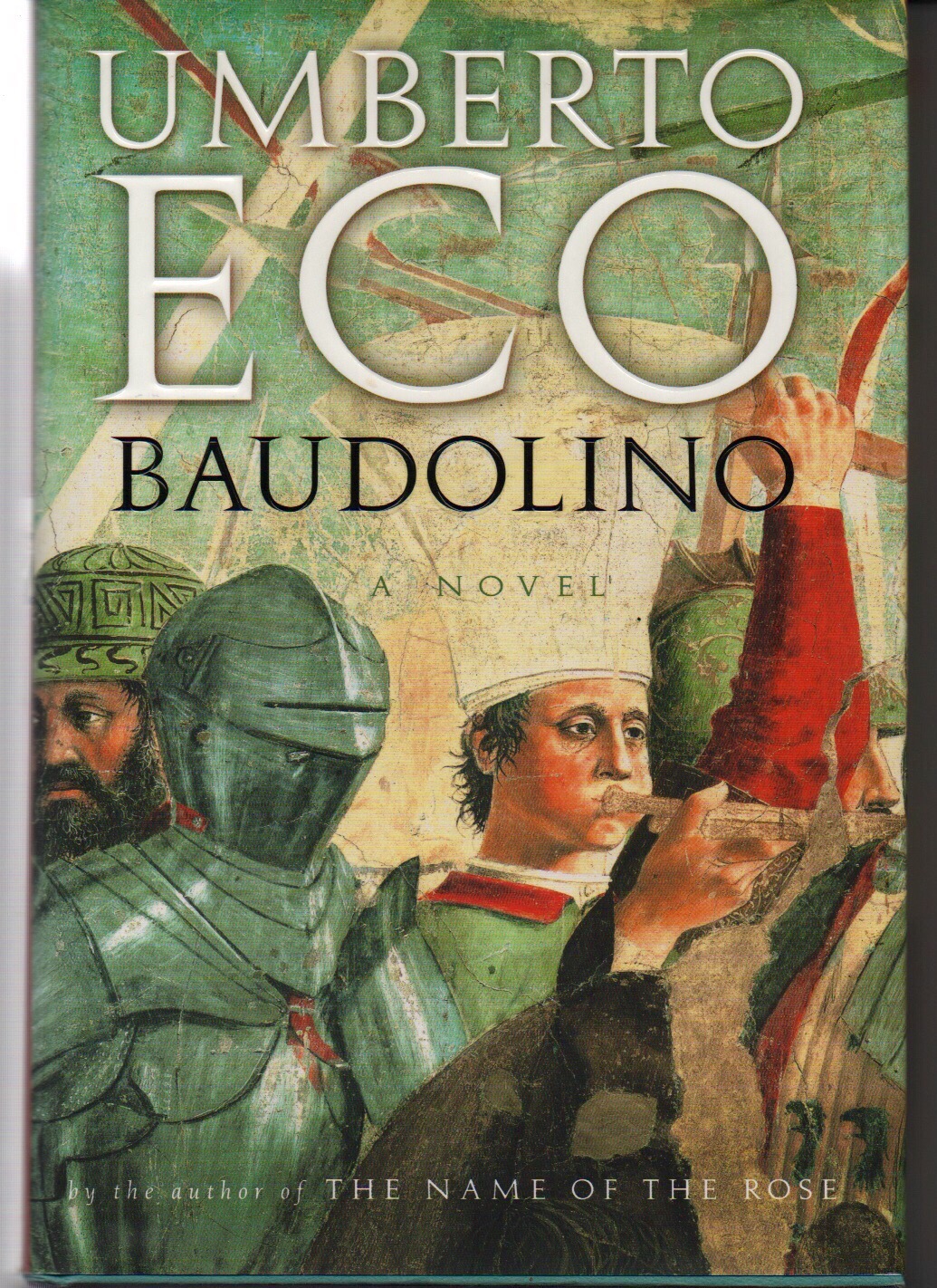
Baudolino by Umberto Eco. First edition hardback by Harcourt, 2002. English trans. by William Weaver. Jacket design by Vaughn Andrews, featuring a detail from the lefts side of Piero  della Francesco’s fresco Battle between Heraclius and Chosroes

I bought this in the last days of 2002 from the dollar table at the Barnes & Noble store near my parents house. I was 23 and had just moved home after living in Japan. I had no plans and was kind of depressed. I really can’t remember what I read around that time, but I know it wasn’t Baudolino. I didn’t get to it until the summer of 2011. It’s a fun, propulsive, sloppy quest narrative—bawdy, rich, a picaresque take on the (not-so-secret) mythological backgrounding of medieval Europe. It kind of unravels at the end.

I had initially planned this Sunday’s Three Books post to feature three Eco titles as a sort of tribute to our deceased semiotician, but alas I only have two here at the house (The Name of the Rose is the other one). I lost my copy of Foucault’s Pendulum over a decade ago, and I gave a colleague my copy of Misreadings just a few months ago (she had expressed a certain distaste for The Prague Cemetery). My copy of On Literature is in my office (although if I’m being honest, I use a samizdat digital copy more often as a reference point). Eco was a sort of gateway drug though to his spiritual brothers, Calvino and Borges. I actually read both of them before Eco, but understood them better when approached after Eco. I don’t know if that makes any sense (and I don’t think it has to make any sense).

img_1572

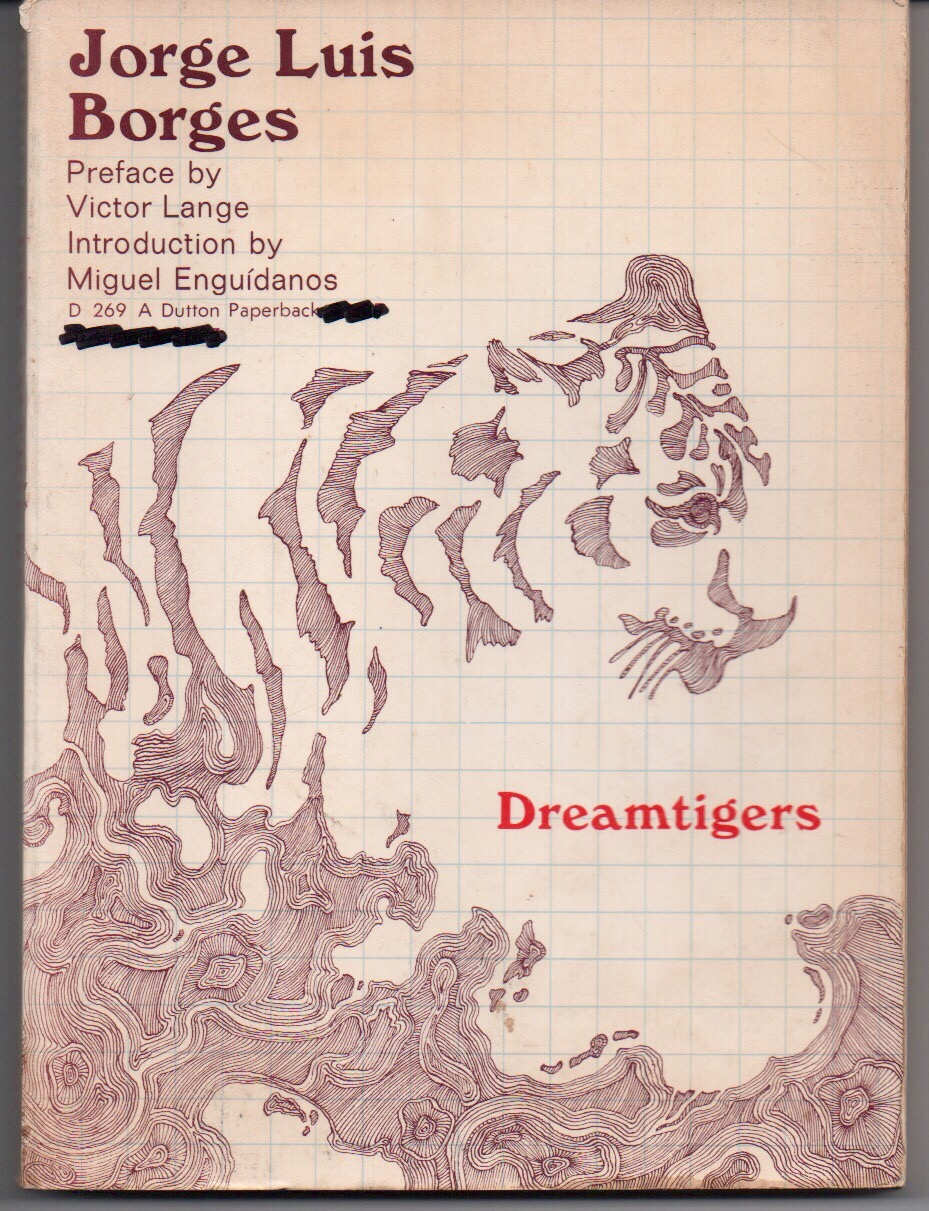
Dreamtigers by Jorge Luis Borges. An irregularly shaped trade paperback by E.P. Dutton & Co., 1970. English translation by Mildred Boyer (prose) and Harold Morland (poetry). Cover design by James McMullan. I love the cover and hate that a bookseller decided to mark out the original pricing with ugly Sharpie ink.

img_1574

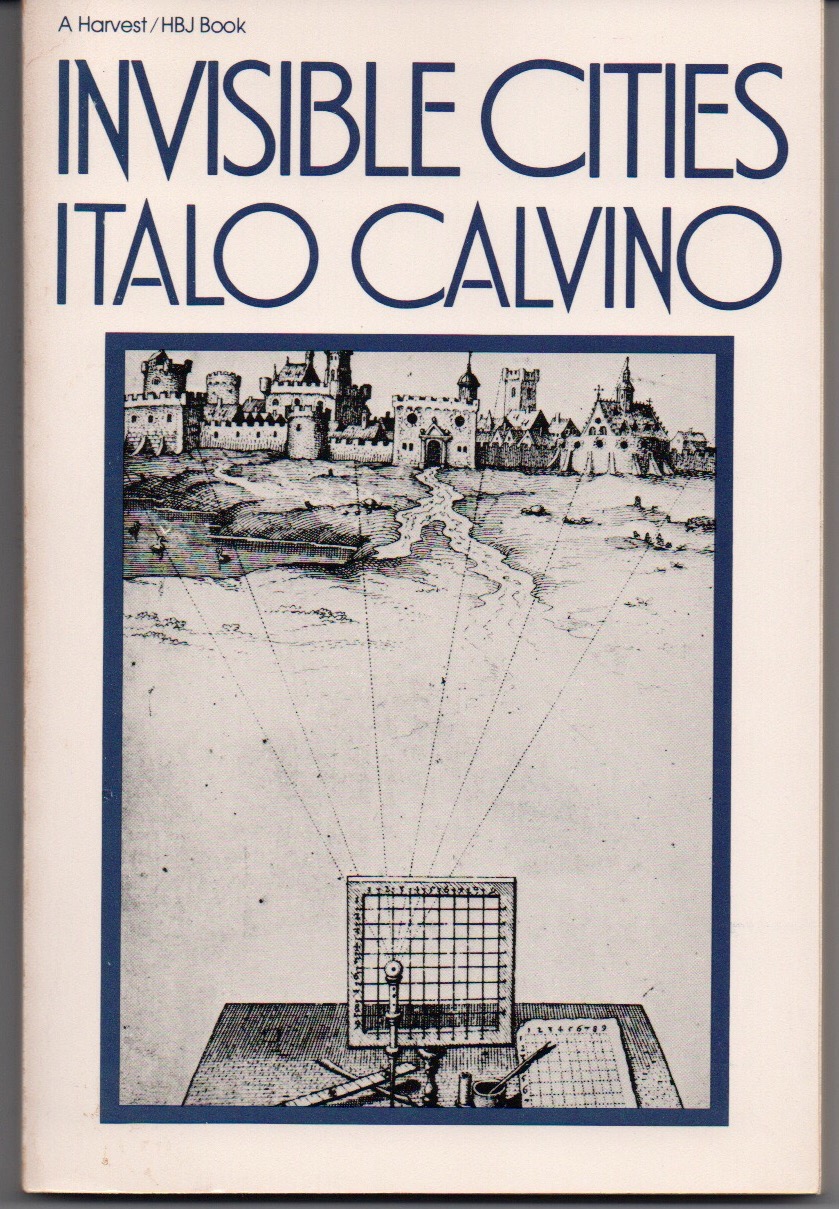
Invisible Cities by Italo Calvino. Harvest/HBJ trade paperback; no year given. English trans. by (Eco’s translator) William Weaver. Cover design by Louise Fili, employing a 17th-c. woodcut of a drawing screen. I first read Invisible Cities in 2002, in spots and places around Thailand. I read my friend’s copy; he had brought it with him to meet me there. He was the same guy who took my copy of Foucault’s Pendulum and never returned it.

“I stole a book” (Clarice Lispector)

The moment her aunt went to pay for her purchases, Joana removed the book and slipped it furtively between the others she was carrying under her arm. Her aunt turned pale.

Once in the street, the woman chose her words carefully:

— Joana.. . Joana, I saw you…

Joana gave her a quick glance. She remained silent.

— But you have nothing to say for yourself? — her aunt could no longer restrain herself, her voice tearful. — Dear God, what is to become of you?

— There’s no need to fuss, Auntie.

— But you’re still a child… Do you realize what you’ve done?

— I know…

— Do you know… do you know what it’s called… ?

— I stole a book, isn’t that what you’re trying to say?

— God help me! I don’t know what I’m going to do, you even have the nerve to own up!

— You forced me to own up.

— Do you think that you can… that you can just go around stealing?

— Well… perhaps not.

— Why do you do it then… ?

— Because I want to.

— You what?

— her aunt exploded.

— That’s right, I stole because I wanted to. I only steal when I feel like it. I’m not doing any harm.

— God help me! So, stealing does no harm, Joana.

— Only if you steal and are frightened. It doesn’t make me feel either happy or sad.

The woman looked at her in despair.

— Look child, you’re growing up, it won’t be long before you’re a young lady… Very soon now you will be wearing your clothes longer… I beg of you: promise me that you won’t do it again, promise me, think of your poor father who is no longer with us.

Joana looked at her inquisitively:

— But I’m telling you I can do what I like, that…

A biblioklept episode from Clarice Lispector’s novel Near to the Wild Heart.


Jorge Luis Borges, Forgeries, and Book Theft

jlb

Fascinating story today at The Paris Review about a first edition of Jorge Luis Borges’s early poems stolen—and then returned (perhaps?)—to the National Library of Argentina. Forgeries, facsimiles, and book thefts! The following paragraph points out that Borges himself was once director of the library:

The National Library is as old as Argentina: it was created in 1810, together with the first national government, and its first director was Mariano Moreno, one of the greatest national heroes and the founder of the country’s first newspaper. The library was, at one point, something to be proud of, and Borges’s name is inextricably linked to its history; he was its director for eighteen years, between 1955 and 1973. By then, books were already disappearing from its shelves. When asked whether this was true, he replied, in typical fashion, “I can’t tell whether books are being stolen, because I’m blind.”

Read the essay.

Confession

The following is the complete text of an email someone sent me today:

I give you permission to publish this anonymously. Do you do that?

***

It seems that I have stolen many books. Let me elaborate on these and the occasions on which I thieved.

Although packs of baseball cards such as I used to steal from gas stations as a young boy are not books per se, this is how my thieving began. Perhaps. Or perhaps my thieving began further in my past than my memory now reaches.

I stole from a university library Omensetter’s Luck by William Gass–an earnest accident that I did not seek to right after I noticed I had escaped with it and that the magnetic gate had not reacted with its electronic screeching to alert the responsibles.

From the same erudite friend I stole The Captive Mind by Milosz, and also Le Parti pris by Francis Ponge. Perhaps Grass’s The Tin Drum too.

From an institute in France I stole an edition of selections from Apollinaire’s Alcools, as well as a Surrealist anthology. And both of André Breton’s Surrealist manifestos. From my host family I stole a book of Blaise Cendrars’s poetry.

Accidentally from a bookstore I stole Washington Square by Henry James. Honest.

From a library I stole Nicholas Mosley’s Serpent, as well as a book called The Art of Not Working, or some such title.

I have probably stolen ten or so other books. Titles escape me. That’s not too bad, I suppose.

Oh yes, I also stole that book Marilyn Manson wrote in the 1990s, and I gave it as a gift to a romantic interest. How unromantic this seems now.

I think I stole many books as an adolescent. Some of these I placed in my pants, held against my abdomen by the pressure of my pants waistline or belt. I think I stole numerous books related to sex when I was young.

I don’t think I’ve hardly ever borrowed a book and not returned it.

***

I give you permission to publish this anonymously. Do you do that?


You know, I don’t normally do that (i.e. this), but I guess I could start.

If anyone else feels like anonymously confessing to book theft, email me.


Keith Miller’s The Book on Fire, A Tale of Biblioklepts, Bibliophiles, and Bibliomania

Balthazar, the hero of Keith Miller’s agile and trippy novel The Book on Fire, is a biblioklept. He comes to Alexandria to rob the famous library, a cavernous, labyrinthine complex that still exists–under heavy guard—in Miller’s mystical version of that ancient Egyptian city. Miller’s Alexandria is a byzantine maze, humming with a turn-of-the-century buzz, a kaleidoscope world that strongly reminded me of the strange cityscapes of William Gibson or William Burroughs. Here, Balthazar describes his attraction to Alexandria:

This is the city of books, where children are admonished if they don’t bring a book to the breakfast table, where they’re ordered by their mothers to drop their books and go play on the street, where bedtime tales sometimes continue, chapter after chapter, till well after midnight, parents pinching their children to keep them awake. This is a city where men beat their wives with books, the women shielding their heads with books. A city of book-whores, who fuck for books, and their bibliogiglios. A city of book-beggars, who spit on your money, gesturing with their stumps to the paperback in your hand.

What a town for a book thief! Balthazar plans to rob the Library of Alexandria, but he spends his early months stealing rare books from private homes. Soon, he’s trailed by Zeinab, a book prostitute who burns each volume she’s paid with. After a sexual interlude (“like fucking a wounded ferret,” Balthazar tells us), Zeinab introduces our hero to a guild of thieves and helps guide him through Alexandria’s frenetic underworld. In time, Balthazar breaches the forbidden, intoxicating library:

I read impossibly gorgeous scripts. Scripts in which each hieroglyph filled a page and took a day to write, but could express an entire philosophy. Scripts in which each letter stood for a notion, so the writing dictated thought patterns rather than words. Scripts that had no meaning at all, or that started out meaningfully but then, as the author was caught up in the physical act of writing, became relationships of lines and shapes on paper, beautiful and abstract. Private scripts, the authors long dead, so the script stood isolated, unreadable precious nonetheless. Rainforest scripts of samara and turaco crest. Marine scripts of shark tooth and sand dollar. I passed through rooms of books the size of doors, each cover the death of an eland, and rooms of books dainty as ladybirds. Books written on communion wafers, grains of rice, sheets of ice.

For Balthazar, books are a drug, and the Library of Alexandria is the heady nexus point for his addiction. No wonder then that he becomes obsessed with the young librarian Shireen, whom he plots to free (or perhaps steal) from the library—a plan that comes into conflict with Zeinab’s own designs. And while The Book of Fire does have the strong, page turning plot of a thriller, that plot exists mostly as the bones for Miller to hang rapturous descriptions of reading and books and, best of all, his strange Alexandria, a city of marvels. Good stuff.

Patti Smith, Book Thief

Patti Smith’s story about stealing a book was published last month in The New Yorker; somehow we missed it. It’s good to see this blog return to its original mission sometimes. Here’s an excerpt, but the whole piece is lovely and moving:

The next Saturday, my mother gave me a dollar and sent me to the A. & P. alone. Two quarts of milk and a loaf of bread: that’s what a dollar bought in 1957. I went straight to the World Book display. There was only one first volume left, which I placed in my cart. I didn’t need a cart, but took one so I could read as I went up and down the aisles. A lot of time went by, but I had little concept of time, a fact that often got me in trouble. I knew I had to leave, but I couldn’t bear to part with the book. Impulsively I put it inside my shirt and zipped up my plaid windbreaker. I was a tall, skinny kid, and I’m certain every contour of the book was conspicuous.

I strolled the aisles for several more minutes, then went through the checkout, paid my dollar, swiftly bagged the three items, and headed home with my heart pounding.

Suddenly I felt a heavy tap on my shoulder and turned to find the biggest man I had ever seen. He was the store detective, and he asked me to hand it over. I just stood in silence. “We know you stole something—you will have to be searched.” Horrified, I slid the heavy book out from the bottom of my shirt.

He looked at it quizzically. “This is what you stole, an encyclopedia?”

“Yes,” I whispered, trembling.

“Why didn’t you ask your parents?”

“I did,” I said, “but they didn’t have the money.”

“Do you know it’s wrong?”

“Yes.”

“I Don’t Know If You’d Call It Stealing” — Sam Lipsyte, Book Thief

Sam Lipsyte read live from his novel The Ask last year on HTML GIANT’s Ustream channel. The reading was cool but the best part was the q&a session afterward. We asked Lipsyte the one question all true biblioklepts are dying to know (and the one question we ask every person we interview): “Have you ever stolen a book?”

Vodpod videos no longer available.

Here’s Lipsyte’s response, which you can hear/see at 31:25 in the video:

‘Have you ever stolen a book?’ There was one time when I stole a few books when I worked in a library; it was a university library and my job was to stick the metal strips into the spines of the books that would set off the alarm. And so if a particularly good book came through (and this only happened three or four times) I just wouldn’t–I don’t know if I’d call it stealing–but I wouldn’t put the strip in. And then once it was shelved I would take it.

That’s a pretty sophisticated operation. Kudos to Lipsyte for his candor.


Bolaño the Biblioklept

The New York Review of Books has published an excerpt of Roberto Bolaño’s essay “Who Would Dare?” It’s from the forthcoming collection, Between Parentheses: Essays, Articles and Speeches (1998–2003) (translated by Natasha Wimmer; published by New Directions). A sample—

The books that I remember best are the ones I stole in Mexico City, between the ages of sixteen and nineteen, and the ones I bought in Chile when I was twenty, during the first few months of the coup. In Mexico there was an incredible bookstore. It was called the Glass Bookstore and it was on the Alameda. Its walls, even the ceiling, were glass. Glass and iron beams. From the outside, it seemed an impossible place to steal from. And yet prudence was overcome by the temptation to try and after a while I made the attempt.

The first book to fall into my hands was a small volume by [the nineteenth century erotic poet] Pierre Louÿs, with pages as thin as Bible paper, I can’t remember now whether it was Aphrodite or Songs of Bilitis. I know that I was sixteen and that for a while Louÿs became my guide. Then I stole books by Max Beerbohm (The Happy Hypocrite), Champfleury, Samuel Pepys, the Goncourt brothers, Alphonse Daudet, and Rulfo and Areola, Mexican writers who at the time were still more or less practicing, and whom I might therefore meet some morning on Avenida Niño Perdido, a teeming street that my maps of Mexico City hide from me today, as if Niño Perdido could only have existed in my imagination, or as if the street, with its underground stores and street performers had really been lost, just as I got lost at the age of sixteen.

Roberto Bolaño Explains the Good Thing About Stealing Books

From Roberto Bolaño’s July, 2003 interview with Mexican Playboy, collected in The Last Interview and Other Conversations

The good thing about stealing books–unlike safes–is that one can carefully examine their contents before perpetrating the crime.

Sam Lipsyte, Book Thief

Sam Lipsyte read live from his new novel The Ask last night at HTML GIANT’s Ustream channel. The reading was cool but the best part was the q&a session afterward. We asked Lipsyte the one question all true biblioklepts are dying to know (and the one question we ask every person we interview): “Have you ever stolen a book?”

Vodpod videos no longer available.

Here’s Lipsyte’s response, which you can hear/see at 31:25 in the video:

‘Have you ever stolen a book?’ There was one time when I stole a few books when I worked in a library; it was a university library and my job was to stick the metal strips into the spines of the books that would set off the alarm. And so if a particularly good book came through (and this only happened three or four times) I just wouldn’t–I don’t know if I’d call it stealing–but I wouldn’t put the strip in. And then once it was shelved I would take it.

That’s a pretty sophisticated operation. Kudos to Lipsyte for his candor.