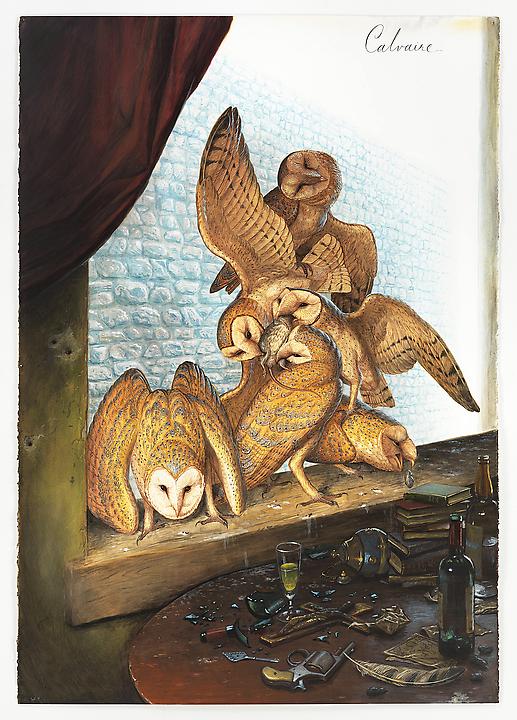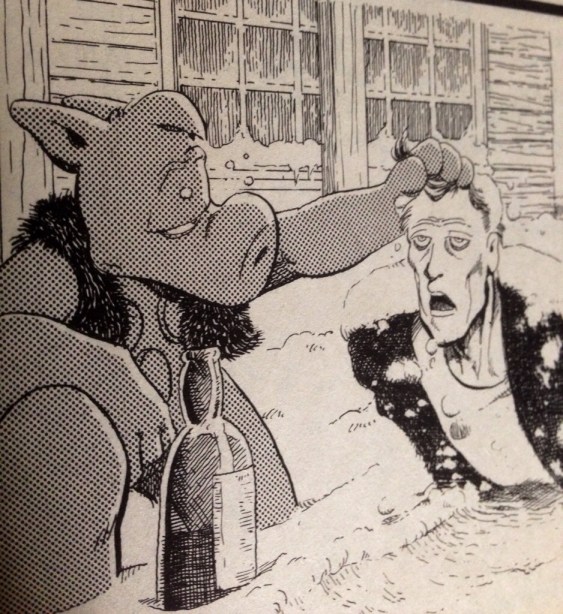
Calvaire — Walton Ford

Calvaire0

Portrait of Lucrezia Panciatichi — Bronzino

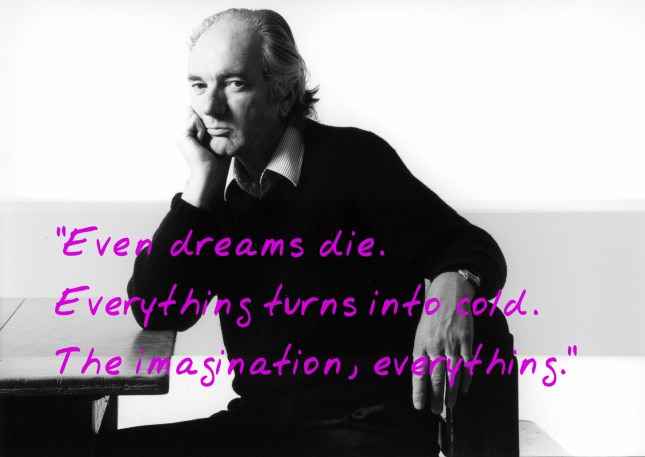
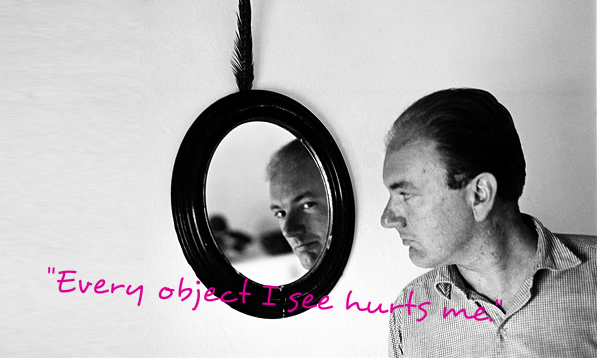
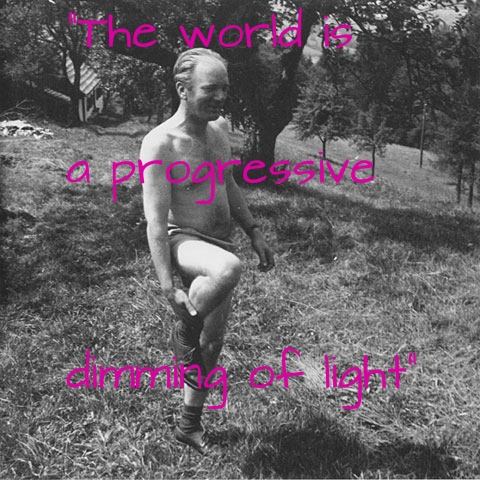
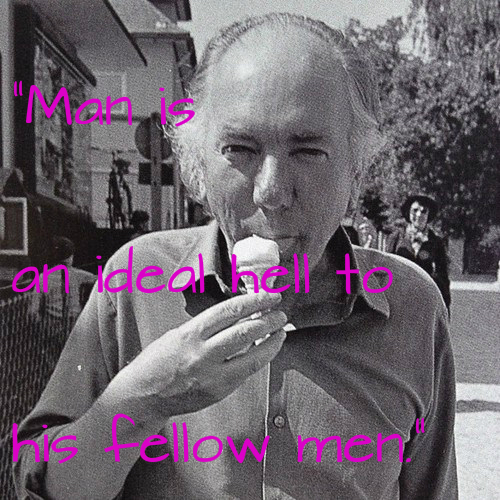
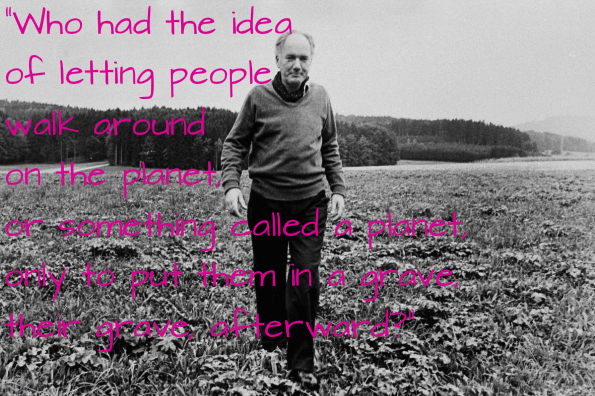
Valentine’s Day Wishes from Thomas Bernhard

tb1

tb2

tb3

tb5

tb6

ThomasBernhardWalking

The Love Letter — Auguste Toulmouche

The Love Letter — Nicolae Vermont

Lovers in the Library — Ernst Ludwig Kirchner

The Reader — Edouard Vuillard

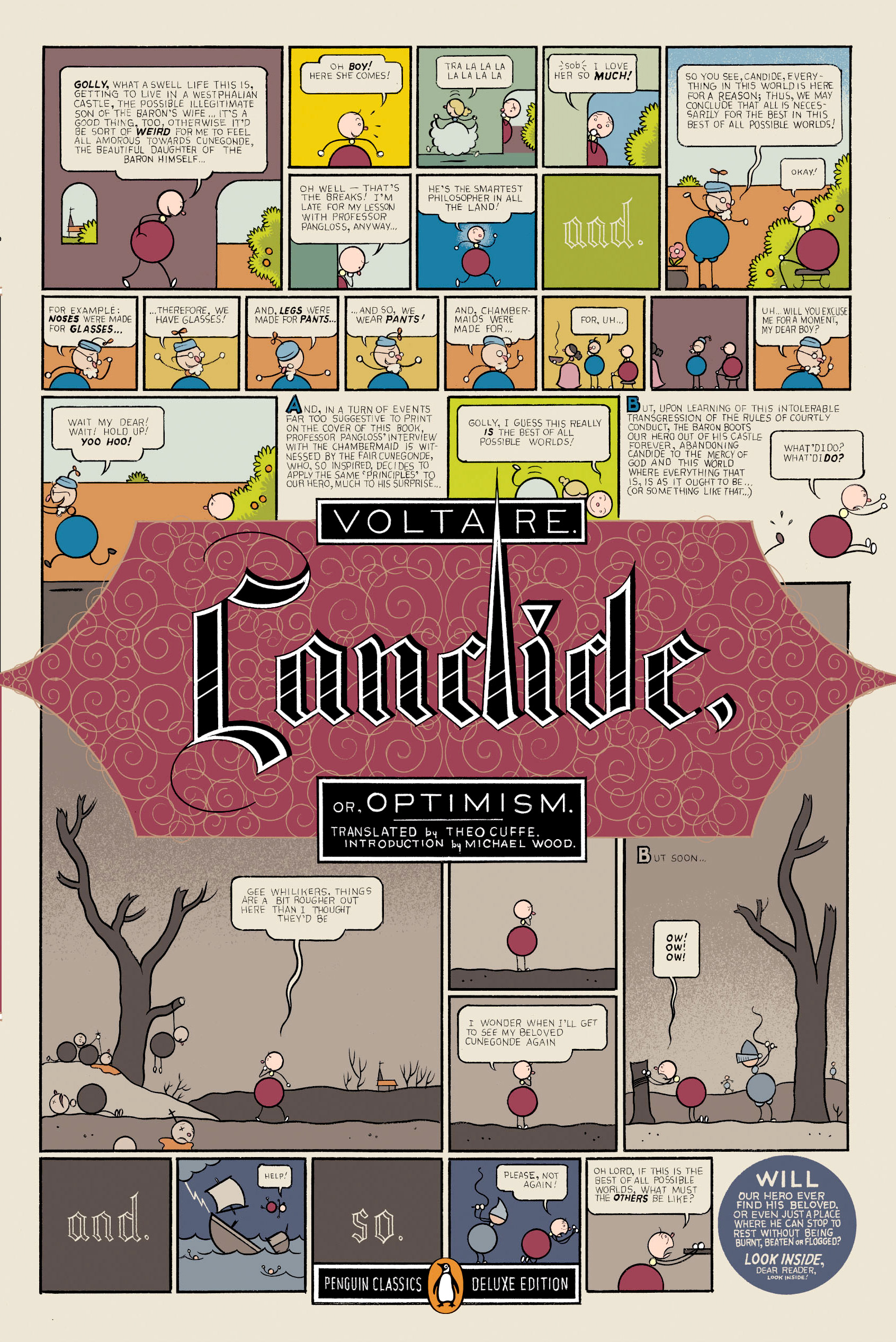
I did not know that Chris Ware did a cover for Candide

voltaire

The First Class Compartment — Edouard Vuillard

Seven Plots from Nathaniel Hawthorne’s Note-Books

  1. An article to be made of telling the stories of the tiles of an old-fashioned chimney-piece to a child.
  2. A person conscious that he was soon to die, the humor in which he would pay his last visit to familiar persons and things.
  3. A description of the various classes of hotels and taverns, and the prominent personages in each. There should be some story connected with it,–as of a person commencing with boarding at a great hotel, and gradually, as his means grew less, descending in life, till he got below ground into a cellar.
  4. A person to be in the possession of something as perfect as mortal man has a right to demand; he tries to make it better, and ruins it entirely.
  5. A person to spend all his life and splendid talents in trying to achieve something naturally impossible,–as to make a conquest over Nature.
  6. Meditations about the main gas-pipe of a great city,–if the supply were to be stopped, what would happen? How many different scenes it sheds light on? It might be made emblematical of something.
  7. A fairy tale about chasing Echo to her hiding-place. Echo is the voice of a reflection in a mirror.

from Nathaniel Hawthorne’s American Note-Books.


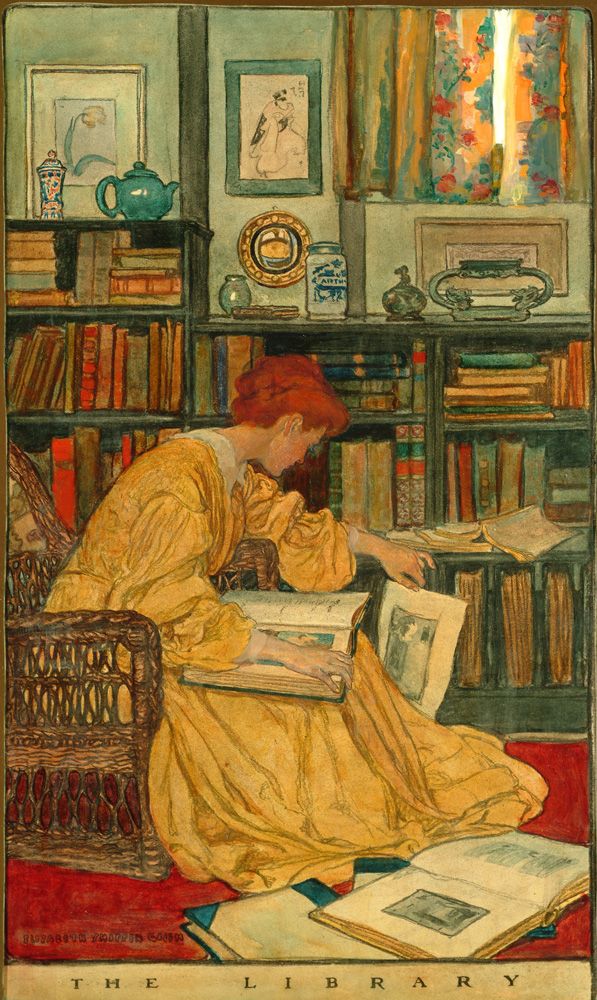
The Library — Elizabeth Shippen Green

Elizabeth Shippen Green

Kafka/Cerebus (Books Acquired, 1.31.2014 + Bonus Circumcision Anecdote)

20140207-154015.jpg

Picked up books last week, not needing them, but hey.

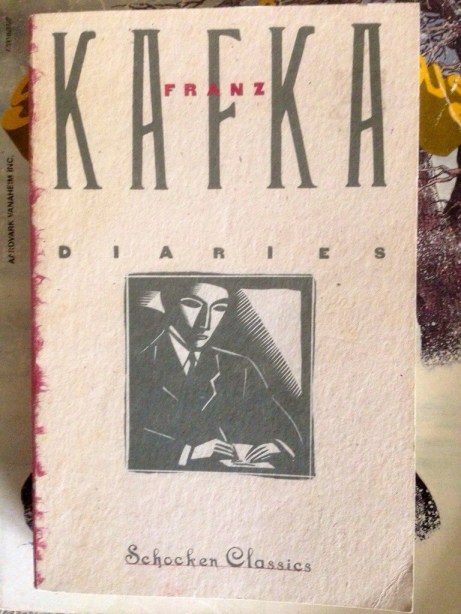
A digest of Kafka’s diaries; good stuff, great random reading.

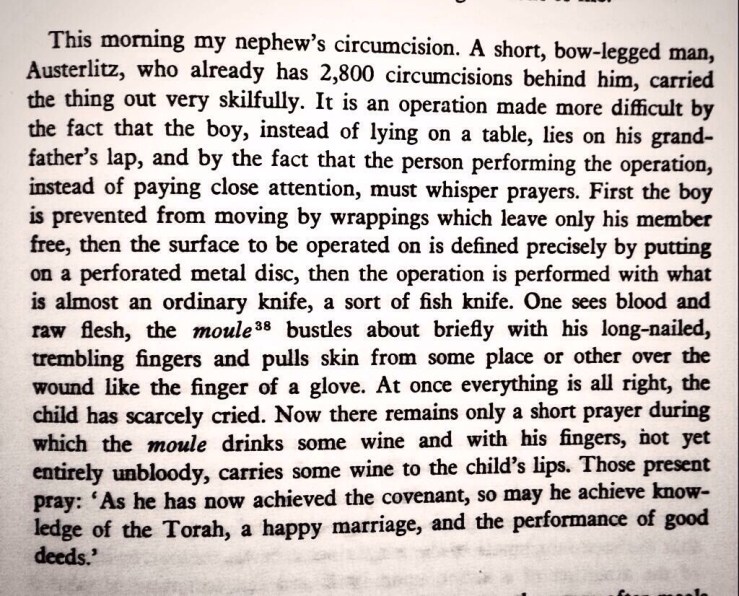
This is a great little anecdote:

20140207-154023.jpg

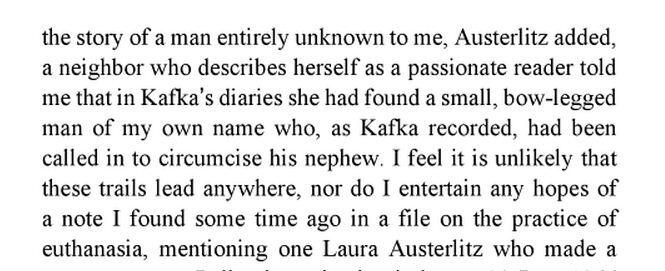
Austerlitz is of course the name of a W.G. Sebald novel. From that novel:

20140207-154029.jpg

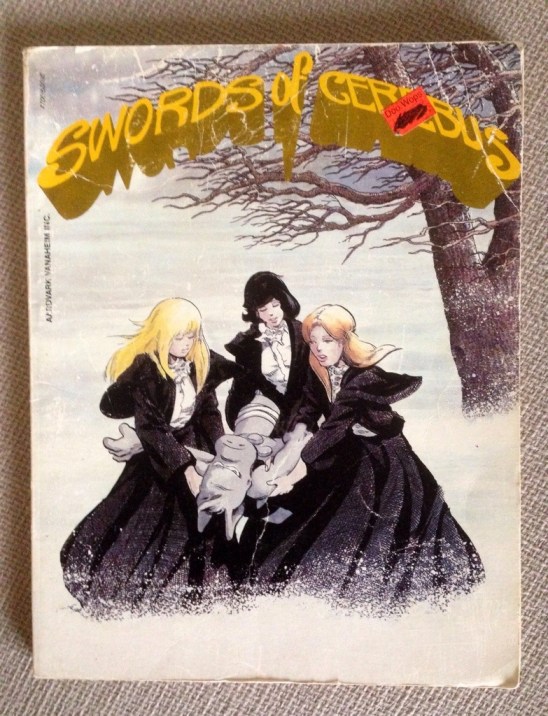
I also picked up the sixth issue of Swords of Cerebus by Dave Sim. It’s a second printing and in terrible shape and I already have the issues in other forms (reprint and graphic novel) but it’s still a pretty rare find. And I am a nerd.

20140207-154036.jpg

The book also includes a short little excellent wordless comic, “A Night on the Town,” where Cerebus parties with a corpse. I have the reprint somewhere else, but still:

20140207-154043.jpg

A Quiet Hour — John White Alexander

0de9999a173984efb74e8e6e7af22848

“William S. Burroughs was a high modernist and a writer of complete trash”

William S. Burroughs was a high modernist and a writer of complete trash; the two are by no means mutually exclusive. He was a genius and a bullshit artist. If his books prove anything, it’s that profundity and inanity can skip along merrily arm in arm. Sometimes his work was heavyweight, sometimes dumb. To borrow a Freudian analogy, sometimes a cigar really is just a cigar and sometimes a man who taught his asshole to talk really is just a man who taught his asshole how to talk (what it’s saying and why is a different story). The paradox of the freest writer being a lifelong junky is really no paradox at all. As a user and pedlar, he understood the mechanics of how it all worked and kindly pointed it out to us, even as he was picking our pockets. He was a stiff morose patrician figure in a suit (so much so his friend Herbert Huncke initially took him for an undercover agent) with books and a history full of debauchery and depravity. If there seems a contradiction there, it’s in the eye of the beholder. What makes Burroughs’ work seem prophetic is that he was perceptive enough to see that people don’t change, the secret to all successful prophecies. We’re still continually re-enacting Greek myths on a daily basis and always will. Psychosis may mirror the zeitgeist (whether it’s paranoia of witches, Jews, communists, drug fiends, Islamists or whoever next) but its essential character doesn’t alter. The bugs and the feds are always with us and there’s only so much one man can do, calling door to door with an extermination kit.

From Darran Anderson’s insightful and thorough essay “The Third Man: William Burroughs at 100.”

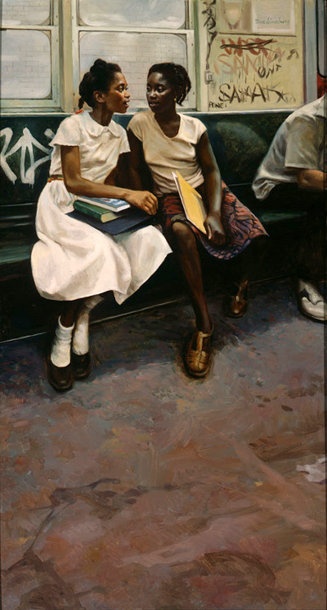
Girls with Books — Max Ginsburg

mg

Woman Reading in the Grass — Franz Marc

fm

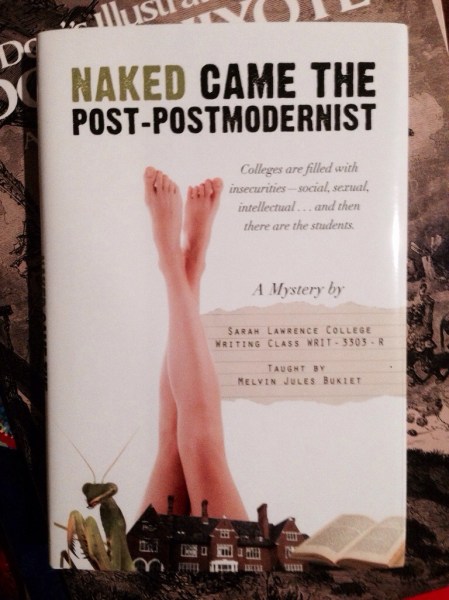
Naked Came the Post-Postmodernist (Book Acquired, Some Time in January)

20140204-155456.jpgNaked Came the Post-Postmodernist showed up some time a few weeks ago and I still haven’t made time for it, despite an interesting premise and its collective authorship. Blurb:

Who killed Eric Davenport? A senior mathematics professor at Underhill College has been found dead in his office, the victim of murder. At Underhill, a small liberal arts college with a pricy tuition and a pampered student body, all of the students are close to their professors. But at least one loved Eric Davenport in a deeply inappropriate fashion. Some hated him. And then there is the faculty at war with itself. And the idiotic administration. And the twin boys who live next to campus. And what’s with all those praying mantises?

The collective work of Sarah Lawrence writing class 3303 – R, taught by novelist Melvin Jules Bukiet, here is a send-up of contemporary campus life that is also the latest installment in an inglorious literary tradition of wacky fun. And the mayhem hasn’t stopped. Soon, a student is found dead in the library, and, from the quad to the dorms, crime scenes and crises begin to multiply. A wealthy alumni donor becomes alarmed. Enter a libidinous medical examiner. Depicting rampant insecurities and raging egos, and with a cast of characters from conflicted faculty to student cliques, from hemp kids to Ugg girls and the J Crew crew, Naked Came the Post-Postmodernist takes us on a journey some may find eerily familiar. . . .