How Bluegrass Music Destroyed My Life–John Fahey

dc124.gif

As astute reader Nicky Longlunch pointed out in a comment on my last post on 50 Great Guitarists, John Fahey was not only a fantastic guitarist, he was also a published author. Fahey wrote three books–1970’s Charley Patton, a biography of that great blues guitarist (out of print now unless you buy the Charley Patton box set); 2000’s How Bluegrass Music Destroyed My Life, a collection of mostly humorous anecdotes and stories; and the posthumously published Vampire Vultures, a collection of Fahey’s letters, limericks, and interviews. HBMDML and VV are both still in print from Drag City (you can also read a PDF extract from HBMDML there).

I remember enjoying How Bluegrass Music Destroyed My Life back when it was first published, when Mr. Longlunch was kind enough to let me borrow it (I returned it folks!). I recall it as being funny, insightful, and Bukowski-spare; I recall it also exhibiting the same raw pathos that Bukowski infused in his work, but with none of the vulgar meanness. The best parts of the book detail Fahey’s young years in Maryland. I can’t really remember much else. I’d love to read it again, but I can’t really shell out $20 for a paperback right now. And unfortunately, I can’t just borrow it from Longlunch again, because he is no longer in possession.

In his comment, Longlunch griped at me to “Focus!” and he’s right–this blog is supposed to be focused on stolen books, and, poor guy, his copy of HBMDML is (I’m guessing) somewhere in Texas. Or he’s just misplaced it for the past seven years. Or he’s lying about it being MIA because he doesn’t want to loan it out. Which is fair, I guess.

Before I leave, I should also point out that Fahey isn’t the only author I overlooked in yesterday’s post. For years now, Pete Townshend has been doing “research” for his as-yet-unpublished autobiography. So we have that to look forward to.

50 Great Guitarists, All Better Than Slash (In No Particular Order)–Part II

Check out Part I here.

6. Ian Williams

I’ve been blown away each time I’ve seen Ian Williams play, whether it was in the original monsters of crushing polyrhythmic madness, Don Caballero, the avant-weird hyperkinetic not-jazz of Storm & Stress, or in his current band Battles, where he taps the fretboard with his left hand and plays a keyboard with his right. On top of that, he’s a really nice guy.

Ian rocks “Atlas” live–

7. Prince

Prince is such an extraordinary performer and songwriter that his skills on the axe are often overlooked. The guy is awesome though, displaying a masterful command over his blistering, soul-stinging solos and tight riffage.

Prince shows Eric Clapton a better way–

8. Brian May

Brian May had to invent new instruments and equipment in order to translate the melodic heavy metal pop in his head. His triple-tracked leads, chugging rhythms, and ambient harmonics were certainly showy at times, but Queen was a showy band. Nothing wrong with that–it’s called glam music after all.

Brian May rips up a 10 minute solo from “Brighton Rock”–

9. Mick Ronson

Would we care about David Bowie today if Mick Ronson hadn’t been there to boost the one-time fairy-folk singer’s fey melodies and bizarro lyrics with some rocknroll oomph? Maybe, who knows–Bowie was (is) always adept at finding great people to work with (no fewer than three of Bowie’s guitar players will make this list). Besides working with Bowie and the perennially underrated Mott the Hoople, Ronson was always behind the scenes working with all the cool kids–Lou Reed, Bob Dylan, Morrissey, etc.

Ronson tears up the solo from “Moonage Daydream” on the Ziggy Stardust tour–

10. Richard Thompson

After making five albums with British folkies Fairport Convention (including my faves Unhalfbricking and Liege and Lief) Richard Thompson set out down the solo path, recording some brilliant albums with his wife Linda, including the classic I Want to See the Bright Lights Tonight. Although he’s best known for his distinctive folk-rock sound and wiry, spare solos, Thompson also made a significant contribution to the new, punk influenced music of the early eighties with his album Shoot Out the Lights–a masterpiece on par with Television’s Marquee Moon and almost as good as anything the Talking Heads ever did.

Check out “Wall of Death” from Shoot Out the Lights

Sweet Summer Jams

The Audioklept knows how greedy your ears are –here are some dope tracks to help flesh out that awesome mix tape you’ve been making.

frog-eyes.jpg

First up, a sweet little ditty from Frog Eyes’ latest stellar rock opera, Tears of the Valedictorian (OK, it’s not really a rock opera, but so what). Post-punk prog for professional pessimists. Frog Eyes — “Evil Energy the Ill Twin of…”

ole-770.jpg

Frog Eyes are connected to The New Pornographers by way of a band called Swan Lake–Dan Bejar is in both bands. Dan Bejar’s solo stuff as Destroyer kicks ass all day long, and then kicks more ass at night. The New Pornographers have a new record coming out called Challengers, set to drop August 21 on Matador Records. Of course you can’t wait until then to hear Neko Case’s sweet voice. The New Pornographers — “Failsafe.”

200px-mathsandenglish.jpg

We love love love the new Dizzee Rascal album, Maths and English, a big surprise considering his first two albums made no impact on us. Hear Mr. Rascal’s guide to how to succeed in the music industry (play it loud so everyone will know how hardcore you are). Dizzee Rascal — “Hardback (Industry)”

paw16_big.jpg

While you wait for the new Black Dice album to drop on Paw Tracks sometime later this year, tide yourself over with the A-side from their latest limited edition 12″ record disc. Black Dice — “Roll Up”

nnjw.jpg

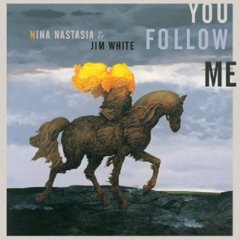
We really really really like You Follow Me, the recent collaboration between songwriter Nina Nastasia and Dirty Three’s Jim White–and so should you. Nina Nastasia and Jim White — “I’ve Been Out Walking”

alog.jpg

Alog have a new album out on Rune Grammafon called Amateur. It’s the perfect soundtrack for sharpening knives, feeding the azaleas, or just reading stupid magazines. Alog –“Write Your Thoughts in Water”

End of the Century–The Heartbreaking Story of the Ramones

If you love the Ramones, you really shouldn’t watch the 2003 documentary film End of the Century–it will only break your heart.

logo_ramones1.jpg

I love the Ramones; I’ve loved the Ramones since I was a kid. I was lucky enough to see them in concert about twelve years ago (even then we were hip to the fact that the Ramones without Dee Dee–the C.J. version of Ramones–was not really the real Ramones). My favorite memory of the show was Joey saying that the venue of the show was built on top of a pet cemetery. Then they played “Pet Cemetery.” Genius.

So well and anyway. End of the Century. This is an excellent music documentary, a standout in a genre which is generally hit or miss. Unlike weaker films that rely on narrators or musicians influenced by the subject*, End of the Century is composed entirely of interviews (both archival and original to the film) with the Ramones themselves (Dee Dee, Tommy, Joey, Johnny, Marky, Richie (Richie wears a conservative suit in his interview, and mostly complains about not getting a taste of “that T-shirt money”) and C.J. (C.J. comes across as naive, energetic, and wholly endearing, making me feel kind of bad about my previous opinions of him). In addition to the Ramones’ first-hand accounts, there are plenty of interviews with managers and friends and family and roadies and so on–eyewitnesses who candidly relate the good, the bad, and the ugly in excruciating detail (there is plenty of ugly). Raw live footage dating back to the early 70s brings to life the sheer volume and bizarre intensity of a Ramones show.

So why so heartbreaking? Well, here’s the deal. We know that the John and Paul didn’t like each other. We know that Mick and Keith bicker. We know that bands have “creative differences” and egos get bruised and so and so on. But with the Ramones, well, I guess I always thought of them, as well, cartoons of themselves. But End of the Century makes it very clear that these guys were very, very serious about themselves and what they did. They were in no way cultivating an image: the Ramones really were what you thought they were. And they hated each other. Like, years-of-not-talking-to-each-other hatred, right up until their retirement. They were bitter–they really wanted to be successful. Now, I always thought of the Ramones as legendary, as huge, as the original punk band. But they wanted to be huge, huge like the Beach Boys or the Beatles. Hits on the radio huge (a quick aside: the accounts of working with Phil Spector on the 1980 album End of the Century, in the hopes of gaining a top 10 hit, are hilarious. Apparently Phil held the band plus entourage at gunpoint, threatening to shoot them if they returned to the hotel. The reason for Phil’s hostage-taking: he wanted them to hang out and watch movies. But I’m sure Spector’s like, totally not guilty of murdering that chick in his house). So a lot of the movie is the Ramones lamenting that they “never made it” (again, to me this was ludicrous). But really it’s the hatred, the meanness of their interviews, their complete dismissal of each other that I found most disconcerting (particularly heartbreaking is hearing Johnny’s non-affected nonchalance over Joey’s relatively recent (to the time of the movie’s shooting) death from lymphoma). Maybe I’m just a foolish fan who wanted my cartoons.

The film ends by noting that Dee Dee died of a heroin overdose two months after the film finished shooting. Johnny Ramone died in 2004. The principal members of the band all died within a few short years of each other, like married folks often do.

To end on a lighter note, check out this footage from the film, featuring Dee Dee’s rap project, Dee Dee King’s “Funky Man” (listen for this embarrassing nugget: “I’m a Negro too!”)

* There are one or two very brief interviews (like one or two sentences) with famous fans, including, of course, Thurston Moore, who is contractually obligated to appear in any film about any musician. Check out his prolific (and incomplete–unless my memory fails me he’s also in the 1995 Brian Wilson documentary I Just Wasn’t Made for These Times) filmography here.

Seven Great Books About Rock and Roll (In No Particular Order)

1. Crazy From the Heat by David Lee Roth

david-lee-roth.jpg

This book is as good as you want it to be and there is absolutely no doubt in my mind that David Lee Roth wrote every word of it (no ghostwriters here, pure Roth). I’m not even sure if there was an editor involved, actually. David Lee Roth takes the chronological approach, giving equal time to Van Halen’s earliest days, their 80s success, and his post-Van Halen, big band days. Particularly interesting is David’s illumination of some of the vocal techniques involved in the production of those early Van Halen records (hamburgers and marijuana cigarettes). This book is a treasured gift from a dear friend.

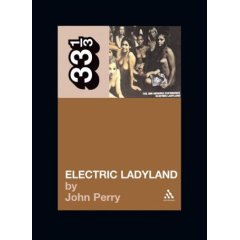
2. Jimi Hendrix’s Electric Ladyland by John Perry.
082641571701_aa240_sclzzzzzzz_.jpg

I read this in like two days. What a great book. Author John Perry was a young eyewitness to many of Jimi’s London gigs; most of the info here is culled from personal memories and observations, as well as discussions with all the people involved. Perry’s style is simple and always focused on the music. The book is divided into seven sections, including a thorough discussion of the instrumentation involved, a detailed track by track review of the album; even a section about the cover. Perry writes from a musician’s point of view, but the most interesting lines to me are about the initial reaction of the American critical press to Jimi Hendrix:

“Behind a whole raft of complaints about Hendrix’s undignified performance and his irritating failure to fit existing critical categories for black performers, lay the essential point that his songs mysteriously failed to punish the audience for being white. Hendrix didn’t play the wounded, angry black man, or the dignified bearer of oppression; he didn’t provide white critics with a handy receptacle for their guilt. They didn’t know quite what role he fulfilled.”

I got this for fifty cents at the Friends of the Library Sale.

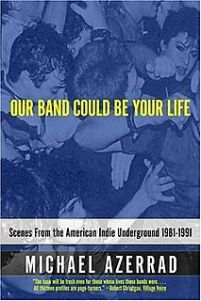
3. Our Band Could Be Your Life by Michael Azerrad.
our-band.jpg

Your life is probably nothing like any of the sort-of-famous indie bands covered here, unless you basically live in a van. I’m actually not even really sure if this qualifies as a great book. This book is actually just “okay.” Chances are, if you’re a fan of Sonic Youth, Ian McKaye, Dinosaur Jr, or Hüsker Dü you probably know most of this stuff already, or at least the stuff that’s interesting. And if you’re a fan of Beat Happening, well, there you go. This book has a whole chapter on Beat Happening. Actually, if you’re really interested in the whole indie rock thing, 1991: The Year Punk Broke is a much better document. But here I go comparing apples to oranges. I bought Our Band Could Be Your Life at Barnes & Noble for like three or four dollars.

4. Chronicles, Volume 1 by Bob Dylan

180px-bob_dylan_chronicles_volume_1.jpg

It took me a long time to get through this. Let me clarify: I read this in large, fifty page chunks, put it down, picked it up again months later. Dylan’s style is discursive and rambling; he elliptically deconstructs his own myth, picking away at the bits of identity he picked off of other musicians and poets on his way to fame. The book never really gets to that fame–to be clear, it discusses the after-effects of Dylan’s fame in detail: the obsessive fans who showed up at his home unannounced, the bewildering pressure to deliver some kind of messianic answer, the expectations to deliver a specific kind of record–but Chronicles spends most of its pages tracing and retracing Dylan’s youth in Minnesota and his days sleeping on friends’ couches in New York City. Will the second and third volumes ever come out? Who knows with this guy. This book was given to me by my cousin for Christmas a few years ago.

*Also recommended: Anthony Scaduto’s biography Bob Dylan.

5 . Transformer by Victor Bockris

transfusa.jpg

Lou Reed is a weirdo, and Victor Bockris wants you to know about it. Starting with Reed’s Long Island youth (complete with electro-shock therapy), Bockris’s biography covers pretty much everything right up through the Velvet Underground’s early nineties reunion: Reeds early apprenticeship in the Brill Building, the nascent days of the VU (plenty of Warhol anecdotes, of course), punk rock, several doomed romances, his years living with a transvestite, his karate skills, his yoga skills, and his all-bran diet, and of course, the drugs. Oh the drugs. Also, Reed’s solo career is also examined (including plenty of material from guitar god Bob Quine). Bockris seems to feel Magic and Loss is something of a watershed moment in modern rock (anyone who accidentally bought this album knows otherwise).

Bockris’s book employs a bitchy, dishy tone, rife with catty comments from everyone whoever worked with Reed: apparently Lou was a total asshole. Bockris reprints some painful comments (e.g. Reed on Springsteen, 1975: “Isn’t Springsteen over the hill?”); the most awkward moment comes in the book’s appendix, in a transcript of a meeting Bockris arranged between Reed and William Burroughs. Bad idea (Reed can’t remember the name of “that book you published”–Naked Lunch). I can’t remember, but I think I got this for like three or four bucks at Barnes & Noble.

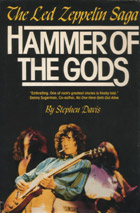
6. Hammer of the Gods by Stephen Davis
hammer_of_the_gods.jpg

“Here’s a red snapper for your red snapper!”

Intrigued? You should be! Burroughs makes a cameo here as well.

I don’t own this one. I read the good bits in high school though.

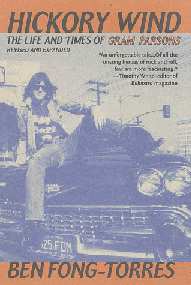
7. Hickory Wind: The Life and Times of Gram Parsons by Ben Fong-Torres
gparsons.jpg

Some jackass made a movie about Gram Parsons’ life a few years ago; I think Johnny Knoxville played Parsons. I didn’t see it, but I’m sure this book is way better. Rolling Stone alum Ben Fong-Torres clearly appreciates Parsons as not only the influential icon that he’s generally recognized as, but also as a truly gifted songwriter. Parsons’ early days in Winterhaven, Waycross, and Jacksonville (he attended the Bolles School) are scrutinized along with his brief stint at Harvard, his time in the Byrds and his days partying with the Rolling Stones in California hippy mansions. Also, another appearance by William Burroughs, who recommended a treatment to help kick the heroin. Parsons’ infamous death in the California desert is also put under the lens, right down to a time-line if I remember correctly. Good stuff. My uncle lent me this book, and yes, I returned it to him. So there.
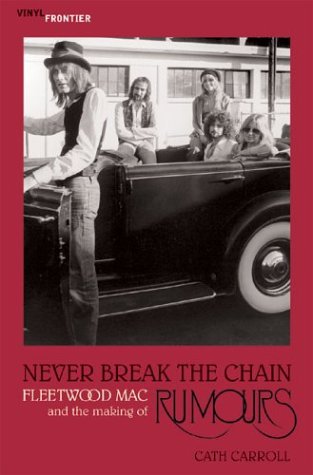
Never Break the Chain–Cath Carroll on Fleetwood Mac

neverbreakthechain.jpg

Never Break the Chain: Fleetwood Mac and the Making of Rumours by Cath Carroll (yes, that Cath Carroll) provides an excellent overview of the long, strange career of Mick Fleetwood and company. Like many of you (I’m guessing), I was introduced to Fleetwood Mac via my parents, who played Rumours ad infinitum. It was one of the first albums I “owned”–from the vinyl, I recorded a cassette copy that I played on my Sony Walkman repeatedly. I believe Born on the USA was on the other side. As the years passed, Fleetwood Mac somehow became very uncool to my ears (i.e., they did not rap, there was a paucity of shredding metallic guitar overtures, etc), then slightly cooler, then totally uncool (i.e. the Clintons, the reunion tour), then very very cool (thank you college, thank you Tusk).

Never Break the Chain is organized chronologically, making it easy for readers such as myself to skip around to sections of greater interest. The majority of Carroll’s research comes from previously published articles from magazines like Creem and Rolling Stone, as well as a few interviews. Carroll navigates the Mac’s bizarre history, detailing the numerous personnel changes. Mick Fleetwood is the book’s undisputed hero, the rock(er) who kept the band together through the tumultuous tempest of three decades. It’s fascinating to see how the band transforms from a British blues rock group from the John Mayall school of rock, to the melodic songwriting team that recorded the utterly-Western masterpiece Rumours.

As the title suggests, the making of Rumours becomes the focal point of the book. Carroll explores the bizarre love quadrangles that erupted within the band during that time, although for my taste there wasn’t quite enough VH1’s Behind the Music trashiness to her analysis. Ditto for the legendary cocaine use that supposedly fueled the FM’s late seventies output, which is largely glossed over.  However, gearheads who can’t get enough descriptions of studio equipment, instrumentation, and production techniques will love this book. Carroll goes into very detailed accounts of how FM approached songwriting–some of the most interesting passages recount how the band arrived at the album sequences. Plenty of in-fighting, plenty of fights with the studio, and a whole chapter devoted to Tusk. On the whole not bad. However, no substitution for actually listening to the albums.

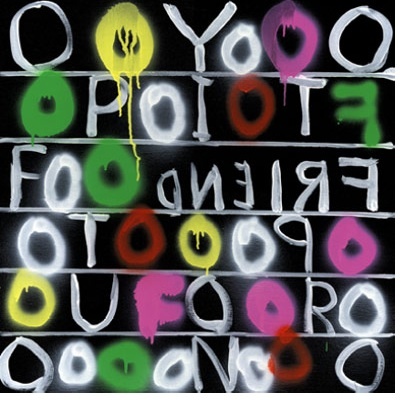
Deerhoof–Friend Opportunity

deerhoof.jpg

 AUDIOKLEPT SPECIAL EDITION: Deerhoof–Friend Opportunity (Kill Rock Stars; releases Jan 23, 2007)

Deerhoof are a kind of paradox–innovators working in a tradition–deconstructing the whole of modern music (as well as not-so-modern-music) with their voices, drums, guitars, and keyboards. With Friend Opportunity, the San Francisco band has distilled the buzz and clatter, the melody, muscle, and grace of their past few albums (2005’s The Runners Four, 2004’s The Milkman, 2003’s Apple O’) into a concise, nearly-perfect 36 minutes. The Runners Four topped a lot of year-end lists last year, but to me it was overlong and undercooked–plenty of good ideas that needed to be edited and refined. With Friend Opportunity, Deerhoof achieves a beautiful balance, reining in chaos and noise in favor of punchy rhythms and hooks that are sure to sink into your mind. Not to say that the vibrant anarchy of past albums has been in anyway discarded or even subdued–Deerhoof have simply gotten better at using chaos as a musical element, a means to an end, rather than an uncontrollable variable. Tracks like album opener “The Perfect Me” and “+81” establish pop ideals, cribbing from classic rock riffs, only to deny, deconstruct and then revive these ideals–all in under three minutes. “The Galaxist” is particularly sweet, opening with Faheyesque guitar picking and breathy melodies, and moving into a joyous beat that would make Fela Kuti proud. If the world had better musical taste, “Matchbook Seeks Maniac” would be on every radio station, the perfect slow dance for the Bizarro World prom. The brevity of these tracks is a plus: most of the tracks on Friend Opportunity lack the repetition common to pop music, moving through several ideas in under three minutes–ideas that stick in the head, causing a listener to hit repeat. The album closer, “Look Away,” is the only track to deviate from this method. Clocking in at over 11 minutes, “Look Away” comprises nearly a third of the album’s content, and will undoubtedly not stand repeated listens by some listeners. The track seems tailor-made for listeners who expect some noise from their Deerhoof, and those listeners won’t be disappointed. Nonetheless, even in an 11 minute anti-epic, Deerhoof controls the chaos and noise, resulting in some challenging and beautiful moments. Despite a 2007 release date, I consider Friend Opportunity one of the best albums of this year. I can’t wait to buy it.

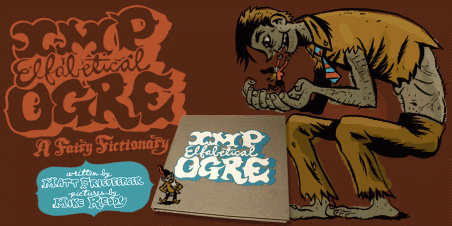
Imp Elfabetical Ogre

Imp Elfabetical Ogre is “A Fairy Fictionary” written by Matt Friedberger, chief songwriter/musician in my favorite working band, The Fiery Furnaces. Furnaces cover artist Mike Reddy illustrates some of Friedberger’s rhymes about ogres, pixies, elves, and gnomes.

opener21.gif

I’m not sure if this is an actual book or just an internet thing or what…it seems incomplete. The pun in the title, and the neologism “Fictionary” seem to suggest a larger, more comprehensive catalog of all things spritely. Just like the Furnaces’ lyrics, the words are highly alliterative and the tales are a little silly. Thanks to RP for sending me the link!

Other recommended bestiaries:

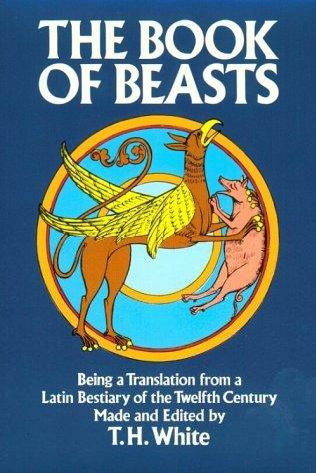
T.H. White? The Twelfth Century? Count me in!

n27697.jpg

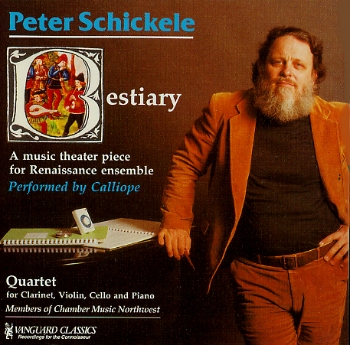
This Peter Shickele (aka PDQ Bach) record looks fantastic, you must admit. Image links to tracklisting, performers, and even some free audio samples! You can also buy this record–on cassette or vinyl only–for a mere $8 (but act fast, “supplies are limited”).

bestiary.jpg

Guns n’ Roses Update

The perfect gift for someone special: check out The Axl Rose and Sidekick Cat Commemorative Dish, available at The Daily Gut.

A few days back this blog reported that Guns n’ Roses are supposed to play Jacksonville on Tuesday, October 31st–Halloween Night. As of now, the tickets are still on sale. For a mere $77.50 a ticket, you will be able to print your own ticket via an internet purchase. For an extra $10 you can even arrange parking ahead of time. Bonus! Has this event been promoted on local radio? I don’t listen to radio, other than 8 minutes of NPR over the morning drive to work. Are the people of Jax psyched? Is Axl Rose a has-been? Will they even play? Who cares?

The Audioklept Special Edition

All the big indie records of 2006: One sentence reviews. Part One.

Bonnie ‘Prince’ Billy–The Letting Go: Who knew he had another record this good in him?

Neko Case–Fox Confessor Brings the Flood: “Star Witness” is the best song of 2006.

Destroyer–Destroyer’s Rubies: Dan Bejar is over the top and this record is gorgeous.

Thom Yorke–The Eraser: […] hmmm […] oh sorry, I must’ve dozed off there […] 

The Walkmen–A Hundred Miles Off: I recently heard “The Rat” in the background of an NCAA Football commercial–I enjoyed that more than anything on this record.

The Walkmen–Pussycats: Uhmmm…yeah…uhmmm, okay cool guys, you have your own studio, you can just do whatever you want I guess.

Beck–The Information: Beck’s a fucking scientologist.

Ghostface Killah–Fishscale: I’m supposed to love this, right?

Girl Talk–Night Ripper: This might be the year’s best album…

The Flaming Lips–At War With the Mystics: It seems like they will continue to make these types of records.

The Decemberists–The Crane Wife: This is overrated, boring crap.

The Hold Steady–Boys and Girls in America: …speaking of overrated, boring crap.

The Fiery Furnaces–Bitter Tea: Their prettiest album yet; not as good as Blueberry Boat but better than any record by any other band that came out this year.

Matthew Friedberger–Winter Women: Contains no fewer than four radio gems.

Matthew Friedberger–Holy Ghost Language School: I keep meaning to listen to it again.

Lambchop–Damaged: I’m too busy for this level of subtlety.

Lambchop–The Decline of Country & Western Civilization, Pt. 2: The Woodwind Years: Their title is too long–counts as review.

Mercury Rev–Essential Mercury Rev: Go out and buy the real “essential” Mercury Rev: Yerself is Steam, Bocces, and See You on the Other Side.

Gnarls Barkley–St. Elsewhere: We will all remember this album as fondly as we remember that Chumbawumba album, or possibly our EMF Greatest Hits CD. 

The Shins — Wincing The Night Away

AUDIOKLEPT (SPECIAL EDITION)

Not a book, but nonetheless obtained by extra-legal means. Piracy baby!

SubPop is set to drop The Shins’ third album Wincing The Night Away in January of 2007, but the thing leaked like a sieve this weekend. Similarly, Of Montreal’s album Hissing Fauna, Are You The Destroyer?, set for a January release, leaked over the last two weeks. I don’t understand why these labels delay releases so long after the record’s been mastered. It’s almost impossible these days to keep a record from leaking–although Thom Yorke managed to keep his solo record The Eraser from leaking right up until it was released.

On paper, The Shins are the type of band I would love to hate. They write tight pop songs with keen melodies and spare harmonies with frequent nods to classic 60s acts like The Kinks, The Beatles, The Zombies and The Beach Boys (unlike every other indie band made up of four white guys). They are name-dropped in the epitome of bad indie films, Zach Braff’s Garden State (Natalie Portman’s character declares them “life-changing”). They appeared in an episode of The Gilmore Girls as a band playing to a club full of improbably ecstatic springbreakers in Ft. Lauderdale.

Despite all of this, I like them quite a bit. Their songs are catchy in a good way. They certainly aren’t re-inventing the wheel, but if you’re going to listen to an indie rock band, you might as well listen to The Shins. All that said, I like their new album a lot, much better than their last Chutes Too Narrow actually, which I thought was too airy. Wincing evinces some growth in songwriting and arrangements, and on the whole the production is much fuller than the past two albums. Wincing features a more prominent use of atmospheric sounds. Synthesizers are utilized to greater advantage advantage with respect to both melodies and atmosphere, and the band even brings in what I believe to be a small string section one one song. They even play with vocal loops on this record.

I don’t know if this band will ever top their first record Oh, Inverted World, a record that somehow was simultaneously breezy and profound, and produced at least four songs that can never go wrong on a mixtape. I’ve listened to it a few times, but there doesn’t seem to be a “New Slang” or “Know Your Onion” on this album. Wincing however seems to work better as a whole album than The Shins’ previous efforts, and the stronger production and fuller arrangements will probably earn the group a broader fanbase.


Guns and Roses to Play Jacksonville Florida on Halloween Night

Absolutely nothing to do with books, but hey whatever. Guns and Roses have rescheduled their October 20th concert in sweet home Jacksonville FL for Halloween Night. Will Axl show? Will mayhem ensue? Will there be disappointment? Apathy?

And the Gators lost?! And that brawl in Miami?!

Console yourself with this Axl Rose fan art:


Bob Dylan


Anthony Scaduto’s Bob Dylan:A Biography (1972?); another one from my cousin’s closet, part of the same cache that included Fear and Loathing. This would have been in the very early 1990s. I had always loved Bob Dylan, always–one of the earliest songs I remember taping off of the radio was “Like a Rolling Stone.” I had to call in to request it. I recorded it at the end of my first (and only, at the time) cassette tape–a copy of Dire Strait’s Brothers in Arms that my dad had taped from his vinyl for me. By the time I got a hold of Anthony Scaduto’s fantastic bio, I knew a bit about Dylan. I already had a couple of Dylan albums, including one of the first CDs I ever bought, The Freewheelin’ Bob Dylan (still my favorite). Like Fear and Loathing, this book was a door-opener to me. Interestingly, I was mostly enchanted by Dylan’s voice and wordplay before I read this book; that is to say his cult of personality hadn’t really effected me yet. This book changed that.


(I took the edition on the left. The one on the right you can buy online or in your favorite bookstore)

Any true Dylan fan has probably already read this book, but if you consider yourself one (a true fan, that is), and you haven’t read it, make amends. You won’t be disappointed. The book is particularly good if you bookend it with viewings of DA Pennebaker’s extraordinary documentary Don’t Look Back.

 Dylan in his later years (i.e. nowadays) is as perplexing as ever. He’s made three of the best albums of his post-60s career, making up for some questionable output. He’s slowed down on the touring quite a bit (saw him about 10 years ago and he blew my mind — who knew what an accomplished guitar player he was?), and made those weird Victoria’s Secret commercials a few years ago. Recently, he made a ruckus when he attacked modern recording techniques in a Rolling Stone interview with one of my favorite authors, Jonathan Lethem

One of the best things Dylan has done lately is his “Theme Time Radio Hour” on XM satellite radio. The show is thematic; Dylan riffs on the bible, coffee, the weather, all sorts of stuff. His musical taste is fantastic (saying Bob Dylan has good musical taste is sort of like saying water is wet), but it’s really his voice that mesmerizes. It’s a gleeful mix of the sinister with the playful. He actually kind of sounds like the late comedian Mitch Hedberg, especially in a comment from a recent show on the bible: “Nine out of ten Americans have at least one bible in their home. What’s up with the other guy?” Doesn’t look funny in print, but his delivery is unexpectedly hilarious.

If, like me, you can’t afford to subscribe to fancy satellite stations but still want to hear the word of Dylan, never fear! Check out White Man Stew for free downloadable mp3s of complete Dylan shows. You can get the shows as  zip files full of divided mp3s, or as one long mp3.

Tim Hecker — Harmony in Ultraviolet

Yes yes yes. I know I know I know. It’s not a book. It’s an album of music. But see now so and yes–it’s just so beautiful. It’s the best “reading music” I’ve come across in a long time. And, in keeping with the theme of this blog, I did obtain it by extra-legal means (it comes out Oct 16, so go buy it from your local record store!)

KR102

Harmony in Ultraviolet is Hecker’s third or fourth album, depending on how you want to count his EPs and sundries. This music might be described as “ambient,” although I’m not sure I like that term. Harmony‘s tracks seem to contain impossible oppositions; they hover and sink, they pulsate but are static, they are digital-ice and analog-heat, they express the abstract in a concrete mode. Why write about it here? Well, really, I just love an album that lends itself to reading, and Hecker’s new disc is fantastic to read to.