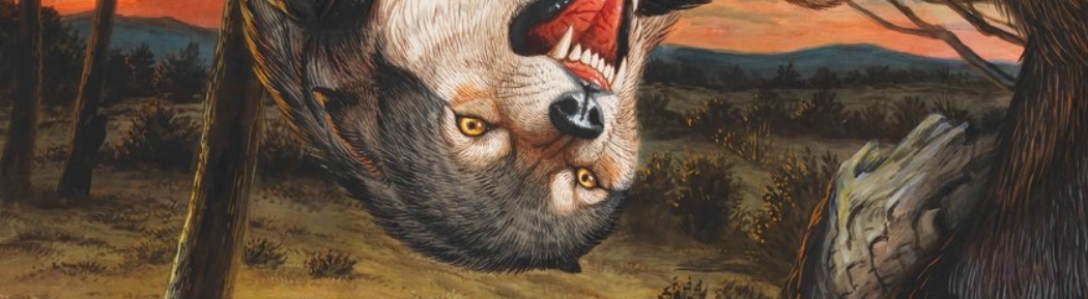
The Disputants — William Carlos Williams

20140627-095521-35721508.jpg

The Blue Room — Suzanne Valadon

Last Sun Rays — Felix Vallotton

“All art constantly aspires towards the condition of music”

Cousin Grampa — Michael Kupperman

Screen Shot 2013-04-16 at 1.45.56 AM

“The Disciple” — Oscar Wilde

“The Disciple”

by

Oscar Wilde

When Narcissus died the pool of his pleasure changed from a cup of sweet waters into a cup of salt tears, and the Oreads came weeping through the woodland that they might sing to the pool and give it comfort.

And when they saw that the pool had changed from a cup of sweet waters into a cup of salt tears, they loosened the green tresses of their hair and cried to the pool and said, ‘We do not wonder that you should mourn in this manner for Narcissus, so beautiful was he.’

‘But was Narcissus beautiful?’ said the pool.

‘Who should know that better than you?’ answered the Oreads.  ‘Us did he ever pass by, but you he sought for, and would lie on your banks and look down at you, and in the mirror of your waters he would mirror his own beauty.’

And the pool answered, ‘But I loved Narcissus because, as he lay on my banks and looked down at me, in the mirror of his eyes I saw ever my own beauty mirrored.’

Yellow Spectrum — Frantisek Kupka

Election Night — John French Sloan

Wing of a Blue Roller — Albrecht Dürer

Does Borges believe in God?

Osvaldo Ferrari: Many people still ask whether Borges believes in God, because at times they feel he does and at times that he doesn’t.

Jorge Luis Borges: If God means something in us that strives for good, yes. If he’s thought of as an individual being, then no, I don’t believe. I believe in an ethical proposition, perhaps not in the universe but in each one of us. And if I could I would add, like Blake, an aesthetic and an intellectual proposition but with reference to individuals again. I’m not sure it would apply to the universe. I remember Tennyson’s line: “Nature red in tooth and claw.” He wrote that because so many people talked about a gentle Nature.

From Conversations Volume I, a newly-translated collections of radio discussions between Jorge Luis Borges and Osvaldo Ferrari. Read the rest of the excerpt at NYRB.

“The Young Girl” — Katherine Mansfield

“The Young Girl”

by

Katherine Mansfield

In her blue dress, with her cheeks lightly flushed, her blue, blue eyes, and her gold curls pinned up as though for the first time—pinned up to be out of the way for her flight—Mrs. Raddick’s daughter might have just dropped from this radiant heaven. Mrs. Raddick’s timid, faintly astonished, but deeply admiring glance looked as if she believed it, too; but the daughter didn’t appear any too pleased—why should she?—to have alighted on the steps of the Casino. Indeed, she was bored—bored as though Heaven had been full of casinos with snuffy old saints for croupiers and crowns to play with.

“You don’t mind taking Hennie?” said Mrs. Raddick. “Sure you don’t? There’s the car, and you’ll have tea and we’ll be back here on this step—right here—in an hour. You see, I want her to go in. She’s not been before, and it’s worth seeing. I feel it wouldn’t be fair to her.”

“Oh, shut up, mother,” said she wearily. “Come along. Don’t talk so much. And your bag’s open; you’ll be losing all your money again.”

“I’m sorry, darling,” said Mrs. Raddick.

“Oh, do come in! I want to make money,” said the impatient voice. “It’s all jolly well for you—but I’m broke!”

“Here—take fifty francs, darling, take a hundred!” I saw Mrs. Raddick pressing notes into her hand as they passed through the swing doors. Continue reading ““The Young Girl” — Katherine Mansfield”

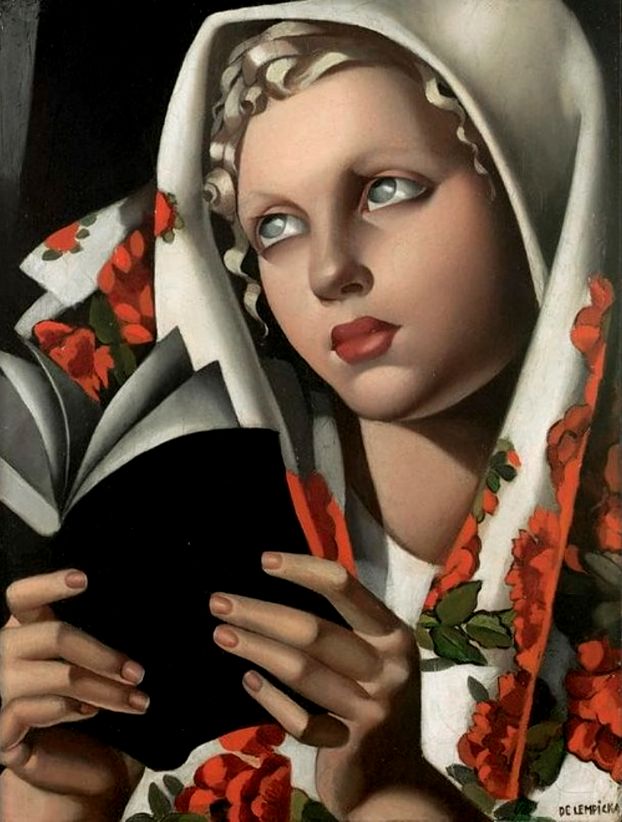
Polish Girl — Tamara de Lempicka

tamara-de-lempicka-by-geldenkirchen

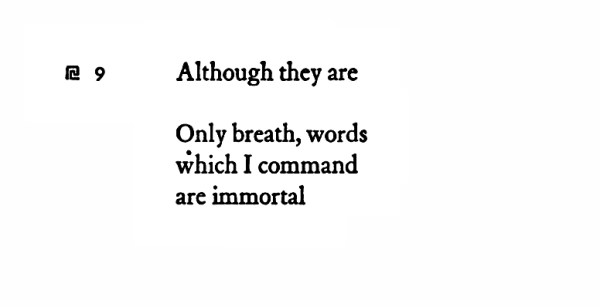
Only breath (Sappho)

Capture

The Invention of Life — Rene Magritte

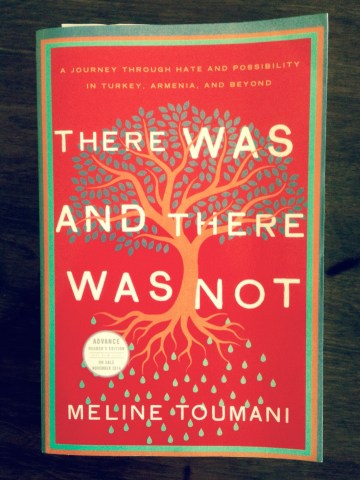
There Was and There Was Not (Book Acquired Some Time in Late October, 2014)

IMG_3885.JPG

There Was and There Was Not by Maline Toumani. Forthcoming from Metropolitan. Their blurb:

A young Armenian-American goes to Turkey in a “love thine enemy” experiment that becomes a transformative reflection on how we use—and abuse—our personal histories

Meline Toumani grew up in a close-knit Armenian community in New Jersey where Turkish restaurants were shunned and products made in Turkey were boycotted. The source of this enmity was the Armenian genocide of 1915 at the hands of the Ottoman Turkish government, and Turkey’s refusal to acknowledge it. A century onward, Armenian and Turkish lobbies spend hundreds of millions of dollars to convince governments, courts and scholars of their clashing versions of history.

Frustrated by her community’s all-consuming campaigns for genocide recognition, Toumani leaves a promising job at The New York Timesand moves to Istanbul. Instead of demonizing Turks, she sets out to understand them, and in a series of extraordinary encounters over the course of four years, she tries to talk about the Armenian issue, finding her way into conversations that are taboo and sometimes illegal. Along the way, we get a snapshot of Turkish society in the throes of change, and an intimate portrait of a writer coming to terms with the issues that drove her halfway across the world.

In this far-reaching quest, told with eloquence and power, Toumani probes universal questions: how to belong to a community without conforming to it, how to acknowledge a tragedy without exploiting it, and most importantly how to remember a genocide without perpetuating the kind of hatred that gave rise to it in the first place


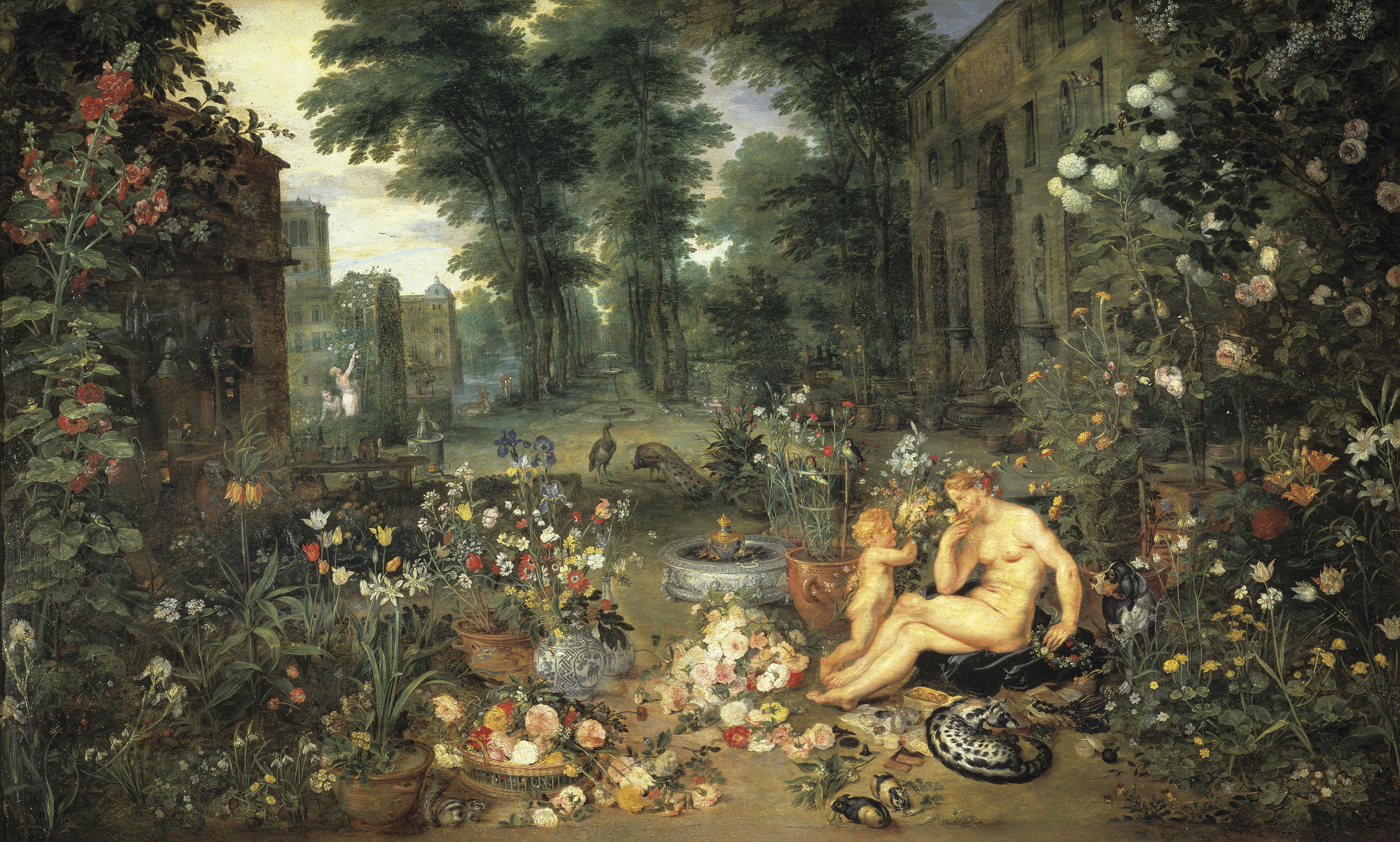
Allegory of Smell — Jan Brueghel and Peter Paul Rubens