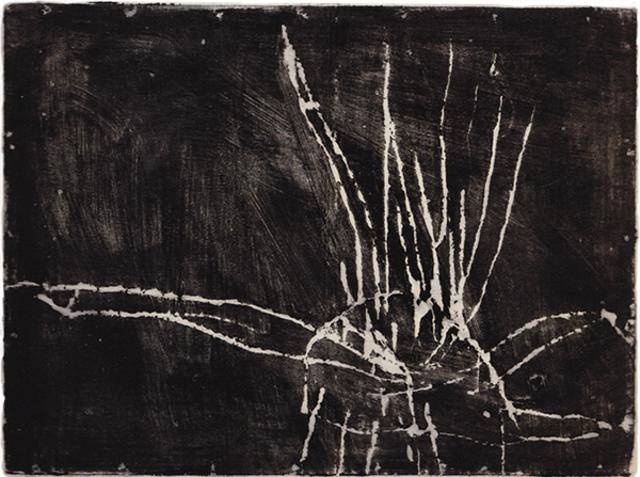
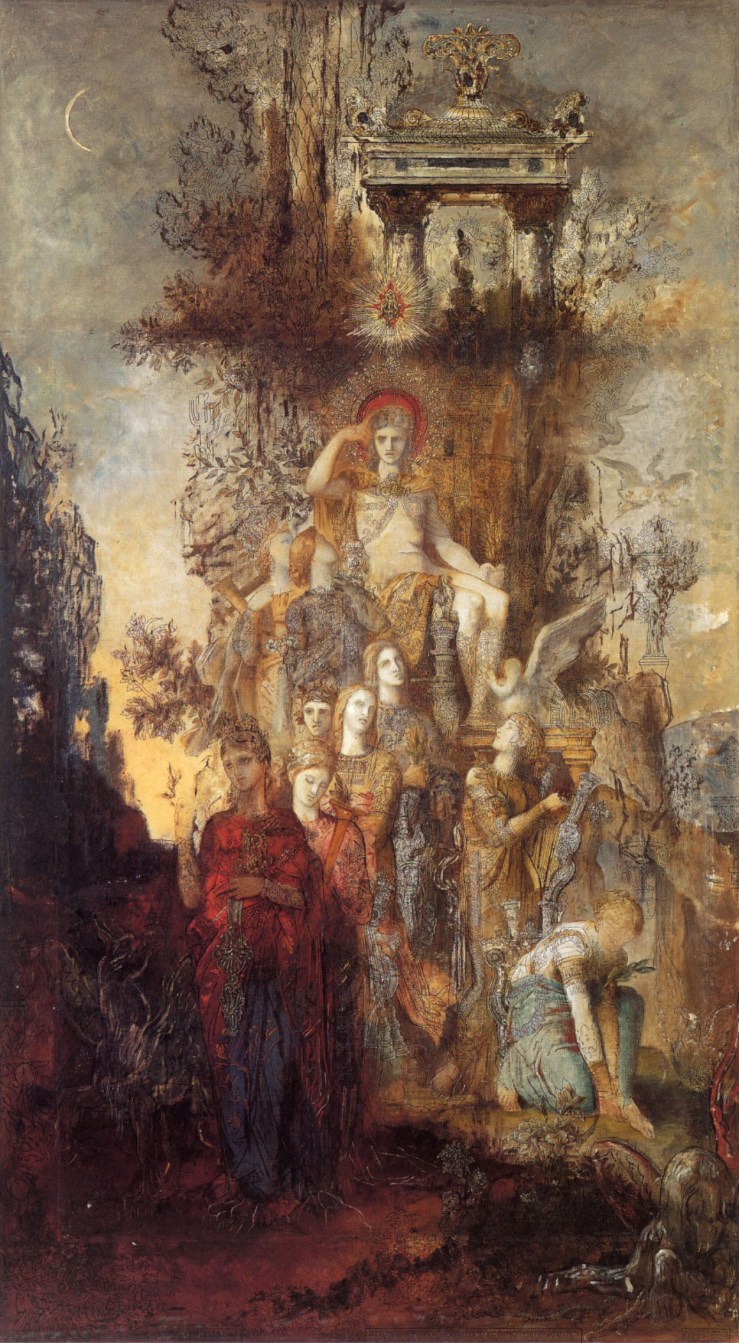
The Muses Leaving Their Father Apollo to Go out and Light the World — Gustave Moreau

the-muses-leaving-their-father-apollo-to-go-out-and-light-the-world-1868

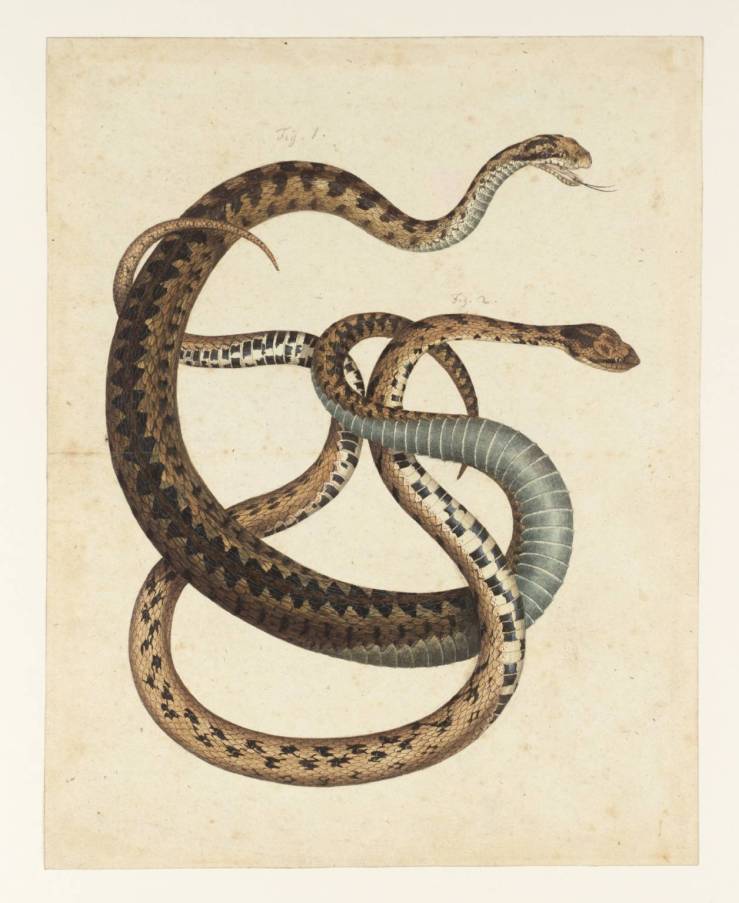
Two Snakes — Albertus Seba

Two Snakes null by Albertus Seba null

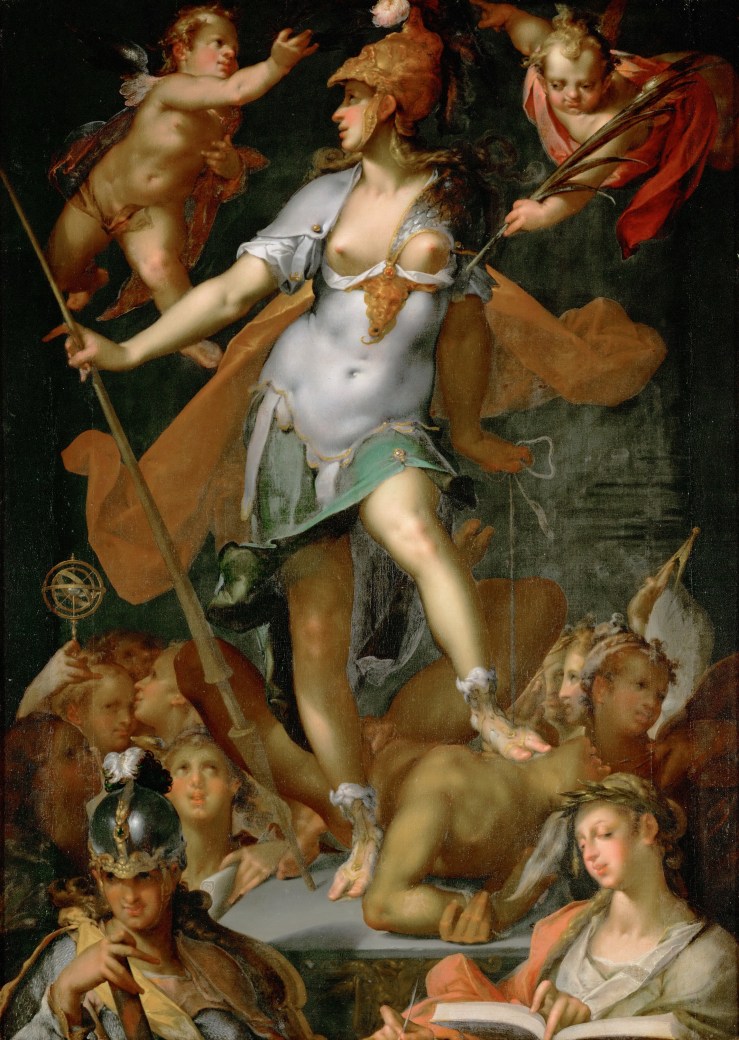
Minerva Triumphs over Ignorance — Bartholomeus Spranger

bartholomc3a4us_spranger_017

Haunted House — Thomas Moran

haunted-house-1858

Trailer for Terrence Malick’s first documentary, Voyage of Time: Life’s Journey

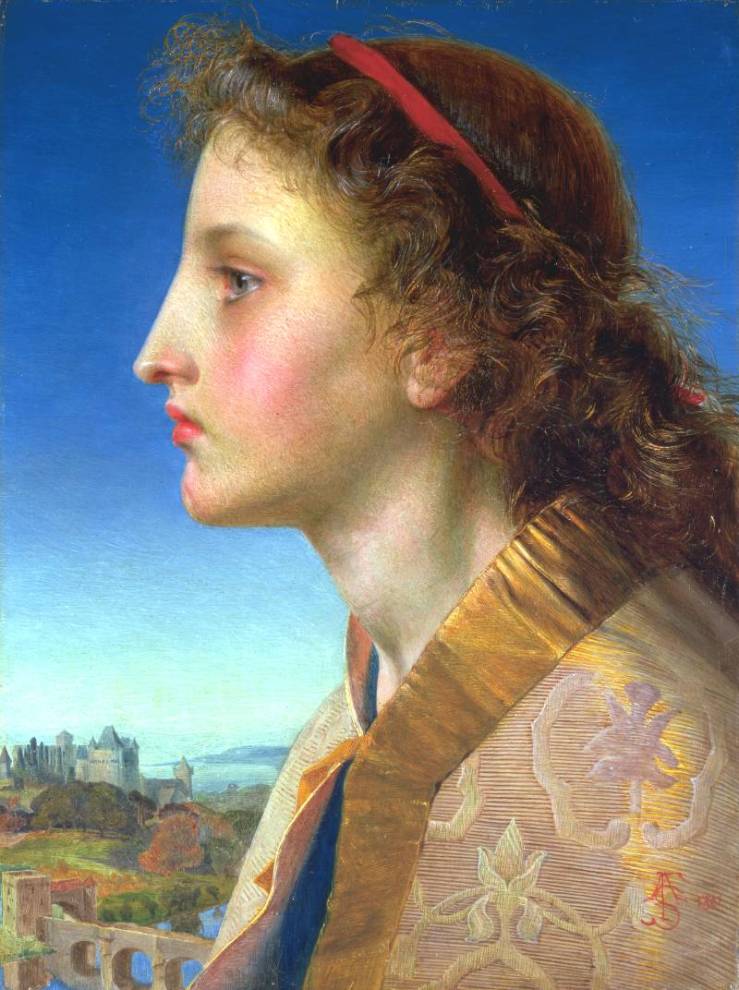
Oriana — Frederick Sandys

Oriana 1861 by Frederick Sandys 1829-1904

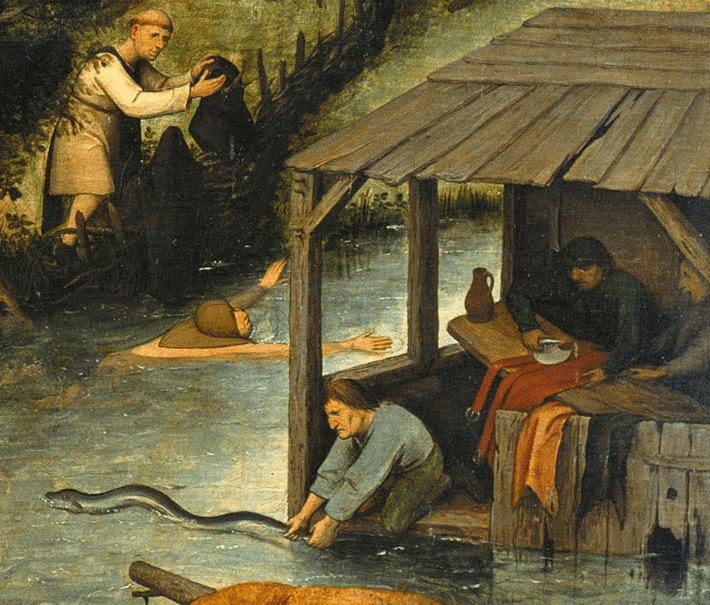
Netherlandish Proverbs (detail) — Pieter Bruegel the Elder

Screenshot 2016-06-26 at 12.19.41 PM

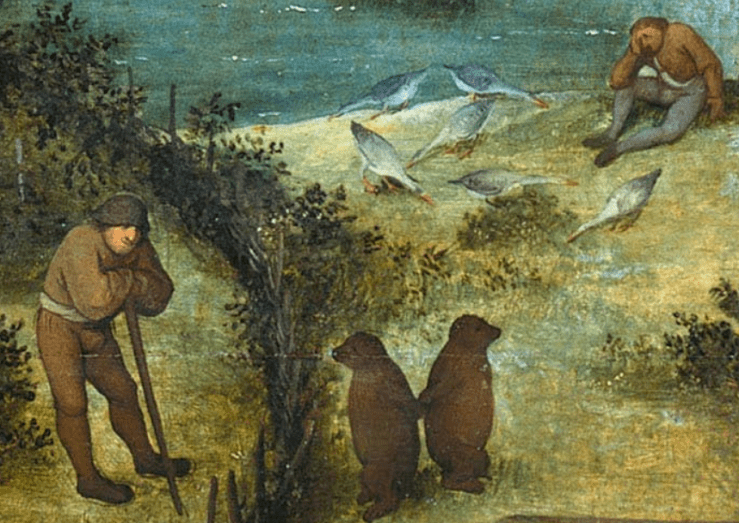
Netherlandish Proverbs (detail) — Pieter Bruegel the Elder

Screenshot 2016-06-26 at 12.16.56 PM

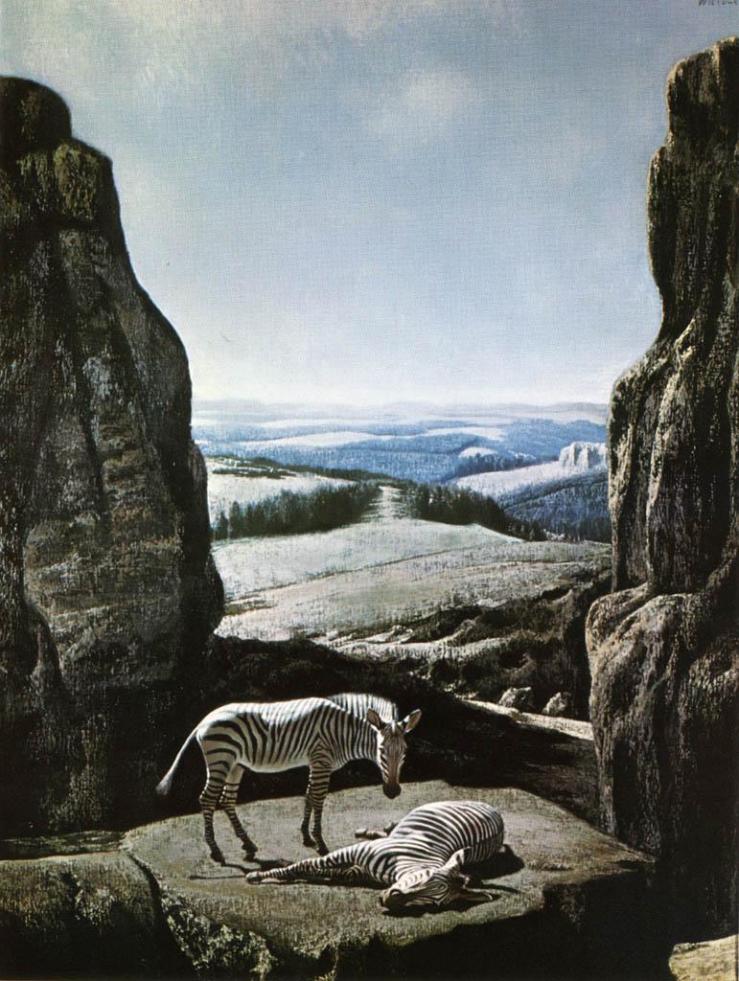
Sleeping Zebra — Carel Willink

213565

William Faulkner’s short story “Carcassonne”

“Carcassonne”

by

William Faulkner


And me on a buckskin pony with eyes like blue electricity and a mane like tangled fire, galloping up the hill and right off into the high heaven of the world. His skeleton lay still. Perhaps it was thinking about this.

Anyway, after a time it groaned. But it said nothing, which is certainly not like you he thought you are not like yourself, but I can’t say that a little quiet is not pleasant

He lay beneath an unrolled strip of tarred roofing made of paper. All of him that is, save that part which suffered neither insects nor temperature and which galloped unflagging on the destinationless pony, up a piled silver hill of cumulae where no hoof echoed nor left print, toward the blue precipice never gained. This part was neither flesh nor unflesh and he tingled a little pleasantly with its lackful contemplation as he lay beneath the tarred paper bedclothing.

So were the mechanics of sleeping, of denning up for the night, simplified. Each morning the entire bed rolled back into a spool and stood erect in the corner. It was like those glasses, reading glasses which old ladies used to wear, attached to a cord that rolls onto a spindle in a neat case of unmarked gold; a spindle, a case, attached to the deep bosom of the mother of sleep. He lay still, savoring this. Beneath him Rincon followed.

Beyond its fatal, secret, nightly pursuits, where upon the rich and inert darkness of the streets lighted windows and doors lay like oily strokes of broad and overladen brushes. From the docks a ship’s siren unsourced itself. For a moment it was sound, then it compassed silence, atmosphere, bringing upon the eardrums a vacuum in which nothing, not even silence, was. Then it ceased, ebbed; the silence breathed again with a clashing of palm fronds like sand hissing across a sheet of metal.

Still his skeleton lay motionless. Perhaps it was thinking about this and he thought of his tarred paper bed as a pair of spectacles through which he nightly perused the fabric of dreams: Across the twin transparencies of the spectacles the horse still gallops with its tangled welter of tossing flames. Forward and back against the taut roundness of its belly its legs swing, rhythmically reaching and over-reaching, each spurning over-reach punctuated by a flicking limberness of shod hooves. He can see the saddlegirth and the soles of the rider’s feet in the stirrups. The girth cuts the horse in two just back of the withers, yet it still gallops with rhythmic and unflagging fury and without progression, and he thinks of that riderless Norman steed which galloped against the Saracen Emir, who, so keen of eye, so delicate and strong the wrist which swung the blade, severed the galloping beast at a single blow, the several halves thundering on in the sacred dust where him of Bouillon and Tancred too clashed in sullen retreat; thundering on through the assembled foes of our meek Lord, wrapped still in the fury and the pride of the charge, not knowing that it was dead. Continue reading “William Faulkner’s short story “Carcassonne””

Marketa Lazarová (1967, dir. František Vláčil)

Nothing could be decently hated except eternity

The two young people moved away, other couples passed, less handsome, just as moving, each submerged in their transitory blindness. Don Fabrizio felt his heart thaw; his disgust gave way to compassion for all these ephemeral beings out to enjoy the tiny ray of light granted them between two shades, before the cradle, after the last spasms. How could one inveigh against those sure to die? It would be as vile as those fish-vendors insulting the condemned in the Piazza del Mercato sixty years before. Even the female monkeys on the poufs, even those old baboons of friends were poor wretches, condemned and touching as the cattle lowing through the city streets at night on the way to the slaughterhouse; to the ears of each of them would one day come that tinkle he had heard three hours earlier behind San Domenico. Nothing could be decently hated except eternity.

And then these people filling the rooms, all these faded women, all these stupid men, these two vainglorious sexes were part of his blood, part of himself; only they could really understand him, only with them could he be at his ease. “I may be more intelligent, I’m certainly more cultivated, but I come from the same stock as they, with them I must make common cause.”

He noticed Don Calogero talking to Giovanni Finale about a possible rise in the price of cheese and how in the hope of this beatific event his eyes had gone liquid and gentle. Don Fabrizio could slip away without remorse.

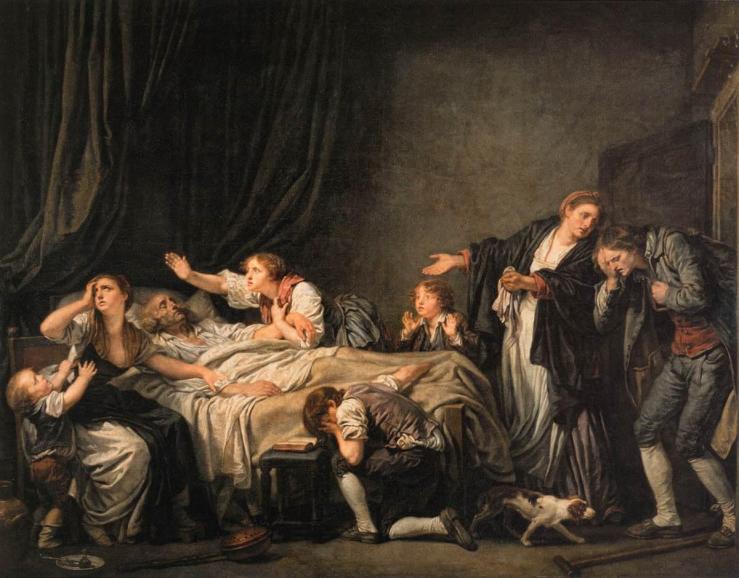
Till that moment accumulated irritation had given him energy; now with relaxed nerves he was overcome by tiredness; it was already two o’clock. He looked around for a place where he could sit down quietly, far from men, lovers and brothers, all right in their way, but always tiresome. He soon found it: the library, small, silent, lit, and empty. He sat down, then got up to drink some water which he found on a side table. “Only water is really good,” he thought like a true Sicilian; and did not dry the drops left on his lips. He sat down again; he liked the library and soon felt at his ease there; it put up no opposition to him because it was impersonal, as are rooms which are little used; Ponteleone was not a type to waste time in there. He began looking at a picture opposite him, a good copy of Greuze’s Death of the Just Man; the old man was expiring on his bed, amid welters of clean linen, surrounded by afflicted grandsons and granddaughters raising arms toward the ceiling. The girls were pretty, provoking, and the disorder of their clothes suggested sex more than sorrow; they, it was obvious at once, were the real subject of the picture, Even so, Don Fabrizio was surprised for a second at Diego always having this melancholy scene before his eyes; then he reassured himself by thinking that the other probably entered that room only once or twice a year.

Immediately afterward he asked himself if his own death would be like that; probably it would, apart from the sheets being less impeccable (he knew that the sheets of those in their death agony are always dirty with spittle, discharges, marks of medicine), and it was to be hoped that Concetta, Carolina, and his other womenfolk would be more decently clad. But the same, more or less. As always, the thought of his own death calmed him as much as that of others disturbed him; was it perhaps because, when all was said and done, his own death would in the first place mean that of the whole world?

From Giuseppe di Lampedusa’s 1958 novel The Leopard. English translation by Archibald Colquhoun.
 The Jean-Baptiste Greuze painting that Don Fabrizio refers to as Death of the Just Man is actually titled The Son Punished or The Father’s Curse and the Punished Son.

tumblr_mpsfcf72bs1qzzf25o1_1280

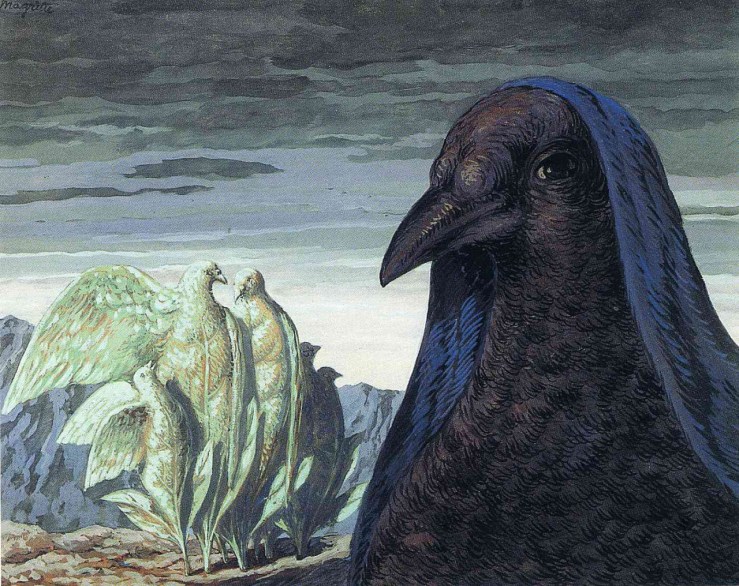
Prince Charming — Rene Magritte

tumblr_nn7yx7vcb81s0u653o3_1280

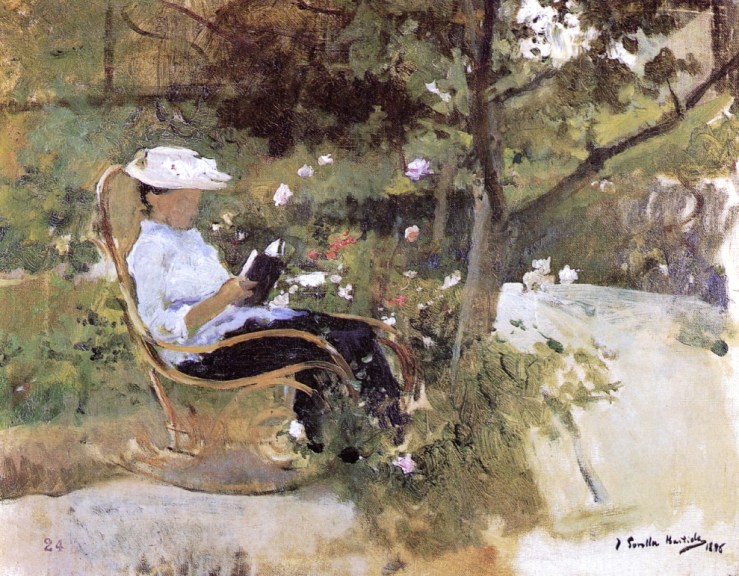
In the Garden — Joaquín Sorolla

in-the-garden-1896

Hide-and-seek; whips (From Lampedusa’s The Leopard)

….Then silence would fall again, except for the scuffle of rats in the ceilings above, or the rustle of some centuries-old and forgotten letter sent wandering by the wind over the floor: excuses for pleasant frights, for the reassuring contact of flesh with flesh. And with them always was Eros, malicious and tenacious, drawing the young couple into a game full of risk and fun. Both of them were still very near childhood, and they enjoyed the game in itself, enjoyed being followed, being lost, being found again; but when they touched each other their sharpened senses would overwhelm them, and his five fingers entwined in hers with that gesture dear to uncertain sensualists, the gentle rub of fingertips on the pale veins of the back of the hand, confusing their whole being, preluding more insinuating caresses.

Once she had hidden behind an enormous picture propped on the floor, and for a short time Arturo Corbera at the Siege of Antioch formed a protection for the girl’s hopeful anxiety; but when she was found, with her smile veined in cobwebs and her hands veiled in dust, she was clasped tight, and though she kept on saying again and again, “No, Tancredi, no,” her denial was in fact an invitation, for all he was doing was staring with his blue eyes into her green ones. One luminous cold morning she was trembling in a dress that was still summery; he squeezed her to him, to warm her, on a sofa covered in tattered silk, her odorous breath moved the hair on his forehead; they were moments ecstatic and painful, during which desire became torment, restraints upon it a delight.

The rooms in the abandoned apartments had neither a definite layout nor a name, and like the explorers of the New World, they would baptize the rooms they crossed with the names of their joint discoveries. A vast bedroom in whose alcove stood the ghost of a bed adorned with a canopy hung with skeleton ostrich feathers was remembered afterward as “the feather room”; a staircase with steps of smooth crumbling slate was called by Tancredi “the staircase of the lucky slip.” A number of times they really did not know where they were; all this twisting and turning, backing and following, and pauses full of murmuring contact, made them lose their way so that they had to lean out of some paneless window to gather from an angle of the courtyard or a view of the garden which wing of the palace they were in. But sometimes they could not find their way even so, as the window did not give on to one of the great courts but on to some inner yard, anonymous itself and never entered, marked only by the corpse of some cat or the usual little heap of spaghetti and tomato sauce either vomited or flung there; and from another window they would find themselves looking into the eyes of some pensioned-off old maidservant. One afternoon inside a cupboard they found four chimes, that music which delighted the affected simplicity of the eighteenth century. Three of these, buried in dust and cobwebs, remained mute; but the last, which was more recent and shut tighter into its dark wooden box, started up its cylinder of bristling copper and the little tongues of raised steel suddenly produced a delicate tune, all in clear, silvery tones: the famous Carnival of Venice; they rhymed their kisses with those notes of disillusioned gaiety; and when their embrace loosened they were surprised to notice that the notes had ceased for some time and that their action had left no other trace than a memory of ghostly music.

Once the surprise was of a different kind. In one of the rooms in the old guest wing they noticed a door hidden by a cupboard; the centuries-old lock soon gave way to fingers pleasantly entwined in forcing it: behind it a long narrow staircase wound up in gentle curves of pink marble steps. At the top was another door, open, and covered with thick but tattered padding; then came a charming but odd little apartment, of six small rooms gathered around a medium-sized drawing room, all, including the drawing room, with floors of whitest marble, sloping away slightly toward a small lateral gutter. On the low ceilings were some very unusual reliefs in colored stucco, fortunately made almost indecipherable by damp; on the walls were big surprised-looking mirrors, hung too low, one shattered by a blow almost in the middle, and each fitted with contorted rococo candle brackets. The windows gave on to a segregated court, a kind of blind and deaf well, which let in a gray light and had no other openings. In every room and even in the drawing room were wide, too wide sofas, showing nails with traces of silk that had been torn away; spotty armrests; on the fireplaces were delicate intricate little marble intaglios, naked figures in paroxysms but mutilated by so’ me furious hammer. The damp had marked the walls high up and also low down at a man’s height, where it had assumed strange shapes, an odd thickness, dark tints. Tancredi, disturbed, would not let Angelica touch a cupboard on the wall of the drawing room, which he shut up himself. It was deep but empty, except for a roll of dirty stuff standing upright in a corner; inside was a bundle of small whips, switches of bull’s muscle, some with silver handles, others wrapped halfway up in a charming old silk, white with little blue stripes, on which could be seen three rows of blackish marks, and metal instruments for inexplicable purposes. Tancredi was afraid of himself too. “Let’s go, my dear, there’s nothing interesting here.” They shut the door carefully, went down the stairs again in silence, and put the cupboard back where it was before; and all the rest of that day Tancredi’s kisses were very light, as if given in a dream and in expiation.
From Giuseppe di Lampedusa’s 1958 novel The Leopard. English translation by Archibald Colquhoun.