Understanding Leda — Heidi Taillefer

heidi-taillefer-understanding-leda

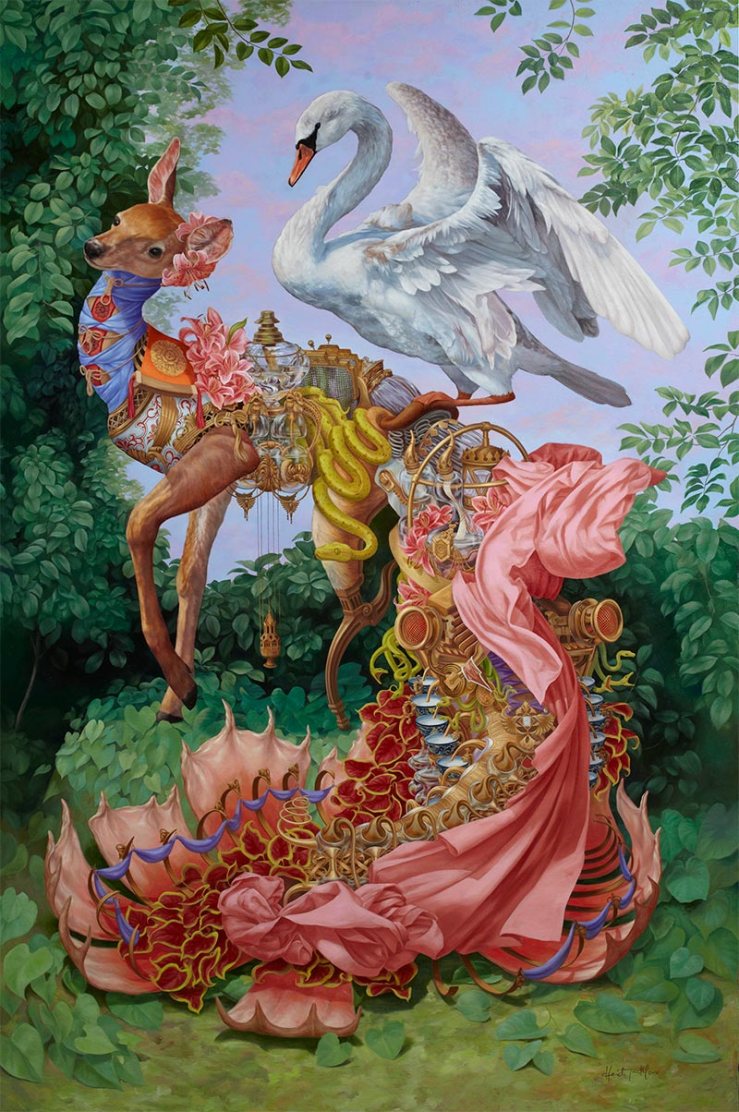
Understanding Leda, 2014 by Heidi Taillefer

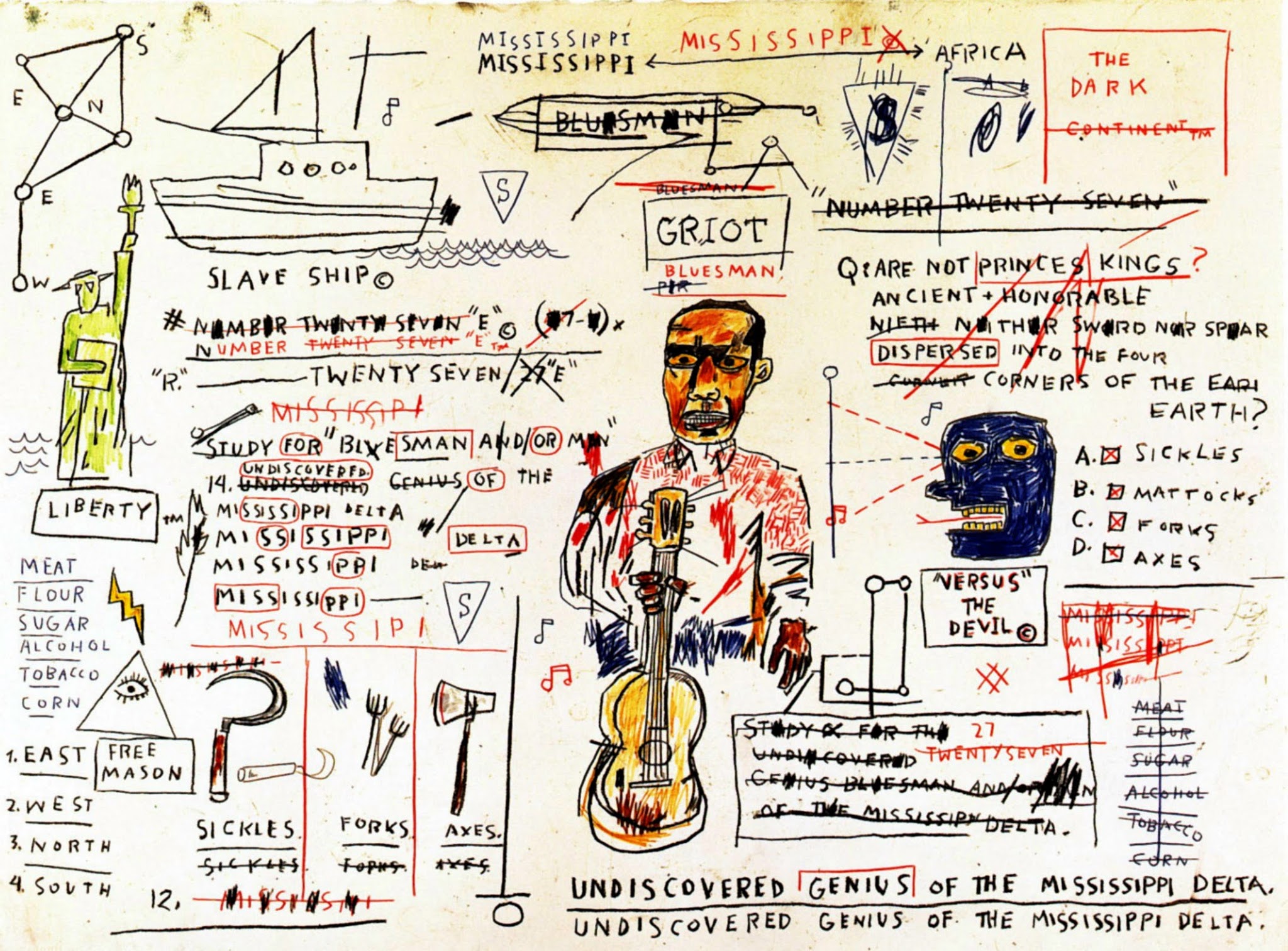
Undiscovered Genius — Jean-Michel Basquiat

photo

Undiscovered Genius, 1983 by Jean-Michel Basquiat (1960-1988)

Tourism is the march of stupidity (Don DeLillo)

My life was full of routine surprises. One day I was watching runners from Marathon dodge taxis near the Athens Hilton, the next I was turning a corner in Istanbul to see a gypsy leading a bear on a leash. I began to think of myself as a perennial tourist. There was something agreeable about this. To be a tourist is to escape accountability. Errors and failings don’t cling to you the way they do back home. You’re able to drift across continents and languages, suspending the operation of sound thought. Tourism is the march of stupidity. You’re expected to be stupid. The entire mechanism of the host country is geared to travelers acting stupidly. You walk around dazed, squinting into fold-out maps. You don’t know how to talk to people, how to get anywhere, what the money means, what time it is, what to eat or how to eat it. Being stupid is the pattern, the level and the norm. You can exist on this level for weeks and months without reprimand or dire consequence. Together with thousands, you are granted immunities and broad freedoms. You are an army of fools, wearing bright polyesters, riding camels, taking pictures of each other, haggard, dysenteric, thirsty. There is nothing to think about but the next shapeless event.

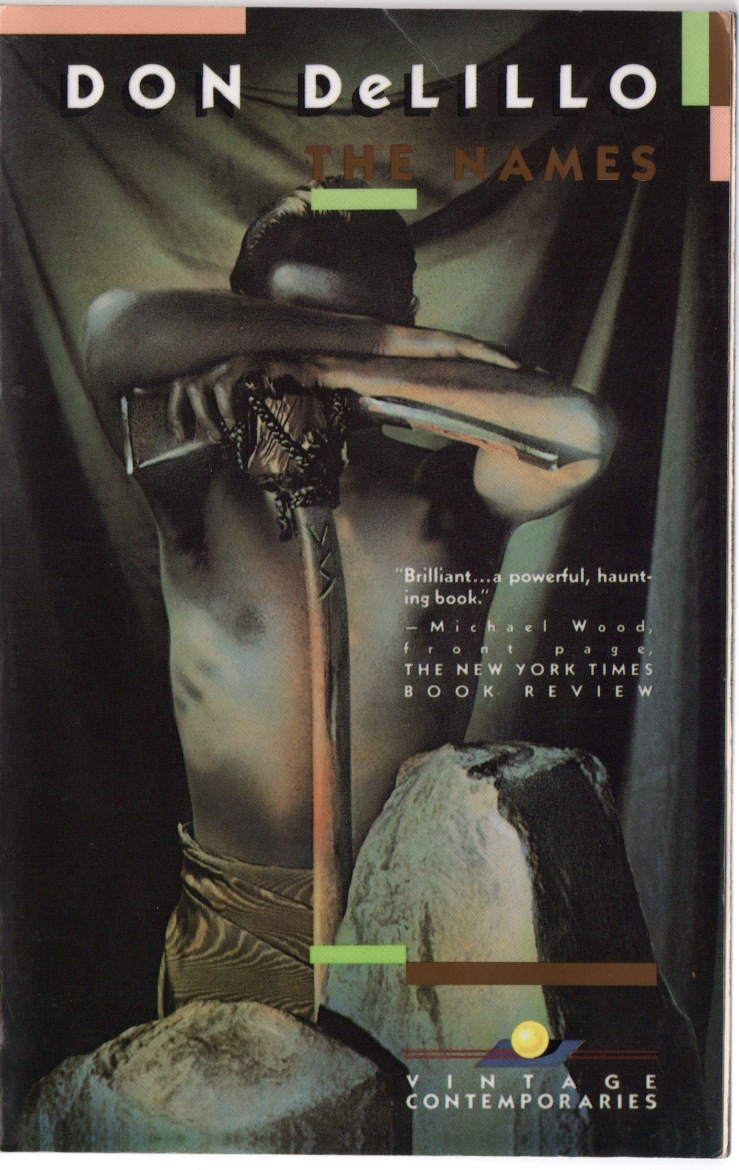
From Don DeLillo’s novel The Names.


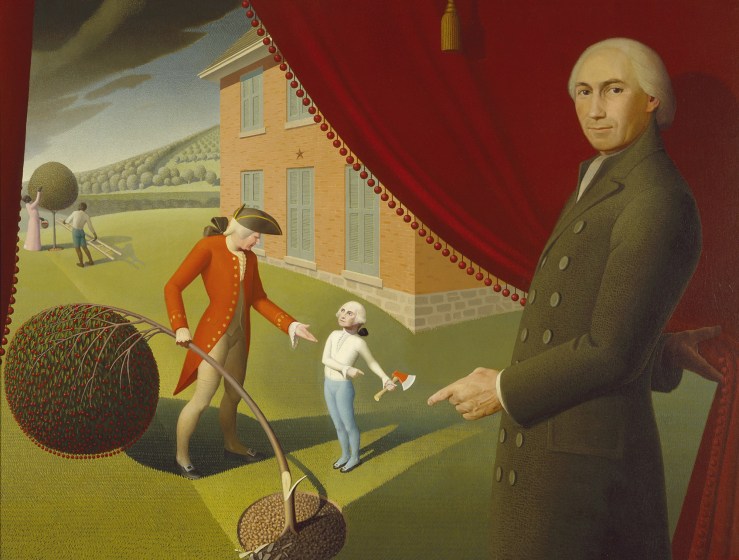
Parson Weems’ Fable — Grant Wood

parson-weemss-fable-amon-carter-museum-of-american-2

Parson Weems’ Fable, 1939 by Grant Wood (1891–1942)

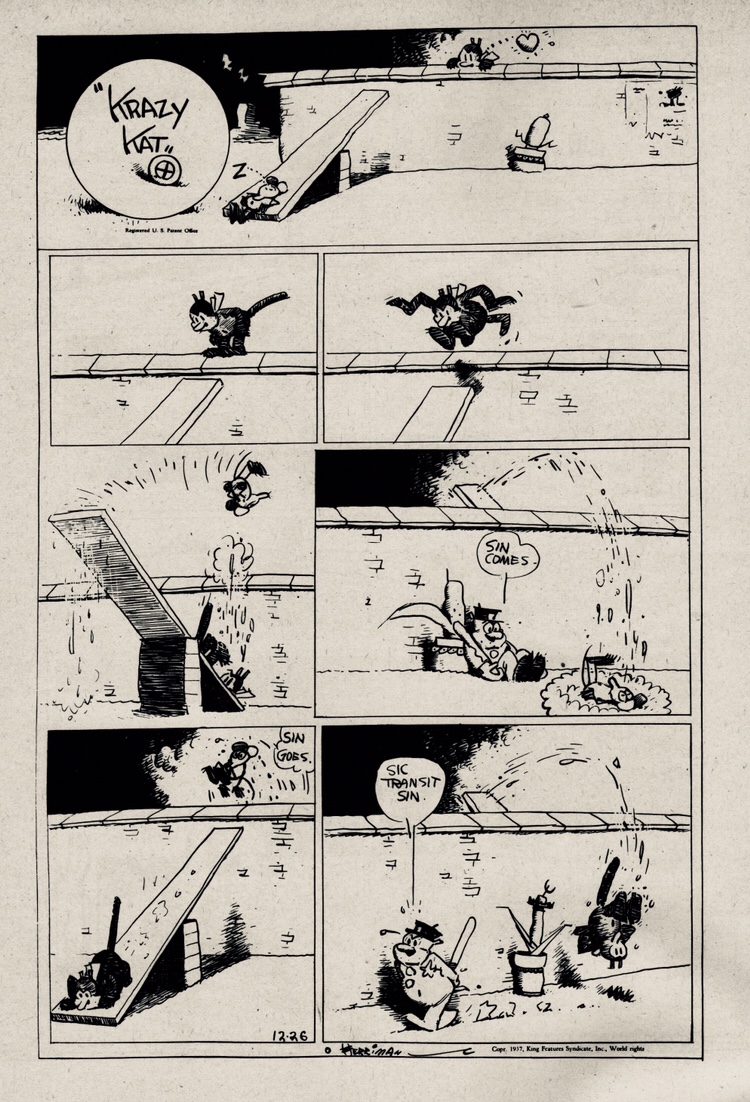
Sic transit sin (George Herriman’s Krazy Kat)

img_9053

“The 27 Depravities” — Don DeLillo

Every day made her more certain of my various failings. I compiled a mental list, which I often recited aloud to her, asking how accurate it was in reflecting her grievances. This was my chief weapon of the period. She hated the feeling that someone knew her mind.

1.      Self-satisfied.

2.      Uncommitted.

3.      Willing to settle.

4.      Willing to sit and stare, conserving yourself for some end-of-life event, like God’s face or the squaring of the circle.

5.      You like to advertise yourself as refreshingly sane and healthy in a world of driven neurotics. You make a major production of being undriven.

6.      You pretend.

7.      You pretend not to understand other people’s motives.

8.      You pretend to be even-tempered. You feel it gives you a moral and intellectual advantage. You are always looking for an advantage.

9.      You don’t see anything beyond your own modest contentment. We all live on the ocean swell of your well-being. Everything else is trivial and distracting, or monumental and distracting, and only an unsporting wife or child would lodge a protest against your teensy weensy happiness.

10.   You think being a husband and father is a form of Hitlerism and you shrink from it. Authority makes you uneasy, doesn’t it? You draw back from anything that resembles an official capacity.

11.   You don’t allow yourself the full pleasure of things.

12.   You keep studying your son for clues to your own nature.

13.   You admire your wife too much and talk about it too much. Admiration is your public stance, a form of self-protection if I read it correctly.

14.   Gratified by your own feelings of jealousy.

15.   Politically neuter.

16.   Eager to believe the worst.

17.   You will defer to others, you will be acutely sensitive to the feelings of strangers, but you will contrive to misunderstand your family. We make you wonder if you are the outsider in this group.

18.   You have trouble sleeping, an attempt to gain my sympathy.

19.   You sneeze in books.

20.   You have an eye for your friends’ wives. Your wife’s friends. Somewhat speculative, somewhat detached.

21.   You go to extremes to keep your small mean feelings hidden. Only in arguments do they appear. Completing your revenge. Hiding it even from yourself at times. Not willing to be seen taking your small mean everyday revenge on me, which, granted, I have sometimes abundantly earned. Pretending your revenge is a misinterpretation on my part, a misunderstanding, some kind of accident.

22.   You contain your love. You feel it but don’t like to show it. When you do show it, it is the result of some long drawn-out decision making process, isn’t it, you bastard.

23.   Nurser of small hurts.

24.   Whiskey sipper.

25.   Underachiever.

26.   Reluctant adulterer.

27.   American.

We came to refer to these as the 27 Depravities, like some reckoning of hollow-cheeked church theologians. Since then I’ve sometimes had to remind myself it was my list, not hers.

From Don DeLillo’s novel The Names.

img_2722

Illustration for Frankenstein — Bernie Wrightson

27698926799_ffde169509_o

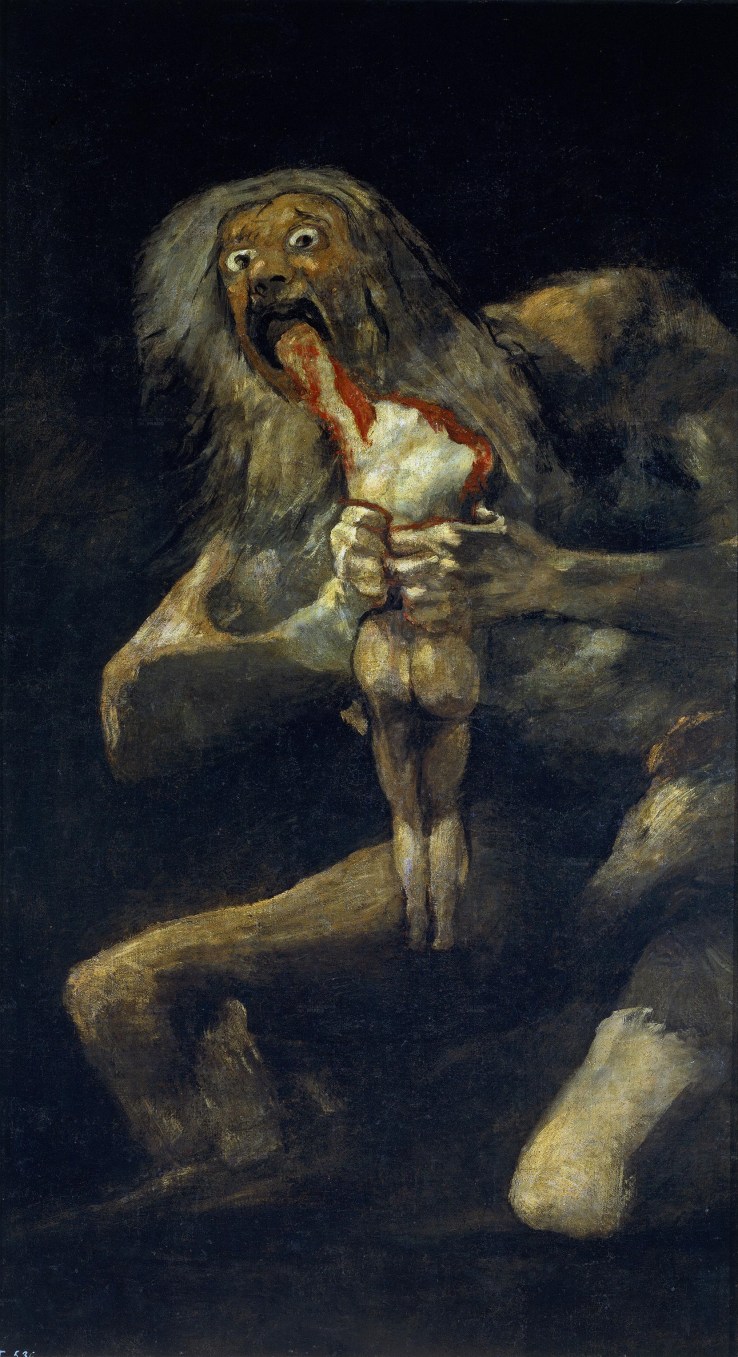
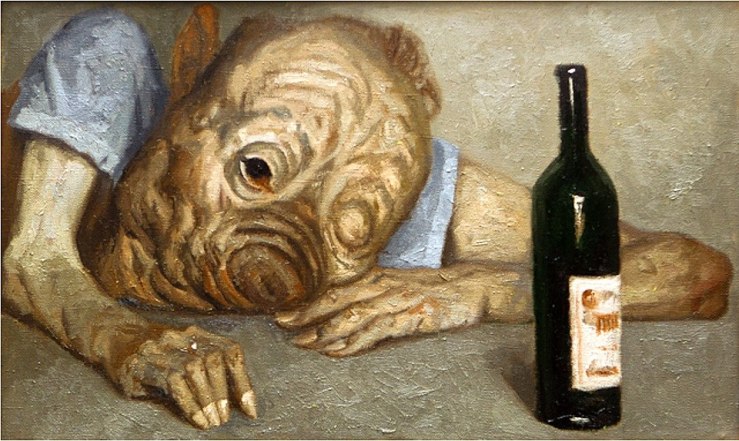
The Dog — Francisco Goya

The Dog, 1819 by Francisco Goya (1746-1828)

“All art constantly aspires towards the condition of music”

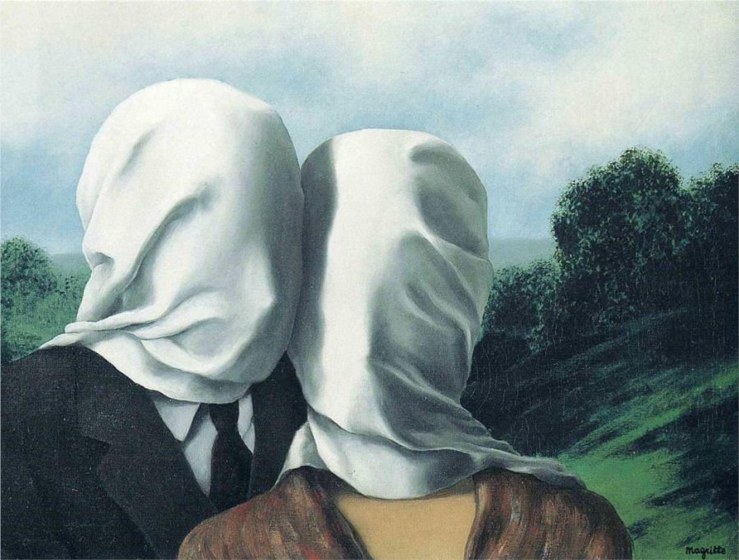
The Lovers — Rene Magritte

imgThe Lovers, 1928 by Rene Magritte (1898-1967)
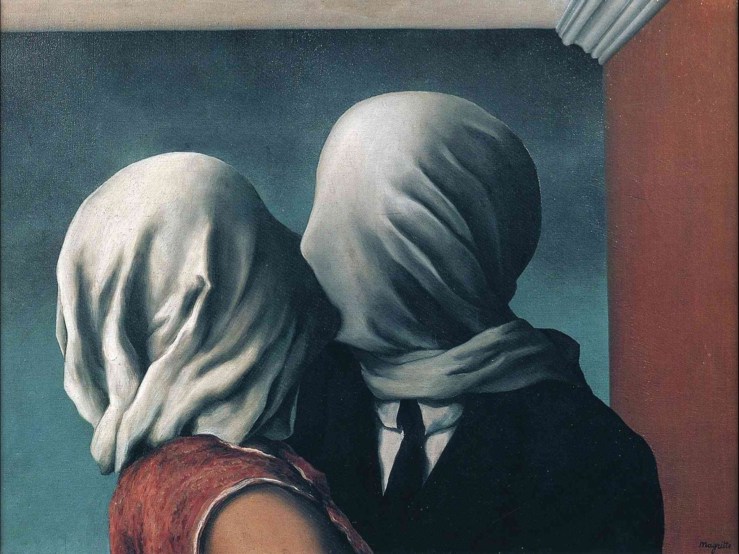
The Lovers — Rene Magritte

5e3c3c93ebebaa700ce136d5b9eb73d6

The Lovers, 1928 by Rene Magritte (1898-1967)
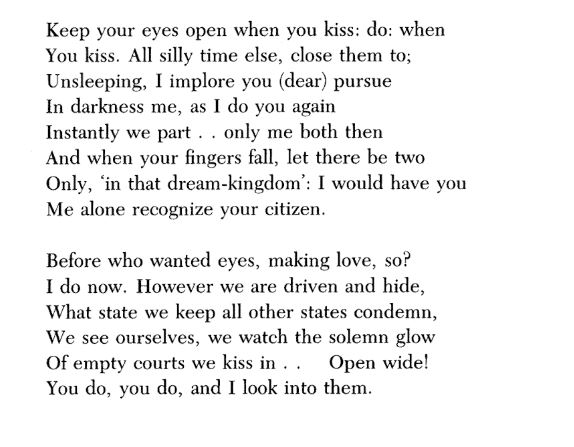
“Keep your eyes open when you kiss: do: when” — John Berryman

Capture

Meditation — Gely Korzhev

qyAO6FR_3oo

Meditation, 1982 by Gely Korzhev (1925-2012)

Read “Trilobites,” a short story by Breece D’J. Pancake

bdjp

“Trilobites”

by

Breece D’J. Pancake


I open the truck’s door, step onto the brick side street. I look at Company Hill again, all sort of worn down and round. A long time ago it was real craggy, and stood like an island in the Teays River. It took over a million years to make that smooth little hill, and I’ve looked all over it for trilobites. I think how it has always been there and always will be, least for as long as it matters. The air is smoky with summertime. A bunch of starlings swim over me. I was born in this country and I have never very much wanted to leave. I remember Pop’s dead eyes looking at me. They were real dry, and that took something out of me. I shut the door, head for the café.

I see a concrete patch in the street. It’s shaped like Florida, and I recollect what I wrote in Ginny’s yearbook: “We will live on mangoes and love.” And she up and left without me—two years she’s been down there without me. She sends me postcards with alligator wrestlers and flamingos on the front. She never asks me any questions. I feel like a real fool for what I wrote, and go into the café.

The place is empty, and I rest in the cooled air. Tinker Reilly’s little sister pours my coffee. She has good hips. They are kind of like Ginny’s and they slope nice curves to her legs. Hips and legs like that climb steps into airplanes. She goes to the counter end and scoffs down the rest of her sundae. I smile at her, but she’s jailbait. Jailbait and black snakes are two things “Won’t touch with a window pole. One time I used an old black snake for a bullwhip, snapped the sucker’s head off, and Pop beat hell out of me with it. I think how Pop could make me pretty mad sometimes. I grin.

I think about last night when Ginny called. Her old man drove her down from the airport in Charleston. She was already bored. Can we get together? Sure. Maybe do some brew? Sure. Same old Colly. Same old Ginny. She talked through her beak. I wanted to tell her Pop had died, and Mom was on the warpath to sell the farm, but Ginny was talking through her beak. It gave me the creeps.

Just like the cups give me the creeps. I look at the cups hanging on pegs by the storefront. They’re decal-named and covered with grease and dust. There’s four of them, and one is Pop’s, but that isn’t what gives me the creeps. The cleanest one is Jim’s. It’s clean because he still uses it, but it hangs there with the rest. Through the window, I can see him crossing the street. His joints are cemented with arthritis. I think of how long it’ll be before I croak, but Jim is old, and it gives me the creeps to see his cup hanging up there. I go to the door to help him in.

He says, “Tell the truth, now,” and his old paw pinches my arm.

I say, “Can’t do her.” I help him to his stool. Continue reading “Read “Trilobites,” a short story by Breece D’J. Pancake”

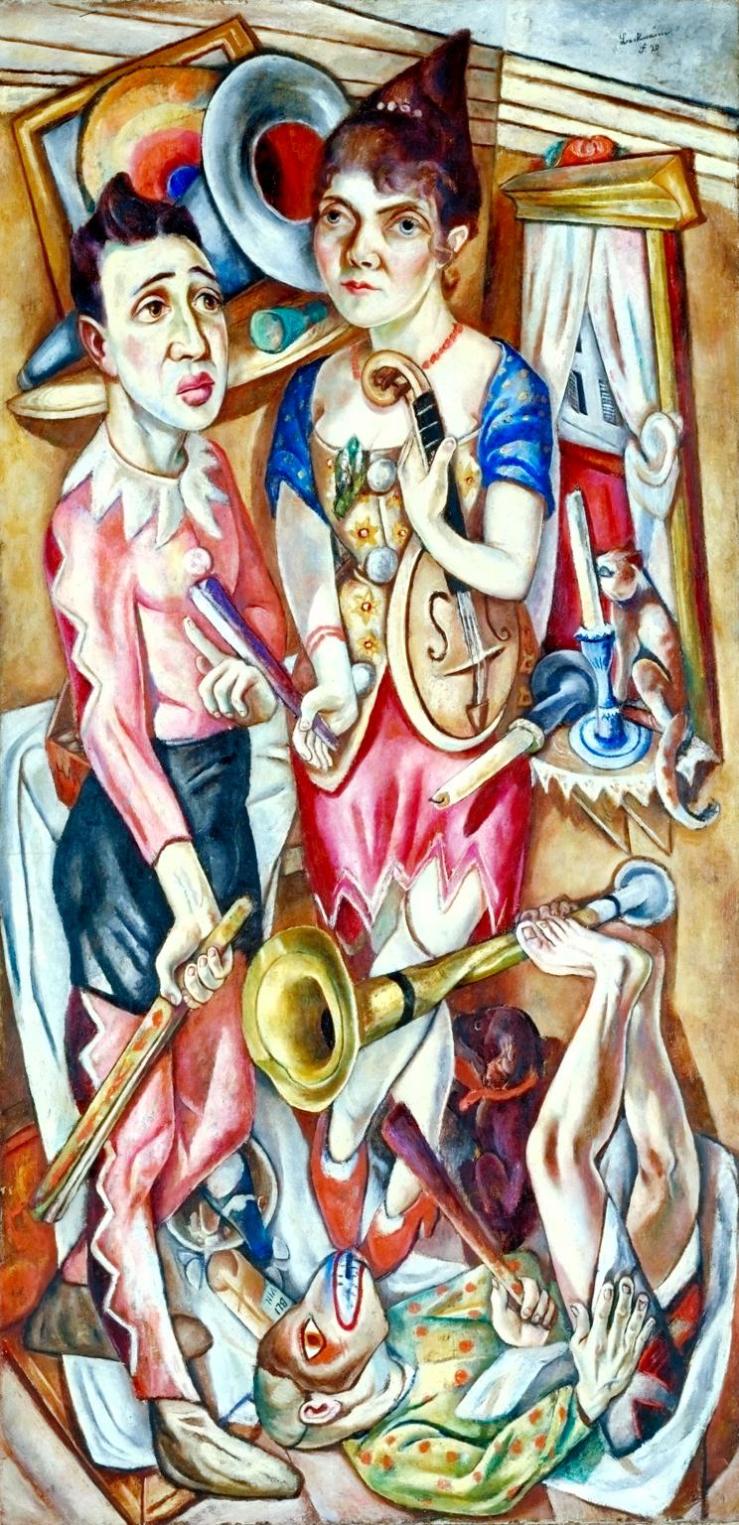
Carnival — Max Beckmann

Carnival 1920 by Max Beckmann 1884-1950

Carnival, 1920 by Max Beckmann (1884-1950)

Peter Greenaway’s Darwin, a biography in 18 tableaux