A very incomplete list of good or adequate (and primarily indirect) 9/11 novels and short stories

The Names, Don DeLillo (1982)

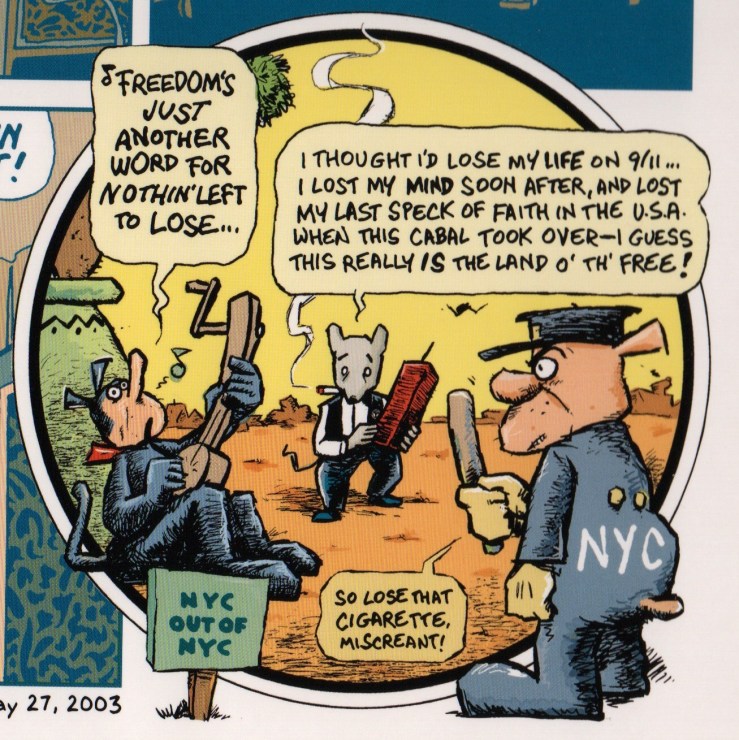
In the Shadow of No Towers, Art Spiegelman (2004)

“The Suffering Channel,” David Foster Wallace (2004)

Falling Man, Don DeLillo (2007)

“The Vision of Peter Damien,” Chris Adrian (2008)

Open City, Teju Cole (2011)

Bleeding Edge, Thomas Pynchon (2013)

Preparation for the Next Life, Atticus Lish (2014)

“Doppelgänger, Poltergeist,” Denis Johnson (2017)

Lost my mind soon after (Art Spiegelman)

From In the Shadow of No Towers by Art Spiegelman, Pantheon, 2004.

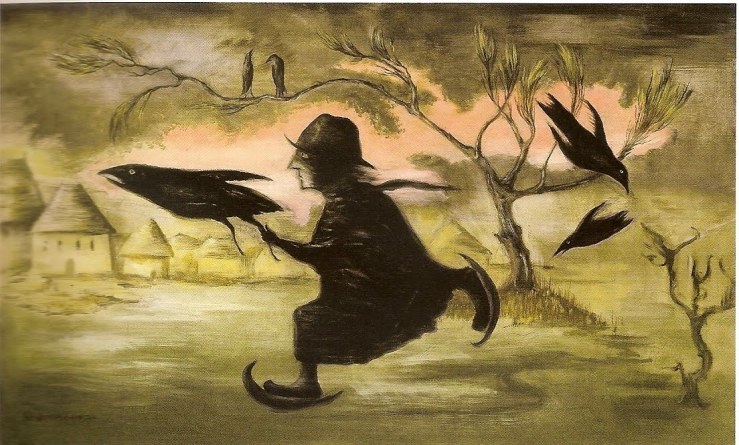
Crow Catcher — Leonora Carrington

Crow Catcher, 1990 by Leonora Carrington (1917–2011)

The Fourteen Daggers — Kay Sage

The Fourteen Daggers, 1942 by Kay Sage (1898-1963)

Almost Paradise — Josh Keyes

Almost Paradise, 2018 by Josh Keyes (b. 1969)

Thanatos — Jacek Malczewski

Thanatos, 1899 by Jacek Malczewski (1854-1929)

Pierre Senges takes on Kafka’s fragments in Studies of Silhouettes (Book acquired, 2 Aug. 2020)

I’ve enjoyed digging into Pierre Senges’s Studies of Silhouettes since its arrival last week. The book is forthcoming from Sublunary Editions thanks to a translation by Jacob Siefring. Here’s Siefring’s blurb, which explains Senges’s project here:

Each of the texts in this work proceed from the fragments and cryptic beginnings found scattered throughout the notebooks Max Brod took possession of after Kafka’s death. The results tend to be as variable as they are unexpected: outlines of tales, madcap soliloquies, fairy tale inversions, strange parables, comedic monologues. In some instances a single fragment of Kafka’s is reprised multiple times, yielding parallel but divergent texts. Other times, a unique fragment is driven to its logical extreme, or gives way to a dizzying cascade of ab absurdum speculation, and one marvels how the development could have been otherwise. As one might expect, all of Kafka’s familiar obsessions—the night and its terrors, the law, justice and its lack, bureaucracy, animals, et cetera—are here in force. Each passage begins in boldface to indicate the hand of the Prague lawyer, before giving way to Senges’s liberties.

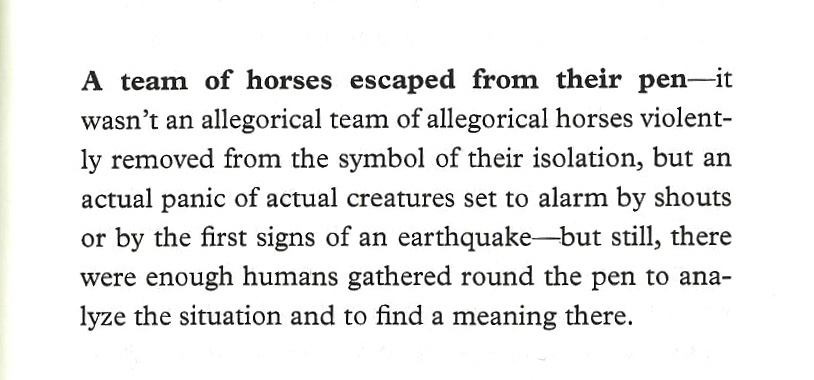
I’ve been dipping in at random, between the other few books I’ve been reading, and it’s good stuff. Here’s a sample:

Read my review of Pierre Senges’s Geometry in the Dust here.

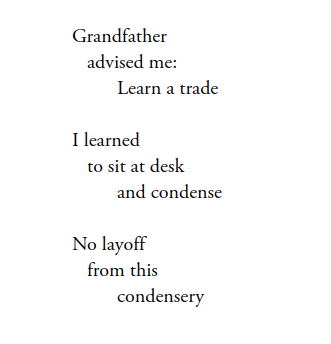
“Poet’s work” — Lorine Niedecker

The Disillusioned Medea — Paulus Bor

The Disillusioned Medea, c. 1640 by Paulus Bor (1601–1669)

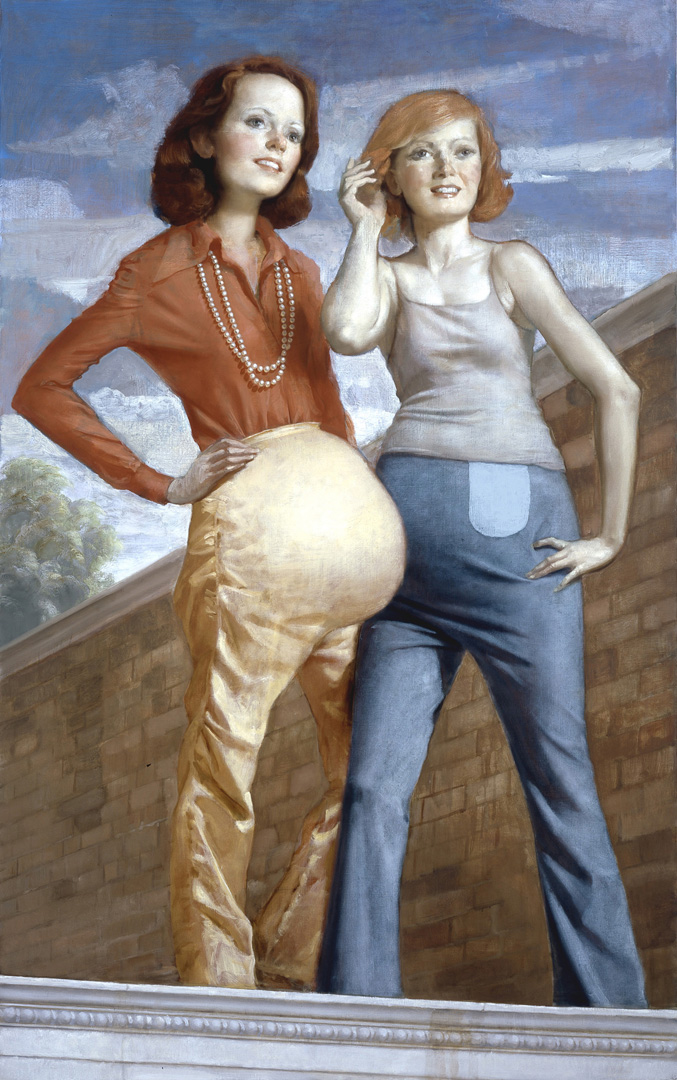
Patch and Pearl — John Currin

Patch and Pearl, 2006 by John Currin (b. 1962)

“Parable of Cervantes and the Quixote” — Jorge Luis Borges

“Parable of Cervantes and the Quixote”

by

Jorge Luis Borges

Translated by Andrew Hurley


Weary of his land of Spain, an old soldier of the king’s army sought solace in the vast
geographies of Ariosto, in that valley of the moon in which one finds the time that is squandered by dreams, and in the golden idol of Muhammad stolen by Montalbán.

In gentle self-mockery, this old soldier conceived a credulous man—his mind unsettled by the reading of all those wonders—who took it into his head to ride out in search of adventures and enchantments in prosaic places with names such as El Toboso and Montici.

Defeated by reality, by Spain, don Quixote died in 1614 in the town of his birth. He was survived only a short time by Miguel de Cervantes.

For both the dreamer and the dreamed, that entire adventure had been the clash of two worlds; the unreal world of romances and the common everyday world of the seventeenth century.

They never suspected that the years would at last smooth away the discord, never suspected that in the eyes of the future, La Mancha and Montici and the lean figure of the Knight of Mournful Countenance would be no less poetic than the adventures of Sindbad or the vast geographies of Ariosto.

For in the beginning of literature there is myth, as there is also in the end of it.

Prometheus — Mitchell Villa

Prometheus, 2020 by Mitchell Villa

Conrad/Hughes (Books acquired, 2 Aug. 2020)

So my son finished Douglas Adams’ A Hitchhiker’s Guide to the Galaxy on Tuesday night, giving me a nice excuse to swing by the used bookstore on Wednesday to pick up the next two entries in the series, The Restaurant at the End of The Universe and Life, the Universe and Everything. I managed to find the same editions I read when I was his age. I gave my copies to one of my students some time in the early 2000s, back when I was teaching high school.
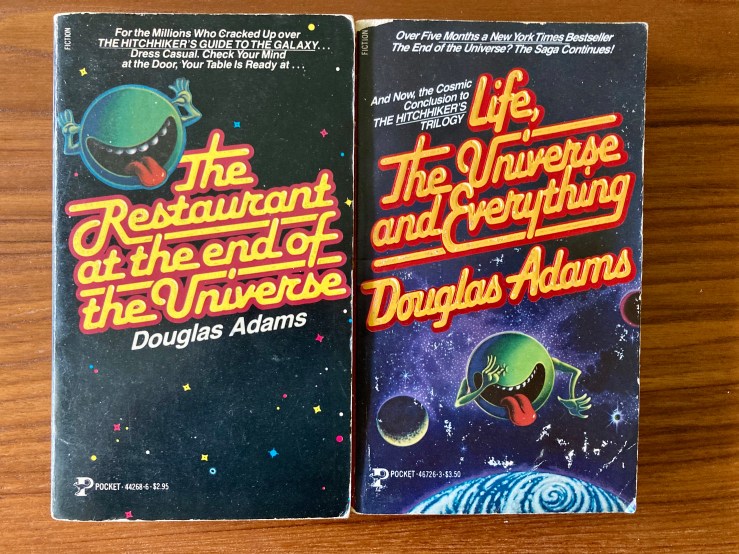
I found the Adams books almost immediately and had an hour to kill, so I strolled around, aiming not to buy anything. I’d been to the shop not a week before and picked up John Brunner’s 600+ page novel Last Stand on Zanzibar—but I thought I’d look for some interesting covers and maybe share them on twitter. And I did:

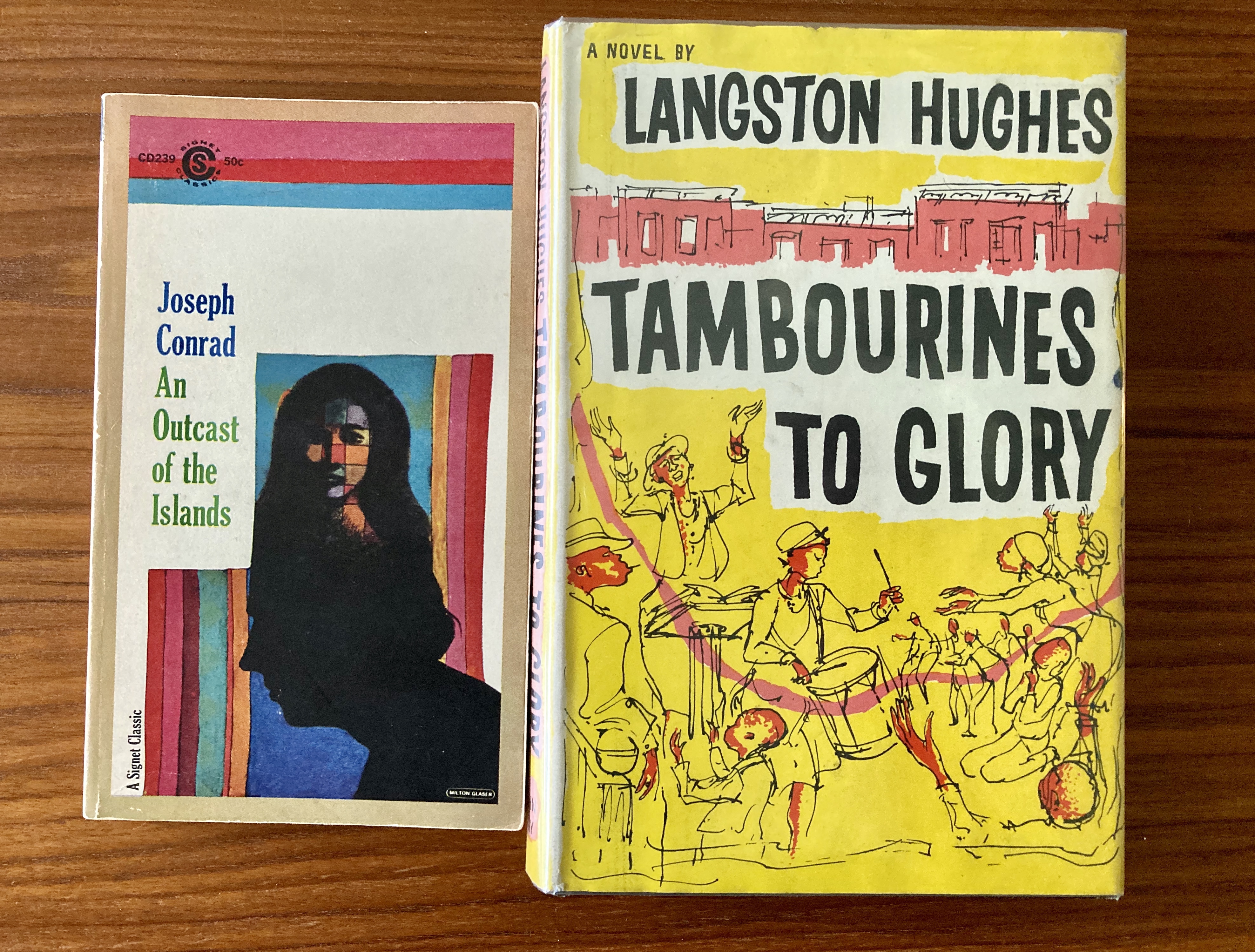
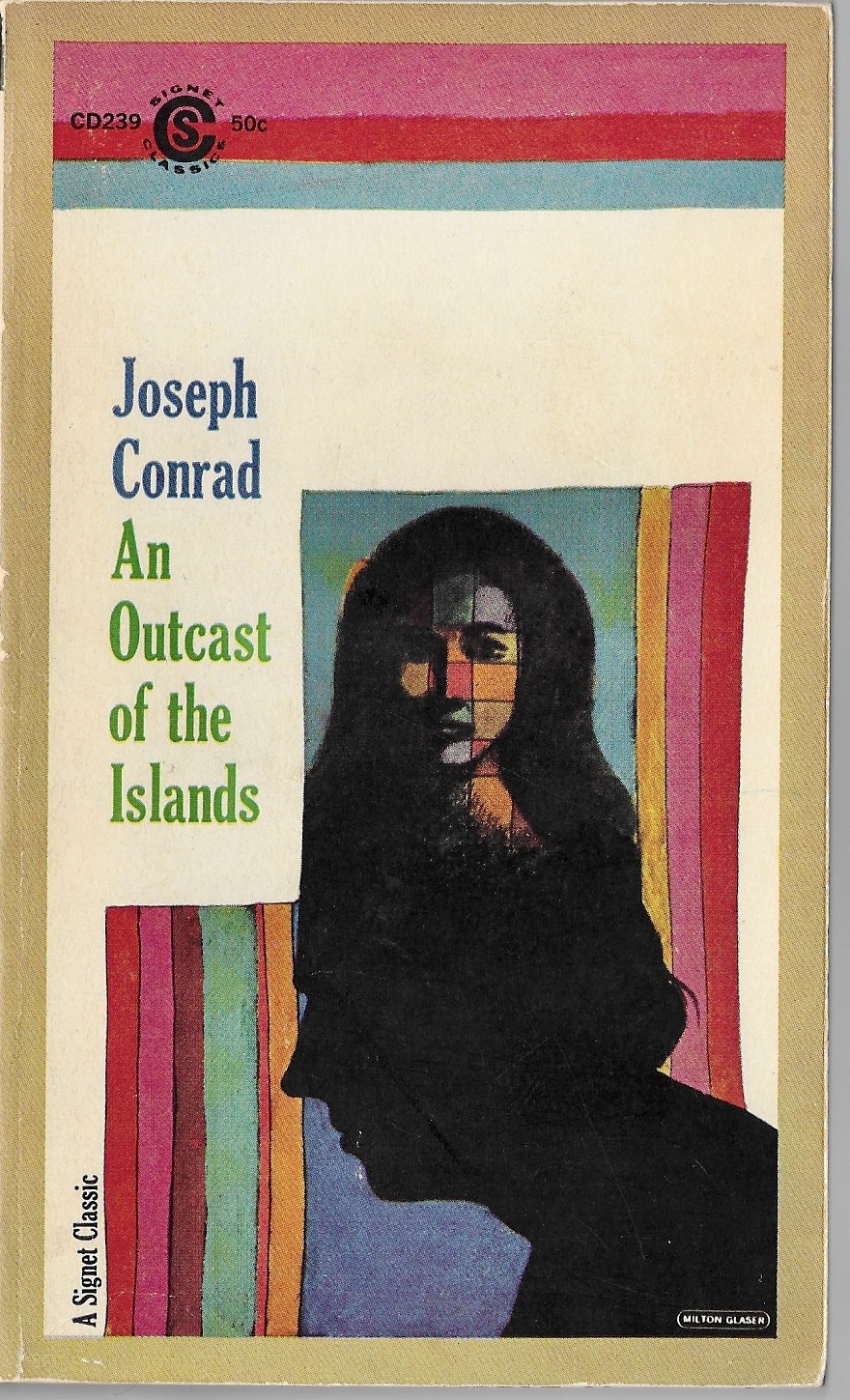
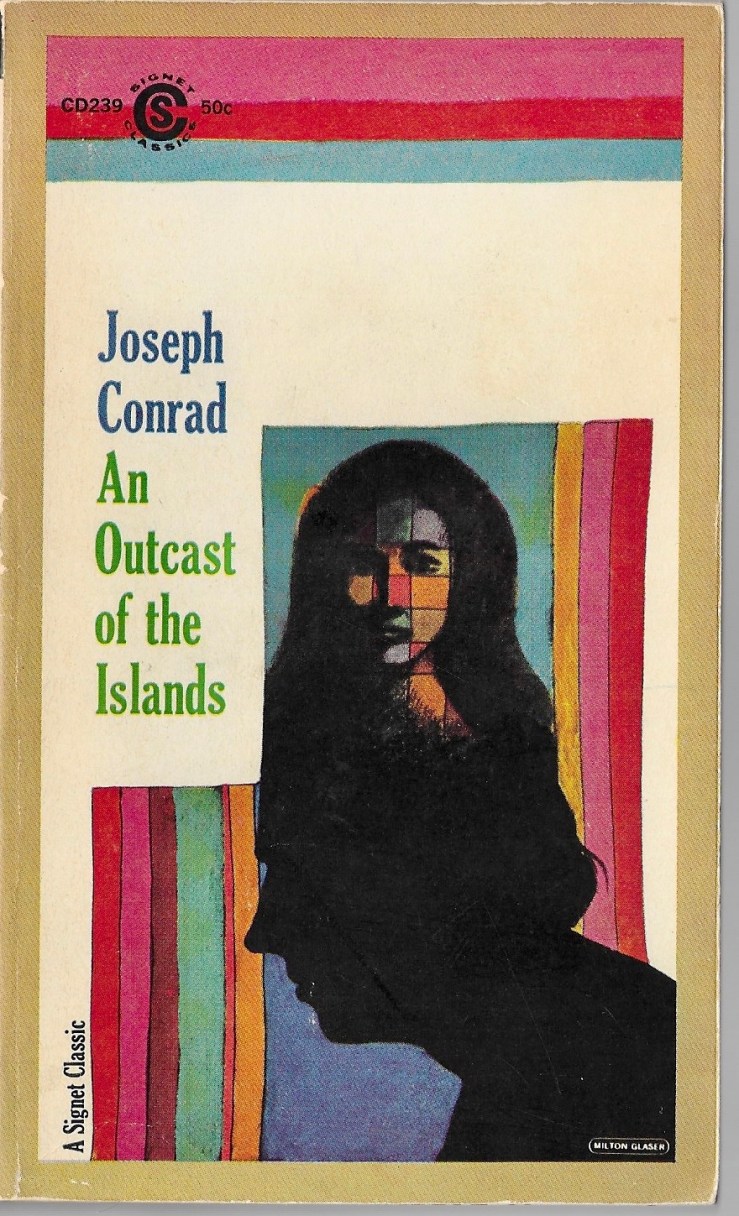
In the end though, I couldn’t pass up two books. First, I found a pristine first-edition Signet paperback of Joseph Conrad’s second novel An Outcast of the Islands with a striking Milton Glaser cover:
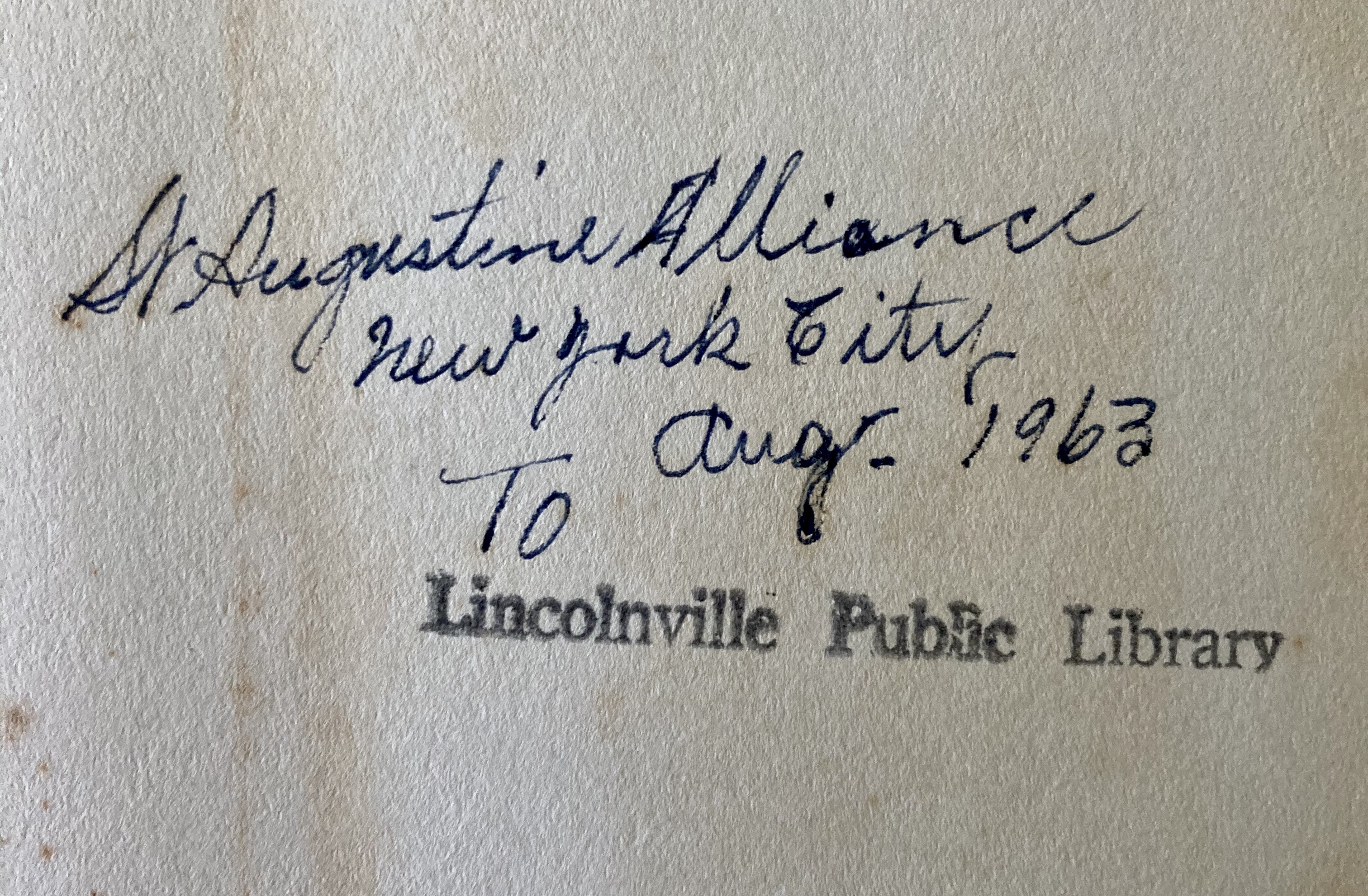
Then I came across a hardback first edition of Langston Hughes’ second novel Tambourines to Glory. At thirty bucks, it ate up the rest of my store credit, but it’s in excellent condition with no damage to the jacket and foxing only on the front flyleaf. It’s an old library book, but was fortunately spared any ugly WITHDRAWN stamps and appears never to have had a pocket in the back. Indeed, I’m not sure if the book was ever even read by anyone. Besides a few stamps identifying the library it once belonged to, the only mark in the book is on the front flyleaf:
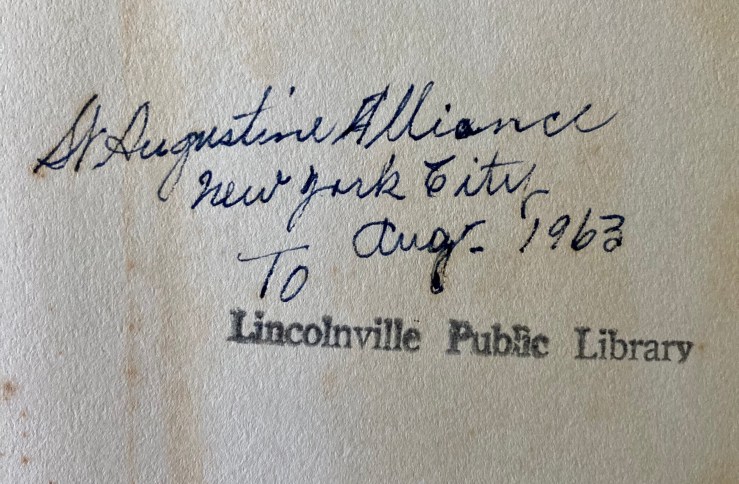
Lincolnville is an historic black neighborhood founded by ex-enslaved people in the late 1860s. Famously, St. Augustine (and the “St. Augustine movement”) was a key location in the Civil Rights movement, and protests in the summer of 1964 when demonstrators jumped into the “whites-only” pool at the Monson Motor Lodge. Journalists captured racist motel owner James Brock pouring muriatic acid into the pool during the swim-in. A day after the world saw these images, the Senate passed the Civil Rights Act.

I wonder whose handwriting that is?
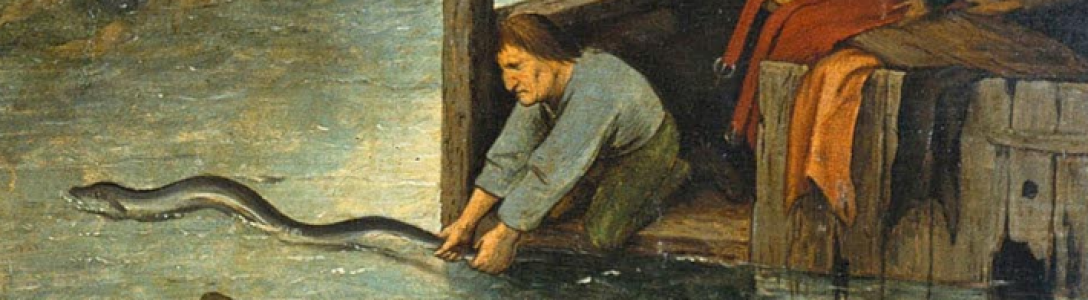
 

“Two Friends” — Pierre Senges

From Studies of Silhouettes by Pierre Senges. English translation by Jacob Siefring. Forthcoming in the fall from Sublunary Editions.

Archive I — Richard Hamilton

Archive I, 1981 by Richard Hamilton (1922–2011)

The Golden Section — Alejandro Pasquale

The Golden Section, 2018 by Alejandro Pasquale (b. 1984)