Teddy Roosevelt on The Simpsons

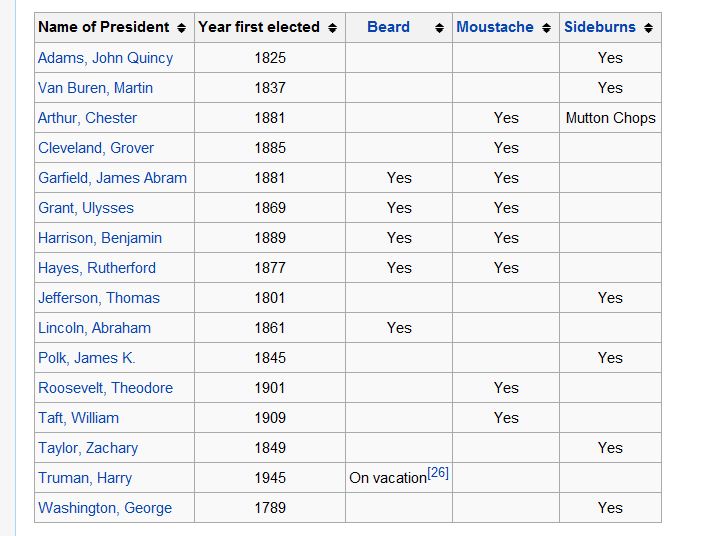
A Chart of U.S. Presidents Who Sported Facial Hair

(From Wikipedia, natch).

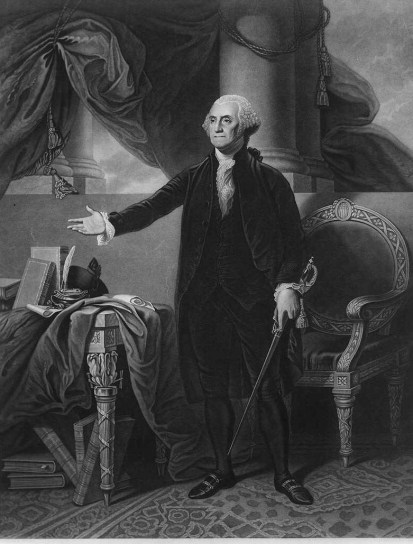
George Washington Was A Biblioklept

George Washington was a biblioklept. MobyLives hipped us to Ed Pilkington’s Guardian article. From the article:

Founder of a nation, trouncer of the English, God-fearing family man: all in all, George Washington has enjoyed a pretty decent reputation. Until now, that is.

The hero who crossed the Delaware river may not have been quite so squeaky clean when it came to borrowing library books.

The New York Society Library, the city’s only lender of books at the time of Washington’s presidency, has revealed that the first American president took out two volumes and pointedly failed to return them.

At today’s prices, adjusted for inflation, he would face a late fine of $300,000.

The library’s ledgers show that Washington took out the books on 5 October 1789, some five months into his presidency at a time when New York was still the capital. They were an essay on international affairs called Law of Nations and the twelfth volume of a 14-volume collection of debates from the English House of Commons.

The ledger simply referred to the borrower as “President” in quill pen, and had no return date.

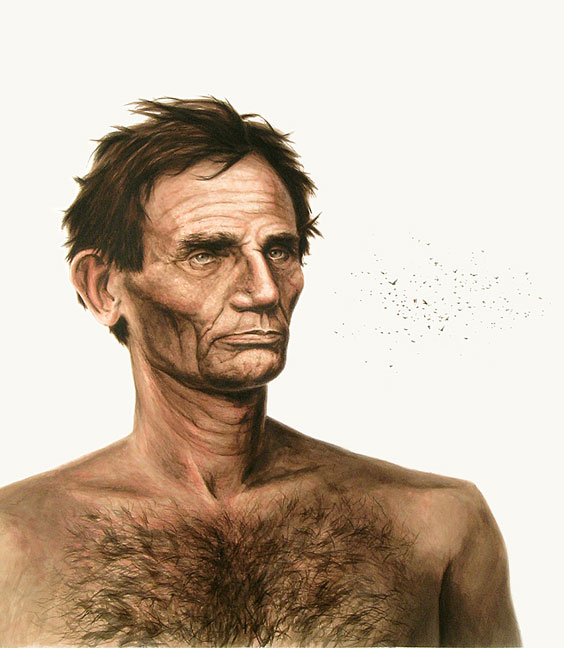
Lincoln — George Boorujy

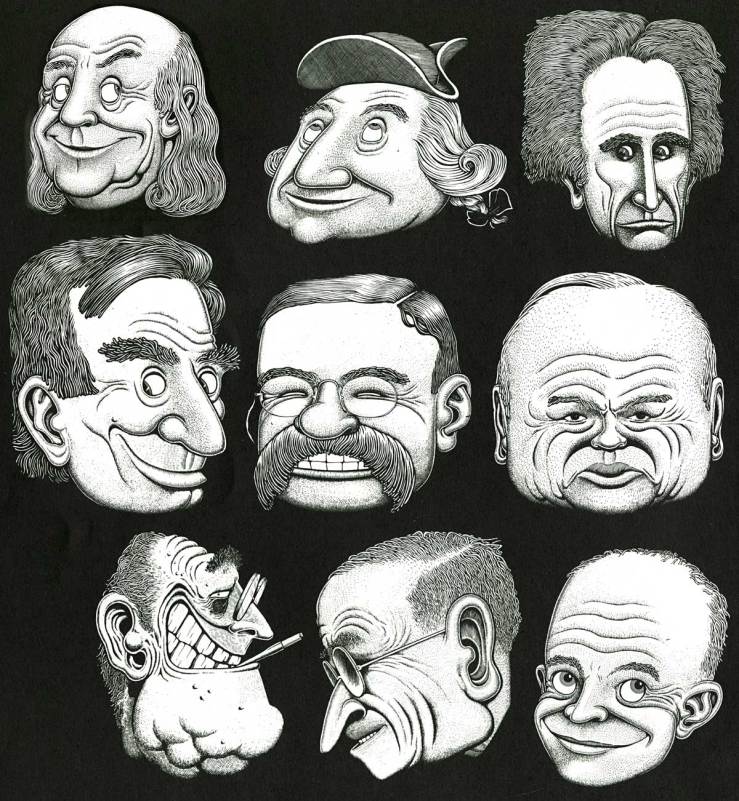
Happy President’s Day from Basil Wolverton

Book Shelves #8, 2.19.2012

20120219-125815.jpg

Book shelves series #8, eighth Sunday of 2012. This is likely the most boring post in this series (at least I hope it is). I keep books that folks send me that I intend to review but haven’t gotten to yet in this magazine stand thing; it abuts the sofa in the sitting room. Some of the books in here came in last summer. So, out of shame alone, I won’t be yanking any out for individual pics. Next week, we’ll get a gander at some of the finer shelves in the house.


Edward Albee Talks About Carson McCullers (Video)

“The Jockey,” A Short Story by Carson McCullers

“The Jockey” by Carson McCullers

The jockey came to the doorway of the dining room, then after a moment stepped to one side and stood motionless, with his back to the wall. The room was crowded, as this was the third day of the season and all the hotels in the town were full. In the dining room bouquets of August roses scattered their petals on the white table linen and from the adjoining bar came a warm, drunken wash of voices. The jockey waited with his back to the wall and scrutinized the room with pinched, crêpy eyes. He examined the room until at last his eyes reached a table in a corner diagonally across from him, at which three men were sitting. As he watched, the jockey raised his chin and tilted his head back to one side, his dwarfed body grew rigid, and his hands stiffened so that the fingers curled inward like gray claws. Tense against the wall of the dining room, he watched and waited in this way.

He was wearing a suit of green Chinese silk that evening, tailored precisely and the size of a costume outfit for a child. The shirt was yellow, the tie striped with pastel colors. He had no hat with him and wore his hair brushed down in a stiff, wet bang on his forehead. His face was drawn, ageless, and gray. There were shadowed hollows at his temples and his mouth was set in a wiry smile. After a time he was aware that he had been seen by one of the three men he had been watching. But the jockey did not nod; he only raised his chin still higher and hooked the thumb of his tense hand in the pocket of his coat.

The three men at the corner table were a trainer, a bookie, and a rich man. The trainer was Sylvester — a large, loosely built fellow with a flushed nose and slow blue eyes. The bookie was Simmons. The rich man was the owner of a horse named Seltzer, which the jockey had ridden that afternoon. The three of them drank whiskey with soda, and a white-coated waiter had just brought on the main course of the dinner. Continue reading ““The Jockey,” A Short Story by Carson McCullers”

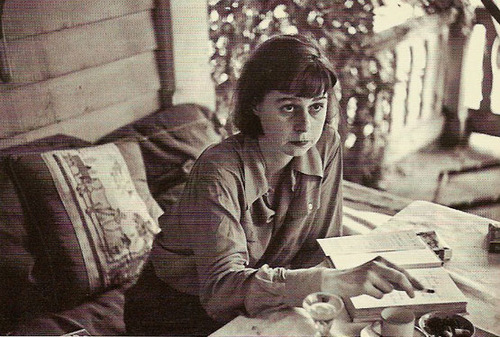
Just a Bunch of Pics of Carson McCullers Smoking

This slideshow requires JavaScript.

When I put together this post of writers smoking, I knew I wanted a pic of Carson McCullers; a basic image search evinces that most pictures of McCullers feature her smoking, or at least posing with a cigarette (also drinking). On one hand, this is a hoary old trope, the hard smoking writer; on the other hand, it’s entirely likely that McCullers was never far from a smoke. NB: The man pictured by McCullers in one of the images is the playwright Edward Albee.

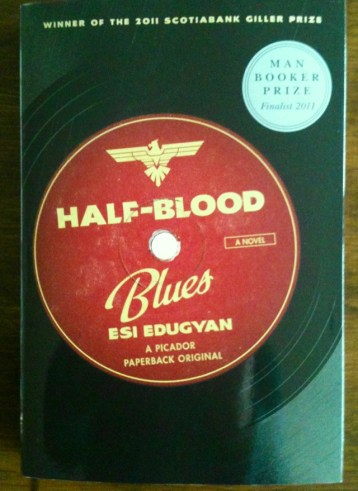
Esi Edugyan’s Half-Blood Blues (Book Acquired, 2.10.2012)

20120218-101808.jpg

I try to spend 10 or 20 minutes with every book that comes in to Biblioklept World Headquarters—assessing plot and prose, trying to get a sense of the potential audience for each volume, etc. Sometimes this task is difficult, and especially difficult when I find myself with too much to read, yet intrigued by the book at hand.

This is a lot of hemming and hawing leading up to: I very much enjoyed the first fifty or so pages of Esi Edugyan’s Half-Blood Blues. Here’s a plot description from the Man Booker Prize website:

‘Chip told us not to go out. Said, don’t you boys tempt the devil. But it been one brawl of a night, I tell you…’ The aftermath of the fall of Paris, 1940. Hieronymous Falk, a rising star on the cabaret scene, was arrested in a cafe and never heard from again. He was twenty years old. He was a German citizen. And he was black. Fifty years later, Sid, Hiero’s bandmate and the only witness that day, is going back to Berlin. Persuaded by his old friend Chip, Sid discovers there’s more to the journey than he thought when Chip shares a mysterious letter, bringing to the surface secrets buried since Hiero’s fate was settled. In Half Blood Blues, Esi Edugyan weaves the horror of betrayal, the burden of loyalty and the possibility that, if you don’t tell your story, someone else might tell it for you. And they just might tell it wrong…

Edugyan writes in an energetic colloquial syntax, one that matches–and embodies—the spirit of the jazz musicians at the forefront of her narrative.  So far, great stuff.

Picador has picked up the book and given it a wider distribution in the US. Check it out.

“A Toad, can die of Light” — Emily Dickinson

“A Toad, can die of Light,” a poem by Emily Dickinson:

A Toad, can die of Light —
Death is the Common Right
Of Toads and Men —
Of Earl and Midge
The privilege —
Why swagger, then?
The Gnat’s supremacy is large as Thine —

Life — is a different Thing —
So measure Wine —
Naked of Flask — Naked of Cask —
Bare Rhine —
Which Ruby’s mine

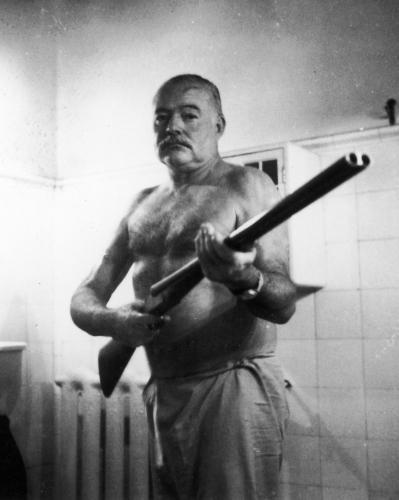
Topless Hemingway, Part III

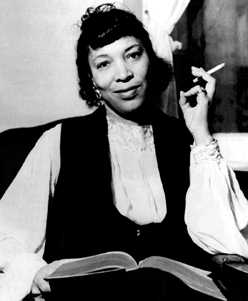
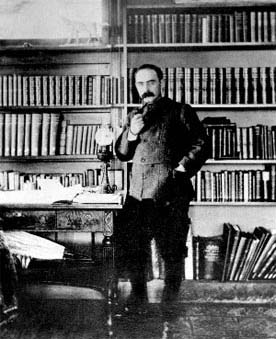
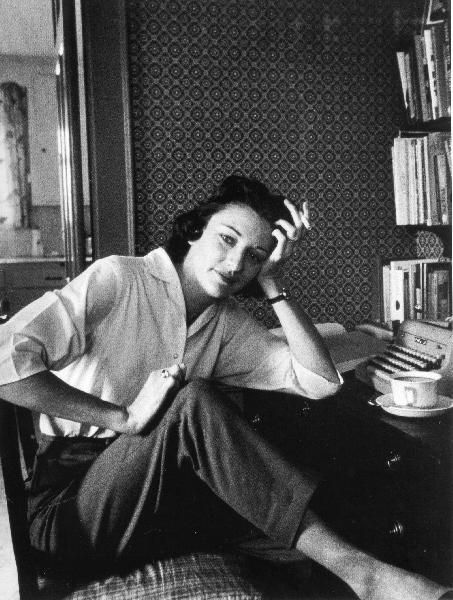
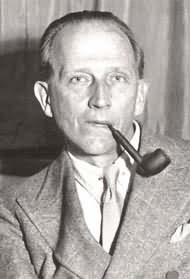
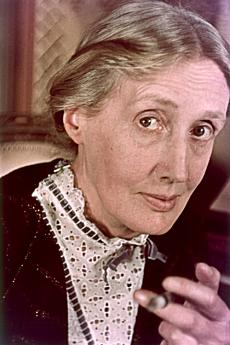
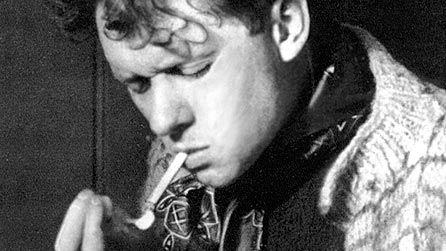
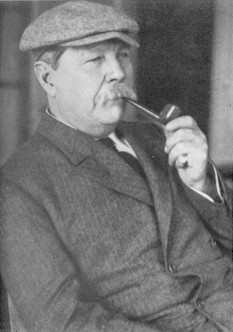
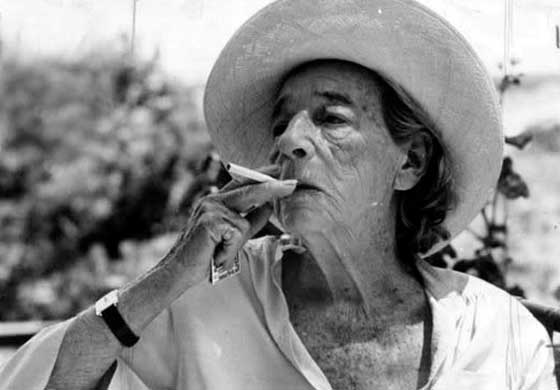
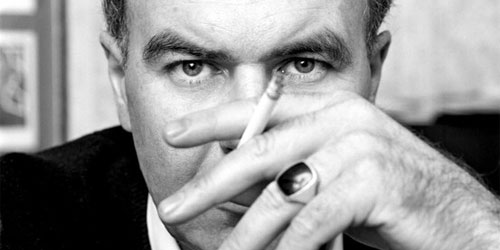
Smoking Makes You Look Cool, Part II (More Pics of Writers Smoking)

Zora Neale Hurston
Rudyard Kipling
Anne Sexton 
A.A. Milne
Virginia Woolf
Carson McCullers
Dylan Thomas
Arthur Conan Doyle
Lillian Hellman
Raymond Carver

(For more pics of writers smoking, check out our first gallery—and don’t worry, people already expressed their hatred for what they perceived to be our endorsement of smoking there).

St. George and the Dragon — Raphael

Leon Sees Seinfeld for the First Time (Curb Your Enthusiasm)

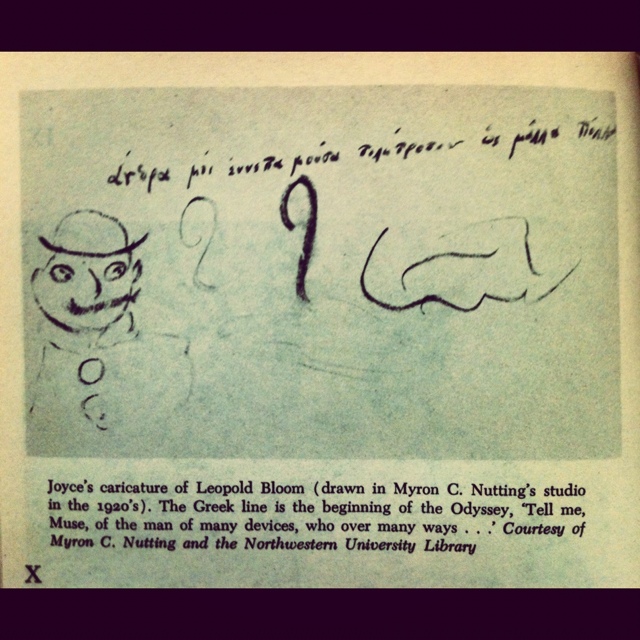
James Joyce’s Caricature of Leopold Bloom

20120216-173233.jpg

From Richard Ellman’s great big bio James Joyce.

Books Acquired, 2.16.2012

20120216-191500.jpg

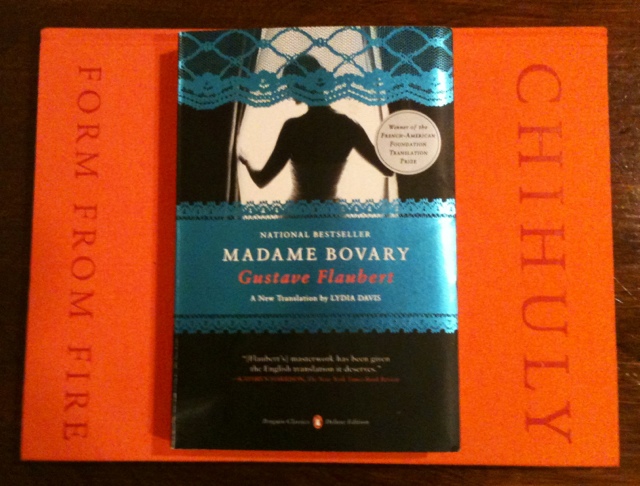
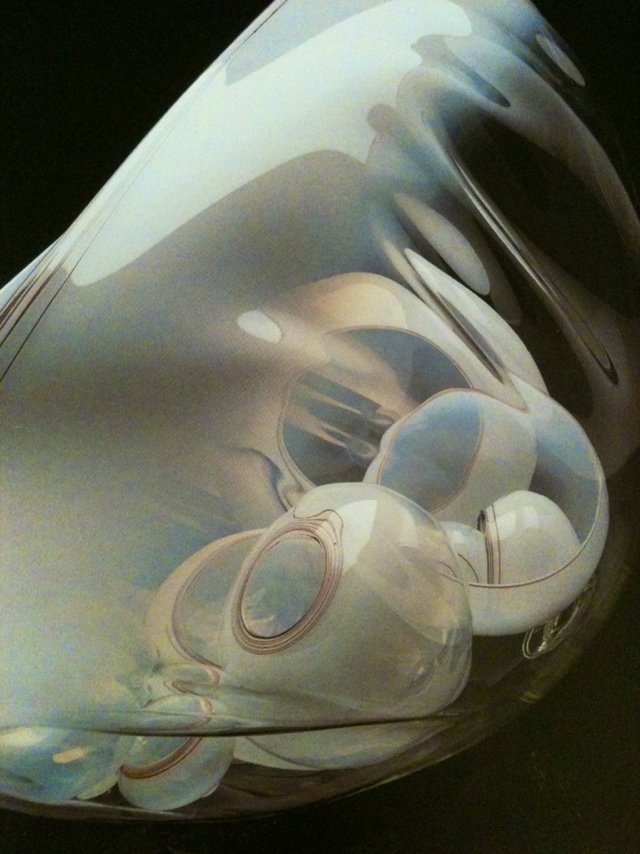
The Chihuly book was too beautiful not to pick up for my wife—cloth bound and so orange. I picked it up along with Lydia Davis’s translation of Madame Bovary this afternoon at my fave used bookshop; ostensibly, I was searching for a copy of the Mutis book Noquar reviewed here this week, but who really needs a legit reason to browse the stacks?

20120216-192716.jpg