“Winter-Time” — Robert Louis Stevenson

“Winter-Time,” a poem by Robert Louis Stevenson:

Late lies the wintry sun a-bed,
A frosty, fiery sleepy-head;
Blinks but an hour or two; and then,
A blood-red orange, sets again.

Before the stars have left the skies,
At morning in the dark I rise;
And shivering in my nakedness,
By the cold candle, bathe and dress.

Close by the jolly fire I sit
To warm my frozen bones a bit;
Or with a reindeer-sled, explore
The colder countries round the door.

When to go out, my nurse doth wrap
Me in my comforter and cap;
The cold wind burns my face, and blows
Its frosty pepper up my nose.

Black are my steps on silver sod;
Thick blows my frosty breath abroad;
And tree and house, and hill and lake,
Are frosted like a wedding cake.

Some Thoughts On The Wearing of Hats (The Wire)

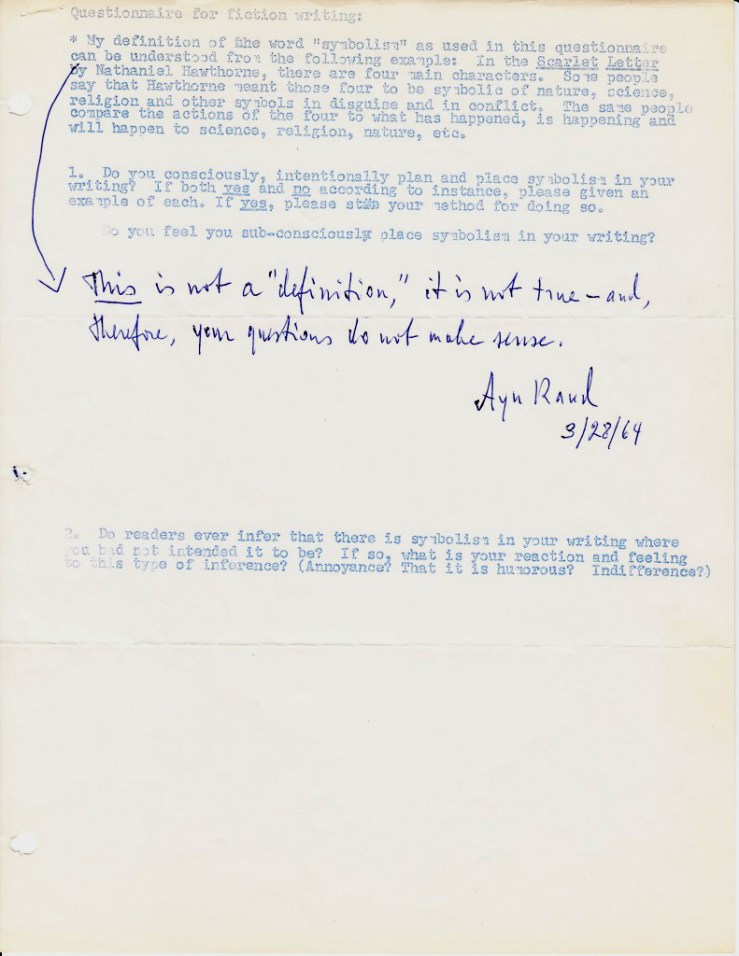
Ayn Rand Being a Jerk to a High School Kid

Part of a great write-up at The Paris Review. Some context (from the article):

In 1963, a sixteen-year-old San Diego high school student named Bruce McAllister sent a four-question mimeographed survey to 150 well-known authors of literary, commercial, and science fiction. Did they consciously plant symbols in their work? he asked. Who noticed symbols appearing from their subconscious, and who saw them arrive in their text, unbidden, created in the minds of their readers? When this happened, did the authors mind?

Gene Wilder Talks About Improvising with Richard Pryor

Read “The Fir-Tree,” Hans Christian Andersen’s Depressing Story About the Existential Fate of a Christmas Tree

Hans Christian Andersen’s “The Fir-Tree,” a depressing story about a Christmas tree—

Far down in the forest, where the warm sun and the fresh air made a sweet resting-place, grew a pretty little fir-tree; and yet it was not happy, it wished so much to be tall like its companions— the pines and firs which grew around it. The sun shone, and the soft air fluttered its leaves, and the little peasant children passed by, prattling merrily, but the fir-tree heeded them not. Sometimes the children would bring a large basket of raspberries or strawberries, wreathed on a straw, and seat themselves near the fir-tree, and say, “Is it not a pretty little tree?” which made it feel more unhappy than before. And yet all this while the tree grew a notch or joint taller every year; for by the number of joints in the stem of a fir-tree we can discover its age. Still, as it grew, it complained, “Oh! how I wish I were as tall as the other trees, then I would spread out my branches on every side, and my top would over-look the wide world. I should have the birds building their nests on my boughs, and when the wind blew, I should bow with stately dignity like my tall companions.” The tree was so discontented, that it took no pleasure in the warm sunshine, the birds, or the rosy clouds that floated over it morning and evening. Sometimes, in winter, when the snow lay white and glittering on the ground, a hare would come springing along, and jump right over the little tree; and then how mortified it would feel! Two winters passed, and when the third arrived, the tree had grown so tall that the hare was obliged to run round it. Yet it remained unsatisfied, and would exclaim, “Oh, if I could but keep on growing tall and old! There is nothing else worth caring for in the world!” In the autumn, as usual, the wood-cutters came and cut down several of the tallest trees, and the young fir-tree, which was now grown to its full height, shuddered as the noble trees fell to the earth with a crash. After the branches were lopped off, the trunks looked so slender and bare, that they could scarcely be recognized. Then they were placed upon wagons, and drawn by horses out of the forest. “Where were they going? What would become of them?” The young fir-tree wished very much to know; so in the spring, when the swallows and the storks came, it asked, “Do you know where those trees were taken? Did you meet them?”

Continue reading “Read “The Fir-Tree,” Hans Christian Andersen’s Depressing Story About the Existential Fate of a Christmas Tree”

“A Book of Utopias” (Prospero’s Books)

Sunday Reading, 12.04.2011

20111204-150247.jpg

Spiegelman, The Paris Review, homemade cider.

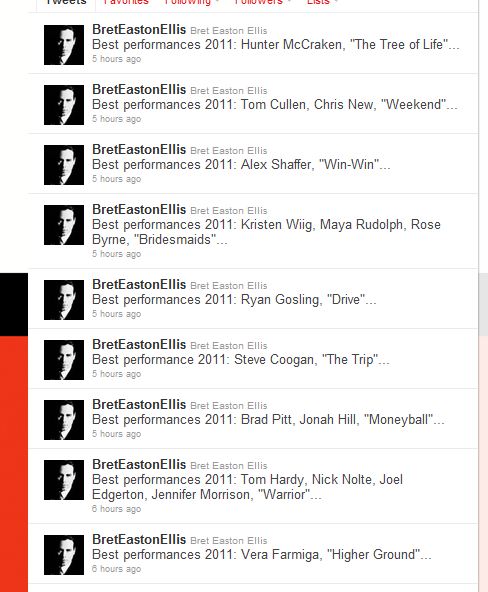
Bret Easton Ellis’s Best Performances of 2011 Picks

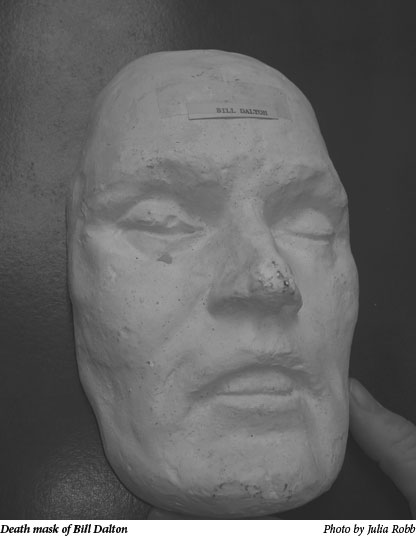
Bill Dalton’s Death Mask

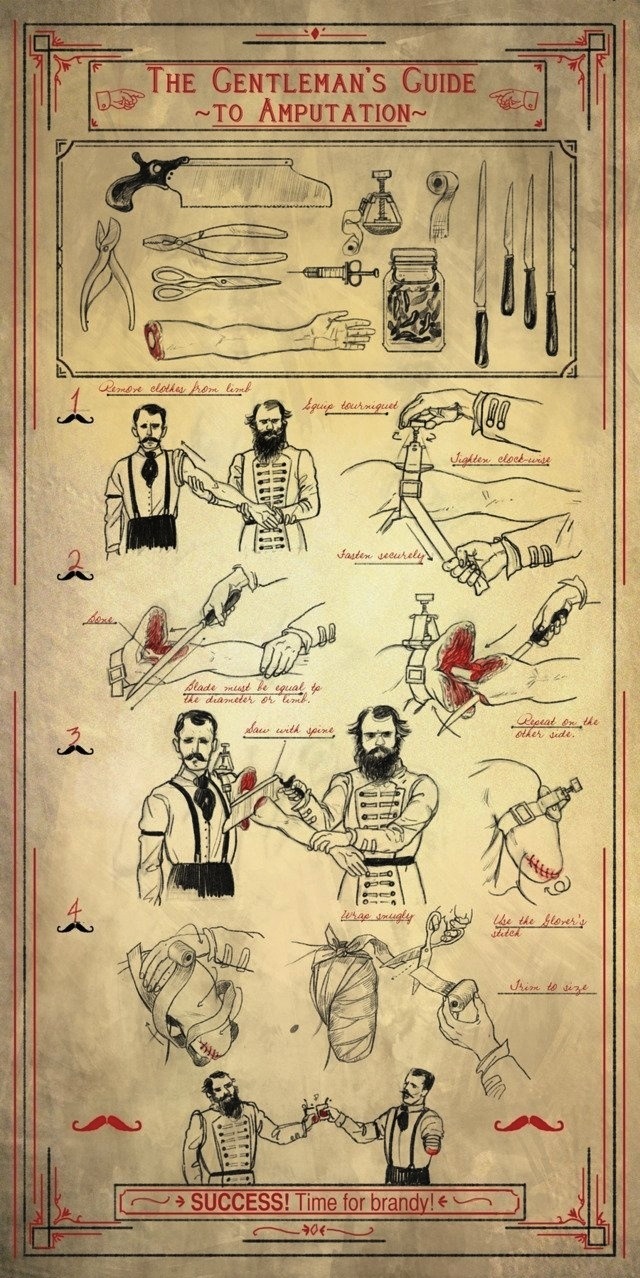
The Gentleman’s Guide to Amputation

“I Do Not Like the Human Race” — Charles Bukowski

“List of Troubles” — F. Scott Fitzgerald

F. Scott Fitzgerald’s “List of Troubles” (from his Notebooks)—

 List of troubles

  • Heart burn
  • Eczema
  • Piles
  • Flu
  • Night sweats
  • Alcoholism
  • Infected Nose
  • Insomnia
  • Ruined Nerves
  • Chronic Cough
  • Aching teeth
  • Shortness of Breath
  • Falling Hair
  • Cramps in Feet
  • Tingling Feet
  • Constipation
  • Cirocis of the liver
  • Stomach ulcers
  • Depression and Melancholia

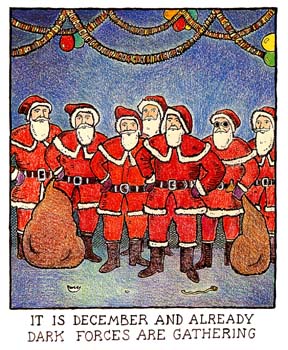
It Is December and Already Dark Forces Are Gathering — Glen Baxter

“I’m Sick of Being on B-Squad!”

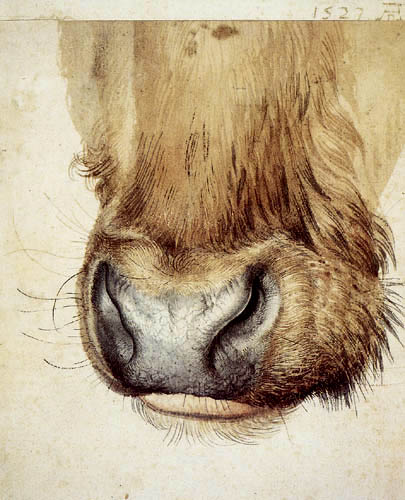
The Mouth of an Ox — Albrecht Dürer

“Spider” — Carson Mell

“Thembi” — Pharaoh Sanders